
The Role of Nature in Tea Ceremonies: A Reflection of the Japanese Worldview

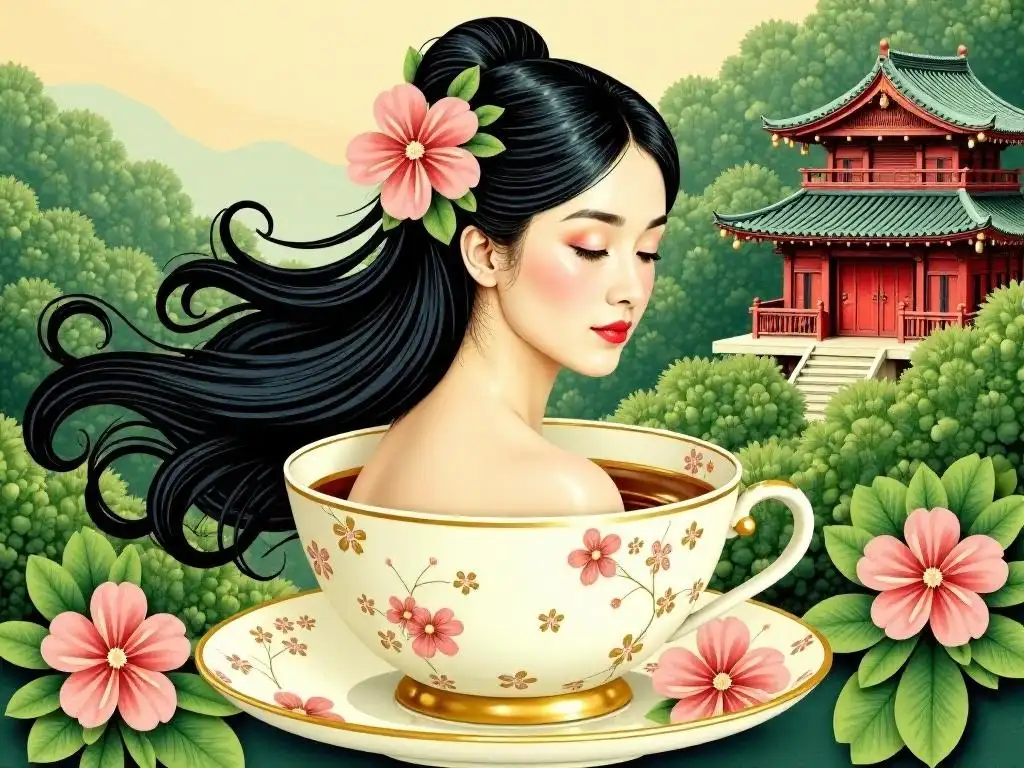
Welcome to Feudal Japan History, where we invite you to embark on a fascinating journey through the rich tapestry of Japan’s feudal era. Here, you’ll uncover the intricate connections between culture and nature, exemplified in our featured article, “The Role of Nature in Tea Ceremonies: A Reflection of the Japanese Worldview.” Delve into the profound symbolism woven into the Japanese tea ceremony, and discover how these rituals not only celebrate nature but also offer a unique lens through which to view the Japanese ethos.
Prepare to be captivated by the depth of meaning and artistry that awaits you—your exploration begins now!
Introduction to Japanese Tea Ceremony Nature Symbolism
The Japanese tea ceremony, known as chanoyu, is much more than a simple act of preparing and serving tea; it is a profound ritual steeped in history, philosophy, and cultural significance. At the heart of this ceremonial practice lies a deep connection to nature, which serves as a symbol of tranquility, harmony, and appreciation for the fleeting beauty of existence.
This article delves into the intricate layers of nature's symbolism within the Japanese tea ceremony, showcasing how these elements reflect the broader Japanese worldview and cultural ethos. By exploring the historical context, evolution, and influential figures associated with tea ceremonies, we will uncover the profound respect and reverence that the Japanese hold for nature.
Overview of the Japanese Tea Ceremony
The Japanese tea ceremony is characterized by its meticulous attention to detail and an emphasis on aesthetics, mindfulness, and etiquette. This ritualistic practice involves various elements, including the choice of tea, the utensils, the setting, and the overall ambiance, all of which contribute to creating a serene environment conducive to reflection and connection with nature. The tea ceremony is often conducted in a chashitsu (tea room), which is typically designed to harmonize with its natural surroundings, incorporating materials like wood and tatami mats that resonate with the natural world.
Key elements of the ceremony include:
- Utensils: Each tool used in the ceremony, from the tea bowl to the whisk, is chosen not only for its functionality but also for its aesthetic appeal, often reflecting seasonal motifs and natural forms.
- Tea: The type of tea, usually powdered green tea ( matcha), plays a significant role, symbolizing purity and the essence of nature.
- Setting: The tea room is often surrounded by gardens that enhance the experience, allowing participants to engage with nature's beauty.
Through this ceremonial practice, participants are encouraged to find tranquility in the present moment, fostering a deeper appreciation for the natural world.
Importance of Nature in Japanese Culture
Nature holds a sacred place in Japanese culture, influencing various aspects of life, art, and philosophy. The Shinto belief system, which venerates the kami (spirits) residing in natural elements, emphasizes the interconnectedness of humans and the environment. This worldview is evident in traditional Japanese aesthetics, where simplicity and harmony are celebrated, mirroring the beauty found in nature.
The significance of nature in Japanese culture can be summarized in the following ways:
- Aesthetic Appreciation: Concepts like wabi-sabi, which embraces imperfection and transience, reflect the Japanese appreciation for nature's fleeting beauty.
- Seasonal Awareness: The changing seasons are deeply woven into cultural practices, including festivals and rituals, highlighting the importance of nature in daily life.
- Spiritual Connection: Nature is often seen as a source of inspiration and spiritual enlightenment, guiding individuals toward a more profound understanding of themselves and their place in the universe.
This reverence for nature plays a crucial role in shaping the philosophy behind the Japanese tea ceremony, where every detail is infused with meaning and symbolism.
Historical Context of Nature in Japanese Tea Ceremonies
The Evolution of Tea Ceremonies in Feudal Japan
The tea ceremony has its roots in the Tang dynasty of China but saw significant evolution in Japan during the Kamakura and Muromachi periods (1185–1573). Initially popular among the elite, tea drinking became a cultural phenomenon that transcended social classes, particularly during the feudal era. As the ceremony evolved, it integrated various influences, including Zen Buddhism, which emphasized mindfulness, simplicity, and a close relationship with nature.
Historical milestones include:
- Introduction of Tea: Tea was first introduced to Japan by Buddhist monks who recognized its restorative properties, linking it to spiritual practices.
- Influence of Zen: The adoption of Zen principles transformed tea drinking into a meditative ritual that emphasized a connection to nature and mindfulness.
- Standardization of Practices: By the 16th century, the tea ceremony began to formalize, with the establishment of specific practices and aesthetics that highlighted the beauty of natural elements.
As a result, the tea ceremony became a reflection of the Japanese worldview, illustrating the harmony between humans and nature.
Influential Figures and Their Connection to Nature
Several historical figures played pivotal roles in shaping the Japanese tea ceremony, each contributing their unique perspectives on nature and its symbolism. Notable figures include:
- Sen no Rikyū: Often regarded as the father of the tea ceremony, Rikyū emphasized simplicity and natural beauty in his practices. He believed that the tea room should serve as a tranquil space that encourages a deep connection with nature.
- Tea Masters of the 16th Century: Various tea masters contributed to the evolution of the ceremony, each integrating their philosophies that often drew inspiration from natural elements, such as seasonal flowers and changing landscapes.
These influential figures have left a lasting legacy, ensuring that the appreciation of nature remains a fundamental aspect of the Japanese tea ceremony, inviting participants to reflect on the beauty and impermanence of life.
Elements of Nature in the Japanese Tea Ceremony
The Japanese tea ceremony, known as chanoyu, intricately weaves elements of nature into its practice, reflecting a deep appreciation for the natural world. This connection manifests in various aspects of the ceremony, from the selection of tea plants to the setting in which the ceremony takes place. Each element serves not only a practical purpose but also a symbolic one, illustrating the harmony between human activities and the environment.
The Significance of Tea Plants and Growing Conditions
The tea plants, primarily Camellia sinensis, hold immense significance in the Japanese tea ceremony. The quality of the tea leaves is directly influenced by their growing conditions, which include factors such as climate, soil type, and cultivation methods.
- Climate and Soil: The best tea is often grown in regions with ideal climate conditions, such as the mountainous areas of Uji and Shizuoka. The unique terroir contributes to the flavor profile of the tea, which is a critical element of the ceremony.
- Cultivation Practices: Traditional methods of cultivation, such as shade-growing, are employed to enhance the sweetness and umami of the tea leaves. These practices not only reflect an understanding of nature but also a commitment to sustainability and respect for the environment.
This intricate relationship between tea plants and their growing conditions underscores the importance of natural elements in the overall experience of the Japanese tea ceremony.
Water as a Symbol in Tea Preparation
Water is another fundamental element in the Japanese tea ceremony, serving both a practical and symbolic role. The quality of water used can significantly affect the flavor of the tea, making it essential to select the right source.
- Purity and Clarity: Clean, pure water symbolizes clarity and purity, both in the physical and spiritual sense. It aligns with the ceremony's emphasis on mindfulness and presence.
- Temperature: The temperature of the water is meticulously controlled; different teas require different temperatures to extract their optimal flavors. This attention to detail reflects the Japanese philosophy of harmony with nature and the importance of adapting to its nuances.
In this way, water in tea preparation becomes a reflection of nature's influence on the ceremony, emphasizing the need for balance and respect for natural processes.
The Role of Seasonal Changes in Ceremony Design
Seasonality plays a crucial role in shaping the design and execution of tea ceremonies. The changing seasons influence not only the selection of tea but also the decor, utensils, and overall ambiance of the ceremony.
- Seasonal Themes: Each season brings its own unique aesthetic and symbolism, which can be represented through floral arrangements, seasonal sweets, and the choice of tea. For instance, cherry blossoms in spring evoke themes of renewal and fleeting beauty, while autumn leaves might reflect the transition and the beauty of impermanence.
- Adaptation to Nature: The ceremony’s design is adapted to the changing seasons, allowing practitioners to connect with nature's cycles. This emphasis on seasonality reinforces the concept of mono no aware, the awareness of the impermanence of things, a central theme in Japanese aesthetics and worldview.
By embracing the seasonal changes, tea ceremonies become a living reflection of the natural world, enhancing participants' appreciation for the environment.
Nature's Influence on the Aesthetic of Tea Ceremonies
The aesthetic elements of the Japanese tea ceremony are profoundly influenced by nature, emphasizing simplicity, beauty, and a deep connection to the environment. This aesthetic is not merely decorative but serves as a vehicle for expressing the underlying philosophies of the ceremony.
Wabi-Sabi: Embracing Imperfection in Nature
Wabi-sabi is a fundamental concept in Japanese aesthetics that celebrates the beauty of imperfection and transience. This philosophy is deeply embedded in the tea ceremony:
- Imperfection in Utensils: The utensils used in tea ceremonies often exhibit irregularities and asymmetries, which are appreciated rather than criticized. This aligns with the natural imperfections found in the environment, such as the unique patterns of leaves or the irregular shapes of stones.
- Transience of Beauty: Wabi-sabi invites participants to find beauty in the fleeting moments of nature, such as the changing colors of leaves or the gradual unfolding of flowers. This perspective encourages mindfulness and an appreciation for the present moment, which is central to the tea ceremony.
Through wabi-sabi, the tea ceremony embodies a profound respect for nature's inherent beauty and impermanence.
Natural Materials Used in Tea Ceremony Utensils
The utensils used in the Japanese tea ceremony are typically crafted from natural materials, emphasizing a connection to the environment.
- Clay and Wood: Many tea bowls are made from local clay, and tea scoops are often fashioned from bamboo or wood. These materials not only add aesthetic value but also resonate with the natural world.
- Sustainability: The use of natural materials reflects a sustainable approach to craftsmanship, highlighting the importance of respecting and preserving the environment. Each utensil tells a story of the land from which it originates, bridging the gap between nature and human artistry.
This reliance on natural materials reinforces the tea ceremony's ethos of harmony with nature, creating an atmosphere of tranquility and connection.
Gardens and Natural Settings: Creating the Right Atmosphere
The setting of a tea ceremony often takes place in carefully curated gardens or natural landscapes, which are integral to the overall experience.
- Zen Gardens: Many tea ceremonies are held in Zen gardens, where the arrangement of stones, water, and plants creates a serene environment conducive to contemplation. These gardens embody the principles of balance and tranquility found in nature.
- Natural Light and Elements: The presence of natural light and elements such as water features enhances the ambiance, allowing participants to feel more connected to the surroundings. This connection fosters a sense of peace and mindfulness that is central to the tea ceremony experience.
In this way, the choice of setting plays a vital role in reflecting the beauty of nature, further enriching the symbolic meaning of the tea ceremony.
Philosophical Underpinnings of Nature in Japanese Tea Ceremonies
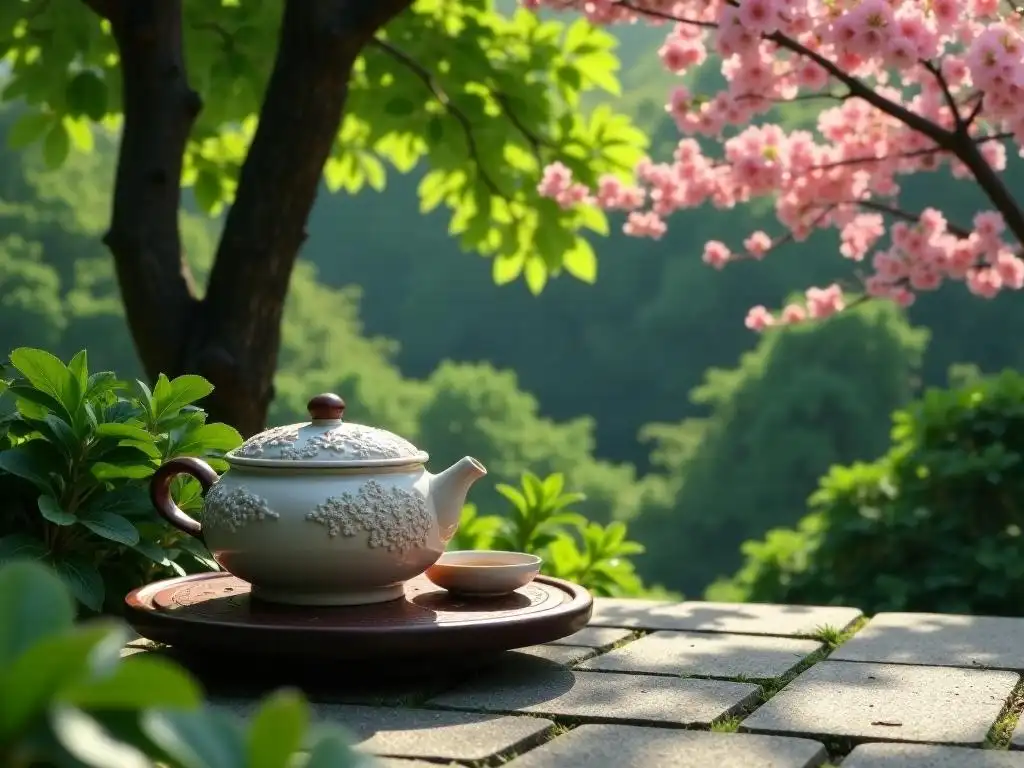
The Japanese tea ceremony, or chanoyu, is deeply rooted in philosophical concepts that emphasize the connection between nature and the human experience. Central to these ceremonies is the understanding that nature is not merely a backdrop but a vital participant in the ritual. This perspective is influenced by various philosophical and religious traditions, particularly Zen Buddhism, which fosters an appreciation for the transient beauty of the natural world.
The aesthetics of nature are expressed through carefully selected utensils, seasonal decorations, and the environment in which the ceremony takes place. Each element serves to evoke a sense of harmony and tranquility, inviting participants to immerse themselves in the present moment.
Zen Buddhism and Its Influence on Nature Symbolism
Zen Buddhism plays a crucial role in shaping the nature symbolism found in the Japanese tea ceremony. This spiritual practice emphasizes mindfulness, simplicity, and the appreciation of the present moment. In Zen philosophy, nature is often viewed as a manifestation of the ultimate truth.
The tea ceremony reflects this belief; the act of preparing and serving tea becomes a meditative practice that fosters a connection to the natural world. For instance, the use of natural materials like bamboo, clay, and stone in tea utensils embodies a respect for nature's beauty and impermanence. Furthermore, the seasonal elements incorporated into the ceremony, such as cherry blossoms in spring or autumn leaves, highlight the fleeting nature of life, encouraging participants to embrace the moment's beauty.
The Concept of Harmony (Wa) in Nature and Tea Rituals
The idea of wa, or harmony, is a foundational principle in Japanese culture and is particularly significant in the context of tea ceremonies. This concept emphasizes the balance and interconnectedness of all elements within the ceremony, including the participants, the environment, and the natural world. Achieving harmony during the tea ceremony involves a careful alignment of movements, gestures, and the arrangement of natural elements, such as flowers and stones.
The serene atmosphere created during the tea ritual allows participants to experience a profound sense of peace and connection to nature. By fostering this harmony, the tea ceremony becomes a space where individuals can reflect on their relationship with the world around them and the transient beauty of nature.
The Symbolic Meaning of Nature in the Japanese Tea Ceremony
Nature's symbolism in the Japanese tea ceremony is multifaceted, representing deeper philosophical ideas and cultural values. Each aspect of the natural world is infused with meaning, reinforcing the belief that the beauty of nature is an expression of life’s impermanence and interconnectedness.
The selection of seasonal flora, the changing colors of leaves, and even the weather on the day of the ceremony all contribute to the overall experience, creating a dynamic interplay between nature and human emotions. This symbolic representation serves to remind participants of their place within the larger tapestry of existence and the importance of mindfulness in appreciating life's fleeting moments.
Nature as a Reflection of Inner Peace and Mindfulness
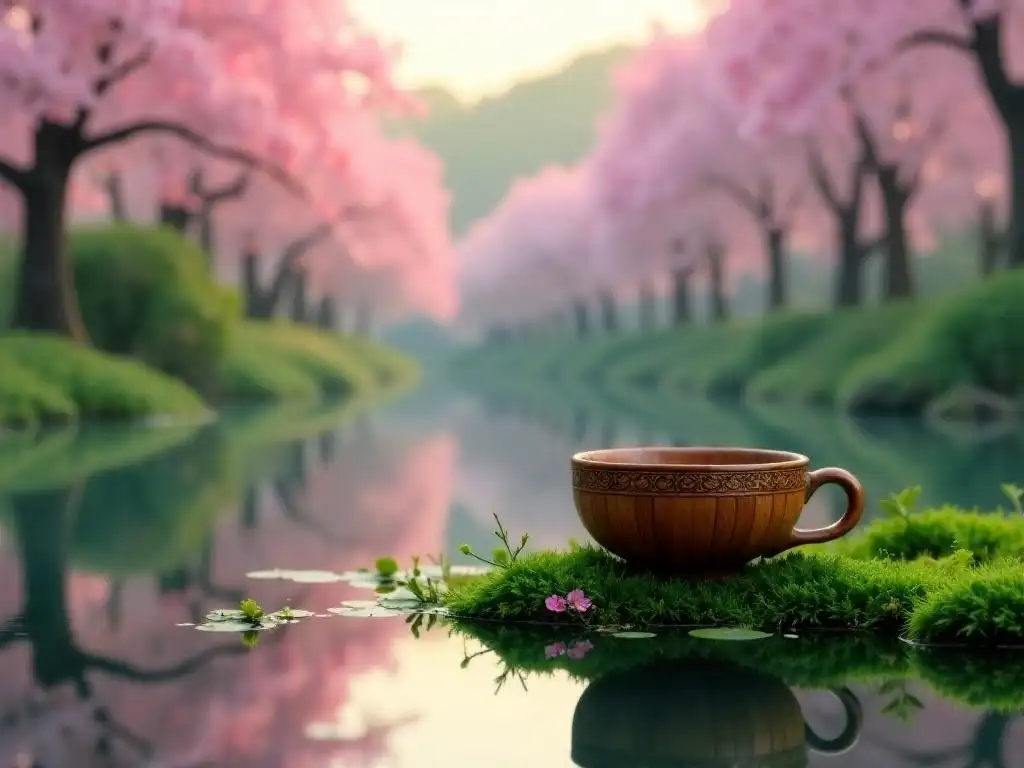
In the Japanese tea ceremony, nature acts as a mirror for inner peace and mindfulness. The tranquil surroundings and natural elements help to create a serene environment conducive to contemplation and introspection. Participants are encouraged to focus on the sensations of the moment— the sound of water boiling, the aroma of the tea, and the gentle rustle of leaves outside.
This focus fosters a meditative state, allowing individuals to cultivate inner calm. The natural world, with its cycles and rhythms, serves as a reminder of the importance of being present and mindful, guiding participants towards a deeper understanding of themselves and their connection to the universe.
The Cycle of Life: Birth, Growth, and Decay in Nature
The Japanese tea ceremony poignantly reflects the cycle of life through its representation of birth, growth, and decay found in nature. Seasonal changes symbolize the stages of life, with cherry blossoms signifying the beauty of youth and the inevitability of decay, as they bloom and fall within a short period. This cyclical view encourages participants to embrace the transient nature of life, recognizing that each moment is precious and should be cherished.
The incorporation of seasonal elements—like fresh tea leaves in spring or dried branches in winter—further emphasizes this cycle, reminding participants of the continuous flow of life and the beauty that lies within each stage. Through this lens, the tea ceremony becomes not just a ritual of preparing and serving tea but a profound reflection on existence itself.
Conclusion: The Lasting Impact of Nature on Japanese Tea Ceremonies
The profound influence of nature in Japanese tea ceremonies encapsulates more than just the aesthetics of the practice; it embodies the very essence of the Japanese worldview. The intricate relationship between the natural environment and the ceremonial aspects of tea is a testament to the deep appreciation for simplicity, tranquility, and harmony that is a hallmark of Japanese culture.
Nature serves not only as a backdrop but as a vital participant in the tea ceremony, shaping the rituals, aesthetics, and philosophical underpinnings. This enduring legacy is evident in the meticulous attention to seasonal changes, the use of natural materials in utensils, and the overall ambiance that reflects the beauty of nature.
Moreover, the symbolism of nature in tea ceremonies has transcended time, continuing to inspire modern practices. The principles of mindfulness and appreciation of the present moment, which are rooted in the natural world, remain relevant today. As contemporary tea practitioners seek to preserve these age-old traditions while adapting to modern sensibilities, the essence of nature continues to resonate. Thus, the lasting impact of nature on Japanese tea ceremonies not only highlights historical significance but also reinforces its relevance in the contemporary cultural landscape.
Contemporary Relevance of Nature Symbolism in Modern Tea Rituals
In contemporary Japan, the symbolism of nature within tea ceremonies remains a vibrant aspect of cultural identity. Many practitioners integrate seasonal elements into their rituals, such as selecting specific tea types, flowers, and decor that reflect the current season. This practice not only honors tradition but also fosters a connection to the natural environment, promoting a holistic experience that resonates with participants.
Modern tea ceremonies increasingly emphasize sustainability and environmental awareness. Practitioners often use locally sourced materials and emphasize the importance of eco-friendly practices, such as organic tea cultivation. Additionally, the growing interest in wellness and mindfulness has led to a resurgence of tea rituals in various contexts, including corporate settings and personal retreats, where the calming and restorative qualities of nature are celebrated.
Furthermore, workshops and classes on the Japanese tea ceremony are gaining popularity worldwide. These sessions often highlight the natural aspects of the practice, encouraging participants to reflect on their relationship with nature. This contemporary relevance underscores the adaptability of the tea ceremony and the enduring significance of nature symbolism in fostering a deeper understanding of oneself and the environment.
Final Thoughts on the Interconnection of Nature and Japanese Culture
The intricate bond between nature and Japanese culture is beautifully exemplified in the tea ceremony. This ritual encapsulates the philosophy of wabi-sabi, which embraces the beauty of imperfection and transience—a concept that aligns closely with the natural world. The seasonal elements, the choice of utensils, and the overall atmosphere of a tea ceremony invite participants to engage with nature on a profound level.
As we reflect on the interconnection of nature and Japanese culture, it becomes clear that the tea ceremony serves as a microcosm of broader cultural values. It illustrates the importance of harmony, respect, and mindfulness—qualities that are essential not only in tea rituals but also in daily life. By appreciating the natural world through the lens of tea ceremonies, individuals can cultivate a deeper sense of connection, enriching their understanding of both Japanese culture and the universal significance of nature.
References
Suggested Reading on Japanese Tea Ceremony and Nature Symbolism
- The Book of Tea by Okakura Kakuzō: A classic text that explores the philosophy behind the tea ceremony and its connection to nature.
- Japanese Tea Ceremony: A Taste of the Seasons by John T. Smith: This book delves into how seasonal changes influence tea ceremonies, emphasizing the natural elements involved.
- Wabi Sabi: The Japanese Art of Impermanence by Andrew Juniper: An exploration of the aesthetic principles that underpin Japanese culture, including the tea ceremony.
Academic Sources and Historical Texts on Japanese Cultural Practices
- The Japanese Tea Ceremony: A Cultural History by Yasuko Matsumoto: An academic analysis of the historical development of the tea ceremony and its cultural significance.
- Nature and Culture in Japanese Tea Ceremony in the Journal of Japanese Studies: A scholarly article discussing the philosophical underpinnings of nature symbolism in tea rituals.
- Zen and the Art of Tea in the Journal of Asian Studies: A research paper examining the intersection of Zen philosophy and the practices surrounding the Japanese tea ceremony.
- Introduction to Japanese Tea Ceremony Nature Symbolism
- Historical Context of Nature in Japanese Tea Ceremonies
- Elements of Nature in the Japanese Tea Ceremony
- Nature's Influence on the Aesthetic of Tea Ceremonies
- Philosophical Underpinnings of Nature in Japanese Tea Ceremonies
- Zen Buddhism and Its Influence on Nature Symbolism
- The Concept of Harmony (Wa) in Nature and Tea Rituals
- The Symbolic Meaning of Nature in the Japanese Tea Ceremony
- Nature as a Reflection of Inner Peace and Mindfulness
- The Cycle of Life: Birth, Growth, and Decay in Nature
- Conclusion: The Lasting Impact of Nature on Japanese Tea Ceremonies
- References
- What is the significance of nature in the Japanese tea ceremony?
- How does the tea ceremony embody Japanese cultural values?
- What elements of nature are commonly included in tea ceremonies?
- How does the symbolism of nature influence the selection of tea utensils?
- Why is the Japanese tea ceremony considered a form of art?
Frequently Asked Questions
What is the significance of nature in the Japanese tea ceremony?
The Japanese tea ceremony emphasizes the harmonious relationship between humans and nature, reflecting the belief that natural elements enhance the overall experience.
How does the tea ceremony embody Japanese cultural values?
The ceremony represents mindfulness, respect, and simplicity, showcasing how these values are deeply intertwined with the natural world and its symbolism.
What elements of nature are commonly included in tea ceremonies?
Common elements include plants, flowers, and natural materials that symbolize the seasonality and beauty of nature, enhancing the ceremony’s aesthetic and spiritual depth.
How does the symbolism of nature influence the selection of tea utensils?
Tea utensils are often chosen based on their natural materials and aesthetic qualities, which reflect the beauty of the environment and serve to highlight the transience of life.
Why is the Japanese tea ceremony considered a form of art?
The tea ceremony is considered an art form because it combines aesthetic appreciation, spiritual practice, and cultural expression, all of which are deeply connected to the symbolism of nature.
Final Reflection: Embracing Nature in the Japanese Tea Ceremony
The intricate relationship between nature and the Japanese tea ceremony is not just a cultural practice; it is a profound expression of the Japanese worldview. In today's fast-paced society, where technology often overshadows the natural world, the symbolism of nature in tea ceremonies serves as a poignant reminder of our need to reconnect with the environment. This ancient ritual invites us to slow down, appreciate the beauty around us, and find harmony within ourselves and with nature.
Culture is a living tapestry, woven with threads of tradition and innovation. The Japanese tea ceremony exemplifies this dynamic interplay, as it continues to influence contemporary practices in mindfulness and sustainability. By embracing the elements of nature—water, earth, and flora—participants not only honor their heritage but also cultivate a deeper awareness of their surroundings. Nature does not hurry, yet everything is accomplished.
This quote encapsulates the essence of the tea ceremony, illustrating how the deliberate pace of life can lead to profound insights and connections.
As we reflect on the lessons embedded in the Japanese tea ceremony, I invite you to consider how you can incorporate the principles of nature and mindfulness into your own life. Take a moment to step outside, breathe in the fresh air, and appreciate the world around you. Let the symbolism of nature inspire you to create your own rituals that foster tranquility and connection, reminding you that in the embrace of nature, we can find clarity and peace amidst the chaos of modern life.
Embrace the Serenity of Nature and Tea!
Thank you for diving into the tranquil world of tea ceremonies and their profound connection to nature! Your interest in exploring the Japanese worldview enriches your understanding of this beautiful tradition. Now, let’s take some practical steps to continue your journey into this serene practice.
- Experience a tea ceremony: Seek out local tea houses or cultural centers that offer authentic tea ceremonies. Immerse yourself in the ritual and embrace the calm it provides.
- Create your own tea moment: Set up a simple tea ceremony at home. Incorporate natural elements such as flowers or stones to enhance the atmosphere and savor the mindful experience you create.
- Share your insights: Reflect on your experience and share it with friends or on social media. Discuss how nature influences your perspective on daily life and tranquility.
How will you incorporate the beauty of nature into your next tea experience? We invite you to share your thoughts and discoveries below!