
The Future of Traditional Japanese Theater: Challenges and Opportunities

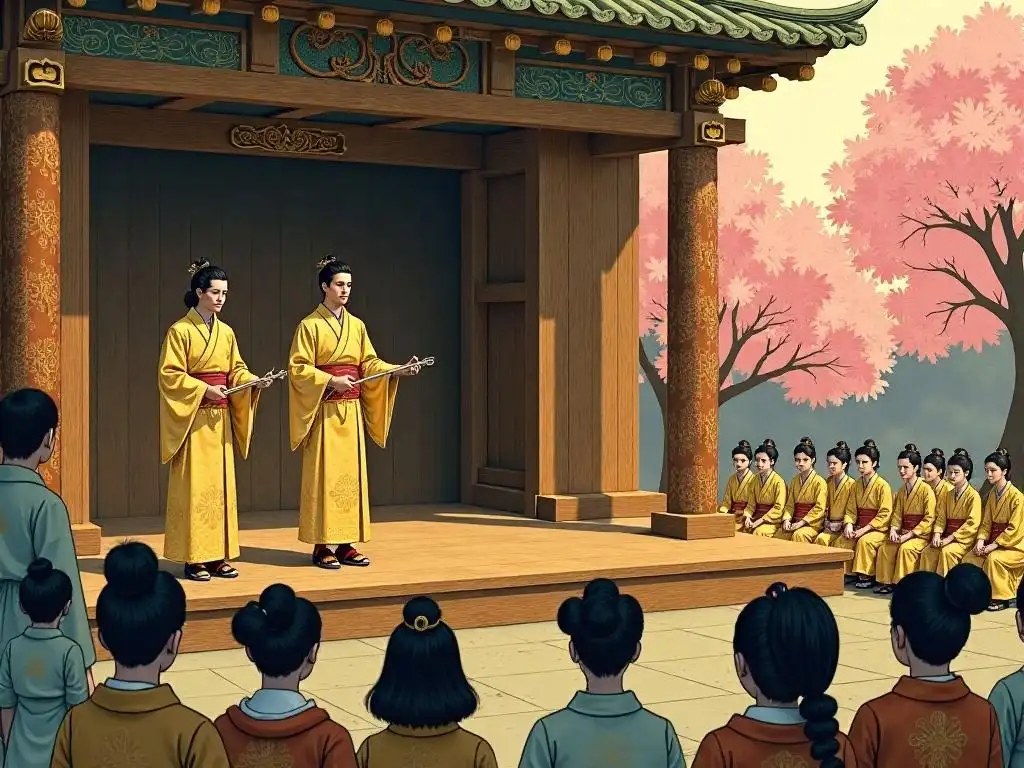
Welcome to Feudal Japan History, where we embark on a captivating journey through the rich tapestry of Japan's feudal era. Here, we delve into the intricate layers of historical, cultural, and societal aspects that shaped this fascinating period. Today, we invite you to explore our latest article, “The Future of Traditional Japanese Theater: Challenges and Opportunities.” Discover the pressing issues and potential pathways for one of Japan's most cherished art forms.
What lies ahead for this vibrant cultural legacy? Join us as we uncover the answers and invite you to reflect on the resilience of tradition in a rapidly changing world. Curiosity awaits—dive in!
Introduction to Traditional Japanese Theater
Traditional Japanese theater is not just a performance art; it is a vital expression of Japan's rich cultural legacy, embodying centuries of history, philosophy, and artistry. As we delve into the future of this venerable genre, we encounter a complex landscape characterized by both formidable challenges and promising opportunities.
The evolving tastes of modern audiences, the impact of globalization, and the necessity of preserving age-old traditions while embracing innovation all shape the trajectory of traditional Japanese theater. In this exploration, we will examine the current state of these art forms, highlighting their historical significance, popular variations, and audience engagement strategies that can sustain their relevance in the years to come.
Overview of Traditional Japanese Theater
Traditional Japanese theater comprises several distinct forms, each with its own unique characteristics and cultural significance. The most prominent among these are Noh, Kabuki, and Bunraku, each offering a different window into the Japanese psyche and aesthetic sensibilities.
- Noh: This is a classical form of theater known for its slow, stylized movements and the use of masks. It often explores themes of spirituality, nature, and the human condition.
- Kabuki: Renowned for its vibrant costumes and dynamic performances, Kabuki is a more accessible form of theater that blends drama, music, and dance, often portraying historical events and moral tales.
- Bunraku: This puppet theater combines intricate puppetry with live narration and music, providing a unique storytelling experience that captivates audiences with its emotional depth.
Each of these forms represents not only artistic expression but also a reflection of societal values and historical contexts in which they evolved.
Historical Significance in Japan’s Cultural Heritage
The historical roots of traditional Japanese theater can be traced back to the 14th century, with Noh being one of the oldest forms. Over the centuries, these theatrical arts have played a crucial role in shaping Japan's cultural identity. They served as a means of preserving folklore, conveying moral lessons, and providing commentary on social issues, thus acting as a mirror to the society of their times.
Moreover, these performances were often linked to religious and ceremonial events, highlighting their importance beyond mere entertainment. The nuanced storytelling and intricate performances foster a deeper understanding of Japan’s historical narratives, making them invaluable to both cultural heritage and educational contexts.
Current State of Traditional Japanese Theater
As we look at the contemporary landscape of traditional Japanese theater, it becomes evident that these art forms face significant challenges while also uncovering new opportunities for engagement and growth.
Popular Forms of Traditional Theater (Noh, Kabuki, Bunraku)
Today, Noh, Kabuki, and Bunraku continue to be celebrated, yet they confront a host of issues, including declining audience numbers, the aging of practitioners, and the struggle to attract younger generations.
- Noh: While revered for its artistry, Noh often struggles with perceived elitism and complexity, which can alienate newer audiences. Efforts to modernize performances and incorporate contemporary themes have begun to emerge.
- Kabuki: This form remains popular, especially in urban centers. However, it faces competition from modern entertainment forms such as film and digital media. Engaging with younger audiences through innovative productions and collaborations can help sustain its relevance.
- Bunraku: Although less known internationally, Bunraku's intricate artistry offers a rich narrative experience. Collaborations with other art forms and educational outreach can enhance its visibility and appreciation.
Audience Demographics and Engagement
The demographics of audiences attending traditional Japanese theater have shifted significantly in recent years. While older generations may have been the primary attendees, there is a growing need to engage younger audiences and diverse communities.
Strategies such as:
- Educational Programs: Workshops and school partnerships can introduce students to these art forms, fostering appreciation from an early age.
- Digital Outreach: Utilizing social media and online platforms can broaden the reach and accessibility of performances, appealing to a tech-savvy generation.
- Collaborative Projects: Engaging with contemporary artists and integrating modern themes can attract a wider audience and breathe new life into traditional narratives.
In navigating these challenges, the future of traditional Japanese theater holds the potential for a vibrant renaissance, ensuring that these cultural treasures continue to thrive for generations to come.
Challenges Facing Traditional Japanese Theater
Traditional Japanese theater, with its rich history and captivating performances, is facing several significant challenges that threaten its survival in the modern cultural landscape. These challenges not only impact the art form itself but also the community surrounding it, including actors, production teams, and audiences alike. Understanding these challenges is essential for stakeholders looking to preserve and revitalize this integral part of Japan’s cultural heritage.
Declining Audience Numbers
One of the most pressing challenges for traditional Japanese theater is the noticeable decline in audience numbers. As society evolves, younger generations are increasingly drawn to different forms of entertainment, leading to a significant drop in theater attendance. Statistics indicate that the average age of theater-goers is rising, with many traditional performances attracting an older demographic. This shift poses a risk to the sustainability of the art form, as fewer young people are being exposed to traditional theater, resulting in a diminished audience base for future performances.
Competition with Modern Entertainment
The rise of modern entertainment options, such as films, video games, and streaming services, presents formidable competition for traditional Japanese theater. These contemporary platforms offer convenience and accessibility, attracting audiences with their interactive and immersive experiences. The instantaneous nature of modern entertainment contrasts sharply with the often lengthy and nuanced presentations of traditional theater, making it challenging for these art forms to capture the attention of a generation accustomed to fast-paced content. As a result, traditional theater must find ways to compete for the time and interest of potential audience members.
Economic Sustainability and Funding Issues
Economic sustainability is another critical challenge facing traditional Japanese theater. Many theater companies operate on tight budgets and struggle to secure funding. The costs associated with production, including venue rentals, costume design, and actor salaries, can be prohibitively high. Additionally, as audience numbers decline, ticket sales decrease, further straining financial resources. Many traditional theaters rely on government grants, sponsorships, and donations, which may not always be reliable or sufficient. Without consistent funding, the quality and frequency of performances may suffer, jeopardizing the future of the theater community.
Preservation of Authenticity vs. Innovation
Balancing the preservation of authenticity with the need for innovation poses a complex challenge for traditional Japanese theater. While maintaining traditional forms and styles is crucial for cultural heritage, there is also a pressing need to adapt to changing tastes and preferences. This tension often leads to debates within the community about how far to modernize performances without losing their cultural significance.
Some artists advocate for incorporating new elements to attract younger audiences, while others argue for a strict adherence to traditional methods. Finding a middle ground that respects history while embracing innovation is essential for the future of traditional theater.
Opportunities for Revitalization
Despite the challenges, there are numerous opportunities for revitalizing traditional Japanese theater. By embracing modern techniques and engaging with diverse audiences, this art form can secure a vibrant future while honoring its rich heritage.
Incorporating Modern Technology in Performances
One promising avenue for revitalization is the integration of modern technology into traditional performances. Techniques such as digital projections, augmented reality, and interactive elements can enhance the viewing experience, making it more appealing to younger audiences. By merging traditional storytelling with cutting-edge technology, theater companies can create unique performances that resonate with contemporary viewers while still honoring the essence of the art form.
Collaborations with Contemporary Artists and Genres
Collaborating with contemporary artists and incorporating elements from other genres can breathe new life into traditional Japanese theater. By working with musicians, dancers, and visual artists from various backgrounds, theater companies can create innovative performances that attract a broader audience. These collaborations can also foster a dialogue between tradition and modernity, enriching the cultural landscape and showcasing the versatility of traditional theater.
Educational Initiatives and Community Engagement
Educational initiatives play a crucial role in ensuring the future of traditional Japanese theater. By developing workshops, outreach programs, and school partnerships, theater companies can engage younger audiences and foster an appreciation for this art form. Community engagement is vital in cultivating future generations of theater-goers and practitioners, ensuring that traditional performances remain relevant and accessible. Through interactive experiences, audiences can learn about the history, techniques, and cultural significance of traditional theater.
Globalization and International Audience Expansion
Globalization presents a unique opportunity for traditional Japanese theater to reach international audiences. As interest in diverse cultural experiences grows, there is potential for traditional performances to be showcased on global platforms. By participating in international festivals, collaborating with overseas artists, and utilizing digital streaming platforms, traditional Japanese theater can expand its reach beyond Japan's borders. This exposure not only attracts new audiences but also fosters cross-cultural appreciation, ensuring that the art form continues to thrive in a globalized world.
Case Studies of Successful Adaptations
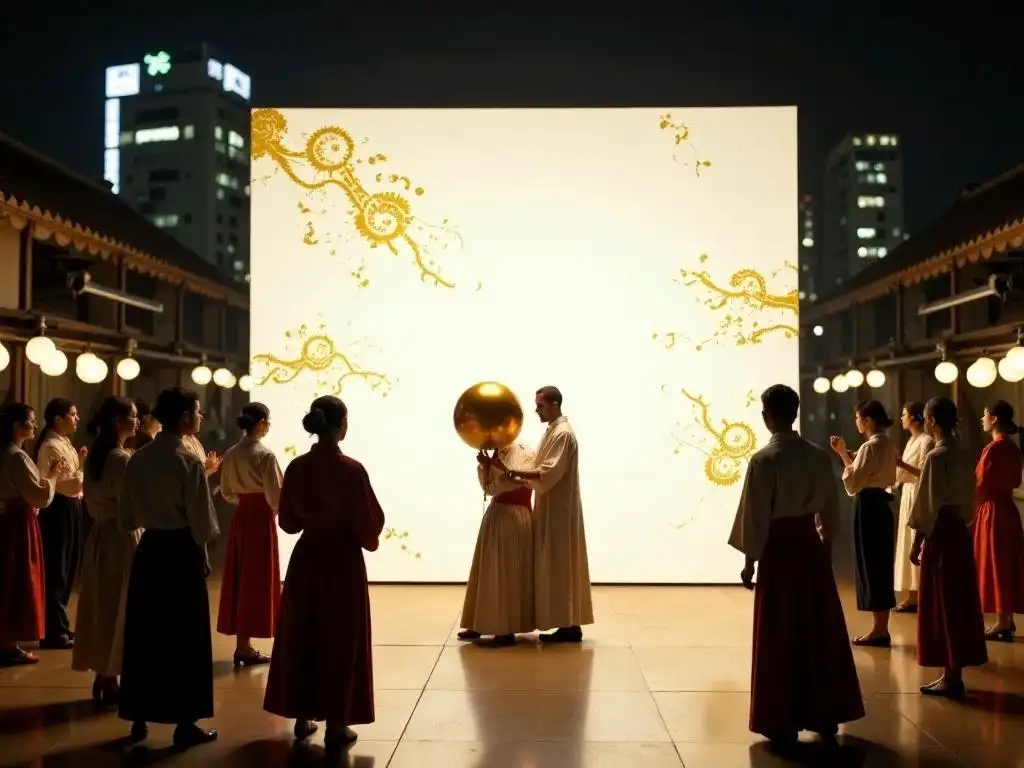
Traditional Japanese theater has demonstrated remarkable resilience and adaptability in the face of modern challenges. Several case studies highlight how various theater groups and productions have successfully integrated contemporary elements while preserving the essence of traditional forms. These adaptations not only attract new audiences but also foster a deeper appreciation for the art form.
One notable example is the collaboration between contemporary playwrights and traditional Noh theater companies. Productions like "Noh Meets Modern" incorporate innovative narratives and staging techniques while retaining the original Noh aesthetics. This fusion has drawn younger audiences, who may not have previously engaged with Noh, creating a bridge between generations.
Similarly, the Kabuki theater has embraced technological advancements. The use of multimedia projections and interactive elements in performances such as "Kabuki 2020" has revitalized this centuries-old art form. By blending traditional storytelling with modern visuals, these productions have not only expanded their audience base but also enhanced the overall theatrical experience.
Innovative Productions that Blended Traditional and Modern Elements
Innovative productions that merge traditional Japanese theater with modern elements are reshaping the landscape of performance art. One such example is the adaptation of classic Kabuki plays into modern urban settings. Productions like "Tokyo Kabuki" recontextualize traditional stories, placing them in contemporary scenarios that resonate with today’s audiences.
Another significant adaptation is the introduction of contemporary music styles within traditional performances. For instance, some theater companies incorporate live electronic music to accompany Noh and Kabuki, creating a unique auditory experience that appeals to a broader demographic. This trend not only modernizes the soundscape but also invites collaboration with contemporary musicians, fostering a vibrant cultural exchange.
Through these innovative productions, traditional Japanese theater is not merely preserved but is actively evolving. This evolution not only helps to retain relevance in a fast-paced world but also emphasizes the versatility and enduring power of these traditional forms.
Festivals and Events Revitalizing Traditional Theater
Festivals and events play a crucial role in revitalizing traditional Japanese theater, providing platforms for performances, workshops, and community engagement. Notable examples include the Kyoto Theater Festival, which showcases a diverse range of performances from various traditional genres, including Noh, Kabuki, and Bunraku. This festival attracts both locals and tourists, helping to raise awareness and appreciation for these art forms.
Another significant event is the Tokyo Traditional Theater Festival, which emphasizes the importance of tradition in contemporary society. By featuring performances and educational programs, this festival serves not only to entertain but also to educate the audience about the historical and cultural significance of traditional theater.
These events foster a sense of community while also engaging younger generations. By providing interactive experiences, such as backstage tours and hands-on workshops, festivals enhance audience participation and interest, ensuring the survival and growth of traditional Japanese theater.
Community Projects Supporting Local Theater Groups
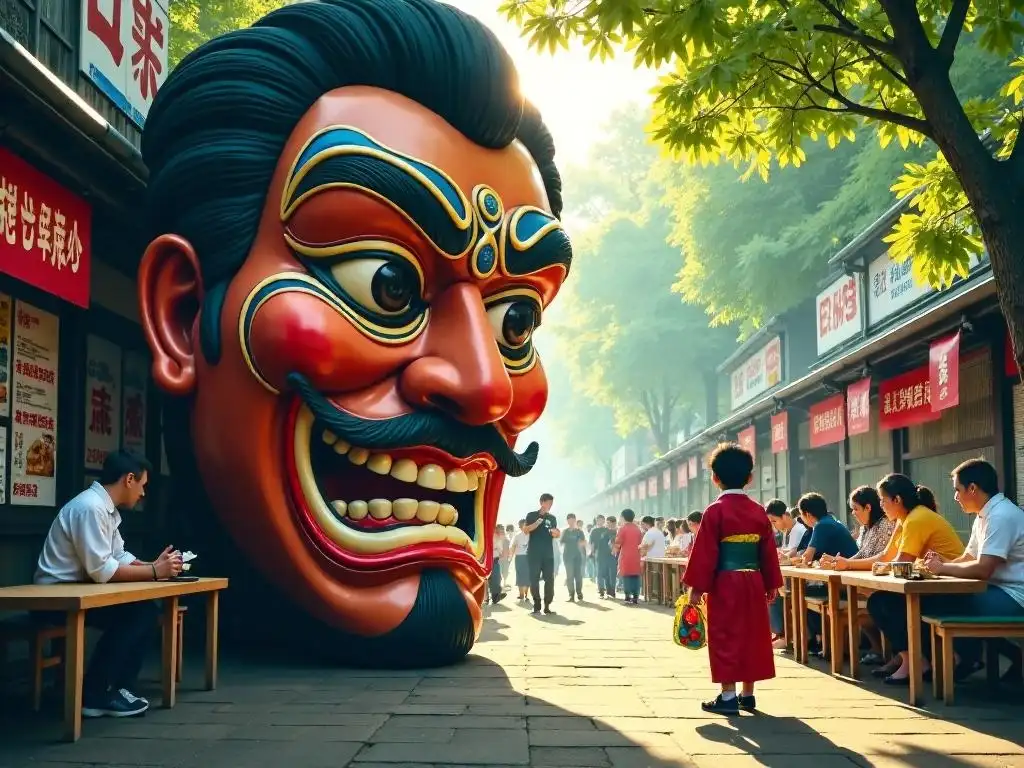
Community projects are instrumental in supporting local theater groups and nurturing talent within traditional Japanese theater. Initiatives such as "Theater in the Park" bring performances to public spaces, making theater accessible to wider audiences. These projects often feature local talent, allowing emerging artists to gain exposure and experience while engaging with their communities.
Moreover, educational programs aimed at schools have been developed to introduce students to traditional theater forms. Programs like "Noh for Kids" teach children about the history and techniques of Noh theater, fostering a new generation of enthusiasts and practitioners. Such initiatives not only preserve the art form but also ensure that the cultural heritage continues to thrive.
Through these community-driven efforts, traditional Japanese theater is not only maintained but invigorated, encouraging local participation and reinforcing the importance of cultural identity in a rapidly changing society.
Conclusion: The Path Forward for Traditional Japanese Theater
Embracing Change while Honoring Tradition
The future of traditional Japanese theater hinges on the delicate balance between embracing change and honoring tradition. As the cultural landscape evolves, it is essential for theater practitioners to remain open to new ideas while respecting the historical foundations of their art. This delicate interplay can lead to innovative expressions that attract diverse audiences while maintaining the integrity of traditional forms.
Theater groups must also be willing to experiment with new formats and technologies, such as virtual reality or interactive performances, to engage younger generations. By creating immersive experiences that resonate with contemporary viewers, traditional theater can secure its place in the modern cultural milieu.
The Role of Cultural Institutions in Supporting the Future
Cultural institutions play a vital role in supporting the future of traditional Japanese theater. By providing funding, resources, and expertise, these organizations can help theater groups navigate the challenges of modernization. Establishing partnerships between traditional theater companies and cultural institutions can facilitate the development of innovative projects that honor tradition while exploring new avenues.
Moreover, cultural institutions can promote awareness of traditional theater through outreach programs and educational initiatives, ensuring that younger generations appreciate and understand this vital aspect of Japan's cultural heritage. By actively promoting traditional theater, these institutions not only preserve the art form but also cultivate a vibrant future for it.
The path forward for traditional Japanese theater lies in its ability to adapt and thrive in a changing world while remaining rooted in its rich history and cultural significance. Through innovative adaptations, community involvement, and institutional support, traditional Japanese theater can continue to flourish and inspire future generations.
Call to Action: Supporting Traditional Japanese Theater
The future of traditional Japanese theater, including forms like Noh, Kabuki, and Bunraku, hinges on the active participation and support of the community. As these art forms face significant challenges such as dwindling audiences, aging performers, and the modernization of entertainment, it is vital for individuals and organizations to come together to nurture and sustain these cultural treasures. By engaging with traditional Japanese theater, we not only preserve a significant part of Japan’s heritage but also enrich our own cultural experiences.
Supporting traditional Japanese theater involves understanding its value in society and recognizing its role in shaping identity and community. Theater reflects social dynamics, history, and cultural narratives; thus, its survival is essential for maintaining a vibrant cultural landscape. Here are some actionable ways to encourage the continuation of these unique art forms.
Ways to Get Involved and Support Local Productions
- Attend Performances: One of the most direct ways to support traditional Japanese theater is by attending local performances. This not only provides financial support to the theater companies but also demonstrates to performers that there is an audience interested in their craft.
- Volunteer: Many local theater groups welcome volunteers to help with various aspects of production, from set design to front-of-house duties. Volunteering can provide invaluable experience and help bridge the gap between traditional theater and the community.
- Promote Events: Utilize social media platforms and community boards to share information about upcoming performances or workshops. Raising awareness can help attract new audiences and participants.
- Donate: Financial contributions can significantly impact the sustainability of traditional theater groups. Many organizations rely on donations to fund productions, workshops, and outreach programs.
- Support Educational Programs: Many traditional theater companies offer educational programs or workshops. Supporting these initiatives helps to pass on the knowledge and skills to younger generations, ensuring the longevity of these art forms.
- Engage in Cultural Exchanges: Participate in or support cultural exchange programs that invite artists from traditional Japanese theater to perform abroad or collaborate with local artists. Such exchanges not only broaden cultural horizons but also enhance the appreciation of traditional methods.
Encouraging a New Generation of Performers and Audiences
The future of traditional Japanese theater relies heavily on inspiring the next generation to engage with these rich cultural practices. Here are several strategies to encourage young performers and audiences:
- Youth Programs: Establish programs that introduce children and teenagers to traditional theater. Workshops that teach the basics of Noh, Kabuki, or Bunraku can spark interest and passion from a young age.
- School Collaborations: Partner with schools to integrate traditional theater into the curriculum. This could include field trips to performances, classroom workshops, or even collaborations on school productions.
- Mentorship Opportunities: Create mentorship initiatives where experienced performers guide young actors. This can provide invaluable insights and encourage new talent to explore traditional forms of performance art.
- Innovative Storytelling: Encourage young artists to reinterpret traditional stories or blend them with modern themes. By making traditional narratives relevant to contemporary audiences, there’s a greater chance of attracting interest.
- Utilizing Technology: Leverage social media and digital platforms to share performances and behind-the-scenes content. This can reach a broader audience and engage younger viewers who are accustomed to consuming content online.
- Festivals and Community Events: Organize festivals that celebrate traditional Japanese theater, featuring performances, workshops, and discussions. Such events can attract families, students, and new audiences, fostering a sense of community around these art forms.
By actively participating in and supporting traditional Japanese theater, we can collectively ensure that these cultural treasures thrive for generations to come. Embracing both the challenges and opportunities that lie ahead will play a crucial role in shaping the future of this unique art form.
- Introduction to Traditional Japanese Theater
- Current State of Traditional Japanese Theater
- Challenges Facing Traditional Japanese Theater
- Opportunities for Revitalization
- Case Studies of Successful Adaptations
- Innovative Productions that Blended Traditional and Modern Elements
- Festivals and Events Revitalizing Traditional Theater
- Community Projects Supporting Local Theater Groups
- Conclusion: The Path Forward for Traditional Japanese Theater
- Call to Action: Supporting Traditional Japanese Theater
- What are the main challenges facing traditional Japanese theater today?
- How is cultural preservation important for traditional Japanese theater?
- What role does technology play in the future of traditional Japanese theater?
- Are there any opportunities for traditional Japanese theater to thrive?
- How can education contribute to the future of traditional Japanese theater?
Frequently Asked Questions
What are the main challenges facing traditional Japanese theater today?
Traditional Japanese theater is grappling with declining audience numbers, the need to adapt to modern tastes, and financial sustainability issues, which threaten its longevity.
How is cultural preservation important for traditional Japanese theater?
Cultural preservation ensures that the rich heritage and techniques of traditional Japanese theater are passed down through generations, keeping the art form alive and relevant.
What role does technology play in the future of traditional Japanese theater?
Technology can enhance the audience experience through digital platforms and multimedia integration, but it also poses a challenge in maintaining the authenticity of traditional performances.
Are there any opportunities for traditional Japanese theater to thrive?
Yes, there are opportunities for growth through collaborations with modern artists, international tours, and utilizing social media to reach wider audiences, helping to rejuvenate interest.
How can education contribute to the future of traditional Japanese theater?
Education plays a crucial role by introducing younger generations to traditional theater, fostering a deeper appreciation and encouraging future artists to engage with this unique cultural form.
Final Reflection: Embracing the Future of Traditional Japanese Theater
The future of traditional Japanese theater is a tapestry woven with both challenges and opportunities. As we navigate the complexities of modern society, the preservation and evolution of these art forms become increasingly relevant. The rich heritage of Noh, Kabuki, and Bunraku not only reflects Japan's cultural identity but also serves as a bridge connecting generations. The question remains: how can we ensure that these timeless performances continue to resonate in a rapidly changing world?
Cultural expressions like traditional Japanese theater have a profound impact on our social landscape, fostering a sense of community and shared history. The challenges faced by these art forms, such as dwindling audiences and the need for modernization, are not just obstacles but catalysts for innovation. As we witness the fusion of traditional techniques with contemporary themes, we are reminded of the words of playwright Yukio Mishima: The theater is a place where the past and the future meet.
This intersection invites us to reflect on our role in preserving these narratives while adapting them for future generations.
As we look ahead, I invite you to consider your own relationship with traditional art forms. How can you engage with and support these cultural treasures in your community? Whether through attending performances, participating in workshops, or simply sharing your newfound appreciation with others, every action counts. Let us embrace the challenges and opportunities that lie ahead, ensuring that the legacy of traditional Japanese theater not only survives but thrives, inspiring future audiences and artists alike.
Embrace the Legacy of Japanese Theater Today!
Thank you for diving into the vibrant world of traditional Japanese theater. Your interest in this unique art form highlights its significance and the evolving landscape that surrounds it. By engaging with its rich history, you’ve taken an important step in preserving and promoting this cultural treasure. Now, let’s explore how you can contribute even more!
- Join a local workshop or class to experience the intricacies of Japanese performance firsthand.
- Share this article with friends or theater enthusiasts to spark conversations about the future of this beautiful tradition.
- Consider attending a live performance or festival dedicated to traditional Japanese theater, and share your insights with fellow attendees!
What aspect of traditional Japanese theater inspires you the most, and how do you envision its evolution in the years to come?