
Edo Period Children: Education, Play, and Cultural Transmission

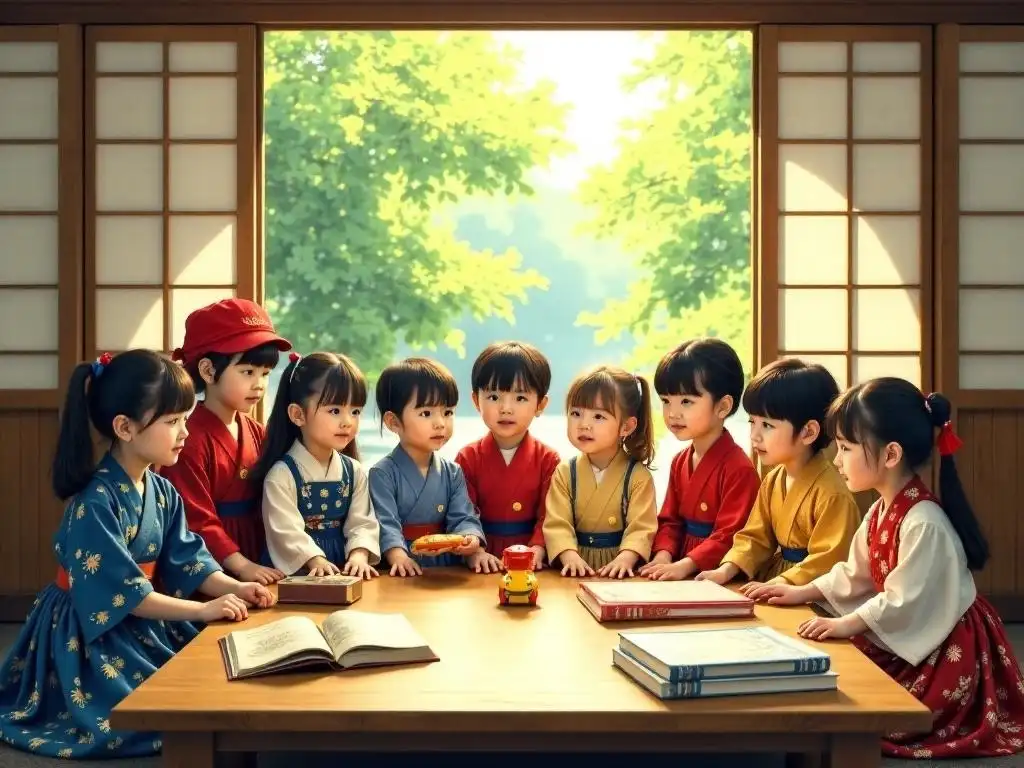
Welcome to Feudal Japan History, where we embark on a captivating journey through the intricate tapestry of Japan’s feudal era. In our spotlight article, “Edo Period Children: Education, Play, and Cultural Transmission,” we delve into the fascinating world of childhood during the Edo period, revealing how education shaped the lives and futures of young ones in a time of profound cultural evolution. Have you ever wondered how play intertwined with learning in this unique period?
Join us as we uncover the rich narratives and traditions that defined childhood, sparking curiosity and a deeper understanding of Japan’s vibrant history. Dive in and discover the stories that await!
-
Edo Period Children's Education: An Overview of Learning in Feudal Japan
- Historical Context of the Edo Period
- Education in the Edo Period
- Curriculum and Subjects Taught to Edo Period Children
- Play and Recreation for Edo Period Children
- Cultural Transmission Through Education and Play
- Challenges and Changes in Edo Period Children's Education
- Conclusion: The Legacy of Edo Period Children's Education
-
Frequently Asked Questions
- What was the focus of children's education during the Edo period?
- How did play contribute to children's education in the Edo period?
- What role did families play in children's education during this time?
- Were there differences in education based on social class during the Edo period?
- How did the Edo period's educational practices influence modern Japanese education?
- Final Reflection: The Enduring Legacy of Edo Period Children's Education
- Unveil the Educational Joys of Edo Period Childhood!
Edo Period Children's Education: An Overview of Learning in Feudal Japan
The Edo period, spanning from 1603 to 1868, is a significant chapter in Japan's history characterized by a unique blend of cultural development, social structure, and educational practices. During this time, the Tokugawa shogunate established a stable government which allowed for the flourishing of arts, commerce, and education.
The focus on Edo period children's education reveals how learning was not merely a means of acquiring knowledge but also a crucial aspect of cultural transmission, shaping the values and societal roles of future generations. This article delves into the educational landscape for children during this era, examining various influences, practices, and institutions that defined their formative years.
Historical Context of the Edo Period
The Edo Period: Timeline and Significance
The Edo period is often viewed as a transformative period for Japan, marked by the consolidation of power under the Tokugawa shogunate. Here are key points to consider:
- 1603: Tokugawa Ieyasu becomes shogun, marking the beginning of the Edo period.
- 1614: Christianity is banned, leading to a period of isolation.
- 1635: The sakoku policy (closed country) is implemented, restricting foreign trade and travel.
- 1853: Commodore Matthew Perry's arrival opens Japan to the West, leading to the end of the Edo period.
The stability of the Edo period fostered a unique environment for education, allowing for advancements in literacy and the arts. As societal norms shifted, the importance of educating children became more pronounced, reflecting broader cultural values.
Social Structure and Family Life in Edo Japan
The social hierarchy of Edo Japan was rigidly structured, consisting of four main classes: samurai, farmers, artisans, and merchants. Each class played a distinct role in society, influencing the education children received.
- Samurai: Education emphasized ethics and martial skills, contributing to a strong sense of duty and loyalty.
- Farmers: Practical skills related to agriculture were taught, focusing on survival and productivity.
- Artisans and Merchants: Emphasis on trade, craftsmanship, and urban life, promoting creativity and financial acumen.
Family life revolved around Confucian ideals, where filial piety and respect for elders were paramount. This cultural backdrop shaped the educational experiences of children, intertwining learning with moral and social responsibilities.
Education in the Edo Period
The Role of Education in Edo Period Society
Education in the Edo period served multiple purposes, from imparting basic literacy to instilling moral values. The curriculum was often influenced by:
- Confucian Philosophy: Promoted ethical behavior, respect for authority, and the importance of education.
- Buddhist Teachings: Introduced concepts of mindfulness and ethical living.
- Shinto Beliefs: Fostered a connection to nature and cultural identity.
The role of education extended beyond simple academic learning; it was a means of reinforcing social order and maintaining the status quo. Children were taught to understand their roles within the family and society, ensuring continuity of cultural practices.
Types of Educational Institutions for Children
The educational landscape of the Edo period was diverse, comprising various institutions designed to cater to different societal needs:
- Terakoya (Temple Schools): These informal schools primarily served the children of commoners, focusing on reading, writing, and arithmetic, often using texts that taught moral lessons.
- Shuyō (Private Academies): Catering to wealthier families, these academies offered advanced studies in literature, philosophy, and the arts.
- Samurai Schools: Focused on training the sons of samurai in martial arts, strategy, and Confucian ethics.
The variety of educational institutions reflects the emphasis placed on education in Edo society, adapting to the needs of various social classes while promoting cultural continuity.
Understanding Edo period children's education offers a comprehensive view of how the foundations of learning shaped the cultural and social dynamics of feudal Japan, leaving a lasting legacy that would influence future generations.
Curriculum and Subjects Taught to Edo Period Children
During the Edo period (1603-1868), education for children was heavily influenced by Confucian ideals, emphasizing moral instruction alongside practical skills. The curriculum was primarily designed to foster literacy, moral virtues, and essential skills necessary for future societal roles.
Education was generally conducted in two different settings: temple schools (terakoya) for common children and formal schools (shuyō) for samurai and wealthier families. The subjects taught varied depending on the social class and the specific institution but typically included reading, writing, mathematics, and moral education.
Additionally, children learned about Japanese history and literature, which helped them understand their cultural heritage. The curriculum also integrated arts such as calligraphy and poetry, encouraging creativity and expression. Overall, the education system in the Edo period was quite structured, with a focus on producing responsible, literate citizens who could contribute to society.
Core Subjects in Edo Period Education
The core subjects taught to Edo period children were designed to develop both intellect and character. These subjects included:
- Literacy and Reading: Children were taught to read and write using classical Chinese texts alongside Japanese literature, which was vital for communication and understanding cultural narratives.
- Mathematics: Basic arithmetic was essential, especially for those in commerce and trade. Instruction often involved practical applications, such as calculating prices and weights.
- Moral Education: Confucian teachings dominated this subject, emphasizing virtues like loyalty, filial piety, and respect. This moral grounding was considered crucial for maintaining social harmony.
- History and Geography: Knowledge of Japan's history and geography was imparted to instill a sense of national identity and awareness of the world outside their immediate environment.
- Arts and Calligraphy: Students practiced calligraphy and other art forms, which were viewed not only as skills but also as reflections of one’s character and discipline.
This well-rounded approach ensured that children were not only educated in academics but were also groomed to be moral and civic-minded individuals.
Play and Recreation for Edo Period Children
Play and recreation were integral parts of childhood during the Edo period, providing children with opportunities to develop social skills and creativity. While education was important, leisure activities also played a crucial role in the holistic development of children.
Children engaged in various forms of play that reflected their societal roles and the cultural context of the time. These activities fostered community bonds and facilitated the transmission of cultural values and practices.
Types of Games and Activities
Edo period children participated in a diverse range of games and activities, which included:
- Traditional Games: Popular games like "kendama" (a skill toy) and "hagoita" (a battledore) helped develop hand-eye coordination and were often played during festivals.
- Outdoor Activities: Activities such as kite flying, fishing, and running races were common, allowing children to enjoy the outdoors and engage with nature.
- Board Games: Games like "go" and "shogi" (Japanese chess) were popular among older children, promoting strategic thinking and planning.
- Crafts and Creative Play: Children participated in crafting, such as making dolls and toys, which encouraged creativity and fine motor skills.
- Storytelling and Theater: Engaging in storytelling or participating in traditional performances helped in cultural transmission, as these activities often included moral lessons and historical narratives.
These games and activities not only provided enjoyment but also served as an essential medium for learning and socialization, contributing to the cultural fabric of Edo period society.
Cultural Transmission Through Education and Play
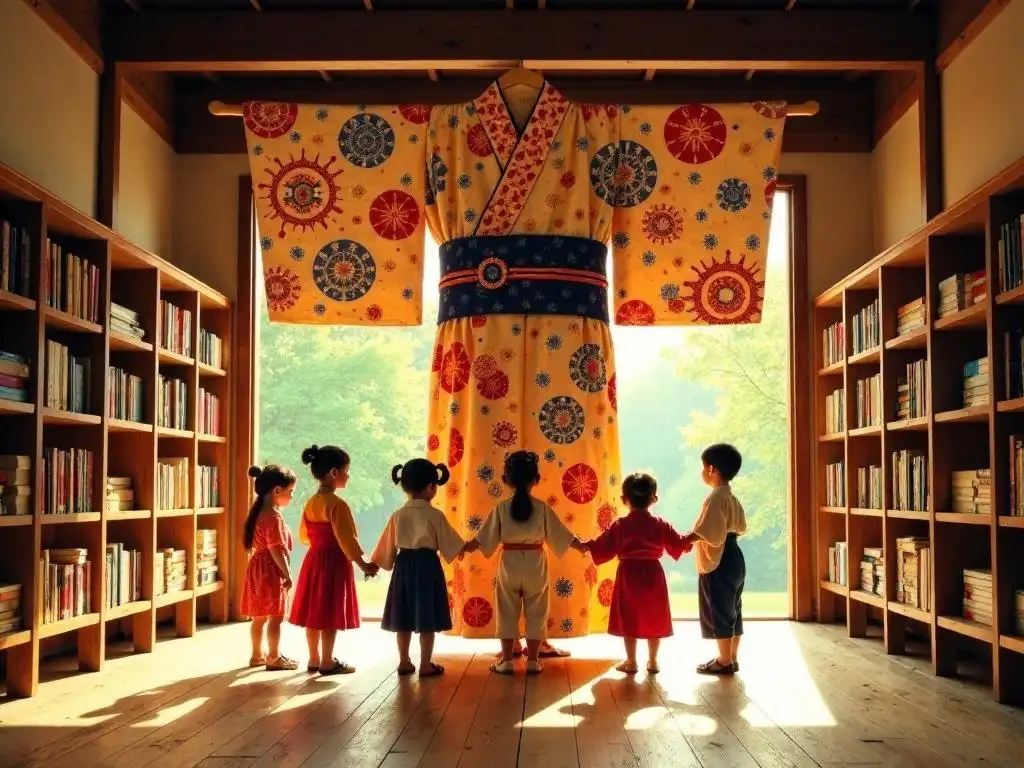
During the Edo period (1603-1868), children were not only recipients of formal education but also engaged in cultural practices that facilitated the transmission of societal values and traditions. This dual approach to learning—through structured education and informal play—ensured that cultural knowledge was passed down effectively. Education was often intertwined with play, where games and activities included elements of history, moral lessons, and social responsibilities. Children learned about their roles in society while participating in traditional games, festivals, and storytelling, which were crucial for instilling a sense of identity and belonging.
The Importance of Oral Tradition in Edo Period Education
Oral tradition played a pivotal role in the education of children during the Edo period. Before the widespread availability of written texts, stories, proverbs, and teachings were passed down orally. This method of learning was not only effective but also engaging, as it involved community participation and interaction. Elders, often regarded as custodians of knowledge, would recount historical events and moral tales, allowing children to absorb cultural norms and societal expectations. These oral narratives were essential for teaching lessons about loyalty, honor, and duty, which were core values in Edo society.
Storytelling and Folklore: Lessons for Children
Storytelling was a significant aspect of children's education in the Edo period, with folklore serving as a primary medium through which moral and ethical lessons were imparted. Tales of mythical creatures, heroic deeds, and cautionary stories were not just entertainment; they were vehicles for teaching children about resilience, justice, and the consequences of one’s actions. For instance, stories like "Momotaro" (Peach Boy) illustrated the virtues of bravery and teamwork. Such narratives were often accompanied by illustrations and performances, which further enhanced children’s understanding and retention of these lessons.
The Impact of Art and Performance on Cultural Learning
Art and performance were integral to the educational landscape of the Edo period. Traditional arts, such as kabuki theater and puppet shows, were not merely forms of entertainment but also acted as educational tools. They presented historical events and cultural narratives in a dramatic format, making complex themes accessible to children. Through these performances, children learned about their cultural heritage, social roles, and historical context in an engaging manner. Moreover, participating in art forms like calligraphy and painting allowed children to express their understanding of cultural values while honing their creative skills.
Challenges and Changes in Edo Period Children's Education
Despite the rich educational practices of the Edo period, challenges existed, particularly concerning accessibility and the evolving nature of education as Western influences began to permeate Japanese society.
Accessibility of Education for Various Social Classes
The structure of education during the Edo period was heavily influenced by social class. While samurai families had access to formal education, including attendance at han schools, commoners often faced significant barriers. Schools for the lower classes, known as terakoya, provided basic literacy and numeracy, but these institutions were not universally available. Rural areas, in particular, struggled with educational accessibility, which led to disparities in knowledge and cultural transmission. Despite these challenges, many families valued education and sought to impart knowledge through informal means, such as apprenticeships and community gatherings.
The Influence of Western Ideas Towards the End of the Edo Period
As the Edo period drew to a close, Western ideas and practices began to infiltrate Japanese society, leading to significant changes in children's education. The arrival of Commodore Perry in 1853 and subsequent exposure to Western technologies and philosophies prompted a reevaluation of traditional educational practices.
There was a growing recognition of the need for a more modern, systematic approach to education that included sciences and foreign languages. This shift represented a departure from purely oral and traditional methods, paving the way for the establishment of a more inclusive and comprehensive educational system in the Meiji period, which followed the Edo era.
Conclusion: The Legacy of Edo Period Children's Education
The Edo period, spanning from 1603 to 1868, was a transformative era in Japanese history that laid the groundwork for modern educational practices. The education of children during this time was characterized by a blend of formal schooling, moral instruction, and practical skill development. As we look back at this period, it becomes clear that the educational frameworks established in the Edo period continue to influence contemporary Japanese education, shaping not only the curriculum but also the underlying cultural values associated with learning.
One of the most significant legacies of the Edo period's educational practices is the emphasis on moral education. Schools, or terakoya, were not merely institutions for academic learning; they also focused on instilling ethical principles, respect for elders, and the importance of community. This holistic approach contributed to the development of a society that valued harmony and discipline, qualities that are still revered in modern Japan.
Lasting Impacts on Modern Japanese Education
The educational systems that emerged during the Edo period have had a profound and lasting impact on contemporary Japanese education. The concept of terakoya, which were informal schools primarily for children of commoners, laid the foundation for Japan’s inclusive approach to education. By prioritizing accessibility, these schools ensured that education was available to a broader segment of the population, which is reflected today in Japan's compulsory education laws.
Moreover, the curriculum of the Edo period introduced essential subjects such as reading, writing, and arithmetic, which remain staples in today’s education system. The focus on practical skills, such as farming, trade, and craftsmanship, also contributed to a well-rounded education that prepared children for their roles in society. As Japan modernized in the late 19th and early 20th centuries, many of these principles were adapted and integrated into the national education system, ensuring that the values cultivated during the Edo period persisted into the modern age.
Reflection on Cultural Values and Their Transmission
The education of children during the Edo period was deeply intertwined with cultural values that emphasized community, respect, and continuity. Through their education, children learned not only academic subjects but also the importance of their cultural heritage. This educational framework encouraged the transmission of traditional values, including filial piety and social responsibility, from one generation to the next.
Cultural practices, such as storytelling, festivals, and traditional arts, were integral to the educational experience. These activities provided children with a sense of identity and belonging, fostering a strong connection to their cultural roots. As a result, the educational experiences of Edo period children played a crucial role in preserving Japan’s rich cultural tapestry.
In essence, the legacy of Edo period children's education is reflected in the enduring cultural values that shape modern Japanese society. The emphasis on moral education, social responsibility, and cultural transmission has contributed to a cohesive social fabric, ensuring that the lessons learned by children in the past continue to resonate in contemporary Japan. Through examining these historical educational practices, we gain valuable insights into the historical underpinnings of Japan’s current educational philosophies and societal values.
Frequently Asked Questions
What was the focus of children's education during the Edo period?
During the Edo period, children's education emphasized literacy, moral values, and practical skills. Schools called terakoya taught reading, writing, and basic arithmetic, often incorporating Confucian principles.
How did play contribute to children's education in the Edo period?
Play was integral to cultural transmission and learning. Traditional games and activities helped children develop social skills, teamwork, and an appreciation for Japanese culture while making education enjoyable.
What role did families play in children's education during this time?
Families were vital in shaping children's education. Parents often taught values and skills at home, reinforcing lessons learned at school and ensuring children were well-prepared for their future roles in society.
Yes, education varied significantly by social class. While samurai children received formal education with a focus on literature and strategy, commoners typically attended terakoya for basic literacy and practical knowledge.
How did the Edo period's educational practices influence modern Japanese education?
The Edo period's emphasis on literacy and moral instruction laid the groundwork for modern Japanese education. Many principles, such as the importance of community involvement and a strong focus on cultural values, continue to shape education today.
Final Reflection: The Enduring Legacy of Edo Period Children's Education
In examining the Edo period children's education, we uncover a rich tapestry of learning and play that shaped the future of Japanese society. The values and practices established during this time not only laid the groundwork for educational systems but also fostered a culture of creativity and resilience. Today, as we navigate an increasingly complex world, the lessons from the Edo period remind us of the profound impact that early education and cultural transmission can have on shaping well-rounded individuals.
The influence of Edo period educational practices continues to resonate in our cultural and social landscapes. The balance between structured learning and the freedom to play is a timeless concept that remains relevant. As we reflect on our own educational systems, we see the importance of nurturing creativity alongside academic rigor. Education is not the filling of a pail, but the lighting of a fire.
This quote encapsulates the essence of what the Edo period sought to achieve: igniting a passion for learning that transcends generations.
As we move forward, I invite you to reflect on the principles of education and play that emerged during the Edo period. Consider how these lessons can be applied in your own life or community. Whether you are a parent, educator, or simply a lifelong learner, let us strive to create environments that honor the spirit of curiosity and cultural appreciation. Embrace the idea that education is a journey, not just a destination, and take inspiration from the past to illuminate the path for future generations.
Unveil the Educational Joys of Edo Period Childhood!
Thank you for exploring the fascinating world of Edo Period children with us! You've just uncovered insights into how education, play, and culture shaped young lives in feudal Japan. Now, it's time to take those insights and bring the spirit of Edo into your own life!
Here’s how you can dive deeper and share this enriching experience with others:
- Explore traditional Japanese games and try them out with friends or family—reviving these old traditions can be a fun and educational experience!
- Visit local museums or cultural exhibits that focus on Japanese history to discover even more about the lives of these children.
- Join a community forum or social media group centered on historical education to share what you've learned and hear others' perspectives.
What is one lesson from the education of Edo children that you believe could benefit today's youth? Share your thoughts below!