
The Poetic Soul of Samurai: Exploring Haiku in Feudal Japan

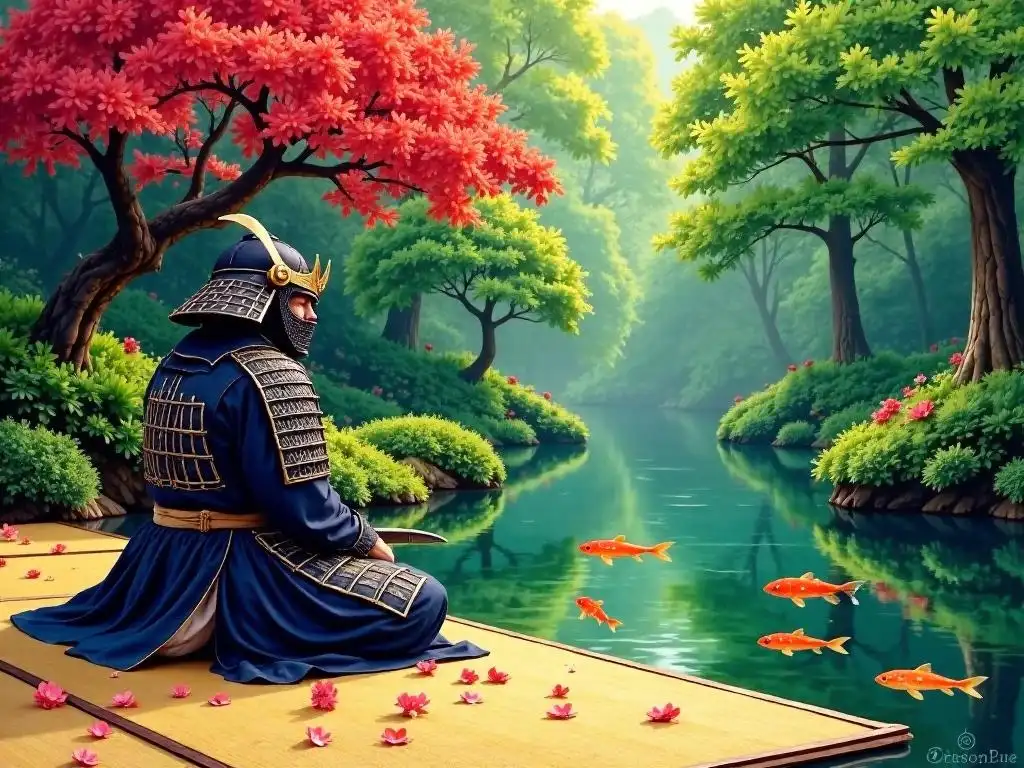
Welcome to Feudal Japan History, where the rich tapestry of Japan's past unfolds before you. Dive deep into our exploration of Haiku poetry in feudal Japan, a form of expression that captured the essence of the samurai spirit and the serene beauty of the landscape. As we unravel the intricate connections between this poetic art and the culture of the time, you'll discover how these succinct verses reflect a profound worldview.
Prepare to embark on a journey that intertwines history, culture, and the delicate nuances of the human experience. Your adventure into the heart of Japan's feudal era begins now—read on to uncover the poetic soul of the samurai!
- Introduction to Haiku Poetry in Feudal Japan
- The Origins of Haiku Poetry in Feudal Japan
- The Structure and Aesthetics of Haiku
- The Role of Haiku in Samurai Culture
- Thematic Elements of Haiku in Feudal Japan
- Haiku's Place in Society During Feudal Japan
- The Legacy of Haiku Poetry in Feudal Japan
- Conclusion: The Timelessness of Haiku in Feudal Japan
- Further Reading and Resources on Haiku Poetry in Feudal Japan
- Frequently Asked Questions
- Final Reflection: The Enduring Legacy of Haiku Poetry in Feudal Japan
- Unleash Your Inner Poet: Craft Your Own Haiku Today!
Introduction to Haiku Poetry in Feudal Japan
The rich tapestry of Japan's feudal era is intricately woven with various cultural expressions, among which haiku poetry stands out as a profound art form. Emerging during a time of societal stratification and aesthetic refinement, haiku captures the essence of the samurai spirit, the beauty of nature, and the fleeting moments of existence.
This article delves into the world of haiku poetry in feudal Japan, exploring its definition, historical backdrop, and significance within the broader spectrum of Japanese literature. By examining these facets, we aim to illuminate how haiku not only reflects the values and philosophies of its time but also continues to resonate with audiences today.
Defining Haiku: A Brief Overview
Haiku is a form of Japanese poetry characterized by its brevity and depth, traditionally consisting of three lines with a syllable pattern of 5-7-5. This concise structure encourages poets to convey complex emotions and vivid imagery with minimal words. The essence of haiku lies in its ability to evoke a moment in time, often drawing inspiration from nature, seasons, and the human experience.
Key elements of haiku include:
- Kigo (seasonal word) – to anchor the poem in a specific time of year.
- Kireji (cutting word) – to create a pause, adding emotional weight and depth.
- Imagery – vivid descriptions that evoke sensory experiences.
Haiku serves as a powerful medium for expression, allowing poets to capture the simple beauty of life while inviting readers to contemplate deeper meanings.
Historical Context of Haiku in Feudal Japan
The origins of haiku can be traced back to the 17th century during the Edo period, a time marked by relative peace and stability under the Tokugawa shogunate. The rise of the merchant class and increased literacy rates contributed to the flourishing of arts and literature. Haiku evolved from renga, a collaborative linked-verse poetry, which often began with a hokku—the opening stanza that set the tone for the poem.
Notable figures such as Matsuo Bashō, Yosa Buson, and Kobayashi Issa became pioneers of the haiku form, each contributing their unique voice and perspective. Their works reflect the samurai ethos, with themes of nature, transience, and contemplation, mirroring the philosophical underpinnings of Zen Buddhism that permeated the culture of feudal Japan.
The Significance of Haiku in Japanese Literature
Haiku holds a revered place in Japanese literature, acting as a bridge between the past and present. Its significance can be observed in several key aspects:
- Cultural Reflection: Haiku encapsulates the values and aesthetics of feudal Japan, emphasizing harmony with nature and the impermanence of life.
- Emotional Resonance: The minimalist style of haiku allows for profound exploration of emotions, making it accessible and relatable to a wide audience.
- Literary Influence: The haiku form has inspired countless poets across the globe, influencing various literary movements and contributing to the global appreciation of Japanese culture.
Through its enduring legacy, haiku continues to inspire creativity and introspection, highlighting the poetic soul of the samurai and the intricate beauty of the world they inhabited.
The Origins of Haiku Poetry in Feudal Japan
Early Forms of Japanese Poetry
Before haiku poetry emerged as a distinct literary form, Japan's poetic tradition was primarily dominated by tanka and choka. These earlier forms laid the groundwork for the brevity and depth of haiku, reflecting the aesthetic sensibilities of feudal society.
- Tanka: This classical form consists of five lines with a syllabic pattern of 5-7-5-7-7. Tanka was often used to express personal emotions and experiences, allowing poets to explore themes of love, nature, and the transience of life. The Manyoshu, an anthology compiled in the 8th century, contains numerous examples of tanka that illustrate the emotional and thematic range of early Japanese poetry.
- Choka: This longer form, characterized by alternating lines of 5 and 7 syllables, was commonly used for more formal occasions and often included multiple stanzas. Choka allowed poets to narrate historical events or celebrate victories, serving as a reflection of the samurai ethos, which valued honor and valor.
Haiku, as we know it today, evolved from these earlier poetic structures, absorbing their themes and techniques while emphasizing a more concise and immediate expression of emotion.
The Transition from Tanka to Haiku
The transition from tanka to haiku poetry in feudal Japan was marked by a significant shift in both form and thematic focus. During the late Heian period (794-1185), the practice of composing hokku, the opening stanza of a linked-verse poem called renga, began to take shape. This stanza typically consisted of three lines with a 5-7-5 syllable structure.
- Influence of Renga: The collaborative nature of renga encouraged poets to experiment with brevity and imagery. As poets became more adept at crafting evocative hokku, a desire for standalone pieces grew. This desire eventually led to the emergence of haiku as an independent form.
- Cultural Shifts: The Kamakura period (1185-1333) saw a rise in the samurai class, which influenced the aesthetics of haiku. The samurai's appreciation for simplicity and directness in both life and art fostered an environment where haiku could flourish. Poets began to focus on the natural world and fleeting moments, reflecting the Zen Buddhist ideals of impermanence ( mono no aware).
This transition ultimately culminated in the formal recognition of haiku as a distinct genre during the Edo period (1603-1868), wherein poets like Matsuo Bashō would further refine its aesthetic and thematic depth.
Influential Poets of the Time
Several poets played a pivotal role in shaping haiku poetry during the feudal era, each contributing unique perspectives and innovations to the form.
-
Matsuo Bashō (1644-1694): Often regarded as the master of haiku, Bashō's works exemplify the depth and simplicity characteristic of the genre. His famous haiku about a frog jumping into a pond captures the essence of Zen mindfulness:
An old silent pond...
A frog jumps into the pond—
Splash! Silence again. -
Yosa Buson (1716-1784): A painter and poet, Buson blended visual art with poetry to create vivid imagery in his haiku. His works often reflect a harmonious relationship between nature and human emotion, showcasing the beauty of everyday moments.
-
Kobayashi Issa (1763-1828): Known for his empathy towards the human condition and the natural world, Issa's haiku often reveal a deep sense of compassion and humor. His approach to haiku emphasized personal experience and emotional resonance.
These poets not only advanced the technical aspects of haiku but also elevated its cultural significance, allowing it to serve as a profound means of expression within the societal context of feudal Japan. The legacy of their works continues to influence contemporary haiku poetry and highlights the enduring connection between art and the human experience.
The Structure and Aesthetics of Haiku
Haiku poetry, a hallmark of Japanese literature, embodies simplicity and depth in its brief form. Within the context of feudal Japan, haiku not only served as a mode of artistic expression but also reflected the philosophical and cultural undercurrents of the time. This section delves into the distinctive structure and aesthetic principles that define haiku, illuminating its significance in the literary landscape of feudal Japan.
Traditional Haiku Structure: 5-7-5 Syllable Rule
At the heart of haiku poetry lies its unique structure, characterized by a specific syllable pattern. Traditionally, a haiku consists of three lines, arranged in a 5-7-5 syllable count:
- First line: 5 syllables
- Second line: 7 syllables
- Third line: 5 syllables
This concise format challenges poets to convey profound emotions and observations in just 17 syllables. The beauty of haiku is in its brevity, requiring the poet to select words that resonate deeply while adhering to this strict structure.
For example, Matsuo Bashō, one of the most revered haiku masters, captured the essence of nature and human emotion in his work:
An old silent pond...
A frog jumps into the pond—
Splash! Silence again.
This haiku exemplifies the 5-7-5 format and reveals how a fleeting moment can evoke a rich tapestry of feelings and imagery.
The Role of Nature in Haiku Poetry
Nature serves as a central theme in haiku poetry, often acting as a mirror to human emotions and experiences. The landscapes of feudal Japan, from serene mountains to tranquil rivers, provided a rich canvas for poets to explore the connection between the natural world and the human spirit.
In haiku, nature is not merely a backdrop but a living entity that interacts with the poet's sentiments. The use of vivid imagery allows readers to visualize scenes and evoke feelings, fostering a deep connection with the environment.
Consider this example by Yosa Buson:
A summer river being crossed
How pleasing
With sandals in my hands!
Here, the river symbolizes both a physical journey and a metaphorical crossing into a realm of tranquility and reflection. This interplay between the natural world and human experience is a hallmark of haiku, making it a profound form of poetic expression.
Seasonal References (Kigo) in Haiku
Integral to haiku poetry is the concept of kigo, or seasonal references, which enriches the thematic depth of the verses. By incorporating specific words or phrases that denote seasons, poets anchor their work in a temporal context, allowing readers to experience the changing rhythms of nature alongside their reflections.
Kigo can evoke a range of emotions; for instance:
- Spring: Cherry blossoms (sakura)
- Summer: Fireflies (hotaru)
- Autumn: Maple leaves (momiji)
- Winter: Snow (yuki)
Each seasonal reference carries cultural significance and resonates with the aesthetic principles of mono no aware—the awareness of the impermanence of things. This sensitivity to the ephemeral nature of beauty is central to the emotional impact of haiku.
An example of kigo in haiku is:
In the cicada's cry
No sign can foretell
How soon it must die.
Here, the cicada not only highlights the summer season but also underscores themes of life, death, and transience, encapsulating the essence of human experience within the natural cycle.
The structure, aesthetics, and thematic elements of haiku poetry in feudal Japan intertwine to create a rich literary tradition that continues to resonate today. Through its strict form, deep connection to nature, and seasonal references, haiku captures the poetic soul of the samurai era, inviting readers to reflect on the beauty and fleeting nature of life.
The Role of Haiku in Samurai Culture
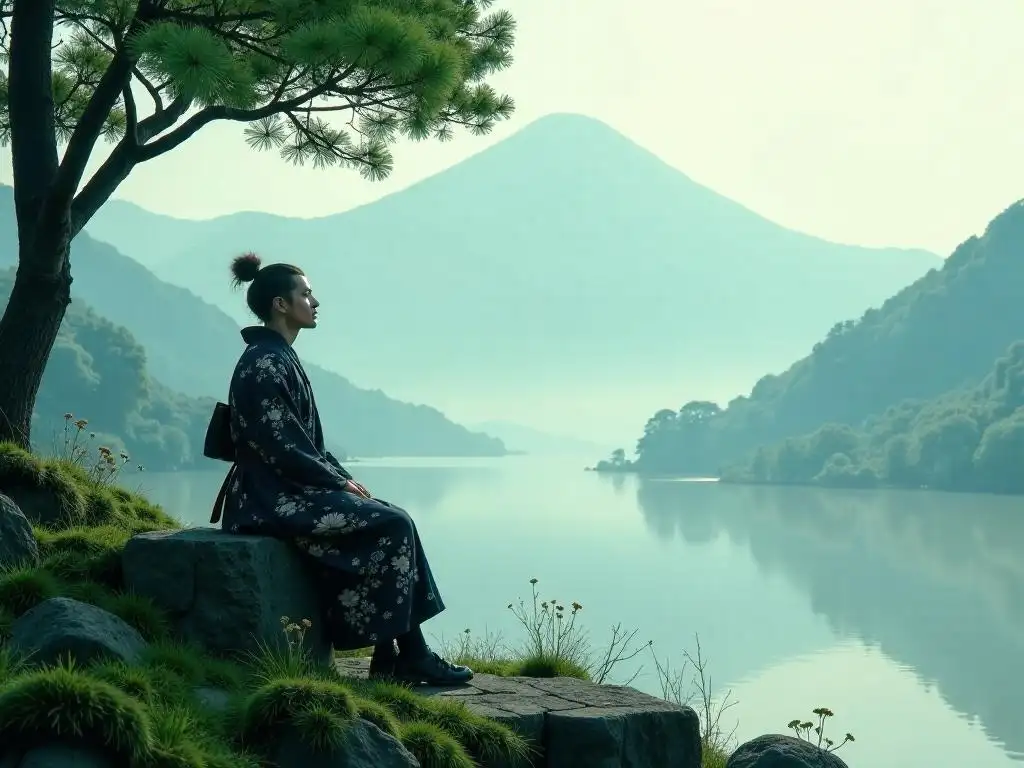
Haiku poetry, with its concise form and deep emotional resonance, played a significant role in the cultural fabric of feudal Japan, particularly among the samurai class. This poetic form emerged as a reflection of the samurai’s values, ideals, and the philosophical underpinnings that guided their lives.
Haiku as a Reflection of Samurai Values
Haiku poetry often encapsulates the core values of the samurai, including honor, loyalty, and the profound connection to nature. The samurai were not only warriors but also scholars and poets, and they utilized haiku as a means to express their emotions and thoughts. The brevity of haiku—typically consisting of 17 syllables in a 5-7-5 pattern—mirrors the samurai's appreciation for simplicity and clarity in both combat and life.
- Honor and Loyalty: Many haikus delve into themes of loyalty to one's lord and the honor associated with duty. For instance, a haiku may capture the fleeting beauty of cherry blossoms, symbolizing the transient nature of life and the samurai's commitment to living honorably, even in the face of death.
- Nature's Influence: The samurai's intimate relationship with nature often finds expression in haiku. The seasons, flora, and fauna are not mere backdrops but serve as metaphors for the samurai's internal state and external realities. The changing of seasons reflects the impermanence of life, a concept deeply rooted in samurai philosophy.
This poetic form thus becomes a medium through which samurai could articulate their personal experiences and philosophical beliefs, providing insight into their complex identities beyond the battlefield.
The Influence of Zen Buddhism on Haiku
Zen Buddhism had a profound impact on the development of haiku poetry during the feudal era. The principles of Zen—such as mindfulness, simplicity, and the emphasis on the present moment—resonated deeply with the samurai's worldview.
- Mindfulness and Observation: Zen teachings encouraged practitioners to observe the world with a focused and attentive mind. This practice is evident in haiku, where poets often capture a singular moment in nature, inviting readers to experience that moment fully. For example, a haiku might describe a quiet morning dew on a blade of grass, evoking a sense of peace and clarity.
- Simplicity and Directness: The Zen aesthetic values simplicity, which is mirrored in haiku poetry. The straightforward language and imagery evoke profound emotions without the need for elaborate explanations. This directness appeals to the samurai ethos, where clarity in thought and action was paramount.
- Transcendence of the Self: Zen encourages the transcendence of the ego, which is reflected in haiku's focus on universal themes rather than personal experiences. This allows samurai poets to connect their inner struggles with broader existential themes, fostering a sense of shared humanity.
The intersection of Zen Buddhism and haiku not only influenced the stylistic elements of the poetry but also shaped the philosophical underpinnings that samurai poets embraced.
Samurai Poets: Notable Figures and Their Works
Several notable samurai poets have left a lasting legacy through their contributions to haiku poetry, reflecting the unique blend of warrior spirit and artistic expression.
- Matsuo Bashō (1644-1694):
- Often regarded as the master of haiku, Bashō’s works exemplify the samurai's connection to nature and the transient beauty of life. His haikus often evoke deep emotions through vivid imagery.
- Example Work:
- An old silent pond...
- A frog jumps into the pond—
- Splash! Silence again.
- Yosa Buson (1716-1784):
- A samurai and renowned haiku poet, Buson's works blend visual art with poetry. His haikus frequently draw on his experiences as a painter, showcasing a keen eye for detail.
- Example Work:
- A summer river being crossed
- how pleasing
- with sandals in my hands!
- Kobayashi Issa (1763-1828):
- Although not a samurai in the traditional sense, Issa's background as a farmer and his experiences of hardship resonate with the samurai ethos. His haikus often reflect compassion and empathy for all living beings.
- Example Work:
- Ode to a snowflake,
- falling softly from the sky—
- each one unique.
These poets not only contributed to the literary landscape of feudal Japan but also enriched the cultural and philosophical discourse of their time. Their works remain integral to the understanding of haiku poetry and its enduring legacy in Japanese culture.
Haiku poetry in feudal Japan served as a profound reflection of samurai values, influenced by Zen Buddhism, and was brought to life through the works of notable poets. This intricate interplay of culture, philosophy, and artistry has cemented haiku's place as a cherished literary form, echoing the essence of the samurai spirit.
Thematic Elements of Haiku in Feudal Japan
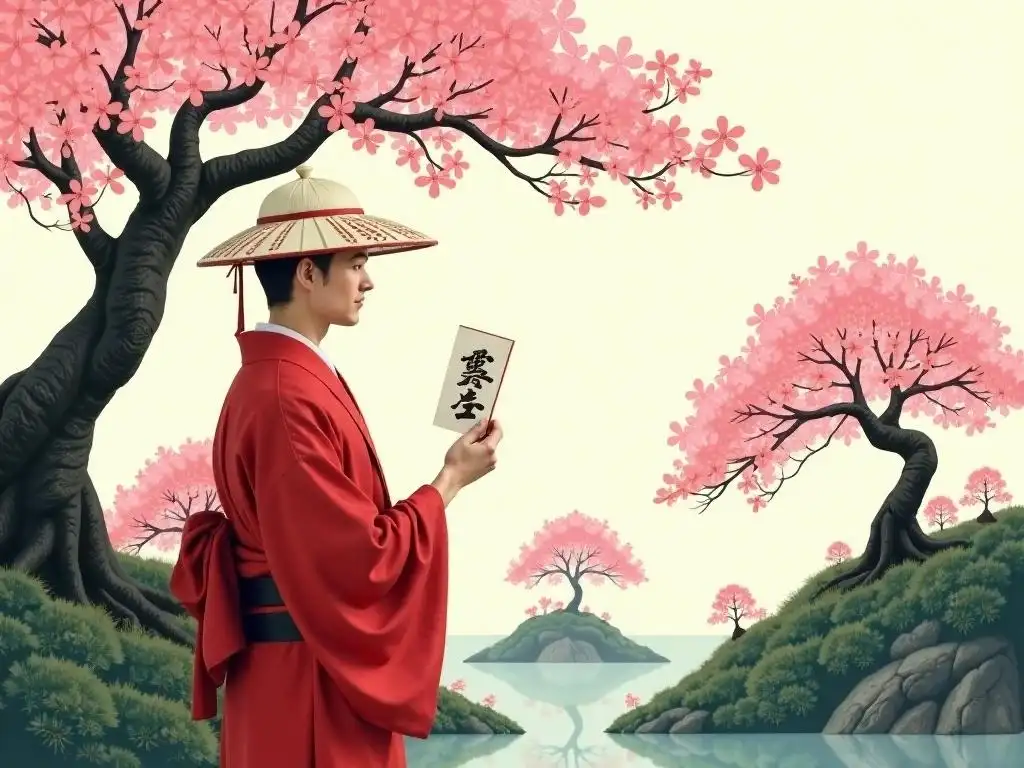
The haiku, a poetic form that flourished during the feudal era of Japan, encapsulates the essence of the cultural and philosophical zeitgeist of its time. Characterized by its brevity—often comprising just 17 syllables—haiku poetry serves as a window into the values, emotions, and natural world that profoundly influenced the samurai and the broader society of feudal Japan.
Common Themes in Haiku Poetry
Haiku poetry often revolves around several recurring themes that reflect the worldview of its authors. These themes not only resonate with the natural environment but also embody philosophical reflections, particularly Zen Buddhism principles. Key themes in haiku poetry include:
- Nature: The natural world is a predominant theme, with poets frequently drawing inspiration from seasonal changes, flora, and fauna. For example, a haiku might depict cherry blossoms in full bloom, symbolizing the transient beauty of life.
- Impermanence (Mono no Aware): This concept, which translates to "the pathos of things," captures the fleeting nature of beauty and existence. Haiku often conveys a sense of melancholy, as seen in verses that reflect on the ephemeral moments of beauty, such as a falling leaf or the fading light of dusk.
- Human Emotion: While nature is a central element, haiku also delve into human experiences and emotions. Poets capture feelings of joy, sorrow, love, and loss, often intertwining them with natural imagery to illustrate the connection between humans and their environment.
- Spirituality: Many haiku echo the spiritual beliefs prevalent during the feudal period, particularly elements of Shinto and Zen Buddhism. These poems may explore themes of enlightenment, harmony, and the search for inner peace.
The Use of Imagery and Symbolism in Haiku
Imagery and symbolism are crucial components of haiku poetry, allowing poets to convey complex meanings through simple yet evocative language. The effectiveness of haiku lies in its ability to create vivid mental images while leaving room for interpretation.
- Nature Imagery: Haiku often employs concrete images from nature to evoke emotions and ideas. For instance, a reference to a moonlit night can symbolize tranquility, while a sudden storm may reflect turmoil or conflict in the human psyche.
- Symbolic Representations: Specific elements in haiku carry deep symbolism. For example, the cicada often symbolizes the passage of time and the transient nature of life, while the pine tree may represent resilience and longevity.
- Seasonal References (Kigo): Many haiku include seasonal words, known as kigo, that evoke a specific time of year and its associated emotions. The choice of season can enrich the poem's meaning—spring might signify renewal, while winter could evoke solitude and reflection.
This use of imagery and symbolism not only enhances the aesthetic quality of haiku but also invites readers to engage deeply with the text, prompting them to draw personal connections to the themes presented.
The Emotional Depth of Haiku: Expressing the Human Experience
While haiku poetry is concise, it possesses a remarkable emotional depth that resonates with readers across generations. This emotional richness is manifested through layered meanings and subtle nuances that reflect the complexity of the human experience.
- Personal Reflection: Haiku often serves as a medium for introspection, allowing poets to express their inner thoughts and feelings. Through simplicity, they convey profound insights into their emotions, often leaving the reader with a lingering sense of contemplation.
- Connection to Nature: The intertwining of human emotions with nature in haiku emphasizes the idea that the human experience is inextricably linked to the natural world. This connection fosters a sense of empathy and shared understanding, as readers can relate their own feelings to the natural imagery presented.
- Universality of Emotion: The themes explored in haiku, such as love, loss, and the passage of time, resonate universally. This universality allows haiku to transcend cultural boundaries, making the emotional experiences depicted relevant to readers from various backgrounds.
Haiku poetry in feudal Japan is a rich tapestry of themes, imagery, and emotional depth, reflecting the intricate relationship between humanity and nature. Through its evocative language and profound insights, haiku continues to inspire and influence poets and readers alike, echoing the timeless essence of the human experience.
Haiku's Place in Society During Feudal Japan
During the feudal era of Japan, poets held a unique and respected position within society, particularly those who composed haiku poetry. Poets were often regarded as intellectuals, wielding the power of words to influence thoughts and emotions. This era saw the rise of prominent poetic figures, such as Matsuo Bashō, whose works transcended mere entertainment to become a vital part of cultural expression.
The social status of poets varied; while many were samurai who utilized poetry as a means of self-expression and reflection, others were commoners or monks who contributed to the rich tapestry of Japanese literature. Notably, the samurai class often engaged in haiku as a way to demonstrate their education and cultural refinement. This practice was not merely an artistic endeavor but also a means of social signaling, showcasing one's sophistication and adherence to the aesthetic ideals of the time.
The influence of haiku poetry extended beyond personal expression; it served as a bridge between different social classes. Poets, regardless of their background, could connect through shared themes of nature, impermanence, and the human experience. This universality elevated the status of haiku, allowing it to flourish in both elite and common circles.
Haiku as a Form of Communication Among Samurai
Haiku poetry emerged as a significant form of communication among the samurai, reflecting their values, emotions, and philosophies. Composed in a 5-7-5 syllable structure, haiku allowed for concise yet profound expression, making it an ideal medium for warriors who valued brevity and precision.
The shared experience of battle, loyalty, and the fleeting nature of life were common themes in samurai haiku. These poems often conveyed complex emotions in a few carefully chosen words, allowing samurai to communicate deeper feelings without the need for lengthy explanations. For instance, a haiku might capture the essence of a moment in battle or the tranquility found in a quiet moment of reflection, encapsulating the samurai's internal struggles and external realities.
Moreover, haiku became a tool for camaraderie among samurai. They would often exchange poems to express their thoughts on loyalty, honor, and the beauty of nature. This practice fostered connections and served as a form of intellectual engagement, reinforcing bonds between warriors. The act of composing and sharing haiku was not only a personal pursuit but also a ritualistic practice that strengthened social ties.
Haiku Gatherings and Their Cultural Importance
Haiku gatherings, known as haikai no renga, were significant cultural events during the feudal period, providing a platform for poets to showcase their works and engage in collaborative creativity. These gatherings often brought together samurai, monks, and commoners, fostering a sense of community through the shared appreciation of poetry.
At these events, participants would engage in a form of linked-verse poetry, where each poet contributed a stanza to create a collective work. Such gatherings encouraged spontaneity and creativity, allowing poets to experiment with themes and styles. This collaborative approach not only enriched the poetic landscape but also solidified haiku's role as a communal activity, bridging social divides.
The cultural importance of haiku gatherings extended beyond poetry; they were also opportunities for social interaction and cultural exchange. Participants would discuss philosophical ideas, share stories, and enjoy the beauty of nature, often in picturesque settings that inspired their work. These gatherings were instrumental in the evolution of haiku poetry, leading to innovations in form and themes that would influence future generations.
Haiku poetry in feudal Japan was more than an artistic pursuit; it was a vital aspect of social interaction and cultural identity. Through the lens of haiku, samurai expressed their emotions, communicated their values, and engaged with one another in meaningful ways, leaving a lasting legacy that continues to resonate in Japanese culture today.
The Legacy of Haiku Poetry in Feudal Japan
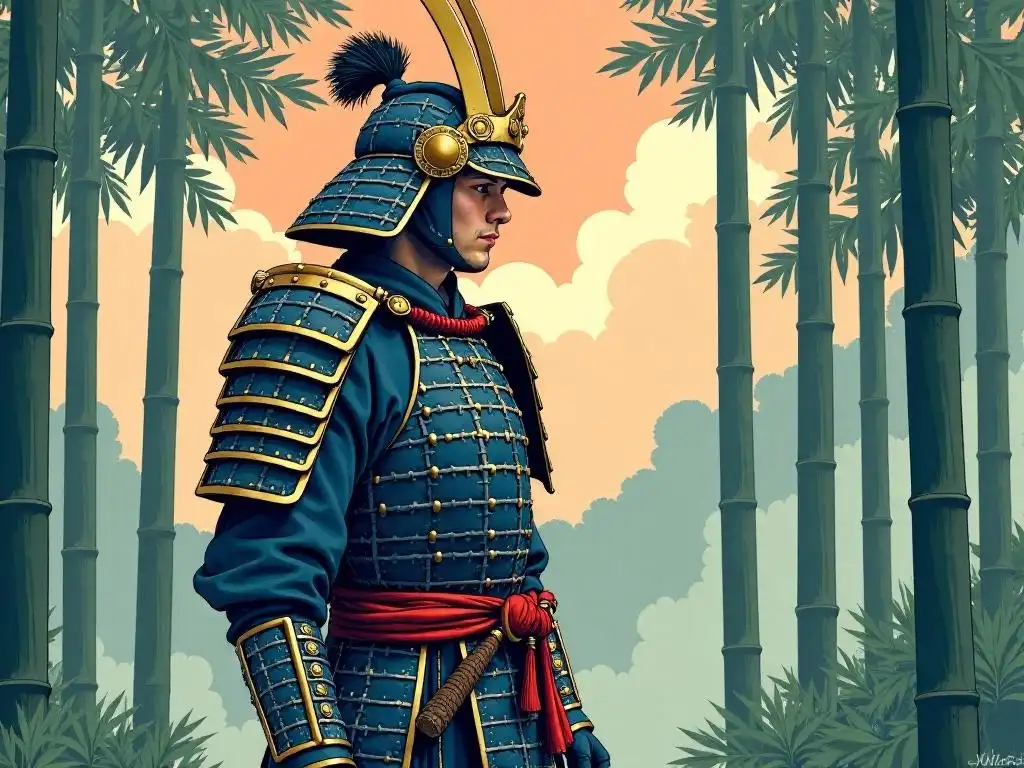
Influence on Later Japanese Literature
Haiku poetry in feudal Japan laid the groundwork for various literary developments, influencing not only poetry but also prose. The succinct nature of haiku, characterized by its 5-7-5 syllable structure, encouraged authors to express complex emotions and natural imagery with remarkable brevity. As a result, this poetic form became a catalyst for the evolution of other literary genres, such as tanka and renga.
The thematic elements of haiku—nature, seasons, and fleeting moments—were woven into the fabric of later Japanese literature. Prominent authors like Matsuo Bashō, who is often considered the master of haiku, inspired subsequent generations of poets and writers. His ability to capture the essence of a moment in nature influenced the Nara and Heian periods' waka poetry, which also sought to evoke emotion through imagery.
Moreover, the haiku tradition contributed to the development of shintaishi, a new poetic form that emerged in the late 19th century. This form retained the emotional depth of haiku while allowing for greater freedom in structure and theme. The legacy of haiku can thus be traced through various literary movements, demonstrating its profound impact on Japanese literature.
Haiku's Enduring Popularity in Modern Japan
Haiku poetry continues to thrive in modern Japan, reflecting its enduring appeal and adaptability. Contemporary poets maintain the traditional 5-7-5 format while experimenting with themes and styles, incorporating modern imagery and social commentary. This evolution showcases how haiku can remain relevant in a rapidly changing world.
In addition to individual poets, haiku competitions and workshops have gained popularity across Japan. These events foster a community of writers who share a passion for the form. Schools often include haiku in their curricula, teaching students the beauty of concise expression and the importance of nature in Japanese culture.
The popularity of haiku is not limited to traditional poetry enthusiasts; it has also found a place in popular culture. Haiku are often featured in literature, art, and even social media platforms, where brevity is key. This widespread appreciation underscores the resilience of haiku poetry in a contemporary context.
The Global Impact of Haiku Poetry
The reach of haiku poetry extends far beyond Japan, influencing poets and literary movements worldwide. The introduction of haiku to Western audiences in the late 19th and early 20th centuries sparked interest in its unique form and themes. Poets like Ezra Pound and William Carlos Williams incorporated haiku principles into their work, emphasizing brevity and imagery.
International haiku organizations and festivals have emerged, promoting cross-cultural exchanges and a deeper understanding of this art form. These events celebrate haiku as a means of connecting people through shared experiences and appreciation of nature. As a result, haiku has become a global phenomenon, transcending its Japanese origins.
In addition, translations of classic haiku have played a significant role in spreading this poetic form. Translations by scholars and enthusiasts have made haiku accessible to non-Japanese speakers, allowing a broader audience to appreciate its depth and beauty. This global interest in haiku has led to a resurgence of interest in traditional Japanese culture and literature, showcasing the lasting impact of haiku poetry in feudal Japan.
Conclusion: The Timelessness of Haiku in Feudal Japan
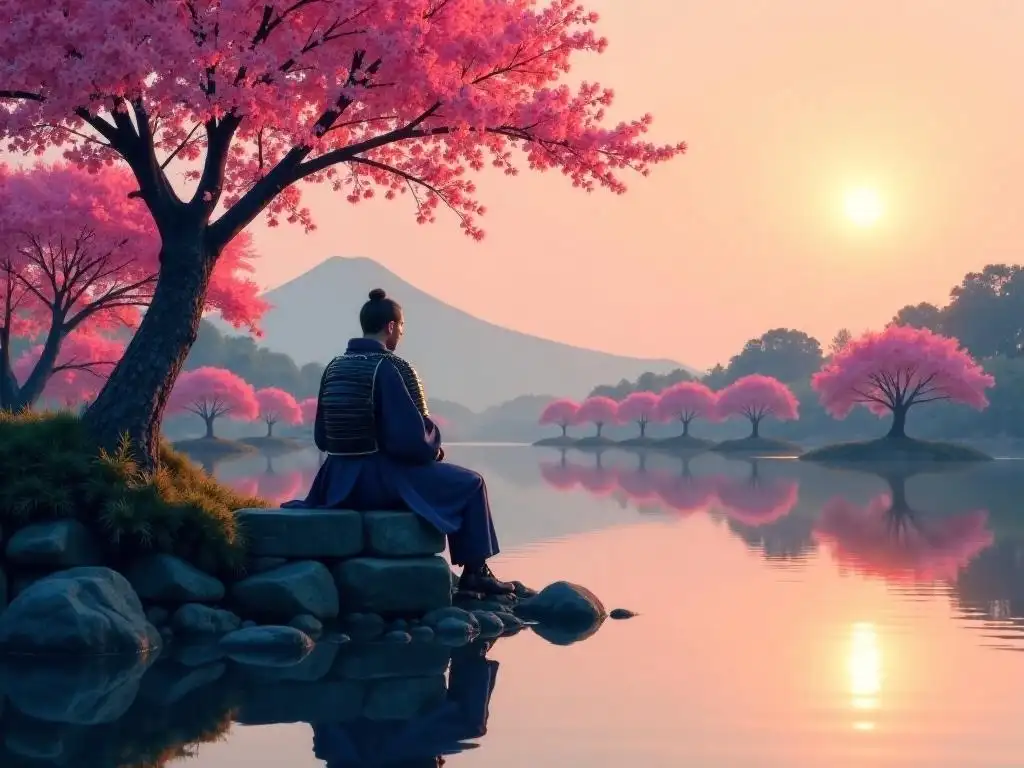
Summarizing the Importance of Haiku Poetry
Haiku poetry in feudal Japan represents not only a literary form but also a profound cultural expression that captures the essence of the era. Emerging during the late 17th century, haiku evolved from earlier poetic forms, such as linked-verse poetry (renga), and quickly established itself as a distinct genre. Characterized by its concise structure—typically consisting of three lines with a 5-7-5 syllable pattern—haiku allows for a rich interplay of imagery and emotion within a limited framework.
The significance of haiku lies in its ability to evoke deep feelings and reflections on nature, life, and the human experience. This poetic form served as a medium for samurai and commoners alike to articulate their thoughts and emotions, fostering a shared cultural identity. Notably, renowned poets like Matsuo Bashō and Yosa Buson contributed to the genre's prestige, infusing haiku with philosophical depth and vivid imagery. Their works often reflect the principles of Zen Buddhism, emphasizing simplicity, mindfulness, and the beauty of transience.
Moreover, haiku poetry became a vital tool for social commentary during feudal Japan. Poets used this form to subtly critique societal norms and express personal grievances, often veiling their messages in layers of metaphor and symbolism. This ability to transcend literal meaning made haiku a powerful instrument of expression, resonating with readers across generations.
Haiku as a Window into the Poetic Soul of Samurai Culture
The samurai, as the warrior class of feudal Japan, embodied a unique blend of martial prowess and artistic sensibility. Haiku poetry served as a vital outlet for samurai to express their thoughts on honor, loyalty, and the ephemeral nature of life—themes central to their ethos. Through their poetry, samurai articulated their emotional landscapes, navigating the dichotomy of strength in battle and vulnerability in life.
For instance, haiku often reflects the samurai’s relationship with nature, symbolizing their inner struggles and aspirations. A well-known haiku by Matsuo Bashō illustrates this connection:
An old silent pond...
A frog jumps into the pond—
Splash! Silence again.
This poem conveys the profound stillness of the moment, highlighting the samurai's introspective nature and their appreciation for the fleeting beauty of existence. Such imagery invites readers to ponder the complexities of life and the inevitability of change.
Furthermore, haiku became a means of preserving the samurai's legacy and values. Through poetic expression, they documented their experiences, victories, and losses, creating a rich tapestry of historical and cultural narratives. This literary tradition not only enshrined their ideals but also served as a moral compass for future generations, emphasizing the importance of discipline, humility, and respect for nature.
Haiku poetry in feudal Japan transcended mere artistic expression; it became a profound reflection of the samurai's inner world. By weaving together themes of nature, emotion, and societal reflection, haiku offers an intimate glimpse into the poetic soul of samurai culture, ensuring its timeless relevance in the annals of Japanese literature.
Further Reading and Resources on Haiku Poetry in Feudal Japan
Recommended Books and Articles
To deepen your understanding of Haiku poetry in feudal Japan, several key texts offer valuable insights into its historical context, themes, and notable poets. Here are some recommended readings:
- "The Haiku Anthology" by Cor van den Heuvel
- This collection features a broad array of haiku, including works from the Edo period. It provides not only poems but also commentary on their significance within the cultural landscape of feudal Japan.
- "Japanese Haiku: Its Essential Nature, History, and Possibilities in English" by William J. Higginson
- Higginson's work explores the roots of haiku and its evolution, shedding light on how this poetic form reflects the values and aesthetics of feudal Japan.
- "The Narrow Road to the Deep North" by Matsuo Bashō
- A classic work by one of the most celebrated haiku masters, this travelogue blends prose and poetry, illustrating the beauty of nature and the transience of life, which are central themes in haiku.
- "Haiku: The Last Poems of an Ancient Tradition" by Stephen Addiss
- Addiss examines the transition of haiku from a classical to a modern form, providing a critical analysis of its enduring appeal and relevance.
Online Resources for Haiku Enthusiasts
In addition to printed materials, several online platforms cater to those interested in exploring Haiku poetry in feudal Japan. Here are some valuable resources:
-
The Haiku Foundation
An extensive resource for haiku poetry, offering historical context, contemporary haiku, and a wealth of articles on the art form.
-
Poetry Foundation
This site features a section dedicated to Japanese poetry, including haiku. It includes biographies of key figures and analyses of their works.
-
Haiku Society of America
A hub for haiku enthusiasts, this society promotes the appreciation of haiku and offers resources such as contests, workshops, and publications related to both historical and modern haiku.
-
Academy of American Poets
This educational resource provides a variety of articles and essays that explore the influence of Japanese poetry on modern literary forms, including haiku.
By engaging with these resources, readers can gain a richer appreciation of Haiku poetry in feudal Japan, its historical significance, and its lasting impact on both Japanese and global literature.
Frequently Asked Questions
What is Haiku poetry in feudal Japan?
Haiku poetry is a traditional form of Japanese poetry that emerged during the late feudal era. It typically consists of three lines with a 5-7-5 syllable structure, capturing brief moments in nature.
How did Haiku reflect the values of Samurai culture?
Haiku poetry often embodies the simplicity and aesthetic appreciation central to Samurai culture. It reflects their connection to nature and the transience of life, aligning with their philosophical beliefs.
Who were the prominent Haiku poets during feudal Japan?
Notable Haiku poets from feudal Japan include Matsuo Bashō, Yosa Buson, and Kobayashi Issa. They contributed significantly to the genre, enriching it with deep emotion and natural imagery.
What themes are commonly found in Haiku from this era?
Common themes in feudal Haiku include nature, seasonal changes, and human emotions. Poets often conveyed a sense of tranquility and reflection through their observations of the world.
How has Haiku poetry influenced modern Japanese literature?
Haiku has had a profound impact on modern Japanese literature, inspiring contemporary poets and writers. Its emphasis on brevity and imagery continues to resonate, making it a timeless form of expression.
Final Reflection: The Enduring Legacy of Haiku Poetry in Feudal Japan
The exploration of haiku poetry in feudal Japan reveals its profound connection to the human experience, illustrating how art can transcend time and culture. Today, as we navigate a world filled with rapid change and fleeting moments, the simplicity and depth of haiku resonate more than ever. This poetic form reminds us to pause, reflect, and appreciate the beauty in the ephemeral, urging us to find meaning in our everyday lives.
Creativity and expression have always shaped the cultural landscape, and haiku stands as a testament to the enduring power of words. The elegance of this poetry invites us to connect with nature and our emotions, fostering a sense of mindfulness that is often lost in our fast-paced society. In the cicada's cry, no sign can foretell how soon it must die.
This quote encapsulates the essence of haiku, emphasizing the beauty and transience of life, a theme that continues to inspire poets and readers alike.
As you reflect on the lessons of haiku poetry, consider how you can incorporate its principles into your own life. Take a moment each day to observe the world around you, to find beauty in simplicity, and to express your thoughts in a way that honors the fleeting nature of existence. By embracing the spirit of haiku, you can cultivate a deeper appreciation for the present and inspire others to do the same, ensuring that the poetic soul of the samurai lives on in our hearts and minds.
Unleash Your Inner Poet: Craft Your Own Haiku Today!
Thank you for diving into the rich world of haiku and its significance in Feudal Japan. You've unlocked insights into the poetic soul of the samurai and the art that transcends time. Now, it's time to channel that inspiration and create something beautiful!
Here are some ways you can take action:
- Write Your Own Haiku: Embrace the simplicity and depth of haiku by crafting your own masterpiece. Find a quiet spot and let your thoughts flow in 17 syllables.
- Share Your Creation: Post your haiku on social media or in a community group. Engage with fellow poetry lovers or join a local writing group to inspire others!
- Explore Further: Read haiku from various cultures or experiment with different poetic forms to enrich your understanding and appreciation of poetry.
What themes or emotions will you capture in your first haiku? We can’t wait to hear your thoughts!