
The Ritual of Preparation: A StepbyStep Guide to Japanese Tea Ceremony

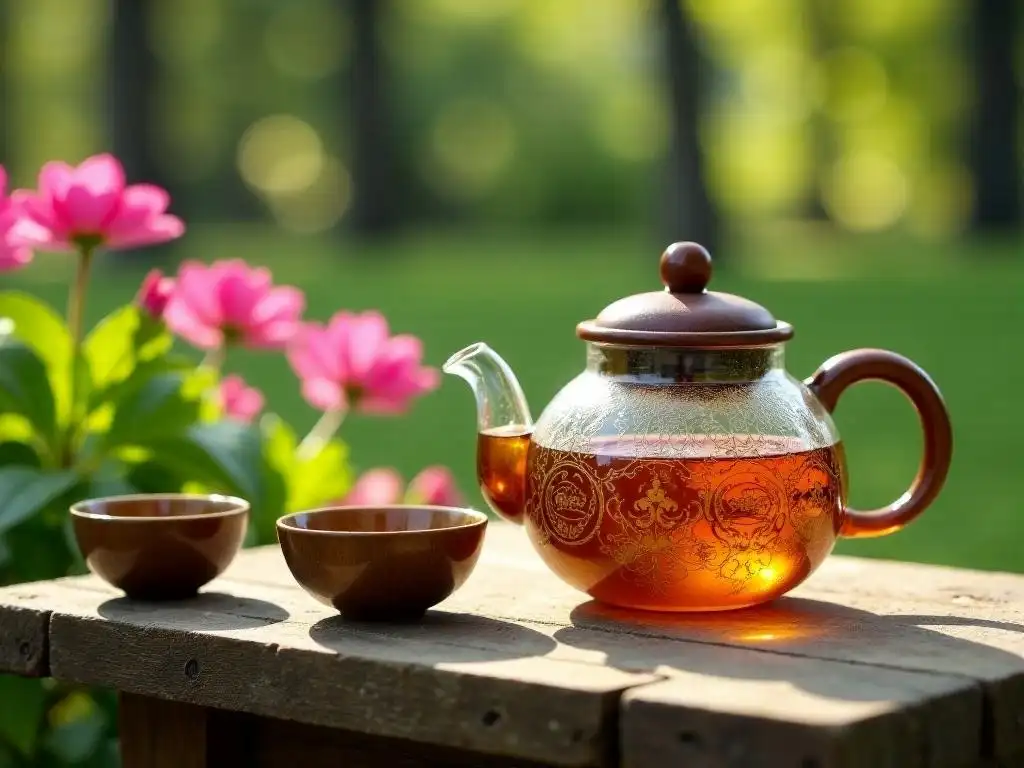
Welcome to Feudal Japan History, where we invite you to journey through the captivating tapestry of Japan’s feudal era. Delve into the rich cultural history that shaped a nation, and discover the profound significance of customs that still resonate today. In our featured article, “The Ritual of Preparation: A Step-by-Step Guide to Japanese Tea Ceremony,” we unveil the intricate art of tea ceremony preparation, revealing the meticulous traditions and philosophies that define this celebrated practice. Are you ready to uncover the secrets behind this serene ritual? Join us as we brew curiosity and invite you to explore further!
Introduction to the Japanese Tea Ceremony
The Japanese tea ceremony, known as chanoyu (茶の湯), is a profound cultural practice that transcends mere beverage preparation. It embodies a rich tapestry of philosophies, aesthetics, and rituals that have evolved over centuries, particularly during Japan's feudal era. This guide delves into the intricate preparations involved in the tea ceremony, illuminating the significance of each step and the values they represent. As we explore the Japanese tea ceremony preparation guide, we will uncover the historical and cultural context that has shaped this revered tradition.
Understanding the Significance of the Japanese Tea Ceremony
At its core, the Japanese tea ceremony is more than just serving tea; it is a spiritual and artistic expression that emphasizes harmony, respect, purity, and tranquility—principles known as the Four Pillars of the Tea Ceremony. Each element of the ceremony is meticulously curated, from the choice of tea to the arrangement of utensils, reflecting the host's intention to create a serene and inviting atmosphere for guests.
- Harmony (Wa): The alignment of all elements in the ceremony.
- Respect (Kei): The reverence shown to guests and the surroundings.
- Purity (Sei): The cleanliness and simplicity of the space and utensils.
- Tranquility (Jaku): The peaceful state achieved through mindfulness.
This profound ritual serves as a reminder of the beauty found in simplicity and the importance of human connection, making it an essential aspect of Japanese culture.
Overview of the Rituals and Philosophy Behind Preparation
The preparation for the tea ceremony involves a series of carefully choreographed steps that reflect the host's dedication to their guests. Each action, from the selection of tea leaves to the precise movements of whisking matcha, is imbued with meaning and intention.
- Gathering Utensils: Selecting the appropriate tools such as tea bowls, whisks, and scoops.
- Cleaning the Space: Ensuring the tea room is pristine to foster a tranquil environment.
- Preparing the Tea: Measuring the right amount of matcha and hot water, and whisking them to create a frothy brew.
- Serving the Tea: Offering the tea to guests with a bow, emphasizing respect and hospitality.
Understanding these rituals not only enhances the experience of the ceremony but also deepens appreciation for the philosophical underpinnings that guide each preparation step.
Historical Context of Japanese Tea Ceremonies
To fully grasp the nuances of the Japanese tea ceremony, it is essential to explore its historical roots and how it has evolved over time. The tea ceremony is intricately linked to Japan's feudal history, reflecting the socio-political dynamics and cultural exchanges of the period.
Origins of the Japanese Tea Ceremony
The origins of the Japanese tea ceremony can be traced back to the Tang Dynasty in China, where tea culture began to flourish. With the introduction of tea to Japan in the 9th century by monks, the practice gradually took root in Japanese society. By the 12th century, the samurai class embraced tea drinking as a means of social interaction and reflection, laying the groundwork for the ceremonial aspects we recognize today.
Evolution of Tea Ceremonies During the Feudal Era
During Japan's feudal era, the tea ceremony underwent significant transformation, influenced by various cultural figures and schools of thought. Prominent among these was Sen no Rikyū, who refined the practice in the 16th century, emphasizing simplicity and the spiritual aspects of tea preparation.
Key developments during this period include:
- Integration of Zen Buddhism: The tea ceremony became a meditative practice, fostering mindfulness and tranquility.
- Influence of the Samurai: The ceremony was a symbol of status and culture among the elite, intertwining with the code of bushido.
- Cultural Exchanges: Trade with other nations introduced new tea varieties and preparation techniques, enriching the ceremony's complexity.
The evolution of the Japanese tea ceremony during the feudal era not only reflects the changing tastes and values of society but also solidifies its place as a cherished cultural heritage in Japan. As we explore the preparation guide, we will uncover how these historical elements continue to influence contemporary practices.
Essential Elements of Japanese Tea Ceremony Preparation
The Japanese tea ceremony, known as Chanoyu, embodies centuries of tradition, aesthetics, and philosophy. Preparation for this ceremony is not merely a series of steps but an art form that reflects mindfulness and attention to detail. Key elements include the selection of tea, the arrangement of utensils, and the setting of the space. Each element serves to create an atmosphere conducive to harmony and tranquility, allowing participants to fully engage with the experience.
Among the essential aspects of preparation, the spatial arrangement plays a crucial role. The tea room, or chashitsu, should be meticulously cleaned and organized to provide a serene environment. Additionally, the season and occasion influence the choice of decorations and utensils, emphasizing the connection to nature and the passage of time.
Another important element is the mindset of the host and guests. The ritual encourages a spirit of respect, humility, and gratitude, which enhances the overall experience of the ceremony. This preparation phase sets the tone for a meaningful encounter, fostering a deep appreciation for the art of tea.
Key Tools and Utensils Used in the Ceremony
The tools and utensils involved in the Japanese tea ceremony are both functional and symbolic. Here are some of the key components:
- Chawan (Tea Bowl): A ceramic bowl in which the tea is prepared and served. The shape and design can vary, reflecting the season or occasion.
- Chasen (Tea Whisk): A bamboo whisk used for mixing powdered tea (matcha) with hot water. Its delicate structure is essential for creating a frothy, airy texture.
- Chashaku (Tea Scoop): A bamboo scoop used to measure the appropriate amount of tea powder. This tool emphasizes precision in preparation.
- Kyusu (Tea Pot): Used for steeping loose leaf teas, though it is less common in formal tea ceremonies focused on matcha.
- Fukusa (Silk Cloth): A cloth used for purifying the tea utensils and the environment, symbolizing cleanliness and respect.
- Mizusashi (Water Container): A vessel for holding fresh water, essential for boiling and maintaining the right temperature.
Each utensil is chosen with care, reflecting the aesthetic principles of simplicity and elegance that are central to the ceremony.
Types of Tea Used in Japanese Tea Ceremonies
While various types of tea exist in Japan, the Japanese tea ceremony primarily focuses on two types:
- Matcha: A finely ground powdered green tea that is whisked with hot water to create a frothy beverage. Matcha is favored for its vibrant color and rich flavor, embodying the spirit of the ceremony.
- Sencha: A more common loose-leaf green tea that is brewed in a teapot. While not always used in formal tea ceremonies, it occasionally appears in casual settings, highlighting the versatility of Japanese tea culture.
The choice of tea reflects not only the formality of the occasion but also the host's personal preferences and the seasonal context of the ceremony.
Step-by-Step Guide to Preparing for a Japanese Tea Ceremony
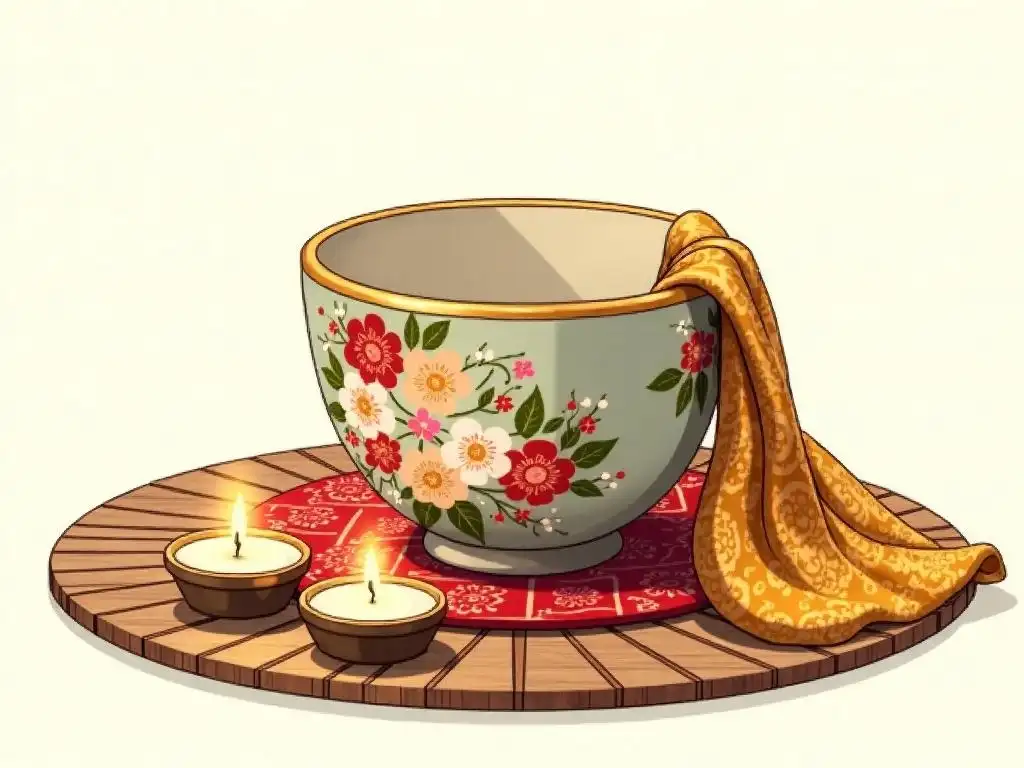
Preparation for a Japanese tea ceremony is a thoughtful and deliberate process, encompassing several key steps that ensure the experience is both authentic and meaningful. Below is a step-by-step guide to help you navigate the preparation phase.
Step 1: Setting Up the Space for the Ceremony
The initial step involves selecting and preparing the space where the ceremony will take place. This can be a traditional tea room or a designated area in your home. Key considerations include:
- Cleanliness: Ensure the space is immaculate, reflecting the importance of purity in the ceremony.
- Aesthetics: Arrange seasonal decorations, such as flower arrangements or scrolls, that resonate with the theme of the ceremony.
- Seating: Prepare comfortable seating for guests, typically in a kneeling position on tatami mats.
By creating a serene environment, the host can foster a sense of peace and readiness for the ceremony.
Step 2: Selecting and Preparing the Tea
Choosing the right tea is essential for setting the tone of the ceremony. If you are using matcha, follow these steps:
- Select Quality Matcha: Choose a high-grade matcha for a superior taste and vibrant color.
- Measure the Tea: Using the chashaku, measure approximately 1-2 scoops of matcha per serving.
- Sift the Tea: Sifting the matcha helps to avoid clumps and ensures a smooth consistency.
If serving sencha, prepare the loose leaves in a kyusu, measuring the appropriate amount based on the number of guests.
Step 3: Gathering and Arranging the Utensils
Next, gather all necessary utensils and arrange them in a manner that is both functional and aesthetically pleasing.
- Place the Chawan: Position the tea bowl prominently, as it is the focal point of the ceremony.
- Organize the Chasen and Chashaku: These should be easily accessible to the host during the preparation of the tea.
- Set the Mizusashi: Ensure the water container is filled and positioned conveniently for boiling water.
This meticulous arrangement not only enhances the visual aspect but also supports a smooth flow during the ceremony.
Step 4: The Ritual of Boiling Water
Water temperature is critical in the preparation of both matcha and sencha. Here’s how to manage it:
- Heat the Water: Use a kettle to boil fresh water, allowing it to reach approximately 75-80°C (167-176°F) for matcha and 80-85°C (176-185°F) for sencha.
- Cool the Water: If boiling is too vigorous, let the water cool before pouring it into the tea bowl or the kyusu.
- Purify the Water: As part of the ritual, pour a small amount of water over the utensils to cleanse them before use.
This step not only prepares the tea but also symbolizes the purification process inherent in the ceremony.
Step 5: Whipping the Tea
For the matcha preparation, the technique of whisking is paramount. Follow these instructions:
- Add Water to the Matcha: Pour the prepared hot water into the chawan containing the matcha.
- Whisk with the Chasen: Using a back-and-forth motion, whisk the mixture rapidly to create a frothy layer, ensuring the matcha is fully dissolved.
- Observe the Texture: Aim for a creamy, smooth consistency with bubbles on the surface.
This process showcases the skill of the host and enhances the sensory experience of the participants.
Step 6: Serving the Tea
The final step involves serving the tea to the guests, which is a moment of great significance.
- Presenting the Chawan: Hold the tea bowl with both hands and offer it to the guest, ensuring it is facing them.
- Receiving the Bowl: The guest should receive it with gratitude, rotating the bowl slightly before taking a sip.
- Enjoying the Tea: The ceremony encourages a moment of silence for guests to appreciate the taste and aroma of the tea, fostering a deep connection with the experience.
This final act encapsulates the essence of the Japanese tea ceremony, emphasizing respect, presence, and harmony.
Cultural Significance and Etiquette in Japanese Tea Ceremony Preparation
The Japanese tea ceremony, known as chanoyu, is an intricate ritual steeped in tradition and cultural significance. Preparation for the ceremony goes beyond simply brewing tea; it embodies the principles of harmony, respect, purity, and tranquility, which are integral to the experience. Each step in the preparation process is conducted with mindfulness and intention, reflecting the values deeply rooted in Japanese culture.
Etiquette plays a crucial role in the ceremony, guiding both the host and guests in their interactions. The host's meticulous attention to detail in preparing the tea signifies respect for the guests, while the guests, in turn, show gratitude through their behavior and appreciation of the tea. This reciprocal relationship enhances the ceremonial experience and reinforces the cultural importance of hospitality in Japanese society.
The Role of Harmony (Wa) and Respect (Kei)
The concepts of harmony ( wa) and respect ( kei) serve as foundational pillars in the Japanese tea ceremony. Harmony emphasizes the importance of balance and connection among the participants, the environment, and the tea itself. This is achieved through careful selection of utensils, the arrangement of the tea room, and the overall ambiance. Each element is chosen to foster a sense of unity and tranquility, creating a space where participants can appreciate the moment fully.
Respect, on the other hand, manifests in the interactions between the host and guests. It involves acknowledging the individuality and feelings of each person present. The host demonstrates respect by preparing the tea with care and offering it graciously, while guests reciprocate by expressing their appreciation for the tea and the effort put into the ceremony. This mutual respect deepens the connections forged during the ceremony and reinforces the idea that the experience is as much about the people involved as it is about the tea itself.
Understanding the Guest's Role in the Ceremony
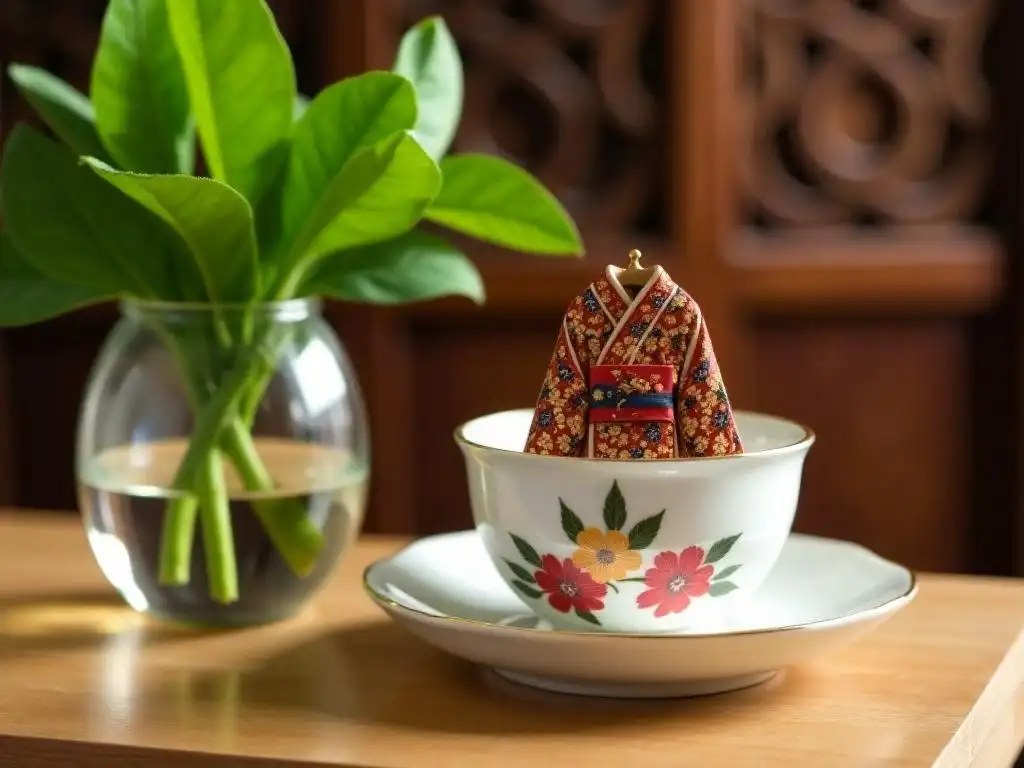
In a Japanese tea ceremony, the role of the guest is as significant as that of the host. Guests are not mere spectators; they are active participants in the experience. Their behavior, demeanor, and responses contribute to the overall spirit of the ceremony. Guests should approach the event with an open heart and mind, ready to engage fully with the ritual and the tea being served.
Upon entering the tea room, guests are expected to observe proper etiquette, which includes bowing to the host and expressing gratitude for the invitation. During the ceremony, guests should appreciate the aesthetics of the utensils and the environment, acknowledging the effort of the host. Additionally, when served tea, guests should handle the tea bowl with care, turning it before taking a sip to honor its beauty. This attention to detail and mindfulness enriches the experience, allowing guests to cultivate a deeper appreciation for the tea and the ceremonial process.
Conclusion: Embracing the Art of Japanese Tea Ceremony Preparation
The preparation for a Japanese tea ceremony is a profound and enriching experience that invites participants to slow down and appreciate the subtleties of life. Through the ritual of preparation, individuals can connect with the cultural heritage of Japan, embracing values that transcend time. The careful attention to detail, the emphasis on harmony and respect, and the shared experience create a moment of peace and reflection in a fast-paced world.
The Lasting Impact of the Japanese Tea Ceremony on Culture
The Japanese tea ceremony has left an indelible mark on Japanese culture and society. It embodies the aesthetic principles of wabi-sabi, celebrating simplicity and imperfection, and has influenced various aspects of art, architecture, and design throughout Japan. The values instilled by the tea ceremony—mindfulness, appreciation of nature, and the importance of community—continue to resonate in modern Japanese life, making it a significant cultural touchstone.
Encouragement to Experience and Practice the Ceremony
To truly appreciate the beauty of the Japanese tea ceremony, individuals are encouraged to experience it firsthand. Whether through attending a traditional ceremony or attempting to prepare one themselves, engaging with this art form offers a unique opportunity to connect with Japanese culture on a deeper level. Practicing the tea ceremony fosters a sense of mindfulness and tranquility, allowing participants to embrace the essence of chanoyu in their daily lives. By immersing oneself in this rich tradition, one can discover the profound joy and serenity that comes from the art of Japanese tea ceremony preparation.
Additional Resources for Learning About Japanese Tea Ceremonies
To fully appreciate the intricate art of the Japanese tea ceremony, delving deeper into its practices, philosophies, and historical contexts is essential. The following resources provide valuable insights and guidance for anyone interested in mastering this refined ritual. Whether you prefer reading, participating in workshops, or exploring online courses, there’s a wealth of information available.
Recommended Books and Guides on Tea Ceremony Practices
-
"The Book of Tea" by Okakura Kakuzō
This classic text explores the philosophical underpinnings of the tea ceremony, intertwining history, aesthetics, and spirituality. It serves as an excellent introduction for those looking to understand the cultural significance of tea in Japan.
-
"Tea Ceremony: The Art of Mindfulness" by John D. Dorrance
Dorrance’s guide provides a practical approach to the tea ceremony, emphasizing mindfulness and the meditative aspects of the practice. The book includes step-by-step instructions, making it suitable for beginners.
-
"The Japanese Tea Ceremony: Cha-no-yu" by Sen Soshitsu XV
Written by a leading authority on tea, this book offers a comprehensive overview of the tea ceremony’s history, style variations, and detailed instructions for conducting a ceremony. It’s a must-have for serious practitioners.
-
"The Way of Tea: Reflections on a Japanese Tea Master" by Kato Shuson
This book presents the teachings and philosophy of a revered tea master. It combines personal anecdotes with practical advice, providing readers with a deeper understanding of the spiritual journey involved in tea preparation.
-
"Japanese Tea Ceremony: A Beginner's Guide" by Reiko Hara
Hara’s book is designed for novices, breaking down the intricate processes of the tea ceremony into manageable steps. It includes photographs and diagrams to guide readers through the preparation.
Online Courses and Workshops on Japanese Tea Ceremonies
-
Udemy: Japanese Tea Ceremony for Beginners
This online course offers a thorough introduction to the tea ceremony, covering its history, etiquette, and preparation techniques. It includes instructional videos and quizzes to enhance the learning experience.
-
Tea Mastery School: Online Tea Ceremony Course
This comprehensive course is suitable for both beginners and experienced tea enthusiasts. It consists of video lessons, live Q&A sessions, and interactive assignments, providing an immersive learning experience.
-
Cultural Japan: Virtual Tea Ceremony Workshops
These workshops allow participants to experience a live tea ceremony conducted by an expert. Attendees can engage in discussions and ask questions, making it a great way to learn about the ritual in a hands-on environment.
-
The Japanese Tea Ceremony Institute: Certification Programs
For those interested in pursuing a professional path in tea ceremony practices, this institute offers certification programs. The courses cover advanced techniques and the art of teaching others about the tea ceremony.
-
YouTube Channels
Various YouTube channels dedicate themselves to the art of the Japanese tea ceremony. Channels such as "Tea and Culture" and "The Tea Ceremony Project" provide free video tutorials and insights from practitioners, making learning accessible to everyone.
By utilizing these resources, individuals can deepen their understanding of the Japanese tea ceremony, enhancing both their knowledge and practice of this beautiful tradition.
- Introduction to the Japanese Tea Ceremony
- Historical Context of Japanese Tea Ceremonies
- Essential Elements of Japanese Tea Ceremony Preparation
- Step-by-Step Guide to Preparing for a Japanese Tea Ceremony
- Cultural Significance and Etiquette in Japanese Tea Ceremony Preparation
- The Role of Harmony (Wa) and Respect (Kei)
- Understanding the Guest's Role in the Ceremony
- Conclusion: Embracing the Art of Japanese Tea Ceremony Preparation
- Additional Resources for Learning About Japanese Tea Ceremonies
Frequently Asked Questions
What is the significance of the Japanese tea ceremony?
The Japanese tea ceremony is a cultural ritual that emphasizes aesthetic appreciation, mindfulness, and the spirit of hospitality. It is not just about drinking tea; it embodies a philosophy of peace and simplicity.
How do I prepare for a Japanese tea ceremony?
Preparation involves selecting the right utensils, such as tea bowls and whisks, and ensuring the environment is tranquil. Attention to detail in cleanliness and arrangement is crucial for creating the right atmosphere.
What types of tea are commonly used in the ceremony?
The most common type of tea used is matcha, a finely ground green tea. Other variations may include gyokuro or sencha, but matcha is preferred for its rich flavor and symbolic significance in the ceremony.
Are there any specific steps to follow in the ceremony?
Yes, the ceremony typically follows a structured format that includes purification, tea preparation, and serving. Each step, from grinding the tea to serving it to guests, is performed with deliberate intention.
Can anyone participate in a Japanese tea ceremony?
Yes, anyone can participate, regardless of their background or experience. However, understanding the ritualistic aspects and showing respect for the traditions enhances the experience significantly.
Final Reflection: Embracing Mindfulness Through the Japanese Tea Ceremony
The Japanese tea ceremony is not merely a ritual; it is a profound practice that invites us to slow down and appreciate the beauty of the present moment. In today's fast-paced world, where distractions abound and mindfulness often takes a backseat, the lessons embedded in this ancient tradition resonate more than ever. The meticulous preparation and intentionality behind each step of the tea ceremony remind us of the importance of being present and engaged in our daily lives.
The impact of the Japanese tea ceremony extends beyond its cultural significance; it has woven itself into the fabric of contemporary society, encouraging a collective shift towards mindfulness and appreciation for simplicity. As we navigate our busy lives, the principles of harmony, respect, purity, and tranquility that define this ritual serve as a guiding light. Tea is a religion of the art of life.
– Kakuzō Okakura. This quote encapsulates the essence of the tea ceremony, illustrating how it fosters a deeper connection with ourselves and others, while also promoting a sense of peace in our chaotic world.
As you reflect on the insights shared in this article, I invite you to consider how you can incorporate the spirit of the Japanese tea ceremony into your own life. Take a moment to pause, breathe, and engage in a simple act with intention, whether it's brewing a cup of tea or savoring a meal. By embracing these mindful practices, you can cultivate a greater sense of presence and appreciation for the beauty that surrounds you, transforming ordinary moments into extraordinary experiences. Let the ritual of preparation inspire you to find tranquility amidst the noise of everyday life.
Embrace the Art of Tea: Join the Journey Today!
Thank you for immersing yourself in the enchanting world of the Japanese tea ceremony! You’ve uncovered the beauty of its rituals and the profound connections it fosters. Now, it’s time to take this inspiration and put it into practice.
Here’s how you can deepen your experience:
- Host your own tea ceremony: Gather friends or family to share the peaceful joy of tea-making and mindful presence together.
- Explore the history: Delve into resources or books that highlight the cultural significance of the tea ceremony to enrich your understanding.
- Share your experience: Post about your tea ceremony on social media, inviting others to participate in this beautiful tradition.
What unique twist would you add to your own tea ceremony to create a personal and memorable experience?