
Exploring the Aesthetic Principles of Kabuki: Beauty in Motion

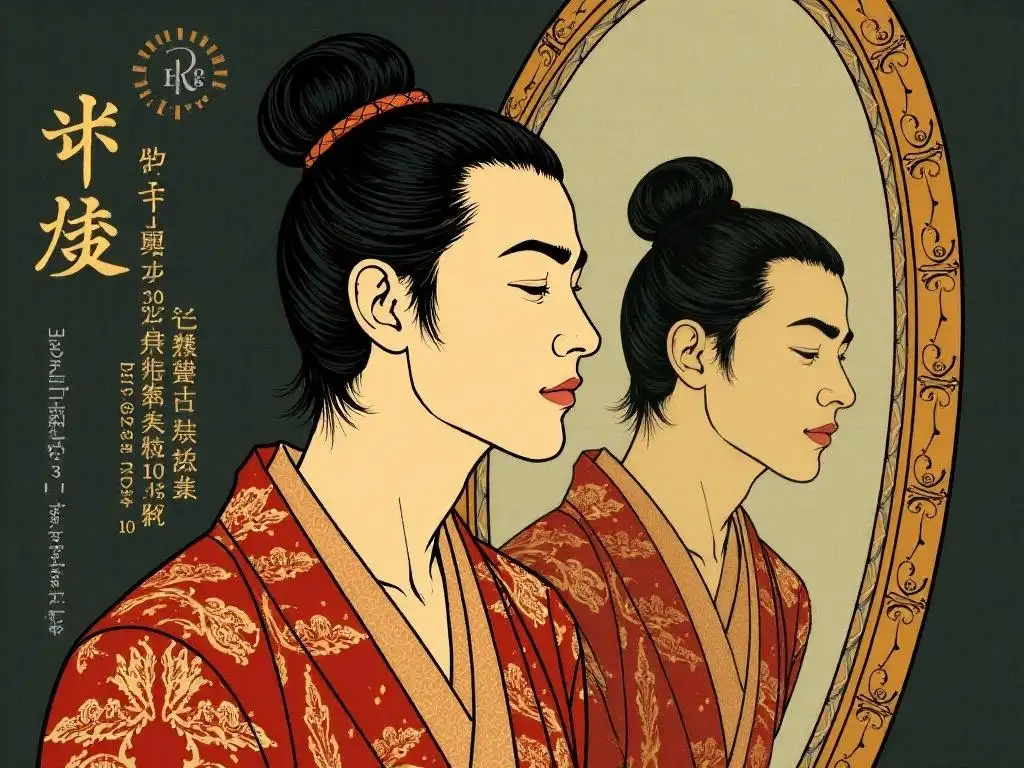
Welcome to Feudal Japan History, where we invite you to embark on a fascinating journey through the intricate tapestry of Japan’s feudal era. Here, we delve deep into the cultural history that shaped a nation, and today, we shine a spotlight on the mesmerizing world of Kabuki. Ever wondered how the aesthetic principles of Kabuki create beauty in motion?
Prepare to uncover the secrets behind this captivating art form as we explore the delicate balance of performance, tradition, and visual storytelling. Join us as we unravel the layers of Kabuki, igniting your curiosity and enriching your understanding of this vibrant cultural phenomenon. Your exploration starts now!
Introduction to Kabuki Theater
Kabuki, a vibrant and dynamic form of traditional Japanese theater, has captivated audiences for centuries with its unique blend of drama, music, and elaborate costumes. Originating in the early 17th century, this theatrical art form has evolved significantly, reflecting the complexities of Japanese culture and society during the feudal era. The Kabuki aesthetic principles are not merely artistic guidelines; they embody the philosophical and cultural values of the time, merging visual beauty with profound storytelling. Understanding these principles provides valuable insight into how Kabuki has shaped and been shaped by Japan's rich cultural landscape.
The Origins of Kabuki: A Historical Overview
The genesis of Kabuki can be traced back to the Edo period (1603-1868), when it was first performed by women in the early 1600s. However, due to concerns over moral decay, women were banned from the stage, leading to the rise of male actors known as onnagata, who specialized in portraying female roles. This transition marked a significant shift in performance style and presentation. Kabuki's early performances were characterized by their improvisational style and often included elements of dance and music, captivating audiences with their energy and flair.
The theater flourished in urban centers, particularly in Edo (modern-day Tokyo), and became a reflection of the societal changes occurring in Japan. The intricate staging, dramatic narratives, and stylized movements contributed to its status as a prominent cultural phenomenon. Over the years, Kabuki has continued to adapt, incorporating modern themes while preserving its traditional roots, thus ensuring its relevance in contemporary society.
Importance of Kabuki in Japanese Cultural History
Kabuki holds a critical place in Japanese cultural history, serving not only as a form of entertainment but as a medium for social commentary. The narratives often explore themes of love, loyalty, and conflict, reflecting the values and struggles of the samurai class and the common people alike. This unique ability to convey complex emotional experiences through stylized performance has made Kabuki an essential part of Japan's artistic heritage.
Moreover, Kabuki has influenced various other forms of Japanese art, including literature, visual arts, and even contemporary theater. Its aesthetic principles, characterized by dramatic makeup, elaborate costumes, and exaggerated movements, continue to inspire artists and performers across genres. The enduring legacy of Kabuki is a testament to its profound impact on Japan's cultural identity.
Understanding Kabuki Aesthetic Principles Explained
The aesthetic principles of Kabuki are foundational to its artistic expression and allow the theater to communicate its rich narratives effectively. These principles encompass a wide range of elements, including color symbolism, movement dynamics, and stagecraft, all of which contribute to the overall experience of Kabuki performances.
Defining Aesthetic Principles in Kabuki
At the heart of Kabuki's aesthetic lies the concept of yūgen (subtle grace) and iki (stylishness), which together create a captivating visual and emotional experience. The use of vibrant colors in costumes and stage settings often symbolizes various emotions and social statuses, enhancing the storytelling aspect.
Additionally, the kata, or predetermined movements, play a crucial role in performance. Each movement is imbued with meaning, allowing actors to convey complex emotions and narratives without relying solely on dialogue. This intricate choreography is complemented by music and sound effects, further enriching the audience's experience.
The Role of Aesthetic Principles in Traditional Japanese Theater
In the context of traditional Japanese theater, aesthetic principles serve not just as guidelines for performance but as a means of cultural expression. These principles help to create a cohesive experience that immerses the audience in the world of the play, allowing them to appreciate the beauty and depth of each performance.
By examining the aesthetic principles of Kabuki, we gain a deeper understanding of how this art form reflects the historical, cultural, and social dynamics of Japan. The interplay of visual beauty and storytelling in Kabuki is a testament to its enduring significance and relevance in both historical and contemporary contexts.
Key Aesthetic Elements of Kabuki
Kabuki, a traditional form of Japanese theater, is renowned for its distinctive aesthetic elements that collectively create a captivating visual and auditory experience. The art form combines various components including elaborate costumes, intricate makeup, stylized movements, and a unique musical backdrop, all contributing to its rich narrative and emotional depth. Understanding these key aesthetic elements is essential to appreciating Kabuki as a multifaceted art form that has evolved over centuries while retaining its core traditions.
1. Visual Representation: Costumes and Makeup
One of the most striking features of Kabuki is its elaborate costumes and makeup, which are designed not only for visual appeal but also to convey character traits and emotions. Costumes in Kabuki are often vibrant and meticulously crafted, utilizing rich fabrics adorned with intricate patterns and colors that symbolize different meanings. For instance, a character's social status, personality, and even their emotional state can be communicated through color schemes and fabric choices.
Makeup, known as kumadori, is equally significant in Kabuki performances. The use of bold colors and exaggerated designs serves to enhance the character's identity and signify their moral alignment. For example, red stripes indicate a noble or heroic character, while blue or black may represent villainy or evil. This visual representation is essential in conveying the narrative, allowing audiences to quickly grasp the essence of each character and their role in the story.
2. Movement and Gesture: The Language of Kabuki
In Kabuki, movement and gesture are not merely physical actions; they form a sophisticated language that communicates emotions and intentions. The stylized movements, known as kata, are highly choreographed and imbued with symbolism. Each gesture carries specific meanings and can reflect a character’s inner thoughts, societal status, or emotional state.
Actors undergo rigorous training to master these movements, enabling them to convey complex narratives through physical expression alone. For instance, a slow, deliberate movement might indicate contemplation or sorrow, while quick, sharp gestures could express anger or excitement. The precision and grace of these movements are central to the Kabuki aesthetic, creating a dynamic interplay between the performer and the audience.
3. Music and Sound: Enhancing the Aesthetic Experience
Music and sound play a crucial role in Kabuki, enriching the overall aesthetic experience and enhancing the emotional resonance of the performance. Traditional instruments such as the shamisen (a three-stringed lute), taiko (drums), and various wind instruments provide a diverse auditory backdrop that complements the visual elements.
The musical score in Kabuki is carefully synchronized with the action on stage, elevating crucial moments and accentuating dramatic tension. Additionally, vocal techniques employed by the performers, including nagauta (long songs) and joruri (narrative singing), contribute to the storytelling aspect, immersing the audience in the narrative. The combination of music, sound effects, and dialogue creates a holistic sensory experience that is integral to the Kabuki aesthetic.
The Interaction of Aesthetic Principles with Narrative
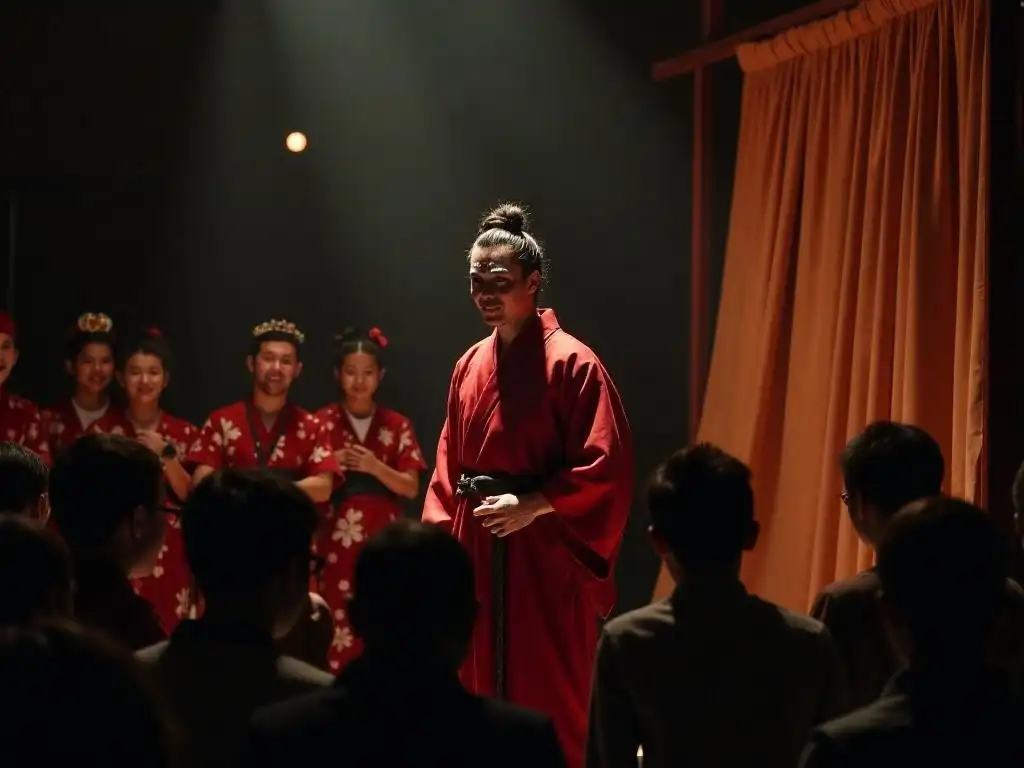
The aesthetic principles of Kabuki do not exist in isolation; they interact dynamically with the narrative to create a cohesive and engaging theatrical experience. The blend of visual elements, movement, and sound enhances storytelling, allowing audiences to connect deeply with the characters and their journeys.
Storytelling Through Aesthetics: How Kabuki Engages Audiences
Kabuki's aesthetic principles are intricately woven into its storytelling, enabling a profound engagement with the audience. The vivid costumes and expressive makeup not only attract attention but also set the thematic tone of the performance. By visually establishing character identities and emotional landscapes, these elements draw the audience into the narrative.
Moreover, the stylized movements of Kabuki actors serve as a form of non-verbal communication, conveying subtleties that words alone may not express. This visual storytelling creates a rich tapestry of emotions, allowing viewers to empathize with the characters and become invested in their fates. As a result, the audience experiences a unique fusion of art and narrative that is both visually stunning and emotionally resonant.
The Symbiosis of Aesthetics and Themes in Kabuki Plays
Kabuki plays often explore profound themes such as love, honor, revenge, and societal conflict, and the aesthetic principles serve to reinforce these themes throughout the performance. The harmonious relationship between the aesthetics and the narrative ensures that key motifs are highlighted and enhanced.
For instance, a tragic love story might be accompanied by somber colors and melancholic music, creating an atmosphere of sorrow that underscores the characters' struggles. Conversely, a tale of triumph may feature bright colors and lively rhythms, reflecting the joy and vigor of success. This symbiotic relationship between aesthetics and themes not only elevates the Kabuki experience but also ensures that the audience is left with lasting impressions of both the artistic beauty and the narrative depth of the performance.
The Influence of Kabuki Aesthetic Principles on Modern Theater
The aesthetic principles of Kabuki have significantly influenced modern theater, shaping its visual and performative aspects. One of the most notable elements is the use of exaggerated movements and stylized gestures, which have found their way into various contemporary performance art forms. This emphasis on visual expression allows actors to convey emotion and narrative without relying solely on dialogue.
Moreover, the vibrant costumes and elaborate makeup of Kabuki have inspired costume design in modern productions. The concept of onnagata—male actors portraying female roles—has also sparked discussions about gender representation in theater, encouraging a more fluid interpretation of roles in today's performances. The integration of Kabuki's unique aesthetics into modern storytelling allows for a richer, more engaging theatrical experience, one that draws upon the deep cultural roots of Japan while appealing to global audiences.
Contemporary Interpretations of Kabuki Aesthetics
Contemporary interpretations of Kabuki aesthetics can be seen in various performances across the globe. Many modern theater companies experiment with Kabuki techniques, incorporating elements such as hanamichi (the runway extending into the audience) to create immersive experiences. Productions often blend traditional Kabuki with modern themes, making the art form accessible and relevant to today's audiences.
Additionally, choreographers and directors have begun to adopt the Kabuki approach to staging and lighting, which emphasizes contrast and drama. This has led to innovative interpretations that retain the essence of Kabuki while pushing artistic boundaries. Such adaptations not only preserve the traditional aspects of Kabuki but also allow for a dynamic evolution of its aesthetic principles.
Global Impact of Kabuki Aesthetic Principles Explained
The global impact of Kabuki aesthetic principles can be observed in various art forms beyond theater, including dance, film, and even fashion. The distinct visual language of Kabuki, characterized by its bold colors, intricate patterns, and dramatic expressions, has influenced artists worldwide. For instance, filmmakers have drawn inspiration from Kabuki's theatricality, utilizing similar techniques in cinematography and set design to evoke a sense of heightened emotion.
International festivals celebrating Japanese culture often feature Kabuki performances, helping to spread awareness and appreciation for its aesthetics. Furthermore, the principles of Kabuki have been adopted by avant-garde theater practitioners who seek to challenge conventional storytelling methods, demonstrating the enduring relevance and adaptability of this traditional art form on a global scale.
Conclusion: The Enduring Legacy of Kabuki Aesthetics
The enduring legacy of Kabuki aesthetics is evident in the way it continues to inspire and shape the landscape of performing arts. The principles of beauty in motion, characterized by their visual dynamism and emotional depth, resonate with both artists and audiences alike. Kabuki's ability to blend tradition with innovation ensures that its aesthetic principles remain relevant, allowing for ongoing exploration and reinterpretation in modern contexts.
Reflections on the Beauty in Motion: Aesthetic Principles in Kabuki Today
Today, the aesthetic principles of Kabuki are reflected in various forms of performance art, where the emphasis on visual storytelling and expressive movement remains prominent. Artists and performers often reflect on the essence of Kabuki, exploring how its principles can be adapted to contemporary narratives. This ongoing dialogue between tradition and modernity reinforces Kabuki's relevance in today's cultural landscape, inviting new generations to appreciate its artistry.
The Future of Kabuki: Preservation and Innovation in Aesthetic Practices
Looking to the future, the preservation and innovation of Kabuki aesthetic practices will be crucial for its survival and evolution. As new technologies and artistic trends emerge, there is a need for a balance between maintaining the traditional elements that define Kabuki and embracing contemporary influences. This hybrid approach can lead to innovative productions that honor the past while appealing to modern sensibilities.
In educational settings, initiatives aimed at teaching Kabuki techniques to younger generations can foster a deeper understanding and appreciation for this art form. By engaging with Kabuki's rich aesthetic principles, future artists can ensure that its beauty in motion continues to thrive for years to come.
- Introduction to Kabuki Theater
- Understanding Kabuki Aesthetic Principles Explained
- Key Aesthetic Elements of Kabuki
- The Interaction of Aesthetic Principles with Narrative
- The Influence of Kabuki Aesthetic Principles on Modern Theater
- Conclusion: The Enduring Legacy of Kabuki Aesthetics
Frequently Asked Questions
What are the aesthetic principles of Kabuki?
The aesthetic principles of Kabuki focus on stylization, exaggeration, and symbolism. These elements create a unique visual and emotional experience that highlights the beauty of movement and performance.
How does Kabuki reflect Japanese culture?
Kabuki serves as a mirror to Japanese culture, showcasing traditional values, societal norms, and historical events. Its themes often explore love, honor, and the struggles of everyday life, making it a profound cultural expression.
What role does costume design play in Kabuki?
Costume design in Kabuki is essential for conveying character and emotion. The vibrant colors, intricate patterns, and elaborate styles are carefully chosen to enhance the storytelling and aesthetic appeal of the performances.
How has Kabuki evolved over time?
Kabuki has evolved significantly since its inception in the early 17th century. While it retains its core aesthetic principles, it has adapted to modern tastes, incorporating new themes and technologies while still honoring its traditional roots.
Can anyone perform Kabuki?
While anyone can try their hand at Kabuki, it requires extensive training and dedication to master its complex techniques and aesthetic principles. Traditionally, performers undergo rigorous training in specialized schools to achieve the necessary skills.
Final Reflection: The Enduring Beauty of Kabuki Aesthetic Principles
The exploration of Kabuki aesthetic principles reveals a profound connection between art and emotion that remains relevant in today's fast-paced world. As we navigate through modernity, the timeless beauty and intricate storytelling of Kabuki serve as a reminder of the power of artistic expression. The elegance of movement, the vibrant costumes, and the emotive performances encapsulate a rich cultural heritage that continues to resonate with audiences across the globe.
Cabuki's influence extends far beyond the stage, shaping our understanding of beauty, performance, and cultural identity. Its principles encourage us to appreciate the nuances of art in our daily lives, fostering a deeper connection to the world around us. As the playwright and actor Tamasaburo Bando once said, Kabuki is not just a performance; it is a reflection of life itself.
This sentiment underscores the importance of Kabuki in contemporary society, where its aesthetic principles inspire creativity and self-expression in various forms.
As you reflect on the themes presented in this article, consider how the aesthetic principles of Kabuki can enrich your own life. Embrace the beauty in motion, whether through art, dance, or personal expression. Allow the lessons of Kabuki to inspire you to seek beauty in your surroundings and to share your unique story with the world. In doing so, you contribute to the ongoing legacy of this extraordinary art form, ensuring that its spirit continues to thrive for generations to come.
Unveil the Beauty of Kabuki in Your Life!
Thank you for exploring the mesmerizing aesthetic principles of Kabuki with us! We hope you have discovered how its rich artistry and deep symbolism can enhance your appreciation of this unique form of theater. Now, it’s time to strengthen that connection even further. Here’s how you can bring the spirit of Kabuki into your everyday life:
- Attend a Live Kabuki Performance: Experience the beauty in motion firsthand. Check local listings for upcoming shows and immerse yourself in this vibrant art form!
- Explore Kabuki Costuming: Dive into the world of Kabuki attire by researching its history and perhaps trying your hand at creating a costume inspired by its intricate designs. It’s a delightful way to express your creativity!
- Share Your Insights: Join our community by sharing your thoughts—what aspect of Kabuki resonates with you the most? We would love to hear from you!
How will you celebrate the stunning beauty of Kabuki today?