
Beyond Meditation: The Artistic Influence of Zen Buddhism in Feudal Japan


Welcome to Feudal Japan History, where we embark on a captivating journey through the rich tapestry of Japan’s feudal era. Here, history whispers the tales of warriors, artists, and scholars who shaped a society steeped in tradition and innovation. In our featured article, “Beyond Meditation: The Artistic Influence of Zen Buddhism in Feudal Japan,” we delve into the profound impact of Zen Buddhism on Japan’s cultural landscape.
Discover how this spiritual philosophy transcended mere meditation to inspire masterpieces of art, architecture, and beyond. Prepare to unveil the layers of history that connect the serene beauty of Zen with the dynamic world of feudal Japan—your exploration begins here!
Introduction to Zen Buddhism Influence in Japan
Zen Buddhism, a profound spiritual and philosophical tradition, emerged as a significant influence on Japanese culture during the feudal era. Its principles, emphasizing direct experience and meditation, extended far beyond the confines of monasteries, permeating various aspects of Japanese life, art, and societal structure.
The artistic legacy of Zen Buddhism is particularly noteworthy; it fostered a unique aesthetic sensibility that shaped traditional Japanese art forms, architecture, and even garden design. This article delves into the rich tapestry of Zen Buddhism's impact in Japan, exploring how its teachings not only guided individual meditation practices but also inspired a broader cultural renaissance that continues to resonate today.
Overview of Zen Buddhism in Feudal Japan
During Japan's feudal period, which spanned from the late 12th century to the late 19th century, Zen Buddhism flourished alongside the samurai class and the emerging merchant society. This era saw the establishment of various Zen schools, including the Rinzai and Soto sects, each contributing distinct interpretations of Zen practice and philosophy. These schools emphasized the importance of zazen (seated meditation) as a means to achieve enlightenment, thus influencing a wide array of artistic expressions.
One of the defining characteristics of Zen art is its simplicity and focus on the natural world. Artists and craftsmen began to adopt Zen principles, leading to the creation of works that reflected a deep appreciation for nature's beauty, impermanence, and serenity. The aesthetic values inherent in Zen thought became integral to Japanese culture, encouraging a minimalist approach that emphasized quality over quantity.
Significance of Zen Philosophy in Cultural Development
The influence of Zen Buddhism on Japan’s cultural development cannot be overstated. It played a pivotal role in shaping the samurai ethos, fostering virtues such as discipline, loyalty, and honor. Zen teachings encouraged the samurai to cultivate a clear mind and an unyielding spirit, which had profound implications for their conduct in battle and governance.
Moreover, Zen philosophy extended its reach into the realms of literature, performing arts, and traditional crafts. For instance, the practice of the tea ceremony (chanoyu) was heavily influenced by Zen principles, emphasizing mindfulness, simplicity, and harmony with nature. This cultural synergy between Zen and various artistic forms created a unique environment where creativity thrived, leading to the development of iconic Japanese art forms such as ink painting (sumi-e) and rock gardens (karesansui).
Historical Context of Zen Buddhism in Japan
The Introduction of Zen Buddhism in Japan
Zen Buddhism was introduced to Japan in the late 12th century, primarily through the efforts of Japanese monks who traveled to China to study Chan Buddhism, its Chinese counterpart. Notable figures such as Eisai and Dogen were instrumental in bringing Zen teachings back to Japan, establishing the foundational schools that would flourish during the Kamakura period (1185-1333). Their encounters with Chinese masters enriched the Japanese understanding of Zen, blending it with existing Shinto and Buddhist practices.
The timing of Zen's introduction coincided with significant social and political turmoil, which made its emphasis on inner peace and self-discipline particularly appealing to a society in flux. As the feudal system solidified, Zen monasteries became centers of learning and cultural exchange, attracting samurai, scholars, and artists alike.
Key Figures in Zen Buddhism's Arrival and Growth
Several key figures played crucial roles in the establishment and growth of Zen Buddhism in Japan:
- Eisai (1141-1215): Often regarded as the first Zen master to promote the Rinzai school in Japan, Eisai introduced the practice of tea drinking, which became integral to Zen culture.
- Dogen (1200-1253): Founder of the Soto school, Dogen emphasized the importance of zazen and wrote extensively on Zen philosophy, leaving a lasting impact on Japanese thought.
- Hakuin Ekaku (1685-1768): A pivotal figure in revitalizing Rinzai Zen, Hakuin’s teachings and artwork further popularized Zen practices and aesthetics among the broader populace.
These figures not only shaped the development of Zen Buddhism but also influenced the artistic landscape of feudal Japan, creating a legacy that transcends time and continues to be felt today.
This exploration of Zen Buddhism's influence in Japan provides valuable insights into how this profound spiritual tradition shaped the cultural and artistic identity of a nation, creating a unique interplay of philosophy and creativity that defines much of Japan's historical narrative.
Zen Buddhism and Its Artistic Expressions
Zen Buddhism, which originated in China as Chan Buddhism, made its way to Japan in the 12th century, profoundly influencing various aspects of Japanese culture, particularly art. The core tenets of Zen—simplicity, mindfulness, and the pursuit of enlightenment—found unique expressions in diverse artistic forms.
Artists and craftsmen embraced Zen principles, allowing them to create works that not only conveyed aesthetic beauty but also served as vehicles for spiritual contemplation. This synergy between Zen and art led to the development of distinctive styles in painting, calligraphy, garden design, and performance arts, reflecting the philosophy's emphasis on direct experience and the beauty of impermanence.
The Interconnection Between Zen Philosophy and Art
The interconnection between Zen philosophy and art is deeply rooted in the concept of "wabi-sabi," which celebrates beauty in imperfection and transience. This aesthetic emerged as artists sought to express the impermanence of life and the natural world through their creations. Zen teachings encouraged a sense of presence and mindfulness, prompting artists to engage fully with their materials and processes.
As a result, art became a meditative practice, with the act of creation itself serving as a means of attaining enlightenment. This philosophy is evident in various art forms, where the focus is not solely on the finished product but also on the journey of creation, mirroring the Zen pursuit of awakening.
Zen Gardens: Symbolism and Design Principles
Zen gardens, or "karesansui," are quintessential representations of Zen's artistic influence. These dry landscape gardens utilize rocks, gravel, and minimal vegetation to create serene environments that evoke natural landscapes. The design principles of Zen gardens emphasize simplicity and balance, reflecting the Zen belief in harmony with nature. Each element within the garden carries symbolic meaning:
- Rocks represent mountains or islands.
- Gravel symbolizes water, often raked into patterns that mimic waves.
- Plants convey the transient beauty of nature.
Visitors to Zen gardens are encouraged to engage in contemplation, using the garden's simplicity as a backdrop for introspection and meditation. This interactive relationship between the observer and the garden encapsulates the essence of Zen philosophy.
Calligraphy: The Art of Zen Writing and Expression
Zen calligraphy, known as "shodō," is a profound form of artistic expression where the act of writing transcends mere text. Practitioners view calligraphy as a meditative discipline, where each brushstroke embodies the practitioner's state of mind and spiritual essence. The spontaneous and fluid nature of Zen calligraphy reflects the Zen focus on the present moment, allowing the artist to express their inner experience through ink and paper.
Significant characters and phrases often chosen are imbued with philosophical meaning, such as "mu" (nothingness) or "zen" (meditative state). The beauty of Zen calligraphy lies in its imperfection and spontaneity, showcasing the character of the artist and inviting viewers to connect with the underlying philosophy.
Tea Ceremony: A Reflection of Zen Aesthetics
The Japanese tea ceremony, or "chanoyu," is a ritualistic practice that embodies Zen aesthetics and principles. Rooted in the simplicity and mindfulness of Zen, the tea ceremony is a carefully choreographed event focused on the preparation and serving of matcha (powdered green tea). Every aspect of the ceremony, from the utensils to the movements of the host, is imbued with intentionality, reflecting the Zen emphasis on presence and harmony.
The tea ceremony is not merely about drinking tea; it is a holistic experience that promotes tranquility, respect, and appreciation for nature. The aesthetics of the ceremony also draw from Zen ideals, favoring rustic simplicity and natural materials, which further enhance the meditative quality of the experience.
Literature and Zen: Poetic Expressions

Zen Buddhism has significantly influenced Japanese literature, particularly in poetry. The principles of Zen—simplicity, brevity, and depth of feeling—have shaped literary forms that encourage introspection and a connection to nature. Poets have utilized these elements to convey profound insights and emotions through minimalistic language, often capturing fleeting moments of beauty in their works.
Haiku: The Essence of Zen in Minimalist Poetry
Haiku, a traditional form of Japanese poetry, exemplifies the zenith of Zen influence in literature. Characterized by its three-line structure, haiku often evokes nature and the changing seasons, encapsulating a moment in time with vivid imagery and emotional resonance. The simplicity of haiku reflects the Zen principle of "less is more," allowing readers to engage deeply with the essence of the poem.
The most renowned haiku poets, such as Matsuo Bashō, infused their work with Zen themes, inviting readers to contemplate the impermanence of life and the beauty of the present moment. A classic example is Bashō's famous haiku:
An old silent pond...
A frog jumps into the pond—
Splash! Silence again.
This poem captures the essence of Zen, inviting meditation on nature's transience and the stillness following disruption.
Zen Influence on Japanese Noh and Kabuki Theatre
Zen Buddhism's influence extends to the performing arts, notably Noh and Kabuki theatre. Both forms emphasize the principles of harmony, minimalism, and the exploration of human emotions. Noh theatre, known for its slow, deliberate movements and poetic dialogue, often incorporates Zen themes, emphasizing the impermanence of existence and the search for enlightenment.
Kabuki, while more vibrant and dynamic than Noh, still reflects Zen aesthetics through its use of stylization, symbolism, and the portrayal of emotions. The emphasis on the present moment in both theatrical forms is a reflection of Zen philosophy, allowing audiences to engage in a deeper understanding of the human experience. Through their performances, both Noh and Kabuki continue to resonate with the spiritual inquiries central to Zen Buddhism, enriching Japan's cultural landscape.
Visual Arts Under Zen Buddhism Influence
Zen Buddhism has profoundly shaped the visual arts in Japan, fostering a unique intersection of spirituality and aesthetic expression. Artists sought to embody the principles of Zen in their works, emphasizing simplicity, harmony, and an intimate connection with nature. This influence can be seen across various art forms, including ink painting, ceramics, and architectural design. The artistic endeavors during the feudal era were not merely for decorative purposes; they were deeply intertwined with the Zen philosophy that prized the experience of the moment and the beauty found in imperfection.
Ink Painting: The Zen Approach to Nature
Ink painting, or suiboku-ga, is a quintessential representation of Zen influence in Japanese art. Emerging during the Muromachi period (1336-1573), this art form emphasizes spontaneity and the expressive potential of brush strokes. Artists like Sesshū Tōyō adopted the Zen principle of "wabi-sabi," which embraces the beauty of impermanence and imperfection.
The process of creating ink paintings was as important as the finished work. Artists often engaged in meditation to cultivate a clear mind, allowing their brushwork to flow naturally onto the paper. The subjects typically depicted landscapes, flora, and fauna, emphasizing the interconnectedness of all living things. This approach reflects the Zen belief that art should capture the essence of nature rather than merely represent it.
Moreover, ink painting served as a means for Zen practitioners to express their understanding of the world and their place within it. The technique of using varying ink intensities created depth and subtlety, drawing viewers into a contemplative experience. As a result, ink paintings became a spiritual reflection of the artist's inner state, making them powerful tools for meditation and insight.
Ceramics and Pottery: Crafting with Mindfulness
Ceramics and pottery also flourished under the influence of Zen Buddhism, marked by a focus on mindfulness and the meditative aspects of creation. The tea ceremony, a ritual deeply embedded in Zen culture, played a significant role in the evolution of Japanese ceramics. The utensils used in these ceremonies, particularly tea bowls, were often crafted with simplicity and functionality in mind, reflecting Zen values.
Potters such as Kenzan and Raku masters emphasized the beauty of asymmetry and the natural characteristics of clay, embracing imperfections as integral to the aesthetic experience. The Raku technique, which involves removing pottery from the kiln while it is still hot, allows for unexpected outcomes that celebrate the unpredictability of nature. This process aligns with Zen teachings on acceptance and the transient nature of existence.
The resulting ceramic works often exhibit a rustic charm, inviting contemplation and appreciation of the material's tactile qualities. They serve not only as functional objects but also as art pieces that embody the Zen philosophy of living in harmony with one's surroundings. This mindfulness in creation can be seen as a reflection of the artist's inner peace and understanding of the world.
Zen Spaces: Architecture and Design
Zen Buddhism's influence extends into architecture and design, where the principles of simplicity and harmony manifest in the creation of serene environments. Zen spaces are characterized by minimalistic aesthetics, natural materials, and an emphasis on open spaces that facilitate meditation and reflection. The design philosophy encourages a deep connection with nature, fostering tranquility and mindfulness within the built environment.
Zen Temples: Aesthetic Principles and Their Significance
Zen temples are prime examples of architectural expression under Zen influence, designed to create a peaceful atmosphere conducive to meditation and spiritual practice. The layout of these temples often features asymmetrical designs, reflecting the Zen appreciation for natural forms. Structures are typically made from wood, integrating seamlessly with the surrounding landscape.
The gardens associated with Zen temples, such as the famous rock gardens, are meticulously arranged to symbolize natural elements. These gardens serve as a visual representation of Zen principles, where simplicity and intentionality invite contemplation. Visitors to these spaces are encouraged to observe and reflect, reinforcing the meditative aspect of Zen practice.
In essence, Zen temples embody the aesthetic principles of balance, tranquility, and harmony, serving as sanctuaries for both spiritual growth and artistic expression. They stand as a testament to the ability of architecture to foster an environment that nurtures the soul and inspires creativity.
Influence of Zen Design in Samurai Residences
The principles of Zen design also permeated the residential spaces of the samurai class, where aesthetics and function were harmoniously integrated. Samurai residences often featured sliding doors (fusuma) and tatami mat flooring that created flexible spaces conducive to both daily life and meditation. The use of natural materials and muted colors reflected the Zen ideals of simplicity and connection to nature.
Gardens surrounding these homes were designed to evoke a sense of peace and contemplation, often incorporating elements like water features and carefully placed stones. The layout encouraged residents to engage with nature, promoting a lifestyle that valued mindfulness and reflection.
Additionally, the functionality of these spaces echoed Zen teachings, emphasizing the importance of living with intention and awareness. The design of samurai residences illustrates how Zen principles transcended mere aesthetics, influencing the very way individuals interacted with their environment and themselves. The integration of Zen philosophy into everyday life created a profound cultural shift, bridging the gap between art, architecture, and spirituality.
The Societal Impact of Zen Buddhism's Artistic Influence
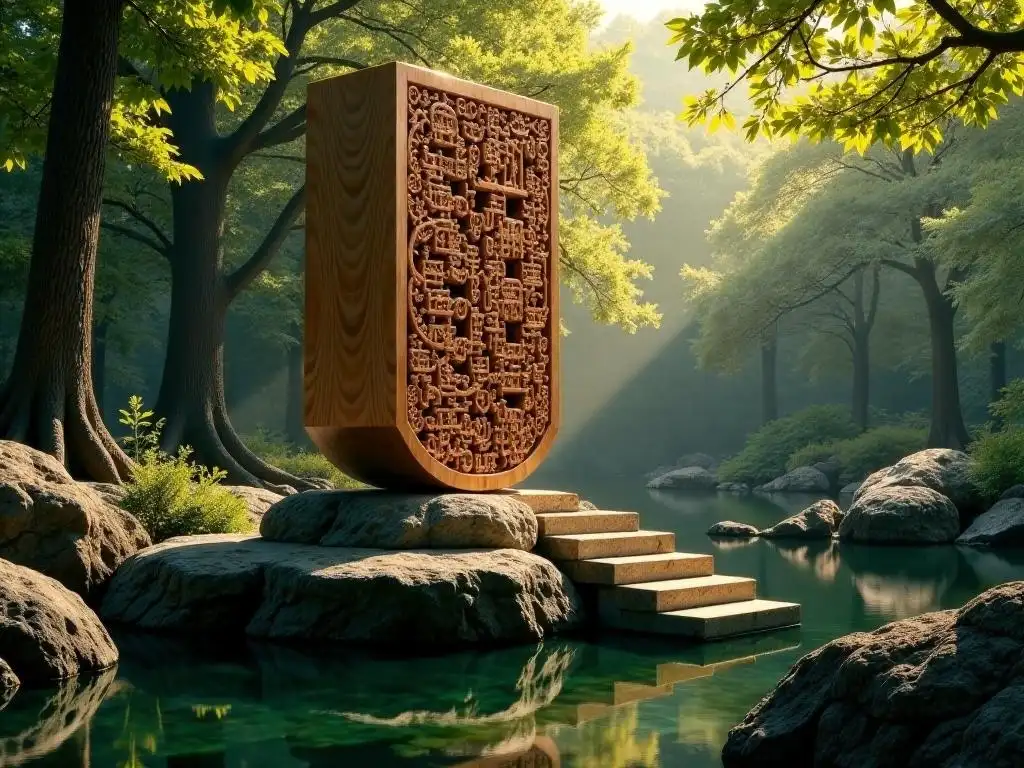
Zen Buddhism's artistic influence permeated various aspects of feudal Japanese society, shaping not only aesthetics but also the way of life and social structures. The principles of simplicity, harmony, and mindfulness inherent in Zen thought fostered a unique cultural environment where art became a medium for spiritual expression and communal identity. This artistic influence extended to architecture, painting, poetry, and even garden design, each reflecting Zen ideals and contributing to a broader societal appreciation for beauty and tranquility.
Art in this context was not merely for decoration; it served as a reflection of the Zen worldview, emphasizing the transient nature of life and the importance of living in the present moment. Consequently, this led to the development of distinct artistic movements, such as the tea ceremony and ink painting, which embodied Zen philosophies. The societal impact of this artistic evolution was profound, as it encouraged individuals to embrace introspection and fostered a collective appreciation for the natural world, ultimately shaping the cultural identity of feudal Japan.
The Role of Zen Art in Feudal Japanese Society
In feudal Japan, Zen art played a pivotal role in fostering community and individual reflection. The practice of Zen Buddhism emphasized direct experience and personal insight, translating into various art forms that encouraged both practitioners and observers to engage deeply with their surroundings. Through the creation of serene landscapes in ink painting, the careful arrangement of elements in Zen gardens, and the subtlety of the tea ceremony, Zen art provided avenues for meditation and contemplation.
Moreover, the patronage of Zen art by samurai and the ruling class facilitated its integration into everyday life. This patronage not only elevated the status of Zen artists but also reinforced the connection between art, spirituality, and social hierarchy. For instance, the exquisite simplicity of a rock garden was not just a visual delight; it was an embodiment of Zen principles that resonated with the samurai's quest for discipline and clarity. Thus, Zen art became a vital component of feudal Japanese society, shaping social norms and reinforcing cultural values.
Zen Buddhism and Its Contribution to Cultural Identity
Zen Buddhism significantly shaped Japan's cultural identity by intertwining spiritual beliefs with artistic expression. The aesthetic principles derived from Zen philosophy—such as wabi-sabi, which celebrates the beauty of imperfection and transience—became foundational to Japanese art and culture. This appreciation for simplicity and naturalness influenced various fields, including architecture, where the minimalist designs of Zen temples reflected the philosophical tenets of the religion.
In addition to visual arts, Zen Buddhism's impact extended to literature, particularly through poetry forms like haiku, which encapsulate Zen principles in their brevity and focus on nature. This literary tradition not only enriched Japanese culture but also fostered a national identity that valued introspection and a profound connection to the environment. As such, Zen Buddhism contributed to a cohesive cultural identity that transcended individual art forms, unifying the Japanese people through shared spiritual and aesthetic values.
Conclusion: The Lasting Legacy of Zen Buddhism's Artistic Influence in Japan
The artistic influence of Zen Buddhism has left an indelible mark on Japan's cultural landscape, creating a legacy that continues to resonate even in contemporary society. The philosophical foundations laid during the feudal era have shaped not only traditional art forms but also modern interpretations, demonstrating the enduring relevance of Zen aesthetics. From the meditative practices of tea ceremonies to the tranquility of Zen gardens, these artistic expressions remain vital to Japan's cultural identity.
Reflection on Zen's Contribution to Japanese Culture
Zen Buddhism's contribution to Japanese culture is both profound and multifaceted. Its emphasis on mindfulness, simplicity, and harmony has permeated various aspects of daily life, influencing not only the arts but also philosophy, ethics, and social conduct. By fostering a culture that values introspection and connection to nature, Zen has encouraged generations to seek deeper understanding and appreciation of the world around them. This legacy is evident in many contemporary practices that continue to honor and reflect Zen principles, showcasing the timeless nature of its influence.
Contemporary Relevance of Zen Artistic Traditions
Today, the artistic traditions rooted in Zen Buddhism remain relevant as they offer pathways for individuals seeking balance and serenity in an increasingly chaotic world. Contemporary artists and practitioners draw inspiration from Zen principles, integrating them into modern art forms, design, and lifestyle practices. The resurgence of interest in mindfulness and meditation practices further highlights the ongoing significance of Zen's artistic legacy.
In a global context, Zen aesthetics have also found resonance beyond Japan, influencing art and design movements worldwide. From minimalist architecture to wellness practices, the essence of Zen continues to inspire and cultivate a sense of peace and harmony, proving that the artistic influence of Zen Buddhism is not only a historical phenomenon but a living tradition that enriches contemporary culture.
Further Reading and Resources on Zen Buddhism Influence in Japan
For those interested in delving deeper into the profound impact of Zen Buddhism on various aspects of Japanese culture, art, and philosophy, a plethora of resources is available. These include scholarly articles, insightful books, and curated exhibitions that illuminate the intricate relationship between Zen and the artistic expressions that flourished during the feudal era. Below are some recommended readings and notable exhibitions that can enhance your understanding of this fascinating subject.
Recommended Books and Articles
-
"Zen and the Art of Archery" by Eugen Herrigel
This classic work explores the connection between Zen principles and the practice of archery, emphasizing the meditative aspects of mastering a skill. Herrigel's experiences in Japan provide valuable insights into the Zen mindset.
-
"The Zen Teachings of Bodhidharma" translated by Red Pine
This compilation of teachings from the first patriarch of Zen Buddhism offers a foundational understanding of Zen philosophy, which has influenced various art forms in Japan.
-
"Zen in the Art of Flower Arrangement" by Shoji Suzuki
This book examines the aesthetic principles of Ikebana, the Japanese art of flower arranging, showing how Zen concepts of simplicity and natural beauty shape this practice.
-
"Japanese Zen: The Art of Transcendence" by John Daido Loori
Loori's work provides a comprehensive overview of Zen's evolution in Japan and its impact on various artistic traditions, including poetry, painting, and garden design.
-
"The Heart of Zen" by Thich Nhat Hanh
This accessible introduction to Zen Buddhism discusses its teachings and practices, highlighting their relevance to art and creativity in daily life.
-
"The Zen of Creativity: Cultivating Your Artistic Life" by John Daido Loori
In this book, Loori explores how Zen practices can enhance creativity across different art forms, making it a must-read for artists and enthusiasts alike.
Notable Zen Art Exhibitions and Museums in Japan
-
The Adachi Institute of Woodcut Prints
Located in Tokyo, this institute showcases traditional Japanese woodblock printing, a technique deeply influenced by Zen aesthetics. Visitors can view masterworks and participate in workshops.
-
The National Museum of Modern Art, Kyoto
This museum hosts exhibitions that often feature Zen-inspired works from modern artists, illustrating the enduring influence of Zen on contemporary Japanese art.
-
Daitoku-ji Temple
This historic Zen temple complex in Kyoto is home to several sub-temples that feature stunning gardens and traditional tea rooms. The temple often hosts exhibitions showcasing Zen-related art and calligraphy.
-
The Roppongi Hills Mori Art Museum
Known for its focus on contemporary art, this museum frequently includes exhibitions that explore the intersections of Zen philosophy and modern artistic expressions.
-
The Tokyo National Museum
This museum houses a vast collection of artifacts, including Buddhist art that reflects the deep-rooted influence of Zen. Special exhibitions often highlight historical connections between Zen and various art forms.
By exploring these resources and exhibitions, one can gain a richer appreciation of how Zen Buddhism has shaped the artistic landscape of Japan throughout its feudal history and beyond.
- Introduction to Zen Buddhism Influence in Japan
- Historical Context of Zen Buddhism in Japan
- Zen Buddhism and Its Artistic Expressions
- Literature and Zen: Poetic Expressions
- Visual Arts Under Zen Buddhism Influence
- Zen Spaces: Architecture and Design
- The Societal Impact of Zen Buddhism's Artistic Influence
- Conclusion: The Lasting Legacy of Zen Buddhism's Artistic Influence in Japan
- Further Reading and Resources on Zen Buddhism Influence in Japan
Frequently Asked Questions
What is Zen Buddhism's role in Feudal Japan?
Zen Buddhism played a significant role in shaping the cultural and artistic landscape of Feudal Japan, influencing practices in art, tea ceremonies, and even samurai philosophy.
How did Zen Buddhism influence Japanese art?
Zen Buddhism introduced concepts like simplicity and natural beauty, which became central to various art forms, including ink painting and ceramics, emphasizing minimalism and spirituality.
What are some examples of Zen-influenced art in Feudal Japan?
Prominent examples include Zen gardens, calligraphy, and sumi-e (ink wash painting), which reflect the aesthetic values of Zen, focusing on tranquility and harmony with nature.
How did Zen Buddhism affect the samurai culture?
Zen teachings greatly impacted samurai culture by promoting discipline, mindfulness, and the acceptance of death, which became integral to their warrior code and approach to life.
What legacy did Zen Buddhism leave on modern Japan?
The artistic and philosophical influences of Zen Buddhism continue to resonate in modern Japanese culture, seen in contemporary art, architecture, and even mindfulness practices today.
Final Reflection: The Enduring Legacy of Zen Buddhism's Artistic Influence in Japan
The artistic influence of Zen Buddhism in Japan is not just a relic of the past; it is a vibrant thread woven into the fabric of contemporary culture. Today, the principles of simplicity, mindfulness, and harmony that Zen espouses continue to resonate in various artistic expressions, from modern design to contemporary art. The profound connection between Zen philosophy and artistic creation serves as a reminder that art is not merely about aesthetics but also about conveying deeper truths and emotions.
The impact of Zen Buddhism on Japanese art has transcended centuries, shaping not only the visual arts but also poetry, architecture, and even the way we perceive nature. This ongoing influence encourages us to embrace a more mindful approach to creativity and existence. As the poet Matsuo Bashō once said, The journey itself is my home.
This sentiment encapsulates the essence of Zen, urging us to find beauty and meaning in the present moment, regardless of the medium we choose to express ourselves.
As we reflect on the teachings and artistic legacies of Zen Buddhism, let us invite ourselves to explore our own creative paths with intention and awareness. Consider how the principles of Zen can inspire you to cultivate mindfulness in your daily life and artistic endeavors. Whether through painting, writing, or simply appreciating the world around you, take a moment to pause, breathe, and connect with the essence of your creativity. Embrace the journey, and let the influence of Zen guide you toward a deeper understanding of art and life itself.
Unveil the Transformative Power of Zen in Your Life!
Thank you for taking the time to delve into the artistic influence of Zen Buddhism in Feudal Japan. You’ve explored the profound connection between art and spirituality, and now it’s time to harness that inspiration in your own journey.
Here are some actionable steps you can take to bring the essence of Zen into your daily life:
- Incorporate Mindful Practices: Begin a daily practice of mindfulness. Even just five minutes of conscious breathing can significantly enhance your awareness and appreciation of the present moment.
- Explore Artistic Expression: Engage in a Zen-inspired art form, such as calligraphy or painting. Embrace the creative process, focusing on the journey rather than just the final product.
- Share Your Insights: Connect with others about your experiences or newfound knowledge. Sharing your journey can inspire friends and followers to explore the intersection of art and mindfulness.
What aspects of Zen Buddhism resonate most with you, and how do you plan to integrate them into your daily life?