
The Art of Calligraphy in Traditional Japanese Theater: Writing as Performance

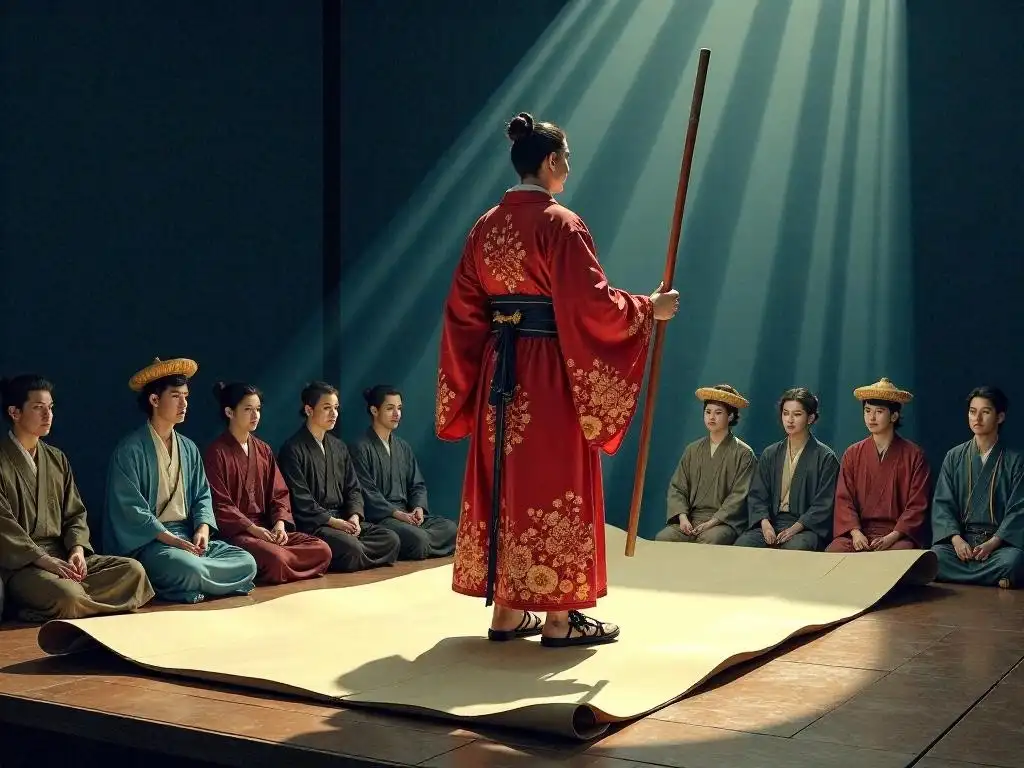
Welcome to Feudal Japan History, where we invite you to embark on a captivating journey through the intricate tapestry of Japan’s feudal era. Our exploration delves deep into the historical, cultural, and societal facets that shaped this remarkable period. In our featured article, "The Art of Calligraphy in Traditional Japanese Theater: Writing as Performance," we uncover the fascinating interplay between Japanese calligraphy and theatrical expression.
Prepare to be intrigued as we reveal how the strokes of a brush can tell stories beyond words, inviting you to discover the profound connections between art and performance. Dive in to learn more about this exquisite craft and its significance in the rich cultural history of Japan!
In the realm of traditional Japanese theater, the art of calligraphy emerges not merely as a visual craft but as an integral component of performance that intertwines aesthetics, emotion, and storytelling. This rich interplay of writing and theater showcases how Japanese calligraphy in theater transcends its function as mere text, becoming a profound medium of expression that enhances the narrative and emotional depth of performances. As we delve deeper into this fascinating subject, we will explore the historical significance, cultural implications, and the evolution of calligraphy within the context of feudal Japan's theatrical practices.
Introduction to Japanese Calligraphy in Theater
Japanese calligraphy, known as shodō, is often viewed as a poetic form of art where the brush dances across the paper, conveying more than words can express. In traditional Japanese theater—whether it be Noh, Kabuki, or Bunraku—calligraphy plays a vital role in setting the stage, both literally and figuratively. The script is not only a guide for actors but also a visual element that captivates the audience. The fluid strokes and the balance of characters contribute to the overall aesthetic experience, making calligraphy a form of performance in itself.
Understanding the Role of Calligraphy in Traditional Japanese Arts
Calligraphy in traditional Japanese arts serves various functions that enhance the theatrical experience:
- Visual Storytelling: Calligraphy adds a layer of visual narrative, allowing performers to convey emotions and themes without spoken language.
- Cultural Heritage: It reflects the historical and cultural context of the performance, embedding layers of meaning that resonate with the audience.
- Symbolism: Characters in calligraphy can symbolize concepts and emotions, enriching the portrayal of the story.
Overview of Japanese Calligraphy as a Cultural Expression
Shodō is deeply rooted in Japanese culture, embodying philosophies such as wabi-sabi, which appreciates the beauty in imperfection and transience. This cultural expression manifests in various aspects of theater:
- Integration with Music and Dance: Calligraphy often accompanies musical elements and dance, creating a harmonious blend of visual and auditory arts.
- Role in Stage Design: Written characters and phrases are sometimes incorporated into stage sets, reinforcing themes and enhancing the overall atmosphere.
- Influence on Audience Perception: The way calligraphy is executed can influence how audiences perceive characters and events, adding depth to the theatrical experience.
Historical Context of Japanese Calligraphy in Theater
The historical trajectory of Japanese calligraphy in theater reflects the broader evolution of artistic practices during the feudal era. Understanding this context allows us to appreciate the intricate relationship between writing and performance.
The Evolution of Calligraphy in Feudal Japan
During the feudal period, calligraphy underwent significant transformations influenced by various factors:
- Cultural Exchanges: The introduction of Chinese calligraphy and Buddhism played a crucial role in shaping Japanese styles.
- Artistic Movements: Different schools of calligraphy emerged, each contributing unique techniques and philosophies that influenced theater.
- Integration with Theater Forms: As theater forms like Noh and Kabuki developed, so did the use of calligraphy, adapting to the stylistic needs of different genres.
Notable Calligraphers Influencing Theater Practices
Several prominent calligraphers have left a lasting impact on the interplay between calligraphy and theater:
- Yamamoto Shūgō: Known for his expressive brushwork, Shūgō's calligraphy has been integral to Noh performances, enhancing their poetic nature.
- Oda Yoshimune: A celebrated calligrapher whose works are often featured in Kabuki scripts, Yoshimune's influence is visible in the dramatic presentation of characters and themes.
Through this exploration, we will uncover how Japanese calligraphy in theater serves as a bridge between the written word and the performing arts, enriching the cultural tapestry of Japan's feudal heritage.
The Intersection of Calligraphy and Performance in Japanese Theater
Japanese calligraphy, known as shodō, transcends mere writing to become an integral part of the country's performing arts, particularly in traditional theater forms such as Noh and Kabuki. At this intersection, calligraphy not only serves as a medium for conveying narratives but also enhances the aesthetic experience of the performance. The characters crafted by skilled calligraphers embody the emotions and themes of the performance, acting as visual representations of the spoken word.
In traditional Japanese theater, the calligraphic elements can be seen in various forms, including the scrolls that display scripts, the banners used in stage settings, and even the costumes adorned with calligraphic designs. This symbiotic relationship between calligraphy and theater enriches the audience's engagement, creating a multi-sensory experience where the beauty of the written word enhances the emotional depth of the performance.
Moreover, the ritualistic aspects of calligraphy align seamlessly with the performative nature of theater. The meticulous movements involved in crafting each stroke echo the precision and grace required in theatrical performances. Thus, calligraphy becomes a form of performance in its own right, where the act of writing is infused with artistic expression and cultural significance.
How Calligraphy Enhances the Theatrical Experience
Calligraphy enhances the theatrical experience in several profound ways. Firstly, it adds a layer of visual artistry to the performance. The elegant strokes of ink on paper resonate with the fluid movements of actors on stage, creating a harmonious interaction between the visual and performing arts. This visual aspect captivates the audience, drawing them deeper into the narrative.
Secondly, the use of calligraphy in theater communicates themes and emotions that might otherwise be challenging to convey through dialogue alone. For instance, a calligrapher may emphasize a character's inner turmoil or joy through the style and form of the characters, which can evoke a visceral response from the audience. This interplay between visual art and performance deepens the emotional resonance of the story being told.
Additionally, calligraphy acts as a cultural bridge, connecting the audience to Japan's rich historical narrative. The characters used often carry layers of meaning and historical significance, inviting viewers to engage with the cultural context of the performance. This allows for a more immersive experience, as the audience can appreciate the nuances of the script beyond the spoken words.
The Symbolism of Calligraphy in Performance Art
Calligraphy in Japanese theater is laden with symbolism, representing more than just the text it conveys. Each stroke and character embodies cultural and philosophical ideas, often linked to concepts such as beauty, harmony, and the transience of life—central themes in traditional Japanese art and literature.
For example, specific characters might symbolize virtues such as courage or wisdom, mirroring the traits of the characters portrayed on stage. This alignment between the calligraphy and the narrative adds depth to the performance, allowing the audience to draw connections between the visual elements and the themes depicted in the story.
Moreover, the style of calligraphy itself can convey mood. A bold, sweeping stroke may suggest drama or intensity, while delicate, flowing lines may evoke tranquility or nostalgia. This symbolism allows for a richer interpretation of the performance, as viewers are invited to explore the layers of meaning that calligraphy brings to the theatrical experience.
Techniques of Japanese Calligraphy in Theater
The integration of calligraphy into traditional Japanese theater employs various techniques that enhance the visual and thematic aspects of the performance. These techniques are rooted in the disciplined practice of shodō and are tailored to serve the specific needs of theatrical scripts.
Brushwork Techniques Used in Traditional Calligraphy
Brushwork is the foundation of Japanese calligraphy, and its techniques play a crucial role in theater. The precision and fluidity of brush strokes are paramount, as they must convey the intended emotion and meaning of the text. Key techniques include:
- Fude (brush strokes): Different brushes create varied effects, from bold, sweeping lines to delicate, feathered touches. The choice of brush can significantly impact the visual impact of the written characters.
- Tachiwaki (vertical strokes): Often used to convey strength and stability, this technique is particularly effective in characters that symbolize power or authority.
- Yokowaki (horizontal strokes): These strokes evoke a sense of calm and tranquility, often employed in characters representing peace or harmony.
- Kuruma (circular strokes): This technique signifies continuity and connection, commonly used in characters that embody relationships or cycles.
These techniques require years of practice to master, and their application in theatrical contexts allows calligraphers to create visually compelling representations that resonate with the performance's emotional core.
The Use of Kanji and Kana in Theatrical Scripts
In Japanese theater, both Kanji and Kana play essential roles in the scripts. Kanji, the logographic characters borrowed from Chinese, often convey deeper meanings and complex concepts, while Kana, the phonetic scripts (Hiragana and Katakana), serve to express sounds and grammatical nuances.
- Kanji: The use of Kanji in scripts allows for a rich tapestry of meaning. Each character can evoke historical contexts and emotional weight, enhancing the narrative depth. For example, a Kanji character representing "death" might carry connotations of sadness, loss, or even beauty, depending on its usage within the performance.
- Kana: In contrast, Kana allows for more fluid and expressive language, enabling a greater range of emotional expression. The choice between using Kanji or Kana often depends on the context of the dialogue and the character's emotional state, providing calligraphers with creative freedom to visually interpret the text.
Together, Kanji and Kana create a dynamic interplay in theatrical scripts, allowing for a multi-layered narrative experience that is both visually and intellectually engaging for the audience. This combination enriches the performance, ensuring that the written word remains a vital force in traditional Japanese theater.
The Influence of Calligraphy on Character Development
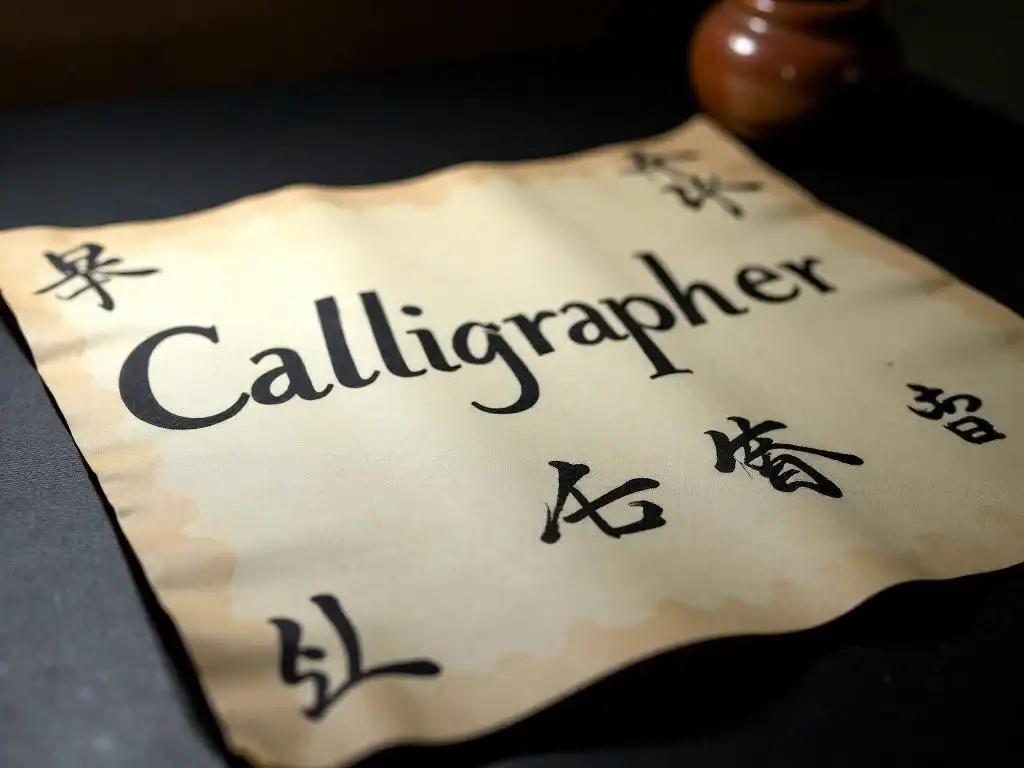
Calligraphy in traditional Japanese theater plays a pivotal role in shaping character development. This intricate art form does not merely serve as a backdrop; it actively participates in the narrative, giving depth to the characters portrayed on stage. Calligraphy, with its fluid strokes and expressive forms, mirrors the emotional states of characters, allowing performers to convey subtleties that might otherwise be lost in dialogue alone.
In many performances, the calligraphic scripts used to represent characters encapsulate their personalities, motivations, and conflicts. For example, a character driven by rage may be represented through bold, aggressive strokes, while a more serene character might be depicted with graceful, flowing lines. This visual element enhances the audience's understanding and engagement, as it provides a non-verbal layer of meaning that complements the spoken word.
Moreover, the act of writing itself can be seen as a performance art, where the calligrapher becomes an integral part of the character’s journey. Each stroke is infused with intention, transforming the script into a living extension of the character's psyche. This interplay between calligraphy and character allows for a rich exploration of identity, making the art of calligraphy essential in traditional Japanese theater.
Crafting Characters Through Calligraphic Expression
The process of crafting characters through calligraphic expression is both an art and a science. Calligraphy serves as an essential tool for actors and playwrights alike, providing a medium through which character traits can be visually articulated. The choice of calligraphic style can significantly influence how a character is perceived by the audience.
For instance, a character portrayed with the cursive style of calligraphy may be interpreted as more approachable or soft-hearted, while a character written in a rigid, angular style might come across as stern or unyielding. Each style carries its own cultural connotations and emotional weight, further enriching the character's narrative.
Additionally, calligraphy often reflects the historical and social context of the characters. By employing traditional calligraphic techniques, performers can evoke a sense of time and place, grounding their characters in the rich tapestry of Japan's cultural history. This method of character crafting not only enhances the authenticity of the performance but also deepens the audience's connection to the story being told.
The Emotional Impact of Calligraphy on Performers and Audience
The emotional impact of calligraphy on both performers and the audience is profound and multifaceted. For performers, engaging with calligraphy can serve as a meditative practice that enhances focus and emotional expression. The act of writing allows actors to connect with their characters on a deeper level, as they embody the emotional nuances captured in the calligraphic forms.
For the audience, calligraphy adds a layer of visual storytelling that resonates on an emotional level. The beauty and artistry of the calligraphic strokes can evoke feelings of nostalgia, longing, or even joy, depending on the context of the performance. This visual engagement creates a more immersive experience, as the audience is drawn into the emotional landscape of the story.
Moreover, calligraphy can provoke a visceral response, triggering memories or feelings related to the themes being explored in the performance. This connection between the written word and emotional experience reinforces the power of calligraphy as a performance medium, making it a compelling element in traditional Japanese theater.
Case Studies of Calligraphy in Japanese Theater
Case studies of calligraphy in Japanese theater highlight its significance and versatility across various performances. These examples not only showcase the aesthetic appeal of calligraphy but also illustrate its role in narrative development and character portrayal.
Examination of Iconic Performances Featuring Calligraphy
One iconic performance that exemplifies the integration of calligraphy is the Kabuki play "Sukeroku," where the protagonist's character is portrayed through dynamic calligraphic expressions. The play's visual elements, including the use of bold, sweeping strokes, enhance the emotional intensity of the narrative, drawing the audience into Sukeroku's world. The calligraphy not only serves to introduce characters but also acts as a catalyst for the unfolding drama.
Another significant example can be found in Noh theater, particularly in the play "The Tale of the Heike." In this production, calligraphy is used to convey the essence of the characters and their fates. The deliberate pacing of the calligraphic strokes mirrors the slow, contemplative nature of Noh, creating a profound connection between the visual and the performative aspects of the theater.
Analysis of Specific Calligraphic Styles in Different Theater Forms
The analysis of specific calligraphic styles reveals how they align with the distinct characteristics of various theater forms. In Bunraku, a form of puppet theater, the calligraphy used often incorporates a more delicate and intricate style that reflects the emotional subtleties of the puppets' movements. The fine strokes enhance the beauty of the performance while also conveying deep emotional currents.
Conversely, in Kabuki, the calligraphy tends to be bolder and more dramatic, matching the high-energy performances and larger-than-life characters. This contrast illustrates how the choice of calligraphic style is not arbitrary but rather a deliberate decision to complement the performance's tone and themes.
By examining these styles, we can appreciate how calligraphy is not only a visual art form but also a vital component of storytelling in traditional Japanese theater. The interplay of calligraphy with performance art creates a rich tapestry that enhances both the aesthetic and emotional dimensions of the theatrical experience.
The Future of Japanese Calligraphy in Contemporary Theater
As Japan continues to evolve in the global cultural landscape, the future of Japanese calligraphy in contemporary theater appears promising yet challenging. Modern theater practitioners are increasingly recognizing the significance of integrating traditional art forms into their performances. This integration not only honors the rich heritage of Japanese calligraphy but also introduces a fresh perspective to contemporary narratives.
One of the most exciting developments is the collaboration between calligraphers and theater companies, leading to innovative productions that blend visual art with performance. This fusion enhances storytelling by using calligraphy as a dynamic element within stage design, helping to create deeper emotional connections with the audience. In this context, calligraphy is not merely decorative; it becomes a pivotal part of the theatrical experience, conveying themes and emotions in a unique way.
Trends and Innovations in Calligraphy as Performance
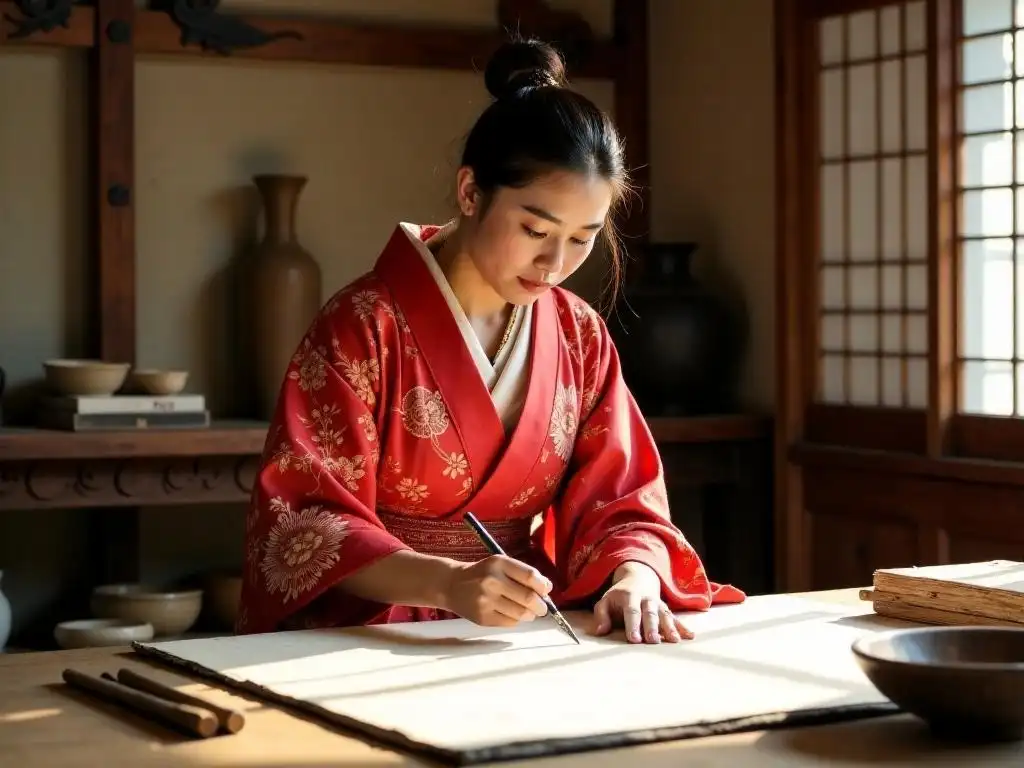
The intersection of technology and traditional calligraphy is a significant trend reshaping its role in theater. Digital calligraphy, for instance, allows artists to project their work onto screens, creating immersive environments that engage audiences in novel ways. This shift towards digital mediums opens up new avenues for expression and broadens the audience's understanding of calligraphy beyond the confines of paper.
Moreover, contemporary theater is witnessing an increased interest in experimental forms of calligraphy that challenge traditional styles and techniques. Artists are blending various cultural influences, which not only revitalizes the art form but also makes it accessible to diverse audiences. Collaborations with choreographers and musicians are also on the rise, creating multi-disciplinary performances that highlight the movement and rhythm inherent in both calligraphy and theater.
Preserving Traditional Calligraphy in Modern Productions
While innovation is vital, preserving the integrity of traditional Japanese calligraphy remains crucial. Many theater companies are committed to maintaining authentic practices by collaborating with seasoned calligraphers who emphasize the importance of technique, discipline, and cultural context. Workshops and educational programs are being established to ensure that young artists and performers understand the historical significance of calligraphy in Japanese culture.
Incorporating traditional calligraphy into modern productions not only enhances the aesthetic quality of performances but also serves as a reminder of the cultural roots that underpin contemporary storytelling. By valuing and preserving these traditional skills, the theater community can create a dialogue between the past and present, ensuring that the legacy of Japanese calligraphy continues to flourish.
Conclusion: The Lasting Legacy of Japanese Calligraphy in Theater
Japanese calligraphy has long been intertwined with the performing arts, shaping narratives and enriching visual experiences. As we look to the future, it is evident that the legacy of this artistic form will continue to inspire and inform contemporary theater. The adaptability of calligraphy allows it to resonate with modern audiences while retaining its deep cultural significance.
Reflecting on the Cultural Significance of Calligraphy in Performance
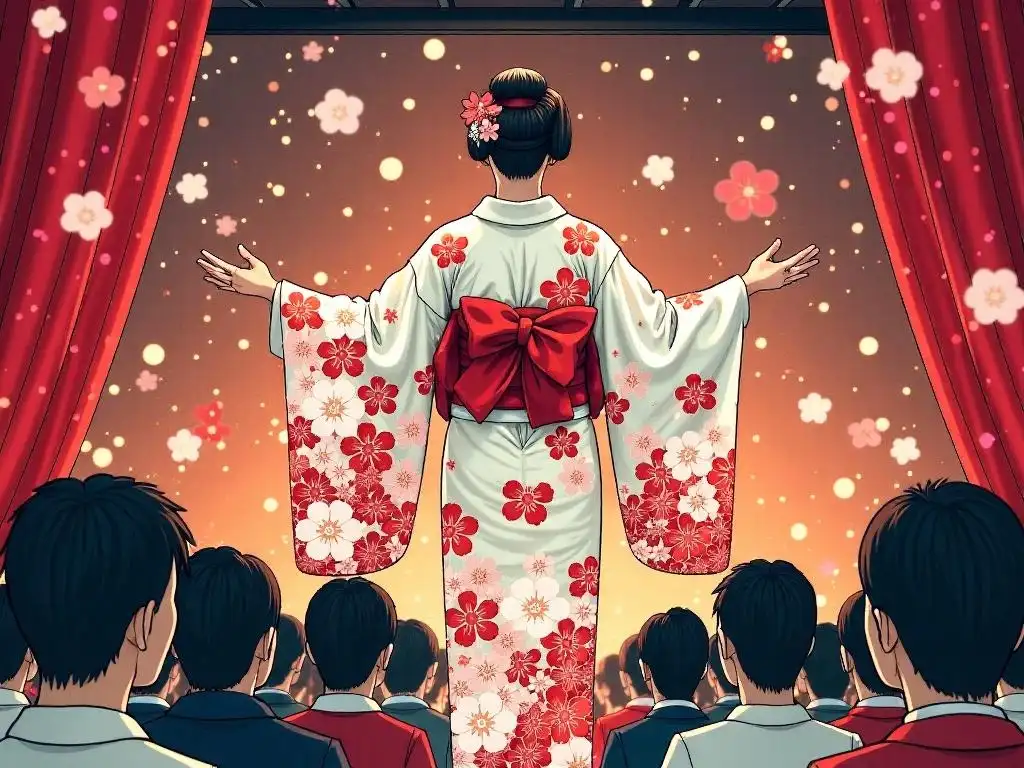
Calligraphy is more than just a visual art form; it embodies a philosophy and way of life. In performance, it serves as a bridge connecting the audience to the intricate layers of Japanese culture, history, and spirituality. The graceful strokes of a calligrapher’s brush evoke emotions, tell stories, and honor traditions, all while inviting viewers to reflect on their own experiences.
As theater artists explore new narratives and techniques, the cultural significance of calligraphy remains a vital component of the storytelling process. It serves as a reminder of the shared human experiences that transcend time and cultural boundaries, enriching the theatrical experience for all.
Encouraging Future Exploration of Calligraphy in the Arts
To ensure the continued relevance of Japanese calligraphy in theater, it is essential to encourage new generations of artists and performers to explore this art form. By fostering interdisciplinary collaborations and providing platforms for innovative expression, the arts community can inspire a renewed appreciation for the beauty and depth of calligraphy.
Educational initiatives, workshops, and public performances can play a pivotal role in encouraging this exploration. By inviting audiences to engage with calligraphy not just as an art form but as a living, breathing aspect of cultural heritage, we can cultivate a lasting interest in its practice. Through this, the enchanting world of Japanese calligraphy can thrive within the vibrant tapestry of contemporary theater.
Additional Resources on Japanese Calligraphy and Theater
To delve deeper into the fascinating intersection of Japanese calligraphy and theater, a variety of resources are available for enthusiasts and scholars alike. These resources encompass books, articles, documentaries, and online platforms that explore the historical, cultural, and artistic significance of calligraphy within traditional Japanese performance arts. Below is a curated list of valuable resources that can enhance your understanding and appreciation of this intricate art form.
Recommended Readings and References
-
Books:
-
Japanese Calligraphy: The Art of Line and Space by Yoshiko Yamaguchi
This book provides an insightful overview of Japanese calligraphy and its aesthetic principles, including its role in theater.
-
The Origins of Noh Drama by John T. K. Hodge
A detailed exploration of Noh drama, which often incorporates calligraphic texts in its performances.
-
The Beauty of Japanese Calligraphy by Shozo Sato
This work delves into the philosophies and techniques behind calligraphy, with references to its application in theatrical settings.
-
-
Articles:
-
"The Role of Calligraphy in Traditional Japanese Theater" - Journal of Asian Arts
This article examines how calligraphy contributes to the visual and narrative aspects of Japanese theater.
-
"Performance and Aesthetics: The Relationship Between Calligraphy and Noh" - Cultural Studies Review
An analytical piece that discusses the interplay between visual art and performance in Noh.
-
-
Documentaries and Films:
-
The Art of Calligraphy in Japan
A documentary that covers various aspects of calligraphy, including its performance in traditional theater settings.
-
Noh and Calligraphy: A Living Tradition
This film explores the connections between Noh theater and calligraphic artistry, featuring performances alongside calligraphic demonstrations.
-
-
Online Platforms:
-
YouTube Channels:
- Japanese Arts and Culture - Featuring videos on calligraphy techniques and performances.
- Noh Theater Insights - Offering commentary and visual presentations on Noh and its artistic elements, including calligraphy.
-
Online Courses:
Platforms such as Coursera or Udemy often provide courses on Japanese arts that include modules on calligraphy and theater.
-
Further Exploration of Japanese Cultural History
To further enrich your understanding of Japanese cultural history, particularly regarding the influences of calligraphy in theater, consider exploring these avenues:
-
Cultural Museums and Exhibitions:
Visiting museums such as the Tokyo National Museum or the Adachi Institute of Woodcut Prints can provide firsthand experience with historical artifacts and exhibits related to Japanese calligraphy and theater.
-
Workshops and Classes:
Participating in calligraphy workshops can offer practical experience and a deeper appreciation for the art form. Many cultural centers and universities in Japan and abroad offer classes that focus on both calligraphy and its theatrical applications.
-
Academic Journals:
Subscribing to journals like Asian Theatre Journal or Journal of Japanese Studies can provide ongoing scholarly articles and research papers that delve into the intricate connections between art forms, including calligraphy and theater.
-
Cultural Events and Festivals:
Engaging in local or international cultural festivals that celebrate Japanese arts can provide immersive experiences. Events may feature live performances that combine calligraphy with traditional theater, allowing participants to witness the art in action.
By exploring these resources and avenues, you can gain a more comprehensive understanding of Japanese calligraphy in theater and its profound impact on the cultural landscape of Japan.
- Introduction to Japanese Calligraphy in Theater
- Historical Context of Japanese Calligraphy in Theater
- The Intersection of Calligraphy and Performance in Japanese Theater
- Techniques of Japanese Calligraphy in Theater
- The Influence of Calligraphy on Character Development
- Case Studies of Calligraphy in Japanese Theater
- The Future of Japanese Calligraphy in Contemporary Theater
- Trends and Innovations in Calligraphy as Performance
- Preserving Traditional Calligraphy in Modern Productions
- Conclusion: The Lasting Legacy of Japanese Calligraphy in Theater
- Reflecting on the Cultural Significance of Calligraphy in Performance
- Encouraging Future Exploration of Calligraphy in the Arts
- Additional Resources on Japanese Calligraphy and Theater
- What is the significance of Japanese calligraphy in theater?
- How does calligraphy relate to performance art in Japan?
- What are the historical influences of calligraphy in Japanese theater?
- How has modern theater incorporated traditional calligraphy?
- Are there any notable calligraphy artists involved in Japanese theater?
Frequently Asked Questions
What is the significance of Japanese calligraphy in theater?
Japanese calligraphy plays a crucial role in theater by enhancing the visual storytelling aspect, allowing performers to convey emotions and themes through the elegance of written characters.
How does calligraphy relate to performance art in Japan?
In performance art, calligraphy transforms written text into a dynamic visual element, integrating the beauty of written words with the art of acting, thereby enriching the overall theatrical experience.
What are the historical influences of calligraphy in Japanese theater?
The historical influences stem from traditional practices where calligraphy was used to create scripts and scrolls, influencing various theatrical forms, including Noh and Kabuki.
How has modern theater incorporated traditional calligraphy?
Modern theater often incorporates traditional calligraphy to maintain cultural heritage, utilizing it in stage designs and promotional materials to connect contemporary audiences with Japan's rich artistic history.
Are there any notable calligraphy artists involved in Japanese theater?
Yes, several calligraphy artists collaborate with theater companies, contributing their skills to create visually stunning pieces that complement performances and elevate the artistic expression on stage.
Final Reflection: The Enduring Dance of Ink and Performance
The intricate relationship between Japanese calligraphy and theater is more relevant today than ever, as we seek to understand the cultural narratives that shape our identities. The art of calligraphy, with its fluid strokes and profound meanings, transcends mere writing; it becomes a performance in itself, echoing the rhythms and emotions of traditional Japanese theater. This connection invites us to appreciate how art forms intertwine, enriching our cultural experiences and deepening our understanding of heritage.
The influence of Japanese calligraphy in theater continues to resonate, reminding us of the power of visual storytelling in a world increasingly dominated by digital communication. The graceful movements of the brush, much like the actors on stage, tell stories that words alone cannot convey. As the renowned calligrapher Kazuaki Tanahashi once said, Calligraphy is not just about writing; it is about the spirit of the moment.
This sentiment encapsulates the essence of how calligraphy serves as a bridge between the past and present, allowing us to connect with the emotions and traditions of those who came before us.
As we reflect on the lessons of this art form, let us embrace the invitation to explore our own creative expressions. Consider how you can incorporate the spirit of Japanese calligraphy into your life, whether through art, writing, or performance. Engage with the beauty of this tradition and allow it to inspire your journey, reminding you that every stroke of the brush and every word spoken carries the weight of history and the promise of connection.
Unveil the Beauty of Calligraphy Today!
Thank you for taking the time to explore the enchanting world of calligraphy within traditional Japanese theater. You've gained insights into how writing elevates performance and storytelling in this rich cultural landscape. Now, it's time to dive deeper and connect with this art form on a personal level!
Take the next step to immerse yourself in this fascinating intersection of art and performance:
- Practice calligraphy using traditional tools—grab a brush and some ink to create your own masterpiece inspired by the elegance of Japanese theater.
- Join a local workshop or online class to learn essential skills and techniques, while connecting with fellow enthusiasts who share your passion.
- Share your calligraphy journey on social media using the hashtag #CalligraphyInTheater to inspire others and foster a vibrant community.
How will you incorporate the art of calligraphy into your daily life or creative practice? We’d love to hear your thoughts!