
The Art of Ukiyoe: Capturing the Essence of Edo Period Life

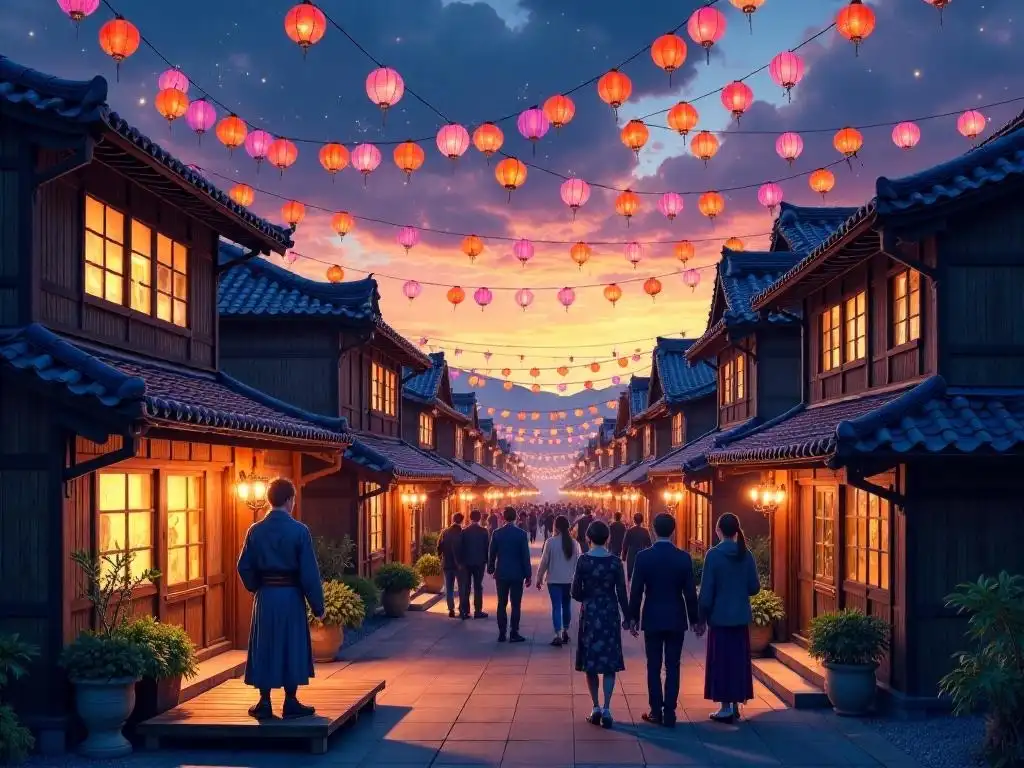
Welcome to Feudal Japan History, where we invite you to embark on a captivating journey through the rich tapestry of Japan’s feudal era. Dive deep into the fascinating world of Ukiyoe art, a vibrant reflection of Edo period life that captures the essence of its cultural and societal nuances. In our featured article, "The Art of Ukiyoe: Capturing the Essence of Edo Period Life," you’ll uncover the stories behind these masterpieces and how they shaped the artistic landscape of Japan. Prepare to be intrigued and inspired as you explore the intricate layers of history that await you!
The art of Ukiyoe, which translates to "pictures of the floating world," represents a pivotal genre of Japanese woodblock printing that flourished during the Edo period (1603-1868). This artistic movement not only encapsulated the aesthetics of its time but also provided profound insights into the daily lives, cultural practices, and societal structures of the era. As we delve into the history of Ukiyoe art, we will uncover its origins, key artists, and its lasting impact on both Japanese culture and global art movements.
Ukiyoe emerged as a response to the shifting dynamics of society in Edo Japan, where urbanization and a burgeoning merchant class began to reshape cultural expressions. The vibrant prints, often depicting landscapes, kabuki actors, beautiful women, and scenes of leisure, served as both entertainment and documentation of the times. In this article, we will explore the intricate details of Ukiyoe art, examining its techniques, themes, and the way it reflects the essence of Edo period life.
By understanding Ukiyoe art within the broader context of Edo period history, readers will gain a comprehensive insight into how this unique art form not only captured fleeting moments of beauty but also conveyed complex narratives of a society in transformation. Join us as we journey through the colorful world of Ukiyoe, where each print tells a story, and each artist contributes to a rich tapestry of cultural heritage.
- Introduction to Ukiyoe Art in the Edo Period
- Characteristics of Ukiyoe Art
- The Influence of Ukiyoe Art on Edo Period Society
- The Evolution of Ukiyoe Art Through the Edo Period
- The Cultural Impact of Ukiyoe Art Beyond Japan
- Conclusion: The Lasting Legacy of Ukiyoe Art in Edo Period History
- Frequently Asked Questions
- Final Reflection: Embracing the Legacy of Ukiyoe Art
- Unveil the Beauty of Ukiyoe Art Today!
Introduction to Ukiyoe Art in the Edo Period
Ukiyoe art, often referred to as "pictures of the floating world," emerged as a significant cultural phenomenon during Japan's Edo period (1603–1868). This art form encapsulates various aspects of life in Edo (modern-day Tokyo), including landscapes, kabuki actors, beautiful women, and scenes from daily life. Ukiyoe prints were mass-produced and became accessible to the burgeoning urban population, making them a vital expression of the cultural identity of the period.
The term "Ukiyoe" itself can be broken down into two components: "Ukiyo," meaning "floating world," and "e," meaning "picture." This art form not only reflects the aesthetics of the time but also provides insights into the social dynamics, entertainment, and lifestyle of the Edo period.
Definition of Ukiyoe Art
Ukiyoe art involves woodblock printing techniques that allow for the creation of multiple copies of a single image, making it widely available to the general public. The process of producing Ukiyoe prints is intricate and involves several key steps:
- Design: An artist sketches an image on paper.
- Carving: The design is transferred onto a cherry wood block, which is then carved to create a relief.
- Inking: The carved block is inked with pigments made from natural materials.
- Printing: Paper is pressed onto the inked block, transferring the image.
The process requires collaboration among various artisans, including the designer, carver, and printer, forming a unique guild-like system that contributed to the richness of the art form. Ukiyoe prints typically feature vibrant colors and intricate details, and they often incorporate elements of nature, figurative forms, and aesthetic beauty.
Historical Context: The Edo Period (1603-1868)
The Edo period marked a significant transformation in Japanese society, characterized by relative peace, economic stability, and cultural flourishing under the Tokugawa shogunate. This era saw the rise of a new urban middle class, which fostered a demand for entertainment and art, paving the way for Ukiyoe to flourish.
Key Aspects of the Edo Period:
- Urbanization: Cities like Edo, Osaka, and Kyoto became cultural centers, attracting artists and craftsmen.
- Isolationism: The Sakoku policy limited foreign influence, prompting a unique development of Japanese art and culture.
- Rise of the Merchant Class: The economic prosperity of merchants allowed for the consumption of art, leading to the popularization of Ukiyoe.
Ukiyoe art thrived particularly during the late 17th century and into the 18th and 19th centuries, with renowned artists such as Hokusai, Hiroshige, and Utamaro becoming prominent figures. Their works not only depicted the beauty of the fleeting world but also captured the essence of life in Edo, showcasing everything from seasonal festivals to the allure of kabuki theater.
Significance of Ukiyoe in Japanese Culture
Ukiyoe art holds a profound place in Japanese culture, serving as both a historical record and a source of aesthetic pleasure. Its significance can be examined through several lenses:
- Cultural Reflection: Ukiyoe encapsulates the lifestyle, fashion, and social norms of the Edo period, providing a visual narrative of the time.
- Influence on Western Art: In the late 19th century, Ukiyoe began to influence Impressionist and Post-Impressionist artists in Europe, contributing to the global appreciation of Japanese aesthetics.
- Preservation of Heritage: The themes and techniques in Ukiyoe have been preserved in various forms of contemporary art, ensuring its legacy continues to inspire future generations.
Ukiyoe art is not just a collection of beautiful prints; it is a window into the Edo period's vibrant culture, reflecting the complexities of life and the artistic innovation that defined an era. The continued interest in Ukiyoe art highlights its lasting impact on both Japanese heritage and global art history.
Characteristics of Ukiyoe Art
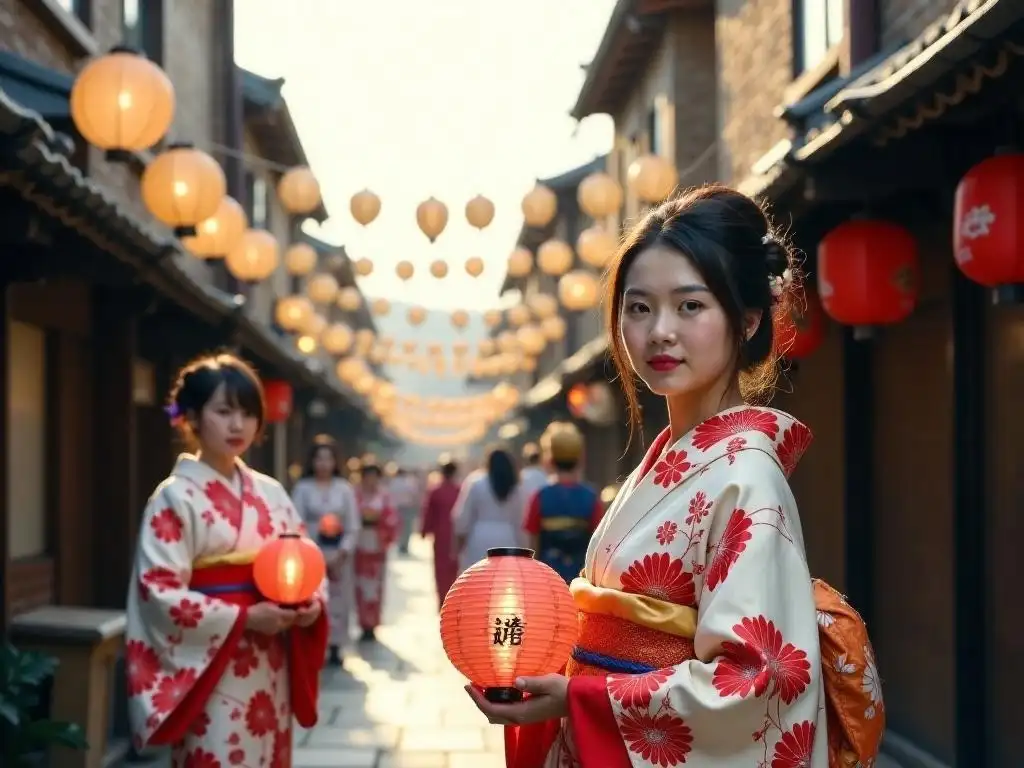
Ukiyoe art is a quintessential representation of the Edo period, capturing the vibrant life and culture of Japan during this transformative era. Originating in the early 17th century and flourishing until the late 19th century, ukiyoe translates to "pictures of the floating world," reflecting the transient beauty of everyday life, nature, and pleasure.
One of the defining characteristics of ukiyoe is its focus on everyday subjects. Unlike traditional Japanese art that often centered on historical events or religious themes, ukiyoe depicted scenes from daily life, including urban landscapes, kabuki actors, beautiful women (bijin), and landscapes. This shift towards the mundane marked a significant cultural change, emphasizing the importance of the present moment.
Key Themes in Ukiyoe Art
Ukiyoe explores several recurring themes that encapsulate the essence of Edo period life:
- Beauty (Bijin):
- The portrayal of beautiful women was a predominant theme. Artists often depicted courtesans and geishas, emphasizing elegance and fashion.
- Kabuki Theater:
- Many prints featured actors from the popular kabuki theater, celebrating the art form and its stars. These prints often captured dynamic poses and vivid costumes, bringing the theatrical experience to life.
- Nature:
- Landscapes were a vital aspect of ukiyoe, with artists like Hokusai and Hiroshige creating iconic images of Mount Fuji and seasonal changes. The interplay between nature and humanity is a recurring motif.
- Urban Life:
- Scenes of bustling streets, festivals, and leisure activities illustrated the vibrancy of Edo's urban centers. These prints often served as visual narratives of the social dynamics of the time.
- Cultural Practices:
- Ukiyoe reflects various cultural practices, such as tea ceremonies and seasonal festivals, providing insight into the societal norms and values of the Edo period.
Techniques Used in Ukiyoe Printmaking
Ukiyoe printmaking is characterized by specific techniques that allowed artists to produce vibrant and detailed works. The most common method employed was woodblock printing, which involved several distinct steps:
- Design Creation:
- An artist would create a design, often using ink on paper, which would serve as the template for the woodblock.
- Carving the Block:
- Craftsmen would carve the image into a cherry wood block, carefully removing areas that were not to be printed. This step required significant skill and precision.
- Inking the Block:
- The carved block was then inked using a brush, ensuring that the ink only adhered to the raised surfaces.
- Printing Process:
- A sheet of paper was placed on the inked block, and pressure was applied, often using a tool called a baren, to transfer the image onto the paper. This step could be repeated multiple times if the print included various colors, each requiring a different block.
- Color Application:
- Multi-colored prints involved separate blocks for each color, requiring meticulous alignment to ensure that the final image was cohesive and vibrant.
Notable Artists of the Edo Period
Several artists stand out in the history of ukiyoe, each contributing to the development of this art form in unique ways:
- Hokusai (1760-1849):
- Perhaps the most famous ukiyoe artist, Hokusai is known for his series "Thirty-Six Views of Mount Fuji," which includes the iconic "The Great Wave off Kanagawa." His innovative approach to perspective and composition had a lasting impact on both Japanese and Western art.
- Hiroshige (1797-1858):
- Renowned for his landscape prints, Hiroshige's works often captured the beauty of nature and seasonal changes. His series "The Fifty-Three Stations of the Tōkaidō" is celebrated for its detailed depictions of travel routes and picturesque scenery.
- Utamaro (1753-1806):
- Specializing in portraits of beautiful women, Utamaro's works emphasized elegance and intimacy. His prints often conveyed the emotional depth and personality of his subjects.
- Kuniyoshi (1798-1861):
- Known for his dynamic compositions and bold colors, Kuniyoshi often depicted historical warriors and mythological themes, blending traditional narratives with a unique artistic style.
Ukiyoe art serves as a rich historical record, encapsulating the essence of Edo period life through its vivid themes, meticulous techniques, and talented artists. Its legacy continues to influence contemporary art and culture, making it an enduring symbol of Japan's artistic heritage.
The Influence of Ukiyoe Art on Edo Period Society
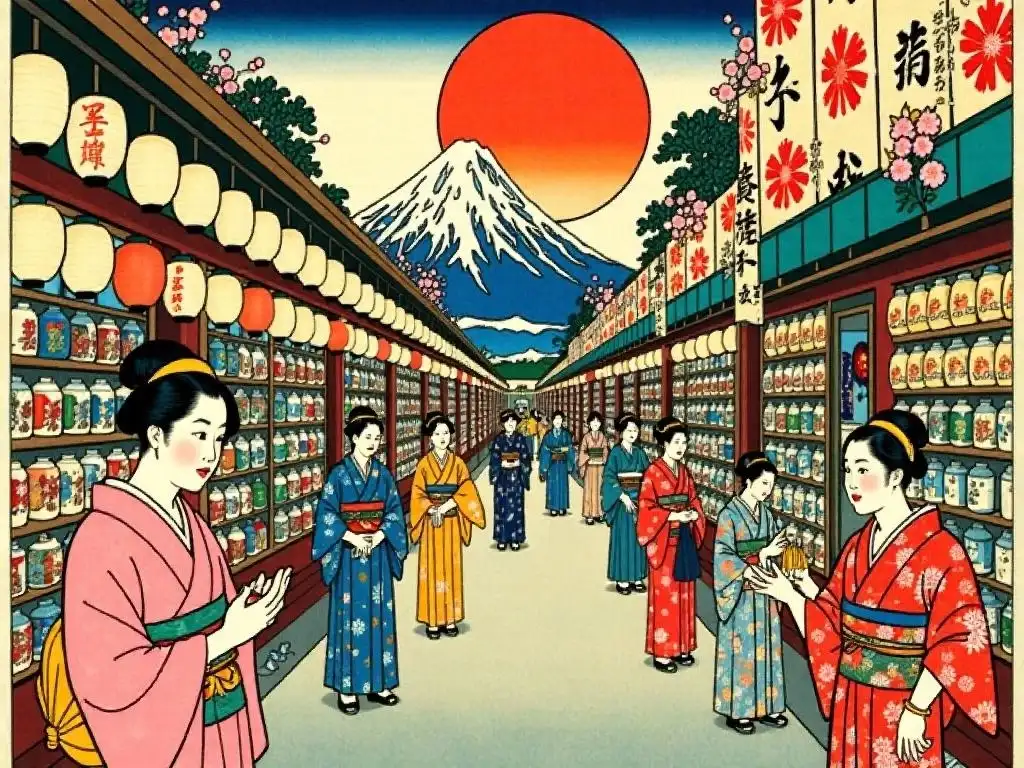
Ukiyoe art, a genre of woodblock printing that flourished during the Edo period (1603-1868), played a significant role in reflecting and shaping the societal dynamics of the time. This art form, characterized by its vivid colors and intricate designs, not only captured the essence of daily life but also influenced cultural norms and values in Edo Japan. As a visual representation of an evolving society, Ukiyoe transcended mere artistic expression, serving as a window into the hearts and minds of the people during this vibrant era.
Reflection of Daily Life in Edo Japan
Ukiyoe art provides a rich tapestry of insights into daily life during the Edo period. Artists like Hokusai and Hiroshige depicted various facets of urban and rural existence, from bustling marketplaces to serene landscapes. These prints often featured common people—merchants, artisans, and laborers—engaged in their everyday activities.
- Market Scenes: Ukiyoe illustrations often showcased lively street markets, where vendors sold goods ranging from textiles to food. These depictions not only celebrated the vibrant commerce of Edo but also highlighted the burgeoning merchant class, reflecting their influence on society.
- Festivals and Leisure: Various prints captured the essence of seasonal festivals and leisure activities such as sumo wrestling and cherry blossom viewing. These scenes illustrated the cultural practices and communal spirit of Edo society, revealing a society that valued celebration and community engagement.
- Landscapes and Nature: Artists also focused on the natural beauty surrounding Edo, portraying famous landmarks and serene landscapes. This connection to nature served as a reminder of the harmony between urban life and the natural world, a theme that resonated deeply with the populace.
Ukiyoe thus functioned as both an artistic medium and a social commentary, providing a vivid reflection of Edo Japan's daily life and cultural practices.
Ukiyoe and the Emergence of the Merchant Class
The rise of the merchant class during the Edo period is intricately tied to the development of Ukiyoe art. As the Tokugawa shogunate established a stable government, commerce flourished, leading to a newfound wealth among merchants. This economic shift had profound implications for the art world.
- Patrons of Art: With increased disposable income, merchants became significant patrons of Ukiyoe artists. They commissioned works that not only adorned their homes but also served as status symbols within their social circles. This patronage contributed to the proliferation of Ukiyoe prints, making art more accessible to a broader audience.
- Themes of Prosperity: Many Ukiyoe prints celebrated the lifestyle of the merchant class, portraying scenes of opulence and success. These artworks often depicted luxurious living spaces, fashionable clothing, and the pleasures of city life, effectively reinforcing the social status of their patrons.
- Cultural Exchange: The merchant class also facilitated cultural exchange, leading to the emergence of new artistic styles and themes within Ukiyoe. As merchants traveled and interacted with different regions, they brought back diverse influences that enriched the Ukiyoe tradition.
Ultimately, Ukiyoe art not only documented the rise of the merchant class but also played a crucial role in shaping their identity and cultural prominence in Edo society.
The Role of Women in Ukiyoe Art
Women hold a central place in Ukiyoe art, both as subjects and as artists. The portrayal of women in Ukiyoe reflects societal attitudes and cultural norms regarding femininity during the Edo period.
- Representation of Women: Ukiyoe prints often depicted women in various roles—geishas, courtesans, and everyday women engaged in domestic tasks. These images conveyed the idealized beauty and grace of women, often emphasizing their attire and elegance. Artists like Kitagawa Utamaro became renowned for their sensitive portrayals of women, capturing their personalities and emotions.
- Empowerment through Art: While women were often relegated to traditional roles, Ukiyoe also provided a platform for female representation and empowerment. By elevating women to subjects of artistic admiration, Ukiyoe challenged prevailing societal norms and allowed for a more nuanced understanding of female identity in Edo Japan.
- Women Artists: Although male artists dominated the Ukiyoe scene, women also contributed to this art form. Female artists, such as Katsukawa Shunko, created works that highlighted women's experiences and perspectives, further enriching the diversity of Ukiyoe.
The role of women in Ukiyoe art is multifaceted, reflecting both their societal roles and the evolving perceptions of femininity during the Edo period. Through its portrayal of women, Ukiyoe art provides valuable insights into the complexities of gender dynamics in historical Japan.
The Evolution of Ukiyoe Art Through the Edo Period
Early Developments in Ukiyoe (17th Century)
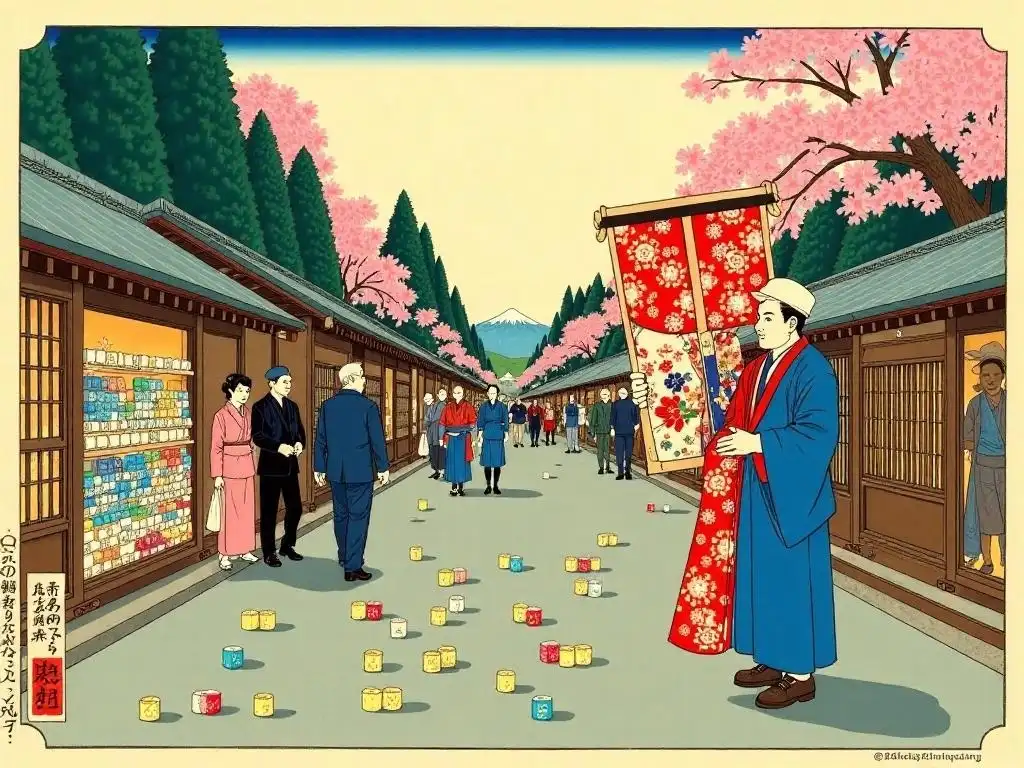
The origins of Ukiyoe art can be traced back to the early 17th century, coinciding with the establishment of the Tokugawa shogunate. This period marked a significant shift in Japanese society, as urbanization flourished in Edo (modern-day Tokyo), leading to a burgeoning merchant class. Ukiyoe, meaning "pictures of the floating world," emerged as a visual expression of this vibrant urban life, capturing the transient beauty of everyday experiences.
Initially, Ukiyoe was characterized by monochromatic woodblock prints, often depicting kabuki actors, beautiful courtesans, and scenes of nature. Artists like Hishikawa Moronobu were pioneers in this genre, developing techniques that allowed for mass production of images. Moronobu’s works were crucial in setting the foundation for future Ukiyoe artists, focusing on the themes of pleasure and leisure that defined Edo period culture.
The printing process involved intricate skills, with artisans meticulously carving designs into wooden blocks. Each color in a print required a separate block, making the process labor-intensive. This early phase of Ukiyoe art laid the groundwork for subsequent developments, as artists began exploring more complex compositions and multi-colored prints, paving the way for the rich visual storytelling that would characterize the genre in the coming decades.
The Golden Age of Ukiyoe (18th Century)
The 18th century is often regarded as the Golden Age of Ukiyoe, marked by an explosion of creativity and innovation in the art form. During this time, several master artists emerged, each contributing uniquely to the evolution of Ukiyoe. Notable figures such as Katsushika Hokusai and Utagawa Hiroshige gained prominence, elevating Ukiyoe to new heights.
Hokusai, famous for his iconic print "The Great Wave off Kanagawa," expanded the thematic scope of Ukiyoe to include landscapes and nature scenes, capturing the essence of the Japanese environment. His series "Thirty-Six Views of Mount Fuji" exemplified how Ukiyoe could blend human experience with natural beauty, showcasing the relationship between people and their surroundings.
Hiroshige, on the other hand, focused on the subtleties of seasonal changes and everyday life. His work, particularly the "Fifty-Three Stations of the Tōkaidō," depicted the scenic routes from Edo to Kyoto, emphasizing the beauty of the Japanese landscape while providing a snapshot of the bustling life along these routes. The use of perspective and color in Hiroshige's prints showcased a mastery of the medium that would influence Western art movements in the future.
The commercialization of Ukiyoe also flourished during this period, as prints became accessible to a wider audience. This democratization of art allowed Ukiyoe to thrive, creating a vibrant market for these works and establishing their significance in Japanese culture.
Decline and Transformation in the Late Edo Period (19th Century)
As the 19th century unfolded, the landscape of Ukiyoe began to shift dramatically. While the genre had witnessed immense popularity, several factors contributed to its decline. The arrival of Western influences, particularly during the Meiji Restoration (1868), brought about significant cultural changes. The introduction of photography and Western artistic styles presented new challenges to traditional Ukiyoe artists.
Many Ukiyoe artists struggled to adapt to these changes. Some, like Utagawa Kuniyoshi, continued to innovate, producing dramatic and fantastical imagery that appealed to both traditional and modern tastes. However, the mass appeal of photography and Western art techniques led to a waning interest in Ukiyoe prints among the general populace.
By the late Edo period, Ukiyoe had transformed into a more niche art form, often appreciated by collectors rather than the general public. The once-vibrant market for prints diminished, leading artists to seek new avenues for their creativity. Some turned to painting or other crafts, while others integrated Western techniques into their work, resulting in hybrid forms of art.
Despite facing decline, the legacy of Ukiyoe art persisted, influencing both Japanese and Western art movements. Its impact can be seen in the works of artists like Vincent van Gogh and Claude Monet, who drew inspiration from Ukiyoe's unique aesthetics. Today, Ukiyoe is celebrated as a vital part of Edo period history, representing a rich cultural heritage that continues to resonate with art enthusiasts worldwide.
The Cultural Impact of Ukiyoe Art Beyond Japan
Influence on Western Art Movements
Ukiyoe art, with its vibrant colors and unique perspective, profoundly influenced Western art movements from the late 19th century onwards. The introduction of Japanese aesthetics to Europe led to the emergence of Japonisme, a term that describes the fascination of Western artists with Japanese culture and art forms.
- Impressionism: Artists like Claude Monet and Edgar Degas were inspired by the flat areas of color and bold outlines typical of Ukiyoe prints. Monet’s series of paintings of Japanese bridges reflects this influence, as he often incorporated elements reminiscent of Ukiyoe composition.
- Post-Impressionism: Vincent van Gogh famously collected Ukiyoe prints, using their stylistic elements to enhance his own work. His paintings, such as "Flowering Plum Tree," showcase the influence of Japanese floral motifs and color palettes.
- Art Nouveau: The sinuous lines and organic forms of Ukiyoe also resonated with the Art Nouveau movement. Artists like Alphonse Mucha incorporated Japanese elements into their designs, emphasizing nature and decorative aesthetics.
Ukiyoe's impact on Western art is evident in the way it challenged conventional perspectives and encouraged artists to explore new styles and techniques.
The Global Appreciation of Ukiyoe Today
Today, Ukiyoe is celebrated globally not only as a unique art form but also as a significant cultural heritage of Japan. Various factors contribute to its contemporary appreciation:
- Exhibitions and Museums: Many art institutions around the world, such as the British Museum and the Metropolitan Museum of Art, regularly feature Ukiyoe exhibitions. These showcases educate the public about the historical context and artistic techniques behind these prints.
- Art Market Demand: The art market has seen a resurgence of interest in Ukiyoe, with collectors actively seeking authentic pieces. The auction of Ukiyoe prints can fetch high prices, indicating a robust appreciation for this art form.
- Cultural Events: Festivals celebrating Japanese culture often include Ukiyoe art demonstrations, workshops, and galleries, further promoting awareness and education about this artistic tradition.
- Digital Platforms: Online galleries and social media have played a crucial role in the global dissemination of Ukiyoe art. Artists and historians share insights, creating a vibrant community of enthusiasts who engage with this classic art form.
Thus, Ukiyoe continues to captivate audiences worldwide, bridging cultural divides and fostering appreciation for its artistic beauty.
Preservation and Revival of Ukiyoe Techniques
Efforts to preserve and revive Ukiyoe techniques are critical to maintaining the integrity of this art form. Traditional Ukiyoe involves a meticulous process that combines artistry with craftsmanship, which includes:
- Woodblock Printing: This technique involves carving designs into wooden blocks, which are then inked and pressed onto paper. Master artisans, known as ukiyo-e shin hanga (Ukiyoe printmakers), are essential in keeping these methods alive.
- Natural Dyes: Original Ukiyoe prints used natural pigments derived from minerals and plants. Efforts to revive these traditional dyes have been undertaken by artisans committed to preserving the authentic look of Ukiyoe.
- Workshops and Education: Organizations and schools in Japan offer workshops to teach the techniques of Ukiyoe printing, attracting both local and international students. These educational initiatives ensure that the knowledge of Ukiyoe is passed down through generations.
- Contemporary Adaptations: Some modern artists are experimenting with Ukiyoe techniques, blending them with contemporary themes and styles. This innovative approach not only respects tradition but also revitalizes interest in Ukiyoe art among younger audiences.
Overall, the preservation and revival of Ukiyoe techniques are crucial for ensuring that this art form continues to flourish and inspire future generations, keeping the spirit of the Edo period alive in the modern world.
Conclusion: The Lasting Legacy of Ukiyoe Art in Edo Period History
Summary of Ukiyoe's Importance in Cultural History
Ukiyoe art, a genre that flourished during the Edo period (1603-1868), is not merely a collection of beautiful prints but a significant cultural phenomenon that encapsulates the essence of Japanese life during its time. The term "ukiyo," meaning "floating world," reflects the transient beauty of the everyday, capturing scenes of landscapes, kabuki actors, beautiful women, and historical events.
The significance of ukiyoe can be understood through several key aspects:
- Cultural Reflection: Ukiyoe prints serve as a mirror to Edo period society, illustrating the leisure activities, fashion, and customs of the time. Artists like Katsushika Hokusai and Utagawa Hiroshige created works that depicted the natural beauty and urban life of Japan, allowing future generations to glimpse the past.
- Social Commentary: Beyond aesthetic appeal, ukiyoe often contained layers of social commentary. For instance, some prints highlighted the stark contrasts between the lives of the samurai class and the common people, providing insight into the socio-political dynamics of the era.
- Influence on Global Art: The impact of ukiyoe transcended Japan’s borders, influencing Western artists during the Impressionist movement. The unique perspectives, vibrant colors, and emphasis on everyday life found in ukiyoe art inspired figures like Vincent van Gogh and Claude Monet, reshaping their artistic approaches.
- Preservation of History: As a historical record, ukiyoe provides valuable context about the Edo period, offering insights into the evolution of art, culture, and even the economy. The prints often depict significant events, festivals, and changes in fashion, acting as a visual archive of Japanese history.
Future Perspectives on Ukiyoe Art and Edo Period Studies
The study of ukiyoe art and its relation to Edo period history continues to evolve, with several promising avenues for future exploration:
- Digital Preservation and Accessibility: Advancements in technology are making it easier to preserve and access ukiyoe artworks. Digital archives allow scholars and enthusiasts to study these prints from anywhere in the world, fostering a greater appreciation for this art form.
- Interdisciplinary Research: The integration of ukiyoe studies with other disciplines such as sociology, anthropology, and environmental studies can provide a more holistic understanding of Edo period life. By examining ukiyoe through various lenses, researchers can uncover deeper meanings and connections within the art.
- Revival and Contemporary Influence: Modern artists are increasingly drawing inspiration from ukiyoe, leading to a revival of this traditional art form. This resurgence opens up discussions about how traditional techniques can be adapted to contemporary themes, ensuring that the spirit of ukiyoe continues to influence new generations of artists.
- Global Exhibitions and Cultural Exchange: As interest in Japanese culture grows worldwide, exhibitions dedicated to ukiyoe are becoming more common. These events not only celebrate the art itself but also promote cultural exchange, fostering a greater understanding of Japan’s rich history and artistic heritage.
The enduring legacy of ukiyoe art lies in its ability to capture the essence of Edo period life while continuing to inspire and inform contemporary cultural discussions. As we delve deeper into its historical significance, the future of ukiyoe studies promises to unveil even more layers of meaning, enriching our understanding of both art and history.
Frequently Asked Questions
What is Ukiyoe art?
Ukiyoe is a Japanese woodblock printing art form that flourished during the Edo period (1603-1868). It captures scenes of everyday life, landscapes, and beautiful women, reflecting the cultural vibrancy of the time.
How did Ukiyoe influence modern art?
Ukiyoe has had a significant impact on Western artists in the 19th century, inspiring movements such as Impressionism. Its unique perspective and use of color influenced artists like Van Gogh and Monet.
What themes are prevalent in Ukiyoe artworks?
Ukiyoe artworks commonly depict themes such as beauty, nature, and urban life during the Edo period. They often feature geishas, kabuki actors, and landscapes, showcasing the rich cultural tapestry of the era.
Why is the Edo period important in Japanese history?
The Edo period is crucial for understanding Japan's transition to a modern nation. It was marked by peace, economic growth, and the flourishing of arts like Ukiyoe, significantly shaping Japan's cultural identity.
How can I learn more about Ukiyoe art?
To delve deeper into Ukiyoe art and its history, consider exploring museum collections, art books, or dedicated online resources. Websites focusing on Edo period history often provide valuable insights and expert analyses.
Final Reflection: Embracing the Legacy of Ukiyoe Art
The essence of Ukiyoe art transcends time, capturing the vibrancy and complexity of Edo period life in a way that resonates with our contemporary world. Today, as we navigate a fast-paced society, the intricate details and rich narratives of Ukiyoe remind us of the importance of preserving cultural heritage and understanding our roots. This art form not only reflects the aesthetics of its time but also serves as a poignant reminder of the stories and lives that shaped Japan's history.
Ukiyoe has profoundly influenced not just the art world, but also our cultural and social landscapes, inviting us to appreciate the beauty in everyday moments. The themes of love, nature, and the fleeting nature of life depicted in these prints continue to inspire artists and audiences alike. As the renowned artist Vincent van Gogh once said, The great thing is to be able to make something that is beautiful.
This sentiment echoes the enduring impact of Ukiyoe, which encourages us to find beauty in our own lives and experiences, no matter how ordinary they may seem.
As we reflect on the lessons of Ukiyoe art, let us embrace the invitation to slow down and appreciate the world around us. Take a moment to observe the beauty in your daily life, just as the artists of the Edo period did. By integrating this mindfulness into our lives, we can cultivate a deeper connection to our history and culture, ensuring that the legacy of Ukiyoe continues to inspire future generations.
Unveil the Beauty of Ukiyoe Art Today!
Thank you for exploring the captivating world of Ukiyoe with us! We've journeyed through the rich history and intricate artistry that define this iconic form of Japanese printmaking. Now, let’s take your appreciation even further.
Here are some impactful ways you can connect with the essence of Ukiyoe in your own life:
- Visit a local art gallery or museum that showcases Ukiyoe prints and experience the beauty firsthand.
- Share your newfound passion on social media! Post a photo of your favorite Ukiyoe piece and tag us to join a vibrant community of enthusiasts.
- Consider trying your hand at creating your own Ukiyoe-inspired artwork. Gather some materials and let your creativity flow!
Which Ukiyoe piece resonates with you the most and why? We invite you to share your thoughts below and keep the conversation alive!