

The Hidden Gems: LesserKnown Samurai Swords Worth Collecting
Discover the allure of rare samurai swords for collectors as we unveil hidden gems from Japan's feudal era. These lesser-known blades embody…
Read article
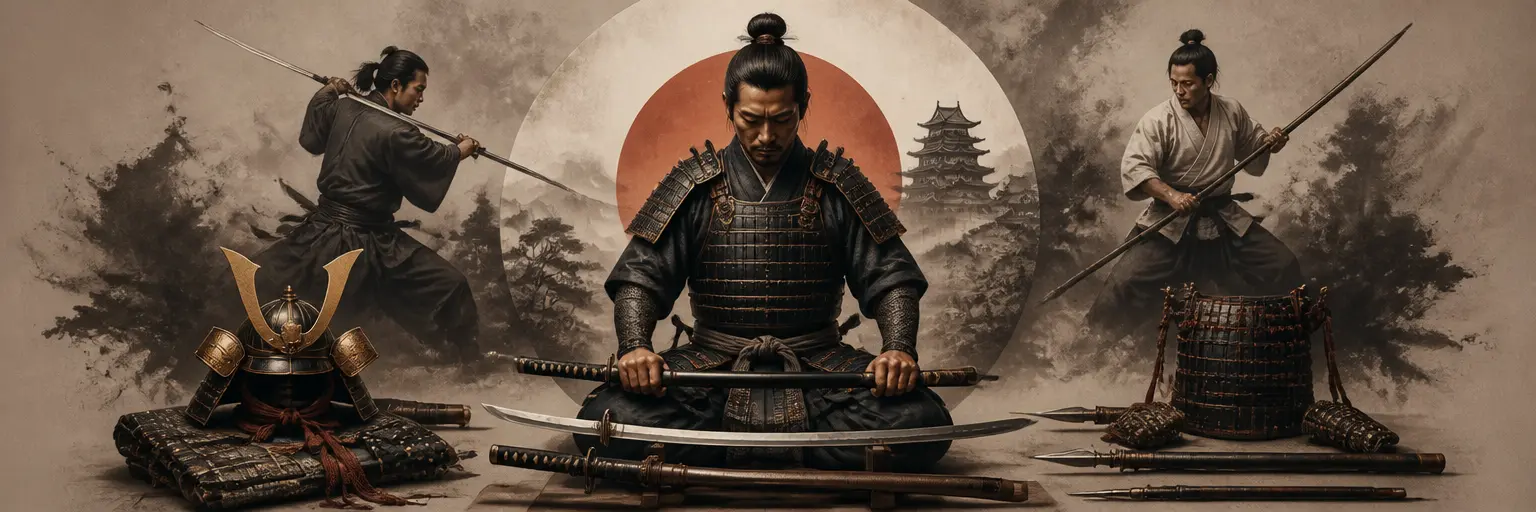
Discover the discipline, heritage, and craftsmanship of Martial Arts and Gear ⚔️ Explore Japan’s renowned fighting traditions, choose reliable training equipment, and learn what makes a samurai sword valuable to collectors. Whether you’re researching Japanese martial arts, comparing authentic gear, or deepening your knowledge of feudal Japan, find expert insights and practical guidance to support your journey.
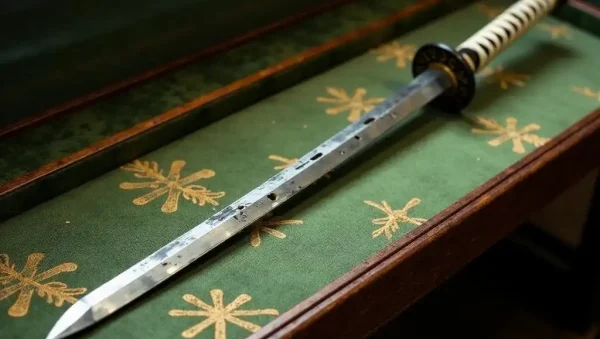
Discover the allure of rare samurai swords for collectors as we unveil hidden gems from Japan's feudal era. These lesser-known blades embody…
Read article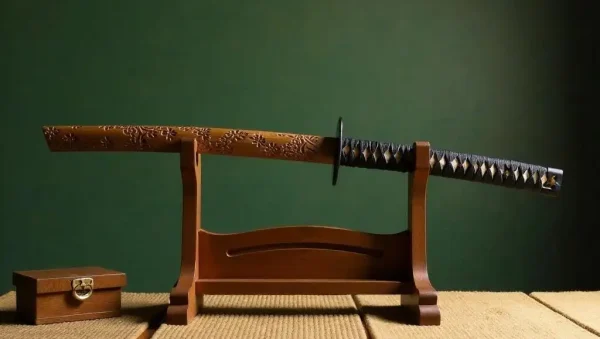
Unleash your inner warrior with our buying guide for samurai gear. Discover the ten essential training pieces that blend tradition and functionality,…
Read article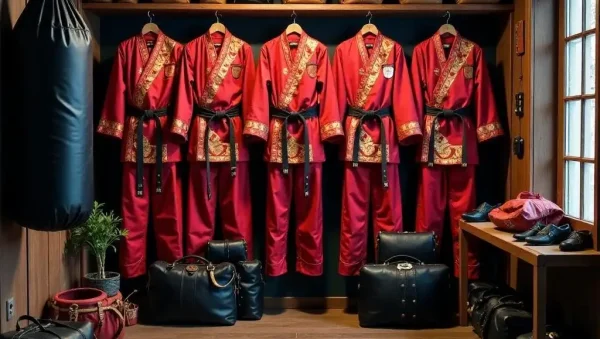
🌟 Discover the top trusted retailers to buy martial arts gear online, offering quality equipment and customer reviews. Our comprehensive guide ensures…
Read article
🌟 Embark on a collector's journey as we explore the best samurai swords for collectors, delving into their historical significance, craftsmanship, and…
Read article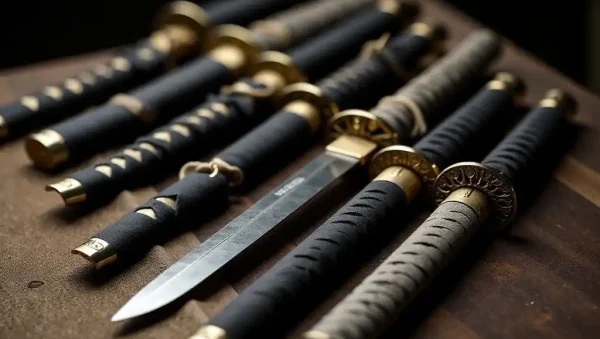
🗡️ Discover the essential gear for caring for samurai swords, ensuring these historic artifacts remain in pristine condition. From cleaning tools to…
Read article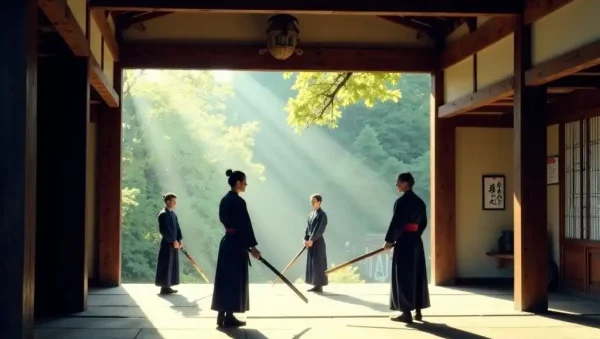
🌟 Discover the rich legacy of martial arts schools in Japan, where tradition meets discipline. This exploration delves into the history, techniques,…
Read article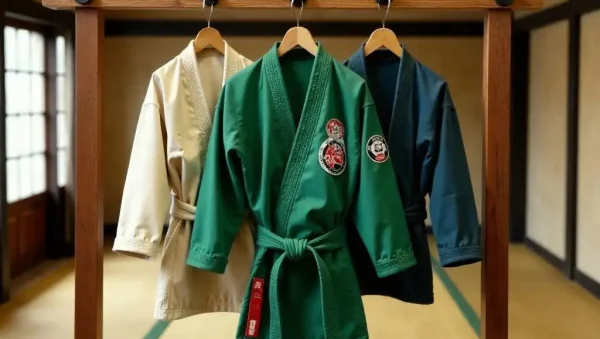
Choosing the best gi for martial arts is crucial for comfort and performance. In this complete guide, we explore fabric types, fit,…
Read article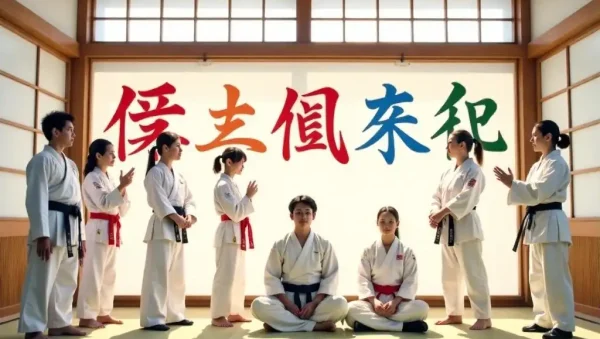
🌸 Discover the profound Japan martial arts history as we explore techniques passed down through generations in the country’s leading martial arts…
Read article
Exploring the rich legacy of Japan's martial arts schools reveals profound insights into their cultural impact, shaping not only combat techniques but…
Read article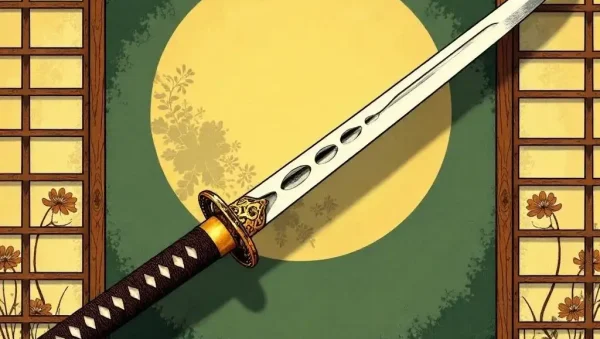
🗡️ Discover the captivating tales behind legendary samurai swords, as we delve into their historical significance and the cultural legacy they embody,…
Read article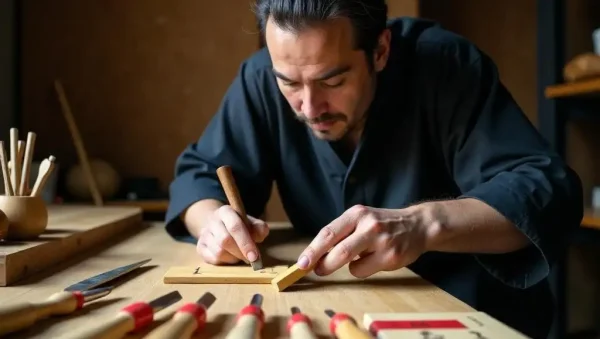
Choosing the right bokken is essential for both practice and appreciation of martial arts. This guide offers expert tips and recommendations to…
Read article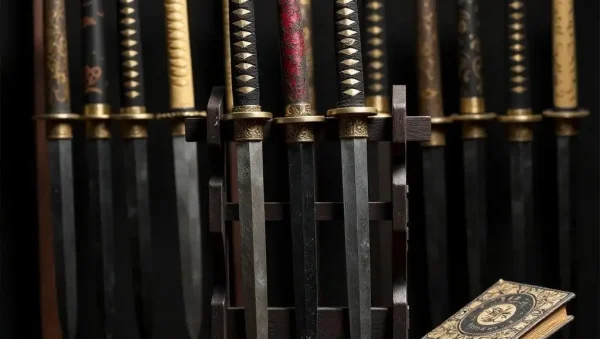
Exploring Collecting Samurai Swords Trends reveals a resurgence in appreciation for authentic craftsmanship, with collectors increasingly drawn to vintage blades, unique fittings,…
Read articleMartial Arts and Gear offers an in-depth guide to the combat traditions, training equipment, and legendary weapons associated with feudal Japan. Explore the history of Japanese martial arts, learn how to choose authentic training gear, and discover the craftsmanship behind samurai swords and other collectible blades.
Whether you are researching traditional Japanese martial arts, planning to visit a dojo, selecting protective equipment, or building a collection of historically inspired swords, this category provides practical and trustworthy information. Our expert-focused articles connect historical context with modern use, helping readers understand the origins, techniques, materials, and cultural significance of Japanese martial arts and samurai gear.
From kenjutsu and kendo to aikijujutsu, jujutsu, and related warrior traditions, you will find useful resources for beginners, experienced practitioners, history enthusiasts, and collectors. Discover how training methods developed during Japan’s feudal period and what to consider when evaluating Japanese martial arts schools, training equipment, and samurai swords.
This subcategory explores the top martial arts schools in Japan, including respected dojos, traditional training centers, and institutions connected to historic Japanese warrior arts. Readers can learn about the origins of different disciplines, the teaching philosophies of leading schools, and the etiquette expected inside a Japanese dojo.
Expect practical guidance on choosing a martial arts school in Japan, comparing styles such as kendo, karate, judo, aikido, and classical bujutsu, and understanding the difference between recreational, competitive, and lineage-based instruction. Articles also explain dojo etiquette, grading systems, training intensity, instructor qualifications, and cultural expectations so prospective students can make informed decisions.
The buying guides in this section help readers select reliable Japanese martial arts training gear for practice, competition, reenactment, or historical study. Find advice on choosing keikogi, hakama, belts, bokken, shinai, protective armor, gloves, footwear, and other essential equipment.
Each guide focuses on important factors such as materials, construction, fit, durability, safety, maintenance, and price. Whether you are purchasing your first uniform or upgrading specialized equipment, these resources make it easier to compare products and avoid common mistakes. Readers will also find recommendations for beginner martial arts gear, traditional Japanese equipment, dojo-ready clothing, and protective training accessories.
This subcategory examines the best samurai swords for collectors, with an emphasis on historical importance, craftsmanship, authenticity, condition, and responsible ownership. Learn about katana, wakizashi, tanto, tachi, and related Japanese sword types while exploring the role these weapons played in feudal Japanese society.
Our articles explain how to evaluate blade quality, mounts, signatures, provenance, age, steel composition, and restoration history. You can also discover the differences between traditionally made swords, modern reproductions, decorative blades, and licensed collectibles. Detailed advice on sword storage, maintenance, display, authentication, and Japanese sword terminology helps both new and experienced collectors protect their investments.
Important martial arts associated with feudal Japan include kenjutsu, iaijutsu, jujutsu, naginatajutsu, kyujutsu, and various schools of classical bujutsu. Modern disciplines such as kendo and judo developed later but preserve techniques, principles, or training traditions influenced by Japan’s warrior culture.
Consider the school’s discipline, teaching lineage, instructor experience, training schedule, location, language support, membership requirements, and approach to traditional etiquette. Visiting a dojo before enrolling is helpful because it allows you to observe instruction and determine whether the training environment suits your goals.
Most beginners need a suitable uniform, belt, and basic protective equipment appropriate to their discipline. Kendo practitioners may eventually require a shinai and armor, while students of Japanese sword arts may begin with a bokken. Always confirm equipment requirements with the instructor before making a purchase.
A traditionally made katana is crafted according to recognized Japanese sword-making methods and may require documentation or licensing, depending on its origin and location. Decorative swords are primarily intended for display and may use stainless steel or other materials unsuitable for practice. Buyers should verify construction, legal status, provenance, and intended use.
A collectible sword should be kept in a stable, dry environment away from direct sunlight, moisture, and rapid temperature changes. The blade should be handled carefully, maintained according to expert guidance, and stored securely. Valuable or historically significant swords should be assessed by a qualified Japanese sword specialist before cleaning or restoration.