
The Collector's Toolkit: Essential Gear for Caring for Samurai Swords

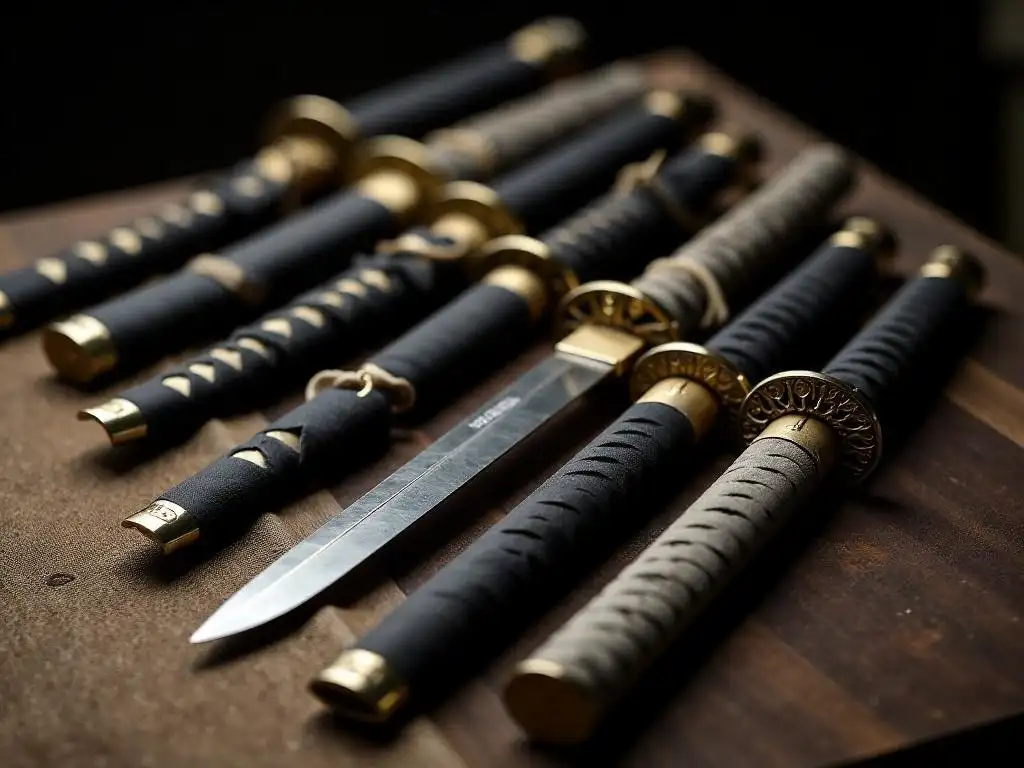
Welcome to Feudal Japan History, where we invite you to embark on a captivating journey through the intricate tapestry of Japan’s feudal era. In our featured article, "The Collector's Toolkit: Essential Gear for Caring for Samurai Swords," we delve into the art and reverence of maintaining these legendary weapons that embody the spirit of the samurai. Discover the essential gear and expert tips that not only protect these magnificent swords but also honor the rich history behind them.
Are you ready to unlock the secrets of sword care and embrace the legacy of the samurai? Dive in and let the exploration begin!
- Introduction to Caring for Samurai Swords
- Essential Gear for Caring for Samurai Swords
- Step-by-Step Guide to Caring for Samurai Swords
- Common Mistakes in Caring for Samurai Swords
- The Best Samurai Sword Care Products in 2024
- Conclusion: Investing in Your Samurai Sword Care
- Frequently Asked Questions
- Final Reflection: The Art of Caring for Samurai Swords
- Unleash Your Inner Samurai: Take Action Today!
Introduction to Caring for Samurai Swords
Caring for samurai swords is an essential practice for collectors and enthusiasts alike, as these remarkable weapons are not only functional tools of martial arts but also significant cultural artifacts steeped in history. Samurai swords, or katana, symbolize the spirit of the samurai and embody the artistry and craftsmanship of Japanese sword-making. Proper maintenance is crucial for preserving their beauty, functionality, and historical value. This article serves as a comprehensive guide to the essential gear and techniques needed for caring for samurai swords, ensuring that they remain in pristine condition for generations to come.
Understanding the Importance of Proper Maintenance
Maintaining samurai swords involves more than mere cleaning; it is an intricate process that ensures their longevity and performance. Here are some key reasons why proper maintenance is vital:
- Preservation of Value: Collectors understand that the value of a samurai sword can diminish significantly if it is not properly cared for. Regular maintenance helps retain its historical and monetary worth.
- Functional Integrity: A well-maintained sword will perform better during demonstrations or practices. Ensuring that the blade is sharp and free from rust is crucial for its effectiveness.
- Aesthetic Appeal: Samurai swords are renowned for their beauty. Regular care enhances the sword's appearance, allowing the intricate details of the blade and tsuba (handguard) to shine.
To effectively care for a samurai sword, collectors should invest in the right tools and develop a consistent maintenance routine that includes cleaning, oiling, and proper storage.
The Historical Significance of Samurai Swords in Japan
Samurai swords have a rich history that reflects the evolution of Japanese society and culture. These swords were not merely weapons; they were a symbol of status, honor, and the samurai's way of life.
- Cultural Heritage: The art of sword-making in Japan dates back over 1,000 years, with techniques handed down through generations. Each sword tells a story of the time and craftsmanship that went into its creation.
- Symbol of Honor: For samurai, the sword was an extension of their soul, representing their honor and duty. It was considered disgraceful to lose or have one's sword taken, underscoring its importance in the samurai code of conduct.
- Influence on Modern Culture: The legacy of samurai swords continues to permeate modern Japanese culture, influencing various art forms, literature, and even contemporary martial arts practices.
Understanding the historical significance of samurai swords adds depth to the practice of caring for them, as it connects collectors to the rich tapestry of Japan's feudal past. By appreciating the history behind these weapons, collectors can foster a deeper respect for the art of swordsmanship and the preservation of these iconic artifacts.
Essential Gear for Caring for Samurai Swords

Caring for samurai swords is a vital practice for collectors and enthusiasts alike. Proper maintenance not only preserves the aesthetic and functional qualities of these historical weapons but also enhances their value over time. A well-curated collector's toolkit is essential for this purpose, ensuring that each sword remains in pristine condition. Below, we will explore the essential components of this toolkit, providing insights into the specific tools that are indispensable for any serious samurai sword collector.
Overview of the Collector's Toolkit
A collector's toolkit for samurai swords typically includes a variety of specialized gear designed to address the unique needs of these weapons. Each tool serves a specific purpose, whether it be for cleaning, polishing, or storage. Understanding the role of each item is crucial for maintaining the integrity of the sword.
The following components are essential in any collector's toolkit:
- Preservation oils
- Cleaning cloths
- Detailing brushes
- Storage solutions
By equipping yourself with these tools, you can ensure that your samurai swords remain both functional and visually stunning.
Key Tools Every Collector Needs
1. Choji Oil for Preservation
One of the most critical items in a collector's toolkit is choji oil. This specialized oil is derived from clove oil and is used to protect the blade from rust and corrosion. Regular application of choji oil creates a thin barrier that prevents moisture from contacting the metal surface.
Benefits of Choji Oil:
- Rust Prevention: Protects against oxidation and rust formation.
- Enhances Appearance: Adds a subtle sheen to the blade, enhancing its visual appeal.
- Preserves Historical Integrity: Maintains the authenticity of the sword over time.
To apply choji oil, use a soft cloth to spread a thin layer over the blade, ensuring that all surfaces are covered without excess pooling.
2. Soft Cotton Cloths: The Right Material Matters
When it comes to cleaning and polishing samurai swords, the material of the cloth used is paramount. Soft cotton cloths are ideal because they are non-abrasive and will not scratch the delicate surface of the blade.
Recommended Practices:
- Regular Wipe-Downs: After each use, wipe the blade with a soft cotton cloth to remove fingerprints and moisture.
- Avoid Harsh Materials: Never use rough or synthetic materials, as these can damage the finish of the sword.
Having a dedicated set of soft cotton cloths for different purposes (e.g., cleaning, oil application, and polishing) is advisable for optimal care.
3. Maintenance Brushes for Detailing
To maintain the intricate details and fittings of samurai swords, maintenance brushes are essential. These brushes come in various shapes and sizes, allowing collectors to clean hard-to-reach areas without damaging the blade or the tsuka (handle).
Types of Brushes:
- Soft-Bristled Brushes: Ideal for dusting and gentle cleaning.
- Detail Brushes: Perfect for intricate designs and carvings on the tsuba (guard) and other fittings.
Using maintenance brushes regularly helps to keep the sword free of dust and grime, preserving its historical and aesthetic value.
4. Storage Solutions: Display Cases and Stands
Proper storage is crucial in caring for samurai swords. Display cases and stands not only enhance the aesthetic presentation of your collection but also provide protection from environmental factors.
Storage Options:
- Glass Display Cases: Protect swords from dust and physical damage while allowing for visibility.
- Wooden Stands: Provide a stable platform for displaying swords and help prevent bending or warping of the blade.
When storing samurai swords, ensure they are kept in a dry, stable environment to avoid humidity and temperature fluctuations that could lead to deterioration.
By investing in these essential tools and practices, collectors can effectively care for their samurai swords, ensuring that these magnificent pieces of history remain preserved for future generations to admire.
Step-by-Step Guide to Caring for Samurai Swords
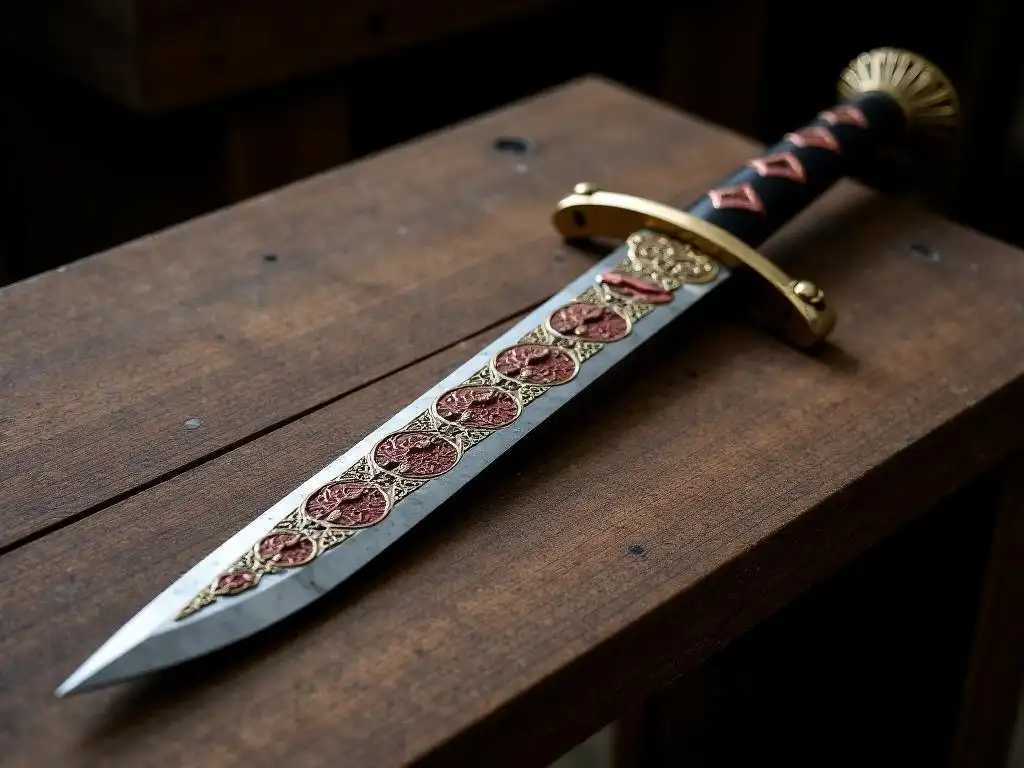
Caring for samurai swords requires a meticulous approach, ensuring that these historical artifacts are preserved in their best condition. This step-by-step guide will walk you through essential practices for maintaining your samurai swords, allowing collectors to appreciate their beauty and craftsmanship while preserving their value.
Preparing Your Workspace for Sword Maintenance
Before diving into the maintenance process, it is crucial to set up a proper workspace. A clean and organized environment minimizes the risk of damage to the sword and enhances the efficiency of your maintenance routine. Here are some key elements to consider:
- Clean Surface: Use a soft, non-abrasive cloth or mat to lay your sword on. This protects the blade from scratches and prevents any contaminants from scratching the surface.
- Good Lighting: Ensure your workspace is well-lit. Natural light works best, but if that's not possible, use bright, diffused artificial lighting to avoid harsh shadows that can obscure details.
- Essential Tools: Gather the necessary tools for sword care, including:
- Soft cloths: For drying and polishing.
- Cotton swabs: To reach crevices.
- Pencil and notebook: For noting any observations or issues.
- Safety Gear: While handling swords, wear gloves to prevent fingerprints and oils from your skin from damaging the blade. Additionally, consider wearing an apron to protect your clothing.
- Distraction-Free Zone: Choose a quiet area to focus solely on the sword care process. Turn off any distractions, such as televisions or radios, to maintain your concentration.
Cleaning Your Samurai Sword: Techniques and Products
Cleaning your samurai sword is a critical aspect of its maintenance, ensuring that the blade remains free of rust, dirt, and other contaminants. The process includes several techniques that help preserve both the aesthetics and function of the sword.
- Dusting: Begin by using a soft, dry cloth to gently dust off the sword. This removes surface dust without scratching the blade.
- Wiping: Moisten a cloth with a bit of mineral oil or specialized sword oil. Wipe the blade in a single direction, following the natural curve of the sword. Avoid circular motions, as they can create micro-scratches.
- Cleaning the Tsuba and Fittings: Use a damp cloth to clean the tsuba (guard) and other fittings, being careful not to let moisture seep into any joints.
- Drying: After cleaning, use a dry cloth to buff the blade. This step is crucial to prevent moisture from causing corrosion.
- Oiling: Once the sword is clean and dry, apply a thin layer of oil to the blade. This forms a protective barrier against moisture and oxidation.
Recommended Cleaning Products
Selecting the right cleaning products is vital for maintaining the integrity of your samurai sword. Here are some reputable options:
| Product Name | Description | Usage |
|---|---|---|
| Hōchō | A traditional Japanese sword oil that is effective in preventing rust and corrosion. | Apply sparingly after cleaning. |
| Swords of Northshire Oil | A specialized oil designed for sword maintenance, free from harmful additives. | Use regularly for protection. |
| Microfiber Cloths | Soft and non-abrasive, ideal for dusting and polishing without scratching. | Use for all cleaning tasks. |
| Cotton Swabs | Perfect for reaching tight areas and cleaning intricate designs on fittings. | Utilize for detailed cleaning. |
By following this step-by-step guide and utilizing the recommended products, collectors can ensure their samurai swords are well-maintained, preserving their historical significance and aesthetic beauty for generations to come.
Oiling Your Blade: Best Practices
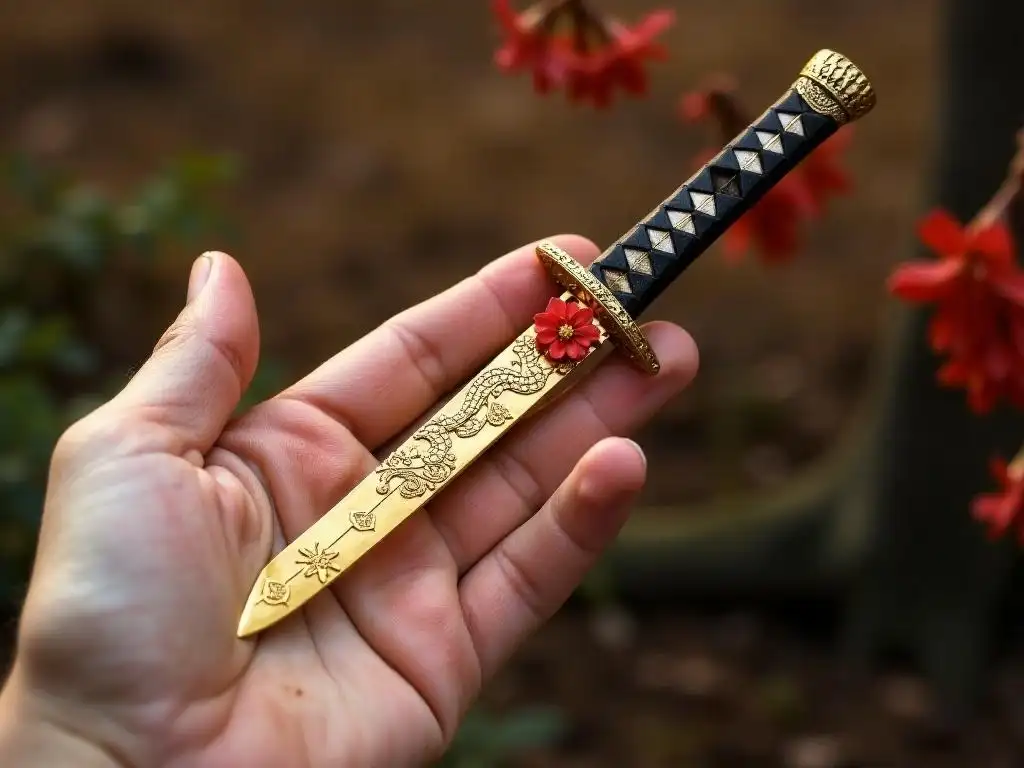
Caring for samurai swords is crucial to maintaining their integrity, aesthetics, and functionality. One of the most important aspects of this care is oiling the blade. Oiling not only protects the blade from rust and corrosion but also enhances its visual appeal and preserves its historical value. Here are some best practices for oiling your samurai sword:
- Choose the Right Oil: It is essential to select a high-quality oil specifically designed for swords. Traditional oils, such as mineral oil or specialized sword oils, are excellent choices as they do not contain acids or other corrosive agents.
- Clean the Blade First: Before applying oil, ensure that the blade is clean. Use a soft, lint-free cloth to wipe off any dust, fingerprints, or residue. If the blade is particularly dirty, use a slightly damp cloth followed by a dry one.
- Apply Oil Sparingly: When applying oil, use a few drops on a clean cloth and gently rub it along the entire length of the blade. Avoid over-oiling, as excess oil can attract dust and dirt, which may lead to further maintenance issues.
- Focus on the Hamon: Pay special attention to the hamon (the temper line on the blade) while oiling, as this area can be more susceptible to corrosion. Ensure that oil is distributed evenly along this unique feature.
- Frequency of Oiling: Depending on the climate and storage conditions, it is advisable to oil your blade every few months or after use. In humid environments, more frequent oiling may be necessary to prevent rust.
Product Recommendations
- Mizu Asagi Oil: Known for its protective qualities, Mizu Asagi oil is a top choice among collectors. It is a natural mineral oil that provides a thin protective layer, preventing rust while enhancing the blade's shine.
- Choji Oil: This traditional oil, often mixed with clove oil, not only protects but also gives a pleasant scent. It's widely used and respected in the sword-collecting community.
Sharpening your samurai sword is an essential part of its maintenance. A sharp blade not only enhances performance but also ensures safety during handling. Here are some techniques and tools that will help you achieve the best results:
- Understanding the Blade's Geometry: Before sharpening, familiarize yourself with the specific geometry of your sword. Different swords may have varying angles and curves that require different approaches.
- Choosing the Right Method: There are various methods to sharpen a samurai sword, including freehand sharpening, guided systems, and using a sharpening jig. Each method has its pros and cons, and the choice depends on personal skill levels and desired results.
- Regular Maintenance: Regularly strop your blade after use to maintain its sharpness. This simple step can prolong the time between significant sharpening sessions.
Top Sharpening Stones for Samurai Swords
- Shapton Glass Stones: These professional-grade stones are known for their durability and consistent performance. They come in various grits, allowing for precise sharpening and finishing. Their flat surface ensures even sharpening across the blade.
- Naniwa Chosera Stones: Highly regarded for their fast cutting ability, these stones are excellent for both initial sharpening and finishing. Their unique composition allows them to maintain their flatness over time, making them a favorite among sword enthusiasts.
- King Water Stones: A popular choice for beginners, King stones offer a balance between affordability and performance. They provide a good surface for sharpening and are easy to use, making them ideal for collectors just starting out.
Common Mistakes in Caring for Samurai Swords
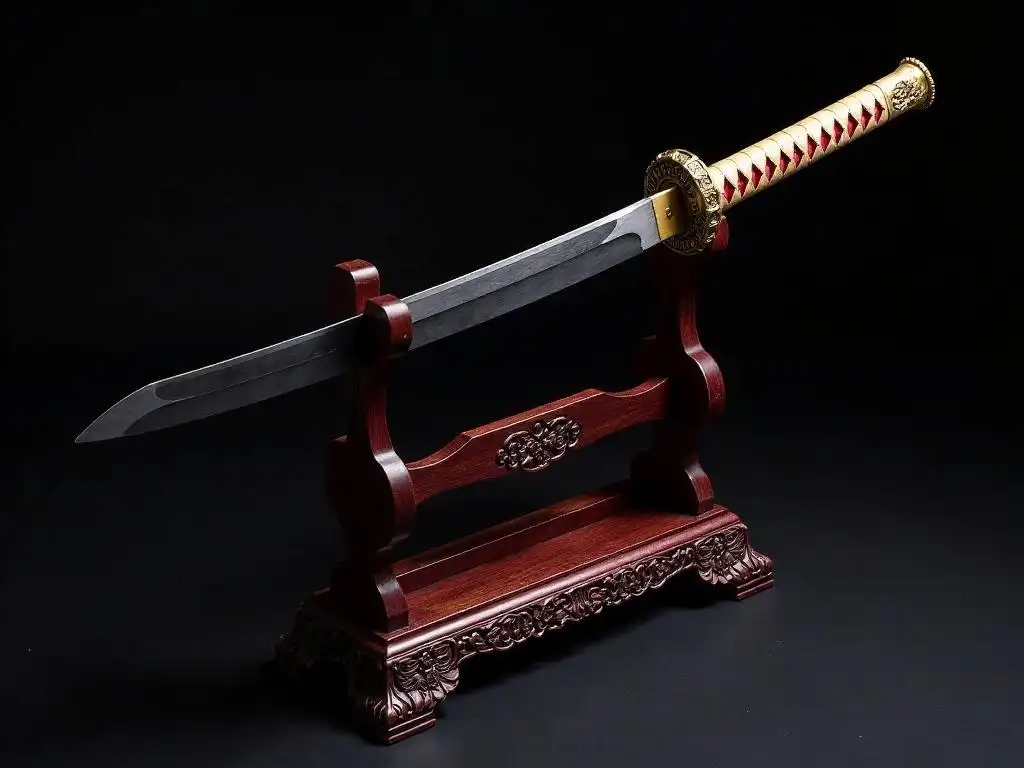
Caring for samurai swords is an art that requires knowledge, precision, and respect for these historical artifacts. As a collector, understanding common mistakes can help preserve the integrity and beauty of your blades for generations to come. Below, we explore the most frequent missteps collectors make and how to avoid them.
Avoiding Damage: What Not to Do
When it comes to caring for samurai swords, there are several actions that can lead to irreversible damage. Here are some key practices to avoid:
- Neglecting Regular Maintenance: Failing to regularly clean and oil your sword can lead to rust and corrosion. It’s vital to establish a maintenance routine, especially in humid environments.
- Using Abrasive Cleaners: Many collectors mistakenly believe that strong chemical cleaners will help restore a sword's shine. However, these can scratch and damage the delicate surface of the blade. Instead, opt for specialized sword oils and soft cloths.
- Improper Storage: Storing swords in damp or extreme temperature conditions can warp or tarnish the blade. Always keep your samurai sword in a controlled environment, using a sword stand or a protective sheath to prevent unnecessary contact with air.
- Handling the Blade Incorrectly: Touching the blade with bare hands can leave oils and moisture that lead to rust. Always use a clean cloth or gloves when handling your swords.
- Ignoring the Tsuba and Tsuka: The guard (tsuba) and handle (tsuka) of the sword should not be overlooked. They also require regular inspection and cleaning to prevent deterioration.
By avoiding these common mistakes, collectors can ensure their samurai swords remain in pristine condition.
Myths about Samurai Sword Maintenance
Despite the wealth of information available, many myths persist regarding the maintenance of samurai swords. Understanding these misconceptions is essential for proper care.
Debunking Misconceptions about Blade Care
-
Myth: Any Oil Will Do
Reality: While it may seem convenient to use any household oil, specific oils designed for swords, such as choji oil, are essential for protecting the blade without damaging it.
-
Myth: Swords Don’t Need to Be Cleaned if Not Used
Reality: Even when not in use, swords can accumulate dust and moisture. Regular cleaning is necessary to prevent long-term damage.
-
Myth: Sharpening is Overrated
Reality: Many collectors believe that a sword should only be sharpened when needed. However, regular maintenance of the edge, using proper techniques, maintains both performance and aesthetic value.
-
Myth: All Swords are the Same
Reality: Different types of samurai swords require distinct care techniques. For example, katana, wakizashi, and tanto may have different maintenance needs based on their construction and purpose.
By dispelling these myths, collectors can approach the maintenance of their samurai swords with the correct knowledge and techniques, ensuring their historical and aesthetic value is preserved.
The Best Samurai Sword Care Products in 2024

Top Brands for Sword Maintenance Gear
When it comes to caring for samurai swords, selecting the right maintenance gear is essential for preserving the quality and integrity of these historical artifacts. As 2024 unfolds, several brands stand out for their commitment to quality and effectiveness in sword care products. Below are some of the top brands that collectors and enthusiasts should consider:
1. Koshirae: Premium Care Kits
Koshirae is synonymous with high-end sword maintenance. Their premium care kits are designed for collectors who demand the best for their samurai swords.
-
Features:
- Quality Materials: Koshirae uses top-tier oils and cloths that are specifically formulated for blade care.
- Comprehensive Kits: Each kit typically includes a cleaning solution, specialized polishing cloths, and a maintenance guide.
- Customization: Koshirae offers tailored kits for different sword types, ensuring optimal care for each unique piece.
-
Example Products:
Product Name Description Price Range Koshirae Ultimate Kit Includes everything for full maintenance $100 - $150 Koshirae Polish Set Focused on blade polishing $50 - $80
Koshirae’s attention to detail and quality makes it a go-to for serious collectors who understand the importance of caring for samurai swords.
2. Tozando: Affordable Solutions
Tozando is known for making sword care accessible without compromising quality. Their affordable solutions cater to both novice collectors and those on a budget.
-
Features:
- Budget-Friendly Kits: Tozando's kits provide essential care items at a fraction of the cost of premium brands.
- User-Friendly Products: Designed with the average collector in mind, these products are easy to use and effective.
- Variety of Options: From simple cleaning oils to full maintenance kits, Tozando offers a range of products to meet diverse needs.
-
Example Products:
Product Name Description Price Range Tozando Basic Kit Essential items for beginners $30 - $50 Tozando Cleaning Oil Effective oil for regular maintenance $10 - $20
Tozando empowers sword enthusiasts to maintain their collections without breaking the bank, making sword care accessible to all.
3. Gesshin: Specialty Cleaning Products
Gesshin stands out for its specialty cleaning products tailored specifically for high-quality samurai swords. Their focus on preservation and restoration makes them a favorite among experienced collectors.
-
Features:
- Innovative Formulas: Gesshin uses advanced formulations designed to remove blemishes while protecting the blade.
- Expert Recommendations: Many collectors and professionals recommend Gesshin products for their reliability and effectiveness.
- Targeted Products: From rust removal to blade polishing, Gesshin offers a wide array of specialized items.
-
Example Products:
Product Name Description Price Range Gesshin Blade Polish Designed for high-gloss finishes $40 - $60 Gesshin Rust Remover Effective solution for rust issues $20 - $35
Gesshin's dedication to quality and its specialized focus makes it an excellent choice for those serious about caring for samurai swords.
Whether you are a seasoned collector or just beginning your journey in the world of samurai swords, choosing the right care products is vital. Koshirae, Tozando, and Gesshin offer a range of options that cater to various needs and budgets, ensuring that every sword can be maintained in pristine condition for generations to come.
Conclusion: Investing in Your Samurai Sword Care
Caring for samurai swords is not just a practical necessity; it is an investment in both the longevity of the sword and the preservation of its historical and cultural significance. By dedicating time and resources to proper maintenance, collectors can ensure their swords remain in optimal condition, reflecting the beauty and craftsmanship of feudal Japan.
The Long-Term Benefits of Proper Care
Investing in the care of samurai swords yields multiple long-term benefits that extend beyond mere aesthetic appeal:
- Preservation of Value
- Market Value: Samurai swords are not only functional weapons but also valuable collectibles. Proper care can significantly enhance their market value. A well-maintained sword is more likely to appreciate over time.
- Historical Significance: Many swords have deep historical roots. Ensuring they are well-preserved protects their legacy and the story they carry.
- Enhanced Aesthetic Appeal
- Visual Quality: Regular cleaning and maintenance help retain the blade's luster and the beauty of its craftsmanship. This is especially important for collectors who display their swords.
- Cultural Integrity: Caring for samurai swords preserves the traditional aesthetics that reflect the artistry of the era, making them not just items of interest but pieces of cultural heritage.
- Functional Integrity
- Operational Reliability: For collectors who choose to use their swords, proper care ensures that the blade maintains its sharpness and structural integrity, making it safe and reliable for practice.
- Prevention of Damage: Regular inspections and maintenance can prevent rust, corrosion, and other forms of damage that might compromise the sword's functionality.
Final Recommendations for Collectors
To aid collectors in their journey of caring for samurai swords, here are some essential recommendations:
- Establish a Routine Maintenance Schedule
- Create a regular cleaning and inspection routine, ideally after each use. This includes wiping down the blade, checking for any signs of rust, and ensuring the fittings are secure.
- Invest in Quality Care Products
- Use high-quality cleaning materials specifically designed for swords. This includes:
- Oil: Use tamahagane oil or choji oil. These oils help prevent rust and maintain the blade's finish.
- Cloths: Soft cotton cloths or specialized sword cleaning cloths should be used to avoid scratches.
- Use high-quality cleaning materials specifically designed for swords. This includes:
- Store Properly
- Ensure that swords are stored in a dry, temperature-controlled environment. Use a sword stand or a display case to protect them from dust and environmental damage.
- Seek Expert Help When Needed
- If a sword requires significant restoration or repair, consult a professional sword polisher or restorer who specializes in samurai swords. This ensures that the work maintains the integrity and value of the piece.
By following these recommendations, collectors can effectively care for their samurai swords, ensuring that these magnificent pieces of history are preserved for future generations.
Frequently Asked Questions
What is the best way to clean samurai swords?
To clean samurai swords, use a soft cloth to gently wipe the blade. Avoid harsh chemicals and instead use a mixture of light oil to protect the blade's surface.
How often should I maintain my samurai sword?
Regular maintenance is essential; it is recommended to check your sword every few months. This includes cleaning and applying protective oil to prevent rust.
What tools are essential for caring for samurai swords?
Key tools include a cleaning kit with oil, a soft cloth, and a polishing stone. These items help preserve the sword’s condition and ensure its longevity.
Can I store my samurai sword in a wooden sheath?
Yes, storing your samurai sword in a wooden sheath is ideal as it allows for breathability. Ensure that the sheath is clean and dry to prevent moisture buildup.
What are the signs that my samurai sword needs professional care?
Look for signs of rust, dullness in the blade, or any damage to the handle. If these issues arise, it's best to seek professional care to restore the sword properly.
Final Reflection: The Art of Caring for Samurai Swords
Caring for samurai swords is not just a matter of maintenance; it is a profound act of respect and reverence for a rich cultural heritage. As we navigate a world increasingly disconnected from traditional craftsmanship, the importance of preserving these historical artifacts becomes ever more relevant. The elegance and craftsmanship of samurai swords are not merely relics of the past; they are living embodiments of artistry and discipline that deserve our attention and care.
The practice of caring for samurai swords influences not only collectors but also the broader cultural appreciation for craftsmanship and history. As we engage with these magnificent pieces, we are reminded of the dedication and skill that went into their creation. This connection fosters a deeper understanding of the values they represent, such as honor, respect, and the pursuit of excellence. A sword is a reflection of its owner; it tells a story of its past and the care it has received.
This sentiment encapsulates the ongoing dialogue between the collector and the sword, emphasizing the importance of stewardship in preserving these treasures for future generations.
As you reflect on the insights shared in this article, I invite you to consider how you can incorporate the principles of care and respect into your own life. Whether you are a collector or simply an admirer of craftsmanship, take a moment to appreciate the stories behind the objects you cherish. Embrace the responsibility of preservation, not just for samurai swords, but for all aspects of our cultural heritage. Let this be a call to action: honor the past, nurture the present, and inspire future generations to appreciate the beauty and significance of the art of caring.
Unleash Your Inner Samurai: Take Action Today!
Thank you for immersing yourself in the fascinating world of samurai swords! We hope you found valuable insights into essential care gear for your collection. Now, it's time to put that knowledge into practice and elevate your collector's journey.
Here are a few simple steps you can take right now:
- Invest in a protective display: Consider purchasing a high-quality sword stand or display case to showcase your prized samurai sword while keeping it safe from dust and damage.
- Join a collector's community: Connect with fellow enthusiasts on online forums or local clubs to share tips, experiences, and stories that will deepen your appreciation for this noble art.
- Learn proper maintenance techniques: Watch tutorials or read guides on cleaning and preserving your sword to ensure it lasts for generations to come.
What actions will you take to enhance your samurai sword collection today? Share your thoughts and join the conversation!