
Authenticity Matters: How to Spot the Best Samurai Swords for Collectors

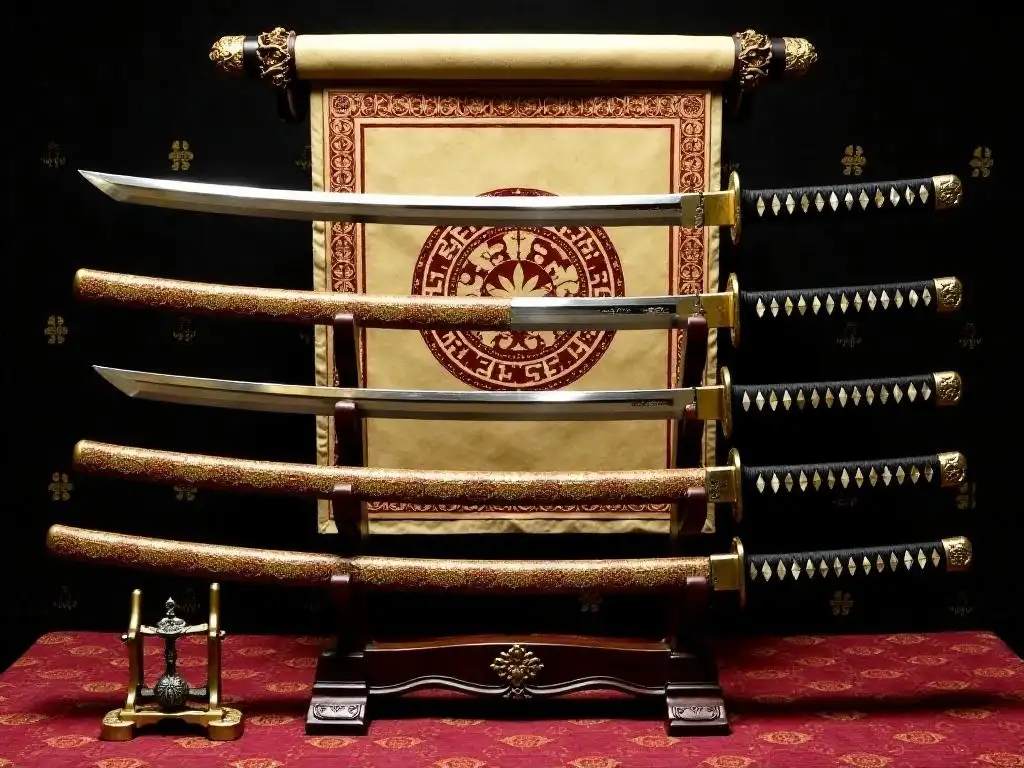
Welcome to Feudal Japan History, where we invite you to journey through the captivating and intricate tapestry of Japan’s feudal era. Our expert-driven articles delve deep into the historical, cultural, and societal aspects that shaped this remarkable period. In today’s feature, "Authenticity Matters: How to Spot the Best Samurai Swords for Collectors," we explore the artistry and significance of these iconic weapons. Are you ready to uncover the secrets behind selecting the finest samurai swords? Join us as we slice through myths and reveal what truly makes a sword worthy of a collector's admiration.
Introduction to Samurai Swords and Their Significance
Samurai swords, or katana, are not merely weapons; they are an integral part of Japan's cultural heritage and symbolize the honor, skill, and artistry of the samurai class. These elegantly crafted blades, often characterized by their distinctive curved shape, intricate designs, and exceptional craftsmanship, hold deep historical significance. Throughout Japan's feudal era, samurai swords were not only tools for battle but also embodiments of the samurai's spirit and philosophy.
For collectors, acquiring the best samurai swords is both an art and a science. Understanding the nuances of authenticity, craftsmanship, and historical context is crucial in distinguishing genuine pieces from reproductions. With the rise in popularity of samurai swords among enthusiasts, the market has seen an influx of imitations, making it essential for collectors to develop a keen eye for detail.
In this article, we will delve into the key aspects that define authentic samurai swords, exploring their historical significance, the intricate craftsmanship involved, and the elements to consider when searching for valuable pieces. By the end, collectors will be equipped with the knowledge needed to make informed decisions and appreciate the rich legacy that these extraordinary weapons represent.
Stay tuned as we explore the fascinating world of samurai swords, ensuring that authenticity matters in every collector's journey.
- What are the key features of authentic samurai swords?
- How can I determine the value of a samurai sword?
- What should I avoid when buying samurai swords for my collection?
- Are there specific brands known for quality samurai swords?
- Where can I find reliable information on samurai swords for collectors?
Understanding the Best Samurai Swords for Collectors
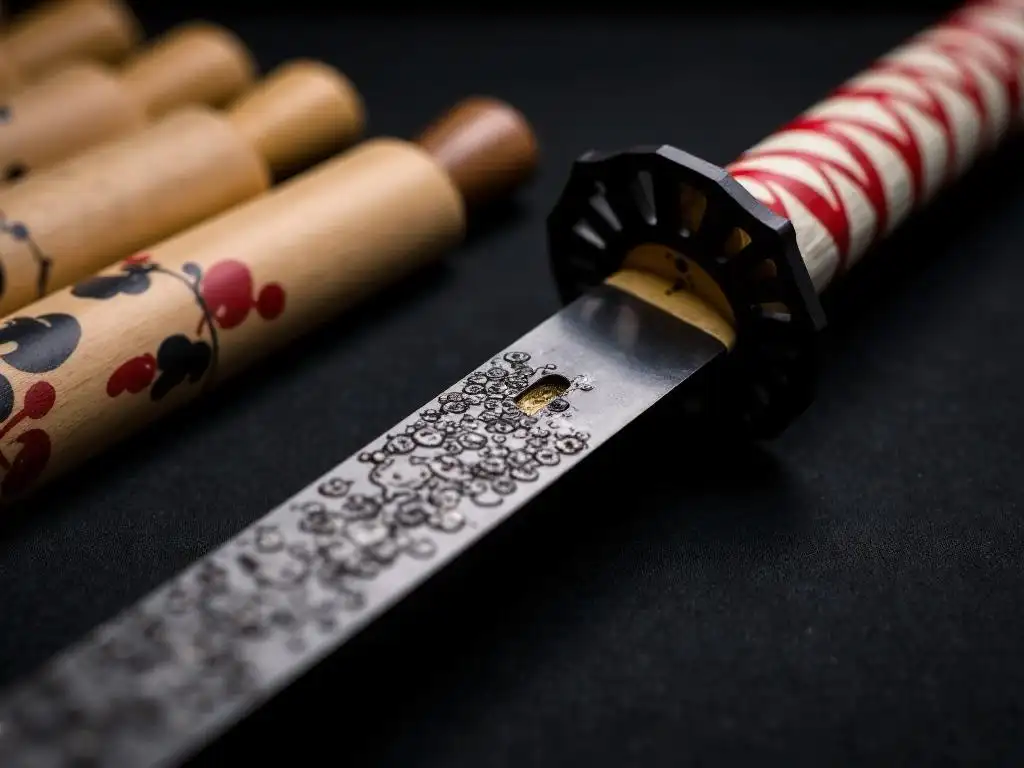
In the realm of martial arts and historical artifacts, samurai swords hold a unique and revered status. For collectors, identifying the best samurai swords for collectors is not merely about aesthetics; it encompasses understanding the craftsmanship, historical significance, and cultural value of these iconic weapons.
Collecting samurai swords is an intricate endeavor that requires a keen eye and a deep appreciation for the nuances that differentiate a mere replica from a genuine artifact. This section delves into the essential criteria that define quality samurai swords, along with the historical evolution that has shaped these magnificent weapons throughout Japan's feudal era.
What Defines a Quality Samurai Sword?
When assessing the quality of a samurai sword, several key factors come into play. Collectors should consider the following attributes:
- Blade Construction: The traditional method of forging a samurai sword involves folding and tempering high-carbon steel. This process creates a blade with exceptional hardness and flexibility. Look for swords made with techniques such as Tamahagane steel, which is highly prized for its quality.
- Hamon Line: The distinctive temper line visible on the blade, known as the hamon, is a hallmark of a well-crafted sword. This line is created during the quenching process and varies in appearance, reflecting the skill of the smith. A pronounced and aesthetically pleasing hamon can significantly enhance a sword's value.
- Tsuba (Guard): The tsuba is the handguard of the sword and can vary greatly in design and material. Quality tsubas are often intricately designed and made from materials like brass or iron, showcasing craftsmanship that complements the blade.
- Length and Weight: The dimensions of the sword can affect its usability and balance. Traditional katana-style swords typically measure between 24 to 30 inches in blade length, with weight considerations varying based on the intended use (e.g., display vs. martial practice).
- Provenance and Certification: Collectors should seek swords with verified histories. Documentation, such as certificates of authenticity from recognized organizations or museums, can greatly increase the sword's value and assurance of quality.
- Condition: The overall condition of the sword, including any signs of wear or restoration, plays a crucial role in its value. Original, unaltered pieces are often more sought after by collectors.
The best samurai swords for collectors encapsulate a blend of traditional craftsmanship, aesthetic appeal, and historical authenticity. Collectors should arm themselves with knowledge and resources to ensure they make informed decisions.
The Evolution of Samurai Swords in Feudal Japan
The development of samurai swords throughout the feudal era of Japan reflects the changing needs and values of the society that wielded them. Understanding this evolution can provide collectors with deeper insights into what makes certain swords more desirable.
- Heian Period (794-1185): The early stages of sword-making in Japan saw the emergence of the tachi, a long, curved sword primarily used by mounted samurai. These swords were characterized by their length and were often worn suspended edge-down.
- Kamakura Period (1185-1333): As warfare intensified, the katana began to gain prominence. The shift from the tachi to the katana marked a significant evolution in design, with a focus on a shorter blade that allowed for quicker draw and cut techniques.
- Muromachi Period (1336-1573): This era witnessed refined sword-making techniques, with the introduction of the wakizashi, a companion sword to the katana. The hamon became more pronounced, showcasing the craftsmanship of skilled smiths.
- Edo Period (1603-1868): The Edo period was a time of peace, resulting in a shift from swords as weapons to symbols of status and artistry. The decoration of blades and fittings became a focal point, leading to the creation of swords that were as much art pieces as they were functional weapons.
- Modern Era: Today, the legacy of samurai swords continues through the work of contemporary craftsmen who blend traditional methods with modern technology. Collectors often seek swords that reflect historical significance, craftsmanship, and cultural heritage.
The evolution of samurai swords in feudal Japan not only signifies advancements in martial technology but also mirrors the societal values and artistic expressions of the time. For collectors, understanding this evolution is crucial in distinguishing the best samurai swords that hold both historical significance and collector value.
Key Factors to Consider When Choosing the Best Samurai Swords
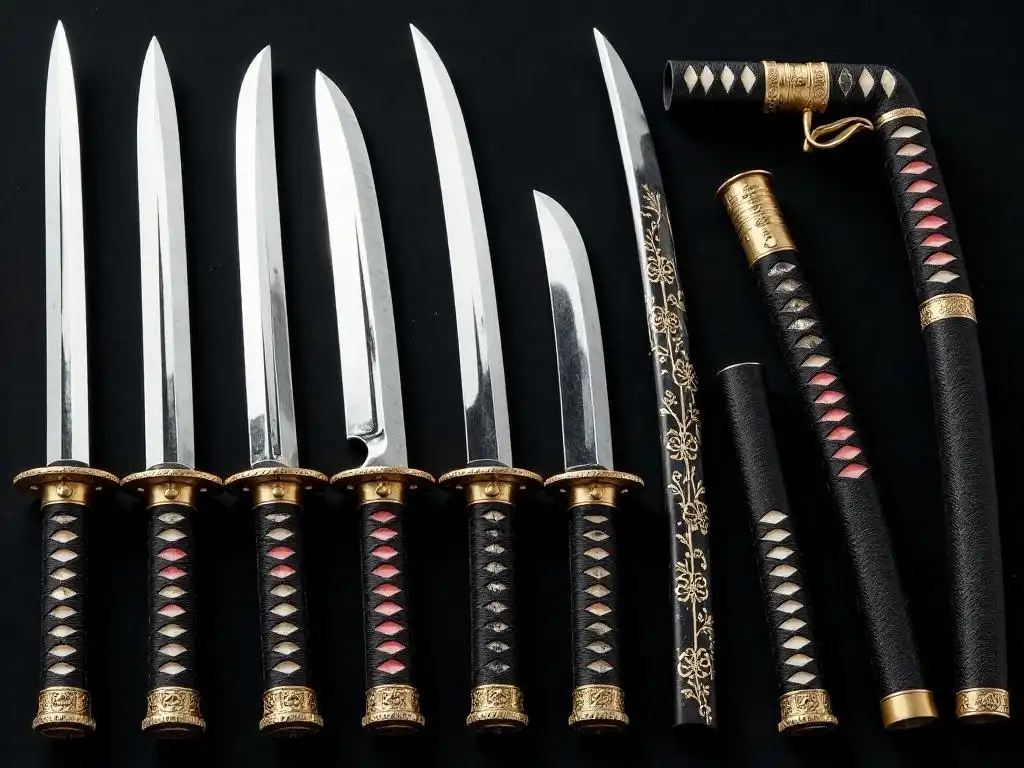
When selecting the best samurai swords for collectors, it is crucial to consider various factors that influence both the quality and authenticity of the sword. These considerations go beyond mere aesthetics and delve into the historical significance and craftsmanship that each blade embodies. Here are several key factors to keep in mind:
- Authenticity: Ensure that the sword is not a modern reproduction but an authentic piece, preferably with historical provenance.
- Condition: Assess the overall condition of the sword. Look for any signs of damage or excessive wear that may detract from its value.
- Provenance: A sword with a well-documented history or previous ownership can significantly enhance its value and interest.
- Documentation: Collecting swords with accompanying documents, such as certificates of authenticity or appraisals, is advisable.
Understanding these factors will guide collectors in making informed decisions when purchasing samurai swords.
Blade Material and Construction
The blade material and construction are pivotal aspects that determine the quality of a samurai sword. Traditionally, genuine samurai swords were crafted using high-carbon steel, specifically tamahagane. This material is notable for its ability to hold a sharp edge while being flexible enough to withstand combat stress. Here’s what to look for:
- Tamahagane Steel: The best samurai swords are made from tamahagane, which is produced from iron sand and smelted in a tatara (a traditional furnace). The resulting steel exhibits unique properties that enhance both performance and durability.
- Differential Hardening: Authentic samurai swords often feature a differential hardening technique, where the blade is heated and then quenched in water. This process creates a hard edge while keeping the spine softer, allowing for flexibility.
- Construction Techniques: Pay attention to the construction techniques employed, such as folding and Damascus patterns. Folding layers of steel creates a blade that is not only strong but also visually striking.
Signature Elements of Authentic Samurai Swords
Identifying the signature elements of authentic samurai swords is crucial for collectors. These elements often reflect the craftsmanship and artistry involved in their creation. Key features include:
- Tsuba (Guard): The tsuba is a distinctive handguard that can be intricately designed. Authentic swords will often have unique tsuba made from various materials, such as brass, iron, or even precious metals.
- Tsuka (Handle): The handle should be wrapped with traditional tsuka-ito (cord), which is often made of cotton or silk. The wrapping technique and materials used can indicate the sword's age and authenticity.
- Signature (Mei): Authentic samurai swords are typically signed by the maker. The mei can provide valuable information about the sword's origin and can be a crucial aspect of its authenticity.
- Habaki (Blade Collar): This metal collar fits snugly around the blade's base, securing it in the scabbard. The craftsmanship of the habaki can also signify the quality of the sword.
Recognizing Forging Techniques
Understanding the forging techniques used in the creation of samurai swords is essential for collectors. Different methods yield distinct characteristics that can help identify the sword's authenticity and craftsmanship. Here are some notable techniques:
- Kitae (Forging): The forging process involves repeatedly hammering and folding the steel to create layers. This technique enhances the blade's strength and sharpness, contributing to its overall performance.
- Yaki-ire (Quenching): This technique involves heating the blade and then rapidly cooling it. The precise temperature control during this process affects the blade's hardness and flexibility, revealing the skill of the swordsmith.
- Tachi and Katana Differences: Understanding the differences in forging techniques between the tachi and katana can also assist collectors. While both are types of samurai swords, their forging methods and intended uses differ significantly.
- Signature Patterns: Many swords feature unique patterns in the steel, known as hada, which are indicative of the specific forging techniques employed. Recognizing these patterns can aid collectors in determining authenticity.
By familiarizing oneself with these key factors, collectors can better navigate the intricate world of samurai swords, ensuring they make informed and worthwhile acquisitions.
The Best Samurai Swords for Collectors in 2024
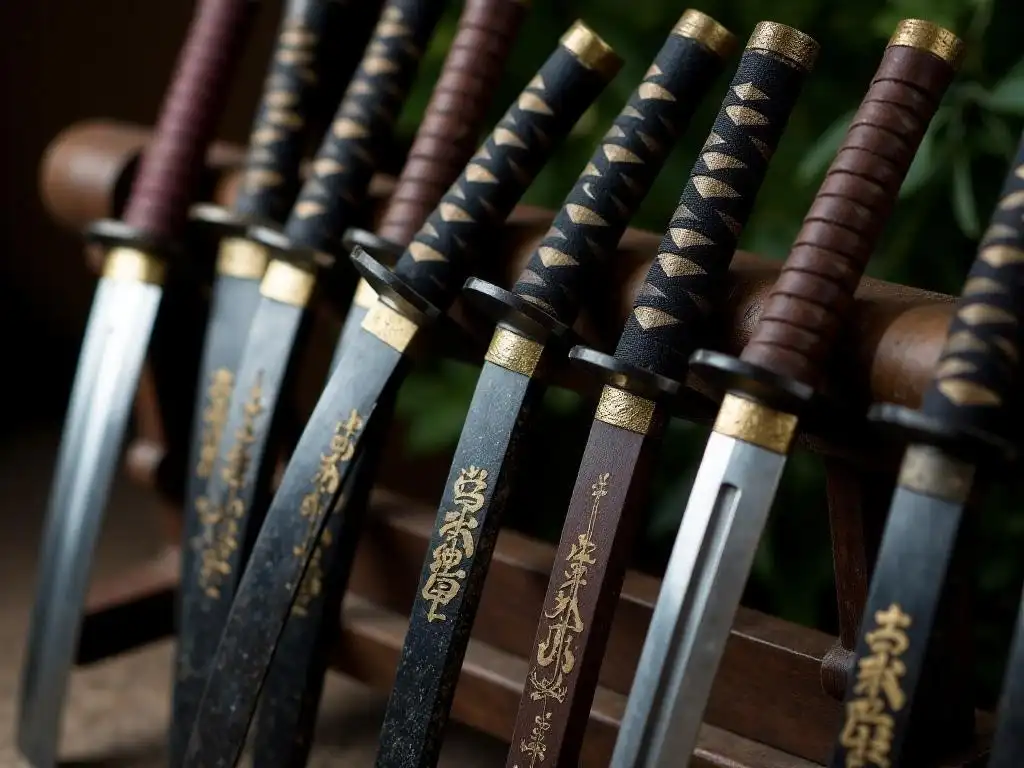
Top Recommended Samurai Swords
As the interest in samurai swords continues to grow among collectors and enthusiasts, 2024 presents a diverse selection of options that combine authenticity, craftsmanship, and aesthetic appeal. Here, we delve into some of the best samurai swords for collectors this year, showcasing their unique features and attributes that make them stand out in the realm of martial arts gear.
Hanwei Practical Katana: The Ultimate Collector's Item
The Hanwei Practical Katana has established itself as one of the most sought-after swords for collectors. Known for its exceptional quality and durability, this katana is designed for both display and practical use.
- Key Features:
- Blade Material: High-carbon steel, expertly forged for superior strength.
- Length: Standard blade length of 28 inches, ideal for a variety of techniques.
- Tsuba Design: Simple yet elegant, featuring a traditional round guard.
The Hanwei Practical Katana is not just a weapon; it embodies the spirit of the samurai and is perfect for those who appreciate both function and form.
Collectors appreciate its balance and handling, making it suitable for practitioners of iaido or kendo. Additionally, its affordability compared to other high-end swords makes it accessible for novice and experienced collectors alike.
Paul Chen Shinto Katana: A Reflection of Craftsmanship
The Paul Chen Shinto Katana showcases the intricate craftsmanship that is characteristic of traditional Japanese sword-making. This sword is a tribute to the artistic heritage of the samurai, making it a prized possession for any collector.
- Key Features:
- Blade Material: 1060 high carbon steel, providing excellent edge retention and durability.
- Length: Approximately 28.5 inches, offering a balanced feel.
- Hamonic Detail: Visible temper line, known as "hamon," adds to the sword's aesthetic appeal.
With its stunning craftsmanship and historical significance, the Paul Chen Shinto Katana is a true collector's gem.
This katana is not only visually appealing; it is also highly functional, making it suitable for both practice and display. Collectors often admire the attention to detail in its fittings and the authenticity of its design.
Cold Steel Katana: The Perfect Balance of Beauty and Function
The Cold Steel Katana stands out for its innovative design and robust construction, making it an excellent choice for collectors who value both beauty and practicality.
- Key Features:
- Blade Material: 1095 high carbon steel, known for its hardness and edge retention.
- Length: 29 inches, providing an impressive reach.
- Handle: Wrapped in traditional tsuka-ito, ensuring a secure grip.
The Cold Steel Katana is often praised for its impressive performance in cutting tests while maintaining a stunning aesthetic.
This sword is particularly favored by collectors who participate in martial arts, as its performance is well-regarded in both practice and demonstration settings. Its combination of durability and design makes it a versatile addition to any collection.
When seeking the best samurai swords for collectors in 2024, the Hanwei Practical Katana, Paul Chen Shinto Katana, and Cold Steel Katana emerge as top contenders. Each sword offers unique characteristics that cater to both collectors and martial artists alike.
How to Verify the Authenticity of Samurai Swords
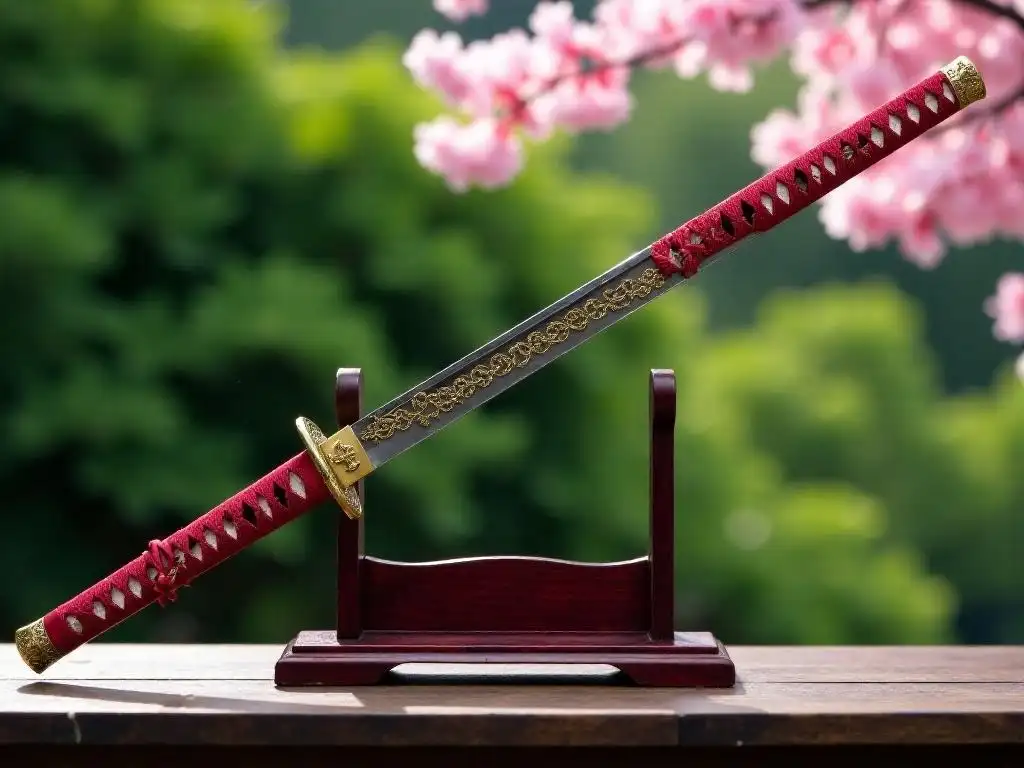
When it comes to collecting samurai swords, authenticity is paramount. The market is flooded with replicas and fakes, which can be misleading for both new and seasoned collectors. To ensure you’re investing in genuine pieces, it’s essential to know how to differentiate between authentic samurai swords and their counterfeit counterparts. Here are some vital aspects to consider.
Tips for Spotting Fake Samurai Swords
- Examine the Tang (Nakago):
- The tang of a samurai sword often provides crucial information regarding its authenticity. Authentic swords will typically have a signature (mei) inscribed on the tang, which includes the name of the smith and possibly the date of creation. Look for:
- Uniformity: Authentic signatures are usually well-crafted and clear.
- Patina: Genuine tangs will show signs of age and wear, while fakes may appear too polished or new.
- The tang of a samurai sword often provides crucial information regarding its authenticity. Authentic swords will typically have a signature (mei) inscribed on the tang, which includes the name of the smith and possibly the date of creation. Look for:
- Inspect the Blade:
- The blade of a samurai sword exhibits specific characteristics:
- Hamon Line: Authentic swords possess a visible hamon line, which is the result of the differential hardening process. This line should appear wavy and irregular.
- Niku: The blade should have a slight curvature known as niku, essential for the sword's functionality.
- The blade of a samurai sword exhibits specific characteristics:
- Check the Materials:
- Authentic samurai swords are traditionally made from high-quality steel, often tamahagane. You can conduct a magnet test:
- Magnet Test: Genuine samurai swords will not be attracted to magnets, as they are made from non-ferrous metals.
- Weight and Balance: A genuine sword should feel balanced and have a significant weight. If it feels too light or unbalanced, it may be a replica.
- Authentic samurai swords are traditionally made from high-quality steel, often tamahagane. You can conduct a magnet test:
- Consult Experts:
- Engaging with experienced collectors or appraisers can provide invaluable insights. They can:
- Conduct Detailed Inspections: Experts can analyze the sword's construction and materials in-depth.
- Provide Provenance: Authentic swords often come with a history or documentation, which can be verified.
- Engaging with experienced collectors or appraisers can provide invaluable insights. They can:
- Look for Quality Craftsmanship:
- Authentic samurai swords exhibit meticulous craftsmanship. Pay attention to:
- Fittings (Tsuba, Menuki, etc.): Genuine fittings are intricately designed and made from high-quality materials.
- Overall Finish: The sword should have a refined finish with no signs of sloppy work or cheap materials.
- Authentic samurai swords exhibit meticulous craftsmanship. Pay attention to:
Resources for Verification
To aid collectors in verifying the authenticity of samurai swords, several resources are available:
- Books and Literature:
- The Connoisseur's Book of Japanese Swords by George Cameron Stone provides in-depth insights into authentic swords and their characteristics.
- Japanese Swords: A Comprehensive Guide by John M. Yumoto offers details on styles, makers, and tips for identification.
- Online Communities:
- Websites and forums dedicated to samurai sword collectors often have sections for authentication, where members share experiences and advice.
- Reddit and dedicated Facebook groups can also serve as platforms for consultation with experts and fellow collectors.
- Museums and Exhibitions:
- Visiting museums that specialize in Japanese history can provide a hands-on experience with authentic swords. Many museums offer workshops or lectures on sword authentication.
- Professional Appraisers:
- Engaging with certified appraisers can help ensure that you receive a reliable evaluation of your sword's authenticity. Look for appraisers who specialize in Japanese antiques and swords.
By utilizing these tips and resources, collectors can significantly enhance their ability to spot the best samurai swords for collectors, ensuring that their investments are genuine and valuable.
Caring for Your Samurai Sword Collection
Caring for a collection of samurai swords is not only essential for preserving their beauty and functionality but also for maintaining their historical significance. Proper care ensures that these remarkable pieces of history can be appreciated for generations to come. Here are some essential practices to keep your samurai swords in prime condition.
Maintenance Tips for Longevity
-
Regular Cleaning
Cleaning your samurai sword is crucial to prevent rust and corrosion. Use a soft cloth to wipe down the blade after each use. For deeper cleaning:
- Use a specialized sword oil or a light mineral oil to coat the blade.
- Avoid using harsh chemicals that can damage the blade's finish.
- For stubborn stains, consider using a very fine abrasive cloth or a traditional polishing powder, but always test in a small area first.
-
Proper Storage
Storing your swords correctly can significantly extend their lifespan:
- Use a sword stand or rack to display your swords safely.
- Ensure the blades are sheathed in their scabbards (saya) to prevent exposure to air and moisture.
- Avoid placing swords in direct sunlight or humid environments. A climate-controlled storage area is ideal.
-
Handle with Care
When handling your swords, always:
- Use clean hands or wear cotton gloves to avoid transferring oils and dirt.
- Support the blade and avoid putting stress on the tang (the part of the blade that extends into the hilt).
- Take care not to drop or knock the sword against hard surfaces.
-
Regular Inspections
Periodically inspect your swords for any signs of damage or wear, such as:
- Rust spots
- Loose fittings on the handle
- Cracks or chips in the blade
Address any issues immediately to prevent further deterioration.
-
Professional Maintenance
For serious collectors, it may be worth investing in professional maintenance:
- Seek out a qualified sword polisher who understands traditional techniques.
- Regular professional checks can include polishing, re-wrapping the handle, or repairing any damages that might compromise the sword's integrity.
Insurance and Protection for Your Investment
Collecting samurai swords can be a significant financial investment, and protecting that investment is crucial. Here are steps to ensure your swords are adequately insured and protected.
-
Appraisal
- Have your collection appraised by an expert who specializes in antique weapons. A professional appraisal not only provides you with an accurate valuation but also supports your insurance claims in case of loss or damage.
- Keep all documentation in a safe place, including photographs and receipts.
-
Insurance Policies
- Look for specialized insurance policies that cover collectibles, particularly swords. Standard homeowner's insurance may not cover the full value of your collection.
- Consider policies that provide protection against theft, loss, and damage.
-
Safe Storage Solutions
To further protect your investment:
- Invest in a safe or vault specifically designed for weapons and collectibles. Ensure it is fireproof and waterproof.
- Use dehumidifiers in the storage area to control moisture levels and prevent rust.
-
Documentation and Provenance
- Maintain thorough records of your collection, including the history and provenance of each sword. This not only aids in insurance evaluations but also enhances the value of your collection.
- Keep copies of all appraisals and insurance documents in multiple secure locations.
-
Transporting Your Swords
When transporting your swords:
- Use padded cases specifically designed for swords to prevent damage.
- Always keep swords sheathed and secure during transport.
Taking these precautions ensures that your collection of samurai swords remains a valuable and admired part of your martial arts gear, reflecting the rich history and craftsmanship of feudal Japan.
Frequently Asked Questions
What are the key features of authentic samurai swords?
Authentic samurai swords, or nihonto, are characterized by their curved blades, distinctive temper lines (hamon), and high-quality steel. Collectors should look for these features to ensure authenticity.
How can I determine the value of a samurai sword?
The value of a samurai sword is influenced by factors such as its age, condition, provenance, and craftsmanship. Consulting with an expert appraiser can help in accurately assessing its worth.
What should I avoid when buying samurai swords for my collection?
Avoid purchasing swords that lack documentation or provenance. Also, be cautious of swords with poor craftsmanship or those that are obviously reproductions, as they may not hold value for collectors.
Are there specific brands known for quality samurai swords?
Yes, brands like Masamune, Muramasa, and Yasutsugu are recognized for their high-quality craftsmanship and historical significance. Collectors often seek swords from these renowned smiths.
Where can I find reliable information on samurai swords for collectors?
Reliable information can be found in expert-driven articles, books on Japanese sword-making, and reputable websites dedicated to Japanese history and collectibles. Joining collector forums can also provide valuable insights.
Final Reflection: The Timeless Value of Authenticity in Collecting
In a world where mass production often overshadows craftsmanship, the quest for authenticity in collecting has never been more crucial. The journey to find the best samurai swords for collectors is not just about acquiring a piece of history; it is about honoring the artistry and tradition that each blade represents. As we navigate the complexities of the collector's market, understanding what makes a sword authentic is essential for preserving the integrity of this ancient craft.
Culture and history intertwine in the realm of samurai swords, influencing not only collectors but also the broader appreciation of craftsmanship. The allure of these blades lies in their stories, the hands that forged them, and the warriors who wielded them. As collectors, we become custodians of this legacy, ensuring that the artistry and significance of each sword are recognized and respected. A sword is a reflection of its maker, and in its steel lies the spirit of the samurai.
This sentiment echoes the importance of authenticity, reminding us that every sword carries with it a piece of history and a connection to a rich cultural heritage.
As you reflect on your own collecting journey, consider the values of authenticity and craftsmanship that this article highlights. Embrace the responsibility that comes with being a collector, and let your passion guide you toward not just acquiring swords, but understanding their significance. Take the time to learn, appreciate, and share the stories behind each blade you encounter. In doing so, you not only enrich your own experience but also contribute to the preservation of an art form that has stood the test of time.
Embrace Your Passion for Collecting: Discover Authentic Samurai Swords!
Thank you for diving into the fascinating world of samurai swords with us! You’ve gained valuable insights into identifying authentic pieces, and now it’s time to take your passion further.
Here are some actionable steps to enhance your collector's journey:
- Explore reputable marketplaces to find genuine samurai swords and broaden your collection.
- Connect with fellow enthusiasts in online forums or local gatherings to share knowledge and experiences.
- Document your collection with detailed notes on each sword’s history and significance, creating a personal archive that deepens your appreciation.
What new discoveries or connections will you uncover in your quest for the perfect samurai sword? We encourage you to share your thoughts below!