
Crafting a Legacy: The Best Samurai Swords to Invest In Today

Welcome to Feudal Japan History, where we invite you to embark on a journey through the captivating tapestry of Japan’s feudal era. Here, history is not just a subject; it's an exploration of cultural richness and societal evolution. In our featured article, “ Crafting a Legacy: The Best Samurai Swords to Invest In Today,” we delve into the art of the samurai sword, revealing why these iconic weapons are not only instruments of martial prowess but also valuable investments.
Curious about how the legacy of these blades continues to shape modern collectors? Read on to uncover the secrets behind selecting the best samurai swords for your collection!
The allure of samurai swords transcends mere weaponry; these exquisite pieces of craftsmanship are steeped in history and cultural significance. Investing in samurai swords is not just about acquiring a stunning artifact, but also about tapping into a rich legacy that embodies the spirit of feudal Japan.
As the world of collectibles continues to expand, the market for samurai swords has garnered increasing attention from both enthusiasts and serious investors alike. This article aims to guide you through the intricate world of samurai swords, focusing on their value as an investment, the factors influencing their worth, and the best options available for those looking to build or enhance their collections.
Introduction to Samurai Swords as an Investment
Samurai swords, known as katana, are renowned for their unique blend of artistry, functionality, and historical importance. These weapons were not only tools of war but also symbols of the samurai's honor and status. As a result, original and well-crafted replicas have become highly sought after in the collector's market. Investing in samurai swords can yield significant returns, especially if one is knowledgeable about the craftsmanship, provenance, and historical context of each piece.
- Types of Samurai Swords:
- Katana: The iconic long sword, often associated with the samurai.
- Wakizashi: A shorter companion sword traditionally worn with the katana.
- Tanto: A small dagger, often used in close combat.
When considering samurai swords as an investment, it’s crucial to understand the various factors that contribute to their value, including age, condition, and the reputation of the swordsmith.
Why Invest in Samurai Swords?
Investing in samurai swords offers a unique blend of aesthetic pleasure and financial potential. Here are a few reasons why collectors and investors alike are drawn to these beautiful weapons:
- Cultural Heritage:
- Samurai swords represent a significant aspect of Japanese culture and history. Owning a piece of this heritage can be both rewarding and enriching.
- Increasing Market Demand:
- As interest in martial arts and Japanese culture grows globally, so does the demand for authentic samurai swords. This increasing interest can lead to higher prices in the market.
- Scarcity and Rarity:
- Authentic samurai swords, particularly those made by renowned swordsmiths, are limited in number. This scarcity can significantly drive up their value over time.
- Craftsmanship and Quality:
- The meticulous craftsmanship involved in creating samurai swords often leads to exceptional quality and durability, making them not only collectibles but also functional pieces of art.
- Potential for Appreciation:
- Like many collectibles, the value of samurai swords can appreciate significantly over time, making them a potentially lucrative investment.
Investing in samurai swords presents an opportunity to own a piece of history while potentially reaping financial rewards. As you navigate the world of samurai swords, understanding their significance, craftsmanship, and market trends will empower you to make informed decisions that contribute to a meaningful legacy.
Key Features to Look For in the Best Samurai Swords for Investment
Investing in samurai swords requires a discerning eye and an understanding of the unique features that contribute to their value. When considering a samurai sword as an investment, collectors and enthusiasts should focus on several key aspects that determine both quality and authenticity. These include blade material and quality, tsuba and fittings, as well as signature and authenticity.
Blade Material and Quality
The blade material is one of the most critical factors influencing the quality and value of a samurai sword. Traditionally, samurai swords were crafted from high-carbon steel, particularly tamahagane, which is known for its superior hardness and ability to hold a sharp edge. When inspecting blade material, consider the following:
- Steel Composition: Look for swords made from high-quality steel, as this affects durability and sharpness. Modern reproductions may use stainless steel, which is not suitable for investment.
- Hamon Line: The hamon (temper line) is a visual indicator of the sword's heat treatment and can reveal the craftsmanship involved in its creation. A well-defined hamon adds to the sword's aesthetic and historical value.
- Polishing: The quality of the blade's polish can greatly affect its appearance and value. A professionally polished blade not only looks stunning but also ensures the preservation of its cutting capabilities.
Tsuba and Fittings
The tsuba (guard) and other fittings are essential elements of a samurai sword that affect both its usability and visual appeal. Here are key considerations regarding tsuba and fittings:
- Material: Traditional tsubas are often made from iron, brass, or copper. The material used can indicate the sword's age and craftsmanship. Collectors should look for tsubas that display intricate designs, which often signify higher-quality work.
- Design and Craftsmanship: Unique designs or artistic motifs on the tsuba can enhance the sword's value. Aspects such as inlays, engraving, and overall craftsmanship are critical indicators of the sword's quality.
- Fittings: The quality of the entire set of fittings, including the tsuka (handle) and saya (scabbard), should be examined. Premium swords will have well-crafted fittings that complement the blade and enhance the overall aesthetic.
Signature and Authenticity
When investing in samurai swords, confirming authenticity is paramount. A legitimate signature (mei) can significantly increase a sword's value. Here are factors to consider:
- Mei: A signature engraved on the tang of the blade identifies the smith and can provide context regarding the sword's history and origin. Research the smith’s reputation and the historical significance of their work.
- Documentation: Authentic samurai swords often come with documentation or certificates that verify their origin and authenticity. Investing in a sword with proven provenance is advisable for collectors.
- Condition: The overall condition of the sword, including any repairs or alterations, can affect its value. Originality is key; swords that have been altered from their original state may not hold their value as well.
Top Recommendations for the Best Samurai Swords Investment in 2024
As the market for samurai swords continues to evolve, certain pieces stand out as excellent investment opportunities. Here are some top recommendations for 2024:
1. Katana by Masamune
Masamune is one of the most renowned swordsmiths in Japanese history, known for his exceptional craftsmanship and the beauty of his katanas. Investing in a katana made by Masamune, or a reputable replica, ensures that collectors acquire a piece of history. These swords are characterized by their superior blade quality, aesthetic appeal, and strong historical significance.
2. Tanto by Yoshindo Yoshihara
Yoshindo Yoshihara is a modern master swordsmith who produces tanto (daggers) that fuse traditional techniques with contemporary aesthetics. His work is highly sought after, making this tanto a valuable investment. These pieces often showcase beautiful hamon patterns and impeccable craftsmanship, reflecting both historical reverence and modern artistry.
3. Naginata of the Edo Period
The naginata, a traditional Japanese weapon resembling a polearm, became particularly popular during the Edo period. An investment in an authentic Edo period naginata not only provides a unique piece of martial history but also appeals to collectors interested in the diversity of samurai weaponry. These weapons often feature elaborate designs and are increasingly sought after in the collector’s market.
4. Custom-made Samurai Swords from Hōzōin
Hōzōin is celebrated for its custom-made samurai swords that combine traditional craftsmanship with personalized design. Investing in a custom sword from Hōzōin allows collectors to own a unique piece tailored to their specifications. These swords often feature exceptional quality and artistry, making them a worthwhile investment for serious collectors.
Maintenance and Care for Your Samurai Sword Investment
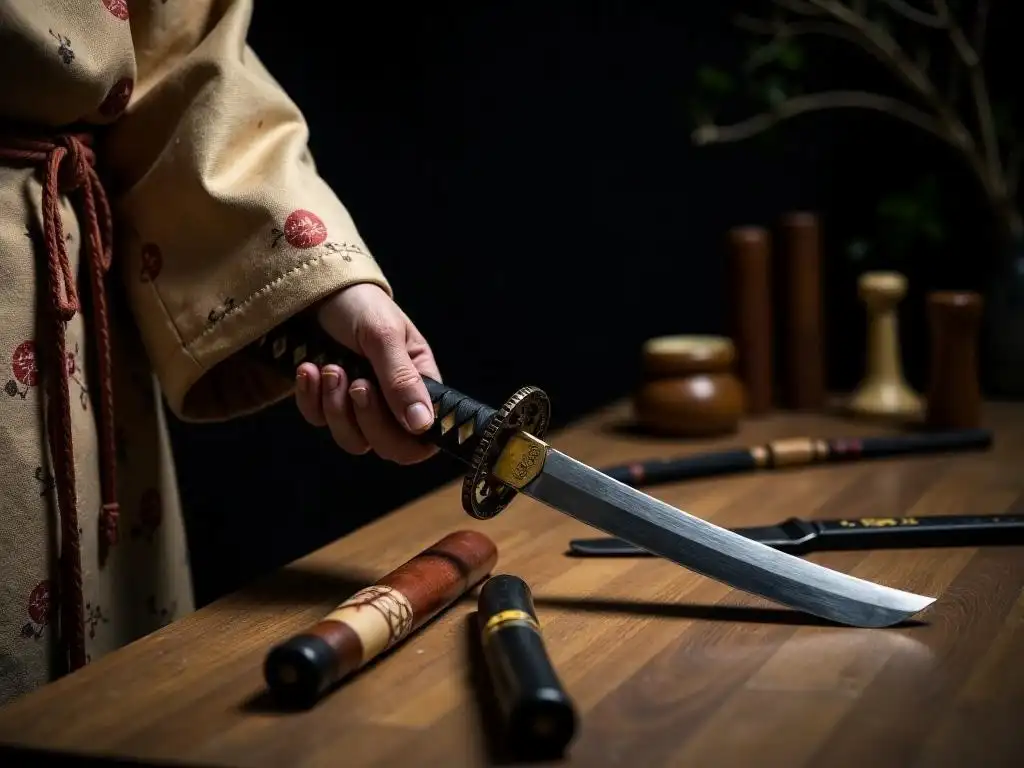
Investing in a samurai sword is not just about the purchase; it also involves significant responsibility in terms of maintenance and care. Proper upkeep ensures the longevity and preservation of these exquisite pieces of art, which can appreciate in value over time.
- Regular Cleaning: After each use, it is essential to clean the blade to remove moisture and prevent rust. Use a soft cloth, ideally made of silk, to wipe the blade clean. For deeper cleaning, a specialized sword oil can be applied to protect the steel.
- Storage Conditions: Store your samurai sword in a temperature-controlled environment, away from direct sunlight and humidity. A wooden or fabric sword bag can provide additional protection against dust and scratches. Avoid placing the sword in a sheath for prolonged periods, as this can lead to moisture buildup.
- Inspection and Maintenance: Regularly inspect your investment for any signs of wear, rust, or damage. If you notice any issues, consult a professional swordsmith for restoration or repair. This proactive approach can prevent minor problems from escalating into more significant damage.
- Avoiding Chemicals: Be cautious with cleaning agents and chemicals. Harsh substances can damage the blade’s finish and affect the sword's value. Always opt for products specifically designed for sword maintenance.
- Handling with Care: When handling your samurai sword, ensure you have clean hands and avoid touching the blade with bare skin, as oils from your skin can lead to corrosion over time. Always use both hands to maintain control and avoid accidents.
Common Mistakes to Avoid When Investing in Samurai Swords
Investing in samurai swords can be a rewarding endeavor, but there are several common pitfalls that collectors should be aware of to protect their investments.
- Lack of Research: One of the most significant mistakes is failing to conduct thorough research before making a purchase. Understanding the history, craftsmanship, and current market trends of samurai swords can save you from making uninformed decisions.
- Ignoring Provenance: The sword's history or provenance can dramatically affect its value. Always inquire about the sword's background, including its maker, age, and any significant owners. This information can enhance the sword's appeal and investment potential.
- Overlooking Quality: When investing, prioritize quality over price. A lower-priced sword might seem attractive but could be of inferior craftsmanship or materials. Look for swords made by reputable smiths, and consider investing in well-known schools of sword-making.
- Neglecting Documentation: Ensure that all purchases come with proper documentation, including authenticity certificates and appraisals. This documentation is crucial for validating your investment and can be beneficial for resale in the future.
- Buying for Trends: Avoid purchasing swords solely based on current trends. Instead, focus on pieces that resonate with your personal interests and values. Investing in items that you appreciate will make your collection more meaningful.
Conclusion: Making Informed Decisions for Future Legacy
Investing in samurai swords is an intricate journey that requires thoughtful consideration and diligence. By understanding the maintenance needed to preserve your investment and avoiding common pitfalls, you can enhance the longevity and value of your collection.
As you navigate the world of samurai swords, remember to lean on expert advice and stay informed about market trends. Investing in these historical artifacts is not just about financial gain; it is about honoring the rich legacy of the samurai and their craftsmanship. Every sword tells a story, and with careful stewardship, you can ensure that your investment continues to be a cherished part of history for generations to come.
- Introduction to Samurai Swords as an Investment
- Why Invest in Samurai Swords?
- Key Features to Look For in the Best Samurai Swords for Investment
- Top Recommendations for the Best Samurai Swords Investment in 2024
- Maintenance and Care for Your Samurai Sword Investment
- Common Mistakes to Avoid When Investing in Samurai Swords
- Conclusion: Making Informed Decisions for Future Legacy
Frequently Asked Questions
What are the key factors to consider when investing in samurai swords?
When investing in samurai swords, consider authenticity, craftsmanship, and historical significance. These elements greatly influence the sword's value and investment potential.
Why are samurai swords considered a valuable investment?
Samurai swords are valued for their artistic craftsmanship, cultural significance, and rarity. As historical artifacts, they appreciate over time, making them attractive to collectors and investors.
What types of samurai swords are recommended for investment?
Look for antique swords from reputable makers, such as koto and shinto period blades. Additionally, swords with proven provenance and in good condition tend to be the best investments.
How can I verify the authenticity of a samurai sword?
To verify authenticity, consult with a qualified appraiser or expert in Japanese swords. They can assess the sword's signature, construction, and materials used, ensuring its legitimacy.
What is the market trend for samurai swords today?
The market for samurai swords remains stable and has shown growth, particularly for rare and high-quality pieces. Collectors are increasingly seeking swords with unique histories and fine craftsmanship.
Final Reflection: Investing in Legacy Through the Art of Samurai Swords
In today's fast-paced world, the allure of crafting a legacy through tangible investments has never been more relevant. As we navigate an era where authenticity and craftsmanship are increasingly valued, the significance of samurai swords transcends mere collectibles; they represent a profound connection to history, culture, and artistry. Investing in the best samurai swords is not just about acquiring an object; it’s about embracing a legacy that resonates through generations.
The cultural impact of samurai swords continues to shape our understanding of craftsmanship and heritage. These swords are not merely weapons; they are symbols of honor, discipline, and the artistry of a bygone era. As we appreciate the intricate designs and the stories behind each blade, we recognize their role in preserving history and inspiring future generations. A sword is a reflection of the soul of its maker.
This quote encapsulates the essence of why investing in samurai swords is more than a financial decision; it is a commitment to honoring the artistry and traditions that have shaped our world.
As you reflect on the insights shared in this article, consider how you can apply the lessons of legacy and craftsmanship in your own life. Whether you choose to invest in a samurai sword or simply embrace the values of dedication and artistry in your pursuits, remember that every choice you make contributes to the legacy you leave behind. Take a moment to ponder what legacy you wish to create and how the art of investing—be it in swords or in your passions—can shape not only your future but also the future of those who come after you.
Unveil Your Perfect Samurai Sword Today!
Thank you for diving into the world of samurai swords with us! Your curiosity not only enriches your understanding but also helps preserve the rich history of these incredible weapons. Now it’s time to transform that knowledge into action!
Here's how you can ignite your passion for samurai swords:
- Explore reputable sword dealers and begin your search for the perfect piece that resonates with your personal legacy.
- Join online communities or forums dedicated to samurai sword enthusiasts where you can share your journey and learn from others.
- Attend local exhibitions or workshops to experience the craftsmanship of samurai swords up close and connect with fellow enthusiasts.
What qualities do you envision for your ideal samurai sword? Share your thoughts and let’s spark a discussion!