
Unveiling the Best Samurai Swords: A Collector's Guide to Quality and Craftsmanship

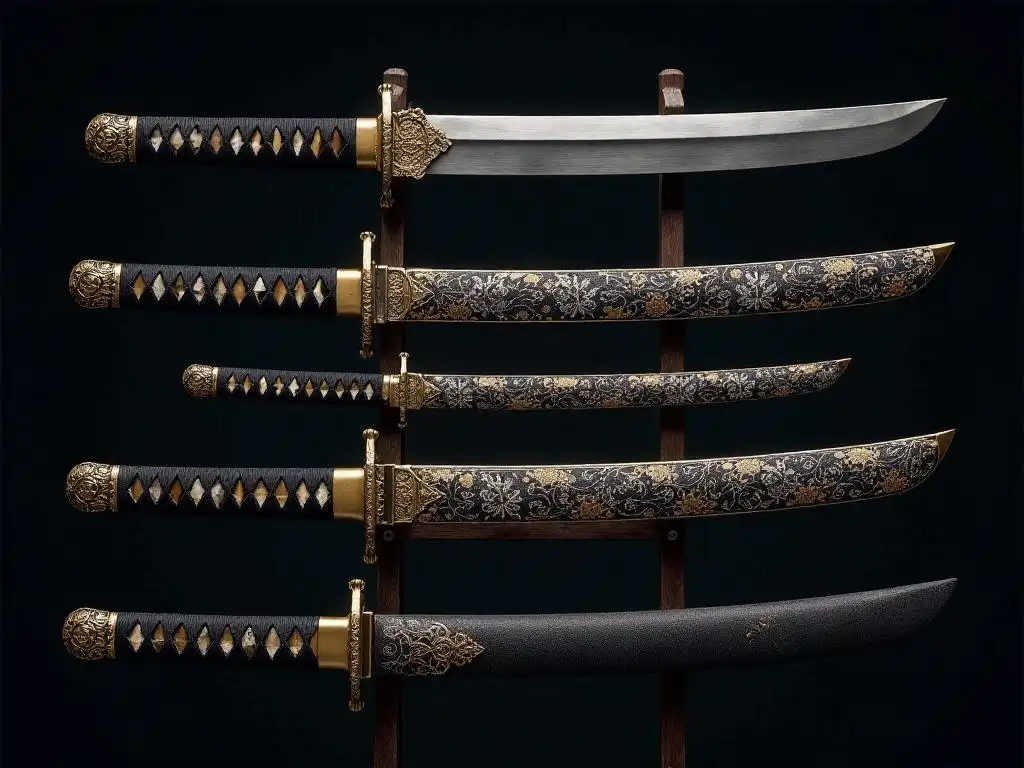
Welcome to Feudal Japan History, where we embark on an intriguing journey through the rich tapestry of Japan's feudal era. In our latest article, "Unveiling the Best Samurai Swords: A Collector's Guide to Quality and Craftsmanship," we delve into the artistry and significance of samurai swords, revealing the finest pieces for dedicated collectors. As you explore the elegance and power encapsulated in these legendary weapons, prepare to uncover the secrets behind their creation and what makes them truly exceptional. Join us as we slice through history and craftsmanship, igniting your passion for these iconic symbols of the samurai spirit!
- Introduction to the Best Samurai Swords for Collectors
- Key Features of the Best Samurai Swords for Collectors
- Types of Samurai Swords: A Collector's Perspective
- Top Brands for Collectible Samurai Swords
- Comparative Analysis: Best Samurai Swords for Collectors
- How to Select the Best Samurai Sword for Your Collection
- Maintenance and Care for Samurai Swords
- Conclusion: Investing in the Best Samurai Swords for Collectors
- Additional Resources for Samurai Sword Collectors
- Frequently Asked Questions
- Final Reflection: The Timeless Allure of Samurai Swords
- Embrace Your Journey as a Samurai Collector!
Introduction to the Best Samurai Swords for Collectors
The allure of samurai swords transcends mere functionality; it embodies the artistry, history, and culture of feudal Japan. For collectors, acquiring the best samurai swords is not just about ownership, but about preserving a legacy and understanding the intricate craftsmanship that went into each blade.
This article serves as a comprehensive guide for collectors, elucidating the qualities that define exceptional samurai swords while exploring their historical and cultural significance. Whether you are a seasoned collector or a novice, our exploration will equip you with the knowledge needed to appreciate and select samurai swords that truly reflect the zenith of Japanese craftsmanship.
Understanding the Art of Samurai Sword Craftsmanship
The craftsmanship of samurai swords, or katana, is a time-honored tradition that has evolved over centuries. Each sword is a masterpiece, often taking months or even years to complete. The creation of a katana involves several meticulous processes, including:
- Forging: The blade is crafted from high-quality steel, often referred to as tamahagane, which is produced from iron sand. This steel is heated and hammered to create layers, resulting in a strong yet flexible blade.
- Tempering: This process involves heating the blade and then cooling it rapidly, which refines the steel's structure. It’s essential for achieving the right balance of hardness and resilience.
- Polishing: A highly skilled artisan meticulously polishes the blade using various stones to enhance its aesthetic quality and sharpness. This step is crucial, as the polish reveals the unique patterns in the steel known as hamon.
The attention to detail and the techniques passed down through generations contribute to the sword's quality and value. Collectors often seek swords that exhibit exceptional craftsmanship, as these attributes not only enhance the sword’s beauty but also its historical significance.
The Cultural Significance of Samurai Swords in Feudal Japan
In feudal Japan, samurai swords were more than mere weapons; they were symbols of honor, status, and loyalty. The katana was deeply intertwined with the samurai way of life, representing the bushido code that emphasized virtues such as bravery, honor, and discipline. Some key cultural aspects include:
- Symbol of Identity: For a samurai, the sword was an extension of themselves. It was often said that a samurai's soul resided in their katana, making it a vital part of their identity.
- Rituals and Ceremonies: Swords played a significant role in various rituals and ceremonies, including the genpuku, a coming-of-age ceremony for samurai, where the sword was a central element.
- Artistic Expression: The decoration of swords, including the tsuba (handguard) and the saya (scabbard), often featured intricate designs that expressed the owner’s personality and status. Collectors today value these artistic elements just as much as the blade itself.
Understanding the cultural significance of samurai swords enriches the collector's appreciation for these artifacts, highlighting their importance not only as weapons but also as historical treasures.
Key Features of the Best Samurai Swords for Collectors
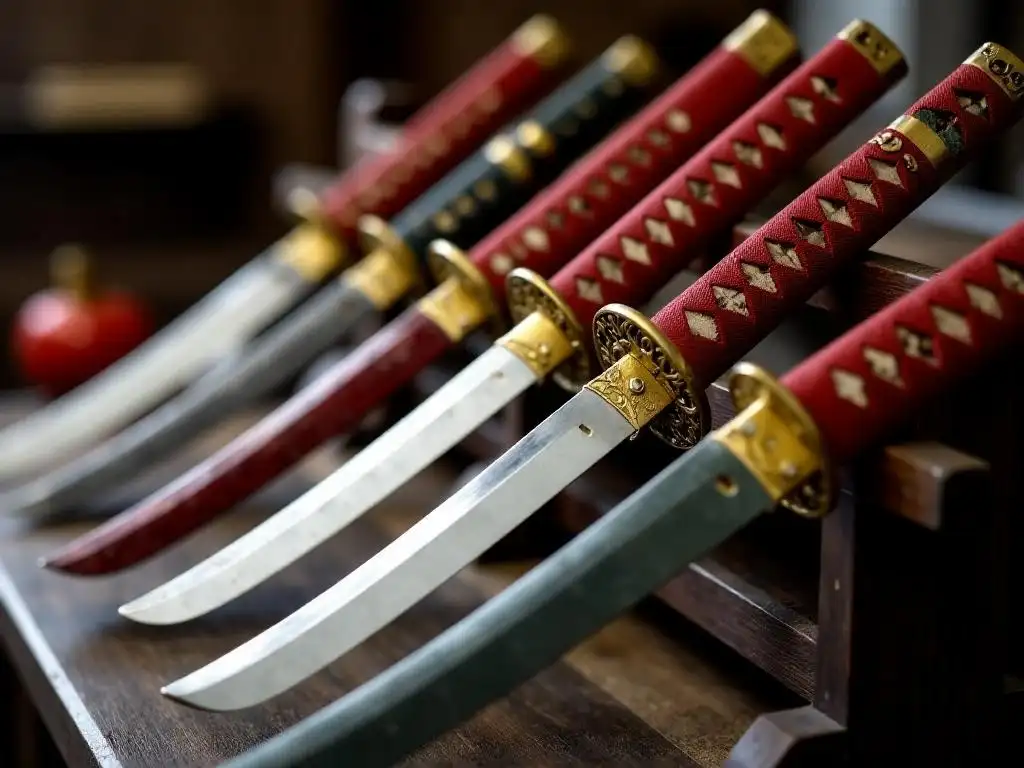
When it comes to collecting samurai swords, understanding the key features that define quality and craftsmanship is essential. Collectors seek not only functional weapons but also pieces of art that embody the rich history and culture of feudal Japan. Here, we will delve into the crucial attributes that make samurai swords stand out in the collector's market.
Blade Quality: Steel Types and Hardness
The blade quality is arguably the most critical aspect when assessing samurai swords. The type of steel used and the hardness of the blade directly impact its performance, durability, and aesthetic appeal.
- Types of Steel:
- Tamahagane: This traditional steel is made from iron sand and is revered for its ability to hold a sharp edge while also being resilient. It is produced through a meticulous smelting process that takes into account the specific carbon content, resulting in a blade that is both strong and flexible.
- High Carbon Steels: Many modern replicas use high carbon steels, such as 1095 or 1060, which offer excellent hardness and edge retention. However, these steels may not possess the same historical significance or aesthetic quality as tamahagane.
- Stainless Steels: While stainless steels are resistant to rust and require less maintenance, they are often not preferred by collectors due to their lack of traditional craftsmanship and aesthetic appeal.
- Hardness:
- Blade hardness is typically measured on the Rockwell scale. For samurai swords, a hardness of 58-65 HRC is considered ideal. The higher the hardness, the better the blade can retain its edge, but it may also become more brittle.
- The balance between hardness and flexibility is crucial. A well-crafted sword should bend slightly without breaking, allowing for effective combat use.
Tsuba and Handle Design: Importance of Aesthetics and Functionality
The tsuba (guard) and handle (tsuka) of a samurai sword are not only functional elements but also key components of its overall aesthetic appeal.
- Tsuba:
- The tsuba serves to protect the hands and can be intricately designed, often featuring motifs that reflect personal or cultural significance. Collectors should look for tsubas made from quality materials, such as brass, iron, or even gold.
- The design of the tsuba can range from simple and understated to elaborate and ornate, showcasing the artisan's skill and the sword’s historical context.
- Handle (Tsuka):
- The handle, usually wrapped in ray skin (same) and traditionally corded with silk or cotton, provides grip and comfort during use. The quality of the wrap can significantly affect the sword's handling.
- A well-crafted tsuka should be comfortable to hold and should allow for precise control during movement. The choice of materials and the skill of the craftsman play a significant role in the overall quality.
Signature Elements: Hamon and Tsuka
Two signature elements that collectors should pay attention to are the hamon (temper line) and the craftsmanship of the tsuka.
- Hamon:
- The hamon is a visible line that runs along the blade, created during the tempering process. This line is not only a marker of the sword’s quality but also a reflection of the heat treatment technique used by the smith.
- Different hamon patterns can indicate various styles and techniques, such as choji (clove pattern) or suguha (straight line). Collectors often seek unique hamon patterns, which are a testament to the sword's craftsmanship and the smith's artistry.
- Tsuka:
- Beyond its functional role, the tsuka is often adorned with unique elements that reflect the owner's personality or lineage. Features such as menuki (ornamental grips) and kashira (butt cap) can enhance the overall aesthetic and value of the sword.
- The craftsmanship of the tsuka contributes greatly to the collector's appreciation. A well-designed tsuka not only adds beauty but also provides enhanced grip and comfort during use.
Understanding these key features—blade quality, tsuba and handle design, and signature elements like hamon—will empower collectors to make informed decisions when searching for the best samurai swords for collectors. Each component plays a vital role in the sword's functionality, aesthetics, and historical significance, making them treasured pieces in any collection.
Types of Samurai Swords: A Collector's Perspective
The world of samurai swords is rich and varied, offering collectors a plethora of options that reflect both historical significance and craftsmanship. Understanding the different types of samurai swords is crucial for any collector aiming to acquire the best samurai swords for collectors. Each sword type has its unique features, uses, and cultural meanings that contribute to its value and appeal.
Katana: The Iconic Japanese Sword
The katana is perhaps the most recognized samurai sword, celebrated for its distinctive curve, sharpness, and craftsmanship. Traditionally, the katana is characterized by:
- Curved Blade: The katana usually features a single-edged, curved blade that ranges from 60 to 80 centimeters in length, designed for quick, powerful slashes.
- Tsuba (Guard): The tsuba serves as a handguard and can vary in design, impacting both the sword's usability and aesthetic appeal.
- Handle (Tsuka): Wrapped in cotton or silk, the tsuka is designed for a secure grip, often adorned with intricate patterns.
Craftsmanship and Quality
The quality of a katana is determined by its construction, materials used, and the skill of the swordsmith. Notable elements include:
- Tamahagane Steel: Traditionally, the best katana blades are forged from tamahagane, a high-quality steel produced from iron sand.
- Hamon Line: This temper line reflects the differential hardening of the blade and is a key indicator of quality. Collectors often seek unique hamon patterns as a sign of the swordsmith's expertise.
Wakizashi: The Companion Blade
The wakizashi is a shorter blade, typically measuring between 30 to 60 centimeters, and serves as a companion sword to the katana. Its significance includes:
- Dual Wielding: Samurai often carried both a katana and a wakizashi, known as daito (long sword) and shoto (short sword), respectively.
- Versatility: The wakizashi was used in close combat situations and for ritual purposes, such as seppuku (ritual suicide).
Features and Collectability
Key features of the wakizashi that attract collectors are:
- Blade Design: Similar to the katana, the wakizashi is often curved and can exhibit beautiful hamon lines.
- Fittings and Mountings: The quality of the tsuba, fuchi (collar), and kashira (pommel) can greatly influence a wakizashi's desirability. Intricate designs and historical significance enhance its value.
Tanto: The Dagger of the Samurai
The tanto is a dagger that holds a special place in the arsenal of a samurai. Typically measuring under 30 centimeters, the tanto is noted for:
- Compact Size: Its shorter length makes it ideal for close quarters and as a secondary weapon.
- Form and Function: The tanto often features a double-edged blade, making it effective for thrusting and slashing.
Historical and Cultural Importance
Collectors appreciate the tanto not only for its craftsmanship but also for its historical context:
- Ritual Uses: The tanto was sometimes used in ceremonial contexts, including as part of seppuku when a samurai chose to end their life honorably.
- Artistry: The tanto blades often showcase elaborate designs and intricate fittings, making them highly collectible. The combination of craftsmanship and historical significance can lead to considerable value in the collector's market.
Understanding these types of samurai swords provides collectors with a deeper appreciation of their significance and craftsmanship. Whether drawn to the iconic katana, the versatile wakizashi, or the elegant tanto, each sword offers a unique opportunity to own a piece of Japan's rich history.
Top Brands for Collectible Samurai Swords
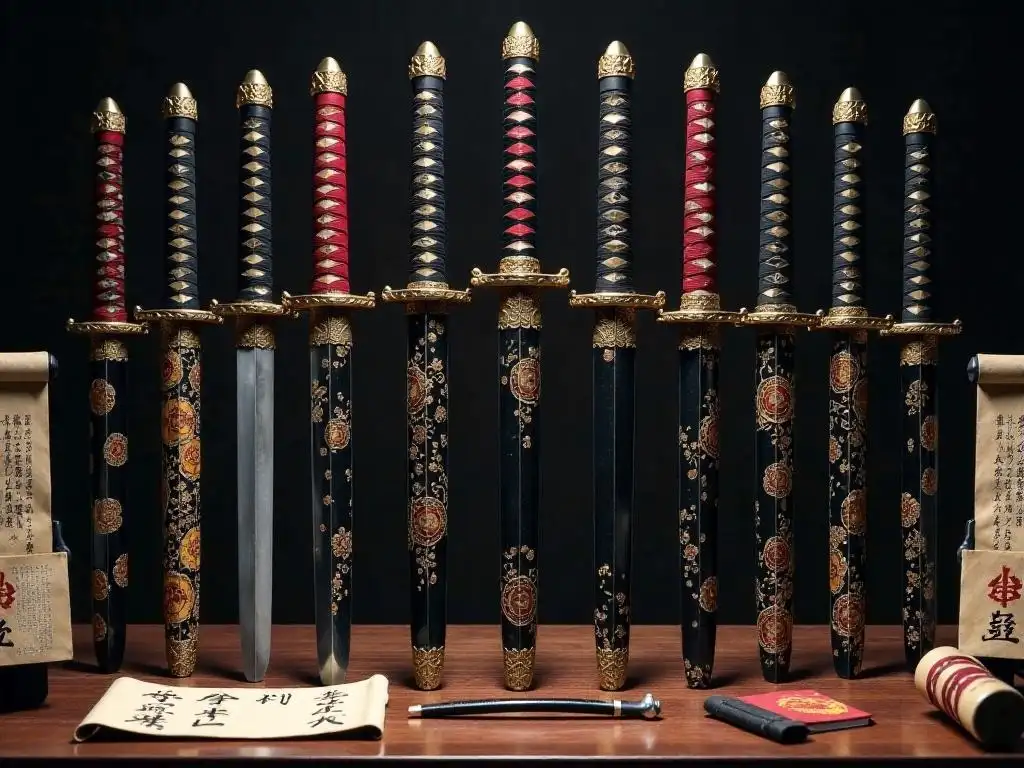
Masamune: Legendary Craftsmanship and Historical Significance
Masamune is arguably the most revered name in the realm of samurai swords. Active during the Kamakura period (1185-1333), Masamune’s blades are celebrated for their exceptional quality and artistic beauty. The craftsmanship of Masamune is a blend of technical skill and artistic vision, resulting in swords that are not only functional but also masterpieces of art.
- Historical Impact: Masamune's influence on sword-making is profound, with many modern artisans striving to replicate his techniques. His swords were often characterized by a distinct wavy grain pattern known as hada, which is a hallmark of high-quality steel.
- Rarity and Value: Owning a Masamune sword is akin to possessing a piece of history. The rarity of authentic Masamune blades, which often fetch millions of yen at auctions, makes them highly sought after by collectors. Each blade carries the soul and spirit of the era, adding to its allure.
- Collector’s Tip: When considering a Masamune sword for your collection, look for provenance and documentation that can establish authenticity. Modern replicas can capture the aesthetic but lack the historical significance.
Hanwei: Modern Reproductions with Authentic Feel
Hanwei is a prominent brand that specializes in producing high-quality, affordable replicas of traditional samurai swords. Founded by Paul Chen, Hanwei has gained a reputation for crafting swords that appeal to both collectors and martial artists.
- Quality and Craftsmanship: Hanwei swords are made using traditional techniques combined with modern manufacturing processes. This results in durable swords that retain an authentic appearance. The brand's attention to detail ensures that each piece reflects the aesthetics of historical swords.
- Variety of Options: From high-end collector’s items to practical training swords, Hanwei offers a wide range of options. Notable models include the Bokken, which is excellent for practice, and the Katana, which is designed for display and collection.
- Collector’s Tip: Pay attention to the materials used in the construction of Hanwei swords. Swords made from high-carbon steel will offer better durability and performance, making them more desirable for collectors.
Cold Steel: Durable Options for Collectors
Cold Steel is a well-known name in the martial arts community, recognized for its robust and dependable swords. This brand focuses on creating swords that are not only visually appealing but also practical for use.
- Durability and Functionality: Cold Steel swords are designed with durability in mind, using high-quality materials that can withstand rigorous use. This makes them a popular choice for collectors who appreciate both aesthetics and performance.
- Innovative Design: Cold Steel often incorporates modern technology and materials into their sword designs, offering unique features that may not be found in traditional swords. Their Katana models, for instance, are known for their balanced weight and ease of handling.
- Collector’s Tip: While Cold Steel swords are primarily aimed at functionality, many collectors appreciate the unique design elements and durability. Look for limited edition models to enhance your collection's value.
By exploring these top brands, collectors can make informed decisions when seeking the best samurai swords for their collections, whether they prioritize historical significance, craftsmanship, or practical use.
Comparative Analysis: Best Samurai Swords for Collectors
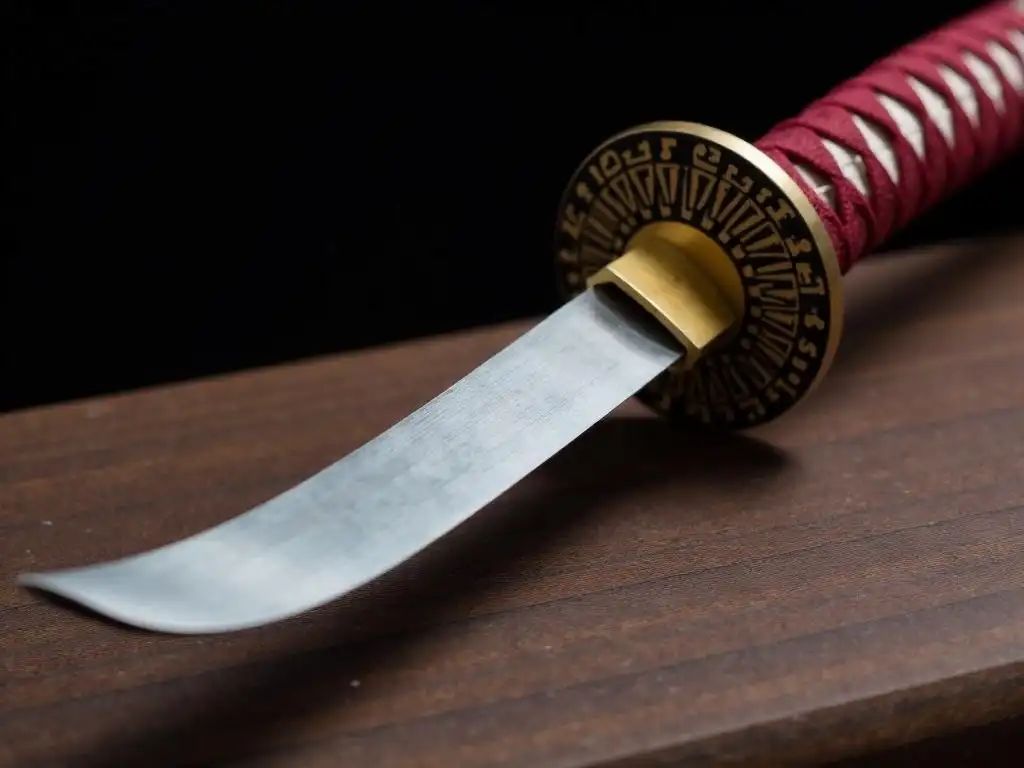
Paul Chen Katana vs. Musashi Katana: Feature Comparison
When it comes to selecting the best samurai swords for collectors, two prominent choices that often arise are the Paul Chen Katana and the Musashi Katana. Both swords have their unique features, which can significantly influence a collector's decision.
Advantages of Paul Chen Katana
- Quality Craftsmanship: The Paul Chen Katana is known for its exceptional craftsmanship. Each sword is hand-forged, ensuring attention to detail and quality.
- Blade Material: Made from high-carbon steel, the blade offers a balance of sharpness and durability, making it suitable for both display and practice.
- Aesthetic Appeal: With its traditional design and beautiful hamon (the temper line on the blade), this katana is not only functional but also visually striking.
- Reputation: Paul Chen, the founder of Hanwei, has a solid reputation in the sword-making community, which adds to the value of this katana for collectors.
Disadvantages of Paul Chen Katana
- Price Point: While the quality is high, the cost can be a barrier for some collectors, as it is often priced higher than entry-level options.
- Weight: Some users have reported that the Paul Chen Katana can feel heavier compared to other swords, which may affect handling for those who prefer lighter blades.
Yoshihara Yoshimitsu Wakizashi vs. Hanwei Practical Tanto: Pricing and Value
In the realm of best samurai swords for collectors, the Yoshihara Yoshimitsu Wakizashi and the Hanwei Practical Tanto present different offerings in terms of pricing and overall value.
Best Use Cases for Yoshihara Yoshimitsu Wakizashi
- Display Piece: The Yoshihara Yoshimitsu Wakizashi is an exquisite example of traditional Japanese sword-making. Its intricate designs and fine materials make it an ideal piece for display.
- Martial Arts Practice: Although primarily a collector's item, this wakizashi can also be used in practice due to its well-balanced construction and sharp blade.
- Historical Significance: As a piece of art that embodies the craftsmanship of the Edo period, it holds significant historical value for collectors interested in feudal Japan.
Why Choose Hanwei Practical Tanto for Collecting?
- Affordability: The Hanwei Practical Tanto is known for its competitive pricing, making it accessible for new collectors without sacrificing quality.
- Functional Design: While it serves as a collector's item, its robust design allows it to be used in practice or self-defense, offering versatility.
- Durability: Constructed with a solid blade that can withstand wear, the Hanwei Practical Tanto is a practical choice for collectors seeking a sword that combines both aesthetics and functionality.
By analyzing these swords, collectors can make informed choices based on their preferences for quality, functionality, and historical significance. The best samurai swords for collectors ultimately blend craftsmanship with personal value, ensuring a meaningful addition to any collection.
How to Select the Best Samurai Sword for Your Collection
When embarking on the journey of collecting samurai swords, it's crucial to navigate the selection process with informed diligence. The best samurai swords for collectors not only reflect the artistry and craftsmanship of their time but also embody historical significance. Here’s a guide to help you make the right choice.
When considering the best samurai swords for collectors, budgeting is a key factor. Samurai swords can range from affordable reproductions to premium authentic pieces.
- Affordable Options:
- Reproductions: These swords are often made with modern materials and techniques. They are suitable for display purposes or beginners looking to appreciate the design without significant investment.
- Price Range: Generally, you can find quality reproductions starting from $100 to $500.
- Examples: Brands like Kris Cutlery offer decent replicas that appeal to novice collectors.
- Premium Options:
- Authentic Nihonto: These swords are crafted using traditional methods dating back centuries. Authentic pieces are not only valuable but also possess cultural significance.
- Price Range: Prices for genuine samurai swords can range from $1,000 to over $10,000, depending on factors such as age, maker, and condition.
- Examples: Swords from renowned smiths like Masamune or Muramasa are highly sought after and can command high prices at auctions.
Understanding Authenticity: How to Spot a Replica
The market for samurai swords is rife with replicas and reproductions. Therefore, understanding how to differentiate between authentic and imitation swords is essential for collectors.
- Key Indicators of Authenticity:
- Tang (Nakago) Markings: Examine the tang of the sword for inscriptions. Authentic swords typically have the maker's signature or stamp.
- Hamons: The temper line on the blade should be distinct and vary in pattern, reflecting the craftsmanship of traditional methods.
- Materials: Authentic swords are made from high-quality steel (tamahagane) and often feature fittings made from metals like brass or iron, whereas replicas may use cheaper materials.
- Testing Techniques:
- Magnet Test: Authentic swords will not be magnetic due to the type of steel used. A magnet sticking to the blade often indicates a replica.
- Water Test: Authentic blades will not float in water, as they are typically heavier and more balanced.
Purpose of Collection: Display, Martial Arts, or Investment
Understanding the purpose of your collection will influence your choices significantly. Each purpose requires a different approach to selecting the best samurai swords for collectors.
- Display:
- For those looking to showcase their collection, aesthetics and craftsmanship are paramount. Swords with intricate designs and beautiful fittings are ideal.
- Consider investing in display cases that protect the swords while enhancing their visual appeal.
- Martial Arts:
- If you intend to use the sword for martial arts practice, prioritize functionality. Look for swords that are well-balanced and made from durable materials to withstand regular use.
- Recommended Types: Iaito (training swords) or practical katana replicas designed for cutting practice are suitable choices.
- Investment:
- Collectors aiming for investment should focus on authenticity, historical value, and condition. Researching the market trends and understanding the historical significance of specific swords can guide your investment decisions.
- Long-term Value: Rare pieces from notable periods or makers hold greater value and are likely to appreciate over time.
By assessing your budget, understanding authenticity, and clarifying the purpose of your collection, you can confidently navigate the world of samurai swords and build a collection that reflects your passion and investment acumen.
Maintenance and Care for Samurai Swords
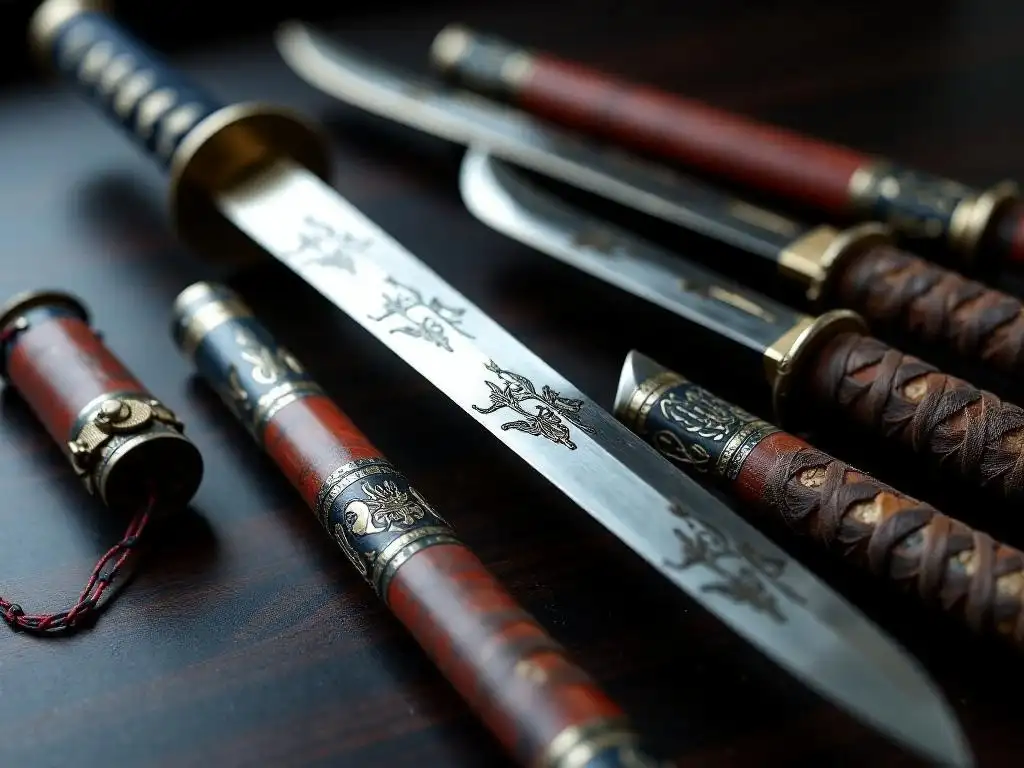
Proper Cleaning Techniques to Preserve Quality
Maintaining the integrity of a samurai sword is crucial for both aesthetics and functionality. Here are some essential cleaning techniques that collectors should adopt to ensure their blades remain in pristine condition:
- Regular Wiping:
- Use a soft, clean cloth to wipe the blade after handling. This removes fingerprints, oils, and moisture that can lead to rust.
- For a deeper clean, utilize a specialized sword oil or cleaning solution designed for high-carbon steel.
- Blade Inspection:
- Inspect the blade regularly for signs of corrosion or damage. Look for any discoloration or pitting, which can indicate moisture damage.
- Tip: A magnifying glass can help spot minor issues before they escalate.
- Polishing:
- Apply a light coat of polishing compound with a clean cloth. This not only enhances the shine but also protects the surface.
- Avoid over-polishing, as it can remove the blade's patina and alter its historical value.
- Handle and Tsuba Care:
- Wipe down the handle (tsuka) and guard (tsuba) with a slightly damp cloth. Ensure you dry these parts thoroughly to prevent moisture accumulation.
Storage Solutions for Long-Term Preservation
Proper storage is key to maintaining the quality of samurai swords. Here are several effective strategies for collectors:
- Use a Katana Stand:
- Displaying swords on a stand helps prevent warping and keeps them visible for admiration.
- Ensure the stand is stable and made from high-quality materials to prevent any damage.
- Sword Bags or Cases:
- Invest in a padded sword bag or hard case to protect swords from dust, moisture, and accidental impacts.
- Look for materials that breathe, allowing any residual moisture to evaporate.
- Temperature and Humidity Control:
- Store swords in a climate-controlled environment. Ideal conditions are around 20°C (68°F) with a humidity level of 40-50%.
- Use silica gel packets in your storage area to absorb excess moisture.
- Avoid Direct Sunlight:
- Prolonged exposure to sunlight can cause fading and heat damage. Store swords away from windows or use UV-filtering film on glass.
When to Seek Professional Restoration Services
Despite the best maintenance efforts, there may be times when a sword requires professional attention. Here’s when to consider seeking expert restoration services:
- Significant Rust or Corrosion:
- If your sword has developed deep rust or pitting that cannot be cleaned with regular methods, a professional restoration can help restore the blade's integrity.
- Structural Damage:
- Cracks in the blade or any deformation can compromise the sword's performance. A skilled craftsman can assess and repair structural issues.
- Handle Repairs:
- If the tsuka becomes loose or shows signs of damage, a professional can rewrap or replace the handle materials without compromising the sword's value.
- Historical Restoration:
- For collectors of antique swords, maintaining historical accuracy during restoration is essential. Professionals with expertise in traditional techniques can ensure the restoration honors the sword’s legacy.
Maintaining samurai swords requires diligence and care. By following proper cleaning techniques, employing effective storage solutions, and knowing when to seek professional help, collectors can preserve the quality and craftsmanship of these remarkable pieces of history.
Conclusion: Investing in the Best Samurai Swords for Collectors
Summary of Key Takeaways
Investing in samurai swords can be both an art and a science, particularly for collectors who appreciate the rich history and craftsmanship behind these iconic weapons. Here are the key takeaways for those looking to enhance their collection:
- Authenticity Matters: When searching for the best samurai swords for collectors, ensure that the sword is authentic and comes with proper documentation. Authentication certificates can significantly increase the sword's value and desirability.
- Quality of Craftsmanship: The best samurai swords are often handmade, showcasing intricate details and superior materials. Pay attention to the blade's folding technique, the quality of the tang, and the overall aesthetics.
- Cultural Significance: Each sword carries its own story and significance within the context of Japanese history. Understanding the historical background and the smith who crafted the sword can deepen your appreciation and potentially enhance its value.
- Condition and Maintenance: The condition of a samurai sword plays a crucial role in its value. Regular maintenance, including proper storage and cleaning, can preserve the sword's integrity and appearance.
- Market Trends: Stay informed about market trends and collector preferences. Certain styles or periods may fluctuate in popularity, impacting the potential resale value of your collection.
Final Recommendations for Aspiring Collectors
For those aspiring to build an impressive collection of samurai swords, consider the following recommendations to guide your journey:
- Research and Education: Invest time in learning about the different types of samurai swords, such as katana, tanto, and nodachi. Books, online courses, and collector forums can provide invaluable insights.
- Networking with Other Collectors: Engage with fellow enthusiasts and collectors. Networking can lead to opportunities for trade, insights on reputable dealers, and access to exclusive sales.
- Attend Exhibitions and Auctions: Participating in exhibitions and auctions gives aspiring collectors the chance to see swords up close and even acquire rare pieces. Be prepared to ask questions and learn from experts at these events.
- Budgeting Wisely: Set a realistic budget for your collection. While high-quality swords can be expensive, there are often excellent options available at various price points.
- Documentation and Provenance: Always keep detailed records of your purchases, including invoices and any provenance documents. This information can be essential for future sales or appraisals.
By following these guidelines and immersing yourself in the world of samurai swords, you can cultivate a collection that not only reflects quality and craftsmanship but also offers a window into the fascinating history of feudal Japan. Happy collecting!
Additional Resources for Samurai Sword Collectors
Books and Documentaries on Samurai History
For collectors seeking to deepen their understanding of samurai swords and the rich history surrounding them, a variety of books and documentaries serve as invaluable resources. Below is a curated list of notable works that explore the artistry, craftsmanship, and cultural significance of samurai swords:
-
Books:
-
"The Samurai Sword: A Handbook" by John M. Yumoto
This comprehensive guide delves into the history, types, and techniques of samurai swords, making it an essential read for both novice and experienced collectors.
-
"Japanese Swords: Cultural Icons of a Nation" by John M. Yumoto
This book examines the broader cultural context of Japanese swords, offering insights into their symbolism and place in society.
-
"The Connoisseur's Book of Japanese Swords" by Donald J. LaRocca
A detailed exploration of various sword types, this book includes high-quality photographs and expert commentary, ideal for collectors.
-
-
Documentaries:
-
"The Art of the Japanese Sword" (2013)
This documentary highlights traditional sword-making techniques and showcases renowned artisans in Japan, providing a visual feast for collectors.
-
"Samurai: Behind the Blade" (2008)
By exploring the life of samurai warriors and their weapons, this documentary offers a deeper understanding of the cultural significance of samurai swords.
-
Online Communities and Forums for Collectors
Engaging with fellow enthusiasts can greatly enhance a collector's experience and knowledge. Here are some recommended online communities and forums dedicated to samurai sword collectors:
-
The Samurai Sword Forum
A dedicated platform for collectors to discuss various aspects of samurai swords, share experiences, and seek advice from knowledgeable members.
-
Sword Buyers Guide Forum
This forum provides insights into buying authentic samurai swords, with sections dedicated to reviews, recommendations, and discussions about craftsmanship.
-
Facebook Groups
There are several active Facebook groups focused on samurai swords, where collectors can share photos, exchange tips, and even buy or sell swords. Examples include "Japanese Sword Collectors" and "Samurai Sword Enthusiasts."
Where to Buy Authentic Samurai Swords
Acquiring authentic samurai swords requires careful consideration and knowledge about reputable sources. Here are some options for collectors looking to purchase high-quality swords:
-
Specialized Sword Dealers:
-
Daiwa Sword
Known for its selection of authentic samurai swords, Daiwa offers a range of options from beginner to advanced collectors.
-
Swords of Northshire
This dealer provides handcrafted swords that adhere to traditional Japanese methods, ensuring quality and authenticity.
-
-
Auctions and Estate Sales:
- Participating in auctions, both online and in-person, can yield rare finds. Websites like Heritage Auctions and Bonhams often feature samurai swords in their sales.
-
Antique Shops and Shows:
- Local antique shops or sword shows can be excellent places to discover authentic samurai swords. Engaging with sellers can also provide insights into the history and value of the swords.
-
Online Marketplaces:
- Websites like eBay and Etsy can offer a variety of samurai swords, but it's crucial for collectors to do thorough research on sellers to ensure authenticity.
By utilizing these resources, collectors can enhance their knowledge and find quality pieces to add to their collections, ensuring they are well-informed about the best samurai swords for collectors.
Frequently Asked Questions
What are the best samurai swords for collectors?
The best samurai swords for collectors typically include authentic katana, tanto, and wakizashi crafted by renowned makers, emphasizing quality, craftsmanship, and historical significance.
How can I determine the authenticity of a samurai sword?
To determine authenticity, look for signatures (mei), inspect the hamon (temper line), and consult with an expert or appraiser who specializes in Japanese swords.
What factors influence the value of a samurai sword?
The value of a samurai sword is influenced by its age, condition, maker, and historical significance, as well as any provenance (history of ownership) associated with it.
Are there any specific care tips for maintaining a samurai sword?
Yes, to maintain a samurai sword, regularly clean it with a soft cloth, apply choji oil to prevent rust, and store it in a proper sheath in a climate-controlled environment.
Where can I find reputable sellers of samurai swords?
Reputable sellers can often be found at specialized antique shops, sword shows, or online marketplaces that focus on Japanese antiques, ensuring they provide certificates of authenticity.
Final Reflection: The Timeless Allure of Samurai Swords
The fascination with samurai swords transcends time and culture, reminding us of the artistry and craftsmanship that define human creativity. In today's world, where mass production often overshadows individuality, the quest for the best samurai swords for collectors serves as a poignant reminder of the value of tradition and the stories embedded in each blade. As we navigate a fast-paced society, the appreciation for these exquisite weapons invites us to slow down and recognize the beauty in craftsmanship.
Culture and history are intricately woven into the fabric of samurai swords, influencing not only collectors but also the broader societal appreciation for heritage. The meticulous process of crafting these swords reflects a dedication to excellence that resonates with those who seek authenticity in their possessions. As the renowned swordsmith Masamune once said, The sword is the soul of the warrior.
This sentiment encapsulates the ongoing influence of samurai swords, as they continue to inspire not just collectors, but also artists, historians, and enthusiasts who value the legacy of the samurai spirit.
As you reflect on the importance of samurai swords in your own life, consider how you can embrace the principles of quality and craftsmanship in your pursuits. Whether you are a collector or simply an admirer, let the stories of these remarkable swords inspire you to seek depth and meaning in your own journey. Take a moment to appreciate the artistry around you and remember that every object has a story waiting to be unveiled.
Embrace Your Journey as a Samurai Collector!
Thank you for taking the time to explore the intricate world of samurai swords with us! We hope you’ve gained valuable insights into quality and craftsmanship that will enhance your collection. Now, let’s put that knowledge into action!
- Start your quest for the perfect sword by researching reputable dealers and skilled artisans. Embrace the thrill of discovering hidden treasures.
- Join the conversation: share your favorite finds and sword stories in our vibrant online community. Connect with fellow enthusiasts and broaden your network!
- Consider visiting a local exhibition or restoration workshop to experience the artistry of sword-making firsthand. You’ll gain a deeper appreciation for this ancient craft.
What unique stories do your swords tell, and how will you continue to add to them on your journey as a collector?