
A Collector's Journey: Discovering the Best Samurai Swords on the Market

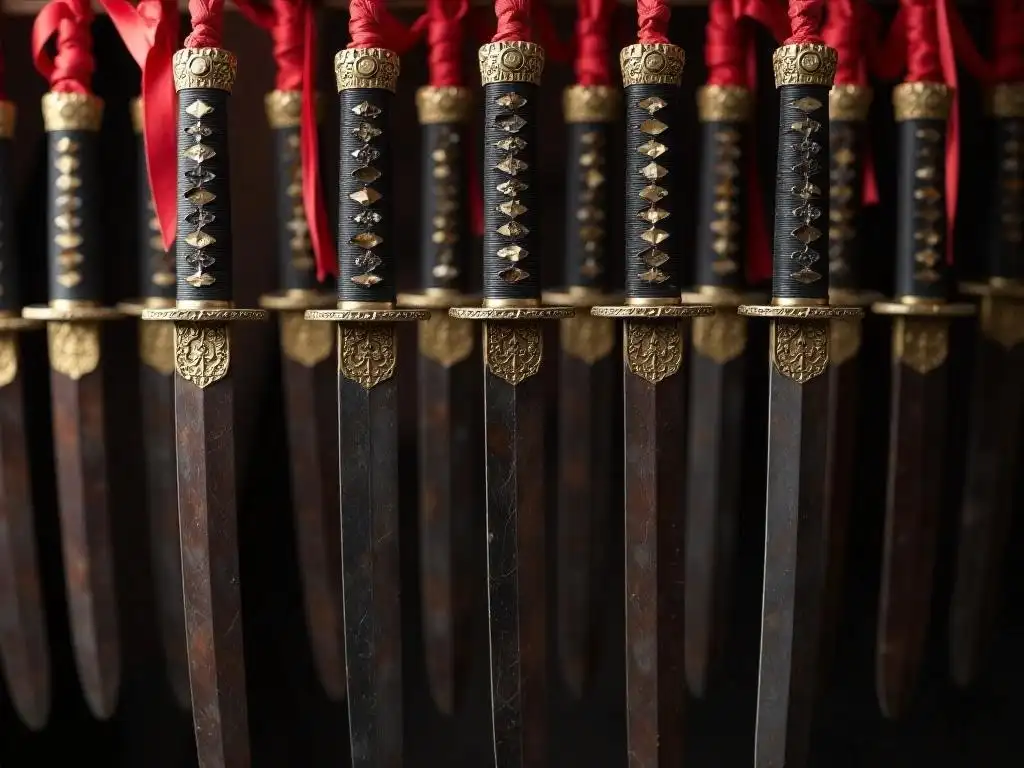
Welcome to Feudal Japan History, where we invite you to embark on an intriguing journey through the rich tapestry of Japan’s feudal era. Here, history comes alive as we delve into the cultural and societal nuances that shaped this dramatic period. In our featured article, "A Collector's Journey: Discovering the Best Samurai Swords on the Market," we uncover the exquisite craftsmanship and legendary stories behind the best samurai swords for collectors.
Prepare to be captivated as you explore the artistry and history of these iconic weapons, and discover why they hold such a revered place in the hearts of enthusiasts. Ready to dive deeper? Your adventure awaits!
The allure of samurai swords, or katana, transcends their mere functionality as weapons; they are revered as masterpieces of craftsmanship, steeped in history and culture. For collectors, these blades represent not only an investment but also a connection to Japan's rich feudal past, symbolizing the values of honor, strength, and artistry that defined the samurai class. In this article, we will embark on a journey to uncover the best samurai swords for collectors, exploring various aspects such as craftsmanship, materials, and historical significance, while also providing guidance on how to choose the right piece for your collection.
Introduction to Samurai Swords for Collectors
Samurai swords are more than just tools of war; they are works of art that encapsulate centuries of history, tradition, and skill. Each sword tells a story, from the forging techniques passed down through generations to the specific details that reflect the era in which it was made. Collecting samurai swords is a unique hobby that combines passion for history with an appreciation for exquisite craftsmanship. Here are some key points to consider when delving into this fascinating world:
- Historical Significance: Understanding the era a sword originates from can greatly enhance its value and appeal. Swords from different periods exhibit distinct styles and features, reflecting the socio-political climate of their time.
- Craftsmanship and Materials: The quality of a samurai sword is often determined by the materials used and the techniques employed in its creation. Traditional samurai swords are usually made from high-carbon steel, known as tamahagane, and are characterized by their distinctive curves and intricate designs.
- Condition and Authenticity: When assessing potential purchases, collectors should be mindful of the sword's condition and authenticity. Factors such as rust, nicks, and the presence of a signature can significantly impact a sword's desirability and value.
Whether you are a seasoned collector or just beginning your journey, understanding these elements is crucial for making informed decisions. This exploration into the best samurai swords on the market will equip you with the knowledge needed to appreciate and select remarkable pieces for your collection.
Understanding the Best Samurai Swords for Collectors
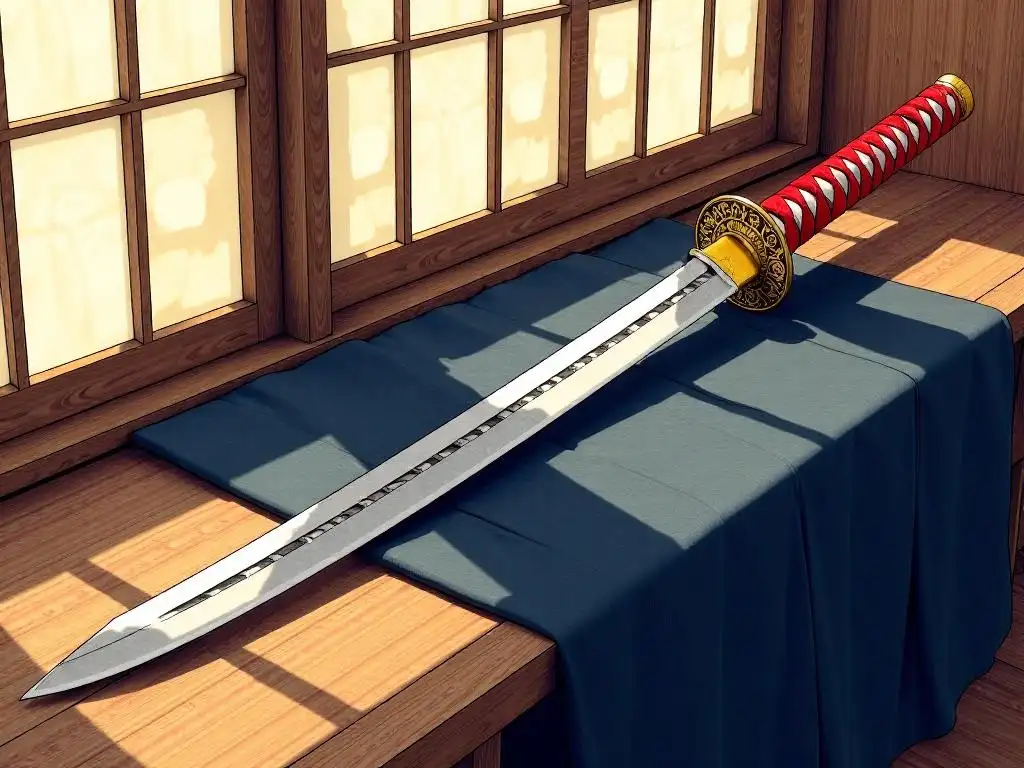
The world of samurai swords is rich and steeped in history, making them a fascinating subject for collectors. The best samurai swords for collectors are not merely weapons; they are artifacts of cultural significance, craftsmanship, and historical importance. Collecting these swords requires an understanding of the various factors that contribute to their value and appeal in the collector's market.
What Makes a Samurai Sword Valuable?
The value of a samurai sword is determined by several key factors, each contributing to its overall worth in the eyes of collectors:
- Provenance:
- The history of ownership often plays a crucial role in a sword's value. Swords with a documented lineage, especially those owned by notable figures or used in significant historical events, tend to be more valuable.
- Craftsmanship:
- The quality of the craftsmanship can drastically affect a sword's value. This includes the materials used, the skill of the swordsmith, and the techniques employed in its creation. Notable swordsmiths, such as Masamune or Muramasa, are highly revered, and their works are sought after.
- Condition:
- A sword's condition is critical in determining its market value. Factors such as rust, chips, or other forms of damage can diminish its worth. Well-preserved swords, preferably with original fittings and mounts, are more desirable.
- Rarity:
- The rarity of a sword can significantly enhance its value. Limited production swords, unique designs, or those made during specific historical periods are often more sought after.
- Cultural Significance:
- Swords that hold cultural or historical significance, such as those associated with specific samurai clans or battles, often command higher prices.
- Documentation and Authentication:
- Certificates of authenticity, appraisals, and detailed documentation can increase a sword's value. Collectors often seek swords that come with expert verification of their origin and authenticity.
Types of Samurai Swords Every Collector Should Know
When embarking on a journey to collect samurai swords, it's essential to familiarize oneself with the various types that exist. Each type has its unique characteristics, significance, and appeal to collectors:
- Katana:
- The most iconic samurai sword, known for its distinct curved blade and exceptional cutting ability. The katana typically features a length of 2-2.5 shaku (approximately 60-76 cm). Collectors often seek katanas from notable swordsmiths, especially those with historical provenance.
- Wakizashi:
- A shorter sword, usually around 1 shaku (30-40 cm) in length. The wakizashi was often paired with the katana, forming a daisho, the traditional sidearm of the samurai. Collectors appreciate the intricacies of the wakizashi, especially when it comes with a matching katana.
- Tanto:
- A dagger-like sword, generally less than 1 shaku in length. The tanto was used for close combat and as a tool. Collectors often value tanto for their craftsmanship and the unique designs that can be found in this category.
- Naginata:
- A polearm with a curved blade, designed for both slashing and thrusting. While less common among collectors, unique or historically significant naginata can be found and are appreciated for their rarity.
- Tachi:
- An earlier form of the samurai sword, characterized by a more pronounced curve compared to the katana and typically worn suspended edge-down. Tachi swords are often highly valued due to their historical significance and the artistry involved in their production.
- Masamune Swords:
- Swords made by the legendary swordsmith Masamune are among the most sought after and valued in the collector's market. His works are renowned for their beauty and sharpness, making them prized possessions.
Understanding the various types of samurai swords and what makes them valuable is crucial for any collector. This knowledge allows collectors to make informed decisions and appreciate these magnificent artifacts of Japan's feudal history. Collecting the best samurai swords can be a fulfilling journey, connecting enthusiasts with the rich heritage of the samurai era.
The Best Samurai Swords for Collectors in 2024
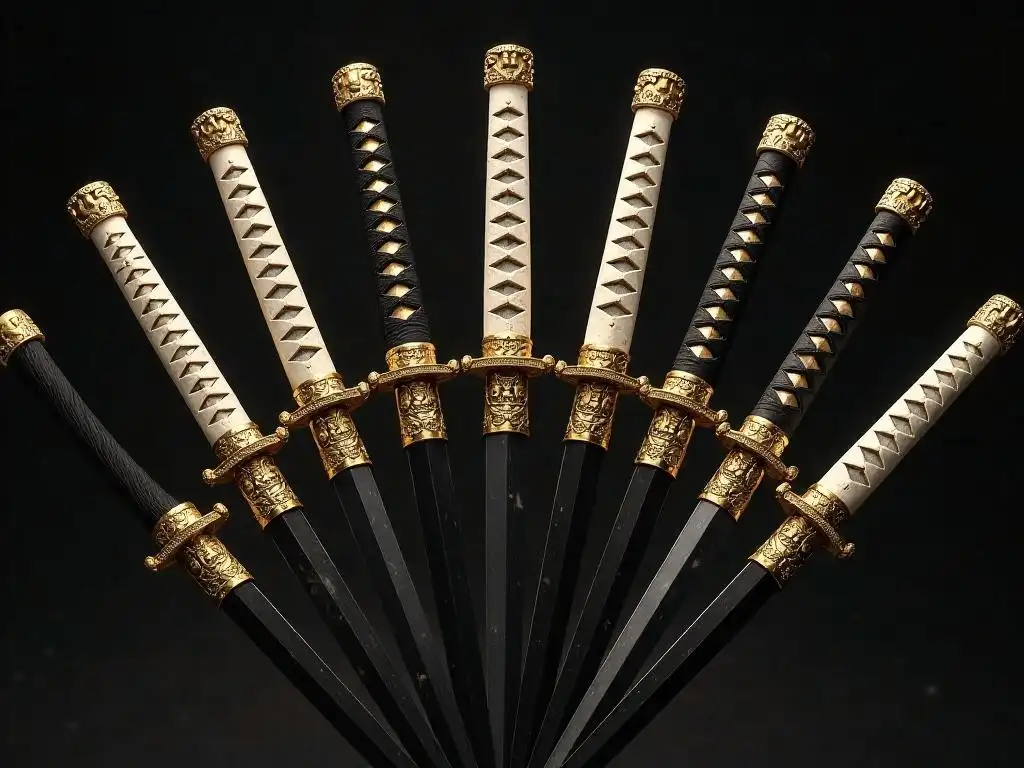
In 2024, the market for samurai swords presents an array of options for collectors, ranging from authentic reproductions to modern interpretations. The best samurai swords for collectors not only showcase the beauty and craftsmanship of traditional Japanese sword-making but also embody the historical significance and cultural heritage of the samurai era. As you embark on your collector's journey, consider factors such as authenticity, craftsmanship, materials used, and overall aesthetic appeal. Below are some of the top picks that every serious collector should consider.
Top Picks for Authentic Samurai Swords
1. Paul Chen Hanwei Katana
The Paul Chen Hanwei Katana stands out as a premier choice for collectors seeking authenticity and craftsmanship. Crafted by the renowned swordsmith Paul Chen, this katana is made from high-carbon steel, ensuring durability and performance.
- Key Features:
- Blade Material: 1095 high-carbon steel
- Length: 28 inches
- Weight: Approximately 2.5 lbs
- Handle: Wrapped in traditional tsuka-ito (cotton)
The blade features a beautiful hamon (temper line), which is a hallmark of quality in Japanese swords. Each sword undergoes meticulous hand-finishing, making it not just a weapon but a piece of art.
2. Bugei Dragonfly Katana
The Bugei Dragonfly Katana is another exceptional option, celebrated for its aesthetics and performance. This sword is designed for both display and martial arts practice, making it versatile for collectors.
- Key Features:
- Blade Material: T10 tool steel
- Length: 27 inches
- Weight: Approximately 2.6 lbs
- Handle: Traditional ray skin with silk tsuka-ito
The Dragonfly Katana features a stunning natural finish and a well-balanced design, providing excellent handling. The intricate tsuba (guard) design enhances its visual appeal, making it a treasured addition to any collection.
3. Cold Steel Katana
For collectors who appreciate a robust and functional sword, the Cold Steel Katana offers a modern take on the traditional design. Known for its durability, this katana is ideal for both display and practical use.
- Key Features:
- Blade Material: 1060 high-carbon steel
- Length: 29 inches
- Weight: Approximately 2.5 lbs
- Handle: Polypropylene with a traditional wrap
The Cold Steel Katana is designed to withstand rigorous use, making it a favorite among martial artists. Its affordability and solid construction make it an appealing option for both novice and seasoned collectors.
Comparison of the Best Samurai Swords for Collectors
| Sword Model | Blade Material | Length | Weight | Handle Type |
|---|---|---|---|---|
| Paul Chen Hanwei Katana | 1095 high-carbon steel | 28 inches | 2.5 lbs | Cotton tsuka-ito |
| Bugei Dragonfly Katana | T10 tool steel | 27 inches | 2.6 lbs | Ray skin with silk |
| Cold Steel Katana | 1060 high-carbon steel | 29 inches | 2.5 lbs | Polypropylene |
When selecting the best samurai swords for collectors, it's essential to consider the specific attributes that resonate with your collection goals. Each of these swords offers a unique blend of historical significance, craftsmanship, and visual appeal.
Factors to Consider When Choosing the Best Samurai Swords
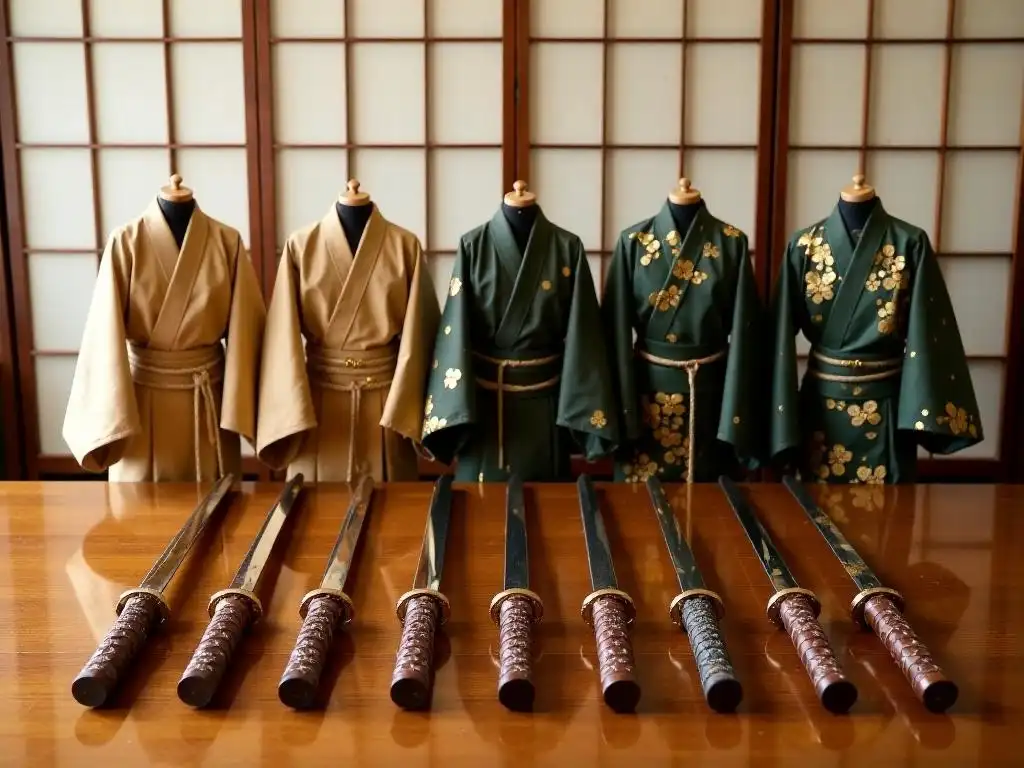
Authenticity and Provenance
When delving into the world of samurai swords, the first and most crucial factor to consider is authenticity and provenance. This aspect not only impacts the sword's value but also its historical significance. Collectors should be aware of the following key points:
- Certification: Look for swords that come with a certificate of authenticity from reputable sources or experts in Japanese swords. This document serves as verification of the sword’s age, maker, and historical context.
- Maker’s Mark: A genuine samurai sword will often bear the signature (mei) of its creator, usually inscribed on the tang (nakago). Familiarizing yourself with the signatures of renowned swordsmiths, such as Masamune or Muramasa, can help you identify authentic pieces.
- Historical Context: Understanding the sword's history, including its production period and the circumstances surrounding its creation, can enhance both its personal and monetary value. Swords from the Kamakura period (1185-1333) or the Edo period (1603-1868) are particularly sought after.
- Provenance Records: Collecting detailed history of ownership can also add to the sword's allure. Documentation that traces the sword's lineage, such as previous ownership by samurai or notable figures, can significantly increase its worth.
It’s essential to conduct thorough research and, if possible, consult with experts or established collectors to ensure that your investment is both legitimate and meaningful.
Maintenance and Care for Collectors
Owning a samurai sword is not only about appreciation of its aesthetic and historical value; it also involves a commitment to maintenance and care. Proper upkeep ensures that these exquisite artifacts remain in good condition for years to come. Here are some crucial maintenance tips for collectors:
- Regular Cleaning: Samurai swords require regular cleaning to remove fingerprints, dust, and moisture. Use a soft cloth to wipe the blade gently, and apply a light coat of oil (like choji oil) to protect the steel from rust and corrosion.
- Storage Conditions: Store swords in a dry, cool environment to prevent damage from humidity or extreme temperature changes. Using a silk or cotton bag can help shield the blade from dust and scratches. Consider displaying swords in a manner that minimizes exposure to direct sunlight.
- Handling Procedures: Always handle swords with care. Use gloves when touching the blade to avoid transferring oils from your skin. When drawing or sheathing the sword, do so slowly to avoid nicks and accidental damage.
- Professional Maintenance: For more extensive care, such as sharpening or repairs, seek out a qualified professional. Attempting to perform these tasks without proper knowledge can lead to irreversible damage.
By following these maintenance practices, collectors can ensure that their samurai swords remain not just beautiful artifacts of cultural heritage but also valuable investments for future generations.
Common Mistakes to Avoid When Collecting Samurai Swords
Collecting samurai swords can be an exhilarating yet daunting endeavor, especially for enthusiasts who wish to own pieces of history. However, there are several common pitfalls that collectors often encounter that can hinder their journey. Understanding these mistakes can enhance the collecting experience and ensure that you acquire the best samurai swords for collectors.
Misunderstanding Value and Quality
One of the most significant mistakes collectors make is misjudging the value and quality of samurai swords. The market is flooded with replicas, forged pieces, and authentic antiques, making it crucial to differentiate between them. Here are several aspects to consider:
- Material Composition: Authentic samurai swords, or nihonto, are traditionally made from high-quality steel known as tamahagane. Understanding the material is essential, as modern replicas may use lower-grade metals.
- Craftsmanship: A genuine samurai sword showcases masterful craftsmanship. Look for characteristics such as:
- Hamon (temper line): A beautiful and clear hamon indicates a well-forged blade.
- Tsuba (guard): Authentic tsubas are often intricately designed, reflecting the era's artistry.
- Provenance and Documentation: Before purchasing, ensure that the sword comes with documentation proving its authenticity. This may include certificates from reputable appraisers or historical records.
- Market Research: Familiarize yourself with current market prices for different types of samurai swords. Online platforms, auction houses, and collector forums can provide insights into fair pricing.
A lack of understanding in these areas can lead to overpaying for a sword that lacks historical significance or quality, ultimately affecting the value of your collection.
Ignoring Legal Restrictions
Another crucial aspect that collectors often overlook is the legal restrictions surrounding the ownership of samurai swords. Each country has its own regulations regarding the import, export, and ownership of blades. Here are some key points to be aware of:
- Local Laws: Research your local laws concerning sword ownership. Some regions may have restrictions on blade length, type, or the ability to own weapons classified as such.
- Import Regulations: If you are considering purchasing swords from abroad, be mindful of the import regulations. Some countries prohibit the importation of certain types of weapons, including samurai swords. Understanding customs regulations can prevent potential legal issues.
- Licensing Requirements: In some areas, collectors may need to obtain specific licenses to legally own or display samurai swords. Ensure to check if your collection requires such a permit.
- Sourcing from Reputable Dealers: Always buy from licensed and reputable dealers who comply with local laws. They usually provide guidance on legal aspects and can help you avoid purchasing a sword that may lead to legal complications.
Ignoring these legal considerations can not only lead to confiscation of your prized possessions but may also result in legal repercussions. Therefore, being informed is paramount in the journey of collecting the best samurai swords for collectors.
By avoiding these common mistakes, collectors can enhance their experience and ensure their collections are both valuable and legally compliant.
Frequently Asked Questions
What are the best samurai swords for collectors?
The best samurai swords for collectors typically include authentic, high-quality katana, tanto, and wakizashi, renowned for their craftsmanship and historical significance.
How can I determine the value of a samurai sword?
To assess the value of a samurai sword, consider factors like age, condition, provenance, and craftsmanship. Consulting an expert or appraiser can provide a more accurate valuation.
What should I look for when buying a samurai sword?
When buying a samurai sword, focus on authenticity, material quality, and maker reputation. Ensure you purchase from a reputable source to avoid replicas.
Are there specific care tips for maintaining samurai swords?
Yes, to maintain samurai swords, regularly clean and oil them, store them properly in a dry place, and avoid excessive exposure to moisture to prevent rust.
Where can I find reliable information about samurai swords?
You can find reliable information about samurai swords through specialized books, museums, and reputable online resources that focus on Japanese history and craftsmanship.
Final Reflection: The Timeless Allure of Samurai Swords
The journey of discovering the best samurai swords for collectors is not merely about acquiring exquisite pieces of craftsmanship; it is a profound exploration of history, culture, and artistry. In today's world, where mass production often overshadows individuality, the allure of samurai swords remains a testament to the enduring value of tradition and the stories embedded in each blade. Collecting these swords is an act of reverence, connecting us to the past and allowing us to appreciate the intricate details that define these remarkable artifacts.
Culture and history are woven into the very fabric of samurai swords, influencing not just collectors but also the broader social landscape. As we delve into the craftsmanship and significance of these weapons, we uncover a narrative that transcends time, inspiring admiration and respect. A sword is a reflection of the soul of its maker.
This quote encapsulates the essence of what it means to collect samurai swords; it is about honoring the artistry and the spirit of those who forged them, while also embracing the personal journey each collector undertakes.
As you reflect on your own journey, consider how the lessons learned from collecting samurai swords can inspire your life. Embrace the stories, the craftsmanship, and the passion that these swords represent, and let them guide you toward a deeper appreciation of history and culture. Whether you are a seasoned collector or just beginning your exploration, take a moment to connect with the legacy of the samurai and the artistry of their swords. Your journey, much like the swords themselves, is a unique narrative waiting to be written.
Unveil Your Passion for Samurai Swords!
Thank you for joining us on this journey through the fascinating world of samurai swords! We hope you discovered valuable insights that will deepen your appreciation for these extraordinary pieces of history. Now, it's time to take the next step in your own collector's journey!
- Start your collection today: Research and explore reputable vendors to find your first authentic samurai sword.
- Share your excitement: Connect with fellow enthusiasts on online forums and social media groups dedicated to samurai culture and sword collecting.
- Attend a local exhibit or workshop: Experience the craftsmanship up close and learn from experts in the field.
What unique story will your first samurai sword tell? We invite you to share your thoughts and plans in the comments below!