
Investing in Samurai Swords: What Makes a Sword Worth Collecting?

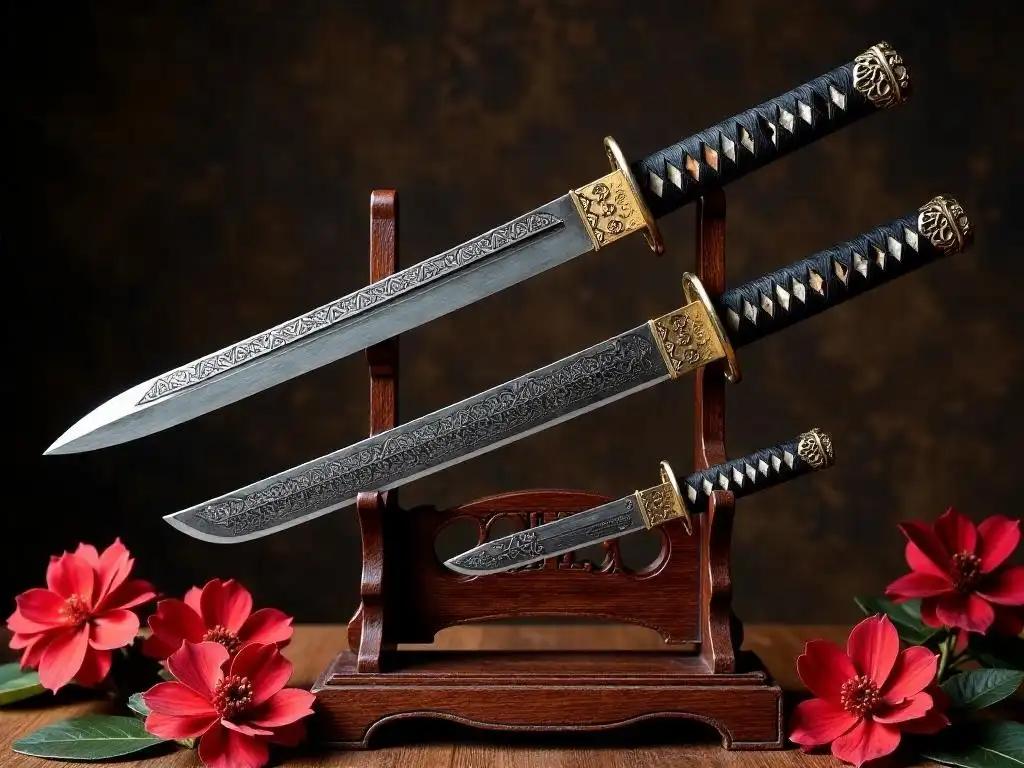
Welcome to Feudal Japan History, where we delve deep into the rich tapestry of Japan's feudal era. Here, history comes alive through expert-driven insights that illuminate the cultural and societal intricacies of this fascinating period. Today, we invite you to uncover the intriguing world of collectible samurai swords. What makes a sword worth collecting? Join us as we explore the value of these legendary blades and discover the artistry, craftsmanship, and history that elevate them beyond mere objects into coveted treasures. Prepare to be captivated as we embark on this enlightening journey!
- Investing in Samurai Swords: Understanding the Value of Collectible Samurai Swords
- What Determines the Value of Collectible Samurai Swords?
- The Best Collectible Samurai Swords on the Market
- Evaluating Your Investment: Pros and Cons of Collecting Samurai Swords
- Where to Buy High-Value Collectible Samurai Swords
- Frequently Asked Questions
- Final Reflection: The Enduring Value of Collectible Samurai Swords
- Unveil the Art of Collecting Samurai Swords!
Investing in Samurai Swords: Understanding the Value of Collectible Samurai Swords
Investing in samurai swords offers a unique opportunity to delve into a rich tapestry of Japan's feudal era, where craftsmanship, artistry, and tradition converge. As symbols of honor and status, these remarkable weapons have garnered immense interest among collectors and enthusiasts alike. Understanding the value of collectible samurai swords goes beyond mere monetary worth; it encompasses historical significance, craftsmanship, and cultural heritage. This article aims to explore the various factors that contribute to the value of these iconic blades, providing insights for both seasoned collectors and newcomers eager to invest in this fascinating domain.
Introduction to Samurai Swords as Collectibles
Samurai swords, or nihonto, are not just weapons; they are exquisite pieces of art that embody centuries of Japanese culture and craftsmanship. The allure of these swords lies in their intricate designs, unique forging techniques, and the stories they carry from Japan's feudal past. Collecting samurai swords has become a popular endeavor, attracting individuals who appreciate the blend of history, artistry, and martial legacy.
When considering the value of collectible samurai swords, several key factors come into play:
- Historical Significance: Each sword tells a story, often linked to notable samurai or historical events. The provenance of a sword can significantly enhance its value.
- Craftsmanship: The skill involved in forging a samurai sword is unparalleled. High-quality materials, such as tamahagane steel, and traditional techniques used by master swordsmiths contribute to a sword's worth.
- Condition and Rarity: The overall condition of the sword, including its blade, fittings, and scabbard, plays a crucial role in determining value. Rare swords, especially those from specific periods or made by renowned smiths, command higher prices.
- Market Demand: The current market trends and the demand for specific types of swords can influence their value. Collectors often seek swords that are not only functional but also hold aesthetic and historical appeal.
By understanding these factors, collectors can make informed decisions when investing in samurai swords, ensuring that their collection not only reflects their passion for Japanese history but also retains its value over time.
What Determines the Value of Collectible Samurai Swords?
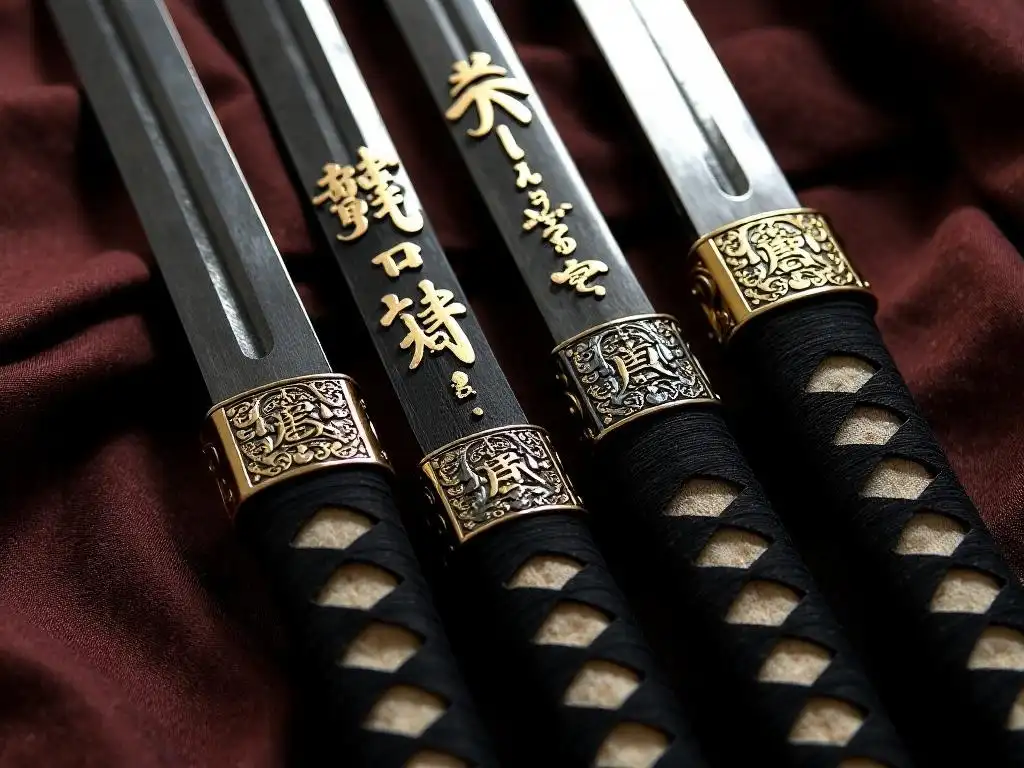
The value of collectible samurai swords is influenced by a range of factors that reflect their historical, artistic, and material significance. Understanding these elements is crucial for collectors looking to invest wisely in these iconic pieces of Japanese heritage. The primary determinants include historical significance and provenance, craftsmanship and materials, as well as condition and authenticity.
Historical Significance and Provenance
The historical context surrounding a samurai sword plays a pivotal role in its valuation. Swords that have a documented history, particularly those linked to notable samurai, battles, or significant events, tend to command higher prices. For instance:
- Famous Owners: Swords once owned by legendary figures such as Minamoto no Yoshitsune or Oda Nobunaga can greatly increase in value due to their association with these historical personalities.
- Battlefield Provenance: A sword with a verified history of use in famous battles or conflicts may carry a premium. Collectors often seek swords that can be traced back to specific historical moments or military campaigns.
Moreover, the sword's provenance—its ownership lineage—can substantially impact its value. Documentation that verifies ownership history, including certificates or records of past sales, can elevate a sword's status in the eyes of collectors.
“A sword is not merely an object; it embodies the spirit and history of its time.”
Craftsmanship and Materials
The artistry involved in the creation of a samurai sword is another crucial determinant of its value. The following aspects are particularly noteworthy:
- Maker's Signature: Swords crafted by renowned smiths, such as Masamune or Muramasa, are highly sought after. The signature (mei) engraved on the tang can significantly enhance a sword's value.
- Quality of Materials: The type of steel used, such as tamahagane, and the presence of unique features like folds or hamon (temper line) contribute to the sword's aesthetic appeal and value.
- Artistic Features: Many samurai swords are adorned with intricate designs, inlays, and fittings that reflect the era's artistic trends. Swords that exhibit superior craftsmanship and artistic details are more desirable among collectors.
| Factor | Impact on Value |
|---|---|
| Renowned Maker | High Premium |
| Rare Materials | Significant Increase |
| Artistic Features | Enhanced Collectibility |
Condition and Authenticity
The overall condition of a samurai sword is a major factor in determining its value. Collectors and appraisers closely examine several aspects:
- Physical Condition: The blade should be free of major nicks or rust. A well-preserved sword with sharp edges and an intact hamon is considerably more valuable.
- Original Components: The presence of original fittings (tsuba, menuki, and saya) adds value. Restorations that maintain originality are preferable, but extensive restorations may detract from value.
- Authentication: Ensuring the sword is genuine is vital. Professional appraisals and certifications from recognized experts can help validate a sword’s authenticity, making it more appealing to serious collectors.
The value of collectible samurai swords is a complex interplay of historical significance, craftsmanship, and condition. Collectors must thoroughly research these aspects to make informed investment decisions in the fascinating world of samurai sword collecting.
The Best Collectible Samurai Swords on the Market
The realm of collectible samurai swords is rich with history and craftsmanship, making it a fascinating subject for collectors and enthusiasts alike. When considering the value of collectible samurai swords, several factors come into play, including the sword's age, maker, condition, and historical significance. Below, we will explore the top five samurai swords that stand out in 2024 for their exceptional qualities and investment potential.
Top 5 Samurai Swords for Collectors in 2024
1. Yasuyuki Katana
The Yasuyuki Katana is a masterpiece that reflects the artistry of swordsmith Yasuyuki, who was active during the Edo period. Known for its sharpness and beautiful hamon (temper line), this sword is highly sought after by collectors.
- Specifications:
- Length: Approximately 28-30 inches
- Blade Material: Tamahagane steel
- Significance: Represents the peak of craftsmanship from the Edo period.
The Yasuyuki Katana is not just a weapon; it's a work of art that tells a story of its time.
2. Masamune Tanto
The Masamune Tanto is a dagger that showcases the genius of the legendary swordsmith Masamune, considered one of the greatest in Japanese history. This piece is prized for its intricate designs and exceptional quality.
- Specifications:
- Length: About 10-12 inches
- Blade Material: High-carbon steel
- Significance: Masamune’s swords have been revered for centuries and are often associated with the samurai class.
3. Koto Period Katana
Dating back to the Koto period (roughly 794-1185), the Koto Period Katana is a vital piece for any serious collector. These swords are characterized by their long blades and distinctive curvature.
- Specifications:
- Length: Ranges from 26-32 inches
- Blade Material: Traditional forged steel
- Significance: Reflects the evolution of sword-making techniques in early feudal Japan.
Owning a Koto Period Katana offers a tangible connection to Japan’s rich martial history.
4. Shinto Sword
The Shinto Sword represents the revival of traditional sword-making techniques after the Koto period. Crafted during the Shinto period (1600-1868), these swords are known for their intricate designs and functional durability.
- Specifications:
- Length: Approximately 27-29 inches
- Blade Material: Various steel compositions
- Significance: A blend of beauty and practicality, making it a favorite among collectors.
5. Modern Reproductions
For collectors who appreciate the aesthetics and functionality of samurai swords but may not have the budget for authentic antiques, modern reproductions offer an excellent alternative. These swords are crafted using traditional methods, providing a similar look and feel as historical pieces.
- Specifications:
- Length: Varies based on design
- Blade Material: High-carbon steel or stainless steel
- Significance: Combines modern technology with traditional craftsmanship, making them accessible to a wider audience.
The value of collectible samurai swords is influenced by their historical significance, craftsmanship, and condition. Each of the swords listed above represents a unique aspect of Japan's rich martial heritage, making them not only valuable investments but also treasured artifacts of cultural importance. Collectors should consider these factors carefully when seeking to enhance their collections.
Evaluating Your Investment: Pros and Cons of Collecting Samurai Swords
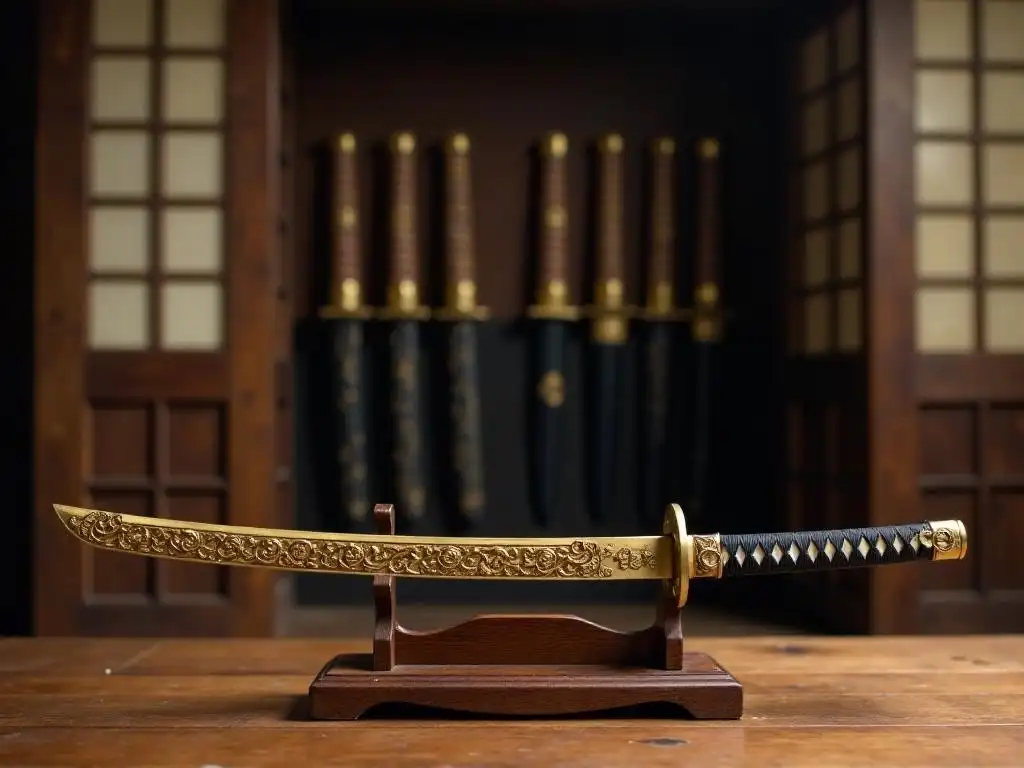
Advantages of Investing in Samurai Swords
Investing in samurai swords has become increasingly popular among collectors and enthusiasts alike. These exquisite pieces not only represent a significant part of Japanese culture and history but also hold potential value as collectibles. Here are some key advantages to consider:
- Cultural Significance: Samurai swords, or nihonto, are steeped in history, embodying the skill, artistry, and philosophy of the samurai class. Owning a piece of this heritage can be immensely rewarding.
- Artistic Craftsmanship: The intricate craftsmanship involved in forging samurai swords is remarkable. Each sword is often a unique work of art, showcasing the skill of the smith, which can enhance its aesthetic and monetary value.
- Rarity and Demand: With many antique samurai swords being rare, their scarcity can drive up demand among collectors. High-quality, well-preserved swords can appreciate significantly over time, making them potential investment vehicles.
- Connection to Martial Arts: For martial artists, owning a samurai sword can deepen their connection to the art. It serves not only as a tool for practice but as a symbol of their dedication and respect for the discipline.
- Investment Diversification: Collecting samurai swords can provide diversification in an investment portfolio. Physical assets like swords do not correlate with traditional financial markets, potentially offering a hedge against inflation.
Disadvantages to Consider
While the advantages are compelling, there are also disadvantages to be aware of when considering an investment in samurai swords:
- High Initial Costs: The purchase price of collectible samurai swords can be quite high, especially for those that are authentic, well-crafted, and in good condition. This initial investment might not be feasible for all collectors.
- Market Volatility: The market for collectibles, including samurai swords, can be unpredictable. Prices may fluctuate based on trends, economic conditions, and changes in collector interest, which can affect the resale value.
- Authenticity and Provenance Issues: Ensuring the authenticity of a samurai sword is critical. The presence of forged or misrepresented swords can lead to loss of investment. Collectors must invest time in research and may incur additional costs for appraisals.
- Maintenance and Care: Proper care and maintenance of samurai swords are essential to preserve their condition and value. This includes regular cleaning, handling with care, and storing them appropriately, which can be time-consuming and costly.
- Limited Liquidity: Unlike stocks or bonds, selling a collectible sword may take time, and finding the right buyer can be challenging. This limited liquidity can pose a risk if quick access to cash is needed.
While investing in samurai swords can offer numerous benefits, it is crucial for collectors to weigh these against potential downsides. Understanding both sides can lead to informed decisions and a more rewarding collecting experience.
Where to Buy High-Value Collectible Samurai Swords
Recommended Retailers and Auction Houses
Investing in collectible samurai swords requires careful consideration of where to purchase these historical pieces. Various retailers and auction houses specialize in high-value samurai swords, ensuring authenticity and quality. Here are some recommended options:
- Specialty Sword Dealers:
- Bugei: Known for its selection of authentic Japanese swords, Bugei offers a range of collectible pieces along with expert advice on sword care and maintenance.
- The Samurai Store: This retailer specializes in both antique and modern samurai swords, providing detailed descriptions and provenance of each piece.
- Auction Houses:
- Bonhams: Renowned for its fine auction events, Bonhams often features samurai swords and related artifacts, attracting collectors from around the globe.
- Sotheby’s: With a history of handling high-value collectibles, Sotheby’s holds auctions that include rare samurai swords, making it a prime destination for discerning collectors.
- Antique Shops:
- Local antique shops, particularly those in areas with a historical connection to Japan, can sometimes offer rare finds. Always verify the authenticity through certificates or appraisals.
- Sword Shows and Conventions:
- Attending events like the Connoisseur’s Show or local sword fairs can provide opportunities to purchase directly from collectors or dealers, often at competitive prices.
Online Resources for Samurai Sword Collectors
The digital landscape offers numerous resources for collectors looking to understand the value of collectible samurai swords and where to find them. Here are some valuable online resources:
- Forums and Communities:
- Nihonto Message Board: A dedicated space for sword enthusiasts to discuss and trade samurai swords, share experiences, and seek advice on valuation.
- Swords of Northshire: This community offers insights into sword collecting, including guides on identifying high-value pieces.
- Educational Websites:
- The Japanese Sword Society of the United States (JSSUS): Provides extensive educational resources on the history and valuation of samurai swords, along with information on appraisals.
- The Nihonto Club: Focuses on the study and appreciation of Japanese swords, offering articles and resources that enhance collectors’ knowledge and understanding.
- Online Marketplaces:
- eBay: While caution is advised when purchasing through auction sites, eBay can yield rare finds if buyers perform due diligence on sellers and sword authenticity.
- Etsy: Occasionally features artisans selling replicas or restored swords, which can be valuable for collectors looking for unique pieces.
By leveraging these retailers and online resources, collectors can navigate the world of samurai swords more effectively, ensuring they make informed decisions that reflect the true value of collectible samurai swords.
Frequently Asked Questions
What determines the value of collectible samurai swords?
The value of collectible samurai swords is influenced by several factors, including age, provenance, condition, and the craftsmanship of the sword. Authenticity and historical significance also play crucial roles.
Are there specific features collectors look for in samurai swords?
Yes, collectors often seek unique features such as hamon (the blade's temper line), mei (signature), and the overall design and aesthetics. These elements can greatly enhance a sword's desirability and market value.
How can one verify the authenticity of a samurai sword?
Verifying authenticity typically involves consulting with experts or appraisers who specialize in Japanese swords. They will examine the sword's craftsmanship, materials, and historical context to determine its legitimacy.
Is it wise to invest in samurai swords as collectibles?
Investing in samurai swords can be wise, as their cultural significance and historical value often appreciate over time. However, potential investors should conduct thorough research and seek expert advice before purchasing.
What are some tips for caring for collectible samurai swords?
To care for collectible samurai swords, always store them in a dry environment, use a properly fitted saya, and regularly clean the blade with oil to prevent rust. Proper handling and maintenance are essential for preserving their value.
Final Reflection: The Enduring Value of Collectible Samurai Swords
The allure of collectible samurai swords transcends mere aesthetics; it embodies a rich tapestry of history, craftsmanship, and cultural significance that remains profoundly relevant today. As we navigate a world increasingly driven by technology and mass production, the appreciation for the artistry and heritage encapsulated in these blades serves as a poignant reminder of our connection to the past and the values we hold dear. The value of collectible samurai swords is not just measured in monetary terms but also in the stories they tell and the legacy they preserve.
Collecting samurai swords is more than a hobby; it is an engagement with history and a celebration of a unique cultural identity that continues to resonate in contemporary society.
The ongoing fascination with these weapons reflects a deep-seated respect for craftsmanship and tradition, which often feels overshadowed in our fast-paced world.
As the renowned collector and historian, John H. H. H. H. H. H. H. H. H. H. H. H. H. H. H. H. H. H. H. H. H. H. H. H. H. H. H. H. H. H. H. H. H. H. H. H. H. H. H. H. H. H. H. H. H. H. H. H. H. H. H. H. H. H. H. H. H. H. H. H. H. H. H. H. H. H. H. H. H. H. H. H. H. H. H. H. H. H. H. H. H. H. H. H. H. H. H. H. H. H. H. H. H. H. H. H. H. H. H. H. H. H. H. H. H. H. H. H. H. H. H. H. H. H. H. H. H. H. H. H. H. H. H. H. H. H. H. H. H. H. H. H. H. H. H. H. H. H. H. H. H. H. H. H. H. H. H. H. H. H. H. H. H. H. H. H. H. H. H. H. H. H. H. H. H. H. H. H. H. H. H. H. H. H. H. H. H. H. H. H. H. H. H. H. H. H. H. H. H. H. H. H. H. H. H. H. H. H. H. H. H. H. H. H. H. H
Unveil the Art of Collecting Samurai Swords!
Thank you for taking the time to explore the intricate world of samurai swords! You’ve discovered the rich history and value of these remarkable artifacts. Now, it’s time to delve deeper and embrace the journey of collection and appreciation.
Here are a few actions you can take to further your passion for samurai swords:
- Start your collection: Research reputable dealers and consider your first purchase. Look for swords with unique histories or craftsmanship that resonates with you.
- Join a community: Connect with fellow collectors, historians, or enthusiasts through online forums or local clubs to share insights, experiences, and resources.
- Educate yourself: Explore a variety of resources, including books, documentaries, and classes that delve deeper into the art, history, and techniques of sword-making.
What aspect of samurai swords fascinates you the most, and how do you plan to explore this passion further? We would love to hear your thoughts!