
Masterpieces of Metal: Exploring the Best Samurai Swords for Your Collection

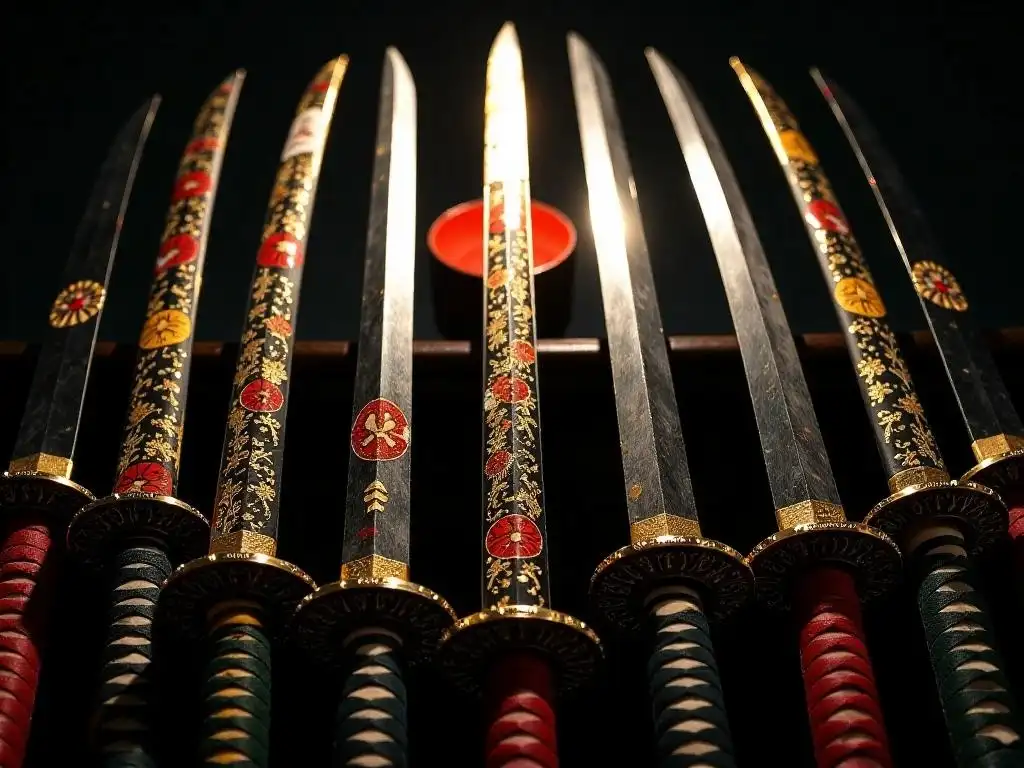
Welcome to Feudal Japan History, where we invite you to embark on an extraordinary journey through the captivating world of Japan's feudal era. Our in-depth articles delve into the rich historical, cultural, and societal aspects that shaped this fascinating period. Today, we shine a spotlight on a topic that ignites passion and intrigue: the best samurai swords collection.
Discover the artistry and craftsmanship behind these legendary blades, and learn why they remain coveted treasures for collectors and martial arts enthusiasts alike. Get ready to uncover the hidden stories and exquisite details that make each sword a masterpiece in its own right—your adventure begins now!
The artistry and craftsmanship of samurai swords, or katana, represent a significant aspect of Japan's feudal history. These weapons are not merely tools of war; they are symbols of honor, tradition, and the samurai way of life. The best samurai swords possess unique characteristics that reflect the skill of their makers and the cultural values of the era.
This article dives into the fascinating world of samurai swords, exploring the nuances that make certain pieces stand out for collectors. Whether you're a seasoned enthusiast or a new collector, understanding what defines the best samurai swords for your collection will enrich your appreciation for these masterpieces of metal.
Introduction to Samurai Swords
Samurai swords have a storied legacy, deeply intertwined with the historical and cultural fabric of Japan. The katana, known for its distinctive curved blade and exceptional sharpness, was historically wielded by the samurai class, who were both warriors and custodians of Japanese culture.
- Historical Significance: Originating during the Heian period (794-1185), the sword evolved through various phases, with each era contributing to its design and functionality. The craftsmanship reached its zenith during the Kamakura period (1185-1333), where swords were not only weapons but also works of art.
- Craftsmanship: The making of a samurai sword involves intricate techniques passed down through generations. The process includes folding steel to create a blade that is both flexible and resilient, a technique known as tamahagane. The aesthetic features, such as hamon (temper line) and tachi mei (inscription), further enhance the sword's appeal.
- Cultural Importance: Beyond their practicality, samurai swords embody the spirit of the samurai, representing virtues such as loyalty, courage, and honor. They were often imbued with deep personal significance, reflecting the identity of their owners.
As we delve deeper into the best samurai swords for your collection, we will examine the criteria that define excellence in craftsmanship, historical value, and the stories behind notable pieces. This exploration will not only aid in selecting the finest additions to your collection but also deepen your understanding of the cultural heritage that these remarkable swords embody.
The Best Samurai Swords for Collectors

Collecting samurai swords is not merely a hobby; it is a passion that connects collectors to the rich history and artistry of feudal Japan. Each sword tells a story, reflecting the craftsmanship, cultural significance, and martial prowess of its time. When building your collection, understanding the nuances of each type of sword and what makes them valuable is crucial.
Top Factors to Consider When Building Your Samurai Sword Collection
Before diving into specific sword types, it's essential to consider several key factors that will enhance your collection:
- Authenticity: Verify the sword's lineage. Authentic samurai swords are often signed by the smith and have a well-documented history.
- Condition: Examine the sword for rust, nicks, or repairs. A sword in excellent condition is more desirable and valued.
- Type and Functionality: Different types of swords served various purposes. Understanding these functions will help you select pieces that resonate with your interests.
- Provenance: A sword's background, including previous ownership and historical significance, can dramatically affect its value.
- Materials: High-carbon steel is preferred for its durability and sharpness, while the quality of fittings and scabbards can also influence a sword's appeal.
- Aesthetic Appeal: A sword's design, including the tsuba (guard), tsuka (handle), and saya (scabbard), contributes to its beauty and desirability.
By focusing on these factors, collectors can make informed decisions and build a collection that is both personally meaningful and historically significant.
Best Samurai Swords for Your Collection
When considering the best samurai swords for your collection, it's essential to explore the standout types that embody the spirit of the samurai and their craftsmanship.
1. Katana: The Iconic Samurai Sword
The katana is perhaps the most famous of all samurai swords, characterized by its curved, single-edged blade and distinctive tsuba. Originating in the late 12th century, the katana represents the pinnacle of Japanese sword-making.
- Blade Length: Typically ranges from 60 to 80 cm, providing an ideal balance of reach and control.
- Construction: Made using a technique called folding, which enhances the blade's strength and flexibility.
- Cultural Significance: The katana is not only a weapon but also a symbol of the samurai's honor and discipline.
Collectors will find that authentic katanas, especially those from renowned smiths, can command high prices due to their historical significance and craftsmanship.
2. Wakizashi: The Companion Blade
The wakizashi is a shorter blade, usually measuring between 30 and 60 cm, and is typically worn alongside the katana. This pairing was known as the daito, symbolizing the samurai's duality in both offense and defense.
- Purpose: Used for close combat and as a tool for ritual suicide (seppuku) when necessary.
- Design: The wakizashi often features intricate fittings and can be equally beautiful as the katana.
- Collectibility: Due to its smaller size, it is often more accessible for collectors, and many pieces from the Edo period are highly sought after.
The wakizashi's unique history and functionality make it a valuable addition to any samurai sword collection.
3. Tanto: The Short Blade with a Rich History
The tanto is a traditional Japanese dagger that measures under 30 cm. Although smaller than the katana and wakizashi, the tanto has its own storied history and significance.
- Usage: Originally used as a tool and weapon, the tanto was favored by samurai for its versatility.
- Craftsmanship: Many tanto boast exquisite craftsmanship, with elaborate designs and materials that highlight the smith's skill.
- Cultural Role: The tanto is often associated with loyalty and honor, making it a symbol of the samurai's code.
For collectors, the tanto provides an excellent opportunity to acquire a piece of history that embodies the artistry of samurai weaponry.
Building a collection of the best samurai swords involves understanding the significance of each type, evaluating their authenticity, and appreciating the craftsmanship that goes into each blade. Whether it’s the iconic katana, the versatile wakizashi, or the historically rich tanto, each sword offers a unique glimpse into Japan's feudal past and the artistry of its makers.
Unique Features of Each Samurai Sword
Samurai swords, or katana, are not just weapons; they are masterpieces of craftsmanship and cultural significance. Each sword boasts unique features that reflect the artistry, utility, and historical context of its creation. Understanding these distinct characteristics is essential for collectors and enthusiasts alike, as they contribute to both the aesthetic appeal and the functional prowess of these iconic blades. Below, we explore two critical aspects of samurai swords: their distinctive curvature and blade geometry, as well as the significance of the tsuba and tsuka.
The Distinctive Curvature and Blade Geometry
One of the most notable features of samurai swords is their distinctive curvature, known as the "sori." This curvature serves both practical and aesthetic purposes.
- Practical Use: The curve of the blade allows for a more efficient cutting motion, enabling the wielder to slice through targets with greater ease. This design is particularly advantageous in combat situations, where swift and precise strikes are paramount.
- Blade Geometry: Samurai swords typically exhibit a tapered blade profile, which contributes to their sharpness and cutting ability. The blade's geometry is often characterized by a combination of a straight spine and a gently curving edge. This design not only enhances the sword's performance but also adds to its visual elegance.
The craftsmanship involved in forging a samurai sword also plays a critical role in its geometry. Traditional techniques, such as differential hardening, create a blade that is both tough and resilient, with a hard edge for cutting and a softer spine to absorb shock.
The Importance of Tsuba and Tsuka in Samurai Swords
In addition to the blade, the tsuba (hand guard) and tsuka (handle) of a samurai sword are vital components that contribute to both functionality and aesthetics.
- Tsuba: The tsuba serves multiple purposes:
- Protection: It prevents the user's hand from slipping onto the blade during combat, ensuring safety.
- Balance: The tsuba helps to balance the weight of the sword, allowing for better control and maneuverability.
- Artistic Expression: Tsuba are often intricately designed, featuring motifs and craftsmanship that reflect the owner's status or personal beliefs. Collectors often seek tsuba that showcase unique designs or historical significance.
- Tsuka: The tsuka is equally important for several reasons:
- Grip: A well-crafted tsuka ensures a secure grip, which is essential for effective swordsmanship. Traditional tsuka are wrapped in a material like silk or cotton to enhance grip and comfort.
- Connection to the Blade: The tsuka connects the wielder to the sword, allowing for nuanced control and precision in strikes.
- Cultural Significance: The design and materials used for the tsuka often reflect the sword's lineage and the era in which it was created, making it an important aspect of the sword's history.
The unique features of samurai swords, particularly their curvature, blade geometry, tsuba, and tsuka, provide a rich tapestry of functionality and artistry that captivates collectors and martial arts enthusiasts alike. Understanding these elements is crucial for those looking to build a meaningful collection of the best samurai swords.
Caring for Your Samurai Sword Collection
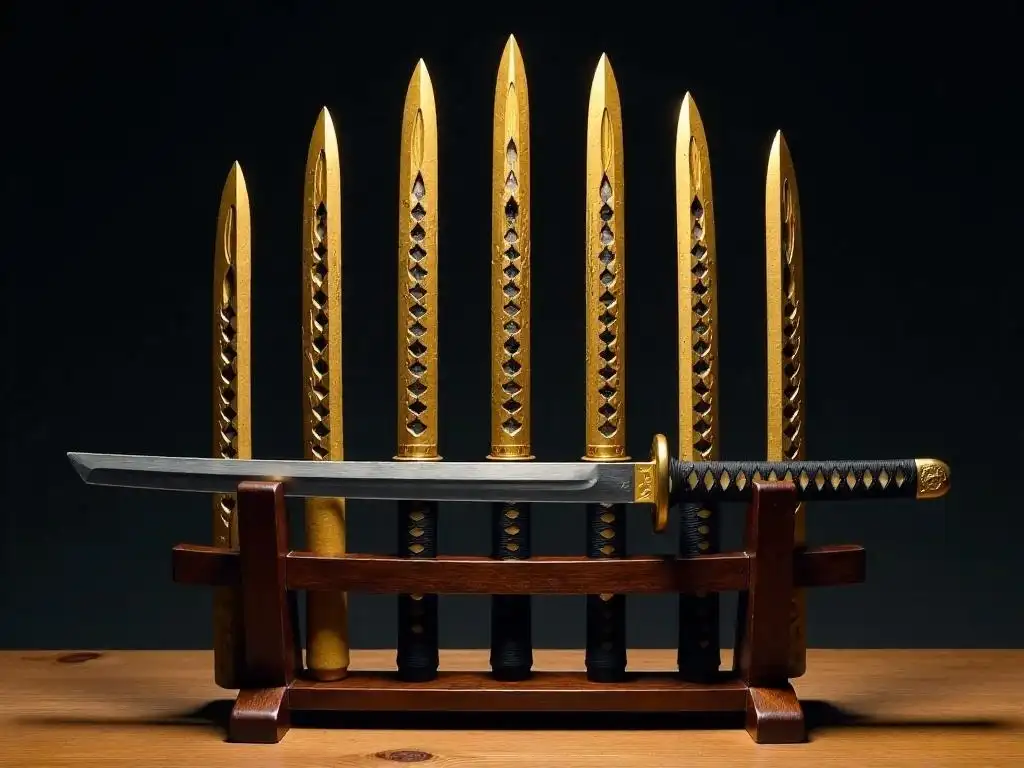
Maintenance Tips to Preserve Your Samurai Swords
Caring for your samurai sword collection is crucial to ensure that these masterpieces of metal remain in pristine condition, both for aesthetic appreciation and for maintaining their historical integrity. Here are some essential maintenance tips for collectors:
- Regular Cleaning
- Use a soft, lint-free cloth to wipe down the blades after handling them. This removes oils and moisture that can cause rust.
- For deeper cleaning, utilize a specialized sword oil or a light mineral oil. Apply it sparingly with a clean cloth to prevent buildup.
- Proper Storage
- Store swords in a dry, temperature-controlled environment to avoid humidity that can lead to rust.
- Consider using a shira-saya (a plain wooden scabbard) for long-term storage, as it provides protection without trapping moisture.
- Avoiding Damage
- Never store swords in their original scabbards for extended periods without checking for moisture.
- Use a bamboo sword stand or a display case to keep the swords upright and prevent bending or any accidental scratches.
- Routine Inspections
- Regularly inspect the blades for any signs of rust or wear. Early detection is key to preventing further damage.
- Check the fittings and the hilt for any loosening or wear, as this can affect the sword's integrity and usability.
- Professional Maintenance
- Consider having your swords professionally polished or maintained by a certified swordsmith. This is particularly important for high-value pieces or those with historical significance.
Displaying Your Samurai Swords
Displaying your samurai swords can enhance their aesthetic appeal while also demonstrating your appreciation for their craftsmanship. Here are some effective methods and considerations for displaying your collection:
- Wall Mounts
- Use wall-mounted sword racks or displays to showcase your samurai swords. This keeps them secure and allows for easy viewing.
- Ensure that the mounts are made from materials that won’t damage the swords, such as soft wood or padded brackets.
- Display Cases
- Invest in a glass display case that provides visibility while protecting the swords from dust and accidental damage.
- Look for cases with UV-filtering glass to prevent fading of any decorative elements or the blade itself over time.
- Thematic Arrangement
- Consider displaying your swords in a thematic arrangement based on historical periods, types of swords (e.g., katana, tanto), or even by their makers.
- This not only creates a visually appealing display but also provides educational context for viewers.
- Lighting Considerations
- Use soft, ambient lighting to highlight the beauty of the swords without causing heat damage or fading.
- Avoid direct sunlight exposure as it can warp or discolor both the blades and any decorative materials.
- Enhanced Aesthetics
- Pair your swords with complementary items, such as traditional Japanese art, armor, or other artifacts, to create a cohesive display that tells a story.
- Use stands that allow the swords to be displayed at an angle for increased visual impact.
By following these maintenance and display tips, you can ensure that your collection of the best samurai swords not only remains in excellent condition but also serves as a stunning centerpiece in your home.
Myths About Samurai Swords and the Realities
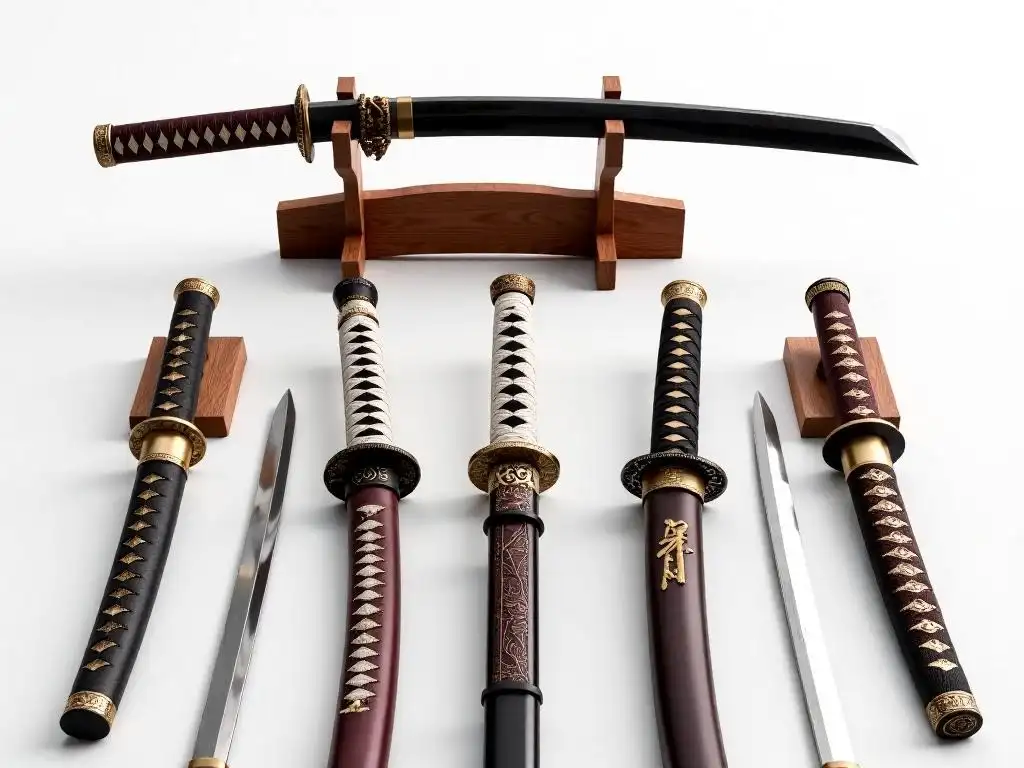
The fascination with samurai swords, or katana, often leads to the proliferation of myths and misconceptions. These misinterpretations can misguide collectors and enthusiasts alike. Understanding the realities behind these myths is crucial for anyone looking to build the best samurai swords collection.
Common Misconceptions Surrounding Samurai Swords
- All Samurai Swords Are Katanas
- A common belief is that all samurai swords are katanas. In reality, the term "samurai sword" encompasses various types of blades, including:
- Tachi: An older style designed for cavalry.
- Wakizashi: A shorter blade often paired with the katana.
- Tanto: A small dagger used for close combat.
- Each type has its unique characteristics and historical significance.
- A common belief is that all samurai swords are katanas. In reality, the term "samurai sword" encompasses various types of blades, including:
- Samurai Swords Are Indestructible
- Many people think that samurai swords are unbreakable due to their legendary reputation. However, while they are crafted with exceptional skill and quality, they can still be damaged. Factors include:
- The quality of the steel used.
- The forging process.
- Maintenance and care of the sword.
- Proper handling is essential; misuse can lead to chips or breaks in the blade.
- Many people think that samurai swords are unbreakable due to their legendary reputation. However, while they are crafted with exceptional skill and quality, they can still be damaged. Factors include:
- The Sharpness of a Katana Is Unmatched
- It's often claimed that katanas are the sharpest swords in the world. While they are indeed crafted to be incredibly sharp, there are many modern blades made from advanced materials that can achieve equal or greater sharpness. Additionally, sharpness is not the only factor to consider; durability and balance are equally important for effective use.
- All Samurai Swords Are Antiquities
- Some collectors believe that all samurai swords must be ancient to hold value. However, there is a thriving market for modern reproductions and custom-made swords that are crafted using traditional techniques. These can be just as valuable, especially if:
- They are made by renowned smiths.
- They have unique designs or features.
- Some collectors believe that all samurai swords must be ancient to hold value. However, there is a thriving market for modern reproductions and custom-made swords that are crafted using traditional techniques. These can be just as valuable, especially if:
- A Sword's Value Is Based Solely on Age
- The age of a samurai sword does not necessarily determine its value. Factors that contribute to a sword's worth include:
- The craftsmanship and artistry involved.
- Historical significance and provenance.
- Condition and rarity of the sword.
- Collectors should assess swords based on a combination of these factors rather than age alone.
- The age of a samurai sword does not necessarily determine its value. Factors that contribute to a sword's worth include:
By dispelling these myths, collectors can approach their passion for samurai swords with a more informed perspective, ultimately leading to a more rewarding experience in curating the best samurai swords collection. Understanding the nuances of these remarkable pieces of history allows for deeper appreciation and ensures that collectors make knowledgeable decisions.
Frequently Asked Questions
What are the key features of the best samurai swords?
The best samurai swords are characterized by their high-quality craftsmanship, unique blade design, and historical significance. They often feature a curved blade and are made from traditional materials like tamahagane steel.
How can I determine the authenticity of a samurai sword?
To determine the authenticity of a samurai sword, look for signature markings (mei) on the tang, verify its provenance, and consult with an expert or appraiser. Authentic samurai swords typically have a rich history and are made by recognized smiths.
What is the historical significance of samurai swords in Japan?
Samurai swords are not just weapons; they symbolize the warrior class in feudal Japan and reflect the cultural values of honor and loyalty. They were often considered a soul of the samurai and played a crucial role in Japanese martial arts.
How do I care for my samurai sword collection?
To care for your samurai sword collection, keep them in a dry environment, regularly apply choji oil to the blade, and store them in a polished wooden case. Proper maintenance ensures the longevity and preservation of these historical artifacts.
Where can I find the best samurai swords for my collection?
The best samurai swords can be found through reputable antique dealers, specialized online retailers, or at auctions focused on historical artifacts. Always ensure the seller has a good reputation and provides documentation of authenticity.
Final Reflection: The Timeless Allure of Samurai Swords
In a world where the fast pace of technology often overshadows tradition, the art of the samurai sword remains a powerful testament to craftsmanship and cultural heritage. The intricate designs, the meticulous forging process, and the rich history behind each blade not only captivate collectors but also connect us to a time when honor and skill defined a warrior's legacy. The best samurai swords collection is not merely about owning a piece of history; it is about embracing the values and artistry that these masterpieces represent.
Samurai swords have transcended their practical use to become symbols of strength, honor, and the pursuit of perfection. Their influence extends beyond the realm of collectors and enthusiasts; they inspire artists, filmmakers, and historians alike. As we delve deeper into the significance of these blades, we recognize their role in shaping cultural narratives and personal identities. A sword is a reflection of the soul of its maker.
This quote encapsulates the profound connection between the artisan and their creation, reminding us that every sword tells a story that deserves to be honored.
As you consider your own journey in building the best samurai swords collection, I invite you to reflect on what these artifacts mean to you. Let each piece not only serve as a decorative item but also as a reminder of the values of discipline, artistry, and respect for tradition. Take the time to learn about the history behind each sword, appreciate the craftsmanship, and connect with the stories that have shaped these remarkable creations. In doing so, you will not only enrich your collection but also deepen your understanding of the cultural legacy that these masterpieces embody.
Unleash Your Inner Warrior: Start Your Samurai Sword Journey Today!
Thank you for diving into the captivating world of samurai swords! We hope you’ve gained valuable insights into these magnificent masterpieces and what makes them truly special. Now, it’s time to take action and deepen your connection with this rich history.
- Begin your collection by researching and identifying a samurai sword that resonates with you. Consider visiting local shops or online galleries to discover unique and authentic pieces.
- Explore forums and communities focused on samurai culture to connect with fellow enthusiasts. Share your passion and learn from their experiences to enrich your understanding.
- Attend events, exhibitions, or workshops related to Japanese martial arts. This will provide you with firsthand knowledge and a deeper appreciation of these remarkable artifacts.
Which samurai sword speaks to you, and how do you envision it enhancing your collection? We invite you to share your thoughts below!