The Origins of Sushi: Tracing the Roots of Japan's Iconic Dish
Discover the fascinating history of sushi in Japan, exploring its evolution from ancient preservation methods to a beloved culinary art. This journey…
Read article
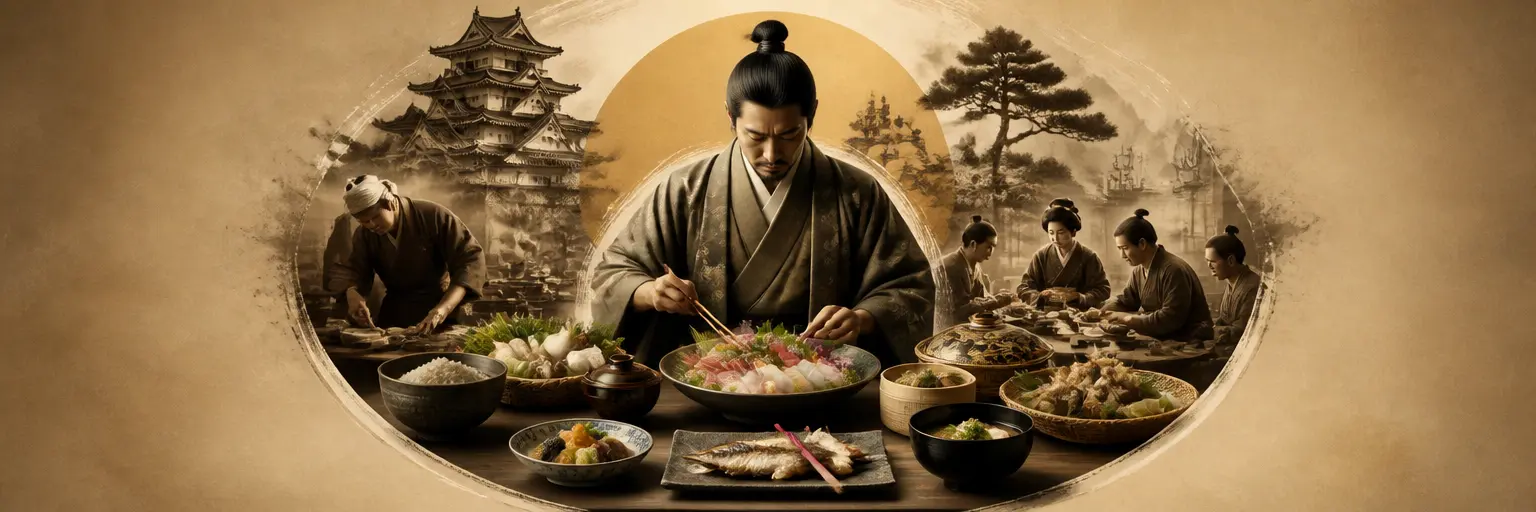
Explore Japanese cuisine through the flavors, rituals, and culinary traditions shaped by feudal Japan. Discover the history of sushi and sake, recreate authentic era-inspired dishes at home, and learn about the refined ingredients, utensils, and customs of the traditional tea ceremony. 🍣🍶🍵 Immerse yourself in the cultural heritage of Japan’s foodways with expert insights, historical context, and timeless recipes that bring the samurai era to life.

Discover the fascinating history of sushi in Japan, exploring its evolution from ancient preservation methods to a beloved culinary art. This journey…
Read article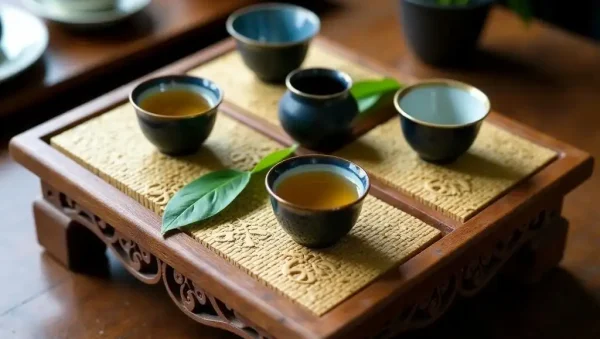
✨ The Japanese tea ceremony history weaves together timeless traditions and modern interpretations, reflecting Japan's feudal past while fostering mindfulness and connection…
Read article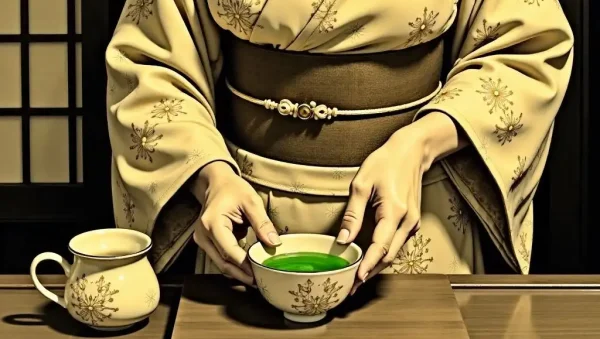
🌱 The tea ceremony history in Japan reflects a profound journey through time, evolving from its feudal roots into contemporary practices. This…
Read article
🌸 The Feudal Japan tea ceremony serves as a profound reflection of the era's hierarchical values and social dynamics, intertwining artistry, discipline,…
Read article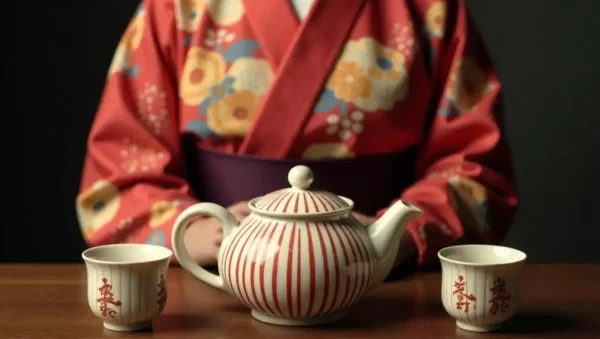
🌸 The Japanese tea ceremony etiquette embodies centuries of tradition, emphasizing harmony, respect, and tranquility. This ritual not only showcases the artistry…
Read article
🍣 The Edo period sushi and sake development was profoundly influenced by trade, which introduced new ingredients and techniques. This era not…
Read article
Discover how the choice of Japanese tea ceremony ingredients elevates this ancient ritual, reflecting the harmony of nature and meticulous attention to…
Read article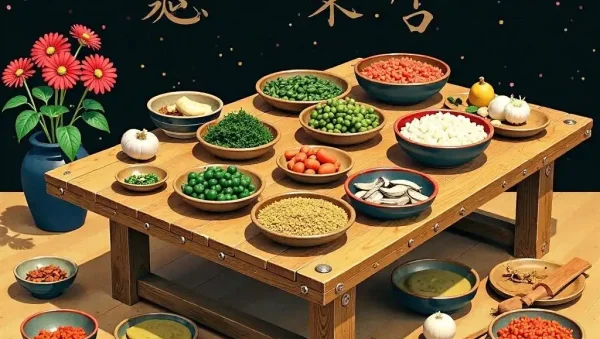
Discover the rich flavors of Japan's feudal era with our curated selection of traditional recipes. Immerse yourself in history and culture while…
Read article
🌸 Discover the rich flavors of historic feudal Japan recipes as we delve into the culinary traditions of shoguns. This article explores…
Read article
🌸 Preparing for an authentic Japanese tea ceremony involves understanding its rich history and cultural significance. This guide will walk you through…
Read article
🌸 Discover the art of Traditional Samurai Cooking Recipes by immersing yourself in the culinary traditions of Japan's feudal era. Explore the…
Read article
🌸 Discover the rich tapestry of cooking in feudal Japan through recipes inspired by ancient traditions. This article delves into the historical…
Read articleJapanese Cuisine: Food, Culture, and Culinary Traditions of Feudal Japan
Explore the rich world of Japanese cuisine through the history, customs, ingredients, and cooking methods that shaped food culture during Japan’s feudal era. From the development of sushi and sake to seasonal dishes prepared by samurai households, Buddhist temples, merchants, and farmers, this category reveals how food reflected social status, religion, trade, geography, and everyday life.
Readers will discover how traditional Japanese ingredients such as rice, miso, soy sauce, green tea, seafood, tofu, vegetables, and fermented foods became central to Japan’s culinary identity. Our expert-driven articles connect historical Japanese food traditions with practical guidance, helping you understand both the origins of classic dishes and how to recreate selected recipes at home.
Whether you are researching Japanese food history, learning about samurai-era dining, exploring the origins of sushi and sake, or preparing for a traditional tea ceremony, this guide offers reliable historical context and useful culinary insights. Discover how Japanese cuisine developed into a balance of flavor, seasonality, presentation, ritual, and mindful hospitality.
This subcategory examines the long history of sushi and sake in Japan, tracing their development from early preservation and fermentation techniques to the refined culinary traditions associated with urban centers such as Edo. Learn how rice, fish, vinegar, and fermentation shaped Japanese foodways, and how sushi changed from a practical preservation method into a celebrated cuisine.
Articles also explore sake brewing, rice cultivation, Shinto traditions, religious offerings, regional varieties, and the role of alcoholic beverages in feudal Japanese society. Readers can expect clear explanations of traditional sushi types, sake production, historical dining customs, and the cultural importance of Japanese rice wine.
Discover historically inspired recipes based on the ingredients, techniques, and eating habits of Japan’s feudal period. This section explores dishes associated with samurai households, temple cuisine, rural communities, castle towns, and merchant families, while adapting them for modern kitchens.
Expect practical information about Japanese cooking methods such as simmering, grilling, steaming, pickling, and fermentation. Recipes and food guides explain ingredient substitutions, preparation techniques, seasonal produce, and the historical background of dishes such as miso soup, grilled fish, soba, tofu preparations, rice dishes, and shōjin ryōri-inspired meals.
Learn about the ingredients, utensils, etiquette, architecture, and philosophy behind the Japanese tea ceremony. This subcategory introduces the principles of chanoyu and sadō, including harmony, respect, purity, and tranquility, while explaining how tea gatherings developed within the cultural world of feudal Japan.
Readers can explore the history of matcha, the significance of the tea room, seasonal decorations, tea bowls, bamboo utensils, wagashi sweets, and the formal procedures used by hosts and guests. These articles provide a practical foundation for understanding traditional Japanese tea ceremony customs and their continuing influence on Japanese culture.
Rice was a central staple, accompanied by miso soup, pickled vegetables, seafood, tofu, seasonal plants, millet, soba, and other grains. Diet varied according to region, wealth, occupation, and religious practice. Buddhist communities often emphasized vegetarian temple cuisine, while coastal communities relied more heavily on fish and shellfish.
Yes. Early forms of sushi developed from fermented fish preserved with rice. Over time, Japanese cooks introduced new methods involving vinegar-seasoned rice and fresh ingredients. By the Edo period, styles resembling modern sushi became increasingly popular, especially in the growing city of Edo, now Tokyo.
Sake is a fermented beverage made primarily from rice, water, yeast, and koji mold. Although it is often called Japanese rice wine, its brewing process is distinct from winemaking. Historical sake production was closely connected to agriculture, religious ceremonies, local breweries, and regional traditions.
A tea ceremony commonly includes matcha and a small seasonal sweet known as wagashi. The emphasis is placed on presentation, hospitality, utensils, and the atmosphere of the gathering rather than on a large meal. Some formal occasions may also include a carefully arranged meal called kaiseki.
Many historically inspired Japanese dishes can be prepared today using ingredients available in modern supermarkets. Rice, miso, tofu, soy sauce, mushrooms, seasonal vegetables, fish, and green tea remain accessible in many regions. When substitutions are necessary, the recipes should explain how to preserve the original balance of texture, seasoning, and seasonality.