
Embrace the Spirit of Bushido: Cooking Traditional Samurai Dishes at Home

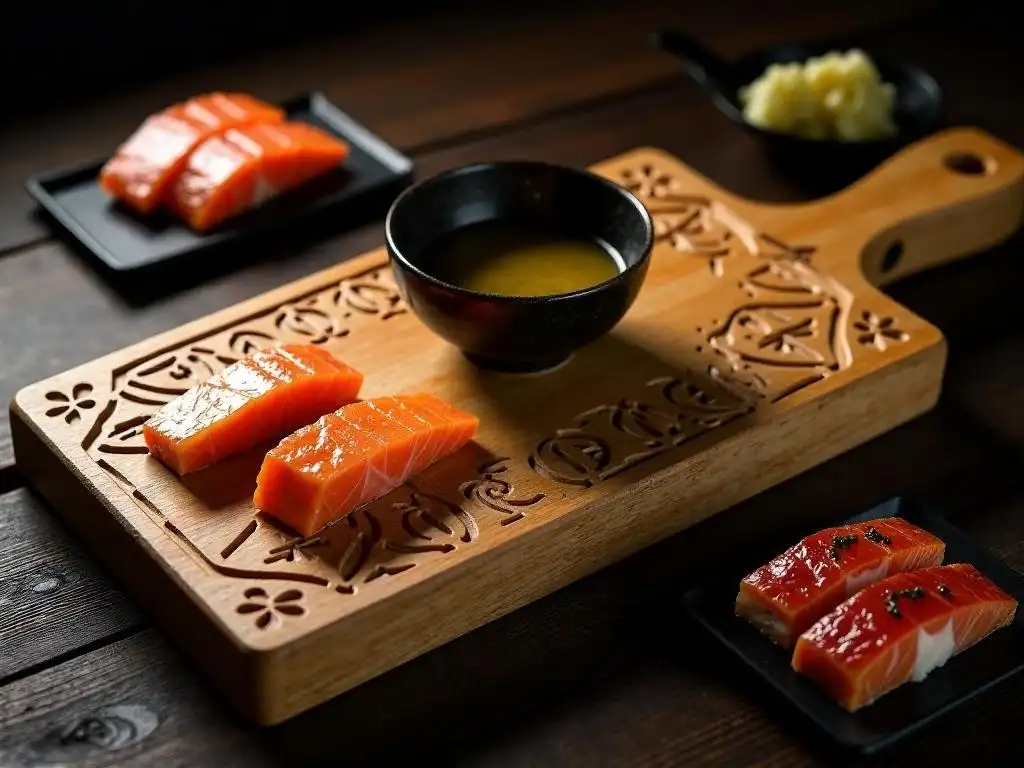
Welcome to Feudal Japan History, where we invite you to embark on a fascinating journey through the intricacies of Japan’s feudal era. Here, we delve into the rich tapestry of historical, cultural, and societal aspects that define this captivating period. In our featured article, “Embrace the Spirit of Bushido: Cooking Traditional Samurai Dishes at Home,” you'll uncover the culinary secrets of the samurai, blending tradition with flavor in an unforgettable way. Are you ready to awaken your inner warrior and explore the art of Traditional Samurai Cooking Recipes? Let the adventure begin!
- Introduction to Traditional Samurai Cooking
- Essential Ingredients for Traditional Samurai Dishes
- Traditional Samurai Cooking Techniques
- Traditional Samurai Cooking Recipes
- The Cultural Significance of Samurai Dishes
- Modern Adaptations of Traditional Samurai Recipes
- Conclusion: Embracing the Spirit of Bushido in Your Kitchen
- Additional Resources
- Frequently Asked Questions
- Final Reflection: Embracing Tradition Through Culinary Art
- Ignite Your Culinary Adventure Today!
Introduction to Traditional Samurai Cooking
The culinary traditions of Japan are as rich and diverse as its history, particularly during the feudal era when samurai culture thrived. Traditional Samurai Cooking Recipes not only reflect the flavors and ingredients of the time but also embody the principles of Bushido, the way of the warrior.
This article invites you to embrace the spirit of Bushido by exploring how to prepare traditional samurai dishes at home. From understanding the philosophy behind these recipes to delving into the historical context that shaped them, we aim to provide a comprehensive guide that connects the past with the present, allowing you to savor the essence of feudal Japan through authentic cooking.
Understanding the Essence of Bushido in Culinary Arts
Bushido, the ethical code of the samurai, extends beyond the battlefield and into all aspects of life, including cooking. At its core, Bushido emphasizes values such as loyalty, honor, respect, and discipline. These principles are reflected in the meticulous preparation of food and the appreciation of ingredients, which were often sourced locally and seasonally.
- Loyalty to Tradition: Samurai chefs honored their culinary heritage by preserving recipes passed down through generations, ensuring that the flavors and techniques remained intact.
- Honor in Presentation: The aesthetic aspect of food was paramount. Samurai meals were presented beautifully, reflecting the samurai's respect for their guests and the ingredients used.
- Discipline in Technique: Mastery of cooking techniques was akin to mastering martial arts. Samurai trained rigorously to refine their culinary skills, emphasizing precision and care in every dish.
Incorporating these values into modern cooking not only enhances the culinary experience but also pays homage to the samurai's way of life.
The Historical Context of Samurai Cuisine
To fully appreciate traditional samurai cooking, it's essential to understand the historical context in which these dishes were created. The samurai class emerged during the Heian period (794-1185) and became dominant during the Kamakura period (1185-1333). This era was marked by the rise of feudalism, where samurai served as both warriors and governing officials.
- Regional Influences: Different regions of Japan contributed unique ingredients and cooking styles to samurai cuisine. For example, coastal areas specialized in seafood, while mountainous regions utilized wild game and foraged plants.
- Seasonality: The samurai adhered to the principles of seasonal eating, which not only ensured freshness but also aligned with the natural rhythms of life. This practice is deeply rooted in Shinto beliefs, which emphasize harmony with nature.
- Ritual and Ceremony: Meals often accompanied rituals and ceremonies, underscoring the significance of food in cultural practices. For samurai, sharing a meal could be a solemn occasion, marked by respect and camaraderie.
By understanding the historical backdrop of samurai cuisine, we can better appreciate the traditional samurai cooking recipes that continue to resonate today. Embrace this journey into the culinary world of the samurai, and discover how you can bring these timeless dishes into your own kitchen.
Essential Ingredients for Traditional Samurai Dishes
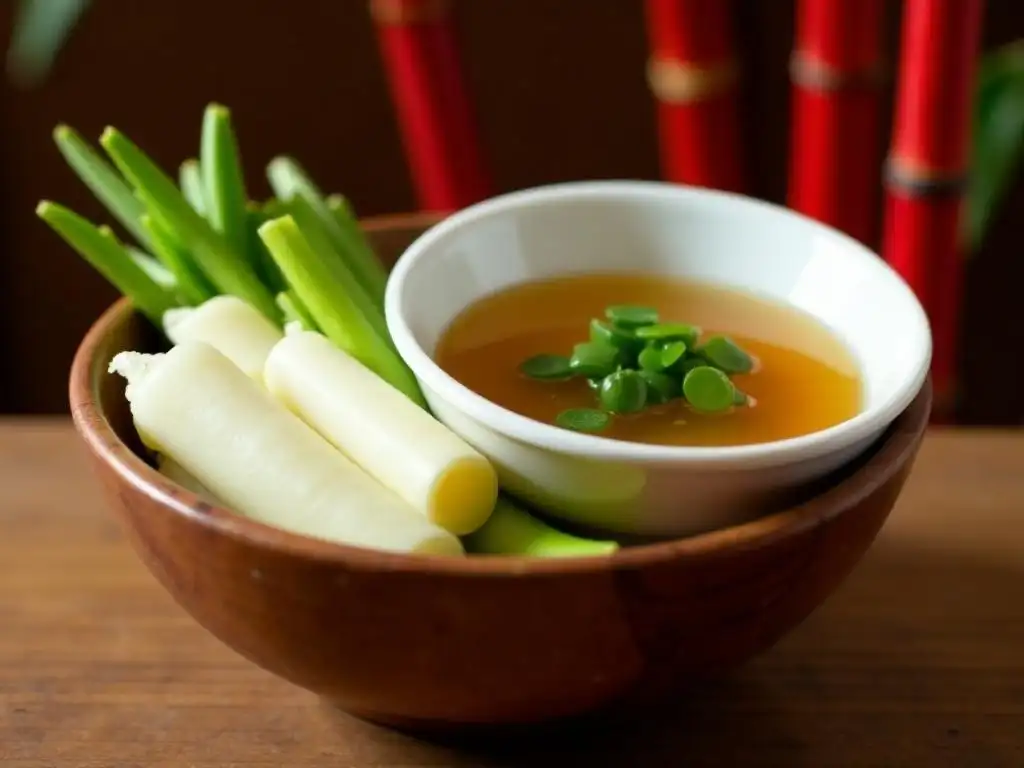
The culinary traditions of the samurai are deeply rooted in the principles of simplicity, seasonality, and a respect for nature. To recreate the authentic flavors of traditional samurai dishes at home, understanding the essential ingredients is crucial. Here, we explore the key components that form the backbone of these historical recipes.
Key Ingredients in Samurai Cooking Recipes
Samurai cooking recipes often feature a limited but impactful selection of ingredients that highlight the natural flavors of the food. Below are some of the most important ingredients used in traditional samurai dishes:
-
Rice (Gohan)
Rice is the staple food of Japan and holds a significant place in samurai cuisine. It is often served as a side dish or as part of a more complex meal. Traditional samurai rice is usually short-grain and has a sticky texture, which makes it perfect for serving with various dishes.
-
Soy Sauce (Shoyu)
Soy sauce is a fundamental seasoning that adds depth and umami to samurai cooking. It is used in marinades, dipping sauces, and as a flavor enhancer in soups and stews. Opt for naturally brewed soy sauce to achieve authentic taste.
-
Miso
This fermented soybean paste is another essential ingredient. Miso is rich in flavor and is used in soups, dressings, and marinades. Different types of miso (white, red, and mixed) can be used to create a variety of flavors in dishes.
-
Dashi
Dashi is a Japanese soup stock made from kombu (seaweed) and bonito flakes (dried fish). It serves as a base for many soups and sauces, imparting a delicate umami flavor that is characteristic of traditional Japanese cuisine.
-
Seasonal Vegetables
Samurai cooking emphasizes the use of seasonal vegetables, which not only provide nutrition but also reflect the changes of the seasons. Common vegetables include daikon radish, bamboo shoots, and mushrooms. These ingredients can be used in stir-fries, pickles, or as accompaniments.
-
Fish and Seafood
Given Japan's rich maritime resources, fish and seafood were staples in samurai diets. Ingredients like mackerel, sardines, and sea urchin are often featured in traditional dishes, either grilled, simmered, or served raw as sashimi.
-
Pickles (Tsukemono)
Pickles are an important component of the samurai meal, providing a crunchy texture and a burst of flavor. They are usually made from seasonal vegetables and fermented with salt or rice bran.
Where to Source Authentic Ingredients for Samurai Recipes
Finding authentic ingredients can be a challenge, especially if you are trying to recreate traditional samurai dishes outside of Japan. However, there are several ways to source these essential components, ensuring that your cooking experience remains true to its historical roots.
-
Asian Grocery Stores
Local Asian markets are a great first stop. These stores often carry a wide selection of Japanese ingredients, including soy sauce, miso, dashi, and various types of rice. Look for products labeled as "authentic" or "imported" for the best quality.
-
Online Retailers
Many online platforms specialize in Japanese food products. Websites such as Amazon or specialty food retailers offer a range of samurai cooking ingredients that can be delivered right to your door.
-
Local Farmers' Markets
For fresh, seasonal vegetables, visiting local farmers' markets can be beneficial. Look for organic produce that closely resembles the types of vegetables used in traditional samurai cooking.
Recommended Suppliers for Japanese Ingredients
To streamline your search for authentic ingredients, here are some recommended suppliers that provide a variety of traditional Japanese cooking essentials:
| Supplier Name | Description | Location |
|---|---|---|
| Nishimoto Trading Co. | Offers a wide range of Japanese food products, including rice, sauces, and snacks. | Nationwide (USA) |
| Japan Centre | A UK-based retailer specializing in Japanese groceries, with a comprehensive online store. | United Kingdom |
| Umami Insider | Curated selection of Japanese ingredients, focusing on high-quality and authentic products. | Online |
| Hibiki-An | Specializes in artisanal Japanese ingredients, including premium soy sauce and miso. | Online |
By sourcing these essential ingredients, you'll be well on your way to creating traditional samurai dishes that honor the culinary heritage of Japan's feudal era.
Traditional Samurai Cooking Techniques
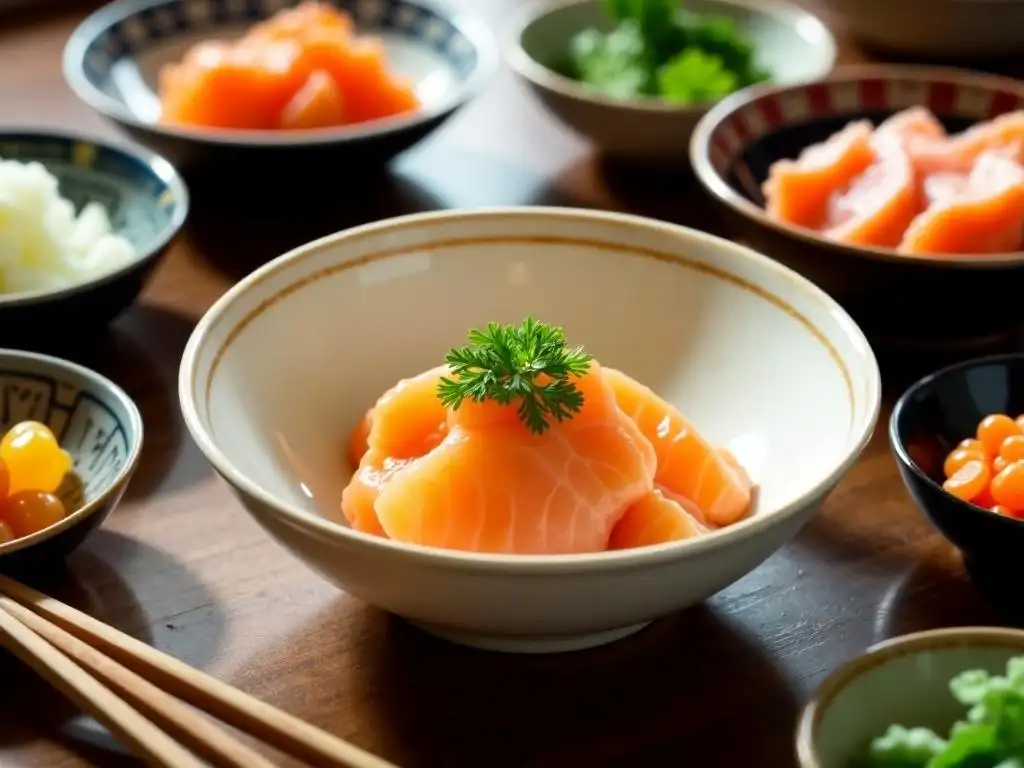
Cooking Methods Used by Samurai Chefs
The culinary practices of the samurai were deeply intertwined with their cultural values and the principles of Bushido. This code of conduct emphasized discipline, honor, and respect, which also extended to their cooking techniques. Samurai chefs employed a variety of cooking methods that reflected their philosophy and the available resources of the time.
The Art of Grilling: Yakimono Techniques
One of the most prominent cooking methods in traditional samurai cuisine is yakimono, or grilling. This technique was favored for its ability to enhance the natural flavors of ingredients, particularly fish and meats. Samurai chefs would often use simple seasoning, such as salt or a light marinade, allowing the quality of the ingredients to shine through.
- Charcoal Grilling: The use of charcoal, known as sumibi, was common, as it imparted a unique smoky flavor to the dishes. The high heat from the charcoal allowed for quick and even cooking, preserving the juiciness of the meat or fish.
- Skewering: Ingredients were often threaded onto bamboo skewers, a method that not only made them easier to handle but also facilitated even cooking. Popular skewered dishes included yakitori (grilled chicken) and kushiyaki (grilled meats and vegetables).
- Grilling Techniques: Samurai chefs mastered various grilling techniques, such as direct grilling over an open flame or using a ceramic grill called shichirin. These methods ensured that the food retained its moisture while developing a delicious outer char.
Steaming and Boiling: The Importance of Freshness
In addition to grilling, steaming and boiling were essential cooking methods in samurai cuisine, emphasizing the importance of freshness and seasonal ingredients.
- Steaming: This gentle cooking method preserved the vibrant colors and delicate flavors of vegetables and fish. Steamed dishes, such as chawanmushi (savory egg custard), showcased the skill of the chef and the quality of the ingredients.
- Boiling: Boiling was often used for preparing broths and soups, integral to many samurai meals. A well-crafted broth, such as dashi, served as a base for various dishes and highlighted the umami qualities of the ingredients.
- Seasonal Focus: Samurai dishes were heavily influenced by the seasons, with fresh ingredients being paramount. This commitment to using the best of what each season had to offer is a hallmark of traditional samurai cooking.
Tools and Utensils for Authentic Samurai Cooking
To recreate traditional samurai dishes, specific tools and utensils are essential. Each item plays a crucial role in achieving the authentic flavors and techniques that define samurai cuisine.
Must-Have Kitchen Tools for Preparing Samurai Dishes
- Hōchō (Japanese Knife): A sharp, well-crafted knife is fundamental for precision cutting and preparation. The hōchō is often made of high-quality steel, allowing for clean cuts that enhance the presentation of the food.
- Shichirin (Small Grill): For authentic yakimono, a shichirin is ideal for grilling. This portable grill is perfect for achieving the smoky flavor that characterizes many samurai dishes.
- Donabe (Clay Pot): Used for steaming and boiling, donabe are traditional Japanese clay pots that distribute heat evenly and enhance the flavor of the ingredients. They are perfect for preparing hearty soups and stews.
- Hangiri (Wooden Mixing Bowl): Essential for sushi rice preparation, the hangiri allows for proper mixing and cooling of the rice, which is crucial for achieving the right texture and flavor.
- Takuan (Pickled Radish): While not a cooking tool, incorporating traditional condiments like takuan can elevate dishes, providing a balance of flavors and a nod to samurai dining customs.
By understanding and utilizing these traditional techniques and tools, home cooks can embrace the spirit of the samurai and create authentic dishes that honor the rich culinary history of feudal Japan.
Traditional Samurai Cooking Recipes
The culinary traditions of the samurai are a fascinating intersection of practicality and artistry, deeply rooted in the principles of Bushido, the way of the warrior. Traditional samurai cooking recipes not only focus on nutrition but also reflect the seasonal and regional ingredients available during feudal Japan. Below, we explore two quintessential samurai dishes that you can recreate in your kitchen today, allowing you to embrace the spirit of the samurai through food.
Recipe 1: Samurai-Style Grilled Fish (Sanma Shioyaki)
Grilled fish was a staple in the samurai diet, prized for its simplicity and flavor. One of the most beloved varieties is Sanma Shioyaki, made from Pacific saury, which is easily accessible and rich in omega-3 fatty acids.
Ingredients Needed for Grilled Fish
- 2 Pacific saury (sanma)
- Salt (to taste)
- Lemon wedges (for serving)
- Fresh shiso leaves (optional, for garnish)
Step-by-Step Cooking Instructions
- Preparation: Start by cleaning the fish. Remove the innards and rinse under cold water. Pat dry with paper towels.
- Salting: Lightly sprinkle salt on both sides of the fish. Let it sit for about 15-20 minutes to allow the salt to enhance the flavor and firm up the flesh.
- Grilling: Preheat your grill or a grill pan over medium-high heat. Once hot, place the fish skin-side down. Grill for about 5-7 minutes on each side, or until the skin is crispy and the meat is cooked through.
- Serving: Serve the grilled fish hot, garnished with shiso leaves and lemon wedges for an added zest.
Recipe 2: Hearty Samurai Stew (Niku-jaga)
Niku-jaga, a hearty stew made with meat and potatoes, is a dish that embodies the warm, comforting essence of samurai cuisine. It’s perfect for gatherings and reflects the use of simple, wholesome ingredients.
Ingredients for a Traditional Niku-jaga
- 300g sliced beef (preferably chuck or brisket)
- 2 medium potatoes, peeled and cut into chunks
- 1 large onion, sliced
- 2 carrots, sliced
- 3 cups dashi stock (or water with dashi powder)
- 3 tablespoons soy sauce
- 2 tablespoons mirin
- 1 tablespoon sugar
- Green onions (for garnish)
Cooking Method and Tips for the Best Flavor
- Sautéing: In a large pot, heat a tablespoon of oil over medium heat. Add the sliced beef and sauté until browned. Remove the meat and set aside.
- Vegetables: In the same pot, add the onions and cook until translucent. Then add the potatoes and carrots, stirring to coat them in the oil.
- Simmering: Return the beef to the pot and pour in the dashi stock. Add soy sauce, mirin, and sugar. Bring to a boil, then reduce heat and let it simmer for about 20-30 minutes, or until the vegetables are tender.
- Final Touches: Taste and adjust seasoning as needed. Serve hot, garnished with chopped green onions for a fresh flavor.
By mastering these traditional samurai cooking recipes, you can connect with the historical and cultural essence of feudal Japan, bringing a piece of samurai spirit into your modern kitchen. Enjoy the journey through flavors and traditions, and let each dish tell a story of its own!
Recipe 3: Seasonal Vegetables with Dashi (Nimono)
Nimono is a traditional Japanese simmered dish that embodies the essence of seasonal ingredients and the delicate flavors of dashi, a fundamental broth in Japanese cuisine. This dish not only highlights the simplicity and elegance of samurai cooking but also reflects the agricultural practices of feudal Japan, where seasonal vegetables were celebrated. Preparing Nimono allows you to embrace the spirit of bushido by connecting with nature through the culinary arts.
Selecting the Best Seasonal Vegetables
When crafting a dish like Nimono, the selection of seasonal vegetables is crucial. These vegetables not only contribute to the dish's flavor and texture but also connect the meal to the seasons in which they are harvested. Here are some popular vegetable choices to consider based on the Japanese seasons:
- Spring (March to May):
- Asparagus: Tender and flavorful, perfect for light dishes.
- Fava Beans: Sweet and rich, ideal for adding depth.
- Summer (June to August):
- Zucchini: Mild in flavor, it absorbs the dashi beautifully.
- Eggplant: Its creamy texture complements the dish.
- Autumn (September to November):
- Pumpkin (Kabocha): Sweet and hearty, adds a warm color.
- Daikon Radish: Crisp and refreshing, balances richer flavors.
- Winter (December to February):
- Carrots: Sweet and vibrant, they add color and nutrition.
- Shiitake Mushrooms: Earthy and umami-rich, they enhance the broth.
Selecting vegetables that are fresh and locally sourced will ensure the best flavor and nutritional value, echoing the samurai's respect for nature and its bounty.
Preparation and Cooking Instructions for Nimono
To prepare Nimono, follow these detailed steps to create a dish that is not only delicious but also honors tradition:
- Ingredients:
- 2 cups seasonal vegetables (choose a mix based on availability)
- 2 cups dashi broth
- 2 tablespoons soy sauce
- 1 tablespoon mirin (sweet rice wine)
- 1 teaspoon sugar
- Optional: a pinch of salt to taste
- Preparation:
- Wash and peel the vegetables as necessary. Cut them into uniform pieces to ensure even cooking.
- If using mushrooms, remove the stems and slice them for even cooking.
- Cooking Instructions:
- In a pot, combine the dashi broth, soy sauce, mirin, and sugar. Bring the mixture to a gentle simmer over medium heat.
- Add the prepared vegetables to the pot, starting with those that require longer cooking times (e.g., daikon, carrots). Allow them to simmer for about 5-10 minutes.
- Gradually add the remaining vegetables, adjusting the cooking time based on their tenderness. Continue to simmer until all vegetables are cooked through but still retain their shape and color, approximately 15-20 minutes.
- Taste and adjust the seasoning with salt if needed. The flavors should be subtle and harmonious, allowing the natural sweetness of the vegetables to shine.
- Serving:
- Serve the Nimono warm, garnished with a sprinkle of chopped scallions or sesame seeds for added texture and flavor.
- This dish can be enjoyed on its own or served alongside rice, making it a perfect addition to a traditional samurai-inspired meal.
By following these steps, you will not only create a delicious dish but also gain a deeper appreciation for the culinary traditions of feudal Japan. Embrace the spirit of bushido as you enjoy this seasonal delight!
The Cultural Significance of Samurai Dishes

The culinary practices of the samurai class during Japan's feudal era were deeply intertwined with their cultural values, philosophies, and social structures. The dishes they prepared were not just sustenance; they were a reflection of their ideals and lifestyle. By examining traditional samurai cooking recipes, we can gain insight into the broader cultural significance of these dishes.
How Samurai Cooking Reflects Japanese Values
Samurai cooking is more than just a set of recipes; it encapsulates the core values of bushido, the way of the warrior. This code emphasized virtues such as loyalty, honor, and discipline, all of which were mirrored in the meticulous preparation and presentation of food.
-
Aesthetic Presentation:
The samurai believed that the visual appeal of food was as important as its taste. Meals were presented with a careful arrangement of colors and textures, reflecting the Japanese concept of wabi-sabi, which finds beauty in simplicity and imperfection. For example, a traditional dish like sashimi is not only about the freshness of the fish but also about how elegantly it is displayed.
-
Seasonal Ingredients:
The samurai prioritized the use of seasonal ingredients, which showcased the natural bounty of the land. This practice reflects the Japanese value of mono no aware, an awareness of the transience of things, and a deep appreciation for nature's cycles. Recipes such as shojin ryori (vegetarian Buddhist cuisine) often highlight seasonal vegetables and local herbs.
-
Ritual and Ceremony:
Food preparation and consumption were often ritualized among the samurai, serving as a form of meditation and discipline. Preparing traditional samurai dishes might involve specific techniques that require focus and patience, such as the precise slicing of fish for sushi or the careful brewing of matcha tea.
-
Communal Aspects:
Meals were often communal, reinforcing the samurai's sense of loyalty and camaraderie. Dishes such as nabe (hot pot) were shared among warriors, symbolizing unity and bond among comrades. This communal dining experience was crucial for fostering trust and cooperation within a clan.
Food played a pivotal role in the social interactions of samurai, serving as a means to strengthen alliances, celebrate victories, and honor traditions. The types of dishes served during these gatherings often held symbolic meaning.
-
Feasts and Celebrations:
During significant events such as a victory in battle or a successful harvest, elaborate feasts featuring a variety of traditional samurai dishes were prepared. Dishes like katsu (breaded and fried cutlet) symbolized success and strength, while sake was often consumed to toast to the health and prosperity of warriors.
-
Ceremonial Occasions:
Special occasions, such as weddings or the coming-of-age ceremonies, involved meticulously prepared meals that adhered to strict traditions. The serving of osechi ryori during New Year celebrations is a prime example, where each dish carries a specific meaning, such as longevity and prosperity.
-
Rituals of Hospitality:
When hosting guests, samurai would showcase their culinary skills as a form of respect and honor. The preparation of dishes like yakitori (grilled chicken skewers) involved thoughtful seasoning and grilling, reflecting the host's attention to detail and commitment to providing a memorable dining experience.
Traditional samurai cooking recipes not only offer a glimpse into the culinary practices of the feudal era but also reveal the deep cultural values and social dynamics of the samurai class. By embracing these recipes, modern cooks can connect with the rich heritage of Japan and appreciate the historical significance behind each dish.
Modern Adaptations of Traditional Samurai Recipes
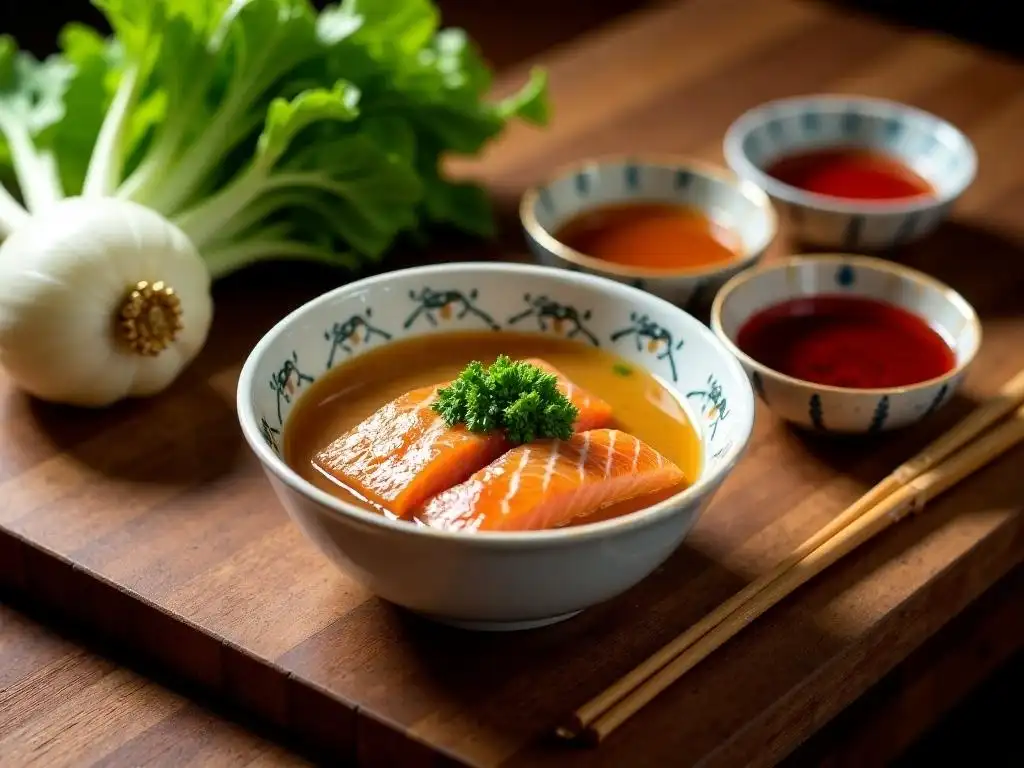
The evolution of Japanese cuisine over the centuries has led to numerous adaptations of traditional samurai recipes, aligning them with contemporary tastes and cooking techniques. These modern adaptations often preserve the essence of traditional dishes while introducing new ingredients, cooking methods, and flavor profiles. This allows for a creative reinterpretation of samurai cooking that can be enjoyed in today's kitchens.
Contemporary Twists on Samurai Cooking
Modern chefs and home cooks alike have embraced the challenge of reimagining traditional samurai dishes. By infusing contemporary elements into these ancient recipes, they create innovative dishes that appeal to a broader audience. Here are some popular adaptations:
- Sushi Variations:
- Traditional samurai sushi, known as nigiri, is often enhanced with unexpected toppings such as truffle oil or spicy mayo.
- Sushi burritos combine the essence of sushi with the convenience of a handheld meal, wrapping traditional fillings in seaweed and rice like a burrito.
- Ramen Reinventions:
- Classic samurai ramen can be elevated with gourmet broth made from organic ingredients, and unique toppings such as sous-vide egg or smoked meats.
- Plant-based ramen options cater to vegetarians and vegans, using miso or broth infused with umami-rich mushrooms.
- Yakitori Innovations:
- While traditional yakitori features simple grilled chicken skewers, contemporary versions may include a variety of proteins like shrimp or tofu, marinated in bold sauces.
- Creative garnishes such as wasabi mayonnaise or citrus zest can give a modern twist to these classic skewers.
- Matcha Infusions:
- The use of matcha, a finely ground green tea powder, has surged in popularity. It can be incorporated into traditional sweets such as mochi or even savory dishes like risotto.
- Matcha desserts, such as cakes or panna cotta, reflect samurai flavors while appealing to health-conscious consumers.
- Seasonal Ingredients:
- Emphasizing local and seasonal produce allows for dishes that are both traditional and relevant to modern palates. Dishes like shojin ryori (Buddhist vegetarian cuisine) can incorporate current vegetables and grains.
These adaptations not only honor the traditions of samurai cooking but also invite new culinary experiences that resonate with today’s diverse food culture.
Example: Fusion Dishes Inspired by Samurai Cuisine
Fusion cuisine often borrows elements from samurai cooking, creating unique dishes that blend cultural influences. For instance:
- Tacos with Teriyaki Chicken: This dish combines Mexican and Japanese flavors, featuring grilled chicken marinated in teriyaki sauce, served in a soft taco shell with pickled vegetables.
- Samurai Burger: A juicy beef patty topped with wasabi mayo, kimchi, and grilled onions, served on a rice bun merges the classic burger concept with samurai-inspired flavors.
- Soba Noodle Salad: Incorporating traditional soba noodles with Mediterranean ingredients like olives and feta cheese creates a refreshing dish that fuses Japanese and Greek cuisine.
These fusion dishes highlight the versatility and adaptability of traditional samurai recipes, making them accessible to a global audience while retaining their historical significance.
Where to Find Authentic Samurai-Inspired Restaurants Today
For those interested in experiencing authentic samurai-inspired cuisine, several restaurants across Japan and beyond offer dishes that pay homage to this rich culinary heritage. Here are a few notable examples:
- Kaiseki Ryori Restaurants: These establishments focus on the traditional multi-course dining experience, often incorporating seasonal ingredients and meticulous presentation reminiscent of samurai feasts.
- Sushi Bars: Many sushi bars today feature chefs trained in traditional techniques, offering a range of samurai-inspired dishes alongside contemporary options.
- Specialty Ramen Shops: Look for ramen shops that emphasize traditional broth-making methods and authentic toppings, allowing you to savor the flavors of samurai-era cuisine.
- Yakitori Izakayas: These casual dining spots specialize in skewered grilled foods, often showcasing techniques that date back to the samurai era.
By exploring these culinary venues, one can fully embrace the spirit of bushido and enjoy the flavors that have influenced Japanese cuisine for centuries.
Conclusion: Embracing the Spirit of Bushido in Your Kitchen
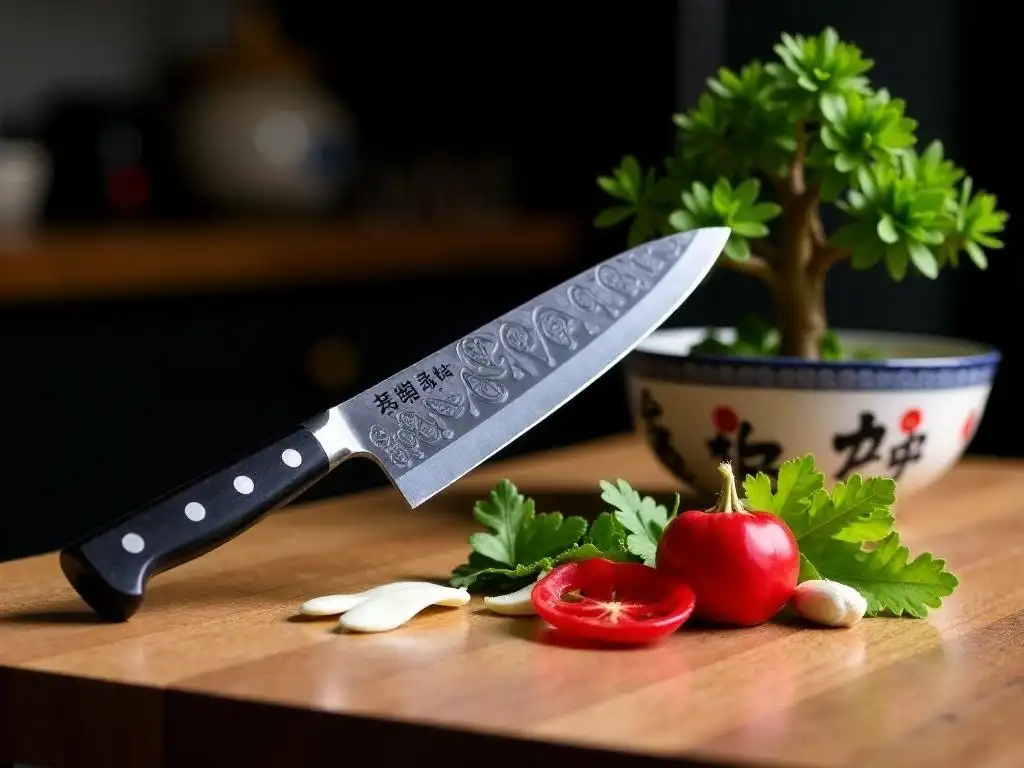
As you venture into the world of traditional Samurai cooking, you're not just preparing dishes; you're engaging with a rich cultural heritage that embodies the virtues of Bushido—loyalty, honor, and discipline. This culinary journey invites you to embrace the values that guided the Samurai and to appreciate the meticulous nature of their cooking practices.
Encouragement to Explore Traditional Samurai Cooking Recipes
Engaging with traditional Samurai cooking recipes offers a unique opportunity to connect with Japan’s feudal past. Here are a few reasons to encourage your exploration:
- Culinary Skills Development: Cooking Samurai dishes can enhance your culinary skills, as many recipes require techniques that emphasize precision and attention to detail.
- Historical Context: Each dish has a story that reflects the values and lifestyle of the Samurai. Understanding these narratives can deepen your appreciation for the food you prepare.
- Seasonal Ingredients: Samurai cuisine often emphasizes fresh, seasonal ingredients, allowing you to explore local produce and foster a sustainable cooking practice.
- Mindfulness in Cooking: Embracing the spirit of Bushido involves mindfulness. As you cook, focus on the process, the flavors, and the presentation, bringing a sense of purpose to your culinary endeavors.
Here’s a quick list of some traditional Samurai-inspired dishes to get you started:
- Miso Soup: A staple that reflects the simplicity and depth of Japanese flavors.
- Soba Noodles: Buckwheat noodles that symbolize nourishment and are often enjoyed during the Samurai era.
- Pickled Vegetables: A way to preserve seasonal produce, showcasing the Samurai’s resourcefulness.
Final Thoughts on Cultural Heritage and Culinary Practices
The act of cooking traditional Samurai dishes is not merely about the ingredients or the recipes; it is a celebration of cultural heritage and a practice that aligns with the principles of Bushido. By incorporating these recipes into your cooking routine, you honor the traditions of the past while enriching your present culinary experiences.
As you embrace this journey, remember that each dish prepared is a step towards understanding the values that shaped the Samurai. In a world that often rushes, taking the time to appreciate the art of cooking can be a form of mindfulness, connecting you to a lineage of honor and respect.
So, gather your ingredients, don your apron, and let the spirit of Bushido guide you in the kitchen, transforming your cooking experience into a reflection of a time-honored tradition. 🍜
Additional Resources
Recommended Books on Samurai Cooking and Japanese Cuisine
For those looking to deepen their understanding of traditional samurai cooking recipes, several books stand out as valuable resources. These texts not only provide recipes but also delve into the historical and cultural contexts of the dishes, enhancing your culinary experience.
-
"The Samurai Gourmet" by Masayuki Yoshinobu
This book presents an engaging exploration of samurai cuisine through the lens of a modern-day gourmet. It includes recipes that reflect the simplicity and heartiness of traditional meals, perfect for home cooks seeking authenticity.
-
"Japanese Cooking: A Simple Art" by Shizuo Tsuji
A classic in the realm of Japanese culinary literature, this comprehensive guide covers techniques, ingredients, and traditional recipes, bridging the gap between ancient samurai fare and contemporary Japanese cuisine.
-
"The Book of Sushi" by Kinjiro Matsumoto
Although primarily focused on sushi, this book offers insights into the samurai's role in the evolution of Japanese food culture. It contains recipes and historical anecdotes that illustrate the connection between samurai traditions and culinary practices.
-
"Washoku: Recipes from the Japanese Home Kitchen" by Elizabeth Andoh
This book dives into the concept of washoku, the traditional Japanese diet, and provides recipes that align with the samurai's culinary philosophy. It emphasizes seasonality and balance, key elements in samurai cooking.
-
"The Complete Book of Japanese Cooking" by Katsuyo Kobayashi
A comprehensive resource that not only includes traditional samurai dishes but also explores the broader spectrum of Japanese cooking. The author shares recipes, tips, and cultural anecdotes that provide a holistic understanding of the cuisine.
Online Cooking Classes for Traditional Japanese Cuisine
In addition to reading about samurai cooking, participating in online cooking classes can provide a hands-on approach to mastering traditional Japanese dishes. Here are some recommended platforms that offer courses specifically focused on traditional samurai cooking recipes:
-
Skillshare
Skillshare offers a variety of classes that cover fundamental Japanese cooking techniques, including sushi-making and traditional ramen preparation. Many classes focus on the cultural significance of the dishes, making them relevant to samurai cooking.
-
Udemy
Udemy features courses taught by experienced chefs, covering a range of traditional Japanese recipes. Look for classes that emphasize samurai-era dishes, which often include simple yet flavorful preparations.
-
MasterClass
While not specifically focused on samurai cooking, MasterClass offers courses by renowned chefs like Nobu Matsuhisa, who shares insights into Japanese culinary traditions, including techniques that trace back to the samurai era.
-
The Japanese Cooking School
This platform specializes in authentic Japanese cuisine, offering online classes that cover traditional recipes and techniques. Their courses often highlight samurai cooking principles, making them an excellent choice for enthusiasts.
-
YouTube Cooking Channels
Numerous YouTube channels focus on Japanese cooking, featuring step-by-step tutorials for traditional dishes. Channels like "Just One Cookbook" and "Cooking with Dog" often include samurai recipes, providing accessible and engaging content for home cooks.
By utilizing these resources, you can fully embrace the spirit of bushido through cooking, bringing the flavors of feudal Japan into your own kitchen.
Frequently Asked Questions
What is Bushido, and how does it relate to Samurai cooking?
Bushido is the code of conduct followed by the samurai, emphasizing values such as honor, loyalty, and discipline. These principles influenced traditional samurai cooking, reflecting their lifestyle and values through food preparation and presentation.
What are some traditional Samurai cooking recipes?
Traditional samurai cooking includes dishes like soba noodles, grilled fish, and pickled vegetables. These recipes focus on seasonal ingredients and simple techniques that highlight the natural flavors of the food.
How can I incorporate Samurai cooking techniques at home?
To embrace samurai cooking, focus on using fresh, local ingredients and simple cooking methods. Incorporate practices like simmering, grilling, and pickling to create authentic flavors reminiscent of the feudal era.
Are there specific dietary principles followed in Samurai cuisine?
Yes, samurai cuisine often emphasizes balance, utilizing a variety of grains, vegetables, and protein sources. This reflects a philosophy of moderation and respect for nature, crucial to maintaining both health and harmony.
Where can I find authentic Samurai cooking recipes?
You can find authentic samurai recipes through specialized cookbooks, historical cooking blogs, and websites dedicated to Japanese culinary traditions. These resources often provide insights into the ingredients and methods used in traditional dishes.
Final Reflection: Embracing Tradition Through Culinary Art
**The essence of Bushido, the way of the warrior, resonates deeply in our modern lives, reminding us that cooking is not just about sustenance, but a profound expression of culture and identity. As we explore traditional Samurai cooking recipes, we uncover a rich tapestry of history, discipline, and artistry that continues to inspire our culinary practices today. The act of preparing these dishes is not merely a task; it is a journey into the heart of a noble tradition that teaches us respect, patience, and mindfulness in every step of the process.
The influence of Samurai culture extends far beyond the battlefield, shaping our understanding of honor and craftsmanship. Traditional Samurai cooking recipes serve as a bridge to the past, allowing us to connect with the values and skills of those who came before us. As we engage with these recipes, we not only nourish our bodies but also our spirits. Cooking is an act of love, a way to connect with our heritage and share it with the world.
This sentiment reflects the ongoing importance of culinary traditions in fostering community and preserving cultural identity.
As you reflect on the lessons of Bushido and the beauty of traditional Samurai cooking, I invite you to take action. Consider how you can incorporate these recipes into your own life, not just as meals, but as a means to honor the past and cultivate a deeper appreciation for the art of cooking. Let each dish you prepare be a tribute to the spirit of the Samurai, a reminder that through discipline and dedication, we can create something truly extraordinary. Embrace this journey, and allow the flavors of history to enrich your present and inspire your future.
Ignite Your Culinary Adventure Today!
Thank you for diving into the fascinating world of Bushido and traditional samurai cuisine! You've explored rich flavors and historic cooking techniques that not only nourish the body but also honor a vibrant cultural heritage. Now, it's time to take your culinary journey to the next level.
Here are some exciting actions you can take to embrace the spirit of samurai cooking:
- Start your own samurai meal prep: Gather the ingredients for a traditional dish, such as miso soup or teriyaki chicken, and create a feast that pays homage to the samurai spirit.
- Join a local cooking class or online workshop focused on Japanese cuisine to deepen your skills and connect with fellow food enthusiasts.
- Share your cooking experience with friends or family by hosting a samurai-themed dinner night, complete with costumes and decor inspired by feudal Japan.
Which traditional dish will you attempt to cook first, and how do you envision honoring the samurai spirit in your kitchen? We’d love to hear your thoughts in the comments below!