
The Culinary Chronicles of Japan's Feudal Era: Recipes to Try This Weekend

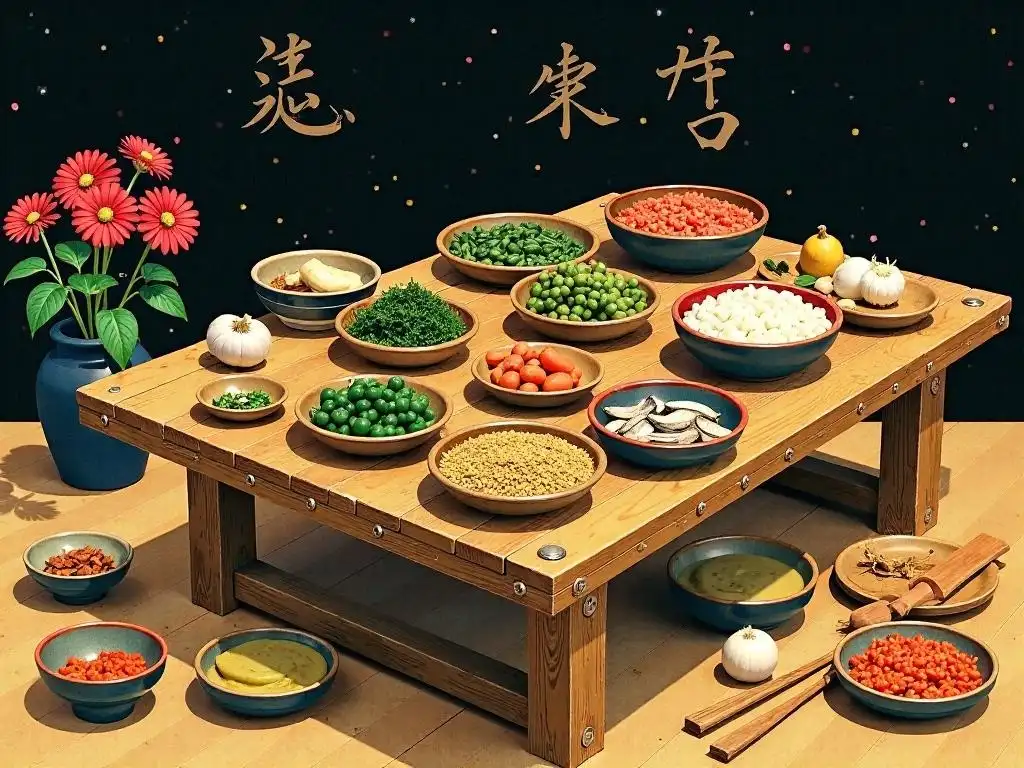
Welcome to Feudal Japan History, where we embark on a journey through time to uncover the rich tapestry of Japan's feudal era. In our latest article, The Culinary Chronicles of Japan's Feudal Era: Recipes to Try This Weekend, we delve into the fascinating world of Japanese feudal era recipes. Discover how the flavors and traditions of yesteryears can inspire your culinary adventures today. Are you ready to savor the tastes of history? Let your curiosity lead you deeper into the heart of feudal Japan’s vibrant culture!
Exploring the culinary traditions of Japan's feudal era offers a unique glimpse into a time when food was not merely sustenance but a reflection of social hierarchy, cultural values, and regional resources. The feudal period, spanning from the late 12th century to the early 19th century, was marked by a complex interplay of power, class, and tradition, all of which significantly influenced the culinary landscape.
In this article, we will dive into the Japanese feudal era recipes that you can recreate in your kitchen, allowing you to experience a taste of history. From noble banquets to humble peasant meals, these recipes encapsulate the essence of a bygone era, inviting you to not only cook but also understand the stories behind each dish.
Introduction to Japanese Feudal Era Recipes
The cuisine of the Japanese feudal era is characterized by its diversity, shaped by the varying social classes, regional ingredients, and the philosophical influences of the time. Recipes from this period are rich in history and tradition, often passed down through generations. They reflect the agricultural practices, seasonal availability of ingredients, and the cultural significance of food in rituals and celebrations.
Whether you are a seasoned cook or a curious beginner, these recipes serve as a bridge connecting you to Japan's rich culinary heritage. As we explore these historical dishes, you'll find that many can be easily prepared with accessible ingredients, allowing you to infuse your weekend cooking with a slice of history.
Historical Context of Japanese Cuisine in the Feudal Era
Japanese cuisine during the feudal era was deeply intertwined with the social structure of the time. The samurai class, the ruling elite, and the common people all had distinct culinary practices and preferences that reflected their status and lifestyle.
In this context, food played a pivotal role not just in daily sustenance but also in social rituals, power dynamics, and cultural expression. The feudal era saw the development of various cooking techniques and the introduction of ingredients that continue to shape Japanese cuisine today.
The Role of Nobility and Samurai in Culinary Practices
The nobility and samurai held an influential position in shaping culinary trends during the feudal era. Their diets were often lavish and elaborate, featuring a variety of ingredients and intricate cooking methods. Key characteristics of their culinary practices included:
- Seasonal Ingredients: Nobility emphasized the use of seasonal, high-quality ingredients to showcase their wealth and sophistication.
- Presentation: Meals were artfully presented, with an emphasis on aesthetics that reflected the harmony of nature.
- Cultural Rituals: Food was integral to various ceremonies and gatherings, where specific dishes symbolized honor, status, or seasonal changes.
These practices not only highlighted the status of the samurai and nobility but also influenced cooking techniques and dish composition for generations to come.
The Common People's Diet during the Feudal Era
In stark contrast, the common people had a simpler diet, primarily based on the availability of local ingredients and economic constraints. Their meals typically included:
- Staple Foods: Rice was the primary staple, often accompanied by vegetables, legumes, and fish.
- Fermented Foods: Preservation methods such as pickling and fermenting were common, allowing families to store food for winter months.
- Seasonal Variability: The diet varied significantly with the seasons, utilizing whatever was available from local agriculture.
Despite the humble nature of their meals, commoners developed a rich culinary tradition that was resourceful and adaptive, often using what was at hand to create flavorful dishes.
As we proceed through this article, you will discover specific recipes that reflect both the opulence of the nobility and the ingenuity of the common folk, allowing you to bring a piece of Japan's feudal history into your home cooking.
Key Ingredients in Japanese Feudal Era Cooking
The culinary landscape of Japan's feudal era was marked by a rich tapestry of ingredients that reflected the agricultural practices, regional availability, and cultural influences of the time. Cooking methods were deeply rooted in tradition, emphasizing simplicity and natural flavors. Some key ingredients that defined this period include various grains, vegetables, herbs, and proteins, often used in a harmonious balance to create dishes that were both nourishing and flavorful.
Unique Grains and Staples
During the feudal era, rice was the cornerstone of the Japanese diet, serving as a staple food that symbolized wealth and status. However, other grains also played a significant role in everyday cooking:
- Millet: Often used in rural areas, millet was a hardy grain that could thrive in less fertile soil, making it a vital food source.
- Barley: This grain was commonly mixed with rice to stretch supplies and enhance the nutritional profile of meals.
- Buckwheat: Known for its health benefits, buckwheat was used to make soba noodles, which are still popular today.
These grains formed the basis of many dishes, often accompanied by seasonal vegetables and proteins.
Vegetables and Herbs of the Time
Vegetables were essential to the feudal Japanese diet, as they provided necessary nutrients and flavors. Some notable examples include:
- Daikon Radish: This versatile root vegetable was often pickled, grated, or cooked in stews.
- Nasu (Eggplant): A common ingredient that was grilled, steamed, or fried to enhance its rich flavor.
- Mitsuba (Japanese Wild Parsley): Used fresh in salads or as a garnish, it added a unique aromatic quality to dishes.
Herbs and seasonings were also integral to feudal cuisine, with soy sauce, miso, and rice vinegar becoming staples for flavoring dishes and preserving ingredients.
Traditional Japanese Feudal Era Recipes to Try This Weekend
To truly experience the flavors of feudal Japan, trying your hand at some traditional recipes can be rewarding. Here are three authentic dishes that you can easily prepare at home this weekend.
Recipe 1: Kamaboko (Fish Cake)
Ingredients:
- 300g white fish fillet (e.g., cod or pollock)
- 1 egg white
- 1 tablespoon sake
- 1 tablespoon salt
- 1 tablespoon sugar
- 1 tablespoon potato starch
Instructions:
- Blend the fish fillet in a food processor until smooth.
- Add the egg white, sake, salt, sugar, and potato starch; blend until well combined.
- Shape the mixture into a log and wrap it in foil.
- Steam the wrapped fish mixture for about 20 minutes until cooked through.
- Slice and serve with soy sauce or as part of a larger meal.
Recipe 2: Nasu Dengaku (Miso Grilled Eggplant)
Ingredients:
- 2 medium eggplants
- 3 tablespoons miso paste
- 1 tablespoon mirin (sweet rice wine)
- 1 tablespoon sugar
- 1 tablespoon sesame oil
- Chopped scallions for garnish
Instructions:
- Preheat the grill or broiler.
- Slice the eggplants in half lengthwise and score the flesh in a diamond pattern.
- Mix the miso paste, mirin, and sugar to form a glaze.
- Brush the eggplants with sesame oil and then with the miso glaze.
- Grill the eggplants cut-side up for about 10-15 minutes until tender and caramelized.
- Garnish with chopped scallions before serving.
Recipe 3: Zoni (Mochi Soup)
Ingredients:
- 4 cups dashi stock (Japanese soup stock)
- 2 pieces of mochi (rice cakes), cut into pieces
- 1 carrot, sliced
- 1 daikon radish, sliced
- 100g spinach or other leafy greens
- Soy sauce to taste
Instructions:
- In a pot, bring the dashi stock to a simmer.
- Add the sliced carrots and daikon, cooking until tender.
- Add the mochi pieces and cook until they soften.
- Stir in the spinach and season with soy sauce.
- Serve hot, garnished with additional vegetables or scallions.
These recipes not only provide a taste of feudal Japan but also allow for a deeper understanding of the ingredients and cooking techniques that have shaped Japanese cuisine over centuries. Enjoy your culinary journey into the past!
Cooking Techniques from the Feudal Era
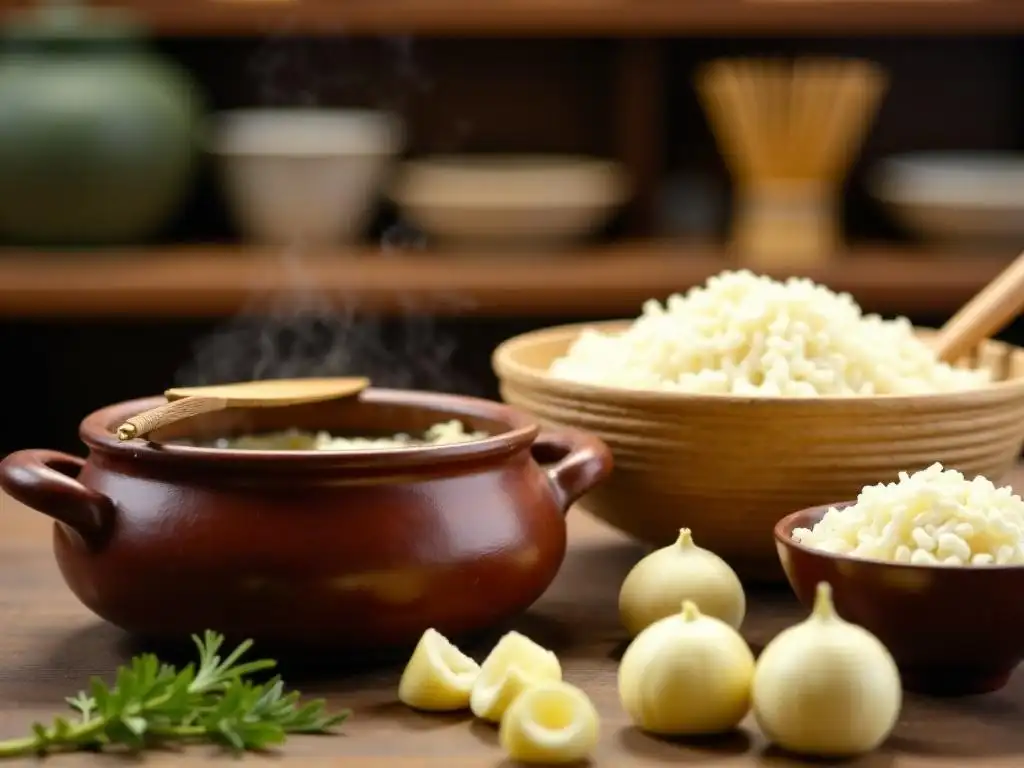
The culinary practices of Japan's feudal era were characterized by a deep connection to nature, seasonal ingredients, and meticulous techniques. Cooking during this time was not merely about sustenance; it was often a reflection of social status, cultural rituals, and regional diversity. Understanding these cooking techniques provides insight into the flavors and practices that have shaped modern Japanese cuisine.
Traditional Cooking Methods
Traditional cooking methods from the feudal era primarily included steaming, boiling, grilling, and frying. Each technique was employed to highlight the natural flavors of ingredients, ensuring that the essence of the dish was preserved.
- Steaming was commonly used for rice and vegetables, allowing them to retain their nutrients and vibrant colors. This method often utilized bamboo steamers, which imparted a delicate aroma to the food.
- Boiling was essential for soups and broths, which served as the foundation for many meals. Dashi, a stock made from kelp and bonito flakes, was particularly prized for its umami richness and formed the base of numerous dishes.
- Grilling over an open flame was a favored technique for fish and meat, allowing the natural flavors to caramelize while adding a smoky depth. This method often involved using skewers, reminiscent of modern yakitori practices.
- Frying was less common but used for specific dishes, such as tempura, which originated in the 16th century, showcasing the influence of Portuguese cuisine.
These techniques not only reflect the culinary ingenuity of the time but also emphasize the importance of seasonality and locality in feudal Japanese cooking.
The Art of Fermentation and Preservation
Fermentation played a pivotal role in the culinary landscape of feudal Japan, serving both as a means of preservation and as a method to enhance flavors. The art of fermentation, rooted in necessity, allowed for the storage of perishable items, ensuring food security throughout the year.
- Miso and soy sauce were among the most significant fermented products. Miso, made from soybeans, salt, and a mold called koji, was a staple that added depth to soups, marinades, and dressings. Each region developed its unique varieties, influenced by local ingredients and climate.
- Pickling was another common method, utilizing salt and vinegar to preserve vegetables. Tsukemono, or Japanese pickles, offered a way to enjoy seasonal vegetables year-round and added a contrasting flavor profile to meals.
- Sake fermentation was also crucial, not just as a beverage but as an ingredient in cooking. It was used to tenderize meats and enhance the umami flavor in various dishes.
These fermentation practices not only extended the shelf life of food but also contributed to a balanced and healthful diet, with an emphasis on umami-rich flavors.
Modern Adaptations of Feudal Era Recipes
As modern culinary practices evolve, there is a growing interest in adapting traditional feudal era recipes to fit contemporary lifestyles. Chefs and home cooks alike are embracing these historical recipes, infusing them with modern techniques and ingredients while maintaining their essence.
How to Incorporate Traditional Recipes into Today's Cooking
Incorporating traditional feudal era recipes into today's cooking can be a rewarding experience. Here are some tips to make the transition easier:
- Start with Basics: Begin by mastering simple recipes such as miso soup or grilled fish, which require few ingredients and basic techniques.
- Utilize Modern Tools: While traditional methods are important, modern kitchen appliances like rice cookers and sous-vide machines can simplify cooking processes while preserving authenticity.
- Experiment with Ingredients: Feel free to substitute hard-to-find ingredients with available options. For instance, if you can’t find specific types of fish, use local varieties that are similar in flavor and texture.
- Focus on Presentation: The feudal era valued aesthetics in food presentation. Use colorful vegetables, and arrange dishes thoughtfully to enhance visual appeal.
By adapting these recipes, you not only honor the culinary traditions of the past but also make them accessible to a modern audience.
Recommended Products for Authentic Japanese Cooking
To achieve authentic flavors reminiscent of the feudal era in your cooking, consider investing in the following products:
| Product | Purpose |
|---|---|
| Japanese Rice | Essential for authentic sushi and rice dishes. |
| Miso Paste | Key ingredient for soups and marinades. |
| Dashi Stock | A foundational broth for numerous Japanese dishes. |
| Fermented Soy Sauce | Adds depth and umami to a variety of recipes. |
| Bamboo Steamer | Ideal for steaming vegetables and rice. |
| Cast Iron Grill Pan | Perfect for achieving that smoky grilled flavor. |
These products not only enhance the authentic taste of your dishes but also connect you to the rich culinary history of Japan's feudal era. Embracing these traditional elements in modern cooking enables a deeper appreciation of the flavors that have shaped Japanese cuisine over centuries.
Conclusion: The Legacy of Japanese Feudal Era Recipes
The culinary traditions of Japan's feudal era are a testament to the rich tapestry of cultural influences, regional diversity, and the evolution of Japanese society. Recipes from this period are not merely historical artifacts; they represent a continuing legacy that shapes contemporary Japanese cuisine. The emphasis on seasonal ingredients, meticulous preparation, and aesthetic presentation can be traced back to the feudal period, where food was not only sustenance but also a form of art and expression.
Today, as we attempt to recreate these ancient dishes, we engage in a dialogue with history. The recipes serve as a bridge connecting us to the past, allowing us to appreciate the flavors and techniques that have endured through centuries. Each dish tells a story of the people who prepared it, the ingredients they had access to, and the customs that surrounded their meals. By cooking and sharing these feudal era recipes, we honor the culinary practices of our ancestors, ensuring that their legacy continues to thrive in modern kitchens.
Moreover, the act of preparing these recipes fosters a deeper understanding of Japanese culture and values, such as the importance of harmony with nature and the appreciation of simplicity and elegance in food. As we enjoy these dishes, we not only nourish our bodies but also our minds and spirits, celebrating a rich heritage that is as relevant today as it was centuries ago.
Additional Resources for Japanese Feudal Era Cooking
To further explore the culinary delights of Japan's feudal era, several resources can enhance your cooking experience and deepen your understanding of this fascinating period:
- Cookbooks:
- Japanese Cooking: A Simple Art by Shizuo Tsuji – This book provides insights into traditional Japanese cooking techniques and recipes that can be adapted from feudal era dishes.
- The Food of Japan by Takayuki Kosaki – A comprehensive guide to Japanese cuisine, including historical context and authentic recipes.
- Online Articles and Websites:
- Websites dedicated to Japanese history often feature articles on the culinary practices of the feudal era, providing context and historical significance to the recipes.
- Cooking blogs that focus on Japanese cuisine may offer modern adaptations of traditional feudal recipes, making them accessible for today’s home cooks.
- Documentaries and Cooking Shows:
- Documentaries on Japanese history can provide visual insight into the cultural practices surrounding food during the feudal period.
- Cooking shows that explore regional Japanese dishes often highlight traditional techniques that harken back to feudal times.
- Culinary Workshops:
- Participating in workshops or cooking classes focused on Japanese cuisine can provide hands-on experience with traditional methods and ingredients used during the feudal era.
- Local Japanese Markets:
- Visiting local Japanese markets can give you access to ingredients that were commonly used in feudal recipes, making it easier to recreate authentic flavors.
By utilizing these resources, you can embark on a culinary journey that not only brings the flavors of the feudal era to your table but also enriches your appreciation for Japan's rich cultural heritage. Happy cooking! 🍣✨
- Introduction to Japanese Feudal Era Recipes
- Historical Context of Japanese Cuisine in the Feudal Era
- Key Ingredients in Japanese Feudal Era Cooking
- Traditional Japanese Feudal Era Recipes to Try This Weekend
- Cooking Techniques from the Feudal Era
- Modern Adaptations of Feudal Era Recipes
- Conclusion: The Legacy of Japanese Feudal Era Recipes
- Additional Resources for Japanese Feudal Era Cooking
- What is the significance of the Japanese feudal era in culinary history?
- What types of recipes are featured in the article?
- Can I find recipes suitable for modern cooking techniques?
- Are the ingredients used in these recipes easy to find today?
- How does the article connect cultural aspects to the recipes?
Frequently Asked Questions
What is the significance of the Japanese feudal era in culinary history?
The Japanese feudal era significantly shaped the country's culinary traditions, incorporating local ingredients and techniques that laid the foundation for modern Japanese cuisine.
What types of recipes are featured in the article?
The article includes a variety of traditional recipes from the feudal era, such as simmered dishes, rice preparations, and seasonal delicacies, reflecting the regional diversity of the time.
Can I find recipes suitable for modern cooking techniques?
Yes, the recipes are adapted for modern cooking techniques, making them accessible for contemporary chefs while preserving the authentic flavors of the feudal period.
Are the ingredients used in these recipes easy to find today?
Many of the ingredients used in these feudal recipes are readily available in local markets, though some may require a visit to specialty stores for authentic items.
How does the article connect cultural aspects to the recipes?
The article explores the cultural aspects of the feudal era by highlighting how food practices reflected social hierarchies, seasonal changes, and the spiritual beliefs of the time.
Final Reflection: Embracing the Flavors of Japan's Feudal Era
The culinary traditions of Japan's feudal era are not just relics of the past; they are a vibrant tapestry that continues to influence our modern dining experiences. As we explore these age-old recipes, we uncover the stories and cultural significance behind each dish, reminding us that food is a powerful connector of history and identity. The flavors we savor today are steeped in centuries of tradition, and understanding their origins enriches our appreciation for the meals we enjoy.
The recipes from Japan's feudal era serve as a bridge between generations, showcasing the resilience and creativity of a culture that has thrived through adversity. These dishes reflect the values and practices of a time when food was not merely sustenance but a celebration of life and community. Food is the ingredient that binds us together.
This quote encapsulates the essence of how these historical recipes continue to shape our social landscapes, inspiring gatherings and shared experiences that honor the past while creating new memories.
As you consider trying these Japanese feudal era recipes this weekend, I invite you to reflect on the stories behind each dish and the cultural heritage they represent. Let your kitchen become a canvas for exploration, where you can not only recreate flavors but also connect with the rich history of Japan. Embrace the opportunity to learn, taste, and share, allowing the culinary chronicles of the past to inspire your present and future culinary adventures.
Embark on Your Culinary Adventure Today!
Thank you for diving into the fascinating flavors of Japan's feudal era! We hope you’ve gained inspiration from these rich recipes and stories. Now, it’s time to take the next step in your culinary journey.
Here’s how you can bring these historical delights to life:
- Try your hand at cooking one of the featured recipes this weekend! Choose a dish that excites you and let the flavors transport you back in time.
- Share your culinary creations on social media! Use the hashtag #FeudalJapanEats to connect with fellow enthusiasts and inspire others to join you in this delicious exploration.
- Join our community forum to discuss your experiences, share tips, and discover more about Japan’s culinary history during the feudal era.
What dish will you choose to recreate, and how do you think it connects to the rich tapestry of Japan's history?