
The Art of Cooking in Feudal Japan: Recipes Inspired by Ancient Traditions


Welcome to Feudal Japan History, where we invite you to journey through the intriguing tapestry of Japan's feudal era. Here, you will uncover the rich historical, cultural, and societal aspects that shaped an entire civilization. Are you ready to tantalize your taste buds?
In our featured article, "The Art of Cooking in Feudal Japan: Recipes Inspired by Ancient Traditions," we delve into the culinary delights of this fascinating period, offering you recipes that echo the flavors and techniques of the past. Prepare to stir your curiosity and ignite your imagination as we explore how these ancient traditions continue to influence Japanese cuisine today. Dive in and discover the secrets of cooking in feudal Japan!
- Introduction to Cooking in Feudal Japan
- Key Ingredients in Feudal Japan Recipes
- Cooking Techniques from Feudal Japan
- Signature Recipes Inspired by Feudal Japan
- Modern Adaptations of Feudal Japan Recipes
- Cultural Significance of Feudal Japan Cuisine
- Conclusion: Reviving the Art of Cooking in Feudal Japan
-
Frequently Asked Questions
- What were the common ingredients used in cooking during feudal Japan?
- How did social class influence cooking practices in feudal Japan?
- What types of cooking methods were prevalent in feudal Japan?
- Are there any traditional feudal Japanese recipes that are still popular today?
- How can one recreate feudal Japan recipes at home?
- Final Reflection: The Timeless Essence of Cooking in Feudal Japan
- Elevate Your Culinary Journey: Cook Like It's Feudal Japan!
Introduction to Cooking in Feudal Japan
In exploring the intricate tapestry of Japan's feudal era, one cannot overlook the profound influence of cuisine on daily life and culture. Cooking in feudal Japan was not merely a means of sustenance; it was a reflection of the social hierarchy, agricultural practices, and seasonal changes that defined the period.
This article delves into the art of cooking during this fascinating time, highlighting recipes inspired by ancient traditions that can be recreated in modern kitchens. From the meticulous preparation of meals to the communal aspects of dining, we will uncover how food served as a central pillar in the lives of the samurai, farmers, and artisans, revealing the rich historical and cultural heritage that continues to influence Japanese cuisine today.
Historical Context of Japanese Cuisine in the Feudal Era
The feudal era of Japan, spanning from the 12th to the 19th century, witnessed significant developments in agricultural practices and culinary techniques. During this time, Japan's society was primarily agrarian, with rice serving as the staple food. The introduction of rice cultivation methods and the establishment of irrigation systems allowed for increased productivity, leading to a more stable food supply.
Key Aspects of Feudal Japanese Cuisine:
- Regional Variations: Different regions of Japan developed unique dishes based on local ingredients and climate. For instance, coastal areas often featured seafood prominently, while mountainous regions relied on wild game and foraged plants.
- Seasonal Ingredients: The Japanese had a deep respect for the seasons, which was reflected in their cooking. Ingredients were chosen not only for their flavor but also for their seasonal availability, leading to a cuisine that was dynamic and varied throughout the year.
- Cultural Influences: Buddhism played a pivotal role in shaping dietary practices, especially the promotion of vegetarianism among certain classes. This resulted in the development of a range of plant-based dishes that are still celebrated today.
Importance of Food in Feudal Japanese Society
Food in feudal Japan was imbued with meaning, serving as a symbol of social status and cultural identity. Meals were often carefully prepared and presented, reflecting the skill of the cook and the status of the host.
Significance of Food:
- Social Hierarchy: The types of food served were indicative of one’s position in society. Samurai were known for their elaborate banquets, while commoners had simpler fare.
- Ritual and Ceremony: Food played a crucial role in various rituals and celebrations, from seasonal festivals to religious observances. These events not only showcased culinary skills but also reinforced community bonds.
- Culinary Arts as a Discipline: The practice of cooking evolved into an art form, with chefs gaining recognition for their expertise. This period saw the emergence of distinct culinary styles and techniques that would lay the groundwork for modern Japanese cuisine.
Through this exploration of cooking in feudal Japan, we aim to provide a deeper understanding of how historical, cultural, and societal factors shaped the culinary landscape of this remarkable era, alongside practical recipes that honor these ancient traditions.
Key Ingredients in Feudal Japan Recipes
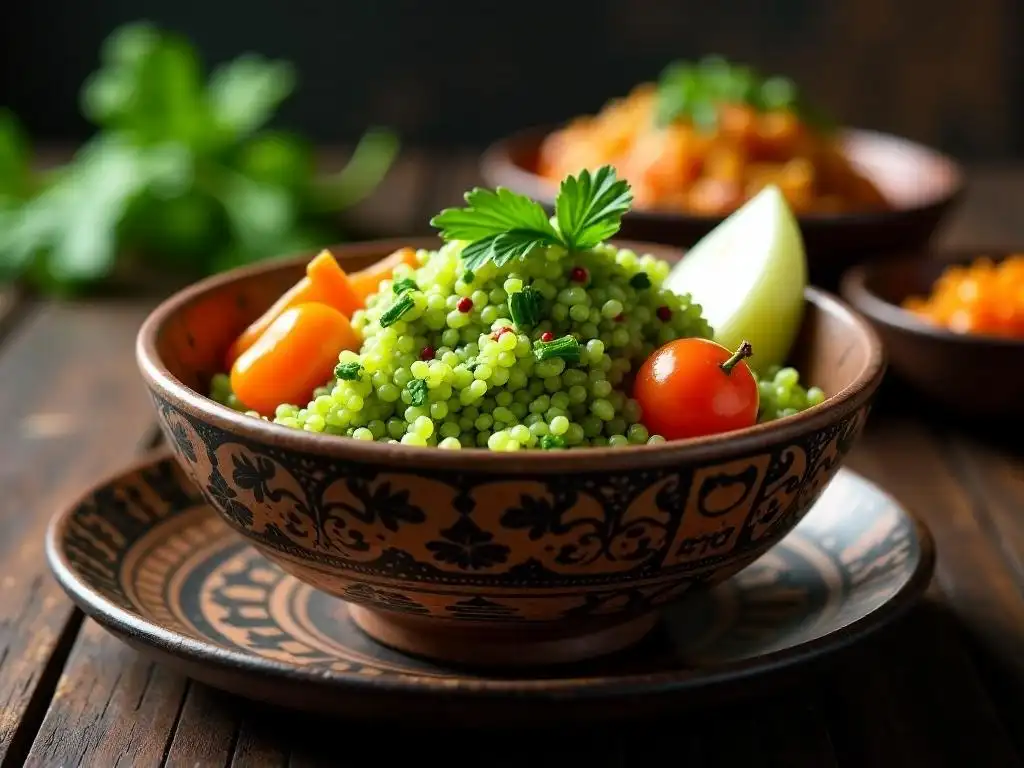
Understanding the key ingredients used in feudal Japan recipes is essential for anyone looking to recreate the authentic flavors of this era. The culinary landscape of feudal Japan was shaped by geography, climate, and cultural practices, leading to a unique combination of staples and seasonings that are integral to traditional dishes.
Traditional Staples: Rice, Vegetables, and Fish
Rice (ご飯, gohan) was the cornerstone of feudal Japanese cuisine, serving not only as a staple food but also as a symbol of wealth and prosperity. The cultivation of rice began as early as the Yayoi period (300 BCE - 300 CE), and by the feudal era, it had become the primary carbohydrate source for the population.
- Varieties of Rice:
- Koshihikari: Known for its sweet flavor and stickiness.
- Sasanishiki: A more delicate variety often used for sushi.
Vegetables played a crucial role in the diet, with seasonal availability influencing what was consumed. Common vegetables included:
- Daikon (大根): A versatile radish often used in salads and soups.
- Negi (葱): A type of green onion that adds flavor to many dishes.
- Nasu (茄子): Eggplant, frequently grilled or steamed.
Fish, abundant in Japan's surrounding waters, was a primary protein source. Techniques such as drying, pickling, and grilling were commonly used to preserve fish. Key examples include:
- Saba (鯖): Mackerel, often grilled or served as sashimi.
- Ikura (イクラ): Salmon roe, prized for its rich flavor and texture.
The Role of Seasonality in Cooking in Feudal Japan
Seasonality was a fundamental principle in feudal Japan cooking, reflecting the connection between nature and culinary practices. The Japanese believed that consuming seasonal ingredients ensured the freshest flavors and the best health benefits.
- Spring: This season brought tender bamboo shoots (たけのこ, takenoko) and fresh greens like shiso (紫蘇) and ramps (行者ニンニク).
- Summer: Ingredients like watermelon (スイカ) and eggplant (茄子) were popular, as they were refreshing in the heat.
- Autumn: The harvest of sweet potatoes (さつまいも) and chestnuts (栗) marked this time, adding sweetness to dishes.
- Winter: Root vegetables like daikon and carrots became staples, hearty and warming for colder months.
By embracing seasonality, cooks were able to create dishes that not only tasted better but also honored the natural cycles of life.
Unique Spices and Flavorings of the Era
The flavor profile of feudal Japan cuisine was distinct, characterized by the use of natural seasonings and minimal spices.
- Soy Sauce (醤油, shoyu): A fermented product that added depth and umami to many dishes.
- Miso (味噌): A fermented soybean paste, essential in soups and marinades.
- Mirin (みりん): A sweet rice wine that was often used to enhance the flavor of sauces and glazes.
- Sake (酒): Not just a beverage, but also an important ingredient used in cooking to tenderize meat and enhance flavor.
While spices were not as prevalent as in other culinary traditions, the balance of flavors was achieved through the thoughtful use of these ingredients. The emphasis on simplicity and harmony in cooking reflected the broader philosophies of Japanese culture during the feudal era.
Incorporating these key ingredients and understanding their significance will allow modern cooks to successfully recreate traditional feudal Japan recipes, bringing the historical flavors of this fascinating era to life.
Cooking Techniques from Feudal Japan
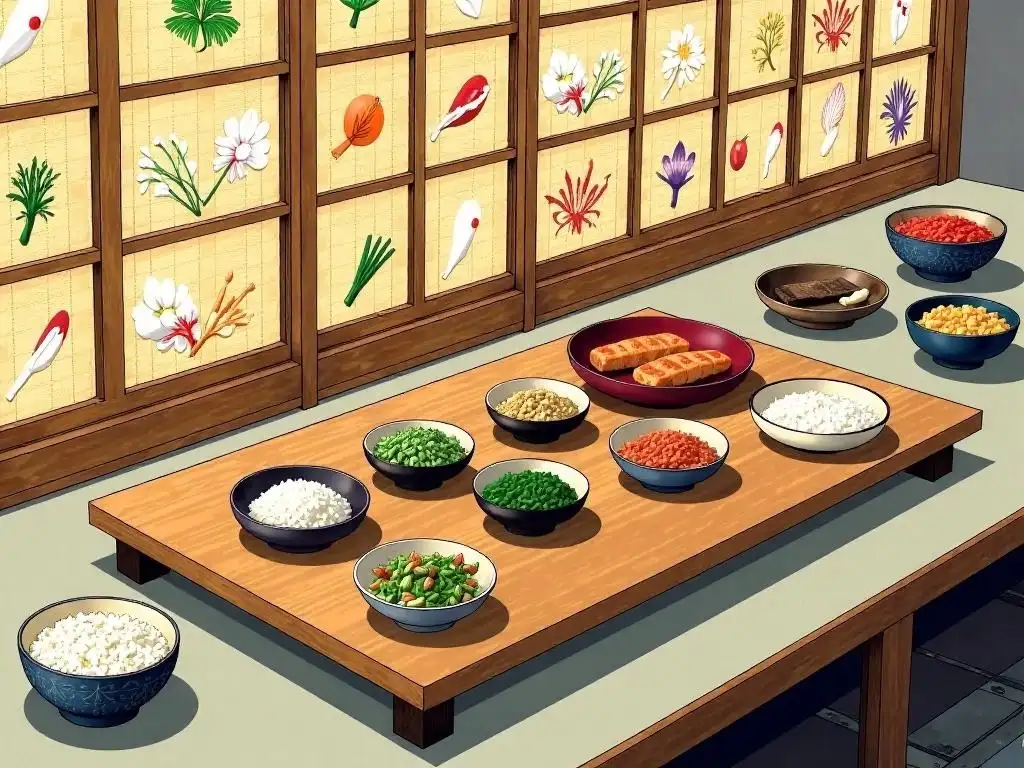
The cooking techniques employed during the feudal era of Japan were both diverse and sophisticated, reflecting the cultural values and resource availability of the time. These methods not only enhanced the flavors of the ingredients but also played a significant role in the preservation and presentation of food. Understanding these techniques is essential for anyone interested in recreating "cooking in feudal Japan recipes." Here’s a closer look at some of the key techniques that defined this era.
Grilling and Steaming: Authentic Methods for Ancient Recipes
Grilling and steaming were two prominent cooking techniques in feudal Japan, each contributing unique flavors and textures to dishes.
- Grilling (Yaki):
- Charcoal Grills: Traditionally, yaki involved the use of charcoal, known as sumibi, which provided a distinct smoky flavor to grilled meats and fish. This technique was commonly used for preparing yakitori (grilled chicken skewers) and saba shioyaki (grilled mackerel).
- Robata Cooking: Originating from the northern regions, robata cooking employed a wooden hearth and was characterized by cooking food slowly over hot coals. This method ensured even cooking and enhanced the umami flavor of the ingredients.
- Steaming (Mushi):
- Bamboo Steamers: Steaming was often done using bamboo steamers, which allowed for gentle cooking, preserving the nutritional value of the ingredients. Dishes like chawanmushi (savory egg custard) showcase this technique beautifully.
- Steamed Rice: Rice was a staple in feudal Japan, and the steaming process was crucial for achieving the desired texture. The use of do-nabe (earthenware pots) allowed for even heat distribution, resulting in perfectly cooked rice.
These techniques not only highlight the ingenuity of ancient Japanese cooks but also provide a foundation for modern culinary practices inspired by feudal traditions.
Fermentation and Preservation: Techniques for Long-lasting Ingredients
Fermentation played a vital role in feudal Japan's culinary landscape, allowing for the preservation of seasonal ingredients and the development of complex flavors.
- Miso and Soy Sauce:
- Miso: This fermented soybean paste is a cornerstone of Japanese cuisine, produced through a meticulous fermentation process involving koji (mold) and salt. Miso adds depth to soups, marinades, and dressings.
- Soy Sauce (Shoyu): Another essential fermented product, shoyu is crafted from fermented soybeans and wheat, offering a savory umami flavor. It was used not only as a condiment but also as a cooking ingredient.
- Pickling (Tsukemono):
- Vegetable Preservation: Feudal households often pickled vegetables using salt, vinegar, or rice bran to ensure food was available during the winter months. Common pickles included nukazuke (rice bran pickles) and shoyuzuke (soy sauce pickles).
- Health Benefits: Fermented foods were valued for their health benefits, providing probiotics that supported digestion and overall well-being.
Understanding these fermentation techniques allows modern cooks to appreciate the balance of flavors and the importance of preservation in feudal Japanese cuisine.
The Art of Presentation: Aesthetic in Feudal Japanese Cuisine
The aesthetic aspect of food presentation in feudal Japan was deeply rooted in cultural traditions, emphasizing harmony, balance, and seasonal beauty.
- Plateware and Utensils:
- Natural Materials: Traditional Japanese tableware was often made from natural materials such as wood, lacquer, and ceramics. The choice of plateware was intentional, enhancing the visual appeal of the dishes served.
- Seasonal Themes: Presentation often reflected the seasons, with colors and arrangements that evoked the beauty of nature. For instance, cherry blossoms in spring might inspire the use of pink hues in dishes.
- Plating Techniques:
- Minimalism: The principle of simplicity was paramount; dishes were plated with care to avoid overcrowding, allowing each component to shine.
- Garnishes: Edible flowers, herbs, and colorful vegetables were often used as garnishes, adding visual interest and highlighting the freshness of the ingredients.
The emphasis on presentation in feudal Japan not only elevated the dining experience but also embodied the cultural values of mindfulness and respect for nature.
By exploring these cooking techniques, you can gain a deeper understanding of "cooking in feudal Japan recipes" and appreciate the rich culinary heritage that continues to influence modern Japanese cuisine.
Signature Recipes Inspired by Feudal Japan

The culinary art of feudal Japan is a delicate balance of flavors, techniques, and seasonal ingredients. These traditional cooking methods are not only a reflection of the era's societal structure but also an expression of the harmony between nature and cuisine. Below, we explore two signature recipes that capture the essence of cooking in feudal Japan.
Recipe 1: Grilled Fish with Miso Marinade
Grilled fish was a staple in feudal Japan, often enjoyed by samurai and commoners alike. The rich umami of miso enhances the natural flavors of the fish, making it a beloved dish that is simple yet profound in taste.
Ingredients Needed for Authentic Preparation
- Fish (such as mackerel or salmon): 2 fillets
- Miso paste: 3 tablespoons (white or red)
- Sake: 2 tablespoons
- Mirin: 2 tablespoons
- Sugar: 1 tablespoon
- Sesame oil: 1 teaspoon (for finishing)
- Spring onions: 2, finely chopped (for garnish)
Step-by-Step Cooking Instructions
- Prepare the Marinade: In a bowl, mix the miso paste, sake, mirin, and sugar until well combined.
- Marinate the Fish: Coat the fish fillets with the marinade, ensuring they are evenly covered. Cover and refrigerate for at least 1 hour, or up to overnight for a richer flavor.
- Preheat the Grill: Heat your grill to medium-high.
- Grill the Fish: Remove the fish from the marinade and wipe off excess. Place the fillets skin-side down on the grill. Grill for about 4-5 minutes on each side, or until cooked through and slightly charred.
- Garnish and Serve: Drizzle with sesame oil and sprinkle with chopped spring onions before serving.
Tips for Achieving the Best Flavor
- For a deeper umami taste, use aged miso.
- Consider using a grill pan if an outdoor grill is not available, as it can provide similar charred flavors.
- Pair the grilled fish with a side of steamed rice and pickled vegetables for a complete meal.
Recipe 2: Seasonal Vegetable Tempura
Tempura originated as a method of frying introduced by Portuguese missionaries but evolved into a quintessential part of Japanese cuisine. In feudal Japan, seasonal vegetables were commonly used to create this light and crispy dish.
Selecting the Best Vegetables for Tempura
- Asparagus: Tender and flavorful when fried.
- Sweet potatoes: Cut into thin slices for a sweet contrast.
- Shiitake mushrooms: Their meaty texture adds depth.
- Bell peppers: Colorful and sweet, perfect for frying.
- Zucchini: Light and subtle, a great addition.
Preparing the Batter: Secrets of the Feudal Kitchen
- Ingredients for the Batter:
- All-purpose flour: 1 cup
- Ice water: 1 cup (very cold)
- Egg: 1 (optional for richness)
- Cornstarch: 2 tablespoons (for extra crispiness)
- Mixing the Batter:
- In a bowl, combine flour and cornstarch.
- Gradually add ice water, mixing lightly with chopsticks or a fork until just combined. The batter should be lumpy; do not overmix.
Frying Techniques for Perfectly Crispy Tempura
- Preheat the Oil: Heat vegetable oil in a deep pot or fryer to 340°F (170°C).
- Fry the Vegetables: Dip the selected vegetables into the batter, allowing excess to drip off before carefully placing them into the hot oil. Fry in small batches to avoid overcrowding.
- Cooking Time: Fry for about 2-3 minutes or until golden brown. Remove with a slotted spoon and drain on paper towels.
- Serving Suggestion: Serve hot with a dipping sauce made from soy sauce and grated daikon radish.
By following these recipes, you can bring the flavors of feudal Japan into your modern kitchen, offering a taste of history with every bite. Enjoy the culinary journey that connects you to ancient traditions and seasonal ingredients!
Recipe 3: Miso Soup with Tofu and Seaweed
Miso soup, a staple of Japanese cuisine, has roots that trace back to the feudal era. It serves as both a nourishing dish and a versatile base for various ingredients. This recipe highlights the simplicity and depth of flavor characteristic of cooking in feudal Japan, showcasing the use of miso, tofu, and seaweed, which were readily available during this period.
Traditional Ingredients for Miso Soup
The traditional ingredients of miso soup are essential for achieving its authentic taste and texture. Here’s a breakdown of the key components:
- Miso Paste: This is the heart of the soup, made from fermented soybeans. The two common types used are:
- White Miso (Shiro Miso): Milder and sweeter, often used in lighter soups.
- Red Miso (Aka Miso): Richer and saltier, providing a deeper flavor.
- Dashi Stock: A fundamental broth made from kombu (dried kelp) and bonito flakes (dried fish), dashi enhances the umami flavor of the soup.
- Tofu: Soft or silken tofu is commonly added for protein and texture. It is often cubed and gently heated to maintain its integrity.
- Seaweed: Wakame, a type of edible seaweed, is traditionally included. It rehydrates quickly in the soup and adds a unique flavor profile.
- Scallions: Chopped fresh scallions are used as a garnish, adding a hint of freshness and color.
- Additional Vegetables: Depending on availability, vegetables such as mushrooms, daikon radish, or carrots may be added for extra nutrition and flavor.
Cooking Method to Retain Nutritional Value
To prepare miso soup while preserving its nutritional benefits, follow these steps:
- Prepare the Dashi: Start by making dashi stock. Soak a piece of kombu in water for at least 30 minutes. Afterward, bring the water to a near boil and remove the kombu. Add bonito flakes and let it steep for about 5 minutes. Strain the liquid to obtain a clear broth.
- Heat the Broth: Place the dashi back on low heat. Avoid boiling it vigorously, as this can diminish the delicate flavors.
- Add Tofu and Seaweed: Gently add cubed tofu and a small handful of wakame to the warm dashi. Allow it to simmer for about 2–3 minutes, ensuring the tofu is heated but not overcooked.
- Incorporate Miso: Take a ladle of the hot broth and mix it with miso paste in a separate bowl until smooth. This helps to evenly distribute the miso without clumping. Gradually stir this mixture back into the pot, ensuring it does not boil, as boiling can destroy the beneficial probiotics present in the miso.
- Final Touches: Add chopped scallions just before serving to maintain their crunch and freshness.
By following these steps, you not only honor the traditional methods of feudal Japan but also preserve the nutritional quality of the ingredients.
Serving Suggestions Inspired by Feudal Traditions
In feudal Japan, meals were often served in a way that emphasized balance and harmony. Here are some serving suggestions to recreate that experience:
- Serve in Traditional Bowls: Use small, lacquered bowls, which were commonly used during the feudal era, to present the miso soup. This enhances the aesthetic and provides a more authentic dining experience.
- Accompany with Rice: Miso soup is typically served alongside steamed white rice, which complements the flavors and adds a carb element to the meal.
- Pair with Pickles: Tsukemono, or Japanese pickles, were often served as a side dish. The acidity of pickles balances the richness of the miso soup.
- Presentation: Arrange the soup, rice, and pickles on a tray, maintaining a simple yet elegant presentation. This mirrors the traditional Japanese dining philosophy of creating a sense of beauty in simplicity.
- Seasonal Variations: Consider modifying the ingredients based on seasonal availability, reflecting the feudal practice of using fresh, local ingredients to enhance flavor and nutrition.
By incorporating these serving suggestions, you can enjoy a meal that not only nourishes the body but also connects you to the culinary traditions of feudal Japan.
Modern Adaptations of Feudal Japan Recipes
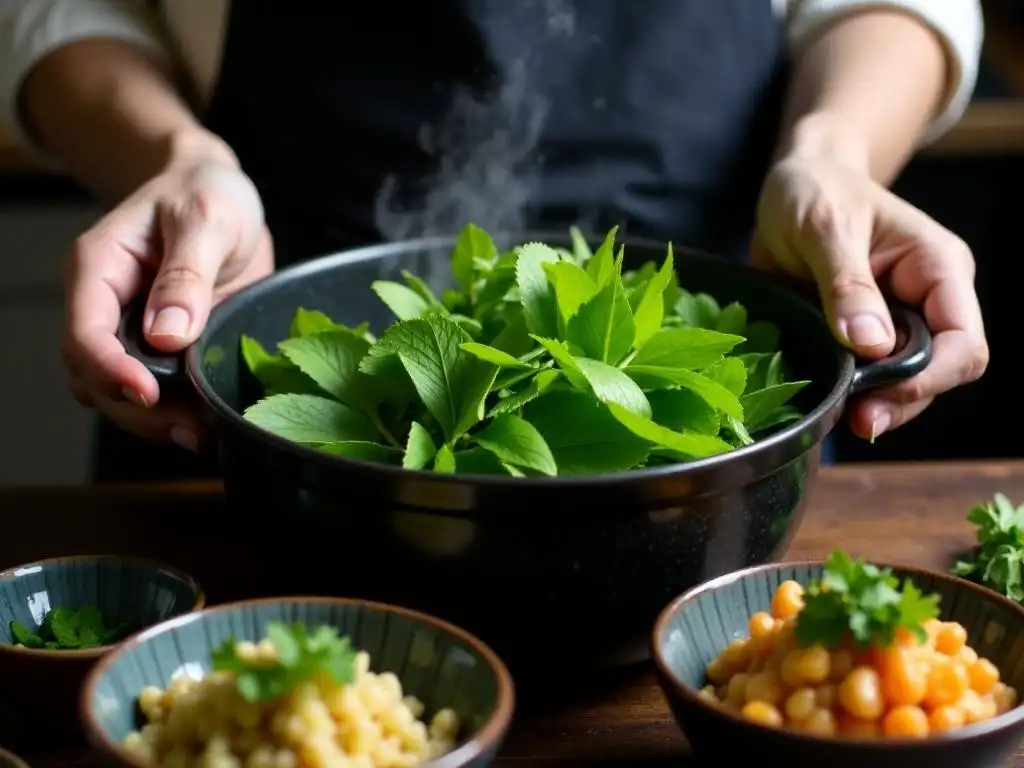
In the realm of Japanese cuisine, the legacy of feudal Japan continues to inspire home cooks around the world. Modern adaptations of feudal Japan recipes allow for a unique blend of historical authenticity and contemporary culinary practices, bridging the gap between ancient traditions and today's dining experiences. By integrating the techniques and flavors of the past, modern cooks can create dishes that honor the rich history of feudal Japan while catering to modern tastes and dietary preferences.
When adapting ancient recipes, it is crucial to understand the fundamental principles behind feudal Japanese cooking. This includes a strong emphasis on seasonality, simplicity, and presentation, which are hallmarks of traditional Japanese cuisine. Many feudal-era dishes can be easily modified to suit contemporary palates, making use of readily available ingredients and modern cooking techniques.
Adapting Ancient Techniques for Contemporary Kitchens
To recreate feudal Japan recipes in a modern kitchen, one must consider how to adapt ancient techniques to fit contemporary cooking methods. Here are some key adaptations:
- Use of Modern Appliances: While traditional cooking in feudal Japan often relied on charcoal stoves and open flames, modern cooks can utilize electric rice cookers, induction stoves, and sous-vide machines to achieve similar results with greater convenience. For instance, steaming rice can be accomplished effortlessly in a rice cooker, eliminating the need for constant monitoring.
- Ingredient Substitutions: Certain ingredients that were staple in feudal Japan may not be as accessible today. For example, while the original recipe may call for a specific type of fish or vegetable, home cooks can substitute with locally available varieties without sacrificing the essence of the dish. This can include using tilapia instead of sea bream or substituting seasonal vegetables that reflect local availability.
- Simplified Techniques: Many traditional techniques, such as fermenting soybeans to create miso, can be time-consuming. Modern adaptations might involve purchasing ready-made miso paste, which allows cooks to focus on assembling and enhancing flavors rather than spending extensive time on preparation.
Incorporating these adaptations not only makes feudal Japanese recipes more approachable but also allows for creativity in the kitchen.
Recommended Tools and Ingredients for Home Cooks
To successfully recreate cooking in feudal Japan recipes, certain tools and ingredients are essential. These not only facilitate the cooking process but also enhance the authenticity of the dishes.
Essential Cooking Equipment for Feudal Japanese Recipes
| Equipment | Purpose |
|---|---|
| Donabe (Clay Pot) | Ideal for simmering stews or cooking rice. |
| Tataki Grill | Perfect for grilling fish and meats. |
| Miso Suribachi (Mortar) | Great for grinding spices and making sauces. |
| Bamboo Steamer | Used for steaming vegetables and dumplings. |
| Japanese Knives | Essential for precise cutting and preparation. |
These tools reflect the traditional practices of feudal Japan and are integral in achieving authentic flavors and textures.
Where to Find Authentic Japanese Ingredients
Finding authentic ingredients is key to replicating the flavors of feudal Japan. Here are some suggestions for sourcing these items:
- Asian Grocery Stores: Many urban areas have Asian grocery stores that stock a variety of Japanese ingredients, including rice, miso, and seaweed.
- Online Retailers: Websites that specialize in international foods offer a wide selection of Japanese ingredients that can be delivered right to your door. Look for reputable suppliers that focus on quality.
- Local Farmers’ Markets: For seasonal vegetables and fresh produce, local farmers’ markets can be a great resource. It allows cooks to incorporate fresh, high-quality ingredients into their feudal recipes.
- Community-Supported Agriculture (CSA): Joining a CSA can provide access to seasonal produce, allowing cooks to experiment with local ingredients while maintaining the spirit of feudal Japanese cooking.
By utilizing these tools and sourcing authentic ingredients, home cooks can effectively bring the flavors of feudal Japan into their kitchens, creating delicious dishes that pay homage to ancient culinary traditions.
Cultural Significance of Feudal Japan Cuisine
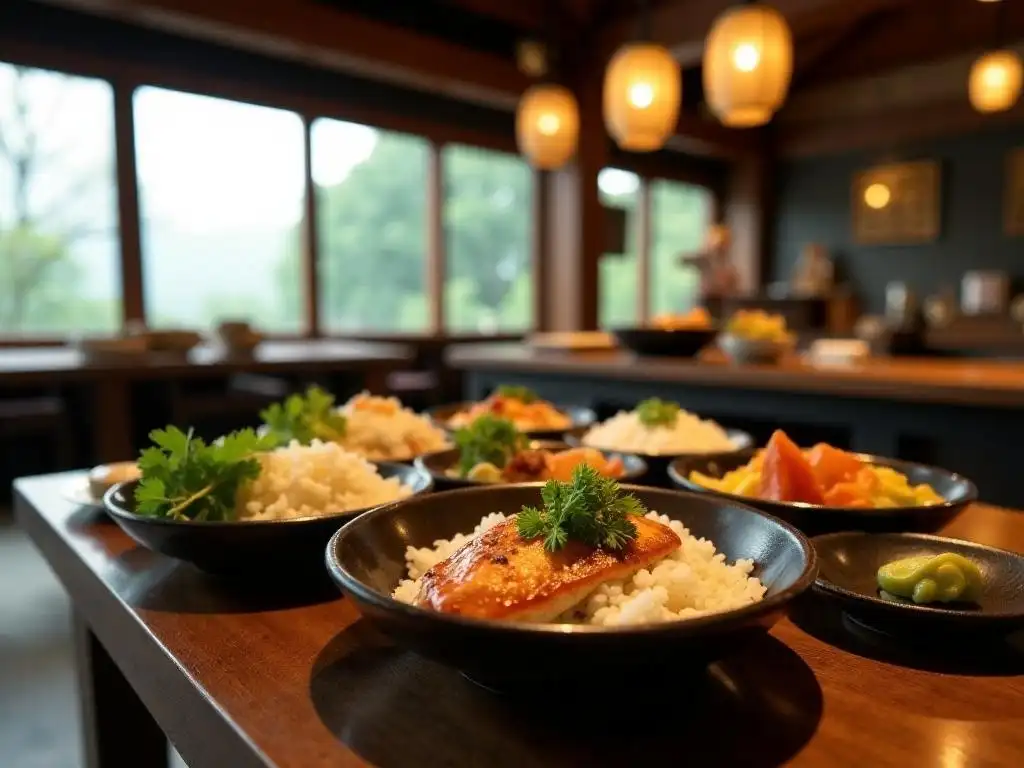
The cuisine of feudal Japan is deeply intertwined with the culture, traditions, and social structures of the time. Food was not merely sustenance; it reflected the values, beliefs, and hierarchies of Japanese society during the feudal era. The cooking in feudal Japan recipes are rich with historical significance, showcasing the intricate relationship between food and culture.
In feudal Japan, social hierarchy greatly influenced the types of food available to different classes. The samurai, who held the highest status, enjoyed a varied diet that included meats and luxurious ingredients. Their meals often featured dishes such as sushi, sashimi, and tempura, which highlighted their access to fresh seafood and gourmet preparations.
Conversely, the lower classes, including farmers and laborers, primarily consumed simple, plant-based foods. Staples like rice, grains, and vegetables dominated their diets, with dishes often prepared in a way that emphasized frugality and resourcefulness. For instance:
- Farmers: Diets consisted of:
- Rice
- Miso soup
- Seasonal vegetables
- Artisans: Meals included:
- Tofu dishes
- Noodles
- Pickled vegetables
This stark contrast illustrates how food choices were a direct reflection of one’s societal role and economic standing. The samurai’s lavish feasts contrasted sharply with the humble meals of the peasantry, reinforcing the existing social order.
Festivals and Celebrations: Traditional Dishes that Endure
Festivals and celebrations during feudal Japan were occasions for communities to come together, often featuring traditional dishes that have persisted through the ages. These events not only served as a means of celebrating cultural identity but also as an opportunity to showcase the culinary skills of different regions.
One notable celebration is Osechi-ryori, a special meal prepared for the New Year. This traditional feast consists of various dishes, each symbolizing different wishes for the coming year, such as health, happiness, and prosperity. Common components include:
- Kazunoko (herring roe) for fertility
- Kuri-kinton (sweet chestnut and pumpkin) for wealth
- Nishime (braised vegetables) for harmony
Another significant festival is Hanami, the cherry blossom viewing celebration, where families gather to enjoy seasonal foods like sakura mochi (sweet rice cake wrapped in cherry leaves) and bento boxes filled with colorful, carefully arranged dishes. These traditional recipes not only highlight the importance of seasonal ingredients but also connect contemporary Japanese cuisine with its rich historical past.
Cooking in feudal Japan recipes continue to inspire modern culinary practices, reminding us of the deep historical roots and cultural significance embedded in these age-old dishes. By understanding the cultural backdrop of feudal Japan cuisine, we can appreciate the flavors and traditions that have shaped Japanese food today.
Conclusion: Reviving the Art of Cooking in Feudal Japan
Final Thoughts on Preserving Ancient Culinary Traditions
The culinary practices of feudal Japan offer a remarkable glimpse into the nation’s rich historical tapestry. These ancient cooking techniques and recipes not only reflect the agricultural practices and available ingredients of the time but also reveal the cultural values and societal structures that defined the era. By understanding the art of cooking in feudal Japan, we gain insight into the significance of food as a means of expression, sustenance, and cultural continuity.
Preserving these ancient culinary traditions is crucial in today’s fast-paced world. As modern cooking often prioritizes convenience over authenticity, the recipes from feudal Japan encourage us to slow down, appreciate the nuances of cooking, and celebrate the flavors that have endured through centuries. Techniques such as fermenting, pickling, and using seasonal ingredients not only enhance the taste of our dishes but also connect us to the land and its history.
Encouragement to Explore Cooking in Feudal Japan Recipes Today
Embarking on the journey of cooking in feudal Japan recipes can be both a rewarding and enlightening experience. Here are some ways to encourage your exploration:
- Start with Simplicity: Begin with basic recipes that utilize easily accessible ingredients, such as miso soup or pickled vegetables. These dishes are not only simple to prepare but also foundational in Japanese cuisine.
- Experiment with Techniques: Try your hand at traditional cooking methods like steaming and grilling, which were commonly used in feudal Japan. These techniques can elevate the flavors of even the most basic ingredients.
- Incorporate Seasonal Ingredients: Embrace the philosophy of 'shun' (旬), which emphasizes the importance of consuming food at its peak ripeness. Visit local markets to find fresh produce that reflects the seasons.
- Document Your Journey: Keep a cooking journal where you can note your successes, failures, and adaptations. This practice can deepen your understanding and appreciation of the recipes you explore.
- Share Your Experiences: Engage with friends and family by hosting a feudal Japan-themed dinner. Sharing these dishes not only keeps the traditions alive but also fosters a sense of community and connection.
By reviving the art of cooking in feudal Japan, we preserve a vital part of our culinary heritage and enrich our contemporary dining experiences. Let the flavors of the past inspire your kitchen adventures today!
Frequently Asked Questions
What were the common ingredients used in cooking during feudal Japan?
Common ingredients included rice, soy sauce, miso, and fish, which were central to the Japanese diet. Seasonal vegetables and herbs also played a significant role in enhancing flavors.
In feudal Japan, the samurai class had access to more exotic ingredients and elaborate dishes, while peasants mainly relied on staple foods like rice and vegetables. This led to significant differences in culinary traditions.
What types of cooking methods were prevalent in feudal Japan?
Cooking methods included grilling, steaming, and simmering. Techniques such as fermentation were also widely used to preserve food and enhance flavors, particularly in sauces.
Are there any traditional feudal Japanese recipes that are still popular today?
Yes, many traditional recipes, such as sushi, tempura, and ramen, have their roots in feudal Japan and remain beloved in modern cuisine, showcasing the enduring legacy of these ancient cooking practices.
How can one recreate feudal Japan recipes at home?
To recreate these recipes, one should focus on using authentic ingredients like shoyu and mirin, and follow traditional cooking techniques. Various cookbooks and online resources provide step-by-step guides to help enthusiasts explore cooking in feudal Japan.
Final Reflection: The Timeless Essence of Cooking in Feudal Japan
The art of cooking in feudal Japan is not merely a relic of the past; it remains a vibrant tapestry woven into the fabric of modern culinary practices. As we explore ancient recipes and traditions, we uncover not only the flavors that defined a culture but also the values of simplicity, respect for nature, and communal sharing that resonate deeply in today's world. The lessons learned from these historical culinary practices remind us that food is more than sustenance; it is a bridge connecting generations and cultures.
Cooking in feudal Japan has significantly influenced contemporary culinary landscapes, inspiring chefs and home cooks alike to embrace the philosophy of "washoku," or harmony with nature. The meticulous attention to seasonal ingredients and presentation reflects a deep respect for the environment and the community. As noted by culinary historian Masako Yamada, In every dish, there is a story waiting to be told, a connection to our ancestors that transcends time.
This ongoing influence invites us to reflect on our own cooking practices and the narratives we create through food.
As you close this chapter on the rich culinary heritage of feudal Japan, I encourage you to take a moment to reflect on your own cooking journey. Consider how you can incorporate the principles of mindfulness, respect for ingredients, and the joy of sharing meals into your daily life. Let the ancient recipes inspire you to create not just food, but experiences that honor the past while nourishing the present. Embrace the art of cooking as a means of connection—both to history and to those you share your table with.
Elevate Your Culinary Journey: Cook Like It's Feudal Japan!
Thank you for diving into the fascinating world of feudal Japanese cuisine! You've uncovered not only delicious recipes but also the rich history and traditions that shaped them. Now, it's time to bring this ancient art into your own kitchen and share the joy with others.
Here are a few inspiring next steps to enhance your cooking journey:
- Start with a Recipe: Choose one of the traditional recipes we've explored and make it your own. Feel free to experiment with presentation or substitute ingredients to create a unique twist.
- Host a Themed Dinner Night: Invite your friends or family for an evening inspired by feudal Japan. Encourage everyone to dress in traditional attire and savor the flavors of history together!
- Share Your Experience: Document your cooking adventure on social media or in the comments below. Tag us and use **#FeudalCuisine** to connect with fellow enthusiasts!
What aspect of feudal Japanese cooking intrigues you the most, and how will you incorporate it into your daily meals?