
From the Kitchen of a Shogun: Recreating Historic Dishes of the Feudal Era

Welcome to Feudal Japan History, where we invite you to journey back in time to an era defined by honor, tradition, and culinary artistry. In our featured article, “From the Kitchen of a Shogun: Recreating Historic Dishes of the Feudal Era,” we delve into the fascinating world of historic feudal Japan recipes that shaped the palates of warriors and nobility alike.
Discover the rich tapestry of flavors and cooking techniques that not only nourished bodies but also told stories of a society steeped in culture and hierarchy. Prepare to be intrigued as we unveil the secrets of ancient kitchens, encouraging you to explore further into the captivating history that lies within every delightful dish.
The rich tapestry of Japan’s feudal era is not only woven from tales of samurais and shoguns but also from the culinary traditions that shaped its society. As we delve into "From the Kitchen of a Shogun: Recreating Historic Dishes of the Feudal Era," we embark on a journey to explore the historic feudal Japan recipes that have survived through time, revealing insights into the culture and lifestyle of the people during this fascinating period.
This exploration is not merely a recollection of the past but an invitation for modern enthusiasts to recreate these dishes in their own kitchens, preserving the flavors and traditions of an era long gone. By understanding the ingredients and techniques used, we can appreciate the artistry behind feudal Japanese cuisine and its significant role within the broader context of Japanese history.
Introduction to Historic Feudal Japan Recipes
The feudal era of Japan, spanning from the late 12th century to the mid-19th century, was characterized by a rigid social structure, with the shogun at the top, followed by samurai, farmers, artisans, and merchants. Each class had its own distinct culinary practices and ingredients, influenced by regional availability and social status.
Dishes served in the shogun’s kitchen were often elaborate, utilizing meticulous techniques and a variety of ingredients to impress guests and demonstrate the power and sophistication of the ruling class. Historical records and cookbooks, such as the "Ryori Monogatari" (Tales of Cooking), provide a glimpse into these recipes, many of which are surprisingly accessible today.
By recreating these historic feudal Japan recipes, not only do we honor the culinary heritage of this era, but we also gain a deeper understanding of the cultural significance behind each dish. From the use of seasonal ingredients to the artistry of presentation, every aspect reflects the values and aesthetics of feudal society.
Key Ingredients in Feudal Era Japanese Cuisine
Understanding the key ingredients used in feudal era Japanese cuisine is essential for anyone looking to recreate these historic dishes. Here’s a look at some of the foundational components:
- Rice: The staple food of Japan, rice was central to the diet of all classes. It was often prepared in various forms, including steamed, as mochi, or in congee.
- Soy Sauce: This fermented condiment added depth and umami to dishes. It was used in marinades, dipping sauces, and as a seasoning.
- Miso: A fermented soybean paste, miso was commonly used in soups and as a flavoring agent for various dishes, reflecting the regional variations in production.
- Seafood: Given Japan's extensive coastline, fish and other seafood were plentiful. Grilled, simmered, or served raw, seafood was a primary protein source.
- Vegetables: Seasonal and local vegetables played a vital role, with items like daikon radish, bamboo shoots, and various greens frequently featured.
- Pickles: Tsukemono (pickled vegetables) not only added flavor but also acted as a means of preserving food.
By assembling these ingredients, modern cooks can recreate authentic flavors reminiscent of the meals enjoyed by shoguns and samurais alike, bridging the gap between past and present. Through this culinary exploration, we can appreciate the intricate relationship between food, culture, and history that defines Japan's feudal era.
Popular Dishes of Feudal Japan
Feudal Japan was a time of rich culinary traditions, where the influence of the samurai class shaped the flavors and techniques used in Japanese cuisine. The meals served in the kitchens of shoguns and samurai were not only sustenance but also a reflection of status and aesthetics. Here are some of the most popular dishes that characterized the feudal era:
- Soba Noodles: Made from buckwheat flour, soba noodles were a staple food. They were often served chilled with dipping sauces or in hot broths, showcasing simplicity and flavor.
- Sushi: Although modern sushi differs significantly from its historic counterpart, the early forms involved fermented fish wrapped in rice. This method of preservation was both practical and delicious, offering a glimpse into the resourcefulness of feudal cooks.
- Nabemono: This term refers to a variety of hot pot dishes that were popular among warriors. Ingredients like seasonal vegetables, fish, and meat were cooked together in a communal pot, emphasizing the importance of sharing meals.
- Kaiseki: Originating from the elaborate meals served during the tea ceremony, kaiseki became a symbol of high cuisine in feudal Japan. It consists of multiple courses that highlight seasonal ingredients, artistry, and careful presentation.
- Tsukemono: Pickled vegetables played a crucial role in feudal Japanese diets. These pickles complemented meals, preserved food, and provided necessary nutrients during lean seasons.
These dishes not only nourished the body but also reinforced social structures and cultural practices in feudal Japan.
Exploring the Most Iconic Historic Recipes
Among the plethora of dishes, a few recipes stand out as iconic representations of feudal Japan's culinary heritage:
- Kitsune Udon: A hearty udon noodle soup topped with sweetened fried tofu. This dish reflects the balance of flavors that characterized feudal cuisine.
- Yudofu: A simple yet elegant dish made with tofu simmered in a broth, traditionally enjoyed in Buddhist temples. It emphasizes the values of simplicity and purity.
- Chirashi Sushi: A colorful bowl of sushi rice topped with a variety of sashimi and vegetables. This dish celebrates the aesthetics of food presentation, a key principle during the feudal period.
These recipes not only represent the flavors of the time but also carry stories of tradition, culture, and the evolution of Japanese cuisine.
Cooking Techniques of the Feudal Era
The culinary practices of feudal Japan were deeply rooted in tradition, with techniques passed down through generations. These methods were essential in creating the unique flavors and textures that define historic feudal Japanese dishes.
- Grilling: Techniques like yakimono (grilled dishes) played a central role in cooking meats and fish, often enhanced with marinades made from soy sauce and mirin. This method brought out the natural umami flavors.
- Steaming: Used for both vegetables and dumplings, steaming preserved nutrients and ensured a delicate texture. The use of bamboo steamers was common, adding a subtle fragrance to the food.
- Fermentation: The art of fermentation was critical for preserving food and enhancing flavors. Ingredients like soy sauce, miso, and sake were staples that provided depth to various dishes.
- Simmering: Known as nikuzukuri, this technique involved slowly cooking ingredients in broth or sauce. It allowed the flavors to meld together beautifully, resulting in comforting dishes that were often served during gatherings.
Traditional Methods for Authentic Flavors
To recreate the authentic flavors of feudal Japan in your kitchen, understanding and employing these traditional methods is vital:
- Utilize Seasonal Ingredients: Much of feudal Japanese cuisine revolved around the seasons. Sourcing fresh, seasonal produce will enhance the authenticity of your dishes.
- Embrace Simplicity: Many historic recipes focus on the natural flavors of ingredients. Avoid overpowering seasonings and allow the quality of your ingredients to shine.
- Invest in Quality Tools: Traditional cooking tools, such as clay pots, bamboo steamers, and wooden utensils, not only enhance the cooking process but also contribute to the authenticity of the experience.
By incorporating these techniques and methods, modern cooks can create dishes that resonate with the rich culinary history of feudal Japan, providing a delicious glimpse into the past.
How to Recreate a Full Feudal Japanese Meal
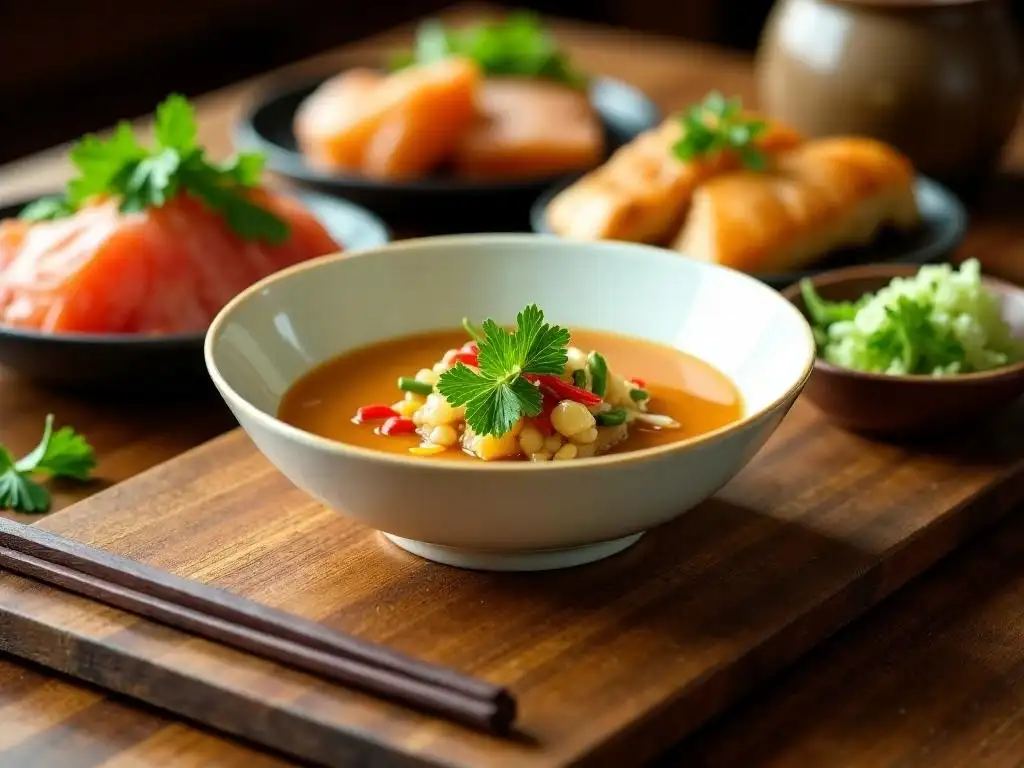
Recreating a full feudal Japanese meal involves more than just following recipes; it requires an understanding of the cultural and historical context of the dishes. A traditional meal during the feudal era would typically consist of multiple courses, showcasing seasonal ingredients, and emphasizing balance and harmony. Here’s how you can assemble your own feast inspired by historic feudal Japan:
- Choose Your Dishes: A typical meal might include:
- Sushi or Sashimi: Fresh fish, often served raw or marinated.
- Nabe (Hot Pot): A communal dish cooked at the table.
- Grilled Fish: Commonly flavored with salt or miso.
- Pickled Vegetables: Seasonal vegetables preserved for flavor and nutrition.
- Rice: Steamed white rice is a staple of every meal.
- Miso Soup: A comforting broth that accompanies nearly every meal.
- Gather Ingredients: Sourcing ingredients is crucial. Local markets often have fresh produce, fish, and traditional Japanese seasonings such as soy sauce, mirin, and miso. For authenticity, consider visiting specialty Asian markets for specific items.
- Prepare Your Kitchen: Create a cooking environment that mimics the simplicity and functionality of a feudal kitchen. Use wooden utensils, clay pots, and traditional knives to enhance the experience.
- Cook with Intention: Each dish should be prepared with care and attention to detail. Take your time to enjoy the process, as meals in feudal Japan were often a communal activity, emphasizing the importance of shared experiences.
- Set Your Table: Presentation was key in feudal Japan. Use simple yet elegant dishware, and arrange your meal beautifully, often with an eye toward seasonal themes or natural beauty.
A Step-by-Step Guide Using Historic Feudal Japan Recipes
To recreate a historic meal, here’s a step-by-step guide featuring some classic recipes:
- Miso Soup:
- Ingredients: 4 cups dashi (broth), 3-4 tablespoons miso paste, diced tofu, seaweed, green onions.
- Instructions: Heat dashi in a pot, add miso paste and stir until dissolved. Add tofu and seaweed, and simmer for a few minutes before serving.
- Grilled Mackerel:
- Ingredients: Whole mackerel, sea salt, citrus (yuzu or lemon).
- Instructions: Clean and gut the fish, rub with salt, and grill until the skin is crispy. Serve with a slice of citrus.
- Nabe (Hot Pot):
- Ingredients: Assorted vegetables (daikon, mushrooms, greens), tofu, thinly sliced meat (beef or chicken), and udon noodles.
- Instructions: In a large pot, combine water and dashi, bring to a boil, then add vegetables and meat. Allow guests to cook their portions at the table.
- Sushi Rolls:
- Ingredients: Sushi rice, nori (seaweed), fresh fish (like tuna or salmon), vegetables (cucumber, avocado).
- Instructions: Cook sushi rice and cool it. Lay out nori, spread rice, place fillings, roll tightly, and slice.
- Pickled Vegetables:
- Ingredients: Cucumbers, carrots, and daikon radish, rice vinegar, sugar, salt.
- Instructions: Mix vinegar, sugar, and salt, pour over sliced vegetables, and let them marinate for a few hours.
The Cultural Significance of Food in Feudal Japan
Food in feudal Japan was imbued with cultural significance, reflecting not only sustenance but also social status, tradition, and seasonal changes. Meals were often ceremonial, marking important events in the community and the lives of individuals.
- Symbolism of Ingredients: Certain foods were believed to carry symbolic meanings. For example, rice was not only a staple but also a divine gift, representing prosperity and harmony. Fish, particularly in coastal regions, was associated with bounty and abundance.
- Seasonal Awareness: The feudal Japanese diet was heavily influenced by the seasons. Dishes were prepared with fresh, seasonal ingredients, showcasing the natural beauty of Japan's landscape. This practice fostered a deep respect for nature and an understanding of the cyclical nature of life.
- Social Hierarchy: The types of food consumed could reflect one's social status. Samurai and nobility often enjoyed elaborate meals featuring rare ingredients, while peasants had simpler, more humble fare. This culinary divide showcased the broader societal structures of the time.
- Ritual and Tradition: Meals were often surrounded by rituals, such as blessing the food or offering it to ancestors. These practices reinforced community bonds and cultural identity, ensuring that traditions were passed down through generations.
Understanding the Role of Meals in Society
In feudal Japan, meals served as a pivotal social function, transcending mere nourishment to become a central aspect of cultural identity and community life.
- Communal Eating: Meals were typically shared among family and friends, fostering connections and strengthening social ties. The act of eating together was seen as a way to reinforce bonds and promote harmony within the group.
- Ceremonial Functions: Food played a critical role in various ceremonies, from seasonal festivals to rites of passage. Special dishes were prepared to honor deities or commemorate significant life events, emphasizing the importance of food in spiritual practices.
- Educational Aspect: Cooking and sharing meals also served as a means of education, where knowledge about food preparation and cultural customs was passed down through generations. This practice ensured that traditional techniques and recipes were preserved.
- Culinary Arts as a Reflection of Society: The evolution of cooking styles and ingredients reflected the broader socio-political changes occurring in feudal Japan. As trade routes expanded and foreign influences began to seep in, the Japanese culinary landscape transformed, illustrating how food is a dynamic representation of cultural identity.
Through these explorations, one can see that the legacy of feudal Japan's cuisine is not only about the recipes but also about the rich cultural tapestry that shaped the meals enjoyed during that era. Recreating these dishes allows us to connect with the past while celebrating the enduring significance of food in our lives.
Modern Interpretation of Historic Feudal Japan Recipes

The culinary landscape of Japan has evolved dramatically since the feudal era, yet many traditional dishes still resonate with contemporary palates. Modern interpretations of historic feudal Japan recipes often emphasize fresh ingredients, innovative cooking techniques, and a balance of flavors that reflect both the past and present. Chefs and home cooks alike are taking inspiration from the elaborate meals served in shogun kitchens, adapting them to fit modern dietary preferences and available ingredients.
One key aspect of these modern interpretations is the incorporation of seasonal and locally sourced ingredients. For instance, while a traditional dish might have used a specific type of fish that was only available in feudal Japan, today’s chefs might substitute it with locally caught seafood that mirrors the flavors of the original dish. This not only maintains the essence of the recipe but also supports sustainability and local economies.
Moreover, the presentation of these dishes has also transformed. In feudal Japan, meals were not only about taste; they were visual feasts, meticulously arranged to reflect the seasons and the occasion. Today's chefs often adopt this aesthetic, using colorful vegetables, edible flowers, and artistic plating to create a dining experience that pays homage to tradition while appealing to modern sensibilities.
How Chefs Today are Reviving Ancient Dishes
The revival of ancient dishes from the feudal era is a tribute to Japan's rich culinary heritage. Chefs today are increasingly interested in the historical context of these recipes and are conducting extensive research to recreate them authentically. This includes studying old cookbooks, manuscripts, and even consulting historians to understand the nuances of feudal-era cooking methods.
One notable example is the resurgence of kaiseki, a multi-course meal that originated in the tea ceremonies of the samurai class. Chefs are reinterpreting kaiseki by using contemporary cooking techniques such as sous-vide, which allows for precise temperature control, enhancing the flavors of traditional ingredients. Additionally, the use of modern gastronomy techniques, such as emulsification and foaming, adds a contemporary twist to classic dishes.
Another approach is the adaptation of miso and sake in various recipes, which were staples in feudal kitchens. Today, chefs are experimenting with different types of miso and local sakes to create unique flavor profiles that still pay homage to their historical roots. By blending traditional ingredients with modern culinary practices, chefs are successfully bridging the gap between past and present, making historic feudal Japan recipes accessible and exciting for today’s diners.
Conclusion: Bringing Feudal Japan into Your Kitchen
Bringing the flavors of feudal Japan into your kitchen can be both a rewarding and educational experience. By recreating historic feudal Japan recipes, you not only indulge in delicious meals but also connect with a rich cultural heritage. Start by exploring traditional dishes such as soba noodles, chirashi sushi, and yudofu (tofu hot pot), which can be adapted with modern ingredients while retaining their authentic essence.
Don’t hesitate to experiment with presentation, as the visual aspect of a meal is just as important as its taste. Incorporate seasonal vegetables, delicate garnishes, and even traditional Japanese tableware to enhance the dining experience.
As you embark on this culinary journey, remember that cooking is an art form that thrives on creativity and personal interpretation. Embrace the spirit of feudal Japan, and you may find that you not only recreate historic dishes but also forge a deeper appreciation for the culinary traditions that shaped Japan's past. 🍣✨
Recommended Tools and Ingredients for Cooking Feudal Era Dishes
When embarking on the journey of recreating historic feudal Japan recipes, having the right tools and ingredients is essential. The recommended tools not only facilitate the cooking process but also enhance the authenticity of the dishes. Below is a detailed list of tools and ingredients that will help you to prepare these traditional meals effectively.
Essential Kitchen Tools
-
Donabe (Clay Pot)
A donabe is a traditional Japanese clay pot used for simmering and steaming. It’s ideal for cooking rice and stews, allowing for even heat distribution, which is crucial for authentic flavors.
-
Miso Suribachi (Mortar and Pestle)
This tool is perfect for grinding miso and other ingredients, helping to release their flavors. The rough surface of the suribachi aids in creating smooth pastes that are fundamental in many feudal recipes.
-
Hangiri (Wooden Rice Bowl)
Used for cooling and seasoning rice, the hangiri is essential for dishes like sushi and onigiri. Its wooden construction absorbs excess moisture, ensuring that the rice maintains the right texture.
-
Chopping Knives (Hocho)
High-quality Japanese knives are crucial for precise cutting. Various types like the deba (for fish) and nakiri (for vegetables) will enhance your ability to prepare ingredients as they were traditionally done.
-
Grater (oroshigane)
A traditional grater is used for grating vegetables, ginger, and other ingredients. This helps to bring out the natural flavors and aromas, an essential part of feudal cooking.
Key Ingredients
-
Rice
Rice is the staple of Japanese cuisine and has been central to feudal meals. Short-grain rice varieties, such as Koshihikari, are preferred for their sticky texture.
-
Miso Paste
A fermented soybean paste that adds umami flavor to soups and marinades. Different types of miso (white, red, or mixed) can be used depending on the dish.
-
Soy Sauce
An essential seasoning in feudal cooking, soy sauce enhances flavors and is used in marinades, dipping sauces, and stir-fries.
-
Dashi (Broth)
A fundamental element in many Japanese dishes, dashi is traditionally made from kombu (kelp) and bonito flakes. It serves as a base for soups, sauces, and various dishes.
-
Seasonal Vegetables
Utilizing seasonal produce enhances the flavors and authenticity of dishes. Common vegetables include daikon radish, burdock root, and various greens.
-
Pickled Ingredients
Tsukemono, or pickled vegetables, were often served as side dishes in feudal meals. Making your own pickles with ingredients like cucumbers and eggplants can greatly enhance your meals.
-
Fish and Seafood
Fresh fish, such as mackerel and sardines, were staples in feudal Japan. Incorporating seasonal catches into your cooking reflects the historical dietary practices.
Conclusion
Having the right tools and ingredients is pivotal when recreating historic feudal Japan recipes. By investing in these traditional items, you not only enhance your cooking experience but also connect with the rich culinary history of Japan’s feudal era. Embrace these recommendations, and you’ll be well on your way to crafting authentic dishes that pay homage to the past.
- Introduction to Historic Feudal Japan Recipes
- Key Ingredients in Feudal Era Japanese Cuisine
- Popular Dishes of Feudal Japan
- Cooking Techniques of the Feudal Era
- How to Recreate a Full Feudal Japanese Meal
- A Step-by-Step Guide Using Historic Feudal Japan Recipes
- The Cultural Significance of Food in Feudal Japan
- Understanding the Role of Meals in Society
- Modern Interpretation of Historic Feudal Japan Recipes
- How Chefs Today are Reviving Ancient Dishes
- Conclusion: Bringing Feudal Japan into Your Kitchen
- Recommended Tools and Ingredients for Cooking Feudal Era Dishes
Frequently Asked Questions
What are some key dishes from historic feudal Japan?
Dishes such as soba, udon, and nigiri sushi were popular during the feudal era. These meals often reflected the regional ingredients and cooking techniques of the time.
How can I recreate historic feudal Japan recipes?
To recreate these recipes, focus on using traditional ingredients like rice, fish, and seasonal vegetables. Many resources and cookbooks are available that provide authentic recipes from this era.
What was the significance of food culture in feudal Japan?
Food culture was deeply intertwined with social status and rituals. The meals prepared by the samurai showcased their wealth and cultural heritage, influencing culinary practices throughout Japan.
Were there any unique cooking techniques used in feudal Japan?
Yes, techniques such as fermentation, grilling, and steaming were commonly used. These methods not only preserved food but also enhanced the flavors and textures of the dishes.
How does the feudal era's cuisine influence modern Japanese cooking?
Many traditional dishes from the feudal era still exist today, evolving with modern ingredients and techniques. The emphasis on seasonality and presentation remains central to Japan's culinary identity.
Final Reflection: Rediscovering the Culinary Heritage of Feudal Japan
In our fast-paced modern world, the culinary traditions of the past often fade into obscurity, yet the historic feudal Japan recipes we explored remind us of the rich tapestry of culture and history that food embodies. These recipes not only nourish the body but also serve as a bridge connecting us to the lives and values of those who came before us. As we delve into the flavors and techniques of feudal Japan, we uncover a legacy that is both delicious and deeply significant.
The influence of these historic recipes continues to resonate in today’s culinary landscape, shaping our understanding of food as an art form and a cultural expression. By recreating these dishes, we not only honor the past but also enrich our present experiences with flavors that tell stories. As noted by culinary historian Masako Saito, Food is a reflection of society; through it, we can understand the values, struggles, and triumphs of a culture.
This perspective invites us to appreciate the intricate connections between food, history, and identity, encouraging a deeper engagement with the meals we prepare and consume.
As you reflect on the insights shared in this article, I invite you to take action by exploring these historic feudal Japan recipes in your own kitchen. Embrace the opportunity to connect with the past through the act of cooking, allowing each dish to serve as a reminder of the rich cultural heritage that shapes our culinary practices today. By doing so, you not only preserve these traditions but also create new memories, fostering a deeper appreciation for the art of cooking and the stories that each meal can tell.
Unleash Your Inner Shogun Chef!
Thank you for taking the time to explore the rich flavors and traditions of feudal Japan with us. You've discovered how historic dishes shaped culture and lifestyle during a pivotal era. Now, it’s time to bring the past alive in your own kitchen!
To delve deeper into this culinary adventure, consider the following actions:
- Start your culinary journey by selecting a classic dish from feudal Japan to recreate this week! Gather your ingredients and step into the role of a shogun chef.
- Learn more about the history of your chosen dish: Research its origins, ingredients, and significance within feudal society, and share that story with your guests at your dinner table.
- Share your culinary creations on social media using #FeudalJapanCuisine to connect with fellow enthusiasts and inspire others to join this exciting journey!
What’s the first dish you’re excited to make, and how do you envision it bringing a taste of history into your home?