
Cooking with a Samurai's Heart: Dishes from Feudal Japan for the Modern Cook

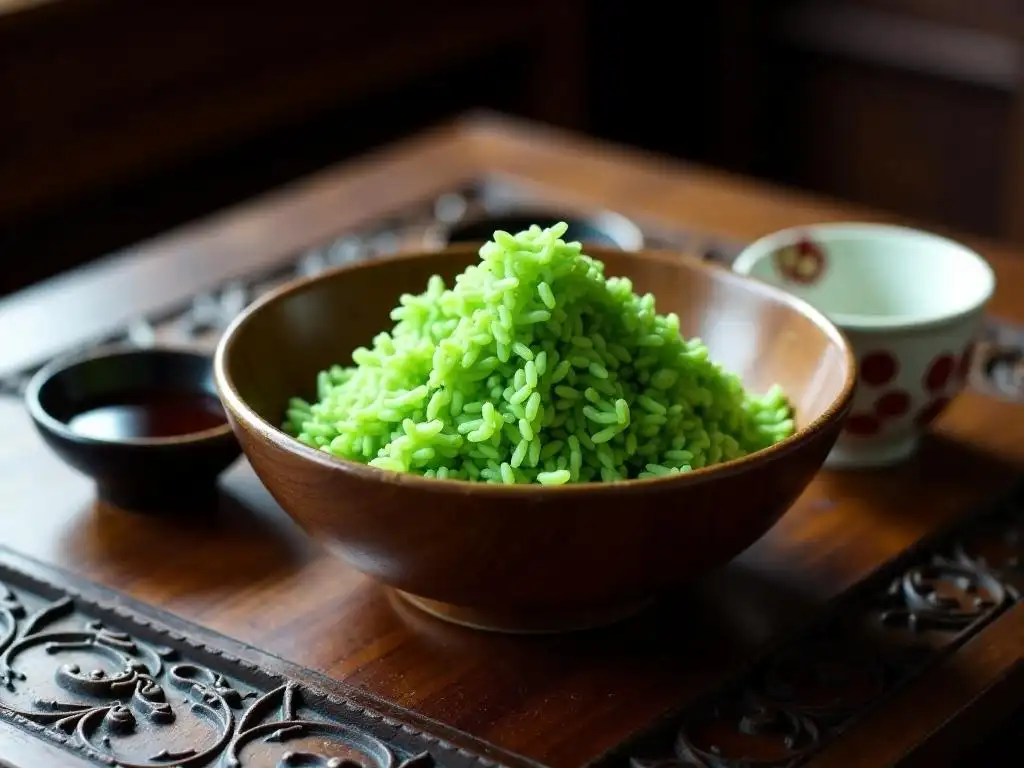
Welcome to Feudal Japan History, where we invite you to journey back to a time of samurai honor and culinary tradition. In our featured article, "Cooking with a Samurai's Heart: Dishes from Feudal Japan for the Modern Cook," we delve into the rich tapestry of Feudal Japan cooking recipes that have shaped Japanese cuisine as we know it today. Discover the flavors and techniques that not only nourished the body but also the spirit of a warrior.
Are you ready to unlock the secrets of feudal kitchens and bring a taste of history into your home? Let your culinary adventure begin!
Introduction to Feudal Japan Cooking Recipes
Feudal Japan was not only a time of intense political intrigue and warrior culture but also a period rich in culinary traditions that shaped the essence of Japanese cuisine as we know it today. The meals consumed by samurai and their families were reflective of their societal status, the seasonal availability of ingredients, and the cultural practices of the time. Understanding these historical cooking practices opens a window into the daily lives of the samurai and their communities, offering a unique perspective on how food played a vital role in both sustenance and culture.
In this article, we will embark on a journey to explore Feudal Japan cooking recipes that can be recreated in modern kitchens. From the simple yet hearty dishes that fueled the samurai during their campaigns to the elegant meals enjoyed during peaceful times, these recipes bear the spirit of a bygone era, inviting contemporary cooks to experience the flavors and traditions of feudal Japan.
As we delve into these recipes, we will highlight key ingredients, cooking techniques, and the historical context behind each dish. Get ready to channel your inner samurai as we uncover the culinary treasures of the feudal era, offering not just a taste of history, but a way to connect with the past through the art of cooking. Join us in this exploration of flavors that have stood the test of time, and discover how you can bring the essence of feudal Japan into your kitchen today! 🍣🥢
- What types of dishes were commonly prepared in Feudal Japan?
- How did the social structure of Feudal Japan influence cooking?
- Are there specific cooking techniques unique to Feudal Japan?
- Can modern cooks recreate Feudal Japan recipes easily?
- What is the importance of presentation in Feudal Japan cooking?
Key Ingredients in Feudal Japan Cooking
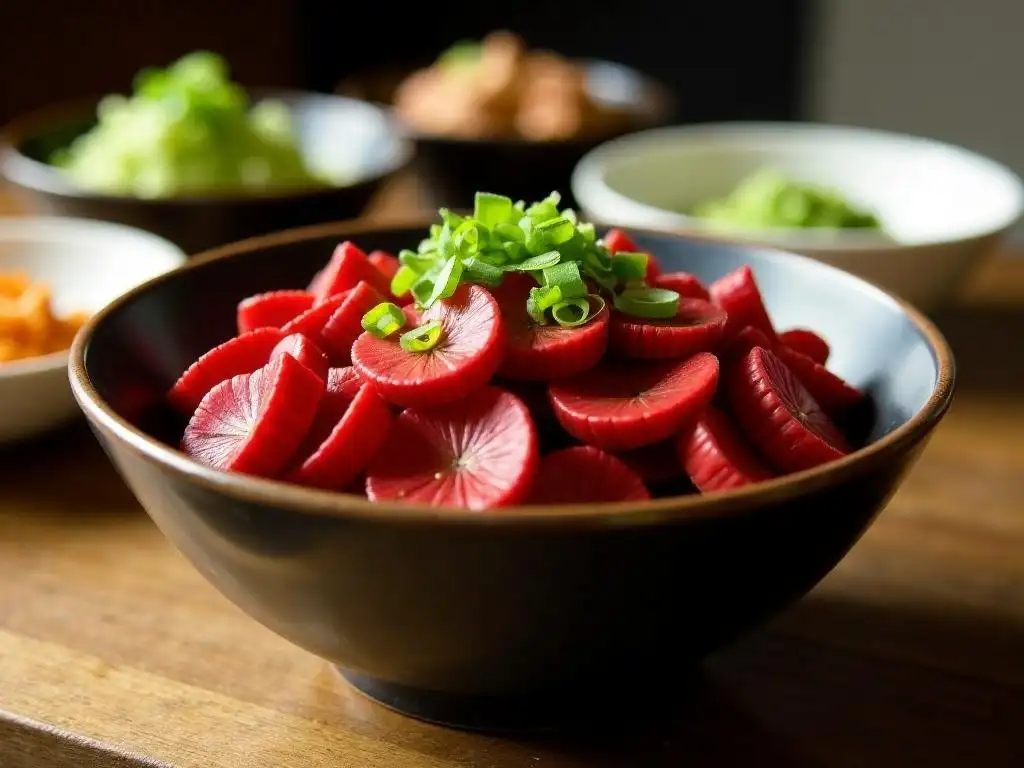
Cooking during the feudal era in Japan was influenced by various factors including geography, climate, and the social hierarchy of the time. The samurai class and the peasants had different access to ingredients, which shaped the culinary landscape. Understanding the key ingredients used in feudal Japan cooking not only enriches our appreciation for these historical dishes but also allows modern cooks to recreate authentic flavors.
Essential Ingredients of the Feudal Era
The foundation of feudal Japan cooking relied heavily on locally sourced ingredients. Here are some of the essential staples:
- Rice (Kome):
- The staple food of Japan, rice was considered a symbol of wealth and prosperity. It was often served steamed and accompanied various dishes.
- Fish and Seafood:
- Given Japan's extensive coastline, fish and seafood were pivotal. Varieties like sardines, mackerel, and sea urchins were commonly used. Dishes such as sashimi and sushi have their roots in this era.
- Vegetables:
- Common vegetables included daikon radish, burdock root (gobo), carrots, and lotus root. These were often pickled or simmered in broth.
- Soy Sauce (Shoyu):
- This fermented condiment was used to enhance flavors. It was often homemade and varied in taste based on regional differences.
- Miso:
- A fermented soybean paste that added depth to soups and marinades. Different regions had their unique miso varieties, affecting the overall flavor profile of dishes.
- Tofu:
- An important protein source, tofu was commonly used in vegetarian dishes, particularly during the Zen Buddhist influence on cuisine.
- Noodles (Soba and Udon):
- Buckwheat noodles (soba) and wheat noodles (udon) were popular. They were often served in broth or stir-fried with vegetables.
Incorporating these ingredients into modern cooking allows for a deeper connection to the historical context of the dishes, giving a taste of feudal Japan's culinary heritage.
Unique Spices and Seasonings from Feudal Japan
While feudal Japan’s cuisine is often characterized by its simplicity, the use of unique spices and seasonings played a critical role in enhancing flavors:
- Mirin:
- A sweet rice wine, mirin added sweetness and depth to sauces and marinades. It is often used in teriyaki dishes.
- Sake:
- This rice wine was not only consumed but also used in cooking to tenderize meat and add umami.
- Dashi:
- A fundamental broth made from ingredients like kombu (seaweed) and katsuobushi (dried bonito flakes). It served as the base for many soups and sauces.
- Shichimi Togarashi:
- A seven-spice blend that included chili pepper, sesame seeds, and dried citrus peel, it provided a complex flavor profile to various dishes.
- Yuzu:
- This citrus fruit was used for its fragrant zest and juice, adding brightness to sauces and dressings.
- Ginger:
- Often used fresh or pickled, ginger added a sharp, zesty flavor to dishes and was believed to have medicinal properties.
These spices and seasonings not only showcase the craftsmanship of feudal Japanese cooking but also serve as a reminder of the cultural exchanges that shaped Japan’s culinary practices. By understanding and incorporating these flavors, modern cooks can bring the essence of feudal Japan into their kitchens.
Traditional Feudal Japan Cooking Techniques
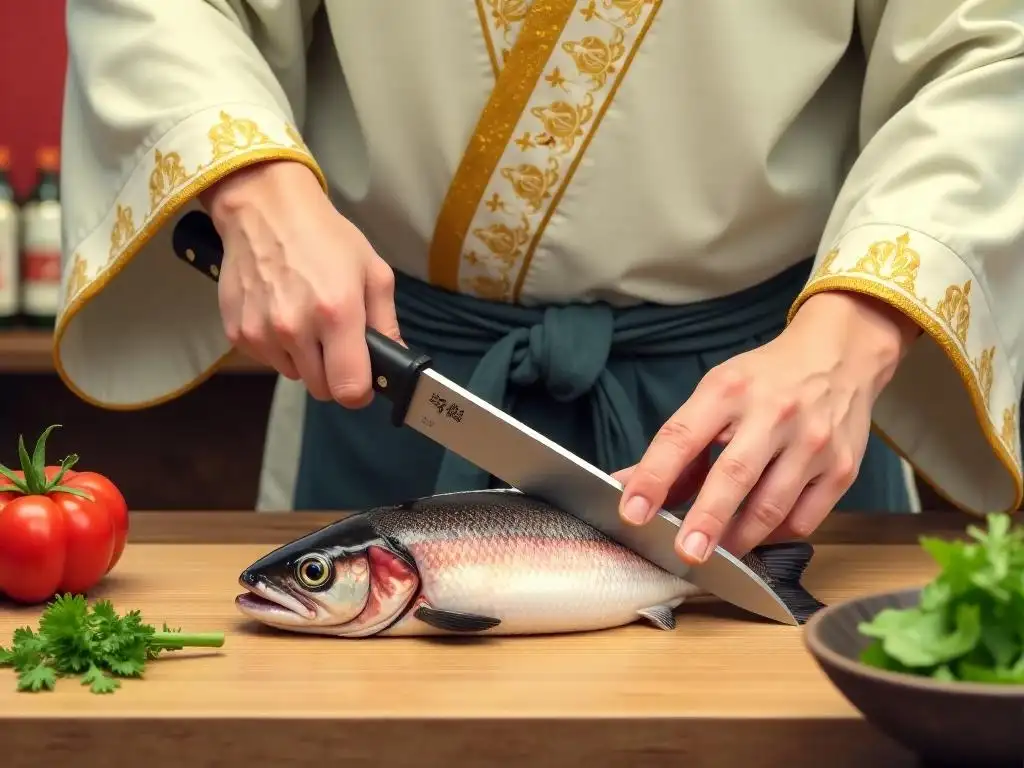
The culinary practices of Feudal Japan were deeply intertwined with the cultural, social, and economic fabric of the time. Cooking during this era was not merely a means of sustenance; it was an art form that reflected the values and aesthetics of samurai society. Understanding these traditional cooking techniques can enrich modern cooking, allowing us to connect with the historical essence of Japanese cuisine.
Cooking Methods Used by Samurai Chefs
Samurai chefs, known as "ryori-shi," were highly skilled individuals who employed various cooking methods that showcased their culinary expertise. Here are some key techniques that were prevalent:
- Grilling (Yaki): This method involved cooking food over an open flame or hot coals. Samurai chefs often grilled fish and meats, imparting a distinct smoky flavor. A popular dish was "yakizakana," grilled fish seasoned simply with salt to highlight its natural taste.
- Simmering (Nimono): This technique involved cooking ingredients slowly in a seasoned broth. Dishes like "nikujaga," a meat and potato stew, were staples in samurai households. The slow simmering allowed flavors to meld beautifully, creating comforting meals.
- Steaming (Mushi): Steaming was a favored method for preparing delicate foods, particularly rice and vegetables. "Mushi meshi," or steamed rice, was a dietary staple, often served with various accompaniments. This technique preserved nutrients and flavors effectively.
- Frying (Agemono): While less common among samurai due to the availability of oil, frying was still practiced, especially for preparing dishes like "tempura." The light batter and quick frying resulted in a crispy exterior while maintaining the integrity of the ingredients.
These techniques not only catered to the samurai’s palate but also reflected their philosophical principles, such as simplicity and the appreciation of natural flavors.
Preservation Techniques from the Feudal Era
Preservation was crucial in Feudal Japan, especially given the limited refrigeration technology. The samurai relied on various preservation methods to ensure their food lasted longer, particularly during times of war or travel. Here are some notable techniques:
- Fermentation: This method was essential for preserving vegetables and fish. Foods like "tsukemono" (pickled vegetables) and "narezushi" (fermented sushi) utilized natural fermentation processes, enhancing flavors while extending shelf life.
- Salting: Salting was commonly used to preserve fish and meats. For instance, "shiozuke," or salt-cured fish, was a staple, allowing for long-term storage and easy preparation during campaigns.
- Drying (Kansui): Ingredients such as fish and vegetables were often dried to remove moisture, which prevented spoilage. Dried foods like "katsuobushi," dried bonito flakes, were integral in creating umami-rich broths and soups.
- Smoking: Smoking was another effective preservation method. Foods like "sukiyaki" often incorporated smoked ingredients, which not only extended their shelf life but also added a unique flavor profile.
Understanding these preservation techniques offers modern cooks insights into the resourcefulness of Feudal Japan. By integrating these methods into contemporary cooking, one can create dishes that resonate with the historical essence of Japanese cuisine.
By exploring these traditional cooking techniques and preservation methods, modern cooks can draw inspiration from the culinary practices of Feudal Japan, enriching their dishes with flavors and techniques that have stood the test of time.
Feudal Japan Cooking Recipes for Modern Cooks
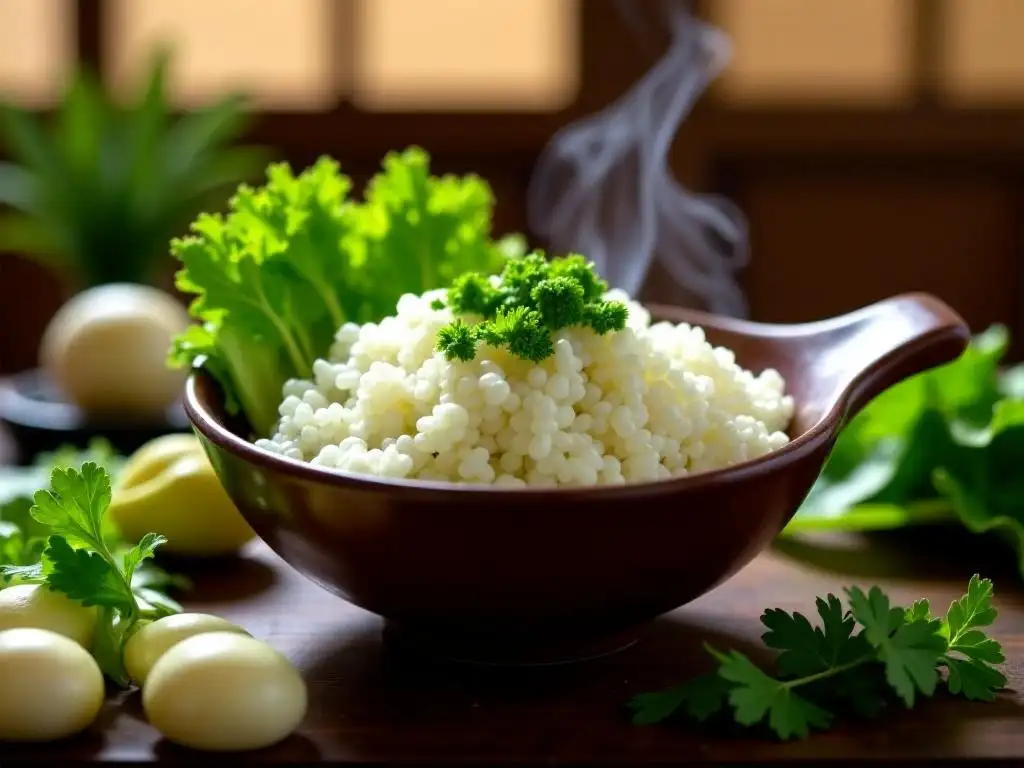
Feudal Japan's culinary landscape was rich and varied, influenced by the social hierarchy, agricultural practices, and the availability of ingredients. The samurai class, in particular, developed a unique relationship with food that was both practical and philosophical. For modern cooks, recreating these historical dishes not only offers a taste of the past but also an opportunity to understand the cultural significance behind each recipe. Below are some iconic dishes from this era, along with practical recipes that you can try at home.
Iconic Dishes from Feudal Japan
Feudal Japan was marked by a variety of iconic dishes that reflected the seasonality and simplicity of ingredients. Here are a few key dishes that stand out:
- Miso Soup: A staple in Japanese households, this comforting soup is made with dashi (broth) and miso paste. Its simplicity allows for variations depending on seasonal ingredients.
- Grilled Fish (Yakizakana): A common dish among samurai, grilled fish showcases the freshness of the catch, often seasoned with salt and served with rice.
- Soba Noodles: These buckwheat noodles were favored for their nutty flavor and nutritional value, often served chilled with dipping sauce or in hot broth.
- Pickled Vegetables (Tsukemono): A side dish that not only adds flavor but also aids in digestion, reflecting the Japanese philosophy of balance in meals.
Step-by-Step Feudal Japan Cooking Recipes
How to Make Authentic Miso Soup
Miso soup is not just a dish; it's a cultural experience that brings warmth and comfort. Here’s how to make it:
- Ingredients:
- 4 cups of dashi (you can use instant dashi powder or make it from scratch with kombu and bonito flakes)
- 3 tablespoons of miso paste (red or white, depending on your preference)
- 1/2 cup of tofu, cubed
- 1/4 cup of green onions, chopped
- Optional: seaweed (wakame) and seasonal vegetables
- Instructions:
- Prepare the Dashi: If using instant dashi, dissolve the powder in 4 cups of boiling water. For homemade dashi, soak kombu in cold water for several hours, then bring to a simmer, adding bonito flakes and straining.
- Dissolve the Miso: In a separate bowl, mix miso paste with a small amount of hot dashi until smooth. Then, stir this mixture back into the pot of dashi.
- Add Tofu and Vegetables: Gently add tofu and any other vegetables you wish to include. Heat through without boiling.
- Garnish and Serve: Top with chopped green onions and enjoy hot.
Tip: Miso soup is highly customizable. Feel free to experiment with different types of miso or add seasonal ingredients like mushrooms or spinach.
Creating the Perfect Grilled Fish (Yakizakana)
Grilled fish is a quintessential dish in feudal Japan, prized for its simplicity and flavor. Here’s a straightforward way to prepare it:
- Ingredients:
- 2 whole fish (such as mackerel or trout), cleaned and scaled
- Sea salt
- Optional: lemon or yuzu for garnish
- Instructions:
- Preparation: Rinse the fish under cold water and pat dry with paper towels. Score the skin on both sides with a sharp knife to help it cook evenly.
- Salting: Generously rub sea salt inside the cavity and on the skin of the fish. Let it sit for about 30 minutes to draw out moisture and enhance flavor.
- Grilling: Preheat your grill or broiler. Place the fish on a grill grate or a broiler pan. Grill for about 5-7 minutes on each side, until the skin is crispy and the flesh flakes easily with a fork.
- Serve: Plate the fish and garnish with lemon or yuzu slices if desired.
Note: The key to excellent yakizakana is using fresh fish and not overcrowding the grill, allowing for even cooking.
By following these recipes, modern cooks can connect with the culinary traditions of feudal Japan while enjoying the delicious flavors these historic dishes offer. Whether you’re savoring a bowl of warm miso soup or indulging in perfectly grilled fish, you’re partaking in a legacy that has nourished generations.
Modern Takes on Feudal Japan Cooking Recipes
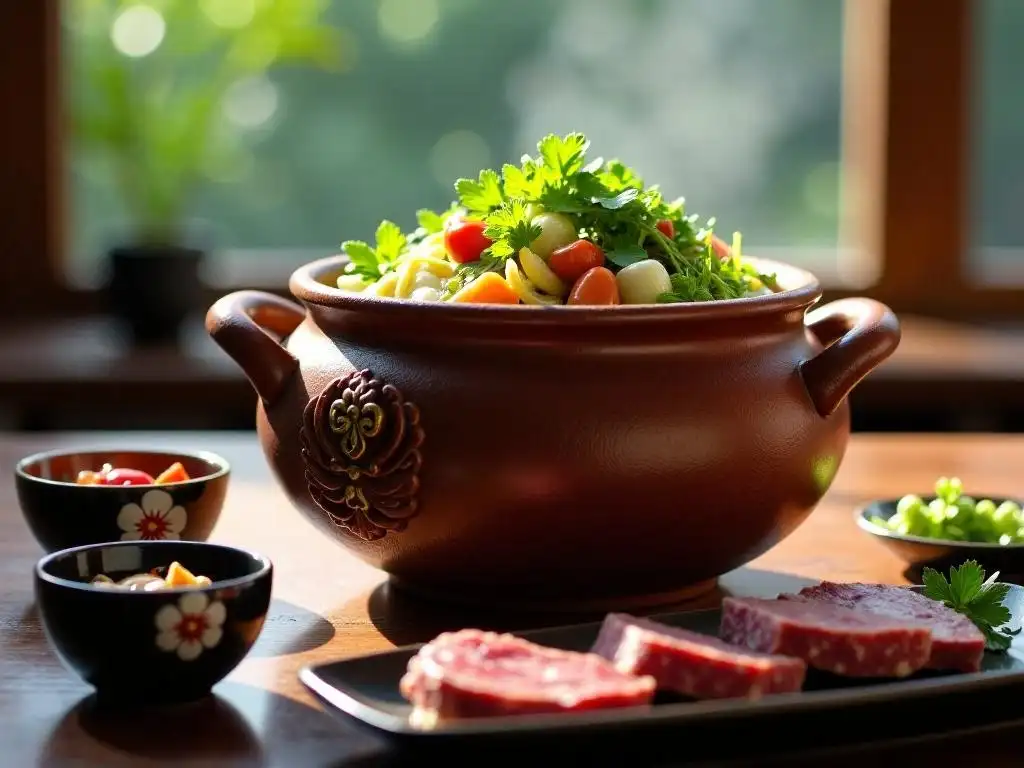
The culinary traditions of Feudal Japan offer a rich tapestry of flavors and techniques that can be adapted to modern cooking. By integrating historical recipes with contemporary culinary practices, cooks today can create dishes that honor the past while appealing to modern palates. This section explores innovative fusion recipes and the incorporation of traditional ingredients into contemporary dishes, allowing you to bring a touch of Japan's feudal era into your kitchen.
Fusion Recipes Inspired by Feudal Japan
Fusion cuisine is an exciting way to blend different culinary traditions, and the flavors of Feudal Japan provide a unique foundation for creativity. Here are some fusion recipes that draw inspiration from historical dishes while incorporating modern techniques and ingredients:
-
Samurai Sushi Burrito
Combining the essence of sushi with the convenience of a burrito, this dish features:
- Ingredients: Sushi rice, nori (seaweed), and a variety of fillings such as grilled teriyaki chicken, fresh vegetables, and wasabi mayo.
- Preparation: Roll the ingredients in nori, similar to a sushi roll, then wrap it in parchment paper for easy handling.
-
Miso-Glazed Eggplant Tacos
This dish marries the traditional Japanese miso flavor with Mexican tacos:
- Ingredients: Grilled eggplant glazed with a sweet miso paste, served in soft corn tortillas, topped with pickled daikon and cilantro.
- Cooking Tip: Use a broiler to achieve a smoky char on the eggplant, enhancing the dish's flavor profile.
-
Tempura Vegetable Pizza
A playful take on both Japanese tempura and Italian pizza:
- Ingredients: A thin crust topped with tempura-fried vegetables like sweet potatoes, zucchini, and asparagus, finished with a drizzle of soy-based sauce.
- Presentation: Cut into slices and serve with a side of dipping sauce for a unique appetizer.
-
Sake-Infused Risotto
Combining the creamy texture of risotto with the flavors of Japan:
- Ingredients: Arborio rice cooked in sake and dashi broth, finished with scallions, mushrooms, and a sprinkle of furikake.
- Cooking Method: Stir continuously to achieve the desired creaminess while infusing the rice with umami flavors.
These fusion recipes not only pay homage to Feudal Japan cuisine but also provide modern cooks with accessible and exciting ways to experience these flavors.
Incorporating Feudal Ingredients into Modern Dishes
The heart of Feudal Japan cooking lies in its unique ingredients, many of which can be easily adapted to contemporary recipes. Here are some traditional ingredients and suggestions for their use in modern cooking:
-
Miso
A fermented soybean paste that adds depth and umami to dishes.
- Usage: Incorporate miso into dressings, marinades, or soups. For instance, a miso dressing can elevate a simple salad by adding a savory kick.
-
Dashi
A fundamental Japanese broth made from kelp and bonito flakes, known for its umami flavor.
- Usage: Use dashi as a base for stews, sauces, or even risottos for an added layer of flavor.
-
Nori
Dried seaweed sheets, commonly used in sushi, but versatile for other dishes.
- Usage: Crumble nori over popcorn for a unique snack or use it to wrap fish for baking, infusing the dish with a subtle ocean flavor.
-
Soba Noodles
Buckwheat noodles that are not only nutritious but also versatile.
- Usage: Toss soba noodles with seasonal vegetables and a soy-based dressing for a refreshing salad, or serve them chilled with dipping sauce.
-
Shiso Leaves
A fragrant herb often used in Japanese cuisine, offering a unique flavor profile reminiscent of mint and basil.
- Usage: Use shiso in salads, as a garnish for grilled meats, or blended into pesto for a Japanese-inspired twist.
By thoughtfully incorporating these traditional ingredients into your cooking, you can create modern dishes that celebrate the culinary heritage of Feudal Japan while remaining relevant to contemporary tastes. Embrace the challenge of blending these flavors, and you’ll discover a myriad of possibilities that honor both history and innovation.
Tools and Resources for Cooking Feudal Japan Dishes
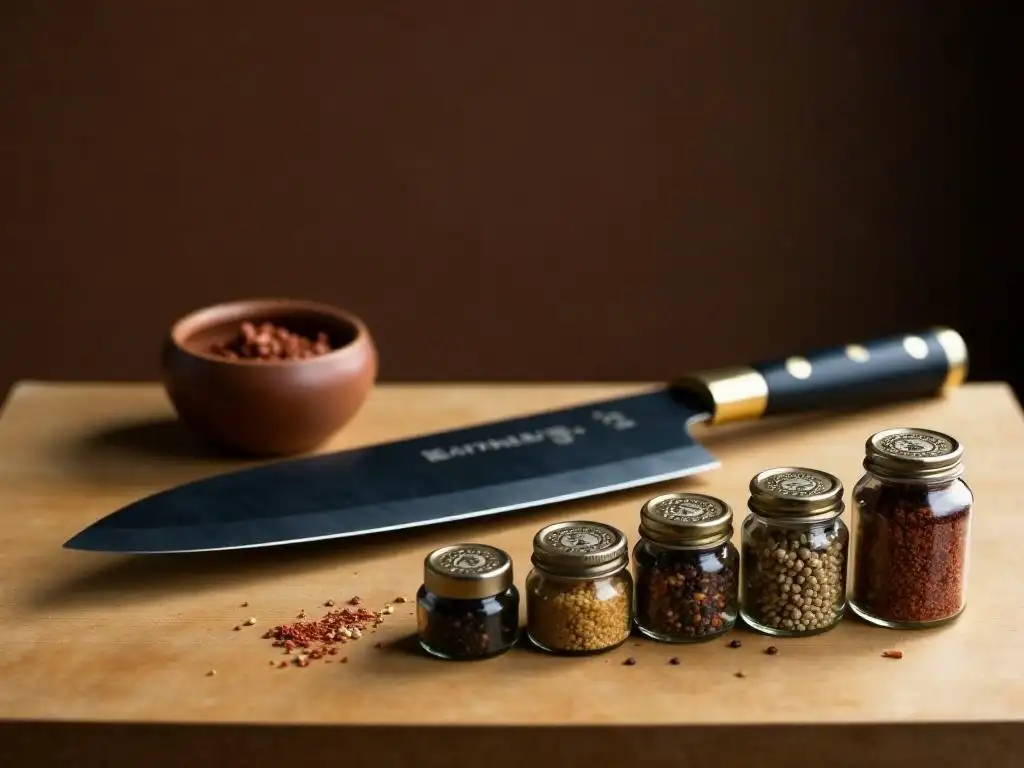
Cooking dishes inspired by Feudal Japan requires not only a passion for culinary arts but also the right tools and authentic ingredients that reflect the era's rich culinary traditions. This guide will provide you with essential tools and resources to recreate these historical flavors in your modern kitchen.
Essential Cooking Tools for Feudal Japan Recipes
To prepare authentic Feudal Japan cooking recipes, it's crucial to have the right tools that were commonly used during this period. Here’s a breakdown of essential cooking tools:
- Earthenware Pots (Donabe)
- These traditional Japanese pots are perfect for stewing and simmering dishes. Their thick walls help retain heat and moisture, making them ideal for dishes like nabe (hot pot).
- Bamboo Steamer
- Bamboo steamers are essential for steaming rice and vegetables. They allow for even cooking and help preserve the natural flavors of the ingredients.
- Japanese Knives (Hocho)
- A good set of Japanese knives, especially a gyuto (chef's knife) and a deba (fish knife), can greatly enhance your cooking experience. Their sharpness and precision are perfect for slicing fish and vegetables.
- Mortar and Pestle (Suribachi and Surikogi)
- This tool is used for grinding spices and making pastes, such as yuzu kosho or miso, which are staples in many Feudal Japan recipes.
- Rice Cooker
- While not traditional, a modern rice cooker can help achieve the perfect rice consistency, reminiscent of the high-quality rice enjoyed in feudal times.
- Griddle (Iro-iron)
- A cast iron griddle is excellent for searing meats and vegetables. It can mimic the cooking methods used over open flames during the feudal era.
Where to Find Authentic Ingredients
Finding authentic ingredients is key to achieving the true flavors of feudal cuisine. Below are some tips on where to source these components:
-
Local Asian Markets
Many neighborhoods feature Asian grocery stores that carry traditional Japanese ingredients. Look for:
- Katsuobushi (dried bonito flakes) for making dashi (broth).
- Natto (fermented soybeans) for a unique flavor and health benefits.
- Miso Paste in various types for soups and marinades.
-
Online Specialty Stores
Websites that specialize in Japanese foods often offer a wide range of ingredients. Some must-haves include:
- Shoyu (soy sauce) and Tamari for seasoning.
- Sake and Mirin for marinades and rice dishes.
- Udon and Soba noodles for traditional soups.
-
Farmers’ Markets
Look for local produce that can substitute or complement traditional ingredients. Fresh vegetables, fish, and herbs can elevate your dishes. Ingredients like:
- Daikon radish and shiso leaves can add authenticity to your recipes.
-
Japanese Food Subscription Boxes
Consider subscribing to a box service that delivers Japanese ingredients directly to your door. This can be a great way to explore new ingredients while ensuring they’re authentic.
Incorporating these tools and sourcing authentic ingredients will not only enhance your cooking experience but will also allow you to bring the culinary essence of Feudal Japan into your modern kitchen. Happy cooking! 🍜
Conclusion: Embracing Feudal Japan Cooking in the Modern Kitchen
The culinary traditions of Feudal Japan offer a rich tapestry of flavors, techniques, and ingredients that can be seamlessly integrated into contemporary cooking. By exploring Feudal Japan cooking recipes, modern cooks can not only enjoy unique dishes but also connect with a historical narrative that reflects the values, aesthetics, and lifestyles of that era.
Understanding the ingredients and methods used during the feudal period allows us to appreciate the cultural significance behind each dish. For instance, the emphasis on seasonal produce and the art of presentation are as relevant today as they were centuries ago. Incorporating these practices into our cooking can enhance not only the flavor but also the visual appeal of our meals, making dining a more holistic experience.
Moreover, as we recreate these historical recipes, we celebrate the legacy of the samurai and the intricate relationships between food, culture, and society during Feudal Japan. Engaging with these dishes invites a deeper appreciation of the historical context and the craftsmanship involved in Japanese cuisine.
Call to Action
Are you ready to bring a slice of Feudal Japan into your kitchen? Start experimenting with some of the recipes discussed in this article, such as:
- Miso Soup: A staple that showcases umami flavors.
- Sushi: Explore the ancient techniques of rice preparation and fish selection.
- Tsukemono (Pickled Vegetables): Perfect for adding a burst of flavor to any meal.
📝 Take action: Gather your ingredients, invite friends or family to join you, and create a memorable dining experience that pays homage to the culinary traditions of Feudal Japan. Share your culinary journey and the dishes you create with others, sparking interest and appreciation for this fascinating aspect of Japanese history!
Frequently Asked Questions
What types of dishes were commonly prepared in Feudal Japan?
Feudal Japan featured simple yet flavorful dishes, often based on rice, vegetables, and fish. Meals were typically seasonal and focused on fresh, local ingredients.
The hierarchical society affected what ingredients were available; samurai had access to better resources, leading to the creation of more elaborate dishes compared to the common folk.
Are there specific cooking techniques unique to Feudal Japan?
Yes, traditional techniques such as grilling, steaming, and fermenting were prevalent. These methods emphasized preserving flavors and maintaining the natural essence of ingredients.
Can modern cooks recreate Feudal Japan recipes easily?
Many Feudal Japan recipes can be adapted with modern ingredients, although finding authentic seasonings like miso or dashi is essential for achieving genuine flavors.
What is the importance of presentation in Feudal Japan cooking?
In Feudal Japan, presentation was key; meals were served with an emphasis on aesthetics, reflecting the season, balance, and harmony of nature, which is still valued in contemporary Japanese cuisine.
Final Reflection: Embracing the Spirit of Feudal Japan in Modern Cooking
In a world where culinary trends come and go, the essence of Feudal Japan cooking recipes remains timeless and relevant. The intricate balance of flavors, the respect for ingredients, and the artistry involved in Japanese cuisine reflect a deep cultural heritage that resonates with today's cooks seeking authenticity and mindfulness in their culinary practices. As we explore these age-old recipes, we discover that they are not just meals but stories and traditions that have shaped a rich cultural landscape.
The influence of Feudal Japan's culinary traditions continues to permeate our kitchens and dining experiences, reminding us of the importance of mindful cooking. Each dish we create is an opportunity to connect with history and honor the craftsmanship of those who came before us. As we embrace these recipes, we engage in a dialogue with the past, allowing the flavors and techniques to inspire our modern culinary adventures. Cooking is an expression of the self, a way to connect with the world around us.
As you reflect on the lessons learned from these ancient recipes, I invite you to take action by incorporating the spirit of Feudal Japan into your own cooking. Consider how you can honor the ingredients, embrace simplicity, and create dishes that tell a story. Let the heart of a samurai guide your culinary journey, encouraging you to explore, innovate, and share the beauty of these time-honored traditions with others. In doing so, you not only enrich your own life but also contribute to the preservation of a remarkable cultural legacy.
Awaken Your Inner Samurai in the Kitchen!
Thank you for embarking on this culinary journey through feudal Japan! We hope you've uncovered the deep flavors and rich traditions that can transform your cooking. Now, it’s time to put your newfound knowledge into practice and make these dishes a part of your modern dining experience. Here’s how you can take action:
- Start with one recipe from our collection and gather the necessary ingredients. Dive into the heart of samurai cooking!
- Share your culinary creation on social media using the hashtag #FeudalJapanCooking. Let your friends admire your newfound culinary skills!
- Join our community to connect with fellow enthusiasts, exchange tips, and explore more about this fascinating culture.
What dish are you most excited to recreate, and how do you think it reflects the spirit of samurai cooking?