
Feudal Feast: How to Prepare Authentic Japanese Dishes from the Past

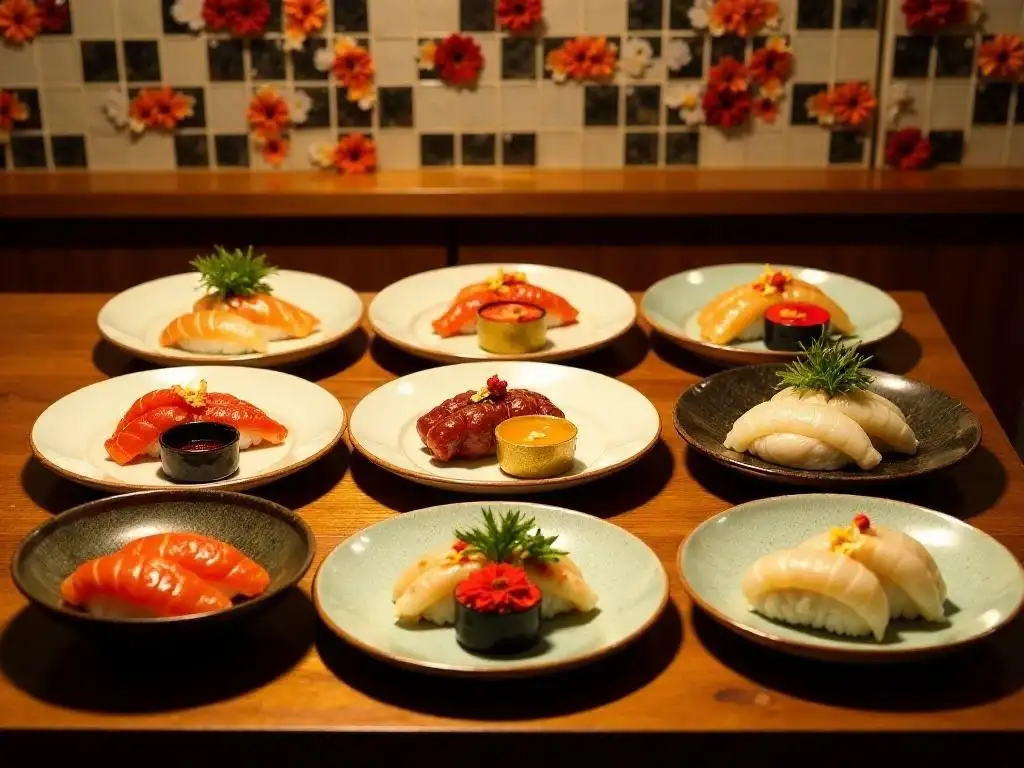
Welcome to Feudal Japan History, where we invite you to embark on a captivating journey through time! Our exploration of Japan’s feudal era unveils the rich tapestry of historical, cultural, and societal intricacies that shaped this remarkable period. In our featured article, “Feudal Feast: How to Prepare Authentic Japanese Dishes from the Past,” we delve into the culinary delights that defined an era.
Prepare to awaken your taste buds and immerse yourself in the flavors of history as we guide you through the preparation of authentic Japanese feudal dishes. Curiosity piqued? Continue reading to discover the secrets of feudal cuisine that have tantalized palates for centuries!
Japanese cuisine, renowned for its delicate flavors and intricate presentations, has a rich history that reflects the cultural and societal dynamics of various eras. This article delves into the fascinating world of authentic Japanese feudal dishes, exploring recipes and culinary traditions that have stood the test of time.
By revisiting the flavors of the past, we not only celebrate the artistry of Japanese cooking but also gain insights into the lifestyle and customs of the feudal era. Whether you are a culinary enthusiast, a history buff, or simply curious about the origins of your favorite dishes, this comprehensive guide will equip you with the knowledge and techniques needed to recreate these historical recipes in your own kitchen.
Introduction to Authentic Japanese Feudal Dishes
The feudal era of Japan, spanning from the 12th to the 19th century, was marked by a hierarchical social structure dominated by samurai warriors and landowners. During this time, food played a crucial role not just in daily sustenance but also in cultural rituals and social gatherings. The dishes prepared during this period were often simple yet elegant, reflecting the seasonal ingredients and the philosophy of living in harmony with nature. This section introduces some of the most iconic feudal dishes, highlighting their preparation methods and the significance behind them.
Historical Significance of Japanese Cuisine in the Feudal Era
Japanese cuisine during the feudal era was heavily influenced by the availability of local ingredients and the customs of the time. The following points illustrate the historical significance:
- Regional Diversity: Different regions of Japan had unique culinary traditions based on local agriculture and fishing practices. For example, coastal areas were known for their seafood, while mountainous regions relied on wild game and foraged plants.
- Culinary Techniques: Traditional cooking methods such as grilling, steaming, and pickling were widely used. These techniques not only preserved food but also enhanced its flavors, making meals more enjoyable.
- Cultural Rituals: Food was an essential part of various rituals and celebrations, such as tea ceremonies and seasonal festivals, highlighting the connection between cuisine and cultural identity.
Key Ingredients in Authentic Japanese Feudal Dishes
The essence of authentic Japanese feudal dishes lies in their ingredients, which were often fresh, seasonal, and locally sourced. Here are some key components:
- Rice: The staple of Japanese cuisine, rice was the foundation of most meals and symbolized prosperity.
- Soy Sauce: A fermented condiment that adds depth and umami flavor to various dishes, soy sauce was essential in feudal kitchens.
- Miso: A fermented soybean paste used in soups and marinades, miso is rich in nutrients and adds a distinctive flavor.
- Seasonal Vegetables: Ingredients such as daikon radish, bamboo shoots, and mushrooms were commonly used, reflecting the seasonal bounty.
- Fish and Meat: Fresh fish, particularly from the sea, and game meats were integral to the diet, providing essential protein.
By understanding these elements, you can begin to appreciate the complexity and richness of authentic Japanese feudal dishes, paving the way for an exciting culinary journey through history.
Essential Cooking Techniques for Japanese Feudal Dishes
To recreate authentic Japanese feudal dishes, mastering certain cooking techniques is crucial. These techniques not only ensure that the flavors are true to their origins but also embody the spirit of traditional Japanese cuisine. Here are some essential methods:
- Grilling (Yakimono): This technique involves cooking food over an open flame or hot coals, which imparts a distinct smoky flavor. It is often used for fish and meats, enhancing their natural taste. The use of a charcoal grill, known as "shichirin," can replicate the feudal era experience.
- Simmering (Nimono): A common method in feudal Japan, simmering involves cooking ingredients slowly in a seasoned broth. This technique allows flavors to meld beautifully. Foods like root vegetables and meats are often simmered with soy sauce, sake, and mirin for depth of flavor.
- Steaming (Mushimono): Steaming is a gentle cooking method that retains nutrients and moisture in the food. Bamboo steamers were commonly used in feudal kitchens and are ideal for cooking rice, dumplings, or fish.
- Pickling (Tsukemono): Preserving vegetables through pickling was essential in feudal Japan. Techniques varied from quick pickling with vinegar to long-term fermentation, using ingredients like shiso leaves or miso. These pickled items not only complemented meals but also showcased the seasonality of ingredients.
- Frying (Agemono): Traditional frying techniques, such as “tempura,” involve coating ingredients in a light batter and frying them until crispy. This method was influenced by Portuguese cooking in the 16th century and became a staple in Japanese cuisine.
Mastering these techniques will provide a solid foundation for creating authentic dishes that reflect the flavors and culinary traditions of Japan's feudal era.
Authentic Japanese Feudal Dishes You Can Cook Today
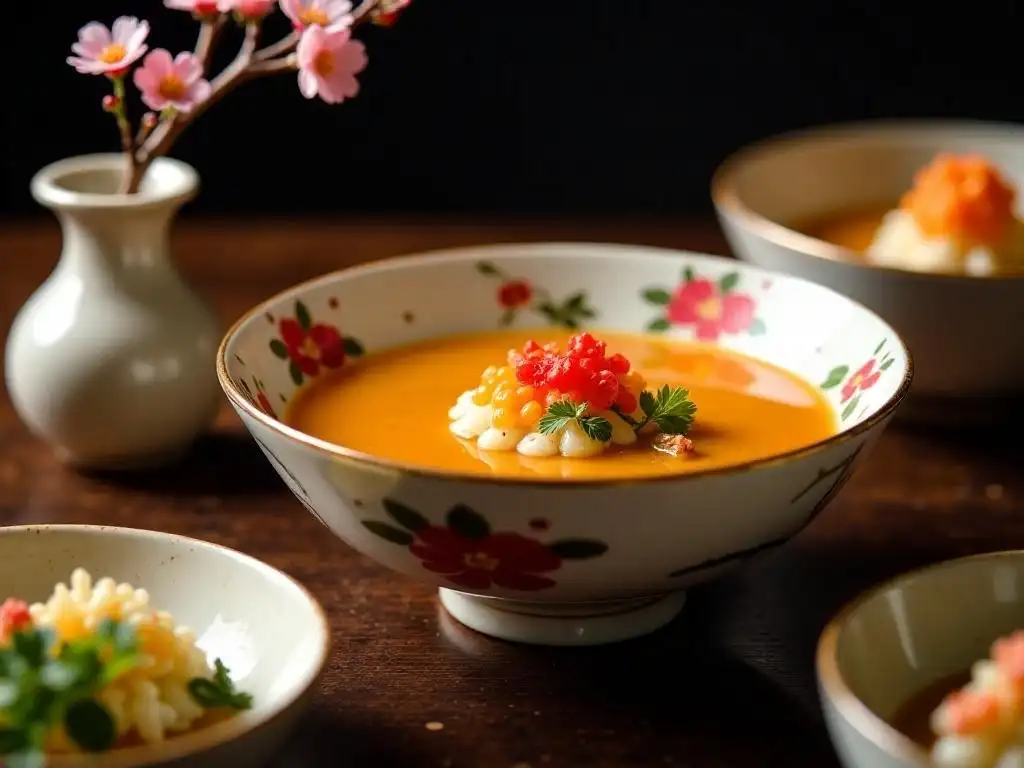
Recreating authentic Japanese feudal dishes at home can be a delightful culinary journey. Here are some traditional recipes that showcase the rich flavors of the era:
- Sukiyaki: A hot pot dish that includes thinly sliced beef, tofu, and seasonal vegetables simmered in a savory sauce made from soy sauce, sugar, and mirin. This dish exemplifies communal dining, where ingredients are cooked at the table.
- Chirashi-zushi: A colorful rice dish topped with a variety of ingredients, such as sashimi, vegetables, and egg. It offers a glimpse into the feudal practice of using seasonal and local ingredients.
- Nasu Dengaku: Grilled eggplant glazed with sweet miso paste. This dish highlights the feudal emphasis on umami flavors and is a perfect side dish for any meal.
- Kitsune Udon: Thick wheat noodles served in a dashi broth, topped with sweet fried tofu. This dish reflects the simplicity and heartiness of feudal cuisine.
- Kamaboko: A type of fish cake that can be made by steaming or grilling fish paste. It was a popular snack during the feudal period and remains a beloved food today.
By preparing these dishes, you can experience the essence of feudal Japanese cuisine right in your kitchen.
Modern Adaptations of Feudal Japanese Dishes
While the roots of Japanese feudal cuisine remain intact, modern adaptations have emerged, making these dishes more accessible and varied. Here are some ways these traditional dishes have evolved:
- Health-Conscious Ingredients: Modern cooks are often focused on health, leading to the use of alternative ingredients. For instance, brown rice or quinoa may replace white rice in dishes like Chirashi-zushi to increase fiber content.
- Fusion Flavors: Contemporary chefs are blending feudal recipes with global cuisines, creating unique dishes such as Sukiyaki Tacos or Tempura Sushi Rolls. This approach introduces new textures and flavors while respecting the original ingredients.
- Plant-Based Variations: With a rise in vegetarianism and veganism, traditional dishes like Nasu Dengaku are being adapted to eliminate animal products by using plant-based substitutes for sauces and toppings.
- Simplified Cooking Methods: To cater to busier lifestyles, modern adaptations often simplify traditional cooking techniques. Slow cookers and pressure cookers allow for easy preparation of dishes like Sukiyaki, reducing the time spent in the kitchen.
- Presentation Innovations: The art of plating has gained significant attention, leading to modern presentations of traditional dishes that emphasize aesthetics. For example, Chirashi-zushi can be arranged in elaborate patterns, making it a centerpiece at gatherings.
These adaptations demonstrate how Japanese feudal dishes can evolve while still honoring their historical significance, making them enjoyable for modern palates.
Tools and Ingredients for Preparing Authentic Japanese Feudal Dishes
To recreate authentic Japanese feudal dishes, having the right tools and ingredients is essential. The following essentials will help you capture the essence of historical Japanese cooking.
Essential Cooking Tools
-
Donabe (Clay Pot)
A traditional Japanese clay pot used for slow cooking and simmering dishes. It retains heat well and adds unique flavors to stews and rice.
-
Hibachi Grill
A small, portable grill that provides a charcoal cooking experience. Perfect for grilling meats and vegetables, reminiscent of feudal-era cooking methods.
-
Makisu (Bamboo Mat)
This bamboo mat is vital for rolling sushi and onigiri (rice balls). It allows for even pressure and a firm roll, ensuring a perfect shape.
-
Hocho (Japanese Knife)
A high-quality Japanese knife for slicing and dicing ingredients. Different types, such as the Santoku or Nakiri, serve various purposes, from filleting fish to chopping vegetables.
-
Suribachi (Mortar) and Surikogi (Pestle)
These tools are used for grinding spices, herbs, and sesame seeds, which were common in feudal Japanese cuisine.
Key Ingredients
-
Rice
A staple in feudal Japan, it is essential for making dishes like onigiri and various rice-based meals. Look for short-grain Japanese rice for authenticity.
-
Soy Sauce
A fermented soy product that adds depth and umami to dishes. Using naturally brewed soy sauce can elevate flavor profiles in traditional recipes.
-
Miso
A fermented soybean paste that is a cornerstone of Japanese cooking. It can be used in soups, marinades, and dressings, reflecting the flavors of the feudal era.
-
Kombu (Dried Sea Kelp)
Used to make dashi (broth), kombu imparts a rich umami flavor to soups and stews, serving as a foundation for many feudal dishes.
-
Seasonal Vegetables
Ingredients such as daikon radish, burdock root, and various greens were commonly used in feudal times. Using fresh, seasonal produce will enhance authenticity.
-
Sake and Mirin
These rice wines add sweetness and depth to marinades and sauces. They were commonly used in feudal kitchens to flavor dishes.
Conclusion: Embracing the Culinary Heritage of Feudal Japan
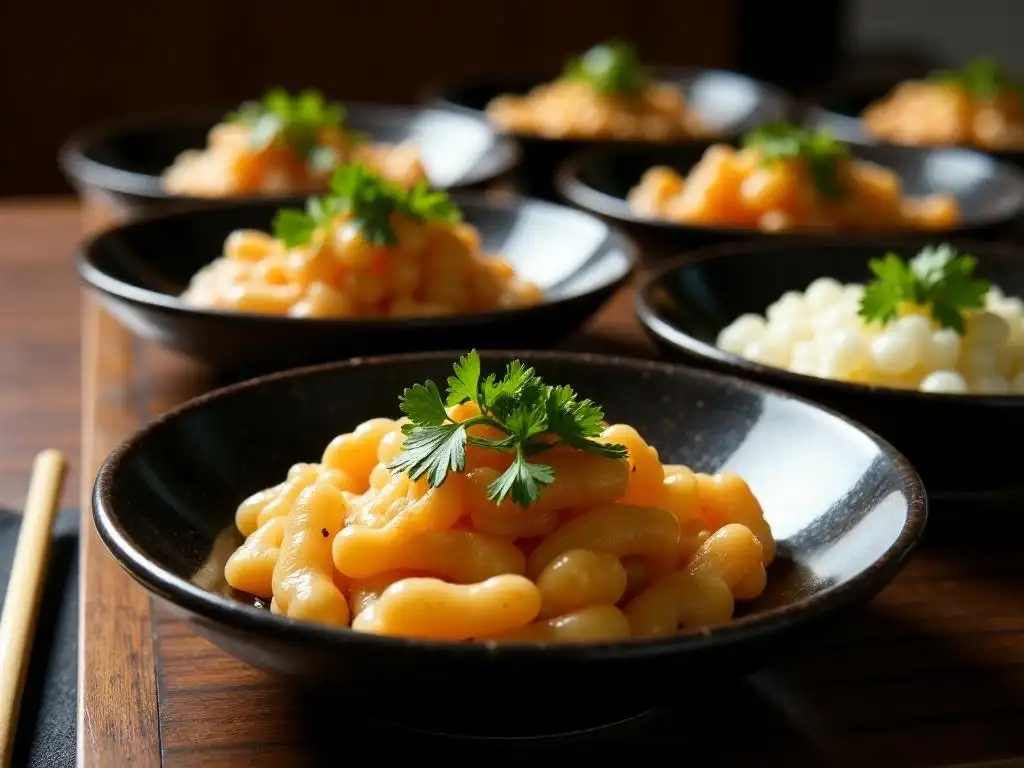
Preparing authentic Japanese feudal dishes is not merely about cooking; it is an opportunity to connect with Japan's rich culinary heritage. By selecting traditional tools and ingredients, you can create meals that reflect the flavors and techniques of the past. This experience offers a deeper understanding of the culture and history that shaped these dishes.
As you embark on this culinary journey, remember that cooking is an art that allows you to express creativity while honoring tradition. Share these meals with friends and family, fostering appreciation for the historical context behind each dish.
Ultimately, embracing the culinary heritage of feudal Japan means celebrating its flavors, stories, and the craftsmanship that has been passed down through generations. Each dish you prepare is a step toward preserving this rich history and making it relevant in today's world.
Additional Resources for Exploring Japanese Feudal Cuisine
To deepen your knowledge of Japanese feudal cuisine and enhance your cooking skills, consider exploring the following resources:
- Books:
- Japanese Cooking: A Simple Art by Shizuo Tsuji
- Washoku: Recipes from the Japanese Home Kitchen by Elizabeth Andoh
- Online Courses:
- Look for cooking classes focused on Japanese cuisine, particularly those emphasizing traditional techniques and feudal-era recipes.
- Documentaries and Films:
- Watch documentaries that explore Japanese culinary history and the evolution of food culture in Japan.
- Culinary Blogs:
- Follow blogs dedicated to Japanese cuisine, as they often share authentic recipes, cooking tips, and cultural insights.
- Local Workshops:
- Participate in community workshops or events that focus on traditional Japanese cooking, allowing you to learn hands-on from experts.
By utilizing these resources, you can further immerse yourself in the world of Japanese feudal cuisine and continue to refine your skills in preparing authentic dishes. Enjoy your culinary adventures!
Call to Action
Embarking on a culinary journey through Japan’s feudal era offers not only a taste of history but also an opportunity to engage with the rich cultural tapestry that shaped the nation. We invite you to take the first step towards creating your own authentic Japanese feudal dishes. Here’s how you can get started:
- Gather Your Ingredients: Start sourcing traditional ingredients, such as rice, miso, seasonal vegetables, and local fish. Many of these can be found at Asian grocery stores or farmers' markets.
- Choose a Recipe: Select from the featured recipes in this article or explore other authentic sources to find dishes that intrigue you. Consider trying Kaiseki, the multi-course meal that showcases seasonal ingredients, or Nabemono, a hot pot dish perfect for sharing.
- Set the Atmosphere: To fully immerse yourself in the experience, create a dining space that reflects the aesthetics of feudal Japan. Use simple table settings, incorporate seasonal decor, and enjoy your meal in a serene environment.
- Share Your Experience: After your culinary adventure, we encourage you to share your creations! Whether through photos on social media or personal stories with friends and family, spreading the joy of feudal cuisine enriches the community.
Let the flavors of feudal Japan inspire your cooking! Dive into these time-honored dishes and experience the history behind each bite. Happy cooking! 🍱
- Introduction to Authentic Japanese Feudal Dishes
- Historical Significance of Japanese Cuisine in the Feudal Era
- Key Ingredients in Authentic Japanese Feudal Dishes
- Essential Cooking Techniques for Japanese Feudal Dishes
- Authentic Japanese Feudal Dishes You Can Cook Today
- Modern Adaptations of Feudal Japanese Dishes
- Tools and Ingredients for Preparing Authentic Japanese Feudal Dishes
- Conclusion: Embracing the Culinary Heritage of Feudal Japan
- Additional Resources for Exploring Japanese Feudal Cuisine
- Call to Action
Frequently Asked Questions
What are authentic Japanese feudal dishes?
Authentic Japanese feudal dishes refer to traditional recipes and foods that were commonly prepared during Japan's feudal era, reflecting the cultural and historical context of that time.
How did the feudal system influence Japanese cuisine?
The feudal system shaped Japanese cuisine by establishing a hierarchical society where different classes had access to various ingredients, resulting in distinct culinary traditions based on social status.
What ingredients are essential for preparing feudal dishes?
Key ingredients in feudal dishes often include rice, fish, vegetables, and various seasonings like soy sauce and miso, which were prevalent in the cuisine during the feudal era.
Are there any modern adaptations of feudal Japanese recipes?
Yes, many modern chefs experiment with feudal Japanese recipes by using contemporary cooking techniques while preserving the essence of traditional flavors and ingredients.
Where can I find more resources on feudal Japanese cooking?
For more information, you can explore historical cookbooks, specialized culinary websites, or articles dedicated to Japanese feudal cuisine for authentic recipes and techniques.
Final Reflection: Rediscovering the Culinary Heritage of Japan
In an age where globalization often overshadows local traditions, the exploration of authentic Japanese feudal dishes serves as a powerful reminder of the rich culinary heritage that shapes our identities. The resurgence of interest in historical cuisine not only connects us to our roots but also highlights the importance of preserving cultural practices in a rapidly changing world. As we delve into the flavors and techniques of the past, we uncover the stories and values embedded in each dish, making our culinary experiences more meaningful.
The influence of these feudal dishes extends beyond the kitchen, permeating our social and cultural landscapes. By engaging with these traditional recipes, we foster a deeper appreciation for the craftsmanship and history that define Japanese cuisine. This connection to the past enriches our present, allowing us to celebrate the artistry of our ancestors while creating new memories around the dining table. As the renowned chef Yoshihiro Murata once said, Cooking is a way to connect with the past and to create a bridge to the future.
This sentiment resonates deeply as we embrace the flavors that have stood the test of time.
As you reflect on the lessons from this exploration of authentic Japanese feudal dishes, I invite you to take action by incorporating these recipes into your own culinary repertoire. Embrace the challenge of recreating these historical dishes, and in doing so, honor the traditions that have shaped them. Let each meal be a celebration of culture, history, and connection, reminding us that food is not just sustenance, but a vessel for storytelling and community. Together, let us keep the spirit of feudal Japan alive, one dish at a time.
Unveil Your Inner Chef: Create Authentic Japanese Feudal Dishes!
Thank you for joining us on this culinary journey through history! We hope the insights you've gained inspire you to explore the rich flavors of feudal Japan. Now, it's time to roll up your sleeves and bring these age-old recipes to life!
Here are some exciting steps you can take to deepen your experience:
- Start by preparing one of the featured dishes from our collection. Gather the ingredients and fully immerse yourself in the cooking process!
- Share your culinary creations on social media with friends and family, and consider using the hashtag #FeudalFeast to connect with others who appreciate feudal cuisine.
- Explore additional resources on feudal Japanese cooking techniques by participating in local events or online workshops where you can learn from culinary experts.
As you embark on your culinary adventure, which feudal dish are you most excited to try making first? 🌸