
The Harmony of Flavor: Recreating Feudal Era Japanese Meals with Modern Twists

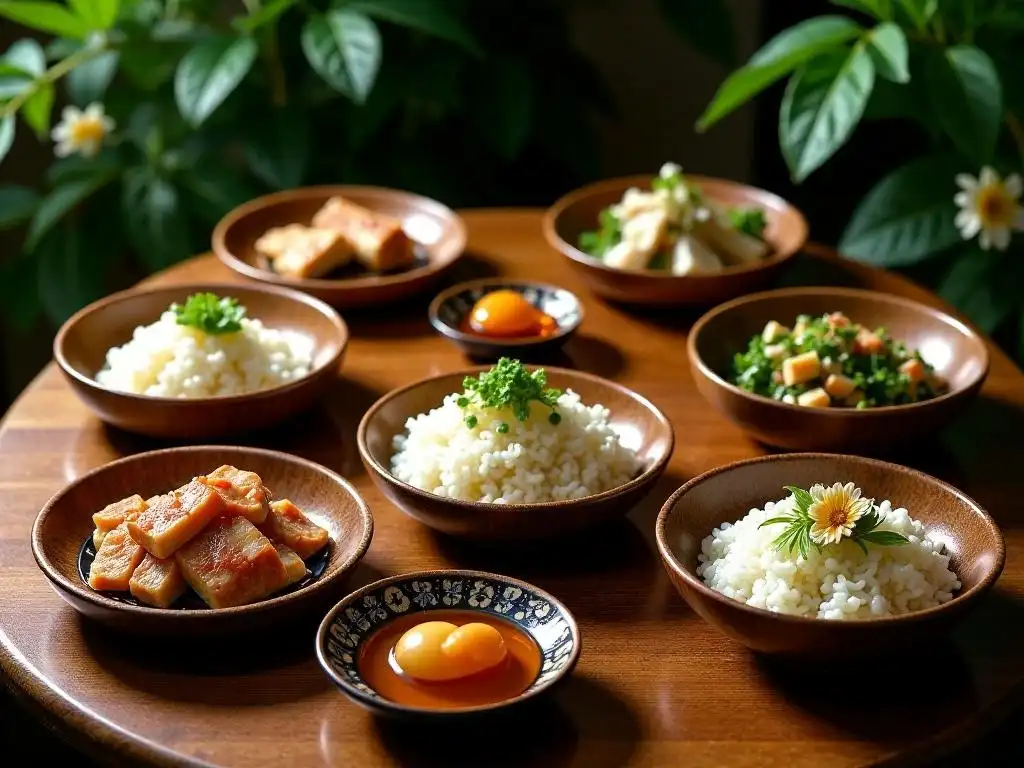
Welcome to Feudal Japan History, where we invite you to embark on a captivating journey through the intricate tapestry of Japan’s feudal era. Here, history comes alive as we delve into not just the events that shaped a nation, but the rich cultural and societal nuances that defined a way of life. In our feature article, "The Harmony of Flavor: Recreating Feudal Era Japanese Meals with Modern Twists," you’ll discover the exquisite traditional meals that have stood the test of time.
How did the flavors of the past influence today’s culinary landscape? Join us as we explore these tantalizing connections and uncover the secrets behind feudal Japan’s dining traditions. Your adventure into the heart of Japanese cuisine begins now!
Introduction to Feudal Japan Traditional Meals
The culinary landscape of Feudal Japan, spanning from the 12th to the 19th century, presents a rich tapestry of flavors, traditions, and cultural significance. This era was not just a time of political upheaval and social change; it was also a period where food evolved into an essential aspect of daily life and societal norms.
Feudal Japan traditional meals were characterized by their seasonal ingredients, meticulous preparation methods, and a deep-rooted philosophy of harmony with nature. As we delve into this fascinating realm, we will uncover how these historical dishes can be recreated today with modern twists, allowing us to appreciate and savor the flavors of the past in our contemporary kitchens.
Exploring the traditional meals of this era offers insights into the life and culture of the Japanese people. From humble rice bowls to elaborate multi-course kaiseki dinners, each dish tells a story of the society’s agricultural practices, religious beliefs, and the changing seasons. In this article, we will not only examine the ingredients and cooking techniques that defined Feudal Japan's culinary scene but also provide you with innovative ways to bring these meals into your modern dining experience.
Understanding Feudal Era Japanese Cuisine
Feudal era Japanese cuisine was deeply influenced by social hierarchy, regional availability of ingredients, and seasonal changes. The meals prepared during this time were often reflective of one's status, with the samurai class enjoying diverse and luxurious ingredients, while commoners relied on simpler fare. The concept of umami, a cornerstone of Japanese flavor, was already being recognized, and ferments, pickles, and broths played critical roles in meal preparation.
The Ingredients of Feudal Japan
The ingredients used in Feudal Japan were a reflection of both the natural environment and cultural practices. Here are some key components:
- Rice: The staple food, considered a symbol of prosperity.
- Seasonal vegetables: Such as daikon, burdock, and various greens, which were often pickled or served fresh.
- Fish and seafood: Integral to the diet, particularly in coastal regions, where fish was not only a food source but also a means of trade.
- Soy products: Including tofu and miso, which provided essential protein and flavor.
- Herbs and spices: Such as shiso and sansho, which added depth to dishes.
The careful selection of these ingredients was crucial, as they were often chosen not just for taste but also for their health benefits and seasonal relevance.
Cooking Techniques from the Feudal Era
The cooking methods employed during the Feudal era were as diverse as the ingredients themselves. Here are some notable techniques:
- Grilling (Yakimono): A popular method for cooking fish and meats, often over open flames, enhancing the flavors through charring.
- Simmering (Nimono): Used to create rich, comforting stews and soups, incorporating vegetables and proteins simmered in dashi or soy sauce.
- Fermentation: Essential for preserving food, with techniques that produced pickles and miso, enriching flavors and extending shelf life.
- Steaming (Mushimono): Utilized for delicate dishes, particularly in kaiseki cuisine, where the focus was on preserving the natural flavors of ingredients.
These techniques not only illustrate the culinary ingenuity of the time but also set the foundation for many modern Japanese cooking practices, allowing us to recreate traditional meals with a contemporary flair.
With this understanding, we can now embark on the journey of transforming these historical dishes into modern culinary creations, ensuring that the flavors of Feudal Japan continue to delight our palates today.
Modern Twists on Traditional Feudal Japan Meals
The culinary heritage of Feudal Japan is rich and varied, offering an array of flavors and techniques that continue to inspire modern chefs. As we dive into the realm of feudal meals, we find opportunities to infuse contemporary elements while preserving traditional flavors. By using modern cooking techniques, alternative ingredients, and innovative presentations, chefs can create dishes that pay homage to the past while appealing to today’s palates.
One of the most significant aspects of modernizing feudal meals is adapting the ingredients to reflect current dietary preferences and availability. For example, the traditional use of fish can be complemented with plant-based proteins for those following vegetarian or vegan diets. Moreover, incorporating seasonal produce enhances freshness and aligns with the Japanese culinary philosophy of "shun", or eating in harmony with the seasons.
Another key component is the presentation. In feudal Japan, meals were often served in a way that emphasized balance and aesthetic appeal. Modern chefs can take this a step further by utilizing techniques such as deconstruction, where elements of a dish are separated and plated in a visually striking manner, or molecular gastronomy, which introduces new textures and flavors through scientific methods.
Recreating Classic Dishes with a Contemporary Flair
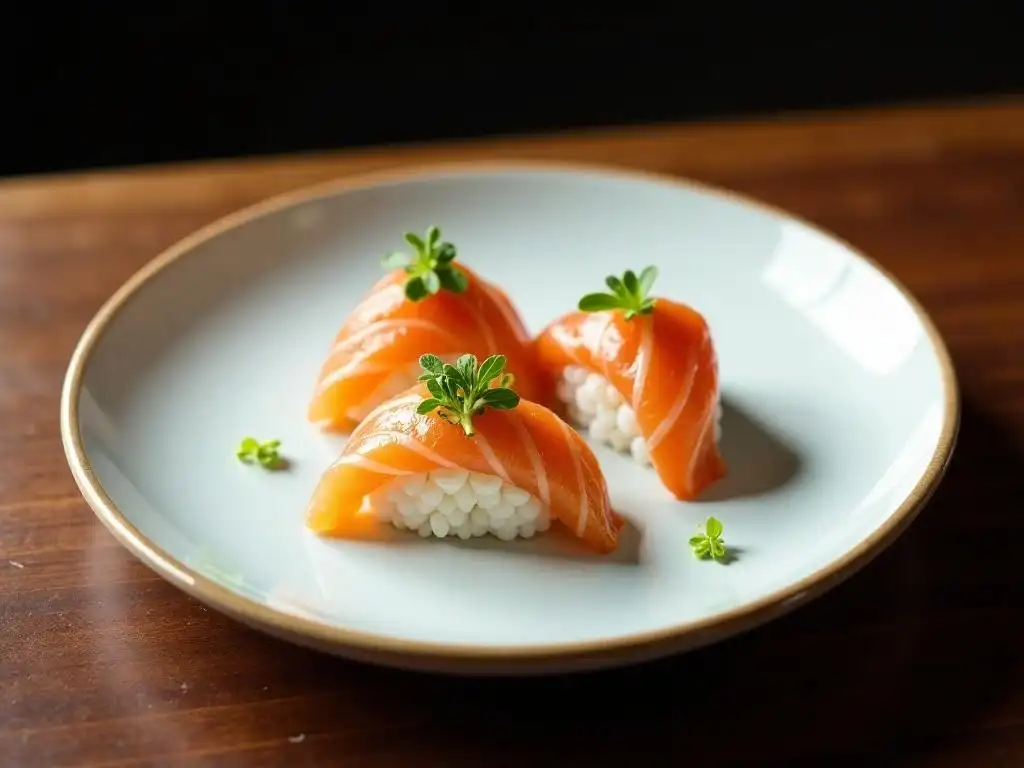
Recreating classic feudal dishes with a contemporary flair involves not only understanding the original recipes but also experimenting with new methods and ingredients that bring a fresh perspective. Take, for instance, the beloved “sushi.” While traditional sushi focuses on raw fish and vinegared rice, modern interpretations can include grilled vegetables, flavored sauces, and even non-traditional proteins like tofu or seitan.
Similarly, “tempura,” which originated in Japan during the feudal era, can be reinvented by using various batters or by deep-frying unexpected ingredients such as seasonal fruits or herbs. Coupled with creative dipping sauces, this dish can become a highlight of any modern menu.
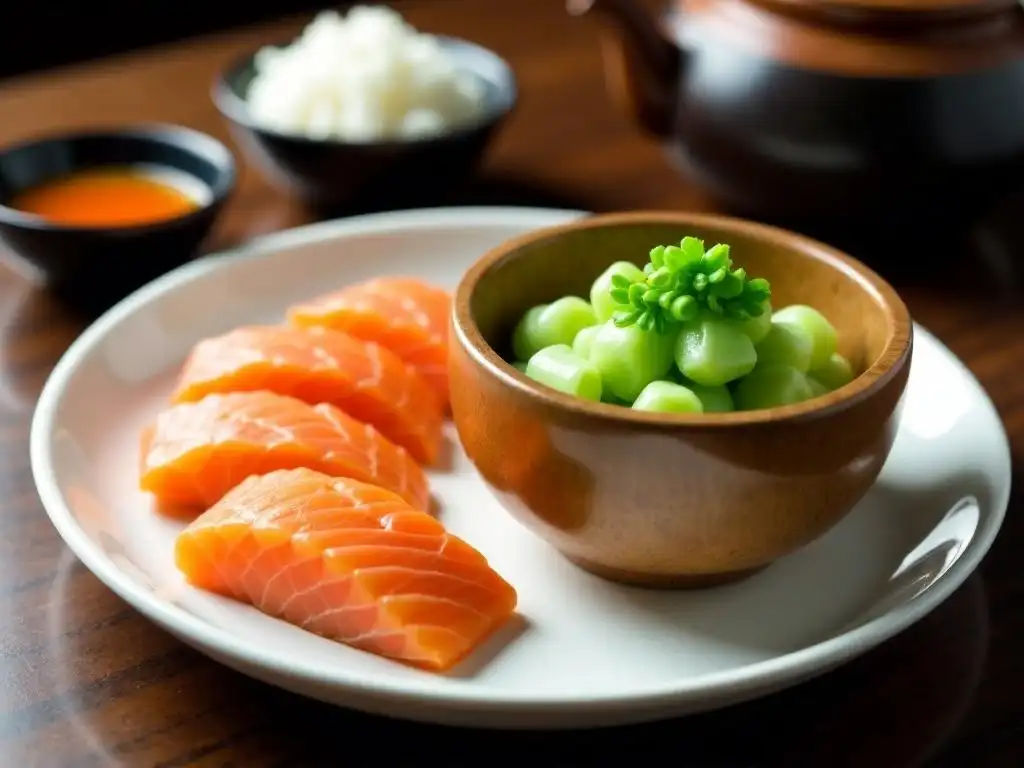
Furthermore, incorporating local and sustainable ingredients not only supports the community but also resonates with the modern diner’s values. For instance, using locally sourced fish in classic “sashimi” enhances flavor while promoting environmental responsibility. This fusion of tradition and modern sensibilities allows chefs to reintroduce these classic dishes in a way that resonates with contemporary audiences, making feudal meals relevant and exciting again.
Unique Feudal Era Dishes You Can Cook Today
Exploring unique feudal era dishes opens up a treasure trove of culinary possibilities that can be recreated with ease in the modern kitchen. Many of these dishes emphasize simplicity and the use of fresh, seasonal ingredients, making them not only delicious but also achievable for home cooks.
One standout dish is “kakuni,” a braised pork belly that has roots in Japan’s feudal past. Modern cooks can adapt this dish by utilizing slow-cooking techniques to enhance flavor while keeping the meat tender. Pairing kakuni with pickled vegetables or steamed rice can create a satisfying meal that pays homage to Japanese tradition.
Another dish to consider is “nishin soba,” a noodle dish featuring herring, which was a staple food during the feudal era. Today, this dish can be modernized by using whole-grain noodles or gluten-free alternatives, along with fresh herbs and spices to elevate the flavor profile. The beauty of nishin soba lies in its versatility; the ingredients can be easily adjusted to suit personal tastes and dietary needs.
Exploring Lesser-Known Feudal Meals
While many are familiar with iconic dishes like sushi and tempura, there exists a plethora of lesser-known feudal meals that deserve the spotlight. For example, “kamaboko,” a type of fish cake that has been enjoyed since the feudal period, can be made at home using fresh fish and simple seasoning. It offers a unique flavor and texture that can enhance soups, salads, or be enjoyed on its own.
Another fascinating dish is “shiraae,” a salad made from tofu and vegetables, often dressed with a miso-based sauce. This dish showcases the balance of flavors and textures that are hallmarks of Japanese cuisine while being entirely customizable based on seasonal ingredients.
Exploring these lesser-known meals not only enriches our understanding of feudal Japan's culinary landscape but also provides home cooks with a chance to experiment with authentic flavors in a modern context. By bringing these unique dishes back to life, we celebrate the enduring legacy of feudal cuisine and its relevance in today’s food culture.
Pairing and Serving Feudal Era Dishes
Pairing and serving dishes from Feudal Japan involves a deep understanding of the principles of balance and harmony that characterized the culinary practices of the time. Meals were typically designed to engage all the senses, with careful consideration given to the colors, textures, and flavors. Here are some important aspects to consider when recreating these meals today:
- Presentation: In Feudal Japan, the aesthetic of food was as important as the taste. Dishes were often served in lacquerware or ceramic bowls that highlighted their colors. When plating your dishes, consider using traditional Japanese tableware to enhance the visual appeal.
- Flavor Balance: Traditional meals often feature a balance of sweet, salty, sour, and umami flavors. For example, a typical meal might include grilled fish (umami), pickled vegetables (sour), and a sweet soy glaze. When recreating these meals, strive to achieve a similar balance.
- Seasonal Ingredients: The feudal period emphasized the use of seasonal and local ingredients. When planning your meals, source fresh produce and fish that are in season to maintain authenticity and enhance flavor.
- Meal Structure: A typical Japanese meal during the feudal era might consist of several small dishes served simultaneously, known as "ichiju-sansai," which translates to "one soup and three sides." Consider serving a miso soup alongside a main dish and two side dishes for a complete dining experience.
Traditional Beverages that Complement Feudal Meals
To fully embrace the flavors of Feudal Japan, it is essential to pair your meals with traditional beverages that enhance the dining experience. Here are a few beverages that were common during this period:
- Sake: This traditional rice wine is perhaps the most iconic beverage associated with Japanese cuisine. It can be served warm or chilled and complements a variety of dishes, particularly those with umami flavors such as grilled fish or savory stews.
- Green Tea: Matcha or sencha were commonly consumed during the feudal era. These teas not only cleanse the palate but also offer a refreshing contrast to richer dishes. Serving tea during or after the meal is a practice rooted in Japanese hospitality.
- Umeshu: This sweet and tangy plum wine is made from ume fruit and offers a delightful pairing with salty or savory dishes. Its sweetness can balance out the saltiness of pickled items or grilled meats.
- Barley Tea: Known as "mugicha," this caffeine-free beverage was popular for its refreshing qualities and ability to aid digestion. It pairs well with many traditional dishes, making it an excellent choice for casual meals.
Conclusion: Embracing Feudal Japan's Culinary Heritage Today
Recreating Feudal Japan’s traditional meals is not just about the food; it is also about honoring the cultural practices and philosophies that shaped these culinary traditions. By understanding the significance of ingredients, preparation methods, and dining rituals, modern cooks can bring a piece of this rich history into their own kitchens.
As you experiment with these dishes, remember that the essence of Feudal Japan’s cuisine lies in simplicity, elegance, and respect for nature. Embrace seasonal ingredients, focus on presentation, and consider traditional pairings to create an authentic dining experience that pays homage to this fascinating era.
Through these modern twists on ancient recipes, we not only preserve the culinary heritage of Feudal Japan but also invite new generations to explore and appreciate its flavors. Whether for a special occasion or a simple family meal, the harmony of these traditional dishes can enrich our culinary repertoire today.
Additional Resources for Exploring Feudal Japan Traditional Meals
When delving into the rich tapestry of Feudal Japan's culinary traditions, a variety of resources can enhance your understanding and cooking experience. Here are several valuable avenues to explore:
1. Books and Cookbooks
- "The Book of Japanese Cooking" by Masaharu Morimoto: This cookbook offers insights into traditional Japanese cooking techniques and includes recipes that pay homage to the Feudal era. Morimoto’s approach infuses modern elements while respecting historical authenticity.
- "Japanese Cooking: A Simple Art" by Shizuo Tsuji: A comprehensive guide that covers the fundamentals of Japanese cuisine, with sections dedicated to traditional ingredients and methods prevalent during the feudal period.
2. Documentaries and Films
- "Jiro Dreams of Sushi": While focused on sushi, this documentary explores the art of Japanese cuisine and the dedication required to master traditional cooking practices, reflecting the values that were prominent during the Feudal era.
- "Samurai Gourmet": This Netflix series combines food and culture by following a retired man who discovers the joys of cooking in a style reminiscent of the samurai era, offering a whimsical yet insightful look at historical Japanese meals.
3. Online Courses and Tutorials
- Udemy: Japanese Cooking for Beginners: This course often includes modules on traditional meals, allowing you to learn the techniques and flavors that defined Feudal Japan.
- YouTube Channels: Channels like "Japanese Cooking 101" provide free video tutorials on traditional recipes, including those from the feudal period, with step-by-step instructions that make it easy to follow along.
4. Culinary Classes
- Local Cooking Schools: Many culinary schools or community centers offer classes focusing on Japanese cuisine, often incorporating elements from historical periods. Look for classes that highlight traditional techniques and ingredients.
- Cultural Festivals: Participating in Japanese cultural festivals can provide hands-on experiences and workshops that focus on traditional cooking methods, allowing you to taste and learn about feudal-era meals firsthand.
5. Academic Journals and Articles
- The Journal of Japanese Studies: This academic resource often includes articles about historical culinary practices, offering insights into the ingredients and cooking methods used during the feudal period.
- Culinary History Journal: Articles in this journal may explore the evolution of Japanese cuisine, including the impact of socio-political changes during the feudal era on food practices.
By leveraging these resources, you can deepen your understanding of Feudal Japan's traditional meals and gain practical skills to recreate these historical dishes with modern twists. Whether through literature, visual media, or hands-on experiences, each resource provides a unique perspective on the flavors and techniques that shaped Japan's culinary heritage.
- Introduction to Feudal Japan Traditional Meals
- Understanding Feudal Era Japanese Cuisine
- Modern Twists on Traditional Feudal Japan Meals
- Recreating Classic Dishes with a Contemporary Flair
- Unique Feudal Era Dishes You Can Cook Today
- Pairing and Serving Feudal Era Dishes
- Traditional Beverages that Complement Feudal Meals
- Conclusion: Embracing Feudal Japan's Culinary Heritage Today
- Additional Resources for Exploring Feudal Japan Traditional Meals
- What were common ingredients used in Feudal Japan traditional meals?
- How did the social hierarchy influence traditional meals in Feudal Japan?
- What role did seasonality play in Feudal Japan cuisine?
- Are there modern interpretations of Feudal Japan traditional meals?
- How can I recreate Feudal Japan traditional meals at home?
Frequently Asked Questions
What were common ingredients used in Feudal Japan traditional meals?
Common ingredients included rice, fish, vegetables, and soy sauce. These staples were foundational in creating the balanced and nutritious meals of the era.
The social hierarchy dictated meal quality and variety. Samurai enjoyed elaborate dishes, while peasants typically had simpler, more modest meals, reflecting their status and resources.
What role did seasonality play in Feudal Japan cuisine?
Seasonality was crucial, as meals were prepared using fresh, local ingredients. This practice ensured that food was at its peak flavor and nutrition, a principle still valued in modern Japanese cooking.
Are there modern interpretations of Feudal Japan traditional meals?
Yes, many chefs today are recreating feudal meals with a modern twist, incorporating contemporary techniques and ingredients while respecting the original flavors and traditions.
How can I recreate Feudal Japan traditional meals at home?
To recreate these meals, focus on using traditional ingredients, such as rice and seasonal vegetables, and explore recipes that emphasize balance and harmony in flavors, akin to those enjoyed in the feudal era.
Final Reflection: Embracing the Past to Enrich Our Palate
In exploring the harmony of flavor found in feudal era Japanese meals, we uncover a culinary tradition that resonates deeply with contemporary tastes and values. The intricate balance of ingredients and techniques from this period not only showcases the artistry of Japanese cuisine but also highlights the importance of sustainability and mindfulness in our eating habits today. As we navigate a fast-paced world, the lessons from feudal Japan remind us that food is not merely sustenance; it is a celebration of culture and history that deserves our attention and respect.
The influence of feudal Japan's traditional meals extends beyond the kitchen, shaping our cultural and social landscape in profound ways. By reconnecting with these time-honored practices, we cultivate a deeper appreciation for the origins of our food and the stories they tell. This revival of interest in historical cuisine encourages us to honor our culinary heritage while also inspiring innovation. As the renowned chef Masaharu Morimoto once said, Cooking is about the ingredients, the techniques, and the love you put into it.
This sentiment encapsulates the essence of our journey through feudal Japanese meals, urging us to infuse our modern cooking with the same passion and respect.
As you reflect on the themes presented in this article, consider how you can incorporate the wisdom of feudal Japan into your own culinary practices. Embrace the art of mindful cooking by experimenting with traditional recipes, sourcing local ingredients, and sharing meals with loved ones. Let the flavors of the past inspire your present, and in doing so, you will not only enrich your palate but also foster a deeper connection to the history and culture that shaped these remarkable dishes. The journey of flavor awaits—are you ready to take the first step?
Savor the Past: Create Your Own Feudal Feast!
Thank you for diving into the delicious world of feudal-era Japanese cuisine with us! We hope you found inspiration in the rich flavors and fascinating history of this culinary era. Now it’s time to bring those historical delights into your kitchen with your own creative twists.
Here’s how you can transform your meals and rediscover the joy of authentic Japanese flavors:
- Replicate a Feudal Dish: Start by choosing a recipe that resonates with you from our collection and give it your own modern flair. Whether it’s incorporating a contemporary ingredient or reimagining the presentation, let your creativity shine!
- Host a Themed Dinner Night: Invite friends or family to join you for a feudal-inspired dinner. Prepare a variety of dishes and discuss the history behind each one—turn your meal into an engaging cultural experience for everyone involved.
- Share Your Creations: Post photos of your feudal-inspired meals on social media using the hashtag #FeudalFlavorFusion. Connect with fellow history and food enthusiasts and share your culinary journey!
What dish excites you the most to recreate, and how will you put your unique spin on it? Let's get cooking and start a conversation!