
Feast Like a Daimyo: Exquisite Dishes from Japan's Feudal Era You Can Make

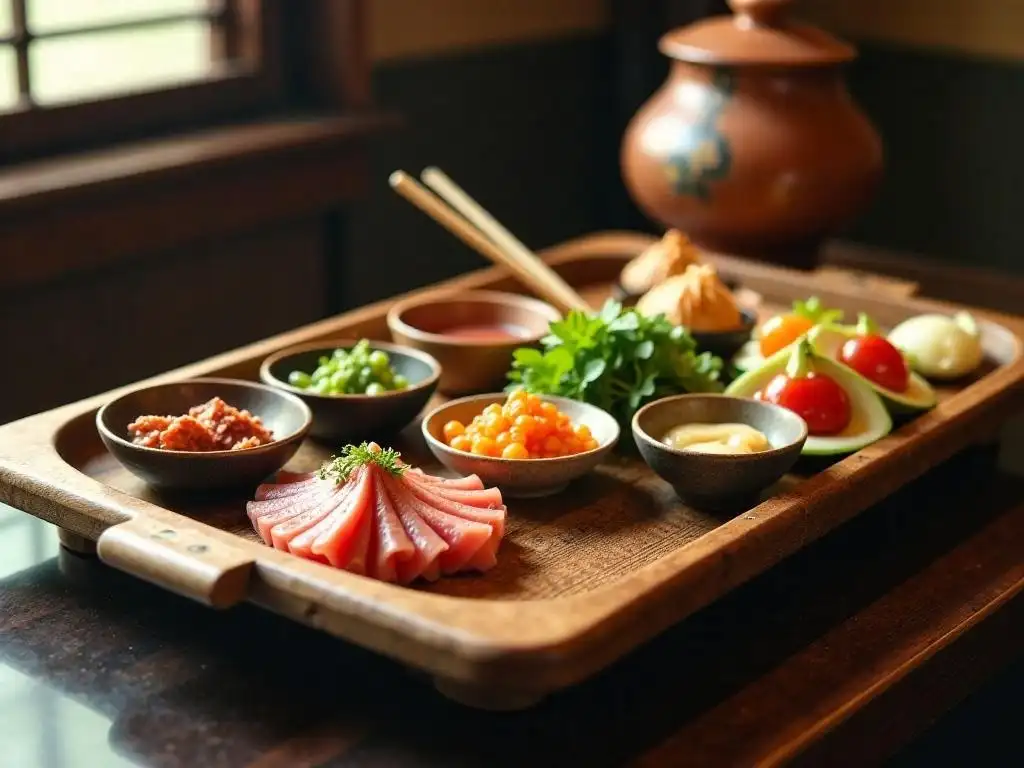
Welcome to Feudal Japan History, where we invite you on a captivating journey through the rich tapestry of Japan’s feudal era. Dive deep into our latest feature, “Feast Like a Daimyo: Exquisite Dishes from Japan's Feudal Era You Can Make,” and unlock the culinary secrets that once graced the tables of samurai and nobility. Discover how the flavors of the past can be recreated in your kitchen, and let your curiosity guide you through the intricate layers of history, culture, and cuisine that shaped a nation. Ready to savor the past? Your adventure begins here!
Introduction to Japanese Feudal Era Recipes
The Japanese feudal era, spanning from the 12th to the 19th centuries, was a time of remarkable cultural and culinary evolution. During this period, the samurai class and feudal lords, known as daimyos, developed distinct dietary preferences that reflected their social status and the regional resources available to them.
In this article, we embark on a comprehensive exploration of Japanese feudal era recipes that not only highlight the exquisite flavors of the time but also provide a fascinating glimpse into the historical context surrounding these dishes. Whether you are a culinary enthusiast or a history buff, preparing these meals will allow you to experience a taste of Japan's rich heritage, bringing the past alive within your own kitchen.
Understanding the Ingredients of the Feudal Era
Key Ingredients in Japanese Feudal Cooking
The cuisine of the Japanese feudal era was characterized by a variety of ingredients that were seasonally and locally sourced. Here are some of the key components that defined the culinary landscape of the time:
- Rice: The staple food of Japan, rice was central to the diet and was often enjoyed in various forms.
- Fish: Given Japan's extensive coastline, fresh fish and seafood played a crucial role, with methods of preservation such as drying and salting commonly employed.
- Vegetables: A wide array of vegetables, such as daikon, burdock, and various greens, were grown and utilized in daily meals.
- Soy Products: Tofu and miso were important protein sources, reflecting the agricultural practices of the era.
- Wild Game: For the samurai class, hunting was a popular activity, leading to the inclusion of game meats like deer and boar in their feasts.
These ingredients not only served nutritional purposes but also symbolized status and regional pride.
Traditional Cooking Methods Used in the Feudal Era
Cooking techniques in the feudal era were as diverse as the ingredients used. Here are some traditional methods that shaped the culinary practices of the time:
- Grilling (Yaki): Fish and meat were commonly grilled over open flames, imparting a smoky flavor that was highly prized.
- Steaming (Mushi): This gentle cooking method was often used for rice and vegetables, preserving their natural flavors and nutrients.
- Simmering (Nimono): Ingredients were slow-cooked in broth or water, allowing flavors to meld and create rich, hearty dishes.
- Pickling (Tsukemono): Vegetables were often preserved through pickling, enhancing their shelf life and adding unique flavors to meals.
- Fermentation: Techniques such as fermenting soybeans for miso and soy sauce were integral to the preservation and flavoring of many dishes.
Understanding these ingredients and methods allows us to recreate authentic feudal-era recipes, inviting the rich culinary traditions of Japan into our contemporary dining experience.
Top Japanese Feudal Era Recipes You Can Cook Today
The Japanese feudal era is renowned for its rich culinary traditions that reflect the culture and status of the time. Here are some exquisite dishes you can recreate in your own kitchen, offering a taste of history and a glimpse into the lives of the daimyos.
1. Kaiseki: A Multi-Course Meal Experience
Kaiseki is an intricate dining experience that showcases seasonal ingredients and meticulous presentation, embodying the essence of Japanese aesthetics. Originating from the tea ceremony, this multi-course meal typically features a variety of small dishes, each crafted with care. Key components include:
- Sashimi: Freshly sliced raw fish, often served with a dipping sauce.
- Miso Soup: A savory broth enriched with miso paste and seasonal vegetables.
- Grilled Fish: A delicately seasoned piece of fish, grilled to perfection.
- Seasonal Vegetables: Prepared in various ways, such as steamed or pickled.
To create your own kaiseki meal, focus on the harmony of flavors, colors, and textures, ensuring that each course enhances the overall dining experience.
2. Sukiyaki: A Hearty Hot Pot Dish
Sukiyaki is a beloved Japanese dish that combines thinly sliced beef, tofu, vegetables, and noodles, all simmered together in a sweet soy sauce broth. This communal meal is perfect for family gatherings, reflecting the feudal era's emphasis on community and shared experiences. Key ingredients include:
- Beef: Thinly sliced and tender, often marbled for added flavor.
- Tofu: Soft or firm, providing a contrast in texture.
- Vegetables: Common choices include shiitake mushrooms, napa cabbage, and green onions.
- Udon Noodles: Thick wheat noodles that soak up the broth's flavors.
To prepare sukiyaki, start by sautéing the beef, then add the broth and other ingredients, allowing the flavors to meld together. Serve hot and enjoy the communal aspect of dipping ingredients into the bubbling pot.
3. Mochi: Traditional Rice Cakes
Mochi, made from glutinous rice, has been a staple in Japanese cuisine for centuries. Its chewy texture and versatility make it a popular choice for both sweet and savory dishes. Traditionally, mochi was prepared during rice harvesting celebrations. You can make:
- Daifuku: Filled mochi with sweet red bean paste or other fillings.
- Mochi Ice Cream: A modern twist that envelops ice cream in a layer of mochi.
To create mochi, steam glutinous rice until it's soft, then pound it into a sticky paste. Shape it into discs or balls, and fill as desired. Mochi is not only delicious but also carries cultural significance, often associated with good fortune and prosperity.
4. Soba Noodles: A Dish for the Samurai
Soba noodles, made from buckwheat flour, were a popular dish among samurai due to their nutritional value and ease of preparation. These noodles are typically served chilled with a dipping sauce or hot in a broth. Key features include:
- Nutty Flavor: The buckwheat lends a distinct taste that pairs well with various toppings.
- Health Benefits: Soba is rich in protein and fiber, making it a nutritious option.
To prepare soba, boil the noodles until tender, then rinse under cold water if serving chilled. Top with green onions, seaweed, or tempura for added flavor and texture.
5. Tsukemono: Japanese Pickles
Tsukemono refers to a variety of Japanese pickles, which play an essential role in feudal meals by providing contrast to richer dishes. Made from seasonal vegetables, tsukemono can vary in flavor from sweet to sour. Common ingredients include:
- Daikon Radish: Often pickled with rice bran or salt for a crunchy texture.
- Cucumbers: Quick-pickled for a refreshing bite.
- Carrots: Marinated in vinegar and sugar for sweetness.
These pickles are not only a delicious accompaniment but also serve to enhance digestion, making them a staple on the feudal-era dining table.
Cultural Significance of Cooking in the Feudal Era
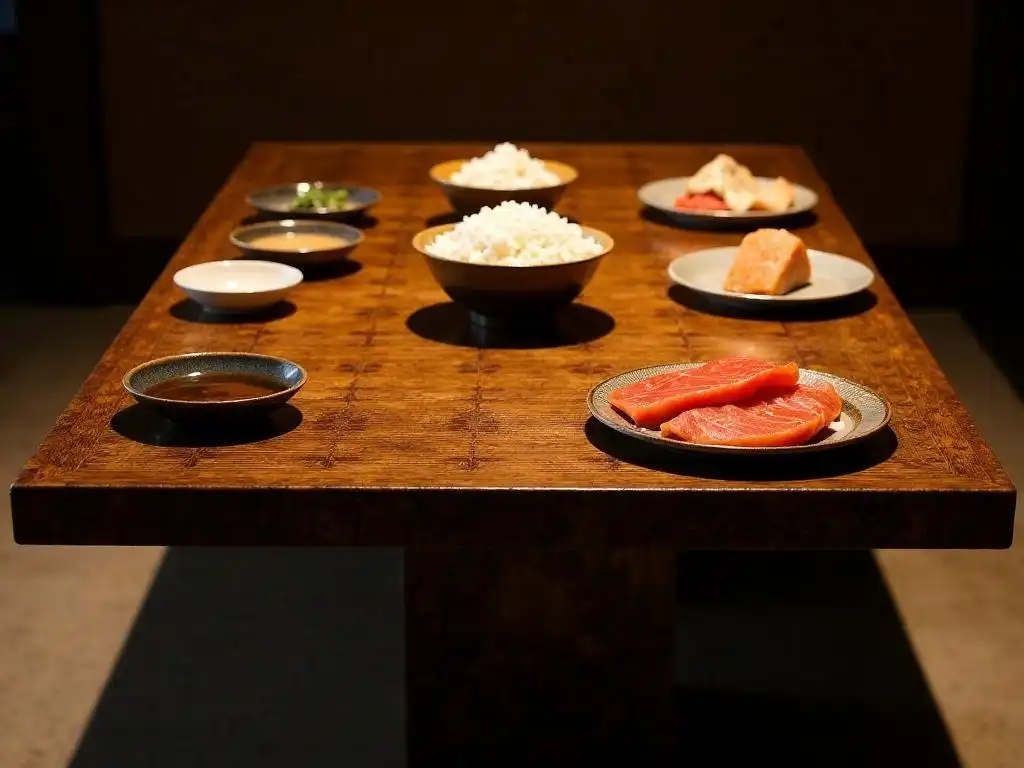
The culinary practices of the Japanese feudal era were deeply intertwined with cultural traditions, social hierarchies, and religious beliefs. Understanding these aspects provides insight into how food shaped society during this period.
The Role of Food in Japanese Society
Food played a crucial role in Japanese society, serving as a reflection of one's status and wealth. The daimyos, or feudal lords, showcased their power through elaborate banquets that featured a wide array of dishes, often sourced from their domain. Additionally, food was a means of fostering relationships among samurai and their lords, with shared meals reinforcing loyalty and camaraderie. The preparation and presentation of food also demonstrated respect for nature and seasonal changes, aligning with the Shinto belief in the divine spirit of natural elements.
Feast Days and Celebratory Dishes
Feast days in the feudal era were marked by special dishes prepared for celebrations, rituals, and festivals. These occasions provided opportunities for families and communities to come together and honor their ancestors. Traditional celebratory foods included:
- Osechi: A New Year’s feast featuring layered dishes with symbolic meanings.
- Chirashi Sushi: A colorful bowl of sushi rice topped with a variety of ingredients, often enjoyed during festivals.
These dishes were not only delicious but also rich in symbolism, representing wishes for good fortune, health, and prosperity in the coming year. The cultural significance of food during the feudal era continues to influence Japanese cuisine today, reminding us of the deep-rooted connections between cooking and community.
Conclusion: Bringing Feudal Japan into Your Kitchen
Exploring the culinary traditions of the Japanese feudal era offers a unique opportunity to immerse yourself in the rich history and culture of this fascinating period. By recreating dishes that were once enjoyed by the daimyos and samurai, you not only get to savor exquisite flavors but also connect with the past in a meaningful way. Each recipe tells a story, reflecting the social hierarchies, regional ingredients, and seasonal changes that defined feudal Japan.
To successfully bring these historical dishes into your kitchen, consider the following tips:
- Ingredient Sourcing: Seek out traditional ingredients such as miso, dashi, and seasonal vegetables. Local Asian markets or specialty shops can be great resources.
- Cooking Techniques: Embrace techniques that were prevalent during the feudal era, such as steaming, grilling, and simmering. These methods enhance the flavors and maintain the integrity of the ingredients.
- Presentation Matters: The aesthetics of Japanese cuisine are just as important as the taste. Incorporate elegant plating and traditional serving styles to enhance your dining experience.
By embracing these elements, you can create a dining experience that not only tantalizes the taste buds but also provides a glimpse into the culinary heritage of Japan's feudal era. So gather your ingredients, channel your inner daimyo, and enjoy the process of cooking these historical dishes.
Additional Resources for Japanese Feudal Era Recipes
For those eager to delve deeper into the culinary delights of Japan's feudal era, numerous resources can enhance your understanding and cooking skills. Here are some valuable materials to consider:
- Cookbooks: Look for specialized cookbooks focusing on historical Japanese cuisine. Titles such as "The Food of Japan" by Tomoko Yamada or "Japanese Cooking: A Simple Art" by Shizuo Tsuji provide authentic recipes and cultural insights.
- Online Cooking Classes: Websites offering virtual cooking classes can help you learn traditional techniques from expert chefs. Platforms like Udemy or Skillshare often have courses centered around Japanese cooking.
- Historical Context Books: Understanding the socio-political landscape of the feudal era can enrich your cooking experience. Books such as "A History of Japan" by George Sansom offer a comprehensive overview.
- Documentaries and Shows: Visual media can inspire and educate. Look for documentaries focusing on Japanese history and cuisine, which may be available on streaming platforms.
By utilizing these resources, you can expand your knowledge of Japanese feudal era recipes and refine your cooking skills, bringing the essence of this captivating period directly into your kitchen. Happy cooking! 🍱
- Introduction to Japanese Feudal Era Recipes
- Understanding the Ingredients of the Feudal Era
- Top Japanese Feudal Era Recipes You Can Cook Today
- Cultural Significance of Cooking in the Feudal Era
- Conclusion: Bringing Feudal Japan into Your Kitchen
- Additional Resources for Japanese Feudal Era Recipes
Frequently Asked Questions
What are some popular Japanese feudal era recipes?
Popular recipes include Kaiseki, a multi-course meal showcasing seasonal ingredients, and Soba noodles, often served with various toppings. These dishes reflect the cultural richness of the feudal period.
How did the feudal system influence Japanese cuisine?
The feudal system established a hierarchy that impacted food availability. Samurai and daimyos enjoyed lavish meals, while commoners had simpler diets, showcasing the social divide in culinary practices.
What ingredients were commonly used in dishes from the feudal era?
Common ingredients included rice, fish, wild game, and vegetables. These ingredients were often sourced locally, highlighting the importance of seasonality in feudal Japanese cooking.
Are there modern adaptations of feudal era recipes?
Yes, many chefs today create modern adaptations of feudal era recipes, using contemporary techniques while preserving traditional flavors. This fusion allows people to enjoy historical cuisine in a modern context.
Where can I find more information on Japanese feudal era recipes?
For more information, you can explore dedicated culinary websites, historical cookbooks, or articles like "Feast Like a Daimyo," which focus on cooking techniques and recipes from Japan’s feudal era.
Final Reflection: Savoring the Legacy of Japanese Feudal Era Recipes
The exploration of Japanese feudal era recipes not only transports us to a time of culinary artistry but also highlights the enduring significance of tradition in our modern lives. As we delve into the exquisite dishes that once graced the tables of daimyos, we recognize that these recipes are more than mere historical artifacts; they are a testament to the rich cultural heritage that continues to influence contemporary Japanese cuisine. In a world where fast food often overshadows culinary craftsmanship, embracing these age-old recipes invites us to appreciate the beauty of patience and skill in cooking.
The impact of these recipes extends beyond the kitchen, shaping our cultural and social landscape. By engaging with these traditional dishes, we connect with the values of honor, respect, and community that defined the feudal era. The act of preparing and sharing these meals fosters a sense of belonging and continuity, reminding us of the importance of our culinary roots. Food is not just what we eat; it is a reflection of our history and identity.
This sentiment resonates deeply as we recognize that each dish carries with it stories of the past, waiting to be rediscovered and celebrated in our homes today.
As you reflect on the lessons embedded in these exquisite recipes, I invite you to take action: try your hand at recreating a dish from the Japanese feudal era. Allow yourself to be immersed in the flavors and techniques that have stood the test of time. In doing so, you not only honor the culinary traditions of the past but also enrich your own life with the joy of cooking and sharing. Let each meal be a celebration of history, a moment of connection, and an opportunity to cultivate a deeper appreciation for the art of cuisine.
Unleash Your Inner Chef and Experience the Flavors of Feudal Japan!
Thank you for taking the time to dive into the captivating world of Japan's feudal era and its exquisite dishes. You've gained invaluable insights into the flavors and traditions that shaped a dynamic culinary history. Now, it's time to bring those elements into your own kitchen!
Here are a few delicious ways you can continue exploring this culinary adventure:
- Prepare a Traditional Dish: Select one of the traditional recipes you learned about and challenge yourself to recreate it at home. Feel the connection to history with each bite!
- Gather Your Friends for a Taste Test: Host a feudal feast night, where you and your friends can share and enjoy various dishes inspired by Japan's rich past.
- Share Your Experience: Snap a photo of your culinary creation and post it on social media to inspire others and connect with fellow enthusiasts.
What dish are you excited to try first, and how do you think it connects you to the history behind it?