
A Culinary Guide to Feudal Japan: 8 Dishes You Can Cook and Enjoy Today

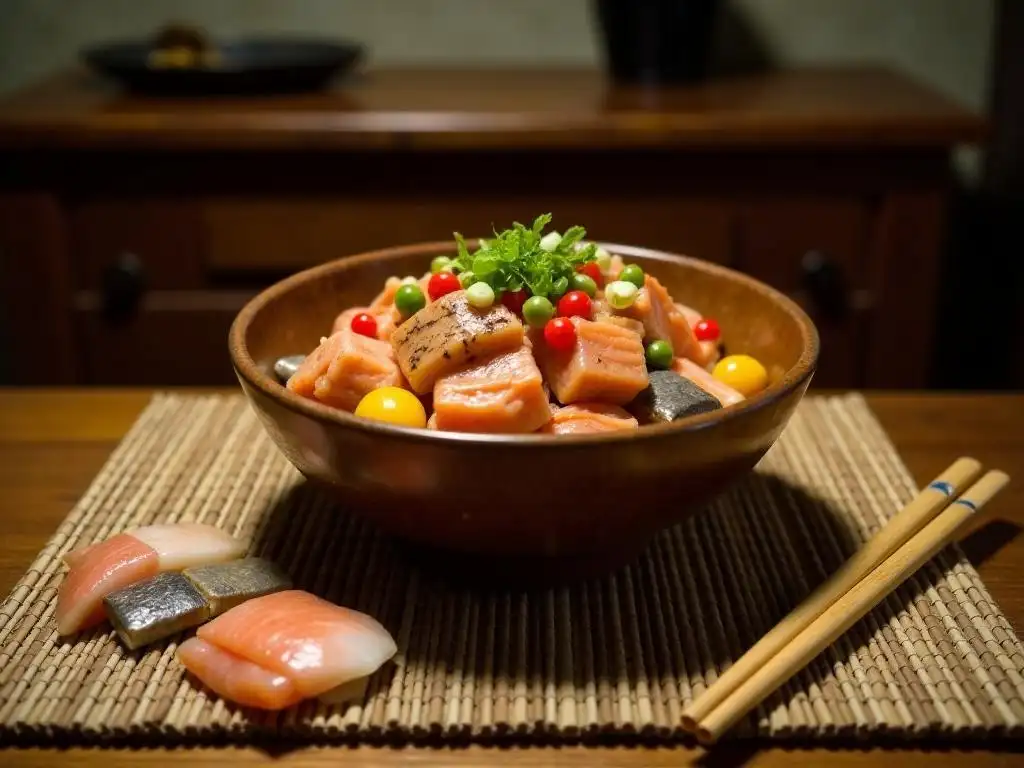
Welcome to Feudal Japan History, where we unlock the rich tapestry of Japan’s feudal era, revealing the intricate historical, cultural, and societal threads that shaped a nation. Are you ready to embark on a culinary journey? In our featured article, “A Culinary Guide to Feudal Japan: 8 Dishes You Can Cook and Enjoy Today,” we delve into the exquisite world of Feudal Japan traditional recipes.
Discover how these age-old dishes not only tantalize the taste buds but also serve as a window into the lives and traditions of those who came before us. Prepare to ignite your curiosity and awaken your inner chef as you explore the flavors of history!
Japan’s feudal era, spanning from the late 12th century to the early 19th century, was a time of significant social, political, and cultural transformations. This period not only shaped the nation’s hierarchical structure and samurai code but also influenced its culinary traditions. In this guide, we embark on a comprehensive exploration of Feudal Japan traditional recipes, highlighting eight distinctive dishes that you can recreate and savor today.
These recipes not only reflect the flavors and ingredients of the time but also the cultural practices and social norms that defined feudal Japanese life. By delving into these traditional recipes, you will gain insight into the culinary heritage of Japan, allowing you to appreciate the historical context that surrounds each dish. 🍜✨
Introduction to Feudal Japan Traditional Recipes
The cuisine of feudal Japan was deeply rooted in the agricultural practices and seasonal availability of ingredients. Meals were often simple yet rich in flavor, emphasizing balance and harmony. Staple ingredients included rice, fish, seasonal vegetables, and fermented products, which not only provided sustenance but also showcased the artistry of Japanese cooking. Moreover, the influence of Buddhism and Shintoism played a pivotal role in shaping dietary restrictions and meal preparations, leading to a cuisine that valued purity and mindfulness.
During this period, meals were typically communal, with multiple dishes served at once, fostering a sense of togetherness. The presentation was equally important, as aesthetics played a crucial role in the dining experience. From the exquisite lacquerware to the careful arrangement of food, every element was thoughtfully considered. As we explore these Feudal Japan traditional recipes, you'll find that they not only offer a taste of the past but also a chance to connect with the cultural essence of Japan.
Essential Ingredients in Feudal Japan Cuisine
Understanding the essential ingredients of feudal Japan cuisine is key to recreating authentic dishes. Here are some foundational components that were commonly used:
- Rice (Gohan): The staple food of Japan, rice was a symbol of prosperity and was central to most meals.
- Fish and Seafood: Fresh catches from the surrounding seas were integral, with fish often prepared grilled, dried, or fermented.
- Vegetables: Seasonal vegetables such as daikon, eggplant, and bamboo shoots were prevalent, often pickled or served as side dishes.
- Soy Sauce and Miso: Fermented products like soy sauce and miso added depth of flavor to dishes and were essential in soups and marinades.
- Tofu: A versatile protein source made from soybeans, tofu was commonly used in various preparations.
- Seaweed: Varieties like nori and kombu were used for flavoring and enhancing the nutritional value of meals.
By familiarizing yourself with these ingredients, you can successfully recreate the recipes that defined feudal Japan's culinary landscape, bringing a slice of history to your kitchen. 🍚🥢
Dish 1: Miso Soup (味噌汁)
Miso soup, a staple in Japanese cuisine, has its roots deeply embedded in the history of Feudal Japan. Its nutritional value and simplicity made it an ideal dish for the samurai and commoners alike, providing sustenance and warmth during the cold seasons.
Historical Significance of Miso Soup in Feudal Japan
Miso soup is not just a dish; it's a representation of the Japanese way of life. During the feudal era, miso was considered a vital source of protein and nutrients, especially in a society where meat consumption was limited. The use of miso sauce can be traced back to the 7th century, when it was introduced from China. By the time of the Kamakura period (1185-1333), miso had become widely used throughout Japan.
The samurai class often consumed miso soup as part of their daily meals, appreciating its fortifying properties. It was also a common dish for farmers, who valued its affordability and ease of preparation. The inclusion of seasonal vegetables and tofu made it a versatile and nutritious option. Miso soup exemplifies the balance of flavors and ingredients that characterize traditional Japanese cuisine, echoing the principles of harmony and simplicity prevalent in feudal society.
Cooking Instructions for Traditional Miso Soup
To prepare a traditional miso soup, gather the following ingredients:
- Ingredients:
- 4 cups dashi (Japanese soup stock)
- 3 tablespoons miso paste (red or white)
- 1/2 cup silken tofu, cut into cubes
- 1/4 cup sliced green onions
- Optional: seaweed (wakame), mushrooms, or seasonal vegetables
Instructions:
- Prepare Dashi: If using instant dashi, dissolve it in hot water according to package instructions. For homemade dashi, simmer kombu (kelp) and bonito flakes in water, then strain.
- Heat the Dashi: In a pot, gently heat the dashi stock over medium heat until it reaches a simmer.
- Dissolve Miso: In a small bowl, take a ladleful of the hot dashi and mix in the miso paste until smooth. This prevents clumps in the soup.
- Combine Ingredients: Add the dissolved miso back to the pot and stir gently. Avoid boiling the soup after adding miso, as high heat can destroy its flavor and beneficial properties.
- Add Tofu and Optional Ingredients: Gently add the tofu cubes and any optional ingredients like wakame or vegetables, allowing them to warm through for a couple of minutes.
- Serve: Ladle the soup into bowls, garnishing with sliced green onions. Enjoy your miso soup hot!
Dish 2: Soba Noodles (蕎麦)
Soba noodles are a quintessential part of Japanese cuisine, celebrated for their earthy flavor and health benefits. Made from buckwheat flour, these noodles were a common staple in Feudal Japan, often enjoyed as both a simple meal and a luxurious dish during special occasions.
The Role of Soba Noodles in Feudal Japanese Diet
Soba noodles played a significant role in the feudal diet, particularly in rural areas where rice was less accessible. Soba was valued for its nutritional content, providing essential proteins and vitamins. During the Edo period (1603-1868), soba shops began to appear in urban areas, making the noodles more accessible to the wider population.
The preparation and consumption of soba noodles were often associated with festivals and celebrations. For example, eating soba on New Year’s Eve became a tradition believed to bring longevity and prosperity. The versatility of soba allowed for various preparations, from hot noodle soups to cold dipping dishes, catering to the diverse palate of feudal Japan.
Step-by-Step Recipe for Homemade Soba Noodles
To make homemade soba noodles, you will need:
- Ingredients:
- 2 cups buckwheat flour
- 1/2 cup all-purpose flour (optional for texture)
- 3/4 cup water
- Cornstarch (for dusting)
Instructions:
- Mix the Flours: In a large bowl, combine buckwheat flour and all-purpose flour (if using). Mix well to ensure an even distribution.
- Add Water: Gradually add water to the flour mixture, using your hands to bring it together into a dough. The dough should be slightly sticky but manageable.
- Knead the Dough: Knead the dough for about 5-10 minutes until smooth. Wrap it in plastic wrap and let it rest for at least 30 minutes.
- Roll Out the Dough: On a floured surface, roll out the dough to a thickness of about 1/8 inch. Use a sharp knife to cut the rolled dough into thin strips, approximately 1/4 inch wide.
- Dust and Separate: Dust the cut noodles with cornstarch to prevent them from sticking together.
- Cook the Noodles: Bring a large pot of salted water to a boil. Add the soba noodles and cook for about 4-5 minutes, or until they float to the top and are tender. Drain and rinse under cold water to stop the cooking process.
- Serve: Enjoy your soba noodles in a hot broth or cold with a dipping sauce (tsuyu). Garnish with sliced green onions, nori, or sesame seeds for added flavor.
These dishes not only reflect the culinary traditions of Feudal Japan but also provide a delicious and authentic way to connect with history through food. Enjoy your culinary journey!
Dish 3: Pickled Vegetables (漬物)
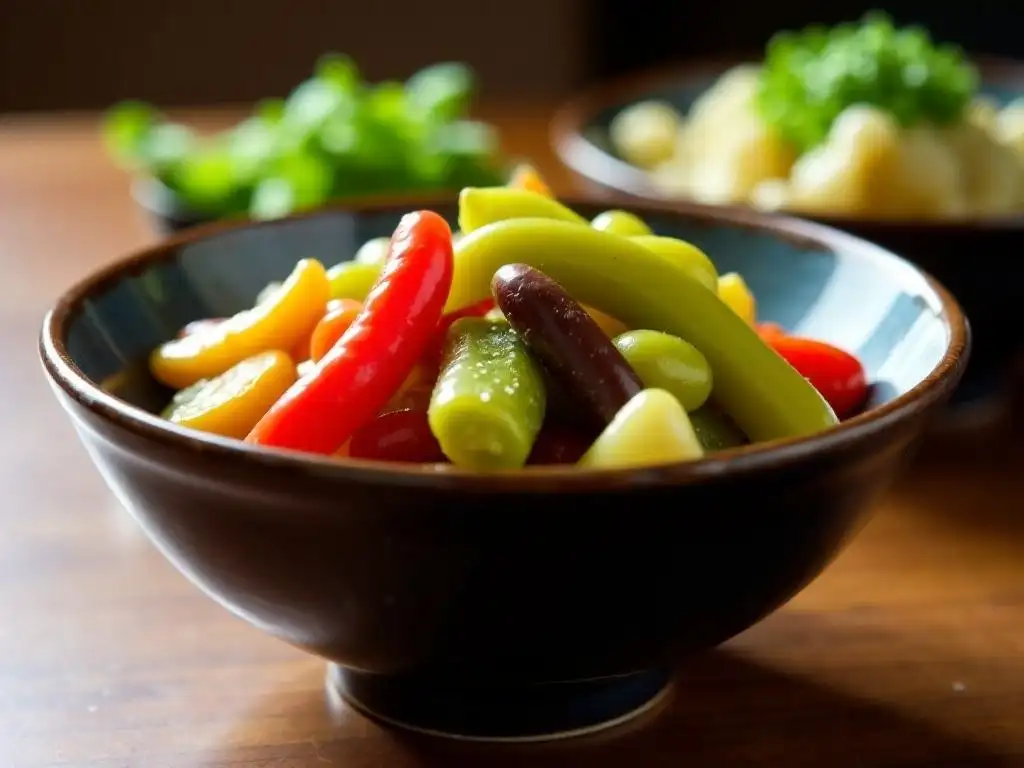
Pickled vegetables, or tsukemono, hold a cherished place in the culinary landscape of Feudal Japan. These colorful, tangy accompaniments were not only a way to preserve seasonal produce but also added vibrancy and flavor to meals. In a time when refrigeration was nonexistent, pickling served as a practical method of extending the shelf life of vegetables, ensuring that families could enjoy the bounty of each harvest throughout the year.
The variety of ingredients used for tsukemono is vast, ranging from cucumbers and daikon radishes to eggplants and carrots. Each region in Japan has its own unique pickling techniques and flavors, influenced by local produce and traditions. The process of creating these pickles reflects the Japanese philosophy of utilizing every element of nature, emphasizing sustainability and respect for the environment.
The Art of Tsukemono in Feudal Japan
The preparation of tsukemono in Feudal Japan was considered an art form, deeply rooted in cultural practices and seasonal changes. It was common for households to have their own recipes passed down through generations, with different families adding their personal touch to the process. The art of pickling aligned with Shinto beliefs, where the preservation of food was seen as a way to honor the spirits of nature.
In addition to their practical uses, tsukemono also played a significant role in the presentation of meals. The vibrant colors of the pickled vegetables were used to create visually appealing platters, reflecting the seasonal aesthetics that were highly valued in Japanese culture. Serving tsukemono during meals was a way to showcase hospitality and attention to detail.
How to Prepare Traditional Pickled Vegetables
Here’s a simple recipe to create your own traditional pickled vegetables:
- Ingredients:
- 1 medium daikon radish, sliced
- 1 cucumber, sliced
- 1 carrot, julienned
- 1 tablespoon salt
- 1/2 cup rice vinegar
- 1/2 cup water
- 2 tablespoons sugar
- Optional: chili flakes or konbu for added flavor
- Instructions:
- In a bowl, combine the sliced vegetables with salt. Let them sit for about 30 minutes to draw out moisture.
- In a separate pot, combine rice vinegar, water, and sugar. Heat gently until the sugar dissolves, then remove from heat.
- Rinse the salted vegetables and pack them tightly into a clean jar.
- Pour the vinegar mixture over the vegetables, ensuring they are fully submerged.
- Seal the jar and refrigerate for at least 24 hours before serving. The flavors will deepen over time, so enjoy them for up to a week!
Dish 4: Grilled Fish (焼き魚)
Grilled fish, or yakizakana, is a quintessential dish in Japanese cuisine that finds its roots in Feudal Japan. This cooking method not only highlights the fresh flavors of fish but also reflects the importance of seafood in the Japanese diet. During the feudal era, grilled fish was a common part of meals, offering a nutritious and straightforward way to prepare the catch of the day.
Fish such as mackerel, sardines, and trout were frequently used, and the grilling technique was often complemented by the use of simple seasonings like salt or soy sauce. Grilled fish was not only a staple for the common people but also appreciated by the samurai class, symbolizing a connection to nature and the changing seasons.
Importance of Grilled Fish in Feudal Japan Cuisine
Grilled fish was an essential component of the daily diet in Feudal Japan, providing essential proteins and nutrients. It was often accompanied by rice and pickled vegetables, creating a balanced and harmonious meal. The method of grilling fish also allowed for a variety of flavors and textures, showcasing the skills of the cook.
In addition to its nutritional value, grilled fish was deeply tied to cultural practices. Seasonal fish were celebrated during festivals, and their preparation was often accompanied by rituals and traditions. The act of grilling fish was not merely about sustenance; it was a communal experience that brought families and communities together around a shared meal.
Cooking Techniques for Perfectly Grilled Fish
To achieve the perfect grilled fish, consider these traditional techniques:
- Preparation:
- Use fresh fish, preferably scaled and gutted, to ensure the best flavor.
- Marinate the fish with a sprinkle of salt or a light soy sauce glaze for added depth.
- Grilling Methods:
- Charcoal Grill: The traditional method, providing high heat and a smoky flavor. Ensure the grill is properly preheated before placing the fish on it.
- Skewering: For smaller fish, skewering can help keep them intact while grilling.
- Fish Grill: If available, using a dedicated fish grill can help achieve an even cook while retaining moisture.
- Cooking Time:
- Grill the fish for about 3-5 minutes on each side, depending on the thickness. Look for a crispy skin and flaky flesh as indicators of doneness.
By mastering these techniques, you can recreate the essence of Feudal Japan's culinary traditions in your own kitchen, enjoying the flavors that have stood the test of time.
Dish 5: Rice (ご飯)
Rice, or ご飯 (gohan), serves not only as a staple food in Japan but also as a fundamental symbol of sustenance and culture. During the feudal era, rice was a measure of wealth and prosperity. Land productivity was often calculated based on the amount of rice it could yield, making it a central component of the economy and society. The importance of rice is echoed in various traditional ceremonies and customs, where it is often offered to deities and used in significant cultural festivals.
The Staple Role of Rice in Japanese Culture
In feudal Japan, rice was more than just a food source; it was woven into the very fabric of daily life. The word for cooked rice, ご飯 (gohan), also means meal, highlighting its centrality. Rice was a symbol of fertility, and its cultivation was deeply connected to the Shinto beliefs surrounding natural spirits. Each harvest was a time for celebration, marked by rituals to thank the kami (gods) for the bounty.
Rice was often paired with other dishes, accentuating its versatility. During the feudal period, it served as a base for various meals, and its preparation and consumption were often surrounded by specific etiquette. The quality of rice also reflected social status; the samurai class indulged in the finest grains, while the lower classes consumed coarser varieties.
How to Cook Perfect Japanese Rice Every Time
To prepare authentic Japanese rice, follow these steps to achieve that perfect fluffy texture:
- Choose the Right Rice: Opt for short-grain Japanese rice, such as Koshihikari or Sasanishiki, known for its sticky texture when cooked.
- Rinse the Rice: Measure your rice (typically one cup serves two people). Rinse it under cold water in a bowl until the water runs clear, removing excess starch for a better texture.
- Soak the Rice: Allow the rinsed rice to soak in water for about 30 minutes. This helps in even cooking.
- Cook the Rice: Use a rice cooker or a pot. For a rice cooker, follow the manufacturer's instructions. If using a pot, use a water-to-rice ratio of about 1.2:1 (1 cup of rice to 1.2 cups of water). Bring to a boil, then cover and reduce heat to low. Cook for 15-20 minutes.
- Let It Rest: Once cooked, let the rice sit covered for about 10 minutes to allow the moisture to redistribute.
- Fluff the Rice: Use a rice paddle to gently fluff the rice before serving.
Enjoy your rice as a base for various dishes or as a simple side, appreciating its rich cultural heritage.
Dish 6: Sukiyaki (すき焼き)
Sukiyaki is a beloved Japanese hot pot dish that beautifully combines thinly sliced beef, vegetables, and a sweet-savory sauce. Its roots can be traced back to the Edo period, where it evolved into a meal that not only satisfies hunger but also brings people together in a communal dining experience. Traditionally prepared and enjoyed during winter, sukiyaki symbolizes warmth and family ties.
The Evolution of Sukiyaki Through the Feudal Era
Sukiyaki's origins date back to the 17th century, evolving from earlier beef dishes known as "gyu-nabe." Initially, it was a meal primarily consumed by the samurai class due to the high cost of beef. As the economy and social structures changed during the Edo period, sukiyaki began to permeate the diets of commoners, becoming a popular dish across various classes.
During the Meiji Restoration in the late 19th century, Western influences began to shape Japanese cuisine, leading to the incorporation of new ingredients and techniques in sukiyaki. The dish transitioned from a simple hot pot to a more elaborate meal, often featuring various vegetables and tofu. Today, it is known for its comforting flavors and is often enjoyed at family gatherings, representing the fusion of historical culinary practices with contemporary dining culture.
Traditional Sukiyaki Recipe and Cooking Tips
Here’s a simple and traditional recipe to prepare sukiyaki at home:
Ingredients:
- 300g thinly sliced beef (preferably sirloin)
- 200g tofu, sliced into cubes
- 1 onion, sliced
- 2-3 green onions, cut into 2-inch lengths
- 1 cup shiitake mushrooms, sliced
- 1 cup napa cabbage, chopped
- 1 cup shungiku (edible chrysanthemum) or any greens
- 4 tablespoons soy sauce
- 4 tablespoons mirin
- 2 tablespoons sugar
- 1 cup dashi stock or water
Instructions:
- Prepare the Sauce: In a bowl, mix soy sauce, mirin, and sugar until dissolved. This will be your sukiyaki sauce.
- Heat the Pot: In a large skillet or shallow pot, heat a little oil over medium heat. Add the sliced beef and sear until browned.
- Add Vegetables: Once the beef is browned, add the onion, followed by the mushrooms, tofu, and napa cabbage. Stir gently.
- Pour the Sauce: Pour the prepared sauce over the ingredients and add the dashi stock or water. Bring to a simmer.
- Cook Together: Allow the mixture to simmer for about 10-15 minutes, ensuring all ingredients are cooked through and flavors meld.
- Serve: Traditionally, sukiyaki is served with raw eggs for dipping, enhancing the flavors and adding richness to each bite.
Enjoy your sukiyaki as a warm, communal dish, perfect for sharing and celebrating the rich culinary traditions of Japan.
Dish 7: Tempura (天ぷら)

Tempura is a beloved dish that has transcended time and cultural boundaries, originating in Japan during the 16th century. This delightful preparation of battered and deep-fried vegetables and seafood has roots that intertwine with Portuguese influences. Initially introduced by Portuguese missionaries and traders, tempura became a staple in Japanese cuisine, particularly during the Edo period (1603-1868). Today, it is celebrated not only for its crunchiness and flavor but also for the artistry involved in its preparation.
The Origins of Tempura in Feudal Japan
The term "tempura" derives from the Latin word "tempora," referring to the period of Lent, when Catholics would abstain from eating meat. The Portuguese influence led to the introduction of deep-frying techniques and batter-based cooking into Japanese culinary practices. As tempura evolved, it adapted to local ingredients and tastes, becoming a staple in samurai feasts and later in the general populace's diet.
During the Edo period, tempura was often sold by street vendors and quickly gained popularity among all classes. Its appeal lies not only in its deliciousness but also in its visual presentation, showcasing the vibrant colors of seasonal ingredients. This dish reflects the essence of Japanese aesthetics, emphasizing simplicity and natural beauty.
Step-by-Step Guide to Making Traditional Tempura
To prepare traditional tempura, follow these steps:
- Ingredients Needed:
- Fresh seasonal vegetables (e.g., sweet potatoes, bell peppers, zucchini)
- Seafood (e.g., shrimp, white fish)
- 1 cup of all-purpose flour
- 1 cup of cold water (or sparkling water for extra crispiness)
- A pinch of salt
- Vegetable oil for deep-frying
- Preparation:
- Vegetables: Cut the vegetables into bite-sized pieces. If using shrimp, peel and devein them, leaving the tails on for presentation.
- Batter: In a mixing bowl, combine the flour and salt. Gradually add the cold water, stirring gently until just combined. Avoid overmixing to keep the batter light and airy.
- Heat Oil: In a deep pot or fryer, heat the vegetable oil to approximately 350°F (175°C).
- Frying:
- Dip each piece of vegetable or seafood into the batter, allowing any excess to drip off.
- Carefully place them into the hot oil, frying in batches to avoid overcrowding. Cook until golden brown and crispy, usually 2-3 minutes.
- Use a slotted spoon to remove the tempura and drain on paper towels to absorb excess oil.
- Serving:
- Serve the tempura hot, accompanied by a dipping sauce made of soy sauce, mirin, and grated daikon radish.
This preparation of tempura not only embodies the flavors of Feudal Japan but also allows you to experience a piece of its history through cooking.
Dish 8: Matcha (抹茶)
Matcha, a finely ground powder made from specially grown green tea leaves, has a profound connection to Japanese culture and history. While it became prominent during the Muromachi period (1336-1573), its roots can be traced back to the Tang Dynasty in China. By the time of the feudal era, matcha was not just a beverage but an integral part of Japanese tea ceremonies, symbolizing hospitality and mindfulness.
The Cultural Significance of Matcha in Feudal Japan
In Feudal Japan, matcha held a place of honor during tea ceremonies, or "chanoyu." These ceremonies were often elaborate rituals that emphasized aesthetics, spirituality, and social interaction. Matcha was favored for its vibrant color and rich flavor, representing purity and tranquility.
The preparation and consumption of matcha were also linked to the samurai class, who valued the drink for its energizing properties and role in promoting focus and clarity. Matcha became associated with Zen Buddhism, further intertwining it with the cultural fabric of Japan. Through its preparation and presentation, matcha reflects the principles of harmony, respect, purity, and tranquility, which are at the heart of Japanese aesthetics.
How to Prepare Traditional Matcha Tea
To prepare traditional matcha tea, follow these steps:
- Ingredients Needed:
- 1-2 teaspoons of matcha powder
- 2 ounces of hot water (not boiling, about 175°F or 80°C)
- Optional: Sweetener (e.g., honey or sugar)
- Equipment Needed:
- Matcha bowl (chawan)
- Bamboo whisk (chasen)
- Sifter (optional)
- Preparation:
- Sift the Matcha: To avoid clumps, sift the matcha powder into the matcha bowl.
- Add Water: Pour the hot water over the matcha powder.
- Whisk: Using the bamboo whisk, whisk the matcha in a zigzag motion until it becomes frothy and well combined. Aim for a light, airy texture.
- Serving:
- Once prepared, serve the matcha immediately in the bowl. If desired, you can sweeten it to taste.
Enjoying matcha is a way to connect with Japanese culture and history, making it a perfect addition to your culinary journey through Feudal Japan.
Conclusion: Enjoying Feudal Japan Traditional Recipes Today
Exploring the culinary traditions of Feudal Japan offers a unique glimpse into the past, allowing us to appreciate not only the flavors but also the cultural significance of these dishes. Preparing and enjoying Feudal Japan traditional recipes can be a delightful experience that connects us with history. By understanding the ingredients and techniques used in these recipes, we not only savor the taste but also engage with the stories and customs that shaped Japanese society during the feudal era.
As you recreate these dishes in your own kitchen, consider the seasonal ingredients and local variations that may enhance your culinary journey. The essence of feudal cuisine lies in its simplicity, balance, and respect for nature. Whether it's the umami-rich flavors of miso soup or the delicate presentation of sashimi, each dish reflects a philosophy that values harmony and mindfulness.
By sharing these recipes with family and friends, you can foster a deeper appreciation for Japan's rich culinary heritage. Embrace the opportunity to learn, explore, and celebrate the traditions of Feudal Japan, making each meal a historical experience that transcends time.
Additional Resources for Exploring Japanese Cuisine
To further your culinary adventure into Japanese cuisine, consider the following resources:
- Cookbooks: Look for books specifically focusing on traditional Japanese dishes, such as "Japanese Cooking: A Simple Art" by Shizuo Tsuji, which offers authentic recipes and techniques.
- Online Cooking Classes: Platforms like Udemy or Skillshare feature courses on Japanese cooking, where you can learn from experienced chefs about the intricacies of preparing traditional meals.
- YouTube Channels: Channels dedicated to Japanese cooking, such as "Just One Cookbook" and "Nami's Kitchen," provide visual guides and step-by-step tutorials for making various dishes from the feudal period.
- Culinary Blogs: Many food bloggers explore traditional Japanese recipes, sharing personal stories and insights that enrich the cooking experience. Blogs like "The Japanese Kitchen" provide curated recipes alongside cultural context.
- Local Japanese Markets: Visiting a Japanese grocery store can help you discover authentic ingredients essential for preparing traditional dishes, allowing you to recreate the flavors of Feudal Japan with precision.
By utilizing these resources, you can deepen your understanding and appreciation of Japanese cuisine, making your culinary journey both enjoyable and educational. Happy cooking! 🍣
- Introduction to Feudal Japan Traditional Recipes
- Essential Ingredients in Feudal Japan Cuisine
- Dish 1: Miso Soup (味噌汁)
- Dish 2: Soba Noodles (蕎麦)
- Dish 3: Pickled Vegetables (漬物)
- Dish 4: Grilled Fish (焼き魚)
- Dish 5: Rice (ご飯)
- Dish 6: Sukiyaki (すき焼き)
- Dish 7: Tempura (天ぷら)
- Dish 8: Matcha (抹茶)
- Conclusion: Enjoying Feudal Japan Traditional Recipes Today
- Additional Resources for Exploring Japanese Cuisine
Frequently Asked Questions
What are some traditional recipes from Feudal Japan?
Feudal Japan featured simple yet flavorful dishes such as soba noodles, tempura, and sushi, reflecting the era's agricultural practices and available ingredients.
How did the feudal system influence Japanese cuisine?
The feudal system shaped culinary practices by promoting local ingredients and seasonal cooking, leading to a diverse array of regional dishes across Japan.
What ingredients were commonly used in Feudal Japan cooking?
Key ingredients included rice, fish, seaweed, and a variety of vegetables, which were often prepared using techniques like fermentation and pickling.
Are there any modern adaptations of Feudal Japan recipes?
Yes, many traditional recipes from Feudal Japan have been adapted to fit modern tastes, allowing people to enjoy authentic flavors while using contemporary cooking methods.
Where can I learn more about Feudal Japan traditional recipes?
You can explore expert-driven articles on platforms dedicated to Japanese history and cuisine, including detailed guides on preparing traditional dishes from the feudal era.
Final Reflection: Embracing the Culinary Heritage of Feudal Japan
The exploration of Feudal Japan's traditional recipes is not just a journey into the past; it is a vibrant reminder of how food connects us to our cultural roots and shared histories. In today's fast-paced world, where culinary trends often overshadow traditional practices, revisiting these age-old dishes allows us to appreciate the artistry and significance behind each ingredient and technique. The flavors of Feudal Japan serve as a bridge, linking us to a time when meals were crafted with care, intention, and a deep respect for nature.
Cooking these traditional recipes is more than just a culinary exercise; it is an act of cultural preservation and personal connection. Each dish tells a story, reflecting the values and lifestyles of those who came before us. As we savor these flavors, we honor their legacy and keep their traditions alive. Food is our common ground, a universal experience.
— James Beard. This sentiment resonates deeply as we recognize that the act of preparing and sharing meals transcends time and geography, fostering a sense of community and belonging.
As you embark on your culinary journey through the flavors of Feudal Japan, I invite you to reflect on the significance of these dishes in your own life. Consider how the recipes you choose to cook can serve as a canvas for your creativity and a means to connect with your heritage. Let each meal be an opportunity to celebrate the past while nourishing your present, inspiring you to explore and share the rich tapestry of culinary traditions that shape our world today. Embrace the lessons of history, and let them guide you in your kitchen and beyond.
Savor the Flavors of Feudal Japan!
Thank you for taking the time to explore the rich culinary history of Feudal Japan! We hope you found inspiration in the diverse dishes that shaped this fascinating era. Now, it's your turn to bring a taste of history into your kitchen!
Here are a few simple yet impactful steps you can take right away:
- Try cooking one of the traditional dishes using the recipes provided and share your culinary creation with friends and family.
- Start a cooking challenge with your loved ones to see who can put their unique twist on a classic recipe.
- Share your experience on social media! Tag us @FeudalJapanHistory and use #FeudalFlavors to connect with fellow history and food enthusiasts.
What dish are you most excited to try, and how will you make it your own? We would love to hear your thoughts in the comments below!