
A Taste of History: Simple Feudal Era Dishes to Enrich Your Dinner Table

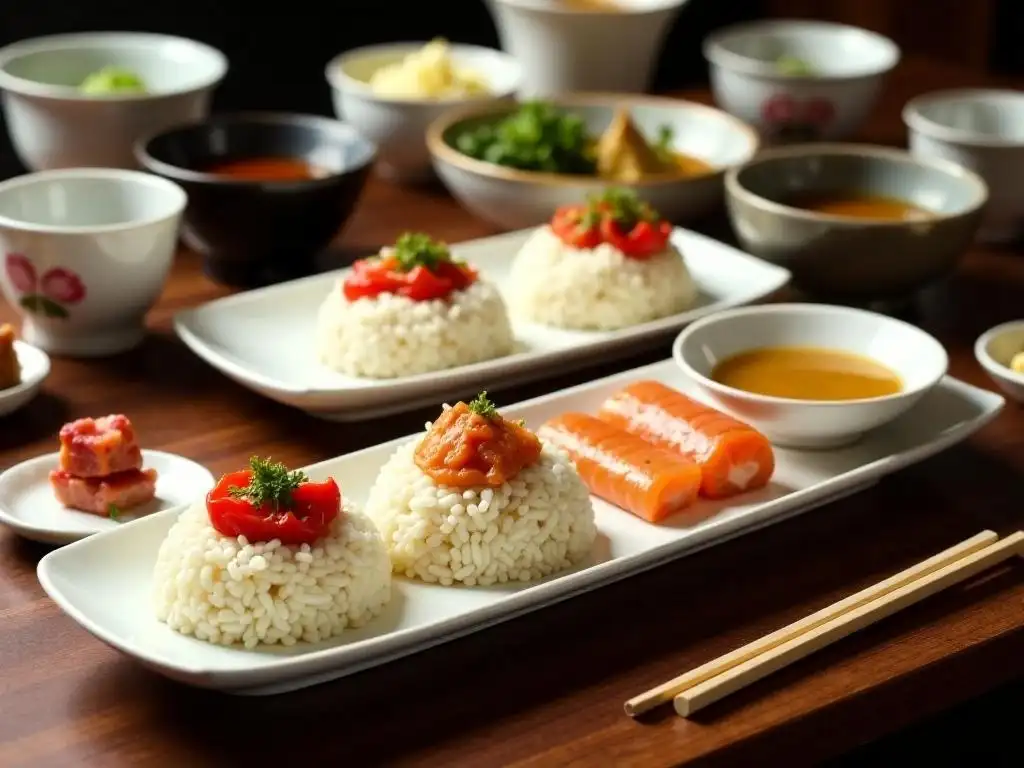
Welcome to Feudal Japan History, where we invite you to embark on a fascinating journey through the rich tapestry of Japan’s feudal era. Here, we delve deep into the historical, cultural, and societal nuances that shaped this remarkable period. In our spotlight article, "A Taste of History: Simple Feudal Era Dishes to Enrich Your Dinner Table," we unveil the secrets of traditional feudal Japan recipes that not only tantalize the taste buds but also offer a unique glimpse into the past.
Are you ready to savor the flavors of history? Join us as we explore these delectable dishes and their stories, beckoning you to uncover the culinary heritage that has stood the test of time!
Feudal Japan, a period characterized by its rich tapestry of culture, tradition, and culinary practices, invites us to explore the flavors and dishes that defined its era. As we delve into the world of traditional feudal Japan recipes, we uncover not only the ingredients and techniques used by the people of this time but also the cultural significance behind each dish.
This article aims to bring the essence of feudal cuisine to your dinner table, providing you with simple yet authentic recipes that resonate with history. Join us as we embark on a journey through the flavors of Japan’s past, discovering how these culinary traditions can enrich our modern dining experiences.
Introduction to Traditional Feudal Japan Recipes
The culinary landscape of feudal Japan was shaped by various factors, including geography, climate, and the social hierarchy of the time. During this era, meals were often simple, reflecting the agrarian lifestyle of the population and the limited availability of resources. Staple ingredients like rice, vegetables, and fish were common, while the use of seasonings such as soy sauce and miso added depth to flavors.
In feudal households, food was not just sustenance but an integral part of social and cultural rituals. Each dish often carried a story, embodying the values and beliefs of the people. As we examine traditional feudal Japan recipes, we will see how these meals served to strengthen community bonds and celebrate the changing seasons.
Key Ingredients in Feudal Japan Cooking
Understanding the key ingredients used in feudal Japan cooking is essential for recreating these authentic dishes. Here are some staples that played a significant role in the feudal diet:
- Rice: The foundation of Japanese meals, rice was considered a symbol of prosperity and was often served with every meal.
- Fish: Given Japan's extensive coastline, fish was a primary source of protein, with various methods of preparation, including grilling and pickling.
- Miso: This fermented soybean paste was a crucial flavoring agent, used in soups and marinades, providing umami richness to dishes.
- Soy Sauce: A staple condiment that enhanced the flavor of many dishes, soy sauce was also used in pickling and cooking.
- Seasonal Vegetables: Root vegetables such as daikon, sweet potatoes, and various greens contributed to the health and balance of meals.
- Tofu: A versatile ingredient made from soybeans, tofu served as a protein source and was commonly used in soups and stir-fries.
These ingredients not only highlight the resourcefulness of feudal cooks but also reflect the seasonal changes and local availability, ensuring that each meal was connected to the land and its bounty.
Popular Traditional Feudal Japan Recipes
As we explore popular traditional feudal Japan recipes, we uncover dishes that have stood the test of time and continue to be enjoyed today. Here are a few notable recipes to consider:
- Miso Soup: A comforting staple made from dashi broth and miso paste, often enriched with tofu and seasonal vegetables.
- Nasu Dengaku: Grilled eggplant glazed with sweet miso, a delightful balance of flavors that showcases seasonal produce.
- Saba Shioyaki: Salt-grilled mackerel, a simple yet flavorful dish highlighting the freshness of fish.
- Takikomi Gohan: A one-pot rice dish cooked with vegetables, mushrooms, and sometimes meat, infused with soy sauce for depth.
- Dango: Sweet rice dumplings served on skewers, often enjoyed during festivals and seasonal celebrations.
These recipes not only provide a taste of history but also offer an opportunity to connect with the culinary traditions of feudal Japan, enriching our dining experiences with flavors steeped in culture and heritage. As we continue to explore these dishes, you will find that recreating them at home is not only rewarding but also a way to honor the past while enjoying the present.
Cooking Techniques from the Feudal Era
Cooking techniques in feudal Japan were as diverse as the ingredients available and were deeply influenced by the country’s geography, climate, and cultural practices. One of the primary cooking methods was grilling, commonly used for fish and vegetables. The use of irori, a traditional Japanese hearth, allowed food to be cooked over an open flame, imparting unique flavors.
Steaming was another prevalent technique, especially for rice and dumplings. The use of bamboo steamers and pots made of clay or metal ensured even cooking, preserving the food's moisture and nutrients. Steamed dishes like chawanmushi, a savory egg custard, have roots in this era and remain popular today.
Fermentation played a crucial role in preserving food. Miso, soy sauce, and pickles were staples of the feudal diet, created through intricate fermentation processes. These techniques not only preserved food but also enhanced flavors, providing a depth that is still celebrated in modern Japanese cuisine.
Another significant method was simmering, used for preparing soups and stews such as nabe. This technique allowed for the melding of flavors and was often used in communal dining, where families gathered around the pot to share in the meal.
Finally, raw preparation of foods, like sashimi and namasu (pickled vegetables), showcased the freshness of ingredients available in feudal Japan. This emphasis on freshness and quality remains a cornerstone of Japanese culinary philosophy today.
Incorporating Feudal Era Dishes into Modern Cooking
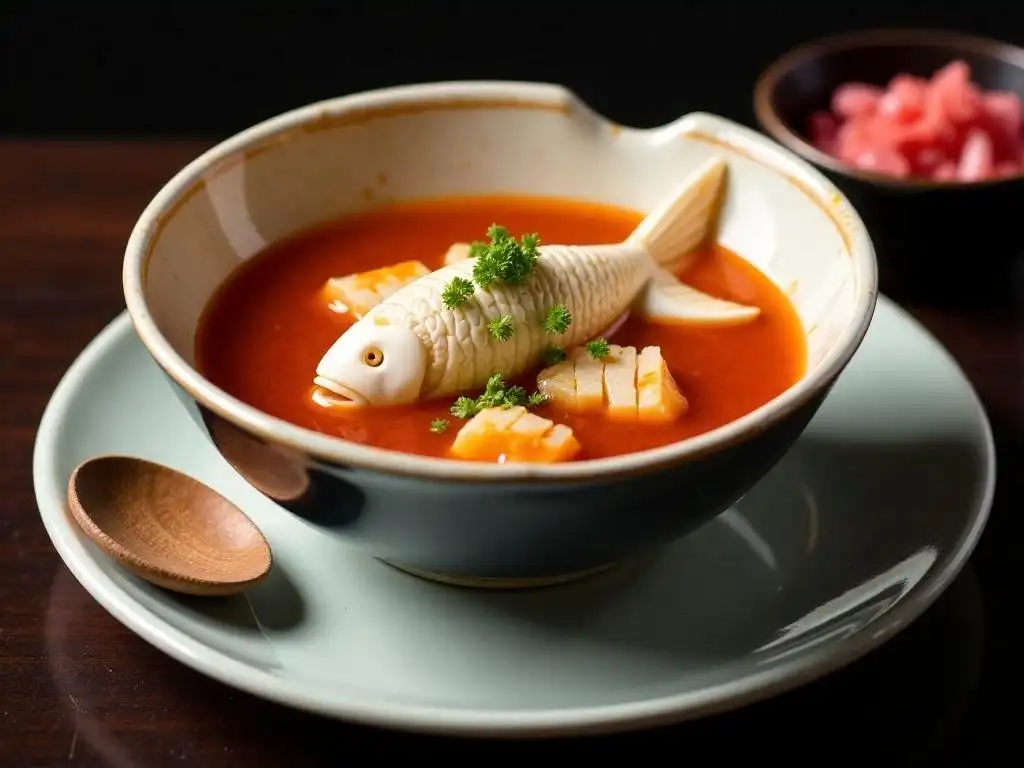
Incorporating feudal era dishes into modern cooking can be a delightful journey that not only enriches your dinner table but also deepens your understanding of Japanese heritage. Here are some practical ways to do so:
- Recreate Traditional Recipes: Start by recreating simple feudal dishes such as miso soup, which can be made with dashi (broth), miso paste, and seasonal vegetables. Another easy option is grilled fish, seasoned with just salt and served with rice.
- Use Local Ingredients: While some ingredients may not be readily available, many can be substituted with local produce. For example, if you cannot find daikon radish, try using other root vegetables that offer a similar texture.
- Adopt Cooking Techniques: Experiment with ancient cooking techniques, such as using a clay pot for simmering. This method can enhance flavors and provide an authentic touch to your meals. Likewise, try steaming vegetables in bamboo baskets to capture the essence of traditional practices.
- Create Modern Interpretations: Take inspiration from traditional recipes and adapt them to modern tastes. For instance, you could prepare a fusion dish like sushi tacos, blending the concept of sushi with contemporary flavors and ingredients.
- Engage with Cultural Context: When serving these dishes, share the stories and cultural significance behind them. This not only enhances the dining experience but also educates those around you about the rich history of feudal Japan.
Conclusion: The Legacy of Traditional Feudal Japan Recipes
The legacy of traditional feudal Japan recipes extends far beyond the kitchen; it represents a connection to the past, a reflection of cultural values, and an appreciation for the artistry of cooking. These recipes demonstrate the importance of simplicity, seasonality, and harmony with nature, principles that continue to resonate in contemporary Japanese cuisine.
By exploring and incorporating these historical dishes into our modern lives, we not only preserve the culinary traditions of the feudal era but also promote a deeper understanding of Japan's cultural heritage. As we enjoy these meals, we honor the skills and creativity of those who came before us, allowing their culinary legacy to enrich our dining experiences today.
Traditional feudal Japan recipes offer a unique opportunity to bridge the past and present, inviting us to savor the flavors of history while fostering a deeper appreciation for the artistry of Japanese cuisine. 🌸
Additional Resources for Cooking Feudal Era Dishes
To truly immerse yourself in the culinary heritage of feudal Japan, a variety of resources can enhance your cooking experience. Whether you're a novice chef or a seasoned culinary enthusiast, these tools and materials will provide valuable insights and guidance on preparing traditional feudal Japan recipes.
- Cookbooks:
- Seek out historical cookbooks that specialize in Japanese cuisine, particularly those that focus on the Edo period (1603-1868), a time when many feudal dishes were refined. Some recommended titles include:
- "Japanese Cooking: A Simple Art" by Shizuo Tsuji
- "The Book of Sushi" by Kimiko Barber and Hiroki Takemura
- Seek out historical cookbooks that specialize in Japanese cuisine, particularly those that focus on the Edo period (1603-1868), a time when many feudal dishes were refined. Some recommended titles include:
- Online Cooking Classes:
- Platforms like Udemy and Skillshare offer courses on Japanese cooking, including specific sections on traditional dishes. Look for classes that focus on historical recipes or feudal-era culinary techniques.
- Local Japanese Markets:
- Visiting a local Japanese grocery store can provide you with authentic ingredients that may be difficult to find elsewhere. Speak with the staff for advice on traditional items and substitutions.
- Culinary Blogs and YouTube Channels:
- Explore blogs and channels dedicated to Japanese cuisine. Many chefs share feudal recipes along with step-by-step guides. Notable mentions include:
- Just One Cookbook – A blog rich with recipes and cooking tips.
- YouTube channels like Cooking with Dog and Japan Eats that provide visual demonstrations of traditional dishes.
- Explore blogs and channels dedicated to Japanese cuisine. Many chefs share feudal recipes along with step-by-step guides. Notable mentions include:
- Historical Societies and Museums:
- Engage with historical societies or museums that focus on Japanese culture. They often host workshops or events dedicated to feudal Japan culinary practices.
- Community Forums:
- Join online forums or social media groups dedicated to Japanese cooking. Members can share experiences, tips, and even family recipes that have been passed down through generations.
By utilizing these resources, you can deepen your understanding of feudal Japan's culinary landscape and bring authentic flavors to your dinner table.
Call to Action
Ready to embark on your culinary journey back to feudal Japan? Don’t just read about these traditional feudal Japan recipes—bring them to life in your kitchen! Gather your ingredients, follow the recipes, and share your creations with family and friends.
Here’s how you can get started:
- Choose a Recipe: Pick one of the featured feudal dishes and gather the necessary ingredients.
- Document Your Experience: Take notes, photos, or even videos of your cooking process. This can be a fun way to reflect on your journey through history.
- Share Your Dish: Post your results on social media or with your cooking community. Use hashtags related to feudal Japan recipes to connect with others and inspire them to try cooking these dishes.
Your exploration of feudal cuisine not only enriches your dinner table but also brings a slice of history into your home. Dive into the flavors of the past and enjoy the journey! 🍱
- Introduction to Traditional Feudal Japan Recipes
- Key Ingredients in Feudal Japan Cooking
- Popular Traditional Feudal Japan Recipes
- Cooking Techniques from the Feudal Era
- Incorporating Feudal Era Dishes into Modern Cooking
- Conclusion: The Legacy of Traditional Feudal Japan Recipes
- Additional Resources for Cooking Feudal Era Dishes
- Call to Action
Frequently Asked Questions
What are traditional feudal Japan recipes?
Traditional feudal Japan recipes are dishes that reflect the historical and cultural practices of Japan's feudal era, using ingredients and cooking methods from that time.
How did the feudal system influence Japanese cuisine?
The feudal system shaped Japanese cuisine by determining the availability of ingredients, where wealthy samurai had access to a variety of foods, while peasants relied on simpler, seasonal fare.
What are some examples of simple dishes from feudal Japan?
Examples of simple dishes from this era include miso soup, grilled fish, and rice porridge, all featuring local ingredients and traditional cooking methods.
How can I incorporate feudal era dishes into my modern cooking?
You can incorporate feudal era dishes by using traditional ingredients like rice, miso, and seasonal vegetables, and adapting them into your meals while honoring historical recipes.
Where can I find more information on feudal Japan's culinary practices?
For more information on feudal Japan's culinary practices, visit dedicated history websites or cookbooks that focus on Japanese history and traditional recipes from that era.
Final Reflection: Savoring the Past to Enrich Our Present
In exploring the traditional feudal Japan recipes, we uncover not just the flavors of a bygone era, but also the cultural significance that these dishes hold today. The culinary practices of feudal Japan are a testament to the resourcefulness and creativity of a society that thrived on simplicity and harmony with nature. As we navigate our fast-paced modern lives, the lessons embedded in these recipes remind us of the importance of mindfulness and appreciation for the food we consume.
The influence of feudal culinary traditions extends far beyond mere sustenance; it shapes our cultural identity and social interactions. Incorporating these historic dishes into our meals fosters a deeper connection to our heritage and encourages us to share stories around the dinner table. As we savor each bite, we honor the generations that came before us and their relationship with food. Food is not just what we eat; it is a reflection of who we are.
This quote encapsulates the essence of how our dining experiences can serve as a bridge between the past and present, enriching our understanding of ourselves and our communities.
As you consider the recipes and stories shared in this article, I invite you to reflect on your own culinary journey. How can you incorporate the wisdom of feudal Japan into your dining experiences? Embrace the opportunity to create meals that not only nourish your body but also connect you to history and culture. Let each dish be a reminder of the rich tapestry of human experience, inspiring you to share, celebrate, and savor the flavors of life.
Savor the Past: Cook and Connect with Feudal Flavors!
Thank you for diving into the rich culinary traditions of the feudal era with us! We hope you gained inspiration to enrich your dinner table and explore history through your taste buds. Now it's your turn to bring these delectable dishes to life!
Here are a few delicious steps you can take right now:
- Start by preparing one of the featured feudal dishes tonight and savor the flavors of history in your very own kitchen.
- Share your culinary creations on social media using the hashtag #FeudalFeast and tag us at @FeudalJapanHistory to connect with fellow history enthusiasts.
- Join our online community for recipe exchanges, tips, and discussions that celebrate both culinary art and feudal history.
What dish are you most excited to recreate, and why does it resonate with you? We can’t wait to hear your thoughts!