
Savor the Flavors of Feudal Japan: 10 Authentic Recipes to Try

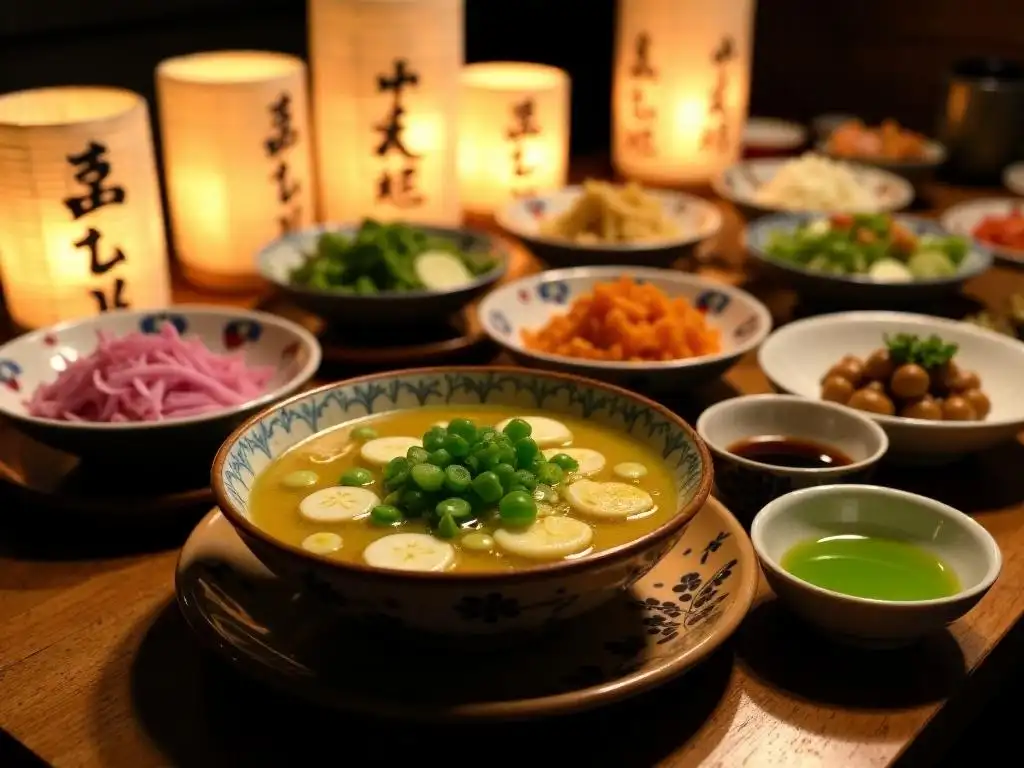
Welcome to Feudal Japan History, where we invite you on a journey through the captivating tapestry of Japan’s feudal era. Here, you'll uncover the rich historical, cultural, and societal aspects that shaped this fascinating period. Our latest exploration, “ Savor the Flavors of Feudal Japan: 10 Authentic Recipes to Try,” dives into the culinary delights of the time, presenting you with authentic feudal Japan recipes that promise to tantalize your taste buds and transport you back in time. Ready to embark on a delicious adventure? Let’s delve deeper into the flavors that defined an era!
Introduction to Authentic Feudal Japan Recipes
The culinary landscape of feudal Japan is a rich tapestry woven from the threads of tradition, culture, and regional ingredients. During this era, food was not merely sustenance; it was a reflection of social status, seasonal changes, and even spirituality. From the elegant simplicity of the samurai's meals to the vibrant flavors found in the bustling markets of Edo, the recipes that emerged during this time have profoundly influenced modern Japanese cuisine.
In this article, we invite you to embark on a gastronomic journey through history, exploring 10 authentic feudal Japan recipes that you can recreate in your kitchen today. Each recipe is steeped in historical significance, showcasing the cooking methods and ingredients that were commonly used during the feudal period. Whether you are a seasoned chef or a curious beginner, these dishes will not only tantalize your taste buds but also deepen your understanding of Japan’s feudal past.
1. Unagi no Kabayaki: Grilled Eel in Soy Sauce
Unagi no Kabayaki is a classic dish that highlights the delicate flavors of freshwater eel, grilled to perfection and glazed with a sweet soy sauce. This dish has its roots in the Edo period, where it was often served at festivals and special occasions. The preparation involves:
- Ingredients:
- Freshwater eel (unagi)
- Soy sauce
- Mirin
- Sake
- Sugar
- Preparation Steps:
- Clean and fillet the eel.
- Marinate the eel in a mixture of soy sauce, mirin, sake, and sugar.
- Grill the eel until it is caramelized and tender.
- Serve over a bed of steamed rice with a drizzle of the marinade.
This dish is not just a meal; it's an experience that transports you back to the streets of Edo, where the aroma of grilled eel would fill the air.
2. Soba Noodles: Buckwheat Delicacies from the Edo Period
Soba noodles, made from buckwheat flour, are another staple that emerged during the feudal era. These noodles are celebrated for their nutty flavor and health benefits. In the Edo period, soba was often consumed as a quick and nutritious meal by the working class.
- Ingredients:
- Buckwheat flour
- Water
- Soy sauce
- Scallions
- Nori (seaweed)
- Preparation Steps:
- Combine buckwheat flour and water to form a dough.
- Roll out the dough and cut it into thin strands.
- Boil the noodles until tender, then rinse under cold water.
- Serve with dipping sauce made from soy sauce, and garnish with scallions and nori.
Soba is not only versatile but also represents the ingenuity of Japanese cuisine, making it a perfect dish to try as you delve into the flavors of feudal Japan.
Stay tuned as we uncover more authentic recipes that capture the essence of this fascinating era!
3. Chawanmushi: Savory Egg Custard
Chawanmushi, a delicately prepared savory egg custard, is a traditional Japanese dish that dates back to the feudal era. This dish showcases the elegant simplicity and refined techniques characteristic of Japanese cuisine. Its name literally translates to "tea cup steam," as it is typically steamed in small cups or bowls.
The base of chawanmushi consists primarily of eggs, combined with dashi (a flavorful broth made from kelp and bonito flakes), soy sauce, and mirin. The result is a silky and smooth custard that can be enhanced with various ingredients, such as chicken, shrimp, shiitake mushrooms, and ginkgo nuts. The dish not only highlights the umami flavors of the ingredients but also reflects the seasonal availability of produce during the feudal period.
To prepare chawanmushi, follow these steps:
- Ingredients: Gather eggs, dashi, soy sauce, mirin, and your choice of add-ins (such as sliced mushrooms or cooked seafood).
- Mixing: Whisk together the eggs and dashi mixture until well combined, then season with soy sauce and mirin.
- Straining: Strain the mixture to ensure a smooth texture.
- Adding Fillings: Place your chosen fillings into small cups, then pour the egg mixture over them.
- Steaming: Steam the cups gently until the custard is set but still tender, usually around 15-20 minutes.
Chawanmushi is often served warm and can be enjoyed as an appetizer or a light meal, making it a versatile dish that captures the essence of feudal Japanese dining.
4. Miso Soup: A Staple of Japanese Diets
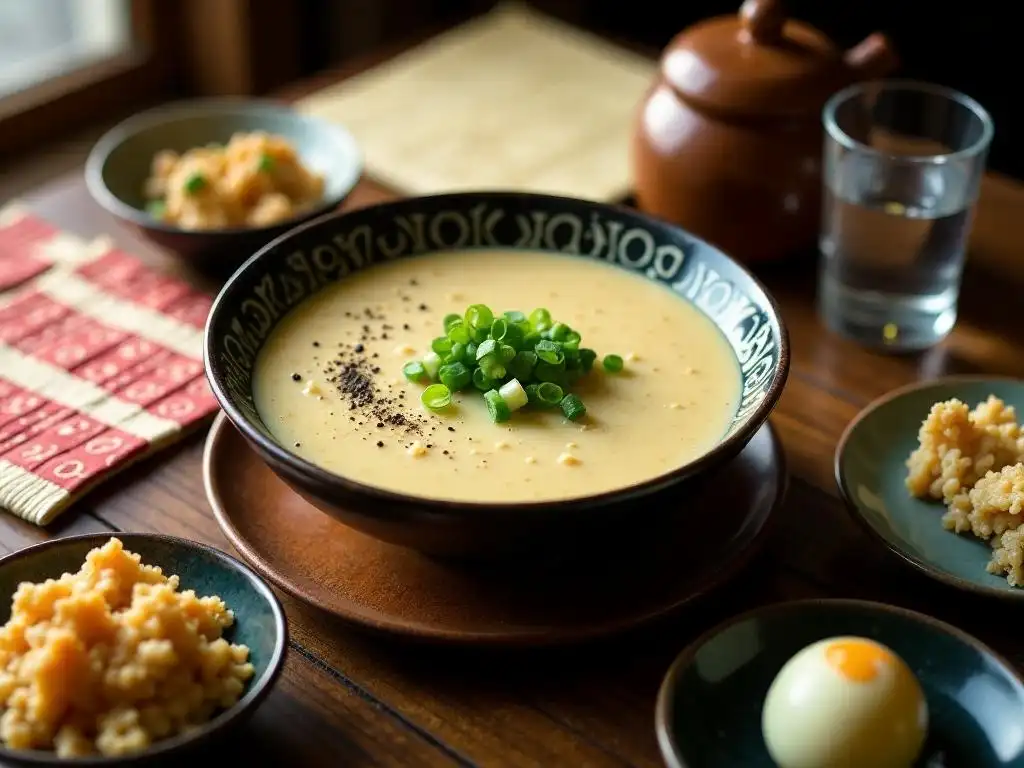
Miso soup is a quintessential part of Japanese cuisine and a staple during the feudal era. This simple yet flavorful soup exemplifies the use of miso paste, which is made from fermented soybeans, and is rich in probiotics, making it beneficial for digestion. Historically, miso soup was a daily dish for many households, embodying the principles of using seasonal and locally sourced ingredients.
The basic components of miso soup include:
- Miso Paste: The core flavoring agent, available in various types, such as white, red, and mixed miso.
- Dashi: A broth made from kombu (seaweed) and bonito flakes, which serves as the soup's base.
- Tofu: Soft or firm tofu adds protein and texture.
- Vegetables: Seasonal vegetables like green onions, daikon radish, and seaweed can be added for flavor and nutrition.
To make authentic miso soup, follow these steps:
- Prepare Dashi: Simmer kombu and bonito flakes in water to create a rich broth, then strain.
- Dissolve Miso: In a separate bowl, mix miso paste with a small amount of dashi until smooth, then add it back to the pot.
- Add Ingredients: Incorporate cubed tofu and chopped vegetables into the soup.
- Simmer: Heat gently until all ingredients are warmed through, being careful not to boil the soup, as high heat can destroy the beneficial properties of miso.
Miso soup is often enjoyed as part of a traditional Japanese breakfast, alongside rice and pickled vegetables, highlighting its role as a nourishing and comforting dish throughout Japanese history.
5. Takoyaki: Octopus Balls Inspired by Street Vendors
Takoyaki is a popular street food that originated in Osaka but gained widespread popularity throughout Japan, including during the feudal era. These savory octopus balls are made from a batter of flour, eggs, and dashi, filled with pieces of tender octopus, green onions, and pickled ginger, then cooked in a special molded pan.
The history of takoyaki traces back to the early 20th century; however, the concept of cooking bite-sized savory snacks has roots in feudal Japan's culinary practices. The dish is not only delicious but also reflects the communal aspect of Japanese dining, as it is often enjoyed at festivals or gatherings.
To prepare takoyaki, follow these steps:
- Making the Batter: Combine flour, eggs, and dashi to create a smooth batter.
- Preparing the Fillings: Chop octopus, green onions, and pickled ginger.
- Cooking: Heat a takoyaki pan and grease the molds. Pour the batter into the molds, add the fillings, and cook until golden brown, turning the balls to ensure even cooking.
- Serving: Once crispy on the outside and soft on the inside, serve takoyaki hot, drizzled with takoyaki sauce, mayonnaise, and sprinkled with bonito flakes and seaweed.
Takoyaki is a fun and interactive dish that invites people to gather around and enjoy the cooking process, embodying the spirit of sharing that is central to Japanese culture. Its delightful flavor and unique texture make it a must-try recipe that connects modern culinary practices with historical traditions.
6. Nikujaga: Meat and Potato Stew
Nikujaga is a beloved comfort food that has its roots in the Meiji era but reflects the essence of feudal Japan's culinary practices. This hearty stew combines thinly sliced beef, potatoes, onions, and carrots, all simmered together in a sweet-savory broth of soy sauce, sugar, and mirin. The dish exemplifies the Japanese philosophy of using simple ingredients to create comforting flavors.
To prepare Nikujaga, start by sautéing the beef until it is browned, then add the onions and cook until they become translucent. Incorporate the remaining vegetables, followed by the broth mixture. The key to a perfect Nikujaga lies in the balance of flavors; the sweetness from the sugar should complement the saltiness of the soy sauce, creating a rich and inviting flavor profile.
Nikujaga is often enjoyed as a home-cooked meal, served with rice, making it a quintessential dish that represents the simplicity and depth of feudal Japanese cuisine. Its historical significance and comforting taste make it a great recipe for anyone looking to explore authentic feudal Japan recipes.
7. Tsukemono: Japanese Pickles as Side Dishes
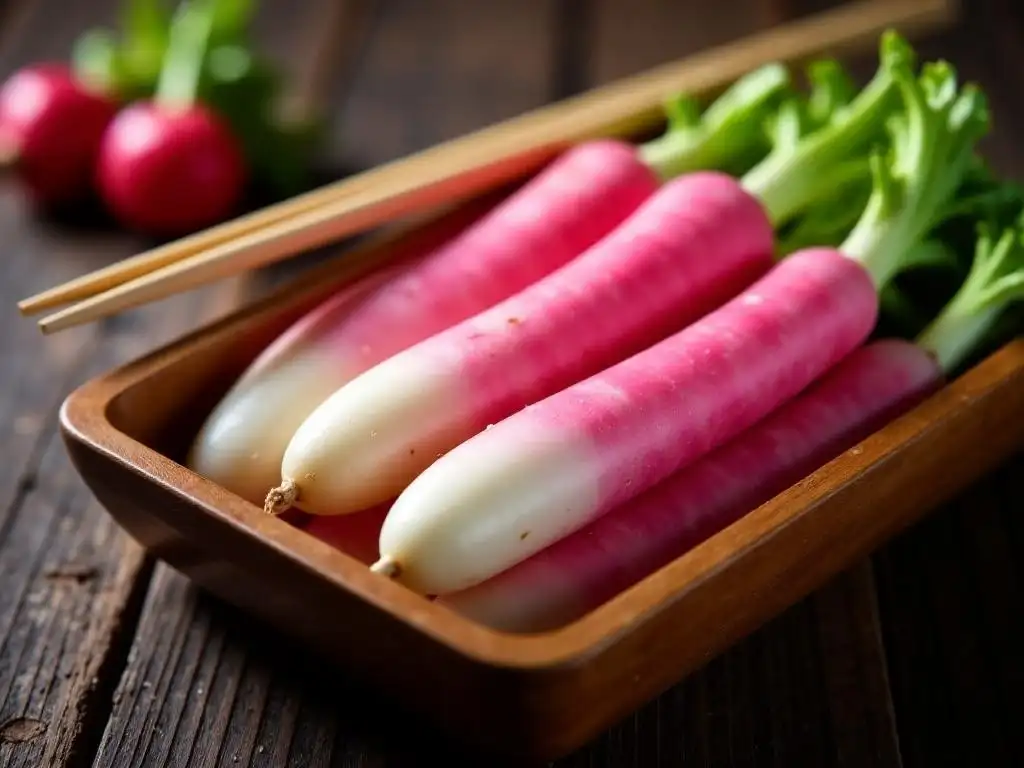
Tsukemono, or Japanese pickles, are an essential component of traditional feudal Japanese meals. These pickles are made from various vegetables, including cucumbers, radishes, and eggplants, which are preserved through fermentation or salting. The art of making Tsukemono dates back centuries and reflects the resourcefulness of Japanese households in preserving seasonal produce.
There are various techniques for preparing Tsukemono, including:
- Shiozuke: Salt-pickled vegetables that retain their crunch and natural flavors.
- Nukazuke: Fermented in rice bran, providing a unique tang and complexity.
- Sugizuke: Sweet pickles made with vinegar and sugar, ideal for balancing savory dishes.
Serving Tsukemono alongside rice or main dishes adds a refreshing and tangy contrast, enhancing the overall dining experience. The vibrant colors and textures of these pickles not only elevate the visual appeal of a meal but also contribute beneficial probiotics, making them a nutritious addition to any feudal-inspired feast.
8. Onigiri: Rice Balls with Flavorful Fillings
Onigiri, or rice balls, are a staple of Japanese cuisine that dates back to the feudal era. These portable snacks symbolize the Japanese connection to rice, a fundamental element of their diet. Onigiri can be shaped into triangles or rounds and are often wrapped in nori (seaweed) for added flavor and convenience.
The beauty of Onigiri lies in its versatility. Fillings can range from savory to sweet, including:
- Umami-rich fillings like salted salmon, pickled plum (umeboshi), or seasoned seaweed.
- Vegetarian options such as grilled vegetables or tofu.
- Innovative variations that incorporate modern ingredients, like spicy tuna or teriyaki chicken.
To prepare Onigiri, start by cooking short-grain Japanese rice until it's sticky. Once cooled slightly, shape the rice into desired forms, creating a small pocket for the filling. The result is a delightful snack or meal that showcases the simplicity and creativity of feudal Japanese cooking. Onigiri not only makes for a delicious dish but also serves as a cultural icon, embodying the spirit of sharing and nourishment in feudal Japan.
9. Yudofu: Simple Tofu Hot Pot
Yudofu, a traditional Japanese dish, is a simple yet elegant hot pot featuring soft tofu as its star ingredient. Originating from Kyoto, this dish reflects the serene aesthetics of Japanese cuisine and the emphasis on using fresh, seasonal ingredients. The beauty of Yudofu lies in its simplicity; it requires minimal seasoning, allowing the natural flavors of the tofu and the dashi broth to shine through.
Ingredients:
- Fresh silken or firm tofu
- Kombu (dried kelp)
- Water
- Soy sauce
- Scallions, chopped
- Grated daikon radish (optional)
- Sesame dipping sauce (optional)
Preparation:
- Start by soaking a piece of kombu in water for about 30 minutes to create a rich dashi stock.
- Heat the water with the kombu in a pot over low heat, allowing the kombu to infuse its flavor. Remove the kombu just before the water reaches a boil.
- Cut the tofu into cubes and gently place them into the hot dashi broth.
- Allow the tofu to simmer for a few minutes until heated through.
- Serve the Yudofu hot, accompanied by soy sauce, chopped scallions, and optional grated daikon for added flavor.
Yudofu is not only a comforting dish but also a healthy option that epitomizes the essence of feudal Japanese cooking, where the purity of ingredients is celebrated. It’s a great recipe for anyone looking to experience the authentic flavors of feudal Japan in their own kitchen.
10. Wagashi: Traditional Japanese Sweets
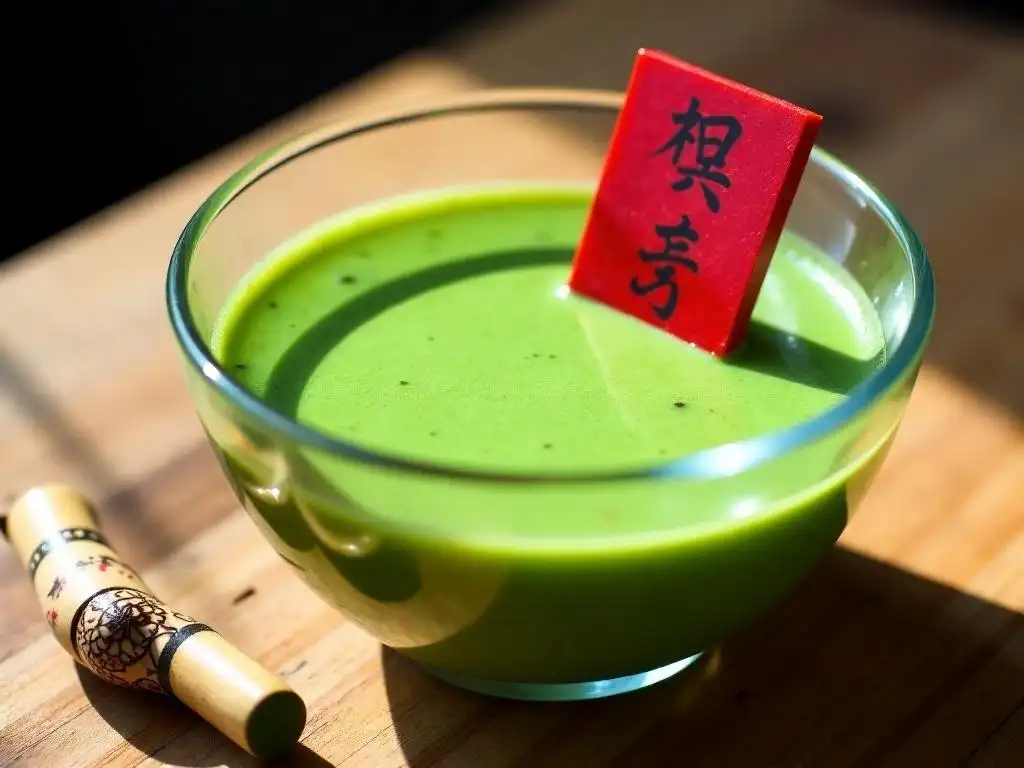
Wagashi refers to a wide variety of traditional Japanese sweets that have been enjoyed for centuries. These confections are often made from natural ingredients such as rice flour, red bean paste, and fruits, and are typically served during tea ceremonies or special occasions. The artistry involved in making wagashi reflects the meticulous craftsmanship that defines much of Japanese culture.
Common Types of Wagashi:
- Daifuku Mochi: Soft rice cake filled with sweet red bean paste or fruit.
- Dorayaki: Two fluffy pancakes filled with sweet red bean paste.
- Hanami Dango: Skewered rice dumplings that are often served during cherry blossom viewing.
- Nerikiri: A delicate sweet made from a blend of white bean paste and rice flour, often shaped into beautiful seasonal flowers.
Making Nerikiri Wagashi:
To make this elegant confection:
- Combine white bean paste (shiroan) and rice flour in a bowl.
- Knead until the mixture is smooth and pliable, then color with natural food dyes for a festive appearance.
- Shape the dough into small pieces resembling flowers or other seasonal motifs.
- Serve these beauties with a cup of matcha tea for a complete traditional experience.
Wagashi not only satisfies the sweet tooth but also serves as an expression of nature's beauty and the changing seasons, making it a delightful way to connect with the culinary heritage of feudal Japan.
Conclusion: Embrace the Culinary Heritage of Feudal Japan
Exploring authentic feudal Japan recipes offers a unique window into the culture and traditions of a fascinating era. Each dish, from the comforting Yudofu to the exquisite Wagashi, tells a story of historical significance, seasonal ingredients, and the artistry of Japanese cuisine.
By trying these recipes, you not only savor the flavors of the past but also engage in a cultural experience that transcends time. Cooking these dishes at home allows you to appreciate the simplicity and elegance that define feudal Japanese cooking. So gather your ingredients, embrace the culinary heritage of feudal Japan, and enjoy a journey through flavors that have delighted generations. 🍣✨
Additional Resources for Cooking Feudal Japan Recipes
To truly immerse yourself in the culinary traditions of feudal Japan, it's essential to equip yourself with a variety of resources that can enhance your cooking experience. Here are some valuable tools and references that will help you recreate authentic feudal Japan recipes in your own kitchen:
1. Cookbooks and Literature
- "The Japanese Kitchen" by Hiroko Shimbo: This comprehensive guide explores traditional Japanese cooking techniques and recipes, including those from the feudal era.
- "Japanese Cooking: A Simple Art" by Shizuo Tsuji: A classic in the realm of Japanese cuisine, this cookbook provides insights into the cultural significance of various dishes and cooking methods used throughout history.
- "Kaiseki: The Exquisite Cuisine of Japan" by Yoshihiro Murata: Although kaiseki is more contemporary, its roots can be traced back to feudal Japan, making this book a great resource for understanding the evolution of flavors.
2. Online Cooking Classes
- Udemy: Offers various courses focusing on Japanese cooking techniques, including traditional methods that can be applied to feudal recipes.
- Skillshare: Features classes specifically on Japanese cuisine, where you can learn about the ingredients, techniques, and history behind the dishes.
- YouTube Channels: Channels like "Japanese Cooking 101" and "Cooking with Dog" provide visual step-by-step instructions to help you recreate authentic dishes.
3. Ingredient Sources
- Local Asian Markets: Visiting Asian grocery stores can provide access to authentic ingredients that are crucial for preparing feudal Japan recipes, such as miso paste, dashi, and specialty soy sauces.
- Online Specialty Shops: Websites like Amazon and specialty Japanese grocery sites offer hard-to-find ingredients that you may need for traditional recipes.
4. Culinary Blogs and Websites
- Just One Cookbook: This blog features numerous traditional Japanese recipes, including those that are inspired by historical cooking practices.
- Nami's Kitchen: A resourceful blog that offers insights into Japanese home cooking with explanations about the dishes' backgrounds and cultural significance.
5. Cultural Guides
- "Japanese Foodways, Past and Present" by Eric C. Rath and Stephanie Assmann: This book provides a deep dive into the historical context of Japanese food, helping you understand the evolution of the dishes you'll be preparing.
- Documentaries and Series: Watching shows such as "Jiro Dreams of Sushi" and "Noma Japan" can inspire you and provide context about Japanese culinary traditions.
By utilizing these resources, you can enhance your understanding and skills in preparing authentic feudal Japan recipes. Whether you are a seasoned chef or a curious beginner, these tools will help you appreciate the rich culinary heritage of Japan's feudal era. Happy cooking! 🍣
- Introduction to Authentic Feudal Japan Recipes
- 1. Unagi no Kabayaki: Grilled Eel in Soy Sauce
- 2. Soba Noodles: Buckwheat Delicacies from the Edo Period
- 3. Chawanmushi: Savory Egg Custard
- 4. Miso Soup: A Staple of Japanese Diets
- 5. Takoyaki: Octopus Balls Inspired by Street Vendors
- 6. Nikujaga: Meat and Potato Stew
- 7. Tsukemono: Japanese Pickles as Side Dishes
- 8. Onigiri: Rice Balls with Flavorful Fillings
- 9. Yudofu: Simple Tofu Hot Pot
- 10. Wagashi: Traditional Japanese Sweets
- Conclusion: Embrace the Culinary Heritage of Feudal Japan
- Additional Resources for Cooking Feudal Japan Recipes
- What are some authentic feudal Japan recipes mentioned in the article?
- How can I recreate these authentic feudal Japan recipes at home?
- What historical context is provided about feudal Japan in the article?
- Are there any special cooking techniques highlighted in the recipes?
- Why is it important to explore authentic recipes from feudal Japan?
Frequently Asked Questions
What are some authentic feudal Japan recipes mentioned in the article?
The article features 10 authentic recipes that capture the rich flavors of feudal Japan, including dishes like soba noodles and miso soup, showcasing historical cooking techniques and ingredients.
How can I recreate these authentic feudal Japan recipes at home?
To recreate these recipes, the article provides detailed instructions and tips on sourcing traditional ingredients, ensuring you can achieve the true flavors of feudal Japan in your kitchen.
What historical context is provided about feudal Japan in the article?
The article offers a comprehensive overview of the feudal era, detailing its societal structure, cultural practices, and how these factors influenced the development of Japanese cuisine.
Are there any special cooking techniques highlighted in the recipes?
Yes, the article emphasizes traditional cooking techniques used during feudal Japan, such as grilling, steaming, and fermenting, which are essential for achieving authentic flavors.
Why is it important to explore authentic recipes from feudal Japan?
Exploring authentic recipes from feudal Japan helps preserve cultural heritage and fosters a deeper appreciation for the culinary traditions that have shaped modern Japanese cuisine.
Final Reflection: Embracing the Culinary Heritage of Feudal Japan
In a world where culinary traditions often get lost amidst the fast-paced modern lifestyle, the flavors of feudal Japan remind us of the deep-rooted connections between food, culture, and history. The recipes explored in this article not only offer a taste of the past but also serve as a bridge to understanding the values and practices that shaped Japanese society. As we savor these authentic feudal Japan recipes, we are invited to appreciate the artistry and mindfulness that went into each dish, creating a rich tapestry of flavors that still resonates today.
The influence of feudal Japanese cuisine extends far beyond the kitchen; it permeates our cultural and social landscapes, fostering a sense of community and shared experience. Cooking and sharing meals from this era can evoke a sense of nostalgia and connection to our ancestors. The act of preparing these recipes allows us to step into a time when food was not just sustenance but a celebration of nature's bounty. Food is not just what we eat; it is a reflection of who we are.
This sentiment highlights the importance of understanding our culinary heritage and its role in shaping our identities.
As you reflect on the recipes and stories shared in this article, I encourage you to take action—experiment with these authentic feudal Japan recipes in your own kitchen. Let each dish be a reminder of the rich history behind it and an opportunity to connect with those around you. By embracing these flavors, you not only honor the past but also enrich your present and future culinary experiences. So, gather your ingredients, invite friends or family, and embark on a journey through time, savoring the flavors that have shaped generations.
Unleash Your Inner Chef: Transform Your Kitchen with Authentic Japanese Flavors!
Thank you for taking the time to explore the rich culinary world of Feudal Japan! By diving into these authentic recipes, you've not only learned about incredible dishes but also gained insight into the culture and history behind them. Now, let’s bring the flavors of feudal Japan into your home!
Here are some exciting steps you can take to enhance your experience:
- Start your culinary journey by selecting a recipe that intrigues you the most, and prepare it with love and passion!
- Share your culinary creations on social media or in our community forum—connect with fellow food enthusiasts and inspire others with your experiences!
- Explore local Asian markets to discover unique ingredients that can elevate your dish and deepen your understanding of authentic Japanese cooking.
Are you ready to embark on this delicious journey? Which recipe will you try first, and what flavor are you most excited to savor?