
The Impact of Trade on Sushi and Sake Development During the Edo Period

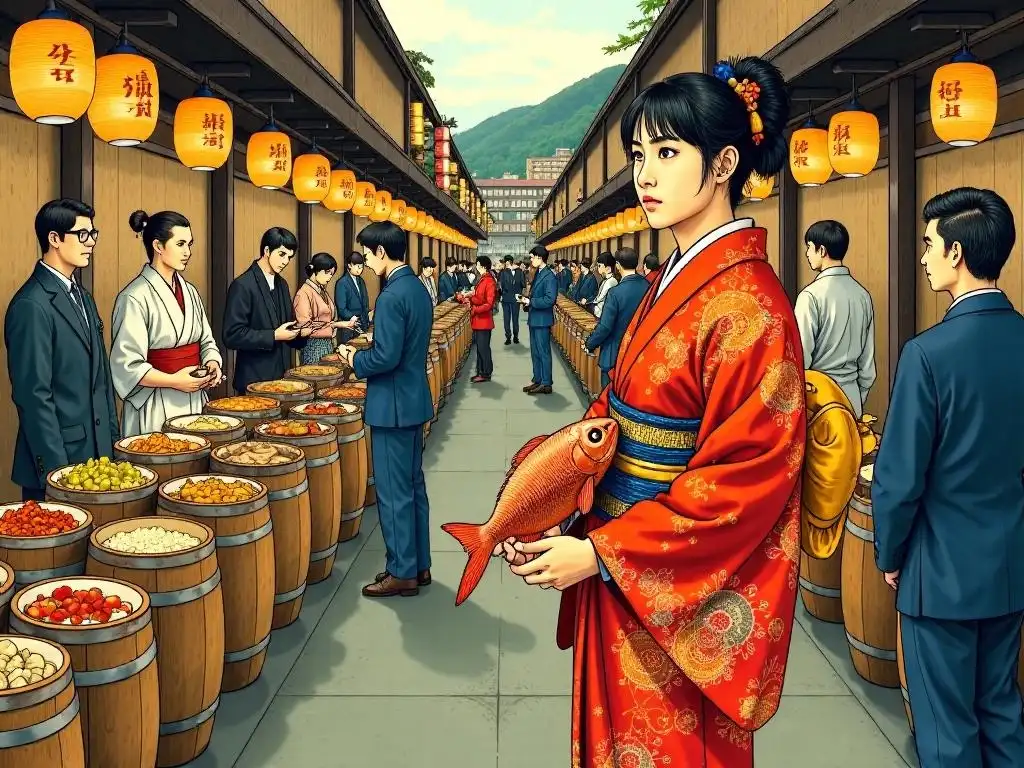
Welcome to Feudal Japan History, where we invite you to embark on a journey through the captivating tapestry of Japan’s feudal era. In our latest article, we delve into the intriguing evolution of Edo period sushi and sake development, uncovering how trade transformed these beloved culinary staples into cultural icons. What secrets lie within the bustling markets of Edo? Join us as we explore the rich interplay between trade and cuisine, revealing the flavors and traditions that have shaped modern Japanese dining. Prepare to satisfy your curiosity and appetite—there's much more to discover!
Introduction to the Edo Period and Its Culinary Context
The Edo period, spanning from 1603 to 1868, marked a significant era in Japan’s history, characterized by political stability, economic growth, and cultural flourishing under the Tokugawa shogunate. This period not only transformed the social and political landscape of Japan but also had a profound influence on its culinary practices, particularly in the development of sushi and sake. As trade routes expanded and urban centers thrived, the exchange of ingredients, techniques, and culinary ideas became pivotal in shaping what we now recognize as traditional Japanese cuisine.
The impact of trade on sushi and sake during the Edo period is crucial to understanding the evolution of these iconic foods. As Japan opened up to internal trade and interaction with foreign merchants, the diversity of ingredients and methods available for preparation expanded dramatically. This article will delve into how trade influenced the development of sushi and sake, highlighting key trade routes and the import and export of essential ingredients.
Overview of the Edo Period (1603-1868)
The Edo period was a time of remarkable transformation in Japan, where the country enjoyed over two centuries of peace and prosperity. During this time, the population of Edo (modern-day Tokyo) grew significantly, leading to the rise of a vibrant urban culture. The merchant class flourished, and with it, a demand for food that was both diverse and accessible.
Key characteristics of this period include:
- Political Stability: The Tokugawa shogunate established a centralized government that maintained peace and order.
- Economic Growth: Increased agricultural productivity and growth in commerce allowed for the emergence of a wealthy merchant class.
- Cultural Flourishing: The period saw the development of unique art forms, literature, and culinary traditions, including the refinement of sushi and sake.
Significance of Trade in Japanese Society
Trade played a vital role in shaping the social and economic fabric of Edo period Japan. The expansion of trade routes facilitated the movement of goods and ideas, promoting regional specialties and culinary innovation. Various factors contributed to the significance of trade during this time:
- Internal Trade Networks: The establishment of roads and waterways connected different regions, enabling the transportation of local ingredients to urban centers.
- Cultural Exchange: Interactions with foreign traders, particularly the Dutch and Chinese, introduced new concepts and materials that enriched Japanese cuisine.
- Economic Incentives: The lucrative nature of trade encouraged merchants to develop new products, including various styles of sushi and different sake brewing techniques.
The Role of Trade Routes in Edo Period Sushi and Sake Development
The development of sushi and sake during the Edo period was deeply intertwined with the trade routes that crisscrossed Japan. These routes not only facilitated the exchange of ingredients but also allowed for the dissemination of culinary knowledge and practices.
Major Trade Routes Influencing Culinary Exchange
Several key trade routes emerged during the Edo period, each contributing to the culinary landscape of sushi and sake:
- Tokaido Road: Connecting Edo to Kyoto, this route was vital for transporting fresh fish and rice.
- Nakasendo Route: This inland route facilitated the movement of goods and people between the eastern and western regions of Japan.
- Coastal Trade Routes: Maritime routes allowed for the import of seafood and other ingredients from distant regions, enhancing the flavors and varieties of sushi and sake.
Import and Export of Ingredients for Sushi and Sake
The flourishing trade networks enabled the import and export of essential ingredients that shaped the development of sushi and sake. Notable imports included:
- Fish Varieties: Species such as tuna, mackerel, and eel became staples in sushi preparation.
- Rice: High-quality rice from various regions was essential for sake brewing and sushi making.
- Seasonings: Soy sauce and vinegar, crucial for flavoring, were also traded extensively.
Through this intricate web of trade, sushi and sake evolved into beloved culinary staples, reflecting the rich history and culture of the Edo period.
Evolution of Sushi During the Edo Period
The Edo period, spanning from 1603 to 1868, marked a significant transformation in Japanese cuisine, particularly in the evolution of sushi. This era saw the shift from traditional preservation methods to more modern sushi styles, aligning with the burgeoning urban lifestyle of Edo (modern-day Tokyo). The increased population density in urban areas created a demand for quick and convenient food options, leading to the innovation of sushi as a fast, street-side meal.
As trade routes expanded, so did access to various ingredients, which played a crucial role in shaping sushi's evolution. The cultural exchanges facilitated by trade not only introduced new flavors but also modernized preparation techniques, allowing sushi to flourish as a beloved culinary staple in Japan.
Early Forms of Sushi: Narezushi to Edomae-zushi
The earliest form of sushi, known as narezushi, dates back to the 8th century and involved fermenting fish with rice to preserve it. This method was labor-intensive and time-consuming. However, during the Edo period, sushi underwent a significant transformation with the emergence of Edomae-zushi, which is characterized by its use of fresh fish and vinegared rice.
Edomae-zushi, meaning "Edo-style sushi," utilized seafood that was readily available from Tokyo Bay, showcasing ingredients such as eel, shrimp, and various types of fish. The incorporation of vinegar not only enhanced flavor but also improved food safety, paving the way for sushi to be served as a ready-to-eat meal. This transition from narezushi to Edomae-zushi marked a pivotal moment in sushi history, reflecting the dynamic shifts in culinary practices during the Edo period.
Influence of Trade on Sushi Ingredients and Techniques
Trade played a pivotal role in the advancement of sushi ingredients and techniques during the Edo period. Increased maritime trade routes facilitated the introduction of diverse seafood varieties and condiments, enhancing the flavor profiles of sushi. Ingredients such as soy sauce, wasabi, and pickled vegetables became integral to sushi preparation and presentation.
Additionally, the exchange of culinary knowledge through trade allowed for innovative preparation methods. The introduction of techniques such as shari (vinegared rice preparation) and the use of sushi mats enabled chefs to perfect the art of sushi-making. This exchange not only refined sushi craftsmanship but also elevated it from a simple meal to a sophisticated dining experience, which would eventually gain popularity both in Japan and abroad.
The Development of Sake in the Edo Period
The Edo period was also a golden age for sake production, with advancements in brewing techniques and a growing appreciation for this traditional beverage. Sake became increasingly popular among the samurai class and merchants, leading to its establishment as a cultural icon in Japan.
As cities expanded and trade flourished, the demand for high-quality sake surged, which prompted brewers to innovate and improve their methods. The interplay between local ingredients and new techniques contributed to a diverse range of sake styles that reflected the regional characteristics of Japan.
Historical Context of Sake Brewing Techniques
Sake brewing during the Edo period saw remarkable advancements. The introduction of polished rice, which reduced the outer layers of rice grains, allowed for the production of cleaner and more refined sake. The brewing process also evolved with the use of koji mold, which played a critical role in converting starches into sugars, thus enhancing fermentation.
Moreover, the establishment of sake guilds and regulations ensured quality control and protected local brewing traditions. This period witnessed a surge in the number of sake breweries, particularly in regions known for their pristine water sources, such as Niigata and Hyogo, solidifying sake's status in Japanese culture.
Trade Influence on Sake Production and Distribution
Trade significantly impacted the production and distribution of sake during the Edo period. The burgeoning urban centers created a market for sake beyond its traditional rural roots, leading to increased production capacities. Improved transportation networks, including rivers and canals, enabled sake brewers to distribute their products more widely, reaching consumers in distant regions.
Additionally, the interaction with foreign traders introduced new techniques and concepts, further enhancing the sake brewing process. The popularity of sake not only fostered local economies but also promoted cultural exchange, as different regions began to develop their unique sake styles, contributing to the rich tapestry of Japan’s sake heritage that continues to thrive today.
Cultural Exchange and Its Impact on Sushi and Sake
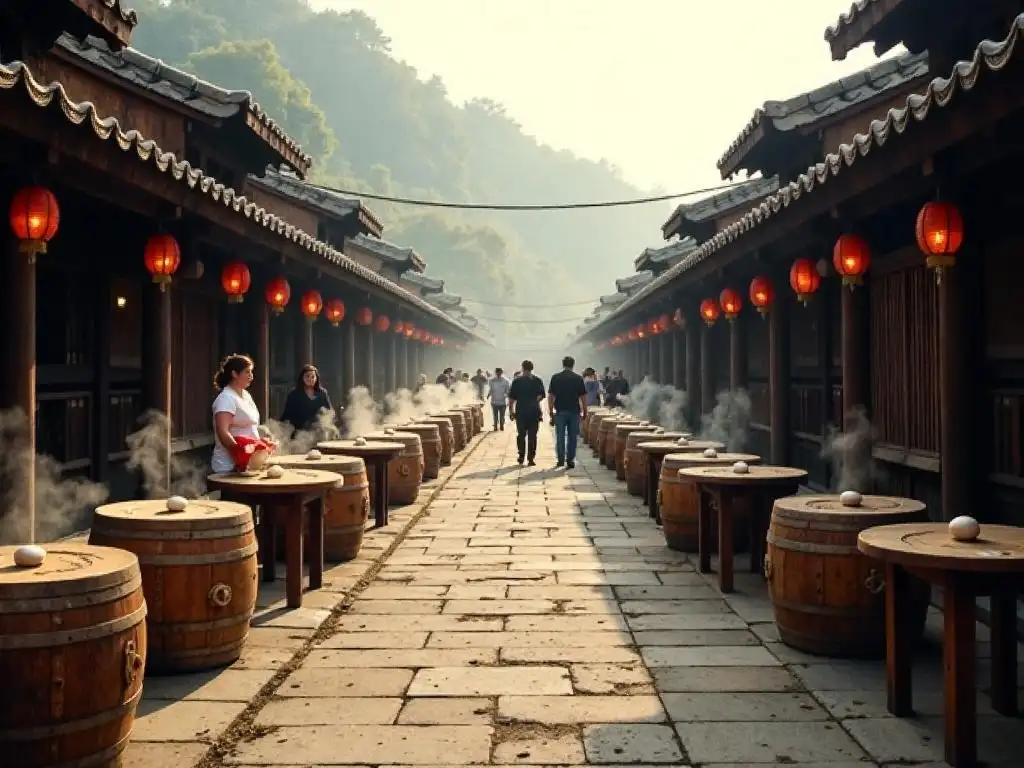
The Edo period (1603-1868) marked a time of significant transformation in Japan, driven by the flourishing of trade and cultural exchange. This era saw Japan emerging from a period of isolation, leading to interactions with various cultures, particularly Chinese and Korean. These exchanges profoundly influenced the development of sushi and sake, reshaping their production methods, ingredients, and overall societal importance.
The interaction between Japan and its neighbors introduced new culinary techniques and philosophies, which were integrated into local practices. The increased availability of ingredients and knowledge allowed for experimentation and innovation in both sushi and sake. Through trade, Japan benefited from enhanced agricultural practices, leading to better rice cultivation, which directly impacted sake production quality. Similarly, the popularity of sushi evolved with new flavors and preparations, reflecting a fusion of traditional Japanese methods with external influences.
The Influence of Chinese and Korean Cuisine
Chinese and Korean cuisines played a crucial role in shaping Japanese culinary practices during the Edo period. The introduction of pickling techniques from China enhanced the preservation of fish, which became a cornerstone of sushi preparation. This method allowed sushi to be stored longer, making it a viable option for trade and consumption throughout the region.
Korean cuisine also contributed significantly, particularly with the technique of fermentation. Fermented foods became integral to Japanese cuisine, influencing the production of sake. The use of koji mold, essential for converting starches into sugars during sake brewing, was refined and popularized during this time, leading to improved flavor profiles and alcohol content.
Furthermore, the concept of dining as a social event, common in Chinese culture, began to take root in Japan. This cultural shift encouraged the consumption of sushi and sake in communal settings, elevating their status from mere sustenance to symbols of culinary artistry and social experience.
Adoption of Foreign Techniques in Sushi and Sake Production
The Edo period was characterized by the adoption of foreign techniques that revolutionized sushi and sake production. One notable technique was the use of vinegar in sushi-making, which was influenced by Chinese practices. The introduction of rice vinegar allowed for the creation of nigiri sushi, a style that became immensely popular. This method not only enhanced flavor but also improved the preservation of sushi, making it a staple in Edo's bustling markets.
In sake production, the integration of advanced brewing methods, such as multiple parallel fermentation, significantly improved efficiency and quality. These techniques allowed brewers to produce sake with more complexity and depth, catering to the growing demand of the Edo populace. The collaboration between Japanese brewers and foreign merchants led to an exchange of knowledge that fostered innovation in both the brewing process and the ingredients used.
The result was a dynamic evolution of sushi and sake, with new varieties and styles emerging, appealing to a broader audience and establishing these foods as integral to Japanese culture.
Economic Impact of Trade on Sushi and Sake
Trade during the Edo period had a profound economic impact on the sushi and sake industries. The development of transportation networks and markets created opportunities for local producers to reach wider audiences, driving the growth of both sectors. The increased demand for sushi and sake not only stimulated local economies but also fostered regional specialties that highlighted local ingredients and craftsmanship.
The economic benefits of trade were evident in the burgeoning merchant class, which sought out luxury items, including high-quality sushi and sake. This demand encouraged competition among producers, leading to innovations in production and marketing strategies to attract customers.
The Growth of Sushi and Sake Markets in Edo
Edo, now Tokyo, became the epicenter for sushi and sake markets during the Edo period. The city's rapid population growth created a thriving marketplace where sushi vendors and sake brewers could capitalize on the increased consumer base. Street vendors began to flourish, offering a variety of sushi types that catered to the tastes of the diverse population.
Additionally, the rise of sake breweries in and around Edo reflected the booming demand. Breweries began to experiment with different rice varieties and brewing techniques, enhancing the quality of sake available to consumers. As a result, sake became a popular beverage not only for social gatherings but also as a part of everyday life.
This growth was further supported by the establishment of festivals and events centered around sushi and sake, which promoted cultural appreciation and consumption. The intertwining of trade, culture, and economics during the Edo period laid the foundation for the enduring legacy of sushi and sake in Japanese cuisine today.
Case Study: The Rise of Sushi Vendors in Edo
The rise of sushi vendors in Edo serves as a compelling case study of the impact of trade and cultural exchange during the Edo period. As the city transformed into a bustling metropolis, sushi became a popular street food, appealing to both the working class and the elite. Vendors capitalized on the convenience of sushi, offering quick and affordable meals that could be enjoyed on the go.
One notable development was the emergence of the "nigiri-zushi," which featured fresh fish atop vinegared rice. This style gained immense popularity due to its simplicity and flavor, making it a favorite among Edo's bustling populace. Vendors adapted their offerings based on seasonal ingredients and local tastes, creating a diverse range of sushi options.
The competition among vendors led to innovation in presentation and flavor combinations, further elevating sushi's status. The popularity of sushi also influenced sake consumption, as the two became commonly paired in social settings. This synergy between sushi vendors and sake breweries contributed significantly to the culinary landscape of Edo, establishing a lasting cultural tradition that continues to thrive in modern Japan.
Conclusion: Lasting Legacy of Edo Period Trade on Modern Japanese Cuisine
The Edo period (1603-1868) was a transformative era for Japanese cuisine, particularly in the development of sushi and sake. The vibrant trade networks established during this time not only facilitated the exchange of ingredients but also influenced culinary techniques and cultural practices. As a result, the foundations laid in this period continue to resonate in modern Japanese cuisine, shaping how sushi and sake are perceived and enjoyed today.
From the introduction of vinegared rice for sushi to the refinement of sake brewing techniques, the innovations of the Edo period have left an indelible mark. Modern sushi, with its diverse styles—from nigiri to maki—reflects the local ingredients and preferences that flourished in Edo's bustling markets.
Similarly, sake, once a regional specialty, has evolved into a globally celebrated beverage, showcasing the rich heritage of craftsmanship developed during this pivotal era. The impact of trade during the Edo period serves as a reminder of how interconnectedness can foster culinary evolution, leading to the diverse and dynamic food culture we see in Japan today.
Reflections on Edo Period Sushi and Sake Development
The relationship between trade and the evolution of sushi and sake during the Edo period is a testament to the ingenuity of Japanese cuisine. While sushi's origins can be traced back to ancient preservation methods, it was during the Edo period that it transformed into the beloved dish we recognize today. The availability of fresh seafood from Edo Bay and the introduction of new preservation techniques allowed sushi to become a staple in urban dining.
Sake, too, underwent significant advancements due to trade. The Edo period saw the establishment of sake breweries that utilized improved fermentation techniques and quality control, leading to a wider variety of sake flavors and styles. This era's emphasis on local ingredients and craftsmanship set the stage for the present-day appreciation of both sushi and sake as integral components of Japanese culture.
The Influence of Historical Trade on Contemporary Sushi and Sake Practices
Contemporary sushi and sake practices are deeply rooted in the historical trade dynamics of the Edo period. The regionalism that emerged from trade not only influenced ingredient selection but also the presentation and pairing of these culinary staples. For instance, the emphasis on seasonal and local ingredients, a hallmark of modern sushi-making, is a direct reflection of the Edo period’s market-driven approach to food.
Moreover, the rituals surrounding sake consumption, such as the use of specific vessels and the art of pouring, have their origins in the cultural exchanges that flourished during the Edo period. Today, sake is not just a beverage but a symbol of hospitality and celebration, echoing the practices established centuries ago. The legacy of Edo period trade continues to inform practices and preferences, underscoring the enduring significance of this historical era in shaping Japanese cuisine.
Additional Resources and Further Reading
For those interested in diving deeper into the history of sushi and sake and their development during the Edo period, a variety of resources are available. These materials provide insights into the cultural, social, and economic factors that influenced these iconic elements of Japanese cuisine.
Recommended Books on Sushi and Sake History
-
"Sushi: The Beginner's Guide" by Masaharu Morimoto
A comprehensive introduction to sushi, covering techniques, history, and recipes from a renowned chef.
-
"The Book of Sake: A Connoisseur's Guide" by Philip Harper
An in-depth exploration of sake, detailing its history, production methods, and tasting notes.
-
"Sushi: The Global Catch" by Trevor Corson
This book examines sushi's journey from Japan to the global stage, highlighting the impact of trade and cultural exchange.
Suggested Documentaries and Articles on Edo Period Cuisine
-
Documentary: "Jiro Dreams of Sushi"
This acclaimed film profiles Jiro Ono, a sushi master, and delves into the philosophy and artistry of sushi-making, emphasizing its cultural significance.
-
Article: "The History of Sake"
An informative piece that outlines the evolution of sake production, including its roots in the Edo period and its transformation into a global phenomenon.
-
Documentary: "Sake: The Story of Japanese Rice Wine"
A visual exploration of the sake brewing process, featuring interviews with brewers and insights into the cultural importance of sake in Japan.
- Introduction to the Edo Period and Its Culinary Context
- The Role of Trade Routes in Edo Period Sushi and Sake Development
- Evolution of Sushi During the Edo Period
- The Development of Sake in the Edo Period
- Cultural Exchange and Its Impact on Sushi and Sake
- Economic Impact of Trade on Sushi and Sake
- Conclusion: Lasting Legacy of Edo Period Trade on Modern Japanese Cuisine
- Additional Resources and Further Reading
- What was the Edo period and its significance in Japanese history?
- How did trade affect sushi development during the Edo period?
- What role did sake play in Edo period culture?
- How did the Edo period influence the production of sake?
- What are some lasting impacts of Edo period sushi and sake on modern Japan?
Frequently Asked Questions
What was the Edo period and its significance in Japanese history?
The Edo period, lasting from 1603 to 1868, marked a time of peace and stability under the Tokugawa shogunate, which influenced Japan's social structure and economic development.
How did trade affect sushi development during the Edo period?
During the Edo period, trade allowed for the exchange of ingredients and techniques, leading to the diversification of sushi styles, particularly with the rise of nigiri sushi as a popular choice among city dwellers.
What role did sake play in Edo period culture?
Sake was not just a beverage but a cultural symbol during the Edo period, widely consumed during festivals and events, reflecting the social customs and culinary practices of the time.
How did the Edo period influence the production of sake?
The Edo period saw advancements in sake brewing techniques, such as improved fermentation processes, which enhanced the quality and variety of sake available to consumers.
What are some lasting impacts of Edo period sushi and sake on modern Japan?
The developments in sushi and sake during the Edo period laid the groundwork for contemporary Japanese cuisine, with enduring popularity in both domestic and international markets.
Final Reflection: The Enduring Legacy of Edo Period Sushi and Sake Development
The intricate relationship between trade and the evolution of sushi and sake during the Edo period remains profoundly relevant today. As we savor these culinary delights, we must recognize that their rich histories are deeply intertwined with the global exchanges that shaped them. The Edo period was not merely a time of local consumption; it was a vibrant era of cultural fusion that set the stage for the sushi and sake we enjoy in contemporary society.
Cultural appreciation for sushi and sake has transcended borders, influencing dining experiences worldwide. The flavors and techniques that emerged during the Edo period continue to inspire chefs and enthusiasts alike, fostering a global community that celebrates these traditional Japanese crafts. Food is not just what we eat; it is a reflection of our history and culture.
This ongoing influence serves as a reminder of how interconnected our culinary practices are and how they can bridge cultural divides.
As you reflect on the lessons of the Edo period, consider how you can embrace and share this rich heritage in your own life. Explore the world of sushi and sake with a sense of curiosity and respect, recognizing the stories behind each dish and drink. Whether you’re enjoying a meal at a restaurant or trying your hand at making sushi at home, let the legacy of the Edo period inspire you to appreciate the artistry and history that enrich our dining experiences.
Dive Deeper into Edo's Culinary Heritage!
Thank you for exploring the incredible journey of sushi and sake during the Edo period! Your curiosity not only enriches your understanding but also helps celebrate a fascinating chapter in Japan's history. Now, let's take your interest to the next level!
- Discover local Japanese restaurants that serve traditional Edo-style dishes and experience the flavors firsthand.
- Join an online forum or community dedicated to Japanese cuisine to share your thoughts and learn from fellow enthusiasts.
- Consider starting a blog or social media account to document your culinary adventures as you delve deeper into sushi and sake!
What aspect of Edo period cuisine fascinates you the most—its historical significance, flavor profiles, or cultural traditions? We would love to hear your thoughts!