
The Evolution of the Tea Ceremony: From Feudal Japan to Contemporary Practices

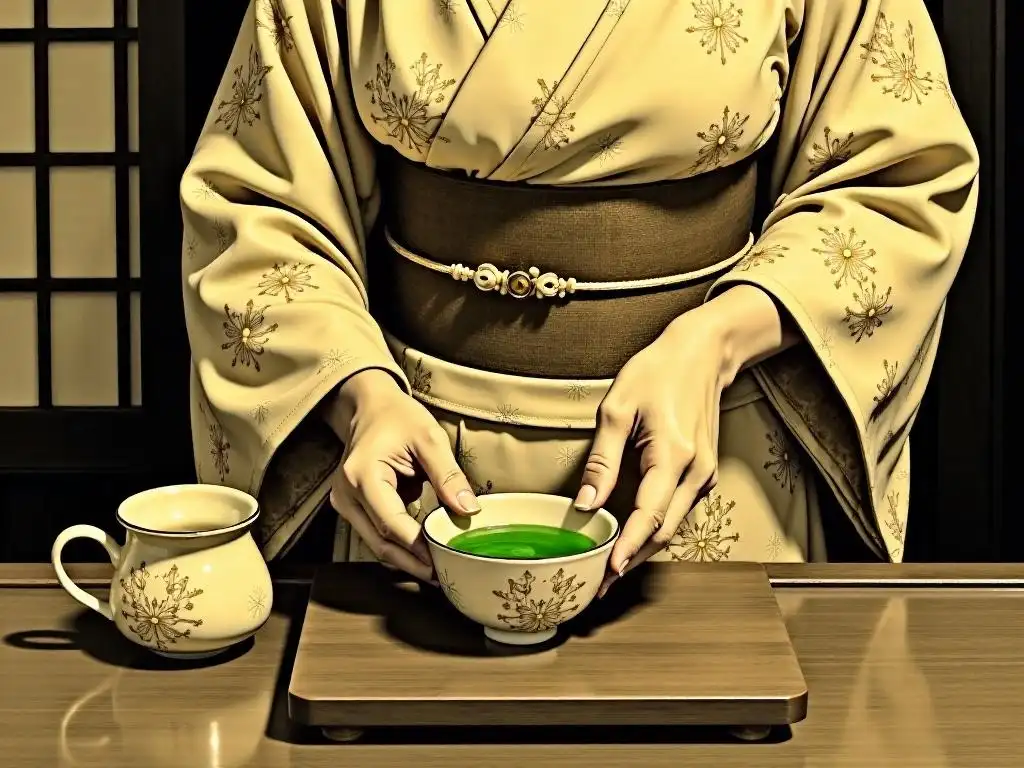
Welcome to Feudal Japan History, where we embark on an extraordinary journey through the captivating tapestry of Japan's feudal era. Here, you’ll uncover the intricate layers of historical, cultural, and societal shifts that shaped a nation. In our featured article, “The Evolution of the Tea Ceremony: From Feudal Japan to Contemporary Practices,” we delve deep into the enchanting history of the tea ceremony, revealing how this delicate ritual has transformed over centuries.
What secrets lie within the graceful movements of the tea master? How did the simple act of pouring tea evolve into a profound expression of art and philosophy? Stay with us as we unravel these mysteries and more, inviting you to sip from the rich cup of Japan's past.
- Understanding the Tea Ceremony History in Japan
- The Feudal Era: Rituals and Traditions
- The Tea Ceremony's Transformation Over Time
- Elements of the Traditional Japanese Tea Ceremony
- Regional Variations of Tea Ceremony in Japan
- The Modern Tea Ceremony: Bridging Past and Present
- Contemporary Challenges in Preserving Tea Ceremony Traditions
- Innovative Practices: Incorporating Technology and Modern Art
- Popularity of Tea Workshops and Experiences for Tourists
- Conclusion: The Future of Tea Ceremony History in Japan
- Frequently Asked Questions
- Final Reflection: Embracing the Timeless Art of the Tea Ceremony
- Embrace the Timeless Art of Tea!
Understanding the Tea Ceremony History in Japan
The tea ceremony, known as chanoyu or chado, is more than just a ritualistic preparation and consumption of tea; it is a profound cultural practice that encapsulates the essence of Japanese aesthetics, philosophy, and social interaction. This intricate ceremony has evolved significantly over centuries, particularly during Japan's feudal era, when the societal structures and cultural norms profoundly influenced its development.
In this article, we will embark on a comprehensive exploration of the history of the tea ceremony in Japan, tracing its origins, understanding its cultural significance during feudal times, and identifying key influences that shaped its practices. By delving into these aspects, we aim to illuminate how the tea ceremony has transformed from a feudal tradition into a cherished contemporary practice, remaining a vital part of Japanese heritage.
The Origins of the Japanese Tea Ceremony
The origins of the Japanese tea ceremony can be traced back to the introduction of tea to Japan from China in the early 9th century. Initially, tea was consumed primarily for its medicinal properties and as a luxury item reserved for the elite. However, it wasn't until the 12th century that matcha, or powdered green tea, began to gain popularity among Buddhist monks, who valued it for its ability to enhance concentration during meditation.
By the 15th century, the tea ceremony began to take on its distinctive form, heavily influenced by the aesthetic ideals of the wabi-sabi philosophy, which emphasizes simplicity, imperfection, and transience in beauty. The integration of tea into Japanese culture was profoundly affected by prominent figures such as Sen no Rikyū, who is often credited with establishing the foundational principles of the tea ceremony—such as harmony, respect, purity, and tranquility. His teachings emphasized the importance of the environment, the utensils used, and the overall experience, which collectively created a serene atmosphere conducive to mindful engagement.
Cultural Significance of Tea in Feudal Japan
In feudal Japan, the tea ceremony transcended the mere act of drinking tea; it became a significant cultural and social event that fostered connections among the samurai class, monks, and elite merchants. The ceremony served as a platform for diplomacy and relationship-building, where individuals gathered to share not only tea but also ideas and values. This ritual was often held in chashitsu (tea rooms) specifically designed to create an atmosphere of tranquility and contemplation.
The cultural significance of tea during this period is encapsulated in various aspects:
- Symbol of Hospitality: Offering tea to guests was a gesture of respect and welcome, reflecting the host's dedication to creating a harmonious experience.
- Artistic Expression: The tea ceremony involved various art forms, including calligraphy, pottery, and flower arrangement (ikebana), highlighting Japan's rich artistic heritage.
- Philosophical Reflection: The practice encouraged participants to embrace mindfulness and appreciate the present moment, aligning with Zen Buddhist teachings.
Key Influences on the Development of Tea Ceremony Practices
The evolution of tea ceremony practices in Japan has been shaped by numerous influences throughout history. Some of the key factors include:
- Zen Buddhism: The principles of Zen philosophy greatly influenced the tea ceremony, promoting simplicity and mindfulness, which are central to the experience of chanoyu.
- The Samurai Class: The samurai's patronage and participation in tea ceremonies elevated its status, intertwining it with the ideals of bushido (the way of the warrior) and emphasizing discipline and respect.
- Cultural Exchange: Interactions with other cultures, particularly during the Ashikaga period, introduced new styles and techniques, further enriching the tea ceremony's practices.
- Artisan Craftsmanship: The development of high-quality tea utensils and ceramics by skilled artisans contributed to the aesthetic and functional aspects of the ceremony, enhancing its overall experience.
Through these influences and historical contexts, the tea ceremony has not only survived but also thrived, continually adapting to modern times while preserving its deep-rooted traditions.
The Feudal Era: Rituals and Traditions
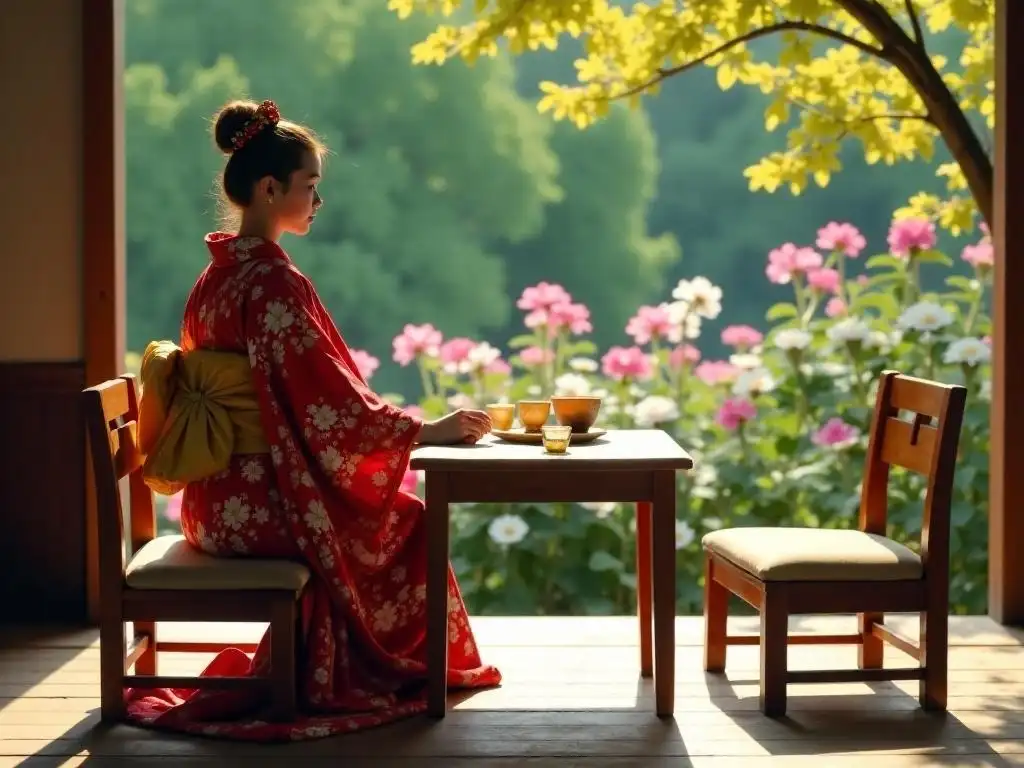
The feudal era of Japan, extending from the 12th to the 19th century, was characterized by a complex societal structure, where samurai warriors, noble families, and peasant classes coexisted under a rigid hierarchy. During this period, rituals and traditions became integral to Japanese culture, none more so than the tea ceremony. This ceremonial practice evolved as a means of social interaction, spiritual reflection, and cultural expression, deeply intertwined with the values and aesthetics of feudal society.
The tea ceremony, or chanoyu, became a formalized ritual that emphasized harmony, respect, purity, and tranquility. Its significance transcended mere beverage consumption; it was a medium for meditative practice and an art form in itself. The meticulous preparation and presentation of tea reflected the underlying principles of Zen Buddhism, which permeated many aspects of Japanese life during the feudal era.
The Role of Zen Buddhism in Shaping Tea Ceremony
Zen Buddhism played a crucial role in the development of the tea ceremony, intertwining spiritual practices with everyday life. The philosophy of Zen emphasized mindfulness, simplicity, and a deep appreciation for nature—elements that found their way into the tea ceremony.
- Mindfulness and Presence: The act of preparing and serving tea requires focused attention, encouraging participants to be present in the moment. This practice aligns with Zen teachings, fostering a sense of peace and clarity.
- Aesthetic Principles: The aesthetics of the tea ceremony, such as the use of rustic tea utensils and the design of the tea room, reflect the Zen appreciation for simplicity and imperfection, known as wabi-sabi. This aesthetic values natural materials and asymmetry, promoting a humble beauty.
- Spiritual Connection: The tea ceremony serves as a spiritual practice, where participants engage in a meditative state, reflecting on the transient nature of life—a core tenet of Zen philosophy. The ceremonial process becomes a ritual of introspection and connection to the broader universe.
Through these influences, Zen Buddhism not only shaped the practice of the tea ceremony but also solidified its role as a cultural cornerstone in feudal Japan.
Notable Figures in Tea Ceremony History
The history of the tea ceremony in Japan is marked by several influential figures who contributed to its evolution and refinement. Their teachings and practices laid the foundation for what we recognize today as the traditional tea ceremony.
Sen no Rikyū: The Most Influential Tea Master
Sen no Rikyū (1522-1591) is perhaps the most significant figure in the history of the tea ceremony. As a tea master, Rikyū revolutionized the practice, emphasizing the importance of simplicity and naturalness. His contributions include:
- Concept of Wabi-cha: Rikyū introduced the concept of wabi-cha, which embodies the spirit of simplicity and rustic charm within the tea ceremony. This approach celebrated the beauty of the imperfect, focusing on the experience rather than the material aspects.
- Standardization of Practices: He established standardized practices for the tea ceremony, including the specific selection of utensils, the arrangement of the tea room, and the sequential steps for preparing and serving tea. His guidelines helped to create a cohesive and structured ritual.
- Influence on Samurai Culture: Rikyū’s teachings extended beyond the tea room, influencing samurai culture and aesthetics. He forged connections between the samurai class and the tea ceremony, making it a symbol of refinement and social status.
The Impact of Samurai Culture on Tea Practices
The samurai class had a profound impact on the evolution of the tea ceremony, integrating it into their cultural identity and social rituals. Several key aspects highlight this influence:
- Symbol of Status: The tea ceremony became a prestigious event among samurai, signifying social status and sophistication. Hosting a tea gathering was often a display of wealth and cultural knowledge, reinforcing hierarchy within feudal society.
- Training in Discipline: The rituals associated with the tea ceremony mirrored the samurai's training in discipline and focus. Mastery of the tea ceremony required dedication and precision, qualities that resonated with the samurai ethos.
- Cultural Exchange: The tea ceremony served as a venue for cultural exchange among the samurai, allowing for discussions on philosophy, art, and poetry. This cross-pollination of ideas enriched the cultural landscape of feudal Japan.
The tea ceremony, deeply rooted in the traditions of feudal Japan, remains a vibrant aspect of Japanese culture today. Its historical evolution, influenced by Zen Buddhism and notable figures like Sen no Rikyū, reflects the profound connection between spirituality, art, and social interaction that defined an era. The legacy of these practices continues to shape contemporary tea ceremonies, preserving the essence of Japan's rich cultural heritage.
The Tea Ceremony's Transformation Over Time
Transition from Feudal Customs to Modern Interpretations
The tea ceremony, or chanoyu, has undergone significant transformation since its inception during the feudal era in Japan. Initially, it served not only as a ritualistic beverage preparation but also as a symbolic representation of social hierarchy and aesthetics. The practice was closely tied to the samurai class, who used the tea gathering as a means to demonstrate their refinement and adherence to Zen principles.
During the Muromachi period (1336-1573), the tea ceremony began to crystallize into a formalized practice, influenced by prominent figures such as Sen no Rikyū. He emphasized simplicity, natural elements, and the spiritual aspects of the ceremony, steering it away from ostentation towards a more profound, meditative experience. This shift marked the transition from a social gathering exclusive to the elite to a more accessible ritual, albeit still steeped in cultural significance.
As Japan moved into the Edo period (1603-1868), the tea ceremony became further entrenched in the cultural fabric of society. Various schools of tea emerged, each with their unique philosophies and practices, contributing to the rich tapestry of chanoyu traditions. The focus on harmony, respect, purity, and tranquility remained central, yet the ceremony began to adapt to the evolving social dynamics of Japan.
The Introduction of Western Influences in Japanese Tea Culture
With the advent of the Meiji Restoration in 1868, Japan underwent rapid modernization and Westernization, which inevitably impacted the tea ceremony. Western influences began to penetrate various aspects of Japanese life, including the tea culture. Newly introduced Western teas, such as black tea, started to coexist with traditional green tea, leading to a diversification of tea consumption practices.
The rise of tea houses that catered to both Western and Japanese clientele marked a significant shift in how tea was perceived and enjoyed. This period saw the emergence of hybrid practices that blended traditional tea ceremony elements with Western customs. For example, the introduction of tea parties reflected a more casual approach, contrasting the formalities of chanoyu.
Despite these changes, many practitioners sought to preserve the essence of the traditional tea ceremony. Organizations and tea schools worked diligently to maintain the values and aesthetics established during the feudal era while also embracing the new cultural landscape. The result was a unique synthesis of tradition and modernity, showcasing the adaptability of Japanese tea culture.
Contemporary Practices: A Blend of Tradition and Modernity
Today, the tea ceremony continues to thrive, reflecting a blend of historical practices and contemporary influences. While traditional chanoyu remains an essential cultural heritage, modern interpretations have emerged, appealing to diverse audiences. Contemporary tea ceremonies often incorporate innovative elements such as themed presentations, fusion tea blends, and even digital experiences, allowing for a broader engagement with the art of tea.
In urban settings, pop-up tea events and workshops provide opportunities for participants to experience the tea ceremony in a more relaxed atmosphere. These events often encourage creativity and personal expression while still honoring the foundational principles of mutual respect and mindfulness.
Moreover, the globalization of Japanese cuisine has led to an increased interest in the tea ceremony history in Japan, attracting tourists and locals alike. As a result, many tea houses now offer educational sessions that delve into the historical significance, rituals, and philosophies underpinning traditional practices.
The evolution of the tea ceremony from feudal customs to contemporary practices illustrates the resilience and adaptability of Japanese culture. While modern interpretations may differ in form, the underlying principles of harmony, respect, and tranquility continue to resonate, ensuring that the essence of the tea ceremony remains intact amidst the changing tides of society.
Elements of the Traditional Japanese Tea Ceremony
The traditional Japanese tea ceremony, known as chanoyu, encapsulates a rich tapestry of historical, cultural, and aesthetic values. Central to this practice are various elements that contribute to its spiritual and sensory experience. This section will delve into the essential tools and utensils used in tea ceremonies, as well as the types of tea employed, specifically contrasting matcha and sencha.
Essential Tools and Utensils Used in Tea Ceremonies
The tea ceremony is not just an act of brewing tea; it is an embodiment of Japanese aesthetics and philosophy. Each tool used in the ceremony serves a specific purpose and carries profound symbolism.
Chawan (Tea Bowl): Significance and Styles
The chawan, or tea bowl, is one of the most important utensils in the tea ceremony. Its design and material can greatly influence the tea's taste and the overall experience.
- Significance: The chawan serves as a medium for appreciating the aesthetics of tea. The way the tea is presented in the bowl reflects the host's attention to detail and respect for the guest.
- Styles: There are various styles of chawan depending on the season and the type of tea being served:
- Raku: Traditionally handmade, these bowls are known for their unique textures and glazes.
- Shino: Characterized by its reddish clay, this style often features a rustic appearance.
- Tenmoku: Known for its glossy black glaze, it often has subtle variations in color that enhance the visual appeal.
The choice of chawan is influenced not only by aesthetics but also by the philosophical principles of wabi-sabi, which celebrates imperfection and transience.
Chasen (Bamboo Whisk): Craftsmanship and Functionality
The chasen, a bamboo whisk, is essential for preparing matcha, the powdered green tea used in many tea ceremonies.
- Craftsmanship: The making of a chasen is a highly skilled craft. Each whisk is traditionally made from a single piece of bamboo, which is split into fine prongs. This process requires meticulous attention to detail and takes years of practice to master.
- Functionality: The chasen serves two primary functions:
- Whisking: It is used to whisk the matcha with hot water, creating a frothy texture that enhances the sensory experience.
- Aesthetic Presentation: The graceful movements of the chasen during preparation add elegance to the ceremony, embodying the concept of karumi or lightness.
The quality and form of the chasen directly impact the quality of the tea, making it a crucial element of the ceremony.
Types of Tea Used: Matcha vs. Sencha
The choice of tea in a ceremony can significantly affect its atmosphere and the overall experience. Two of the most common types of tea used are matcha and sencha.
- Matcha:
- Description: Matcha is a finely ground powder made from shade-grown tea leaves. It is vibrant green and has a rich, umami flavor.
- Preparation: Typically whisked with a chasen, matcha is a central focus of many formal tea ceremonies. Its preparation is considered an art form in itself.
- Cultural Significance: Matcha reflects the zen philosophy of mindfulness, where the act of preparing and consuming tea becomes a moment of meditation.
- Sencha:
- Description: Sencha, on the other hand, is a type of green tea that is brewed from whole leaves. It has a more delicate flavor profile, often described as grassy or vegetal.
- Preparation: Unlike matcha, sencha is steeped rather than whisked, and its brewing time and temperature significantly affect its flavor.
- Cultural Context: While not as commonly used in formal tea ceremonies, sencha represents the everyday tea culture in Japan, highlighting the balance between formal and informal tea practices.
Both matcha and sencha hold unique places in the tea ceremony history in Japan, reflecting the diverse practices and cultural significance of tea in Japanese society. Through the careful selection of tools and tea types, the tea ceremony continues to be a profound expression of Japanese culture.
The Role of Seasonal Aesthetics in Ceremony Design
In the traditional Japanese tea ceremony, seasonal aesthetics play a pivotal role in creating an immersive and reflective experience. The concept of iki, which emphasizes simplicity and elegance, is deeply intertwined with the changing seasons. This connection not only influences the selection of tea utensils and decor but also enhances the overall ambiance and mood of the ceremony.
Seasonal Themes and Symbolism
Each season in Japan has its own unique symbols and meanings, which are often represented in the tea ceremony. For instance:
- Spring: Cherry blossoms ( sakura) are a prominent theme, symbolizing renewal and the transient beauty of life. Ceremonies may feature floral arrangements that include these delicate blooms, evoking a sense of freshness and hope.
- Summer: The vibrant greens of summer are often captured through the use of bamboo and other natural materials. The cooling elements, such as a water basin or seasonal sweets, help to create a refreshing atmosphere that contrasts with the heat of the season.
- Autumn: The rich hues of autumn leaves, particularly maple, inspire the color palette of the ceremony. The use of warm tones in tea utensils and the presentation of seasonal treats, like chestnuts, reflect the abundance and gratitude associated with the harvest.
- Winter: Minimalistic designs and earthy tones dominate winter ceremonies, emphasizing warmth and comfort. The incorporation of elements like washi paper lanterns or shimekazari (decorative rope) invokes a sense of coziness and tranquility, inviting participants to reflect on the beauty of stillness.
Seasonal Utensils and Decorations
The choice of utensils and decorations is carefully considered to align with the season. This includes:
- Chawan (tea bowls): Different styles and colors of tea bowls are selected based on the season. For example, rustic, earthy bowls may be favored in winter, while more colorful, vibrant bowls are used in spring.
- Hana (flowers): Seasonal flowers are often included in the arrangement, showcasing the beauty of nature and the passage of time. The choice of flowers can also evoke emotions related to the specific season.
- Kakejiku (hanging scrolls): Calligraphy or paintings that reflect seasonal themes are hung in the tea room, providing guests with visual and philosophical inspiration during the ceremony.
Enhancing Mindfulness and Presence
By integrating seasonal aesthetics into the tea ceremony, participants are encouraged to cultivate mindfulness and a deeper connection to the present moment. The careful attention to detail in selecting seasonal elements fosters an appreciation for the fleeting beauty of nature. This practice aligns with the Zen principles inherent in the tea ceremony, promoting a sense of calm and introspection.
The role of seasonal aesthetics in the design of the traditional Japanese tea ceremony is multifaceted and deeply significant. By harmonizing the elements of nature with the art of tea preparation, practitioners create a unique space that honors each season's beauty, encourages reflection, and elevates the overall experience of the ceremony.
Regional Variations of Tea Ceremony in Japan
The tea ceremony, known as chanoyu or sado, reflects Japan's rich cultural tapestry, with regional variations that highlight the diversity of practices across the country. Each area has developed its unique style, influenced by local customs, geography, and historical contexts. This section explores the differences in tea practices, the significance of local ingredients, and the communal aspects of tea ceremonies in Japan.
Differences Between Kyoto and Tokyo Tea Practices
In Japan, the tea ceremony has evolved distinctively in two major cities: Kyoto and Tokyo.
- Kyoto Style:
- The Kyoto tea ceremony is often regarded as the traditional form, deeply rooted in the aesthetics of the Muromachi period (14th to 16th centuries).
- Chaji vs. Chakai: Kyoto ceremonies frequently feature chaji, a long ceremony that includes a full meal, illustrating its deep-rooted connection to hospitality and refinement.
- Emphasis on Aesthetics: The use of antique tea utensils, seasonal themes, and the integration of flower arrangements (ikebana) reflect an aesthetic of simplicity and natural beauty.
- Tokyo Style:
- In contrast, the Tokyo tea ceremony has been influenced by the Edo period's (17th to 19th centuries) urbanization and commercialism.
- Focus on Efficiency: The ceremonies here often favor chakai, a shorter gathering with lighter refreshments. This reflects the fast-paced lifestyle of urban Tokyo.
- Modern Innovations: Tokyo practitioners incorporate contemporary elements, such as artistic presentations and a more relaxed atmosphere, appealing to a younger audience while maintaining essential traditions.
Local Ingredients and Their Importance in Tea Ceremony
The ingredients used in tea ceremonies also vary significantly from region to region, contributing to the unique flavor profiles and cultural significance of each practice.
- Matcha: The most common tea used in ceremonies, matcha, varies based on its region of origin. For instance:
- Uji Matcha: Hailing from Kyoto, this matcha is renowned for its high quality and rich flavor due to the specific cultivation methods and climate.
- Shizuoka Matcha: Grown in Shizuoka, this tea often has a more robust flavor profile, showcasing the region's distinct growing conditions.
- Sweet Accompaniments: Traditional sweets, known as wagashi, also differ:
- Kyoto Wagashi: Often made with local ingredients such as chestnuts and yams, these sweets are crafted to harmonize with the tea's flavor and the season's theme.
- Tokyo Wagashi: More modern interpretations may include innovative flavors and presentations, reflecting the city's dynamic culinary scene.
The careful selection of local ingredients emphasizes the connection between the tea ceremony and the environment, showcasing the importance of seasonal availability and regional identity.
Tea ceremonies in Japan are not merely solitary rituals but are significant social events that foster community bonds. The communal aspect of these gatherings enhances the cultural experience and strengthens social ties.
- Cultural Transmission: Local tea schools often teach the art of the tea ceremony, ensuring that traditions are passed down through generations.
- Workshops and Classes: Many communities offer workshops that invite participation from both locals and tourists, creating a shared cultural space.
- Festivals and Gatherings: Special events, such as tea festivals, are organized in various regions, celebrating the tea culture through:
- Demonstrations: Live demonstrations of tea preparation and presentations by tea masters allow participants to engage with the history and techniques of the ceremony.
- Community Participation: These gatherings encourage local involvement, fostering a sense of pride and connection among residents.
- Spiritual Connection: The tea ceremony is also seen as a spiritual practice, promoting mindfulness and appreciation for the present moment. This aspect draws people together, reinforcing communal bonds as participants share in the experience of tranquility and reflection.
In sum, the regional variations of the tea ceremony in Japan underscore the intricate relationship between local culture, ingredients, and community involvement, making the tea ceremony a vibrant and evolving aspect of Japanese heritage.
The Modern Tea Ceremony: Bridging Past and Present
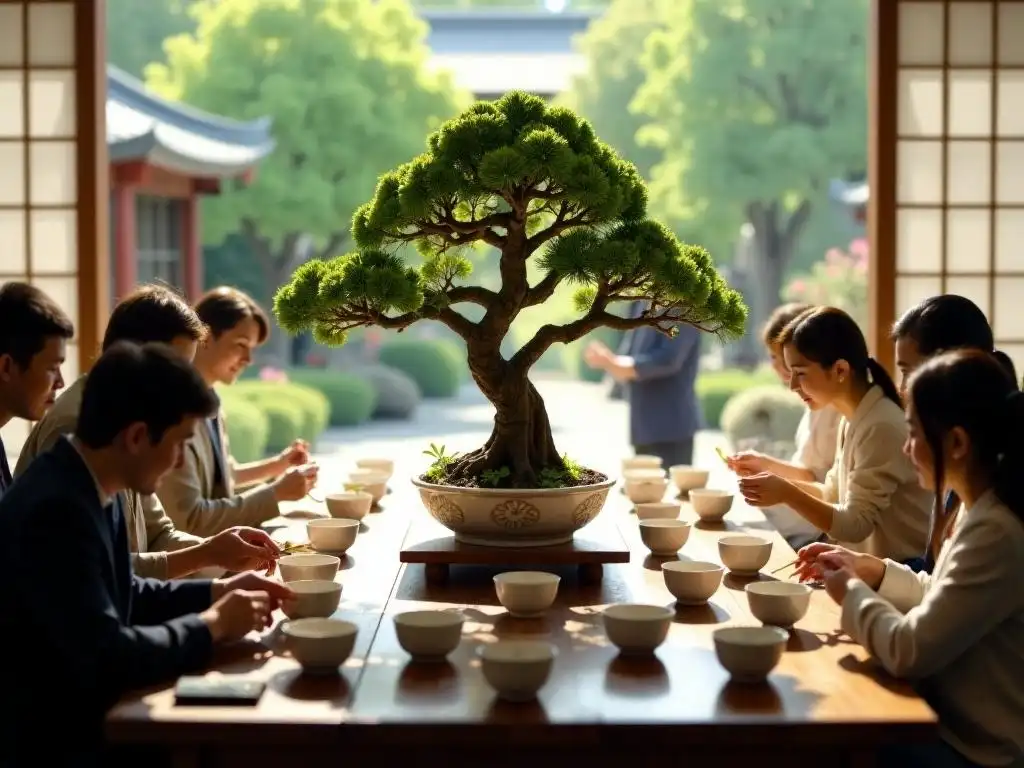
The modern tea ceremony in Japan is a dynamic blend of traditional practices and contemporary influences. While the essence of the tea ceremony remains rooted in its historical significance, the way it is practiced today reflects changes in society, culture, and technology. This evolution showcases the resilience and adaptability of the tea ceremony, allowing it to flourish in a rapidly changing world.
Historically, the tea ceremony, or chanoyu, was a reflection of Zen Buddhism and the aesthetics of simplicity and humility. Today, the ceremony retains these core values while also addressing contemporary sensibilities. The modern tea ceremony often emphasizes inclusivity, welcomed guests from diverse backgrounds, and adapts to varying group sizes and settings, from intimate gatherings to larger public events.
Contemporary Challenges in Preserving Tea Ceremony Traditions
Despite its enduring legacy, the tea ceremony faces several challenges in preserving its traditions.
- Cultural Modernization:
- As Japan embraces globalization, traditional practices may be overshadowed by modern lifestyle changes. Many younger generations are increasingly drawn to fast-paced living, leading to a decline in participation in traditional tea ceremonies.
- Economic Factors:
- The costs associated with purchasing high-quality tea utensils and ingredients can be prohibitive. This can deter individuals and families from engaging in the tea ceremony, which is often seen as a luxury rather than a cultural practice.
- Limited Accessibility:
- Traditional tea ceremonies are often held in specialized settings, such as tea houses or cultural institutions, making them less accessible to the general public. There is a growing need for more community-oriented practices that invite broader participation.
- Preserving Authenticity:
- As modern interpretations of the tea ceremony emerge, there is a delicate balance between innovation and preserving the authenticity of the experience. Maintaining the spiritual and cultural significance while adapting to modern tastes poses a challenge for practitioners.
Innovative Practices: Incorporating Technology and Modern Art
In response to contemporary challenges, many tea ceremony practitioners are integrating innovative practices that connect tradition with modernity. Some of these approaches include:
- Digital Platforms:
- Online workshops and virtual ceremonies have gained popularity, especially during the pandemic. These platforms allow practitioners to reach a global audience, offering insights into tea preparation and the philosophy behind the ceremony, effectively democratizing access to this traditional practice.
- Fusion with Contemporary Art:
- Artists and tea masters are collaborating to create unique experiences that merge traditional tea ceremonies with contemporary art forms. These events showcase the aesthetics of tea culture while attracting a new audience, bridging the gap between generations.
- Interactive Experiences:
- Modern tea ceremonies often incorporate hands-on elements, encouraging participants to engage actively. Workshops focusing on tea blending or utensil crafting allow individuals to personalize their experience, fostering a deeper connection to the tradition.
- Sustainability Initiatives:
- As global awareness of environmental issues grows, some tea ceremony practitioners are adopting sustainable practices. Using locally sourced ingredients and eco-friendly materials for utensils not only preserves the environment but also aligns with the traditional values of respect for nature inherent in the tea ceremony.
Popularity of Tea Workshops and Experiences for Tourists
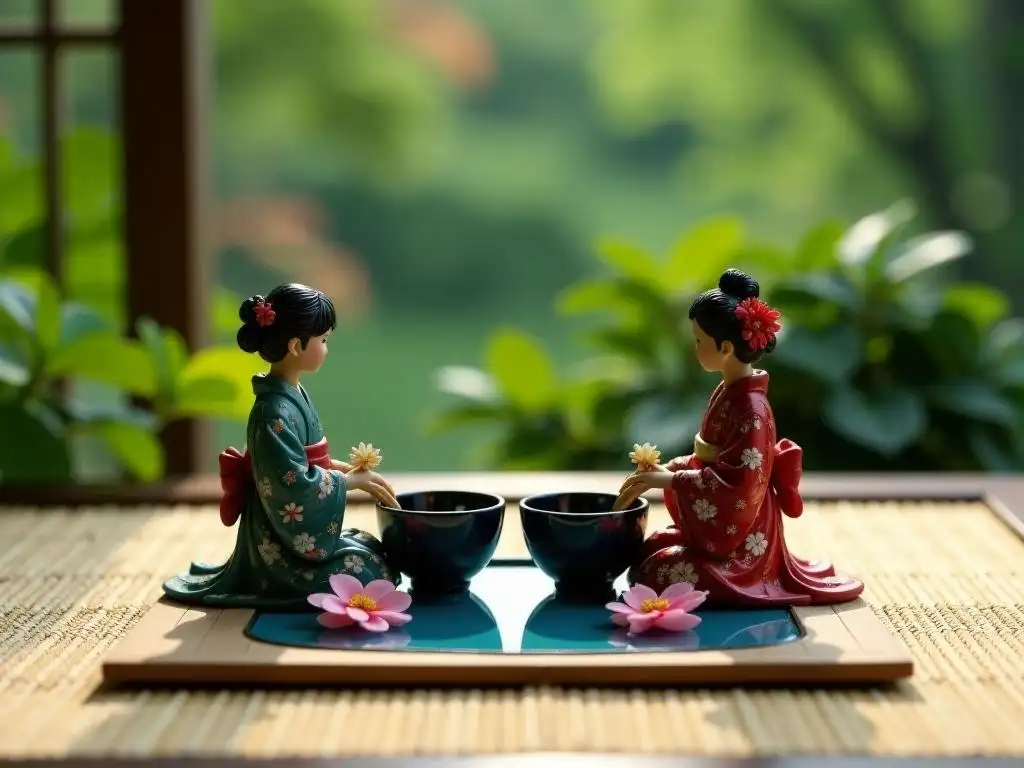
The rise in popularity of tea workshops and experiences among tourists signifies a broader interest in Japan's cultural heritage, particularly the tea ceremony.
- Cultural Immersion:
- Tourists seek authentic experiences that allow them to engage with local traditions. Tea ceremonies provide a unique opportunity to immerse in Japanese culture, offering insights into its values, aesthetics, and history.
- Accessible Learning:
- Many tea houses and cultural centers now offer workshops tailored for visitors, making the tea ceremony approachable. These sessions often include demonstrations, tastings, and interactive elements that demystify the practice.
- Culinary Tourism:
- The trend of culinary tourism has elevated the tea ceremony's profile, positioning it as a must-try experience for visitors. Combining tea with seasonal snacks or traditional sweets enhances the overall experience, showcasing Japan's rich culinary culture.
- Social Media Influence:
- The visual appeal of tea ceremonies has been amplified through social media platforms. As tourists share their experiences online, the tea ceremony garners attention, attracting more visitors eager to participate in this culturally significant practice.
While the tea ceremony in Japan faces contemporary challenges, it also embraces innovative practices and increased popularity among tourists. This evolution demonstrates the ceremony's resilience and its enduring significance as a cultural touchstone in modern Japan.
Conclusion: The Future of Tea Ceremony History in Japan
The tea ceremony, or chanoyu, has undergone significant transformations since its inception in feudal Japan. As we look to the future of the tea ceremony history in Japan, it is essential to recognize how contemporary practices are both embracing change and honoring the rich traditions established centuries ago.
Embracing Change While Honoring Tradition
The ongoing evolution of the tea ceremony reflects broader societal changes and cultural exchanges. Modern interpretations of the tea ceremony have begun to incorporate elements from different cultures, creating a fusion of practices that appeal to a global audience. This adaptability is vital for ensuring the survival and relevance of the tea ceremony in today’s fast-paced world.
- Innovative Practices: Some contemporary tea practitioners are experimenting with different types of tea and incorporating new techniques into traditional rituals. For instance, the introduction of herbal teas and alternative brewing methods has attracted a younger audience, fostering a fresh appreciation for the art of tea.
- Culinary Integration: The tea ceremony is increasingly being integrated into culinary experiences, where tea is paired with seasonal foods. This fusion not only enhances the tasting experience but also showcases the harmony between food and drink, a fundamental principle of Japanese aesthetics.
- Technology and Accessibility: With the rise of digital platforms, many tea schools and practitioners are now offering virtual workshops and classes. This modern approach allows individuals worldwide to engage with Japanese tea culture, fostering a global community of tea enthusiasts.
Despite these changes, it is crucial that practitioners and enthusiasts alike continue to honor the essence of the tea ceremony, respecting its historical roots and the philosophies that underpin it. Emphasizing mindfulness, respect, and the beauty of simplicity remains central to the practice.
Resources for Learning More About Japanese Tea Culture
For those interested in deepening their understanding of the tea ceremony history in Japan, a wealth of resources is available. Whether you prefer reading, watching, or participating in interactive sessions, there are options to suit various learning styles.
Recommended Books and Documentaries on Tea Ceremony History
- Books:
- The Book of Tea by Okakura Kakuzō: A classic text that explores the philosophical aspects of tea and its cultural significance in Japan.
- Japanese Tea Ceremony: Cha-no-Yu by Takashina Yūji: This book provides an in-depth look at the history, rituals, and significance of the tea ceremony.
- Documentaries:
- Kintsugi: The Art of Tea: This documentary delves into the intricate relationships between tea, pottery, and Japanese culture.
- The Way of Tea: A film that showcases traditional tea ceremonies, emphasizing the art and philosophy behind the practice.
Online Courses and Workshops on Traditional Tea Practices
Numerous online platforms now offer courses and workshops focused on traditional tea practices:
- Udemy: Offers various courses on Japanese tea ceremonies, ranging from beginner to advanced levels.
- Skillshare: Features interactive workshops led by experienced tea practitioners, allowing participants to learn directly from experts.
- Tea Masters: This site provides unique online courses that cover various aspects of tea culture, including history, preparation, and tasting.
By engaging with these resources, enthusiasts can gain a deeper appreciation for the tea ceremony history in Japan, ensuring that this cherished tradition continues to thrive in the modern age.
Frequently Asked Questions
What is the history of the tea ceremony in Japan?
The tea ceremony in Japan dates back to the 9th century, evolving significantly during the feudal era. It became a ritualistic practice influenced by Zen Buddhism, emphasizing aesthetic appreciation and spiritual tranquility.
How did feudal Japan influence the tea ceremony?
During feudal Japan, the tea ceremony became a symbol of social status and cultural refinement. It was used by the samurai class to demonstrate discipline and hospitality, leading to its formalization as a ritual.
What are the key elements of a traditional tea ceremony?
Key elements include utensils, tea preparation, and ritualistic movements that reflect harmony, respect, purity, and tranquility. The setting often features a tea room designed for aesthetic simplicity and meditative practice.
How has the tea ceremony evolved in contemporary Japan?
In contemporary Japan, the tea ceremony has adapted to modern lifestyles while retaining its cultural significance. It is often practiced at events and workshops, focusing on education and appreciation of the art form rather than strict adherence to tradition.
Why is the tea ceremony considered an important cultural practice?
The tea ceremony is important as it embodies Japanese values such as mindfulness, appreciation of nature, and social harmony. It serves as a bridge between Japan's historical traditions and modern society, fostering connection and understanding.
Final Reflection: Embracing the Timeless Art of the Tea Ceremony
The tea ceremony, with its deep roots in Japanese history and culture, continues to resonate profoundly in our contemporary society. As we explore the evolution of this ritual from its feudal origins to modern interpretations, we recognize that the essence of the tea ceremony transcends time, offering a unique blend of mindfulness, artistry, and connection. In an age marked by rapid change and digital distractions, the tea ceremony stands as a testament to the beauty of simplicity and the importance of presence.
The influence of the tea ceremony on our cultural and social landscape is undeniable. It serves not only as a ritual but as a bridge connecting generations, fostering community, and promoting peace. The meticulous attention to detail and the serene atmosphere of the ceremony invite participants to slow down and appreciate the moment. As we witness a resurgence of interest in traditional practices, we are reminded of the words of Sen no Rikyū, the revered tea master: Tea is a religion of the art of life.
This sentiment encapsulates the ongoing relevance of the tea ceremony, encouraging us to find beauty in the ordinary and to cultivate a deeper appreciation for our daily experiences.
As we reflect on the lessons embedded in the tea ceremony, I invite you to consider how you can incorporate its principles into your own life. Take a moment to pause, breathe, and engage fully with the present. Whether it’s through a simple cup of tea or a mindful practice, let the spirit of the tea ceremony inspire you to create moments of tranquility and connection in your daily routine. Embrace the art of slowing down, and allow the timeless wisdom of this tradition to enrich your life and those around you.
Embrace the Timeless Art of Tea!
Thank you for taking the time to explore the fascinating evolution of the tea ceremony with us! You’ve uncovered the rich history and contemporary practices that shape this beloved tradition. Now, it’s time to put that knowledge into action and experience the beauty of tea for yourself.
Here are some simple ways to deepen your connection to this art form:
- Host your own tea ceremony: Invite friends or family and create an authentic experience by following the principles you’ve learned.
- Join a local tea community or workshop: Connect with others who share your passion and learn from experienced practitioners.
- Explore the varieties of tea: Experiment with different types of tea to discover new flavors and traditions, adding an exciting twist to your tea experience!
How do you plan to incorporate the spirit of the tea ceremony into your everyday life? **Share your thoughts, and let’s start a conversation! **