
Unveiling the Mystique: The Symbolism of Each Element in the Tea Ceremony

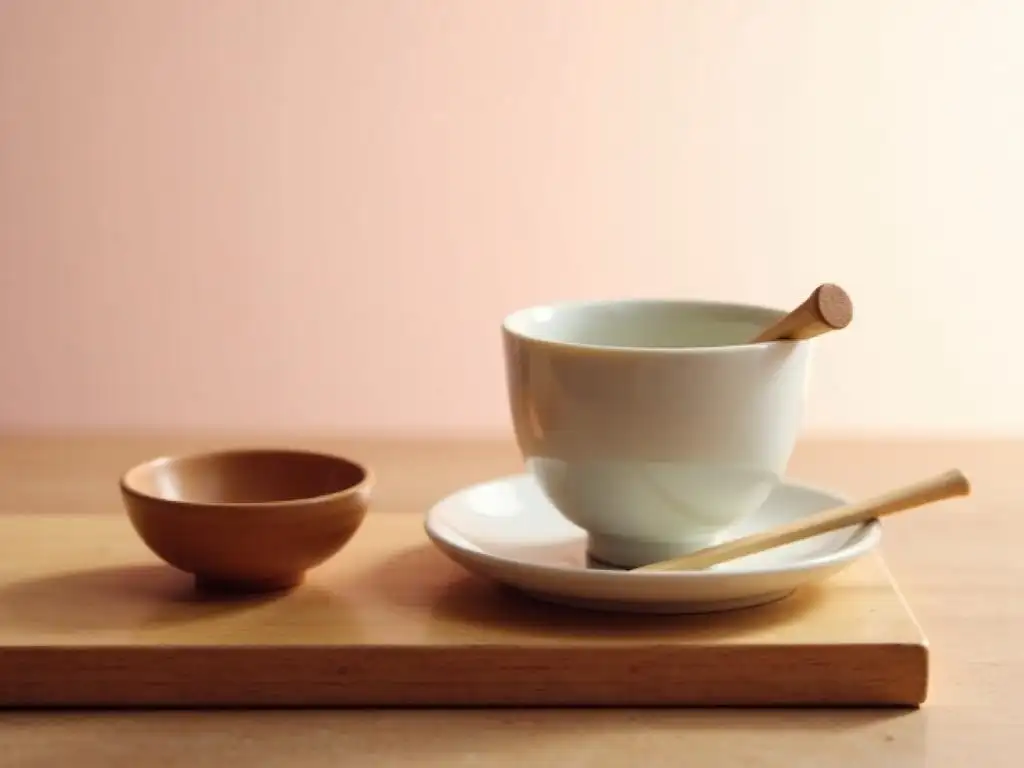
Welcome to Feudal Japan History, where we invite you on a captivating journey through time to unlock the secrets of Japan’s feudal era. Here, you will delve into the intricate symbolism in the Japanese tea ceremony, an art form that transcends mere tradition to reveal the profound cultural and spiritual significance behind each element.
In our featured article, "Unveiling the Mystique: The Symbolism of Each Element in the Tea Ceremony," you’ll discover how every gesture, utensil, and ingredient tells a story of history and harmony. Prepare to be intrigued and inspired as you explore the layers of meaning that define this exquisite ritual—read on and immerse yourself in a world where every sip holds a lesson.
Introduction to the Tea Ceremony
The Japanese tea ceremony, known as chanoyu or sado, is a deeply rooted tradition that transcends the mere act of preparing and serving tea. This intricate ritual embodies a rich tapestry of history, philosophy, and artistry, reflecting the values and aesthetics of Japanese culture. The ceremony is not just about the tea itself; it is a profound expression of harmony, respect, purity, and tranquility—principles that guide each meticulously executed movement.
As participants engage in this ritual, they are invited to immerse themselves in a serene atmosphere, where every element—from the tea utensils to the surrounding garden—holds significant meaning. Understanding the symbolism in the Japanese tea ceremony allows one to appreciate the subtleties that make this practice an art form in its own right. In this article, we will explore the various elements of the tea ceremony, uncovering the profound symbolism woven into each aspect, and how they contribute to the overall experience.
The Essence of Symbolism in Japanese Tea Ceremony
The intricacies of the Japanese tea ceremony extend beyond the surface, with each component symbolizing deeper philosophical concepts and cultural values. Here are some key elements and their meanings:
- Tea Utensils: Each tool used in the ceremony, from the tea whisk ( chasen) to the tea bowl ( chawan), serves a unique purpose and symbolizes different virtues, such as simplicity and humility.
- The Tea Itself: The type of tea used, usually matcha, is not just a beverage but represents harmony and balance, reflecting the relationship between nature and humanity.
- The Setting: The chosen space for the tea ceremony, often a tea room surrounded by a garden, symbolizes the connection between the inner self and the outer world, emphasizing tranquility and nature’s beauty.
- The Movement: The precise and deliberate movements of the host during the ceremony symbolize respect for the guests and the tea itself, reflecting the importance of mindfulness and presence.
Understanding these symbolic elements enriches the experience of the tea ceremony, allowing participants to appreciate the profound philosophies that underpin this beautiful tradition. As we delve deeper into each aspect, we will uncover the layers of meaning that make the Japanese tea ceremony a unique cultural experience, embodying centuries of history and spiritual significance.
Key Elements of the Japanese Tea Ceremony and Their Symbolism
The Japanese tea ceremony, or Chanoyu, is an intricate ritual that embodies the essence of harmony, respect, purity, and tranquility. Each element within this ceremony holds profound meaning and serves as a conduit for participants to connect deeply with each other and the moment. Understanding these elements can greatly enhance one’s appreciation of the ceremony and its cultural significance.
1. The Tea (Matcha)
At the heart of the tea ceremony is matcha, a finely ground green tea that symbolizes purity and tranquility. The preparation and consumption of matcha involve a meticulous process that reflects the philosophy of mindfulness:
- Color and Aroma: The vibrant green color of matcha signifies vitality and freshness, while its rich aroma represents the natural beauty of the tea leaves.
- Preparation: The act of whisking matcha with water is not just about creating a beverage; it represents the blending of the self with nature, emphasizing the importance of harmony in both taste and experience.
- Consumption: Drinking matcha is a shared experience that fosters connection among participants, symbolizing unity and the transient beauty of life.
2. The Tea Utensils
The utensils used in the tea ceremony each carry distinct meanings and contribute to the overall experience:
- Chawan (Tea Bowl): The tea bowl symbolizes the heart of the ceremony. Its design and texture encourage a tactile connection, reminding participants to appreciate beauty in imperfection.
- Chasen (Bamboo Whisk): This tool represents the delicate balance between strength and gentleness, illustrating the need for care and precision in both preparation and interactions.
- Chashaku (Bamboo Scoop): The scoop reflects the importance of moderation and restraint, teaching participants that less can be more in both tea and life.
3. The Environment
The surroundings of the tea ceremony play a crucial role in shaping the experience. Every aspect of the environment is designed to foster serenity and contemplation:
- Tea Room (Chashitsu): The simplicity and minimalism of the tea room symbolize a retreat from the chaos of the world, inviting participants to focus on the present moment.
- Garden: The garden surrounding the tea room serves as a reminder of nature's beauty and transience, emphasizing the connection between humanity and the natural world.
- Seasonal Decor: The seasonal elements used in the tea room, such as floral arrangements and scrolls, reflect the changing seasons, symbolizing the impermanence of life.
The Ritualistic Aspects of the Japanese Tea Ceremony
The Japanese tea ceremony is not merely an act of drinking tea; it is a carefully choreographed ritual that embodies cultural values and philosophies. Its structure and flow are integral to conveying its deeper meanings.
1. The Sequence of Events
The sequence of the tea ceremony is a meticulously planned progression that guides participants through various stages of mindfulness:
- Greeting Guests: The ceremony begins with the host welcoming guests, establishing an atmosphere of respect and hospitality.
- Preparation of Tea: Each step in preparing the tea—from washing utensils to whisking matcha—is performed with intentionality, symbolizing the importance of presence in each action.
- Serving Tea: The act of serving tea is a gesture of generosity, emphasizing the host's role in creating a space of connection and community.
2. The Role of the Host (Teki)
The host, or teki, plays a pivotal role in orchestrating the tea ceremony, embodying the values of humility and mindfulness:
- Facilitator of Experience: The host is responsible for creating an atmosphere of tranquility and focus, ensuring that every detail serves the overall experience.
- Embodiment of Principles: Through their actions and demeanor, the host demonstrates the principles of the tea ceremony, such as respect (rei) and harmony (wa), guiding participants to engage with these concepts deeply.
- Connection Builder: The host fosters connections among participants, guiding conversations and interactions that enhance the communal experience, reinforcing the notion that the tea ceremony is as much about relationships as it is about tea.
Cultural Implications of Symbolism in the Tea Ceremony
The Japanese tea ceremony, known as chanoyu, is steeped in rich cultural significance that transcends the mere act of drinking tea. Each element within this ritual carries profound symbolism, reflecting the values and philosophies of Japanese culture.
One of the most prominent cultural implications is the concept of wabi-sabi, which emphasizes the beauty found in imperfection and transience. This philosophy is manifested in the rustic simplicity of the tea utensils and the natural materials used in the tea room. For instance, a hand-crafted tea bowl may exhibit slight irregularities, symbolizing the unique journey of its creation and the acceptance of impermanence.
Additionally, the tea ceremony serves as a microcosm of social hierarchy and etiquette in feudal Japan. The careful choreography of the ceremony, from the way the host prepares the tea to how guests receive it, reflects a deep respect for harmony ( wa), respect ( kei), purity ( sei), and tranquility ( jaku). These principles guide interactions and foster a sense of community and belonging among participants.
Moreover, the tea ceremony encapsulates the spiritual journey of self-reflection and mindfulness. Participants engage in the ritual with the intent to appreciate the present moment, fostering a deeper connection with themselves and their surroundings. This meditative aspect highlights the integral relationship between nature and humanity, reinforcing the idea that every element—from the tea leaves to the seasonal flowers used for decoration—carries its own unique significance and story.
Conclusion: The Enduring Legacy of Symbolism in Japanese Tea Ceremony
The symbolism inherent in the Japanese tea ceremony continues to resonate profoundly within contemporary culture, serving as a bridge between tradition and modernity. As society evolves, the tea ceremony remains a vital expression of historical values and aesthetic principles, promoting mindfulness and appreciation for the moment.
The enduring legacy of the tea ceremony's symbolism is evident in various aspects of Japanese life today. In an increasingly fast-paced world, the ceremony offers a sanctuary for introspection and connection, allowing individuals to step away from their daily routines and engage in a practice that fosters inner peace and clarity.
Furthermore, the tea ceremony has transcended its original context, inspiring art, literature, and even global culinary practices. Elements of its philosophy are echoed in various mindfulness practices and wellness movements around the world, emphasizing the universal appeal of its teachings.
In essence, the symbolism of the Japanese tea ceremony is not merely a reflection of historical practices but a living tradition that continues to inspire and enrich lives today. Its ability to connect individuals with their cultural heritage while promoting values of harmony, respect, and mindfulness ensures that it remains a cherished aspect of Japanese identity.
Additional Resources
For those interested in exploring the symbolism of the Japanese tea ceremony further, the following resources provide valuable insights and information:
- Books:
- "The Book of Tea" by Okakura Kakuzō: A classic work that delves into the philosophical aspects of tea and its cultural implications.
- "The Japanese Tea Ceremony: Cha-no-yu" by Takashima Hidetaka: A comprehensive guide to the history and practice of the tea ceremony.
- Online Platforms:
- Virtual tours of traditional tea houses and demonstrations of tea ceremonies.
- Forums and communities dedicated to discussions on tea culture and practices.
- Workshops and Classes:
- Local cultural centers and institutions often host tea ceremony workshops that provide hands-on experience and deeper understanding of its symbolism and rituals.
Engaging with these resources can deepen one's appreciation for the intricate symbolism woven throughout the Japanese tea ceremony, enriching both personal practice and cultural understanding.
Call to Action
The rich symbolism embedded within the Japanese tea ceremony invites us to delve deeper into its artistry and philosophy. To fully appreciate this enchanting tradition, we encourage you to immerse yourself in the practices and teachings that surround it. Here are a few steps you can take to expand your understanding and experience the beauty of the tea ceremony firsthand:
- Attend a Tea Ceremony Workshop: Participate in a local workshop or class where you can learn the intricate processes involved in the tea ceremony. This hands-on experience will deepen your appreciation for the symbolism behind each element.
- Read More: Explore books and articles about the history and philosophy of the tea ceremony. Understanding the context and evolution of this tradition will enhance your knowledge of its symbolic meanings.
- Practice Mindfulness: Incorporate the principles of mindfulness and simplicity into your daily life, as these are core tenets of the tea ceremony. Reflect on how these values can transform your everyday experiences.
- Share Your Knowledge: Discuss what you’ve learned about the symbolism in the Japanese tea ceremony with friends and family. Sharing insights can foster a greater appreciation for this traditional art form within your community.
- Explore Japanese Culture: Broaden your exploration of Japanese culture by learning about other traditional arts, such as Ikebana (flower arranging) or calligraphy, which also emphasize beauty, simplicity, and symbolism.
By taking these steps, you not only enhance your understanding of the tea ceremony but also contribute to the preservation and appreciation of this remarkable aspect of Japanese heritage. Embrace the journey of discovery that the tea ceremony offers, and let its symbolism resonate in your life. 🍵✨
- Introduction to the Tea Ceremony
- The Essence of Symbolism in Japanese Tea Ceremony
- Key Elements of the Japanese Tea Ceremony and Their Symbolism
- The Ritualistic Aspects of the Japanese Tea Ceremony
- Cultural Implications of Symbolism in the Tea Ceremony
- Conclusion: The Enduring Legacy of Symbolism in Japanese Tea Ceremony
- Additional Resources
- Call to Action
Frequently Asked Questions
What is the significance of the tea ceremony in Japanese culture?
The Japanese tea ceremony is a ritualistic practice that emphasizes aesthetics, mindfulness, and hospitality, reflecting deep cultural values and traditions.
How does each element of the tea ceremony symbolize something?
Each element, from the tea utensils to the environment, represents concepts such as purity, tranquility, and the transience of life, all integral to the ceremony's philosophy.
Why is the tea used in the ceremony considered special?
The tea itself is often matcha, which symbolizes harmony and balance. Its preparation and consumption reflect the beauty of simplicity and the importance of the moment.
How does the setting influence the tea ceremony?
The setting plays a crucial role, as it is designed to create an atmosphere of serenity and focus, allowing participants to fully engage with the ritual and its symbolism.
Can anyone participate in a tea ceremony, or is it exclusive?
While traditionally rooted in etiquette, anyone can participate in a tea ceremony, making it an inclusive experience that promotes cultural appreciation and connection.
Final Reflection: The Enduring Symbolism of the Japanese Tea Ceremony
The symbolism in the Japanese tea ceremony transcends mere ritual; it serves as a profound reminder of mindfulness and connection in our fast-paced world. As we navigate through the complexities of modern life, the tea ceremony invites us to pause, reflect, and appreciate the beauty in simplicity. This ancient practice, steeped in tradition, continues to resonate with individuals seeking deeper meaning and tranquility amidst chaos.
The tea ceremony's influence extends beyond its immediate cultural context, shaping our understanding of harmony, respect, and tranquility. In a society that often prioritizes speed over substance, the lessons embedded in each element of the ceremony remind us of the importance of intentionality in our interactions. As the philosopher Sen no Rikyū once said, “Tea is a religion of the art of life.” This perspective encourages us to infuse our daily routines with mindfulness, fostering a deeper appreciation for the moments we often take for granted.
As you reflect on the insights gained from the symbolism in the Japanese tea ceremony, consider how you can incorporate these principles into your own life. Take a moment to slow down, engage in mindful practices, and cultivate connections with those around you. By embracing the essence of the tea ceremony, you can transform ordinary moments into extraordinary experiences, enriching your life and the lives of others in profound ways.
Embrace the Serenity: Experience the Tea Ceremony Today!
Thank you for taking the time to explore the profound symbolism behind the tea ceremony. Your journey through this beautiful tradition has deepened your appreciation for the subtle art of mindfulness and connection in every sip. Now, it's time to take that understanding further!
Here are some steps you can take to immerse yourself in this captivating practice:
- Join a local tea ceremony workshop: Experience the tranquility firsthand and learn from seasoned practitioners who can guide you through the intricacies.
- Host your own tea gathering: Invite friends and family to share this experience, bringing the mindfulness and beauty of the ceremony into your home.
- Explore a variety of traditional teas: Research different types of tea used in the ceremony and discover new flavors to enhance your appreciation.
What aspect of the tea ceremony resonates with you the most, and how will you incorporate its principles into your daily life?