
The Influence of Samurai Culture on the Development of Japanese Tea Ceremonies

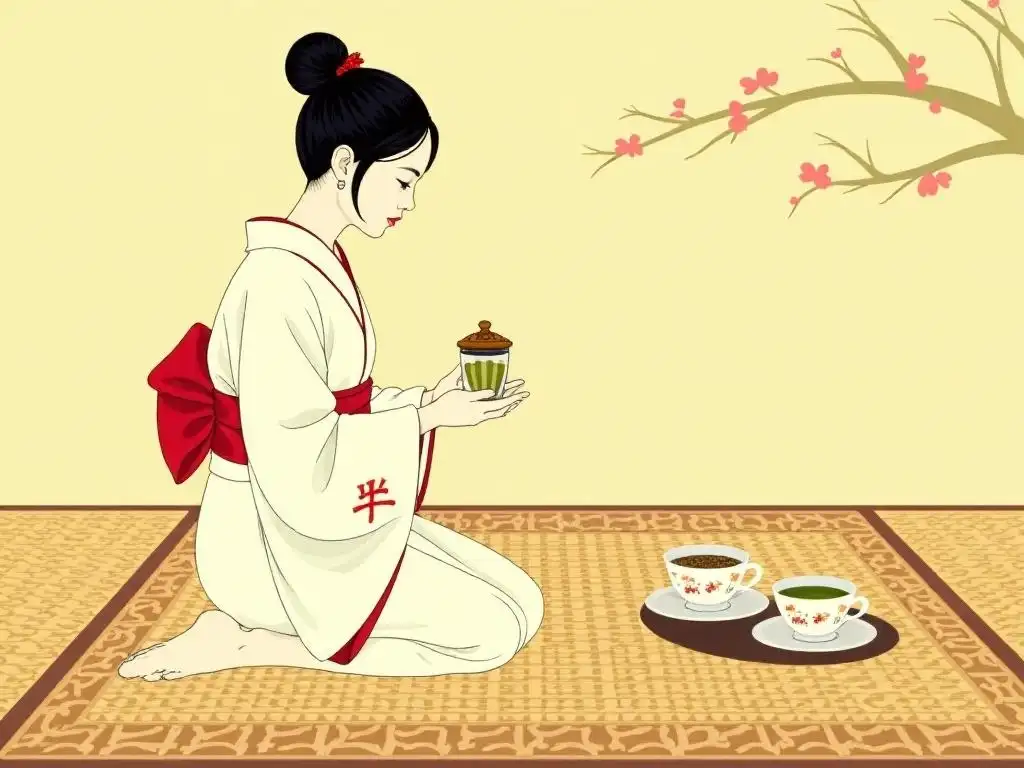
Welcome to Feudal Japan History, where we invite you to embark on a fascinating journey through the intricate tapestry of Japan's feudal era. Here, we delve into the rich history, cultural nuances, and societal transformations that shaped this remarkable period. In our featured article, we explore the captivating interplay between samurai culture and tea ceremonies, revealing how these elements not only defined a warrior’s life but also influenced the art of tea in Japan.
What secrets lie behind the rituals of the tea ceremony, and how do they reflect the values of the samurai? Join us as we uncover the profound connections that continue to resonate in Japanese cuisine and culture today.
Introduction to Samurai Culture and Tea Ceremonies
The intricate relationship between samurai culture and tea ceremonies forms a fascinating tapestry that weaves together Japan's feudal history, aesthetics, and social customs. During the feudal era, samurai were not only warriors but also custodians of a rich cultural heritage, which profoundly influenced various aspects of Japanese life, including the ceremonial art of tea. This period was marked by the pursuit of refinement, discipline, and spirituality, all of which found expression in the practice of tea drinking.
The samurai's code of conduct, known as Bushido, emphasized virtues such as loyalty, honor, and self-discipline, which were integral to their identity. These principles extended into their appreciation for the tea ceremony, known as chanoyu or sado, transforming it into a ritual that transcended mere consumption. The tea ceremony became a means for samurai to express their values, aesthetic sensibilities, and social status, creating a profound cultural legacy that continues to resonate in Japan today.
In this article, we will delve deep into how samurai culture shaped the development of tea ceremonies, exploring various elements such as historical contexts, artistic expressions, and spiritual dimensions. Through this comprehensive exploration, we aim to highlight the enduring legacy of samurai values in the world of Japanese tea, illustrating the intricate connections that bind these two essential aspects of Japanese heritage.
- What is the relationship between samurai culture and tea ceremonies in Japan?
- How did samurai contribute to the evolution of tea ceremonies?
- What role did Zen Buddhism play in the tea ceremonies influenced by samurai?
- Are there specific tea ceremony styles associated with the samurai?
- How do modern tea ceremonies reflect samurai culture?
Historical Background of Samurai Culture
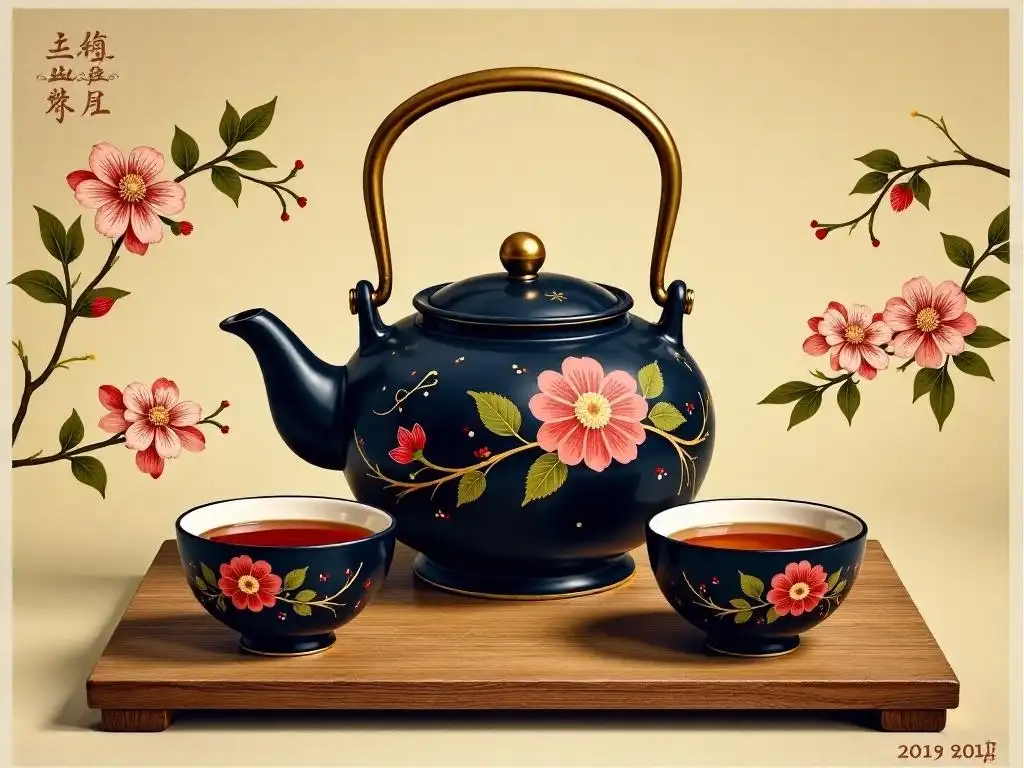
The samurai culture, deeply rooted in Japan’s feudal era, emerged during the late 12th century. This class of warriors played a pivotal role in shaping Japan's social and political landscape until the Meiji Restoration in the late 19th century. The samurai were not just skilled fighters but also held significant influence over cultural practices, including the development of tea ceremonies.
At the heart of samurai culture was the Bushido code, which emphasized virtues such as loyalty, honor, and discipline. This ethical framework guided samurai behavior both on and off the battlefield, creating a distinct lifestyle that permeated various aspects of Japanese society. As a result, samurai were seen not only as military leaders but also as cultural icons, fostering arts and traditions that are still celebrated today.
The Role of the Samurai in Japanese Society
The samurai held a unique position in the feudal hierarchy of Japan, serving as the military elite under the shogunate and local daimyos (feudal lords). Their primary responsibilities included:
- Military Service: Samurai were trained from a young age in martial arts and battlefield strategy, serving as protectors of their lords and territories.
- Governance: Many samurai were appointed as administrators, managing lands and ensuring the loyalty of their vassals.
- Cultural Patronage: Samurai were instrumental in promoting cultural activities, including literature, poetry, and the arts. Their patronage led to the flourishing of various traditional practices, including the tea ceremony.
The samurai's emphasis on aesthetics and refinement played a crucial role in elevating the tea ceremony from a simple act of hospitality to a highly stylized ritual that reflected the values of their culture. This melding of martial discipline and artistic expression created a unique cultural environment where tea ceremonies could thrive.
Evolution of Samurai Culture and Its Impact on Daily Life
Over the centuries, the samurai culture evolved significantly, particularly during the Muromachi period (1336-1573) and the Edo period (1603-1868). The consolidation of power by the Tokugawa shogunate led to a prolonged era of peace, allowing samurai to shift their focus from warfare to cultural pursuits.
Key aspects of this evolution include:
- Refinement of Aesthetics: The peace encouraged samurai to cultivate a taste for beauty, leading to the development of various art forms, including calligraphy, flower arranging, and, notably, the tea ceremony.
- Integration of Zen Buddhism: The influence of Zen philosophy emphasized simplicity, mindfulness, and the appreciation of nature. These principles became integral to the tea ceremony, transforming it into a meditative practice that reflected samurai values.
- Social Rituals: The tea ceremony evolved into a social event among samurai, serving as a means of forging alliances and reinforcing social hierarchies. The rituals associated with tea drinking became a reflection of one's status and refinement.
The intricate relationship between samurai culture and tea ceremonies highlights the broader societal implications of this warrior class. Their dedication to aesthetics, discipline, and social structure not only influenced the practice of tea drinking but also left a lasting legacy on Japanese culture as a whole. The tea ceremony, with its roots in samurai traditions, remains a cherished aspect of Japan’s cultural heritage today.
Tea Ceremonies: Definition and Historical Context
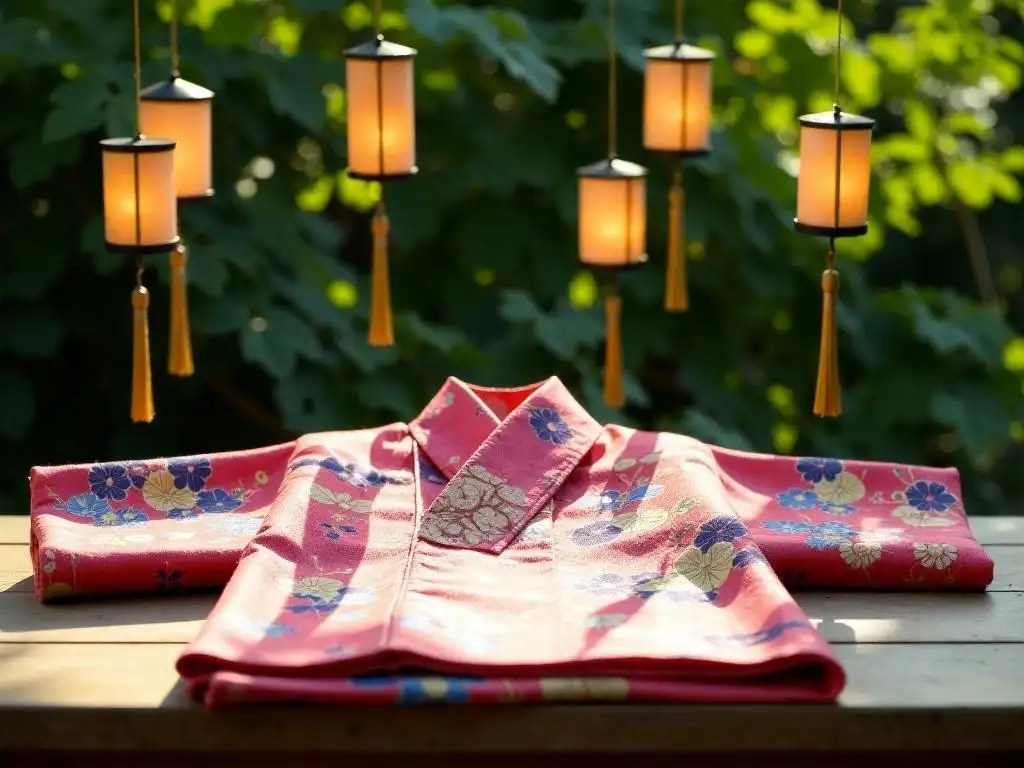
Japanese tea ceremonies, known as "chanoyu" or "sado," are intricate rituals centered around the preparation and serving of matcha (powdered green tea). These ceremonies are not merely about drinking tea; they embody a deep cultural philosophy and are steeped in historical significance.
The practice dates back to the 12th century with influences from Zen Buddhism, which emphasizes mindfulness and simplicity. However, it was during the Muromachi period (1336-1573) that tea ceremonies began to flourish, shaped by influential figures such as Sen no Rikyū, who is often regarded as the most significant tea master.
Key elements of tea ceremonies include:
- Chaji: A full-length tea ceremony that includes a meal.
- Chakai: A shorter gathering typically serving sweets and tea.
- Utensils: Specific tools like the tea bowl ( chawan), tea whisk ( chasen), and tea scoop ( chashaku) hold symbolic meanings.
The ceremonies reflect a harmony of aesthetics, philosophy, and social engagement, emphasizing the importance of the moment and the connections between participants.
Understanding Japanese Tea Ceremonies
The Japanese tea ceremony is a meticulous and artful practice that embodies wabi-sabi, the aesthetic of finding beauty in imperfection and transience. Each ceremony is designed to create an atmosphere of peace and serenity, fostering a sense of connection among participants.
Components of the Ceremony
- Preparation: The host carefully prepares the tea room, cleans the utensils, and arranges the flowers, emphasizing simplicity and elegance.
- Greeting: Guests are welcomed and offered sweets before the tea is served, creating a hospitality environment.
- Serving Tea: The host prepares the matcha with precise movements, showcasing the skill and grace inherent in the practice.
- Appreciation: Guests savor the tea, often reflecting on its taste and the beauty of the moment, before expressing gratitude.
The Interconnection of Samurai Culture and Tea Ceremonies
The relationship between samurai culture and tea ceremonies is profound and multifaceted. Samurai, as the warrior class of feudal Japan, embraced the tea ceremony as a means of cultivating discipline, mindfulness, and a refined lifestyle.
Samurai Influence on Tea Practices
- Zen Buddhism: The samurai were heavily influenced by Zen teachings, which emphasized meditation and simplicity. This philosophy perfectly aligned with the principles of tea ceremonies, making it a favored practice among samurai.
- Social Status: Tea ceremonies became a symbol of prestige among the samurai. Mastery of the tea ceremony was often seen as a reflection of one's status and cultural sophistication.
- Ritual and Discipline: The precise movements and rituals involved in the tea ceremony mirrored the disciplined training and rituals of the samurai, emphasizing focus and control.
Cultural Exchange
The tea ceremony served as a platform for cultural exchange among samurai, allowing for the sharing of ideas, philosophies, and artistry. This melding of cultures also led to the development of unique tea utensils and styles that reflected the samurai's aesthetic values.
The samurai culture and tea ceremonies are intricately linked, with both embodying the ideals of mindfulness, discipline, and aesthetic appreciation that have shaped Japanese culture for centuries. The tea ceremony remains a profound expression of these values, inviting participants to engage in a moment of tranquility and reflection amidst the complexities of life.
Key Elements of Samurai-Influenced Tea Ceremonies
The influence of samurai culture on Japanese tea ceremonies is profound and multifaceted. Rooted in the values and aesthetics of the samurai, these ceremonies reflect a unique blend of martial discipline and artistic expression. Understanding the key elements of these ceremonies provides insight into how samurai culture shaped the way tea is prepared, served, and experienced in Japan.
Tools and Utensils Used in Traditional Tea Ceremonies
The tools and utensils utilized in samurai-influenced tea ceremonies are not only functional but also imbued with symbolic meaning. Each item plays a critical role in embodying the values of simplicity, respect, and harmony that the samurai upheld. Here are some essential tools:
- Chawan (Tea Bowl): Often crafted with careful attention to aesthetics, the chawan is a centerpiece in tea ceremonies. Samurai preferred bowls that were both utilitarian and beautiful, reflecting their appreciation for craftsmanship.
- Chasen (Bamboo Whisk): This tool is vital in the preparation of matcha, the powdered green tea used in ceremonies. The chasen's design, typically made from a single piece of bamboo, symbolizes the samurai's connection to nature and the importance of using natural materials.
- Chashaku (Tea Scoop): This bamboo scoop is used to measure out matcha. Its slender form represents the samurai's precision and the disciplined approach they brought to every action.
- Kensui (Waste Water Bowl): The kensui serves to catch any excess water or tea. Its presence in the tea room illustrates the samurai's emphasis on cleanliness and order.
- Furo (Portable Brazier): This is often used to heat water for tea. The furo embodies the transient nature of life, a concept deeply appreciated by the samurai, who understood the importance of living in the moment.
The arrangement and maintenance of these tools are guided by the principles of wabi-sabi, which celebrates imperfection and transience—an aesthetic that resonates deeply within samurai culture.
The Aesthetic Principles of Samurai Tea Ceremonies
The aesthetic principles that underpin samurai tea ceremonies are derived from the broader cultural values of the samurai class. These principles guide not only the visual aspects of the tea ceremony but also the mindset and demeanor of the participants.
- Simplicity (Kanso): Samurai culture prized minimalism and simplicity, which is reflected in the tea ceremony's design and execution. Every element, from the utensils to the setting, is stripped of unnecessary ornamentation, allowing the beauty of the moment to shine through.
- Naturalness (Shizen): This principle emphasizes authenticity and the natural state of things. Samurai admired the beauty found in the natural world, and this appreciation is echoed in the selection of organic materials and unrefined aesthetics in tea ceremonies.
- Subtlety (Yugen): The notion of yugen involves a deep, mysterious beauty that goes beyond the surface. In a samurai tea ceremony, subtle gestures and understated elegance create a profound experience that encourages introspection and contemplation.
- Tranquility (Seijaku): The calmness of the tea ceremony reflects the samurai's discipline and focus. A serene environment is meticulously cultivated to foster a sense of peace and mindfulness, allowing participants to immerse themselves fully in the experience.
- Respect (Sonkei): Respect for nature, the tea, and the participants is paramount. This principle is deeply rooted in samurai culture, where honor and respect governed interactions. The careful choreography of the ceremony embodies this value, as each action conveys reverence for the shared experience.
In essence, the samurai-influenced tea ceremony is a harmonious blend of tradition and artistry, where each element serves as a reflection of the multifaceted samurai ethos. By embracing these principles, tea ceremonies transcend mere beverage preparation, transforming into a meditative practice that embodies the spirit of samurai culture.
Notable Samurai Figures and Their Contributions to Tea Culture
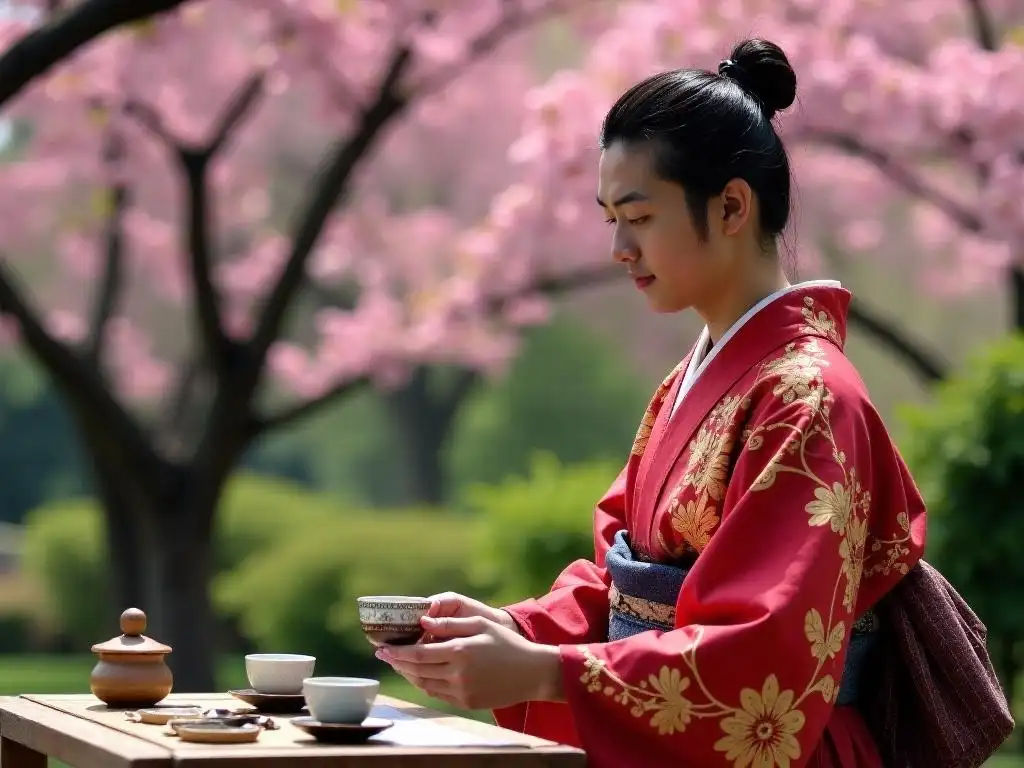
Sen no Rikyū: The Master of Tea Ceremony
Sen no Rikyū (1522–1591) is arguably the most significant figure in the development of the Japanese tea ceremony, known as chanoyu. His contributions to tea culture were profound, establishing a framework that emphasized simplicity, harmony, and spirituality within the practice. Rikyū transformed the tea ceremony from a leisurely pastime into a highly structured ritual that reflects Zen Buddhist principles.
- Philosophy and Aesthetics: Rikyū's approach was deeply influenced by Zen Buddhism. He advocated for the concept of wabi-sabi, which celebrates imperfection and transience. This philosophy is evident in the choice of utensils, the design of tea rooms, and the overall atmosphere of the tea ceremony. Rikyū believed that the tea ceremony should create a space for introspection and tranquility.
- Tea Utensils and Decor: Rikyū emphasized the importance of using rustic and unadorned tea utensils. He believed that the beauty of simplicity would enhance the experience of the ceremony. As a result, many of the tools used, such as the tea bowl ( chawan) and tea whisk ( chasen), were chosen for their character rather than their opulence.
- Influence on Samurai Culture: As a samurai, Rikyū's practices were instrumental in integrating tea culture into the lifestyle of the samurai class. His teachings attracted many samurai who sought to refine their etiquette and spiritual awareness through the rituals of tea. Rikyū's influence extended beyond his lifetime, shaping the behaviors and values of samurai engaged in the tea tradition.
Other Influential Samurai in the Development of Tea Ceremonies
In addition to Sen no Rikyū, several other samurai figures played key roles in the evolution of tea culture during Japan's feudal era. Their contributions helped to weave the practice of tea into the fabric of samurai life and culture.
- Ashikaga Yoshimasa (1436–1490): The eighth shōgun of the Ashikaga shogunate, Yoshimasa was a significant patron of the arts and a proponent of the tea ceremony. He is credited with establishing the Higashiyama style of tea, which emphasized a more artistic and aesthetic approach compared to Rikyū's later minimalist philosophy. His influence helped to elevate the status of tea as an esteemed cultural practice among the elite.
- Uesugi Kenshin (1530–1578): Renowned as a powerful warlord and a celebrated samurai, Kenshin was also an avid supporter of tea culture. He is known for hosting tea gatherings that served both as a means of diplomacy and a way to foster camaraderie among warriors. Kenshin’s gatherings often included elaborate tea ceremonies, which helped to popularize the practice among his followers.
- Tokugawa Ieyasu (1543–1616): The founder of the Tokugawa shogunate, Ieyasu played a crucial role in stabilizing Japan during the Edo period. He recognized the importance of tea ceremonies in fostering loyalty and social bonds among the samurai. Under Ieyasu’s rule, tea ceremonies became a symbol of refinement and discipline, further embedding tea culture into samurai traditions.
- Miyamoto Musashi (1584–1645): Though primarily known as a legendary swordsman and strategist, Musashi also had a keen interest in the arts, including tea. He recognized the value of tea ceremonies in promoting mental clarity and focus, essential traits for a warrior. His writings often reflect the philosophical underpinnings of the tea ceremony, demonstrating the connection between martial discipline and the art of tea.
The interplay between samurai culture and tea ceremonies created a unique bond that continues to influence Japanese society today. The legacy of these notable samurai figures illustrates how tea culture transcended mere beverage preparation to become a profound expression of Japanese heritage and aesthetic value.
Modern Interpretations of Samurai Culture in Tea Ceremonies
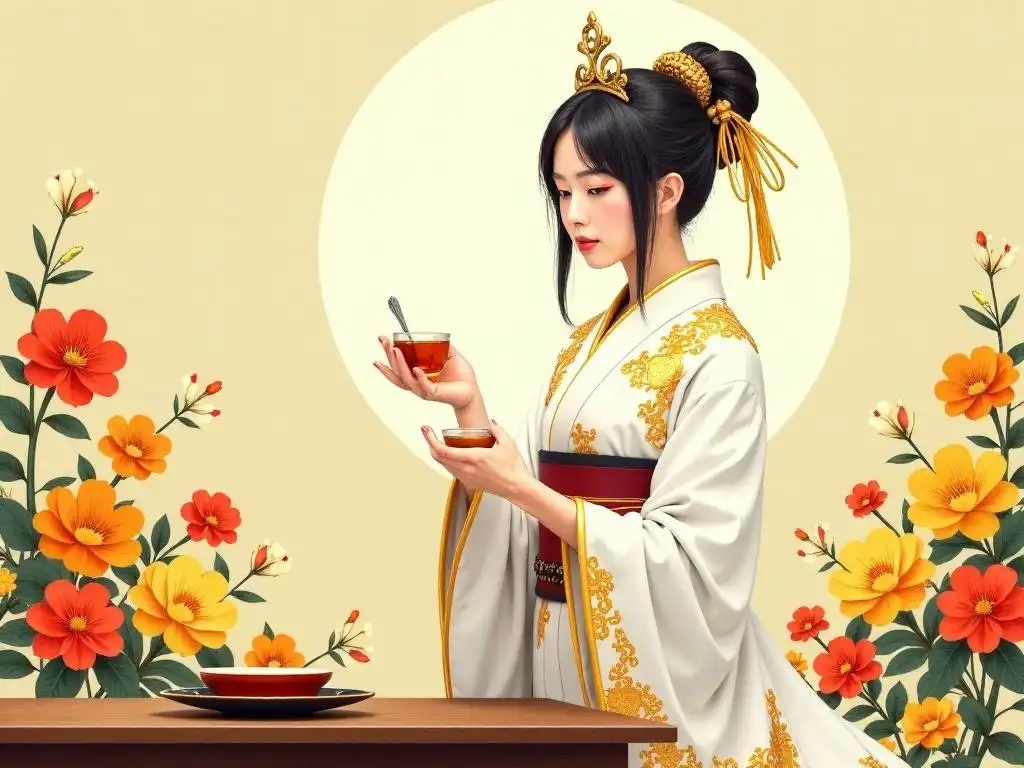
The legacy of samurai culture has left an indelible mark on various aspects of Japanese society, none more so than in the realm of tea ceremonies. As we transition into modern times, interpretations of these ancient traditions have evolved, incorporating elements of samurai philosophy and aesthetics into contemporary practices. This section explores how the ethos of the samurai continues to influence tea ceremonies today.
Contemporary Tea Ceremonies Inspired by Samurai Traditions
Modern tea ceremonies often draw inspiration from the samurai's disciplined lifestyle and their values of respect, mindfulness, and harmony. Contemporary practitioners seek to evoke the spirit of the samurai in several key ways:
- Aesthetic Simplicity: The samurai were known for their appreciation of simplicity and beauty. Today’s tea ceremonies often emphasize minimalist designs in their utensils and settings, drawing parallels with the samurai’s preference for unadorned yet functional weapons and armor.
- Mindfulness and Presence: Samurai culture prioritized mental discipline and focus. In modern tea ceremonies, this is mirrored through practices that encourage participants to be fully present, reflecting on the act of making and consuming tea as a form of meditation.
- Respect for Nature: The samurai's connection to nature is celebrated in contemporary tea practices that utilize seasonal ingredients and natural settings. This respect for the environment resonates within the tea ceremony’s emphasis on harmony with nature.
- Ceremonial Rigor: The formalities of samurai rituals have been adapted into the tea ceremony, with structured movements and etiquette that echo the precision found in swordsmanship and other samurai disciplines.
By integrating these elements, modern tea ceremonies not only honor the traditions of the samurai but also offer a reflective space where participants can engage with these historical values.
Integrating Samurai Philosophy into Modern Tea Practices
The philosophical underpinnings of samurai culture, particularly the concepts of bushido (the way of the warrior), play a significant role in shaping modern tea practices. Here are some key philosophical elements that have been woven into contemporary ceremonies:
- Discipline and Commitment: Just as samurai trained rigorously in their crafts, tea practitioners today often dedicate themselves to mastering the art of tea. This commitment manifests in long hours of practice and a deep understanding of the various tea types, preparation techniques, and the significance of each step in the ceremony.
- Harmony (Wa): A central tenet of both samurai culture and tea ceremonies is the pursuit of harmony. Modern interpretations emphasize creating a balanced atmosphere, where the interaction among participants, the tea, and the environment is harmonious and respectful.
- Respect (Rei): The samurai’s code placed immense value on respect, not just towards others but also towards oneself. In the tea ceremony, this is expressed through the careful preparation of the tea and the respectful way in which it is served and consumed.
- Tranquility (Seijaku): The samurai sought tranquility as a means to maintain clarity and focus. Modern tea ceremonies, influenced by this idea, often create serene environments that promote calm and introspection, encouraging participants to reflect on their experiences during the ceremony.
Through these aspects, samurai philosophy enriches modern tea practices, creating a deeper connection between the participants and the ceremonial experience. As individuals partake in these rituals, they not only engage with the present moment but also connect with the rich tapestry of Japan's historical and cultural legacy.
The reinterpretation of samurai culture within modern tea ceremonies exemplifies an enduring connection to Japan's feudal past. These ceremonies continue to evolve, encapsulating the essence of samurai values and traditions while inviting new generations to appreciate and partake in this ancient art form.
Conclusion: The Enduring Legacy of Samurai Culture in Japanese Tea Ceremonies
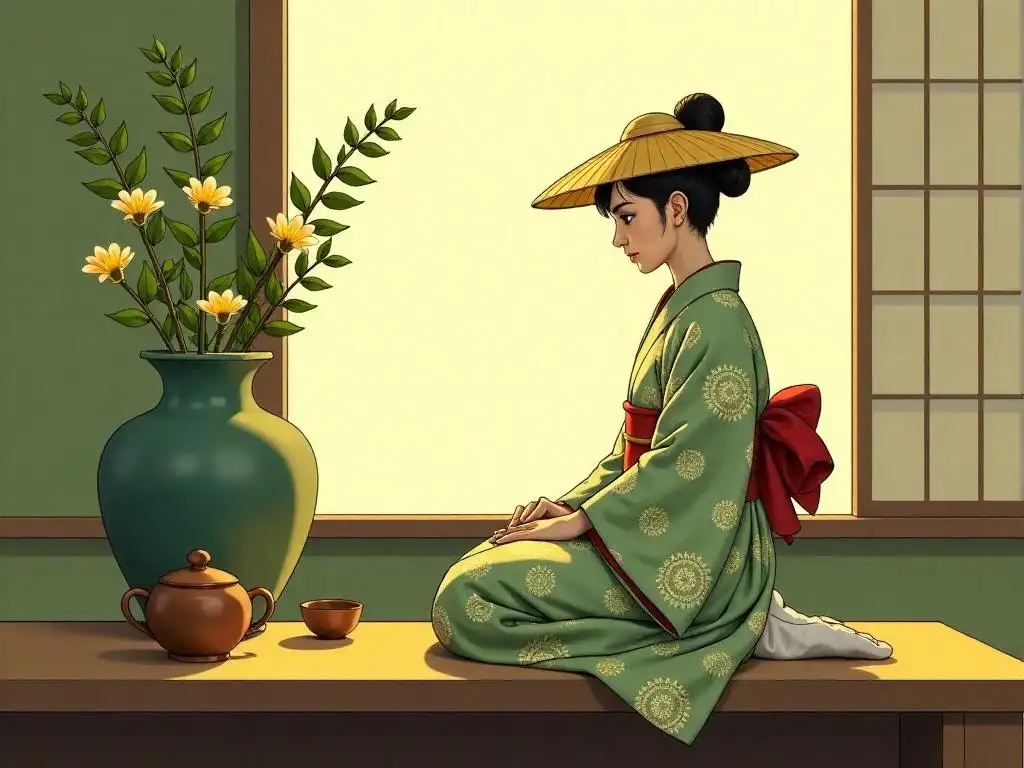
The influence of samurai culture on Japanese tea ceremonies is a profound testament to the intertwining of martial and aesthetic values in Japan's history. Samurai were not only warriors but also custodians of culture, philosophy, and social norms. Their approach to life, which emphasized discipline, honor, and simplicity, deeply permeated the tea ceremony, transforming it into a ritual that reflects both the martial spirit and the serene essence of nature.
Reflection on the Cultural Significance of Samurai and Tea
The samurai's role in the development of tea ceremonies can be traced back to the 12th century when Zen Buddhism began to flourish in Japan. The samurai were drawn to Zen principles, which emphasized mindfulness and presence—qualities that are essential to the practice of the tea ceremony. The act of preparing and drinking tea became a meditative exercise, allowing samurai to cultivate a sense of tranquility amid the chaos of their tumultuous lives.
Key Elements of Samurai Influence on Tea Ceremonies
- Mindfulness and Presence: The samurai approach to tea was characterized by a deep mindfulness reflected in every action—from the precise movements in preparing tea to the quiet contemplation during its consumption.
- Aesthetic Simplicity: The samurai valued simplicity, which is echoed in the aesthetics of tea ceremonies. The choice of utensils, the arrangement of the tea room, and even the seasonal themes were all designed to evoke a sense of harmony with nature.
- Ritual and Discipline: The structured rituals of tea ceremonies mirror the disciplined training of samurai. Each step in the ceremony is executed with care and precision, showcasing the dedication and respect for tradition that samurai embodied.
- Social Connection: Tea ceremonies served as a means for samurai to forge alliances and build relationships. The act of sharing tea symbolized trust and camaraderie, reinforcing social hierarchies while simultaneously promoting unity.
Conclusion
The legacy of samurai culture in Japanese tea ceremonies is indelible, marking a synthesis of martial discipline and aesthetic enjoyment. As we reflect on this cultural significance, it becomes clear that the tea ceremony is not merely a practice of drinking tea but a profound expression of the values held dear by the samurai—values that continue to resonate in contemporary Japanese society. The samurai's enduring influence ensures that tea ceremonies remain a vital expression of Japan’s rich cultural heritage, inviting participants to engage with the past while cultivating a sense of peace and mindfulness in the present.
In sum, the relationship between samurai culture and tea ceremonies is a striking example of how historical traditions can shape cultural practices, offering insights into the complexities of Japanese identity and the enduring pursuit of harmony and discipline.
Further Reading and Resources
Recommended Books on Samurai Culture and Tea Ceremonies
- "The Book of Tea" by Okakura Kakuzō
- This classic work explores the relationship between tea and Japanese aesthetics, providing insights into how samurai culture shaped tea practices.
- Key Themes: Zen philosophy, art, and the evolution of tea ceremonies.
- "Bushido: The Soul of Japan" by Inazo Nitobe
- A foundational text that delves into the ethical code of the samurai, which indirectly influenced the principles of tea ceremonies.
- Key Themes: Honor, discipline, and the spiritual dimensions of samurai life.
- "The Tea Ceremony" by Sen Soshitsu XV
- Written by a renowned tea master, this book offers a comprehensive guide to the tea ceremony, including its historical ties to samurai culture.
- Key Themes: Techniques, rituals, and the significance of tea in Japanese society.
- "Samurai and Tea: The History of the Japanese Tea Ceremony" by Richard G. McCoy
- This book examines the historical context in which samurai culture and tea ceremonies evolved, highlighting key figures and events.
- Key Themes: Cultural exchange, historical events, and the role of samurai in popularizing tea.
- "Zen and the Art of Tea" by Kiyoshi Matsumoto
- This book connects Zen teachings with the practice of tea ceremonies, emphasizing the samurai's connection to Zen Buddhism.
- Key Themes: Mindfulness, simplicity, and the aesthetics of tea preparation.
Online Resources for Exploring Samurai and Tea Ceremonies
- The Samurai Archives
- A comprehensive online resource featuring articles, forums, and discussions around samurai culture and its impact on various aspects of Japanese life, including tea ceremonies.
- The Urasenke Foundation
- This organization provides detailed information on the tea ceremony, including video demonstrations and the historical significance of samurai involvement in tea rituals.
- Japan National Tourism Organization (JNTO)
- Offers insights into cultural experiences, including tea ceremonies, and how samurai history intertwines with these traditions.
- YouTube Channels:
- Tea Masters: This channel features various tea ceremonies, often highlighting the influence of samurai culture.
- Japanese History: A channel dedicated to exploring various aspects of Japan's history, including samurai and their cultural practices.
- Online Courses:
- Websites like Coursera and Udemy offer courses on Japanese culture where samurai culture and tea ceremonies are often key topics, providing a structured learning experience.
These resources provide a deeper understanding of how samurai culture and tea ceremonies are intertwined, enriching the exploration of traditional Japanese practices.
Frequently Asked Questions
What is the relationship between samurai culture and tea ceremonies in Japan?
The samurai culture significantly influenced the development of tea ceremonies, emphasizing values like discipline, aesthetics, and spirituality that are central to the practice.
How did samurai contribute to the evolution of tea ceremonies?
Samurai were pivotal in formalizing tea ceremonies, integrating martial arts principles, and promoting meditative practices that enhanced the overall experience.
What role did Zen Buddhism play in the tea ceremonies influenced by samurai?
Zen Buddhism introduced a focus on simplicity and mindfulness, which merged with samurai ideals to shape the aesthetic and philosophical dimensions of tea ceremonies.
Are there specific tea ceremony styles associated with the samurai?
Yes, the Wabicha style, characterized by its minimalism and natural beauty, is closely associated with samurai values, reflecting their philosophical beliefs.
How do modern tea ceremonies reflect samurai culture?
Modern tea ceremonies still embrace the discipline, respect, and attention to detail that were hallmarks of samurai culture, showcasing a blend of tradition and contemporary practices.
Final Reflection: The Enduring Legacy of Samurai Culture in Tea Ceremonies
The intricate relationship between samurai culture and Japanese tea ceremonies remains profoundly relevant today, as it encapsulates the essence of discipline, respect, and mindfulness. In a world increasingly dominated by fast-paced living and superficial interactions, the values embodied in the tea ceremony serve as a poignant reminder of the beauty found in simplicity and intentionality. The samurai's influence on this ritual not only shaped its aesthetic but also instilled a deeper philosophical significance that resonates with contemporary society.
The impact of samurai culture on tea ceremonies extends beyond mere tradition; it has woven itself into the very fabric of Japanese identity and social interaction. The principles of harmony, respect, purity, and tranquility that define the tea ceremony reflect the samurai's code of conduct, emphasizing a way of life that values inner peace and connection with others. As the renowned tea master Sen no Rikyū once stated, Tea is a way of life, a means of self-cultivation.
This observation underscores how the samurai's legacy continues to influence not only the practice of tea but also the broader cultural landscape, encouraging individuals to seek balance and mindfulness in their daily lives.
As we reflect on the profound lessons drawn from the intersection of samurai culture and tea ceremonies, I invite you to embrace these teachings in your own life. Consider how you can cultivate mindfulness, respect, and simplicity in your daily interactions.
Whether through the act of sharing tea with a friend or finding moments of stillness amidst chaos, let the spirit of the samurai inspire you to create a life imbued with purpose and connection. The legacy of samurai culture is not merely a historical artifact; it is a living tradition that can guide us toward a more meaningful existence.
Embrace the Spirit of Samurai and Tea!
Thank you for immersing yourself in the rich tapestry of Samurai culture and its profound impact on Japanese tea ceremonies. You've uncovered not just history, but the essence of mindfulness and tradition that continues to inspire. Now, it's time to take that insight and infuse it into your own life.
Here are some exciting ways you can connect further with this incredible heritage:
- Host your own tea ceremony: Gather friends or family and recreate a traditional tea ceremony at home. Emphasize mindfulness and the aesthetics that make this practice so special.
- Explore local tea shops: Seek out a nearby Japanese tea shop and sample a variety of teas. Challenge yourself to learn about their origins and the proper brewing techniques to enhance your appreciation.
- Join a workshop: Look for local classes that delve into Samurai culture or the art of tea ceremonies. Engaging with communities that share your interests can lead to insightful discussions and deeper connections.
What personal experiences with tea or cultural traditions do you treasure? We invite you to share your thoughts below!