
Sushi as a Symbol: How Feudal Japan Shaped the Dish We Know Today


Welcome to Feudal Japan History, where we invite you to embark on a captivating journey through the intricate tapestry of Japan's feudal era. Here, history intertwines with culture, and society unfolds in rich detail, offering you an in-depth exploration unlike any other. In our featured article, “Sushi as a Symbol: How Feudal Japan Shaped the Dish We Know Today,” we delve into the fascinating evolution of sushi, uncovering its roots and significance during this remarkable period.
Prepare to be intrigued as we reveal how the culinary traditions of feudal Japan not only influenced a beloved dish but also reflect the broader societal changes of the time. Dive in and discover the delicious history that awaits!
- Sushi History in Feudal Japan: A Cultural Exploration
- The Origins of Sushi: From Fermented Rice to Modern Delicacies
- Feudal Japan: The Social Structure and Its Influence on Cuisine
- Regional Variations of Sushi in Feudal Japan
- The Art of Sushi Making: Techniques Developed in Feudal Japan
- Cultural Significance of Sushi in Feudal Japan
- Conclusion: The Legacy of Sushi from Feudal Japan to Modern Times
-
Frequently Asked Questions
- What is the significance of sushi in feudal Japan?
- How did the feudal system impact food production in Japan?
- What are the main types of sushi that originated during feudal Japan?
- How did sushi reflect social class distinctions in feudal Japan?
- What role did trade play in the development of sushi during feudal Japan?
- Final Reflection: The Enduring Legacy of Sushi in Modern Culture
- Unveil the History: Explore Sushi’s Fascinating Journey!
Sushi History in Feudal Japan: A Cultural Exploration
Sushi, a dish that has become a global culinary icon, has deep roots in the historical tapestry of Japan, particularly during the feudal era. This period, marked by samurai warriors, intricate social hierarchies, and a unique blend of cultural influences, played a pivotal role in the evolution of sushi from a preservation method to the beloved cuisine we enjoy today. Understanding sushi history in feudal Japan not only sheds light on the dish itself but also reveals the intricate connections between food, culture, and society during a time of significant transformation.
In this exploration, we will delve into the various facets of sushi's evolution, from its early origins as a method of preserving fish to its refinement into the delicious and artful presentations we see in contemporary sushi bars. By examining the historical significance of sushi within the context of feudal Japan, we can appreciate how this dish reflects broader societal changes and cultural practices that have shaped Japanese cuisine.
Introduction to Sushi and Its Historical Significance
The origins of sushi can be traced back to Southeast Asia, where fermented rice was used to preserve fish. This practice eventually made its way to Japan, where it underwent significant transformations, especially during the feudal period.
Key Points in Sushi's Historical Journey:
- Narezushi: The earliest form of sushi, known as narezushi, involved wrapping fish in fermented rice and allowing it to ferment for several months. This method was prevalent in Japan during the early feudal period and was primarily a means of preserving fish for long periods.
- Edo Period Influence: By the Edo period (1603-1868), sushi began to evolve into a dish that was not only practical but also a social experience. This era saw the introduction of nigiri-zushi, where slices of fresh fish were placed atop small balls of vinegared rice, catering to the fast-paced lifestyle of urban dwellers in Edo (modern-day Tokyo).
- Cultural Significance: Sushi became a reflection of social status and regional pride, with different areas of Japan developing their unique styles and ingredients based on local fish availability and culinary preferences.
As we proceed in this article, we will explore the historical significance of sushi in greater detail, examining how feudal Japan and its cultural landscape shaped the dish into a symbol of Japanese heritage and culinary artistry.
The Origins of Sushi: From Fermented Rice to Modern Delicacies
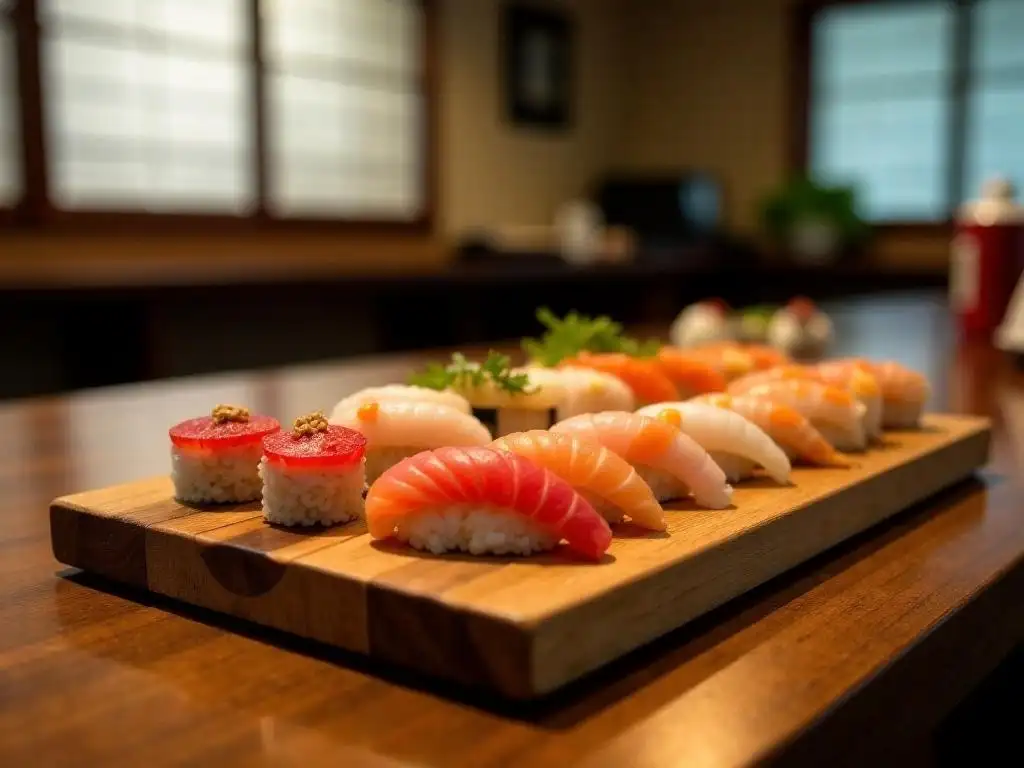
Early Beginnings of Sushi in Ancient Japan
Sushi's roots can be traced back to ancient Japan, where it began as a method of preserving fish using fermented rice. This early form of sushi, known as narezushi, involved wrapping fish in rice and allowing it to ferment for several months. The fermentation process was crucial, not only for preserving the fish but also for imparting a unique flavor to it. The rice, rich in lactic acid from fermentation, acted as a natural preservative.
- Key Characteristics of Narezushi:
- Fermentation Period: Several months.
- Ingredients Used: Primarily fish and rice.
- Flavor Profile: Strong, tangy, and complex due to the fermentation.
As trade routes expanded and cultural exchanges flourished, the method of preparing sushi evolved. By the 8th century, the use of fermented rice was becoming more common across various regions in Japan, albeit in different forms. For instance, in the Kansai region, a slightly different technique emerged, where fish was placed directly on top of rice, leading to what would eventually evolve into the more recognizable sushi forms of today.
The evolution of sushi is not just a culinary journey but a reflection of the socio-economic changes in Japan.
Transition to Sushi in Feudal Japan
The feudal era of Japan, spanning from the late 12th century to the mid-19th century, marked a significant transformation in sushi's development. During this period, the rise of the samurai class and the establishment of the shogunate created a distinct social structure that influenced culinary practices.
- Influences of Feudal Society on Sushi:
- Culinary Innovation: As cities grew and commerce thrived, sushi began to appear in urban centers, particularly in Edo (modern-day Tokyo).
- Narezushi to Edomaezushi: The traditional narezushi evolved into edomaezushi, which used vinegared rice and fresh fish, catering to the tastes of the urban populace. This style of sushi was quicker to prepare and consumed, appealing to the fast-paced lifestyle of city dwellers.
Key Developments in Sushi During Feudal Japan:
- Use of Vinegar: The addition of vinegar to rice became popular, leading to a quicker preparation method, as it reduced fermentation time.
- Street Food Culture: Sushi transitioned into a convenient street food option, with vendors selling it at markets and festivals, making it accessible to a broader audience.
- Regional Variations: Different regions adapted sushi to local ingredients and tastes, leading to a diversity of styles, such as nigiri and maki.
The transformation of sushi during feudal Japan reflects not only culinary advancements but also the changing dynamics of Japanese society and its economy.
This period laid the groundwork for sushi's enduring popularity in Japan and its eventual global spread, establishing it as a cultural symbol that transcends mere sustenance. The historical significance of sushi during feudal Japan remains a testament to the intricate relationship between food, culture, and societal evolution in Japanese history.

Feudal Japan was characterized by a highly stratified social structure, where the roles and preferences of different classes significantly influenced the culinary landscape. The era was marked by the dominance of the samurai and nobility, whose tastes and preferences set the tone for food culture across the nation. This hierarchical system not only dictated what was served at tables but also how ingredients were sourced and prepared, paving the way for the development of iconic dishes, including sushi.
The social classes in feudal Japan can be broadly categorized into four main groups: the samurai, the nobility (daimyō), the artisans, and the farmers. Each of these groups had distinct roles and levels of access to resources, which in turn shaped their culinary traditions. The preferences of the upper classes often trickled down, influencing what was available to the commoners and how culinary practices evolved over time.
The Role of Samurai and Nobility in Culinary Preferences
The samurai and nobility held a unique position in feudal society, both politically and culturally. Their influence on cuisine was profound, as they had the means to access a variety of ingredients and culinary techniques. The samurai, who were often warriors and landowners, adhered to strict codes of conduct and aesthetics that extended to their dining practices. Meals were not just about sustenance; they were a reflection of status, discipline, and artistry.
The following factors highlight the influence of the samurai and nobility on culinary preferences:
- Ingredient Selection: The samurai class favored high-quality, seasonal ingredients. Fish, particularly, became a staple due to its availability along the coastal regions of Japan. This preference for fresh seafood laid the foundation for what would evolve into sushi.
- Culinary Techniques: Noble households employed skilled chefs, often from artisan backgrounds, who introduced refined cooking methods and presentation styles. Techniques such as marinating fish or using vinegar began to be popularized, setting the stage for the creation of sushi as we know it today.
- Cultural Rituals: Dining was often an elaborate affair, with meals served in multiple courses. The aesthetics of presentation were crucial, and the inclusion of sushi in these meals symbolized sophistication and civility. The visual appeal and intricate preparation of sushi aligned with the samurai's values of discipline and beauty.
- Sushi as Status Symbol: Sushi began to emerge as a dish associated with the elite. The use of vinegared rice and fresh fish was seen as a luxury, elevating its status within the culinary hierarchy of feudal Japan.
Commoners and Their Contribution to Sushi Evolution
While the samurai and nobility played a significant role in shaping the culinary landscape, the commoners also made important contributions to the evolution of sushi. The peasant class, primarily engaged in agriculture and fishing, had a different relationship with food that was rooted in practicality and availability.
Key aspects of commoners' contributions include:
- Innovation in Ingredients: Commoners were adept at utilizing local resources. They developed various types of fish preservation techniques, such as fermentation and pickling, which were crucial in times of food scarcity. These methods contributed to the development of early sushi forms, where fish was preserved and served in a manner that enhanced its longevity.
- Accessibility of Sushi: As sushi began to gain popularity, it transitioned from an elite dish to one that was accessible to the broader population. Street vendors and local markets started offering sushi, making it a convenient meal option for laborers. This democratization of sushi helped solidify its place in Japanese cuisine.
- Regional Variations: The diverse geography of Japan led to the creation of regional sushi styles. Commoners adapted sushi to include locally sourced ingredients, resulting in variations that reflected the unique flavors and preferences of different areas. This regional diversity enriched sushi's history and contributed to its evolution.
- Cultural Exchange: The interactions between different social classes facilitated the exchange of culinary knowledge and practices. As commoners learned from the samurai while also influencing their tastes, sushi became a dish that represented a blend of elite and popular culinary traditions, ultimately enriching its historical narrative.
Through the interplay of these social classes, sushi transformed from a noble delicacy to a beloved dish enjoyed by all, reflecting the dynamic cultural landscape of feudal Japan. The influence of both the samurai and commoners in developing and popularizing sushi has left an indelible mark on its history, shaping the dish into the iconic representation of Japanese cuisine we recognize today.
Regional Variations of Sushi in Feudal Japan

The feudal era of Japan, spanning from the late 12th century to the mid-19th century, was a time of great political, social, and economic transformation. This period significantly influenced the culinary landscape of Japan, particularly the development of sushi. Sushi, as it exists today, evolved through various regional adaptations, each contributing unique characteristics shaped by local resources, climate, and cultural practices.
The Different Styles of Sushi Across Regions
During feudal Japan, sushi was not a singular dish but rather a collection of styles that emerged in different geographical areas, each reflecting the local ingredients and tastes. Notable regional styles include:
- Edo-zukuri (Edo Style): Originating from Edo (modern-day Tokyo), this style featured nigiri-zushi, hand-formed rice topped with fresh fish. The abundance of seafood from Tokyo Bay allowed for a variety of fresh ingredients. Shari, the vinegared rice, was often flavored with vinegar, which helped preserve the fish.
- Osaka-zushi (Osaka Style): Known for its oshizushi or pressed sushi, this style involved layering fish and rice in wooden molds. The pressing technique allowed for compact, flavorful pieces that were easy to transport and consume. Ingredients such as mackerel and eel were commonly used, reflecting the local fishing practices.
- Kansai-zushi (Kansai Style): This style, prevalent in the Kansai region, is characterized by its use of sushi-meshi (sushi rice) combined with a variety of seasonings. The focus was on balancing flavors, often incorporating pickled vegetables and marinated fish, which showcased the region's agricultural products.
- Hokkaido-zushi (Hokkaido Style): In northern Japan, sushi took advantage of the cold waters of the Sea of Japan. Hokkaido is known for its rich seafood, such as crab and sea urchin, which were often featured in local sushi preparations. The emphasis was on the natural flavors of fresh ingredients, often served with minimal seasoning.
- Kyushu-zushi (Kyushu Style): The southern island of Kyushu offered a different take with its unique ingredients, such as saba (mackerel) marinated in citrus. This style often included regional specialties, reflecting the island's agricultural bounty and diverse cultural influences.
These regional variations illustrate how local geography and availability shaped the evolution of sushi in feudal Japan, creating a rich tapestry of flavors and styles.
Ingredients that Shaped Sushi in Feudal Times
The ingredients used in sushi during feudal Japan were a direct reflection of the country's geography, climate, and cultural practices. Key ingredients included:
- Rice: The foundation of sushi, rice was often seasoned with vinegar, sugar, and salt. The cultivation of rice was a staple in Japanese agriculture, and its quality was vital to the sushi-making process.
- Fish: Various types of fish were utilized depending on the region. Coastal areas relied on fresh catches such as tuna, mackerel, and eel. Preservation methods, such as pickling and marinating, were also commonly employed to enhance flavors and extend shelf life.
- Vegetables: Seasonal vegetables played a significant role in sushi. Ingredients like pickled daikon radish and cucumber added texture and flavor, showcasing the agricultural diversity across Japan.
- Seaweed: Nori, dried seaweed, became essential in sushi preparation, particularly for rolls. It not only provided flavor but also helped hold sushi together, making it easier to eat.
- Condiments: Soy sauce, wasabi, and various pickled items were commonly used to enhance the flavor of sushi. These condiments varied by region and were often made from locally sourced ingredients.
The interplay of these ingredients and regional styles contributed to the rich history of sushi in feudal Japan, laying the groundwork for the diverse sushi we enjoy today. By understanding these variations and ingredients, we gain a deeper appreciation of how feudal Japan shaped this iconic dish.
The Art of Sushi Making: Techniques Developed in Feudal Japan

The art of sushi making is deeply rooted in the culinary practices of feudal Japan, where various techniques were honed and passed down through generations. This era, characterized by the samurai code and the rise of merchant classes, saw the emergence of sushi as a significant part of Japanese culture. The influences of geography, agriculture, and social structures shaped not only the ingredients used but also the methods of preparation that have become foundational to sushi today.
Traditional Sushi Preparation Methods
Traditional sushi preparation methods from feudal Japan involved a meticulous process that emphasized freshness and quality. Some key techniques include:
-
Narezushi (Fermented Sushi):
This ancient method involved fermenting fish with rice, a technique that originated before the feudal period but was refined during it. The fish was cleaned and packed in rice to allow fermentation, which acted as a preservation method. Over time, the rice was discarded, and only the fish was consumed, leading to the development of today’s sushi.
-
Shari (Sushi Rice Preparation):
The rice used in sushi, known as shari, was treated with vinegar, sugar, and salt to enhance its flavor and preserve it. This practice became more common in the Edo period, as sushi transitioned from a preservation method to a dish enjoyed for its taste. The balance of flavors in the rice became critical, reflecting the region's agricultural produce and local preferences.
-
Slicing Techniques:
Precision in cutting fish was paramount. During the feudal era, various knife techniques were developed, allowing chefs to create thin, uniform slices of fish that were visually appealing and maximized flavor. The skill of the sushi chef, or itamae, was highly respected, and their ability to prepare fish showcased their training and experience.
-
Presentation Styles:
The aesthetics of sushi were also important during this time. Sushi was often served in elegant arrangements that reflected seasonal themes and local culture. The use of garnishes and accompaniments, such as wasabi and pickled vegetables, was refined, enhancing both the visual appeal and flavor profiles.
Innovations in Sushi Making During Feudal Japan
The feudal period was not just about preserving traditions; it was also a time of innovation and adaptation. Several significant changes occurred in sushi making during this era:
-
Edo Period Sushi:
The Edo period (1603-1868) marked a significant transformation in sushi making, particularly with the introduction of nigiri-zushi. This style consisted of small, hand-formed rice balls topped with fresh fish, emphasizing speed and convenience for a growing urban population in Edo (modern-day Tokyo). The use of fresh, raw fish became more prevalent, reflecting the advancements in transportation and preservation.
-
Street Food Culture:
As cities expanded, sushi became a popular street food. Vendors began selling freshly made sushi from stalls, making it accessible to a broader audience. This democratization of sushi led to various regional styles and flavors, as local ingredients and preferences influenced the dishes.
-
Culinary Exchange:
The feudal era also saw increased trade and interaction with other cultures. Ingredients such as soy sauce and wasabi, which became staples in sushi preparation, were integrated into the cuisine during this time. This exchange not only enriched the flavors of sushi but also diversified the culinary landscape of Japan.
-
Cultural Significance:
Sushi evolved from a mere food item to a cultural symbol. It became associated with hospitality and celebration, often served at special occasions and gatherings. This shift in perception helped solidify sushi’s status in Japanese cuisine, paving the way for its global popularity in modern times.
The techniques and innovations developed in feudal Japan played a crucial role in shaping the sushi we know today. From traditional preparation methods to the rise of nigiri-zushi, the feudal era laid the foundation for sushi's evolution into a beloved dish, reflecting Japan's rich culinary heritage.
Cultural Significance of Sushi in Feudal Japan

Sushi as a Reflection of Japanese Aesthetics
The evolution of sushi during feudal Japan was deeply intertwined with the country's aesthetic principles, which emphasized simplicity, harmony, and a connection to nature. Sushi, particularly in its early forms, was not merely a dish but a visual and sensory experience that encapsulated the Japanese worldview.
One of the most notable aspects of sushi that reflects these aesthetics is the presentation. Sushi chefs, known as itamae, often approached their craft as an art form, focusing on the visual appeal of the dish. The careful arrangement of ingredients, the choice of colors, and the use of seasonal elements were all crucial in creating a dish that was as much a feast for the eyes as it was for the palate. This practice mirrored the broader Japanese artistic traditions, including flower arranging (ikebana) and tea ceremony (chanoyu), where aesthetic presentation was paramount.
Moreover, the use of local and seasonal ingredients in sushi exemplified the Japanese principle of wabi-sabi, which embraces imperfection and the beauty of transience. This philosophy encouraged chefs to utilize what was fresh and available, leading to variations in sushi that celebrated regional flavors and ingredients. The emphasis on freshness not only enhanced the taste but also fostered a deeper connection between the food and the environment, embodying the Japanese respect for nature.
Sushi in Literature and Art of the Feudal Era
The cultural significance of sushi during feudal Japan is also reflected in its presence in literature and art of the time. Although sushi as we understand it today was not widely documented in early texts, references to similar dishes and the practice of preserving fish date back to historical writings, revealing its longstanding importance in Japanese society.
In literary works, sushi often appeared as a symbol of hospitality and social status. For instance, during the Edo period (1603-1868), sushi began to gain popularity among the merchant class and was often featured in kabuki theater and ukiyo-e woodblock prints. These artistic representations not only showcased the dish itself but also illustrated the social dynamics surrounding it, where sushi was associated with urban sophistication and culinary innovation.
Furthermore, sushi's role in the communal dining experience can be found in many historical texts. Feasts and gatherings, as depicted in classical literature, often included sushi as a centerpiece, symbolizing abundance and celebration. This communal aspect highlighted the significance of food in fostering relationships and social bonds within feudal Japanese society.
The interaction of sushi with various art forms further solidified its place in the cultural landscape of feudal Japan. Artists and poets frequently drew inspiration from the imagery associated with sushi, intertwining it with themes of nature, seasons, and the passage of time, thereby elevating its status beyond mere sustenance to an element of cultural identity.
The cultural significance of sushi in feudal Japan is multifaceted, reflecting not only the aesthetic values of the time but also its representation in literature and art. Through these lenses, sushi emerges as a key symbol of Japanese culture, embodying the intricate relationship between food, artistry, and society.
Conclusion: The Legacy of Sushi from Feudal Japan to Modern Times
The legacy of sushi as a culinary dish is deeply entrenched in the historical and cultural fabric of feudal Japan. The period from the 12th to the 19th century, characterized by the rise of samurai culture and the establishment of shogunates, laid the groundwork for the sushi we enjoy today. During these centuries, the evolution of sushi was influenced by various factors, including geography, trade, and social class distinctions.
At its inception, sushi was a method of preserving fish in fermented rice, a technique known as narezushi. This practice not only provided sustenance but also showcased the ingenuity of early Japanese peoples in maximizing the use of available resources. As the feudal era progressed, sushi transitioned from a preservation method to a delicacy, reflecting changes in societal norms and the increasing sophistication of culinary practices among the elite.
How Feudal Influences Still Shape Sushi Today
The feudal era instilled a sense of hierarchy and regional diversity that continues to influence sushi today. The use of local ingredients, for instance, remains a hallmark of sushi preparation, echoing the feudal practice of utilizing what was readily available in each region. Each prefecture in Japan boasts its own unique sushi styles and flavors, often based on the local catch or agricultural products.
Additionally, the art of sushi making, which requires precision and technique, mirrors the samurai’s dedication to their craft. Just as samurai underwent rigorous training, sushi chefs engage in years of apprenticeship to master their skills, underscoring the importance of tradition and craftsmanship in both realms.
Moreover, the concept of omotenashi, or selfless hospitality, can be traced back to feudal Japan and is evident in sushi dining experiences today. The attention to detail, presentation, and overall dining ambiance reflects the values of respect and care that were pivotal during the feudal period.
Final Thoughts on the Cultural Journey of Sushi
Sushi's journey from a practical food preservation technique to a globally recognized culinary art form is a testament to Japan’s rich cultural heritage shaped during the feudal era. The influences of class, regionality, and craftsmanship are woven into the very essence of sushi, making it not just a dish but a symbol of Japan’s historical narrative.
As we continue to enjoy sushi in its many forms today, it serves as a bridge connecting us to the past, reminding us of the traditions and innovations that have defined Japanese cuisine. The appreciation of sushi goes beyond flavor; it encapsulates a story of resilience, adaptation, and cultural pride that resonates with people around the world.
References and Further Reading
- "Sushi: The Beginner's Guide": - A comprehensive overview of sushi types and their historical context.
- "The History of Sushi in Japan" - An in-depth exploration of how sushi evolved through various historical periods.
- "Japanese Cuisine: A Cultural History": - A detailed account of the culinary practices in Japan, including feudal influences.
- "The Art of Sushi Making" - A guide to traditional sushi preparation techniques and the philosophy behind them.
By delving into these resources, readers can further understand the intricate tapestry that is sushi history in feudal Japan and its lasting impact on modern cuisine.
Frequently Asked Questions
What is the significance of sushi in feudal Japan?
Sushi evolved during feudal Japan, reflecting the cultural and societal transformations of the era. It became a symbol of culinary innovation influenced by the availability of fresh ingredients.
How did the feudal system impact food production in Japan?
The feudal system created a structured society where landowners controlled agricultural production. This led to the development of regional specialties, including sushi, as communities adapted to local resources.
What are the main types of sushi that originated during feudal Japan?
During feudal Japan, nigiri and maki sushi emerged, showcasing the seasonal ingredients and techniques of the time. These styles laid the groundwork for modern sushi variations.
Sushi was often associated with elite social classes who had access to premium seafood and sophisticated preparation methods. This distinction highlighted the cultural importance of food in class identity.
What role did trade play in the development of sushi during feudal Japan?
Increased trade during feudal Japan introduced new ingredients and techniques, leading to the evolution of sushi. This exchange enriched Japanese cuisine and helped sushi gain popularity beyond its regional origins.
Final Reflection: The Enduring Legacy of Sushi in Modern Culture
Sushi, as a culinary art form, is deeply rooted in the historical tapestry of feudal Japan, and its evolution reflects the intricate relationship between culture, tradition, and innovation. Today, as sushi continues to captivate palates around the world, it serves as a reminder of how food can transcend borders and time, becoming a symbol of shared experiences and cultural exchange. The journey of sushi from a preservation technique to a global phenomenon underscores the importance of understanding our culinary heritage and its relevance in contemporary society.
Sushi's transformation has not only influenced culinary practices but has also played a significant role in shaping social interactions and cultural identities. The way we enjoy sushi today—whether at a high-end restaurant or a casual sushi bar—reflects a blend of tradition and modernity that resonates with our globalized world. As we savor each bite, we connect with the rich history of feudal Japan, reminding us of the artistry and craftsmanship that goes into every piece. Food is a universal language that brings people together, transcending cultural barriers and fostering understanding.
As we reflect on the journey of sushi, let us embrace the lessons it imparts about tradition, adaptation, and community. I invite you to explore your own culinary heritage and consider how it shapes your identity and connections with others. Whether through cooking, sharing meals, or simply appreciating the stories behind the food we enjoy, we can honor the past while paving the way for a future that celebrates diversity and unity. Let sushi inspire you to delve deeper into the flavors of your own culture and to share those experiences with the world.
Unveil the History: Explore Sushi’s Fascinating Journey!
Thank you for diving into the rich history of sushi and how feudal Japan shaped this iconic dish! Your curiosity not only enhances your culinary appreciation but also connects you to a vibrant culture and tradition. Now, let’s take your interest further—what can you do next?
- Join a local sushi-making workshop to experience the history firsthand and create authentic sushi using traditional techniques!
- Share your newfound knowledge on social media or with friends—spark conversations about how cultural influences shape our food today.
- Delve deeper into the history of feudal Japan by visiting nearby museums or reading relevant articles to enhance your understanding of unique culinary traditions.
What newly discovered aspect of sushi or Japanese culture excites you the most? Share your thoughts below!