
The Origins of Sushi: Tracing the Roots of Japan's Iconic Dish


Welcome to Feudal Japan History, where we embark on a captivating journey through the intricate tapestry of Japan’s feudal era. Here, history intertwines with culture and society, offering you a rich and immersive experience. Have you ever wondered how sushi, one of Japan’s most beloved dishes, came to be?
In our featured article, " The Origins of Sushi: Tracing the Roots of Japan's Iconic Dish," we delve into the fascinating history of sushi in Japan, revealing the cultural influences and culinary innovations that shaped this iconic cuisine. Prepare to satisfy your curiosity and deepen your understanding of Japan's culinary heritage as you explore with us!
- The History of Sushi in Japan: An Exploration of Origins
- Ancient Beginnings: The Roots of Sushi in Japan
- The Evolution of Sushi Through the Ages
- Cultural Significance of Sushi in Feudal Japan
- The History of Sushi in Contemporary Japan
- Conclusion: Tracing the Roots and Future of Sushi
- Frequently Asked Questions
- Final Reflection: The Enduring Legacy of Sushi's History
- Savor the Journey: Experience Sushi Like Never Before!
The History of Sushi in Japan: An Exploration of Origins
Sushi, a beloved culinary staple of Japan, is much more than just a dish; it embodies a rich tapestry of historical, cultural, and societal influences that have shaped it into the iconic food we know today. The history of sushi in Japan is a fascinating journey that intertwines ancient traditions, regional variations, and evolving culinary practices. From its humble beginnings rooted in preservation techniques to its modern-day interpretations served in sushi bars around the world, sushi reflects Japan's culinary evolution and its deep connection to the sea.
This article aims to trace the origins of sushi, exploring how this dish transformed over centuries and became a symbol of Japanese cuisine. By examining its historical context and cultural significance, we will uncover the intricate layers that contribute to the allure of sushi. Join us as we delve into the past and discover the story of one of Japan's most cherished dishes.
Introduction to Sushi: Japan's Iconic Dish
Sushi is often perceived primarily as vinegared rice topped with various ingredients, but its essence extends far beyond this simple description. The word "sushi" itself derives from the Japanese term "su," meaning vinegar, and "shi," which is a form of "meshi," referring to rice. This highlights the foundational role that rice plays in sushi's identity.
Sushi's origins can be traced back to Southeast Asia, where a method known as narezushi involved fermenting fish with rice for preservation. Over time, this practice made its way to Japan, evolving into different forms as it adapted to local tastes and ingredients. By the Edo period (1603-1868), sushi had begun to resemble the styles we recognize today, particularly with the advent of nigiri-zushi, where slices of fish are placed atop hand-formed rice.
As we explore the history of sushi, we will uncover how various factors, including geography, trade, and cultural exchange, have influenced its development. Understanding the journey of sushi not only provides insight into Japanese cuisine but also reflects broader historical narratives that have shaped the nation itself. Let’s embark on this exploration of sushi’s rich heritage and its significance within Japanese culture.
Ancient Beginnings: The Roots of Sushi in Japan
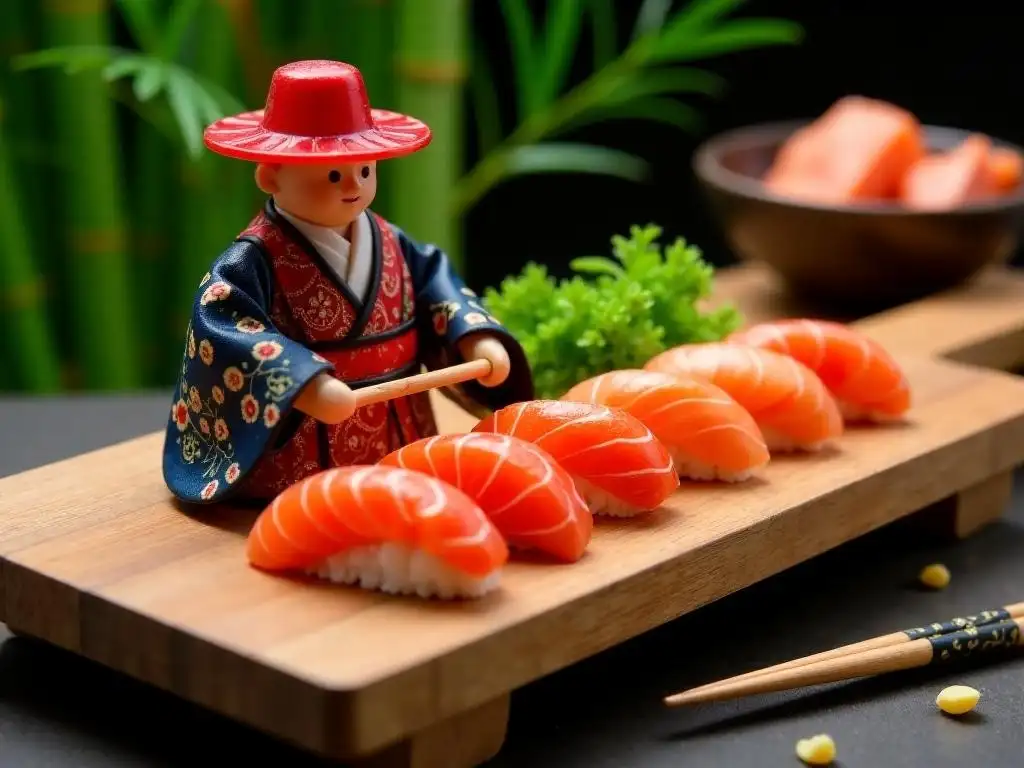
Sushi, as we know it today, is a beloved dish that has transcended cultural boundaries, but its origins are deeply rooted in the ancient practices of Japan. The history of sushi in Japan dates back to the 8th century, when it began as a method of preserving fish using fermented rice. This early form of sushi laid the groundwork for what would evolve into the diverse sushi styles enjoyed today.
The Concept of Narezushi: Fermented Fish and Rice
Narezushi represents one of the earliest forms of sushi, originating from a preservation method that utilized fermented fish and rice. This technique can be traced back to the Yayoi period (approximately 300 BCE – 300 CE) and was primarily developed in regions near rivers and coastal areas. The process involved cleaning fish, such as carp or mackerel, and layering them with rice.
Key Characteristics of Narezushi:
- Fermentation Process: Fish were packed in rice and allowed to ferment for several months, which not only preserved the fish but also imparted a unique flavor profile.
- Consumption: Unlike modern sushi, where rice is often consumed with fish, narezushi was typically eaten after discarding the fermented rice. The rice served primarily as a means of preservation.
- Regional Variations: Different regions in Japan adapted the narezushi technique to their local fish and flavors, leading to a variety of narezushi styles, such as funazushi from Lake Biwa.
Narezushi played a crucial role in the development of sushi culture in Japan, showcasing the ingenuity of ancient peoples in utilizing natural resources for sustenance.
The Influence of Southeast Asia on Sushi Development
The evolution of sushi was significantly influenced by cultural exchanges with Southeast Asia, particularly through trade routes and migration. The introduction of new ingredients and culinary techniques from neighboring regions shaped the development of sushi, expanding its flavors and methods.
Critical Influences from Southeast Asia:
- Culinary Techniques: The fermentation process used in Southeast Asian dishes, such as the use of fish sauce and the concept of preserving fish, greatly impacted how Japanese cooks approached sushi.
- Ingredients: Ingredients such as rice, which had traveled from China to Southeast Asia, and then to Japan, became essential to sushi-making, emphasizing the interconnectedness of Asian cuisines.
- Cultural Exchange: As trade increased during the Heian period (794-1185), interactions with Southeast Asian cultures led to the introduction of new fish varieties and cooking methods, enriching the sushi landscape.
Through these influences, sushi began to evolve beyond its simple fermented origins, paving the way for the diverse and complex forms of sushi that would emerge in later centuries, culminating in the sushi we recognize today.
The history of sushi in Japan is a fascinating tale of preservation techniques, regional adaptations, and cultural exchanges that reflect the broader narrative of Japan's culinary evolution.
The Evolution of Sushi Through the Ages
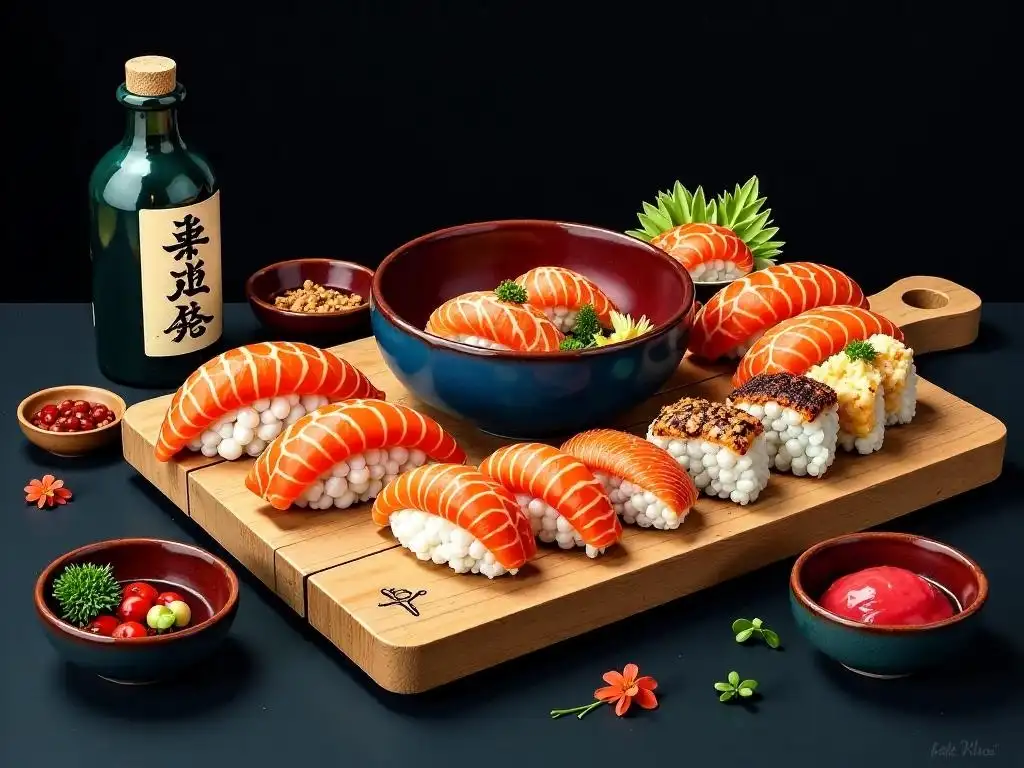
The history of sushi in Japan is a rich tapestry woven through centuries of cultural exchange, culinary innovation, and regional variations. This beloved dish has evolved dramatically from its ancient origins, adapting to the changing tastes and technologies of Japanese society. Understanding the evolution of sushi requires a deep dive into its historical context, particularly focusing on pivotal periods such as the Edo period and the technological advances that shaped its current form.
Edo Period: The Birth of Modern Sushi
The Edo period (1603-1868) stands as a crucial turning point in the history of sushi in Japan. During this time, Tokyo (then called Edo) experienced rapid urbanization and economic growth, which influenced the culinary landscape significantly. One of the most notable developments was the creation of nigiri-zushi, a type of sushi consisting of a small ball of vinegared rice topped with fresh fish.
- Street Food Culture:
- Sushi vendors began setting up shop along the streets of Edo, catering to the bustling population. This marked the transition of sushi from a preserved food, originally used for fermentation, to a fast food option that was quick to prepare and eat.
- The convenience of nigiri-zushi made it a popular choice among the working class, showcasing how food culture adapted to urban life.
- Fresh Ingredients:
- The Edo period also saw an increase in the availability of fresh seafood due to improved fishing techniques and transportation methods. This allowed sushi chefs to experiment with various types of fish, enhancing the flavors and presentation of their dishes.
- Notably, the introduction of wasabi and soy sauce became integral to the sushi experience, adding depth and complexity to the flavor profiles.
- Culinary Mastery:
- The period gave rise to famous sushi chefs who refined their techniques and contributed to sushi's reputation as a culinary art form. The balance of flavors and meticulous presentation became hallmarks of sushi during this era.
- Edomae-zushi, a style that originated in Edo, focused on preserving and enhancing the natural flavors of the fish, often through marinating or curing, which deepened the appreciation for the quality of ingredients.
Technological Advances and Their Impact on Sushi
Technological advancements have played a significant role in shaping the history of sushi in Japan, particularly from the Edo period onwards. These innovations not only streamlined the preparation and preservation of sushi but also expanded its reach and popularity.
- Refrigeration:
- The introduction of refrigeration in the 19th and 20th centuries revolutionized the way sushi was prepared and served. Fresh fish could be stored longer, allowing chefs to offer a wider variety of seafood without the constraints of immediate consumption.
- Refrigeration also facilitated the transportation of sushi across longer distances, enabling sushi restaurants to thrive beyond coastal areas.
- Rice Cultivation:
- Advances in rice cultivation techniques contributed to the availability of high-quality sushi rice. The development of specific rice varieties, such as shari, which is slightly sticky and seasoned with vinegar, became essential to the modern sushi experience.
- Improved farming methods ensured a more consistent supply of rice, allowing sushi chefs to focus on perfecting their craft.
- Globalization:
- In recent decades, sushi has transcended Japanese borders, gaining international acclaim and inspiring fusion variations worldwide. This globalization has been facilitated by advancements in food preservation and distribution, allowing sushi to be enjoyed in diverse culinary contexts.
- As sushi became a global phenomenon, it adapted to local tastes, leading to the creation of unique styles such as California rolls and sushi burritos, illustrating the dynamic nature of this iconic dish.
The evolution of sushi in Japan is a reflection of socio-economic changes, technological innovations, and cultural exchanges throughout history. From its humble beginnings as a method of preserving fish to its status as a global culinary icon, the history of sushi is a fascinating journey that continues to unfold.
Cultural Significance of Sushi in Feudal Japan

Sushi, a dish that has evolved significantly over the centuries, holds a profound cultural significance in the context of Feudal Japan. During this era, which spanned from the 12th to the 19th century, sushi was not merely a form of sustenance but also a reflection of social status, regional identity, and culinary innovation. The interplay between sushi and the societal structures of feudal Japan offers a unique perspective on how food can serve as both a cultural artifact and a means of communication.
Sushi as a Symbol of Status and Celebration
In Feudal Japan, sushi often transcended its role as mere food to become a symbol of status and celebration. Elite classes, including samurai and nobility, utilized sushi as a means to display wealth and sophistication. The quality and variety of sushi served at banquets were indicative of one’s social standing. For example, the use of high-quality fish and elaborate presentation techniques showcased the host's affluence and attention to culinary artistry.
- Banquets and Special Occasions: Sushi was frequently featured in celebratory meals, such as weddings and festivals. The meticulous preparation of sushi for these events highlighted the occasion's importance and the host's dedication to hospitality.
- Gift-Giving: Sushi was often included in omiyage (gift boxes) presented during visits or as tokens of appreciation. The selection of sushi types could reflect the giver’s taste and status, making it a thoughtful and strategic choice.
The significance of sushi as a status symbol was also closely tied to its regional variations and the availability of specific ingredients, further amplifying the cultural narrative surrounding this iconic dish.
Regional Variations of Sushi in Feudal Japan
The diversity of sushi in Feudal Japan was influenced by the various regions, each with distinct culinary practices and available resources. As trade routes developed and local ingredients became integral to sushi’s evolution, unique styles emerged, reflecting the geographical and cultural landscape of Japan.
- Edo-zushi (Tokyo-style sushi):
- Originated in Edo (modern-day Tokyo), this style utilized neta (toppings) that were fresh and often marinated. The use of vinegared rice became predominant, leading to the development of nigiri sushi, where small balls of rice were topped with slices of fish.
- Kyoto-style sushi:
- Known as kyo-zushi, this style emphasized the use of preserved ingredients and featured sushi rolls that were often wrapped in nori (seaweed) or made with pickled vegetables. The presentation was delicate and reflective of Kyoto's refined aesthetic.
- Osaka-style sushi:
- Also called oshizushi, this variation involved pressing sushi rice and toppings into a mold, creating a compact form that was easily transportable. This style was particularly popular among merchants and travelers, highlighting the practical aspects of sushi.
- Regional ingredients:
- The availability of local fish and seafood dictated the types of sushi popular in each region. For example, regions near the coast would utilize fresh catch, while inland areas might rely on preserved fish or freshwater varieties.
The regional variations of sushi not only illustrate the adaptability of this cuisine but also underscore the historical connections between geography, culture, and food in Feudal Japan. Each style of sushi tells a story rooted in the local environment and the traditions of the people, reflecting the broader narrative of Japan's rich culinary heritage.
The History of Sushi in Contemporary Japan
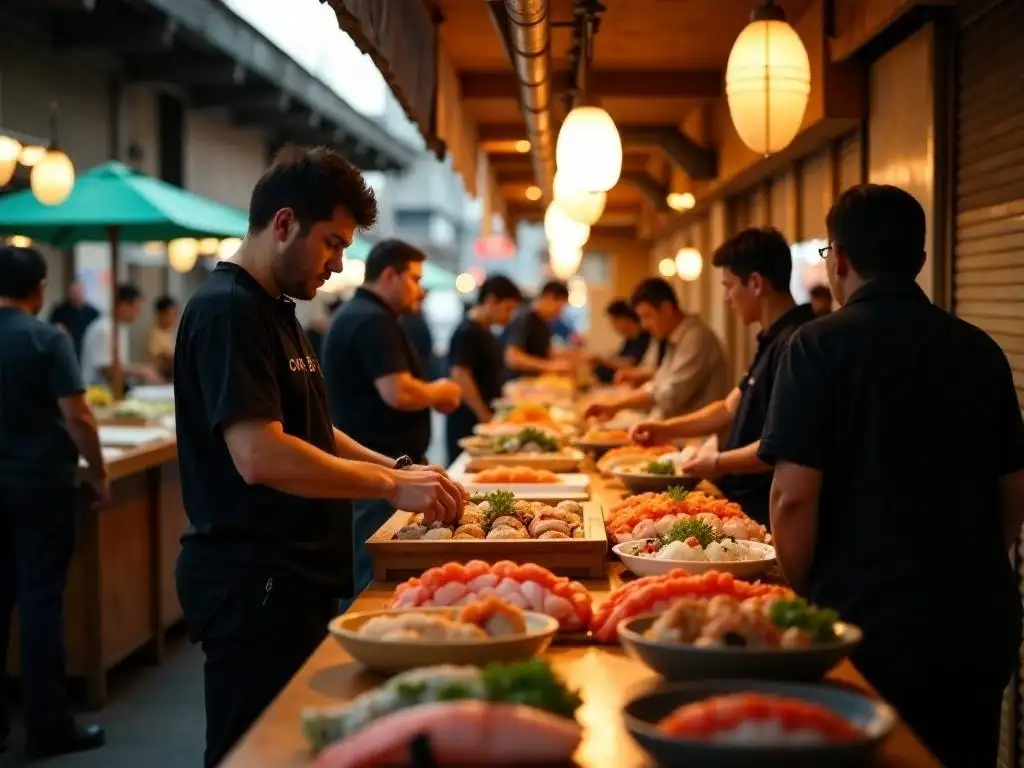
Modern Sushi: Fusion and Global Influence
Modern sushi has evolved significantly from its humble beginnings in ancient Japan. Today, it stands as a testament to both tradition and innovation, reflecting various global influences that have shaped its current form. The fusion of sushi with international culinary practices has led to the creation of diverse styles, such as the popular California roll, which incorporates avocado and crab meat, appealing to Western palates.
- Global Adaptations:
- Sushi has transcended its cultural origins to become a global phenomenon. Cities around the world now feature sushi bars and restaurants, each offering unique interpretations:
- North America: The introduction of ingredients like cream cheese and spicy mayo has given rise to new sushi styles.
- Europe: Many European countries have embraced sushi, incorporating local seafood and flavors, creating a distinct regional flair.
- Sushi has transcended its cultural origins to become a global phenomenon. Cities around the world now feature sushi bars and restaurants, each offering unique interpretations:
- Culinary Innovation:
- Chefs continue to experiment with sushi, pushing the boundaries of traditional recipes. This has led to the emergence of:
- Sushi Burritos: A fusion of sushi and burritos, wrapped in seaweed and filled with various ingredients.
- Sushi Pizza: A creative twist where sushi ingredients are placed atop a crispy rice base, merging Italian and Japanese cuisines.
- Chefs continue to experiment with sushi, pushing the boundaries of traditional recipes. This has led to the emergence of:
- Cultural Exchange:
- The globalization of sushi has facilitated cultural exchange, fostering increased interest in Japanese cuisine worldwide. Sushi not only represents a dish but also serves as a medium for cultural appreciation and understanding.
Sustainability and Ethical Practices in Sushi Preparation
As sushi has gained popularity, the conversation around sustainability and ethical sourcing has become increasingly relevant. The fishing and aquaculture industries face challenges that directly impact the quality and availability of sushi ingredients.
- Sustainable Seafood Sourcing:
- With overfishing and habitat destruction threatening fish populations, many sushi chefs and restaurants are now prioritizing sustainable sourcing. This includes:
- Certified Seafood: Utilizing fish that have been certified by organizations like the Marine Stewardship Council (MSC) ensures that the seafood is sourced responsibly.
- Local Sourcing: Chefs are increasingly turning to local fisheries to reduce carbon footprints and support local economies.
- With overfishing and habitat destruction threatening fish populations, many sushi chefs and restaurants are now prioritizing sustainable sourcing. This includes:
- Education and Awareness:
- Sushi chefs are educating themselves and their customers about the importance of sustainable practices. This includes:
- Menu Transparency: Providing information about the origin of ingredients on menus, allowing consumers to make informed choices.
- Workshops and Events: Hosting events that focus on sustainable sushi practices, encouraging community engagement and awareness.
- Sushi chefs are educating themselves and their customers about the importance of sustainable practices. This includes:
- Ethical Practices in Aquaculture:
- The rise of aquaculture has introduced new ethical considerations regarding fish farming. Best practices include:
- Husbandry Practices: Ensuring that fish are raised in environments that mimic their natural habitats.
- Feed Quality: Using sustainable feed sources that do not deplete ocean resources.
- The rise of aquaculture has introduced new ethical considerations regarding fish farming. Best practices include:
By focusing on sustainability and ethical practices, the sushi industry can help preserve marine ecosystems while continuing to provide high-quality dining experiences. This commitment not only honors the history of sushi in Japan but also ensures its future in a global context.
Conclusion: Tracing the Roots and Future of Sushi
The history of sushi in Japan is a fascinating journey that intertwines culinary innovation with cultural evolution. From its humble beginnings as a method of preserving fish through fermentation in ancient Southeast Asia, sushi has transformed into a global culinary phenomenon. As we have traced the paths of its development, it is clear that sushi has not only adapted to the tastes and preferences of different eras but has also become a reflection of Japan's rich cultural heritage.
The transition from narezushi, a fermented fish dish, to the more recognizable nigiri sushi exemplifies this evolution. By the Edo period, sushi began to emerge as a street food, making it accessible to a broader audience. This period saw the introduction of fresh fish and vinegared rice, creating a dish that was both quick to prepare and delightful to consume.
Today, sushi continues to evolve, integrating global influences while maintaining its traditional roots. The advent of sushi rolls, such as the California roll, showcases how sushi has adapted to fit diverse palates while still honoring its origins. As we look to the future, the sustainability of sushi ingredients and the preservation of traditional techniques will play pivotal roles in maintaining the balance between innovation and heritage.
Additional Resources for Sushi Enthusiasts
For those looking to deepen their understanding of the history of sushi in Japan and expand their culinary skills, here are some valuable resources:
- Books:
- Sushi: The Beginner's Guide by Aya Nishimura
- The Story of Sushi: An Unlikely Saga of Raw Fish and Rice by Trevor Corson
- Documentaries:
- Jiro Dreams of Sushi: A documentary that delves into the life of Jiro Ono, a renowned sushi chef in Tokyo.
- Sushi: The Global Catch: This film explores the cultural significance of sushi around the world.
- Online Courses:
- Udemy offers various sushi-making classes ranging from beginner to advanced levels.
- MasterClass features a course by renowned chefs who share their sushi-making techniques and philosophies.
- Workshops and Classes:
- Local culinary schools often host sushi-making workshops that provide hands-on experience.
- Japanese cultural centers may offer classes that incorporate the history and cultural significance of sushi.
- Sushi Blogs and Websites:
- Websites like Just One Cookbook provide authentic recipes and insights into Japanese cuisine.
- Blogs focused on Japanese culture often feature articles about the history and evolution of sushi.
By exploring these resources, sushi enthusiasts can gain a broader perspective on this beloved dish, enriching both their culinary repertoire and their appreciation for the intricate history of sushi in Japan.
Frequently Asked Questions
What is the history of sushi in Japan?
The history of sushi in Japan dates back to ancient times, evolving from a preservation method using fermented rice to a beloved culinary delicacy today.
How did sushi evolve from its original form?
Originally, sushi was a means of preserving fish with fermented rice. Over time, it transformed into various styles, such as nigiri and maki, reflecting Japan's rich culinary traditions.
What are the key ingredients in traditional sushi?
Traditional sushi mainly features fresh fish, vinegar-seasoned rice, and often includes seaweed (nori) and various vegetables. Each ingredient plays a crucial role in achieving the dish's unique flavor.
How is sushi culturally significant in Japan?
Sushi is not just a dish; it represents Japanese craftsmanship and seasonal ingredients, showcasing the harmony between nature and culinary art, making it an integral part of Japanese culture.
What are some modern variations of sushi?
Modern sushi includes styles like California rolls and sushi burritos, which adapt traditional elements to contemporary tastes and preferences, demonstrating sushi's ongoing evolution in global cuisine.
Final Reflection: The Enduring Legacy of Sushi's History
The history of sushi in Japan is not just a culinary tale; it is a rich narrative that intertwines culture, tradition, and innovation. As we explore the origins of this iconic dish, we uncover how sushi has evolved from a method of preserving fish to a celebrated art form that captivates palates worldwide. This transformation reflects broader societal changes and highlights the importance of food as a cultural touchstone in our lives today.
Sushi's journey from humble beginnings to global phenomenon underscores its profound impact on culinary practices and social interactions. The way sushi has adapted and thrived in various cultures speaks to its universal appeal and the human desire for connection through food. As the renowned chef Jiro Ono once said, In the end, it’s all about the rice.
This statement encapsulates the essence of sushi's history, emphasizing that even the simplest ingredients can tell a complex story of heritage and craftsmanship.
As you reflect on the rich history of sushi, consider how this dish can inspire you to appreciate the cultural narratives behind the foods you enjoy. Take a moment to explore your own culinary heritage, and let it guide you in creating connections with others through shared meals and stories. The next time you savor a piece of sushi, remember that you are not just tasting a dish; you are partaking in a centuries-old tradition that continues to evolve and inspire.
Savor the Journey: Experience Sushi Like Never Before!
Thank you for diving into the fascinating history of sushi with us! We've traced the roots of this iconic dish, revealing the culinary art that has captivated taste buds around the world. Now, it’s your turn to take action and immerse yourself in this delicious journey.
Here are a few ways you can continue exploring the world of sushi:
- Experiment with making sushi at home! Gather fresh ingredients and follow a simple online recipe to create your own delicious rolls.
- Visit a local sushi restaurant and inquire about their traditional techniques to deepen your appreciation for this exquisite craft.
- Share your sushi creations or experiences with friends and family on social media. Use the hashtag #SushiJourney to connect with fellow enthusiasts!
What unique flavor combinations would you love to try in your next sushi roll?