
StepbyStep: How to Prepare for an Authentic Japanese Tea Ceremony

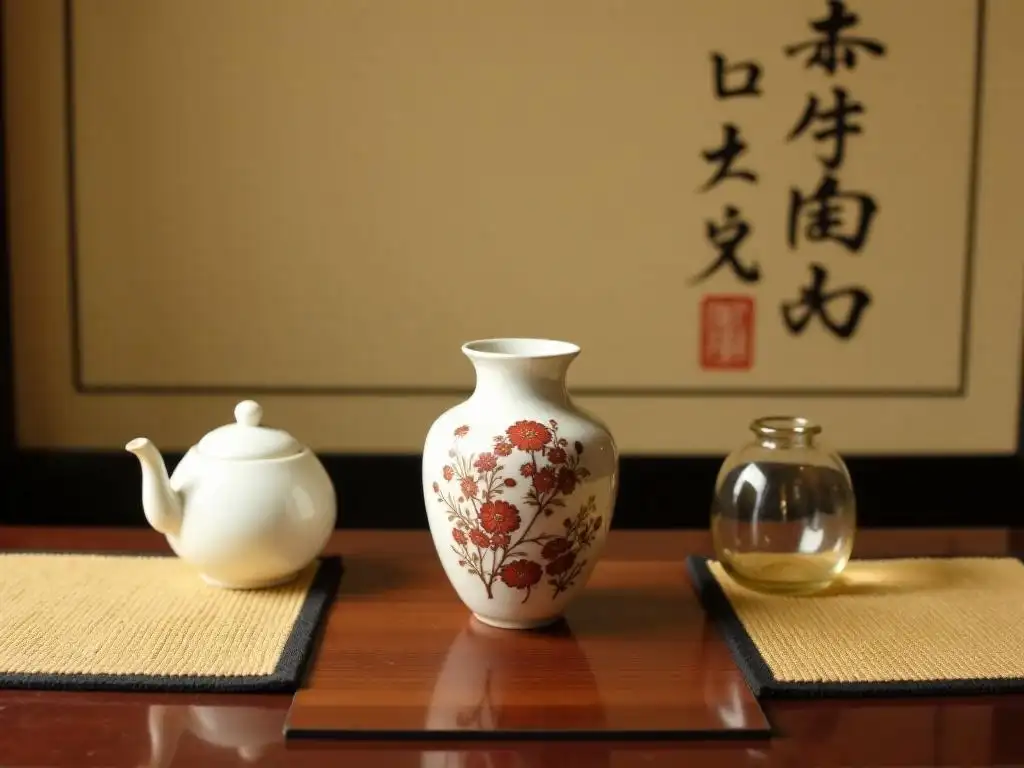
Welcome to Feudal Japan History, where we invite you to embark on a captivating journey through the intricacies of Japan's feudal era. Discover the rich tapestry of historical, cultural, and societal narratives that shaped this fascinating period. In our featured article, Step by Step: How to Prepare for an Authentic Japanese Tea Ceremony, we delve deep into the art of tea preparation—a ritual that embodies the spirit of harmony and respect.
Are you ready to unlock the secrets of this timeless tradition? Join us as we explore the delicate steps that transform simple ingredients into a profound experience. Your adventure into the heart of Japanese cuisine begins here!
Introduction to the Authentic Japanese Tea Ceremony
The Authentic Japanese tea ceremony is not merely a ritual of brewing and serving tea; it embodies centuries of tradition, philosophy, and artistry. This deeply-rooted practice, known as chanoyu, sado, or chadō, emphasizes harmony, respect, purity, and tranquility, serving as a meditative experience that transcends the simple act of drinking tea. Understanding the preparation for this ceremony is essential to fully appreciate its significance and the intricate details involved.
As we delve into the preparation process, we will explore the historical context of the tea ceremony, the cultural values it represents, and the meticulous steps necessary for an authentic experience. Whether you are a seasoned practitioner or a curious novice, this guide will equip you with the knowledge to engage in this elegant tradition, creating a serene atmosphere that reflects the essence of Japanese hospitality.
Essential Tools for Authentic Japanese Tea Ceremony Preparation
Preparing for an authentic Japanese tea ceremony requires specific tools and equipment that contribute to the overall experience. Each item holds meaning and serves a particular purpose, ensuring that the ceremony unfolds seamlessly and respectfully.
1. The Chaji and Chakai: Types of Tea Ceremonies
The Japanese tea ceremony can be categorized primarily into two types: Chaji and Chakai.
- Chaji is a full tea ceremony that typically lasts several hours and includes a meal, followed by multiple servings of tea. This elaborate ceremony is often reserved for special occasions and requires extensive preparation and a variety of utensils.
- Chakai, on the other hand, is a shorter version, usually lasting about an hour. It focuses on the serving of tea and light refreshments, making it more accessible for casual gatherings.
Understanding these distinctions is crucial, as they dictate the tools and preparation methods needed for each type of ceremony.
2. Key Equipment Needed for Preparation
To ensure a successful and authentic Japanese tea ceremony, certain essential tools must be gathered. Here’s a comprehensive list of the key equipment you'll need:
| Equipment | Purpose |
|---|---|
| Chawan (tea bowl) | Used to serve matcha, the powdered green tea. |
| Chashaku (tea scoop) | A bamboo scoop for measuring the correct amount of matcha. |
| Chasen (tea whisk) | A bamboo whisk used to mix matcha with water until frothy. |
| Natsume (tea caddy) | A container for holding the matcha powder. |
| Furo (portable hearth) | Used to boil water for tea preparation. |
Gathering and preparing these tools is a vital step in the journey towards hosting an authentic Japanese tea ceremony, laying the foundation for a truly immersive experience.
Selecting the Right Ingredients for Your Ceremony
Preparing for an authentic Japanese tea ceremony requires careful selection of ingredients, as they play a crucial role in the overall experience. The key components include high-quality matcha powder and complementary tea types that not only enhance the flavor but also align with the spirit of the ceremony. Here’s a breakdown of how to select these essential ingredients.
1. Choosing Authentic Matcha Powder
When it comes to the centerpiece of the tea ceremony, matcha powder stands out as the most significant ingredient. The quality of matcha can greatly affect the taste and presentation of the tea.
- Look for Ceremonial Grade Matcha: This type of matcha is specifically grown for tea ceremonies and is characterized by its vibrant green color, fine texture, and rich umami flavor.
- Source from Reputable Suppliers: Authentic matcha is often sourced from regions in Japan such as Uji, Nishio, or Shizuoka. Ensure that the powder is labeled as 100% Japanese matcha, with no additives or fillers.
- Check for Freshness: Matcha is best enjoyed fresh, so look for small packaging that indicates a recent harvest date. The powder should be sealed in an airtight container to preserve its quality.
- Assess Aroma and Color: High-quality matcha has a sweet, grassy aroma and a bright green hue. Dull or yellowish powder may indicate lower quality or age.
2. Selecting Complementary Tea Types
While matcha is the star of the tea ceremony, selecting complementary teas can enhance the experience. These can be served alongside the matcha to provide variety and contrast.
- Consider Sencha: This popular green tea is light and refreshing, making it a perfect pairing with matcha. Its subtle flavor can cleanse the palate between servings of matcha.
- Explore Gyokuro: Known for its delicate sweetness and umami flavor, gyokuro is a premium green tea that offers a sophisticated complement to matcha.
- Offer Hōjicha: This roasted green tea has a toasty flavor that can provide a warm, comforting option after the slightly bitter matcha. It's excellent for guests who may prefer a milder taste.
- Include Seasonal Varieties: Depending on the time of year, consider sourcing local or seasonal teas to reflect the changing seasons, a key aspect of Japanese tea culture.
Preparing Your Space for an Authentic Japanese Tea Ceremony
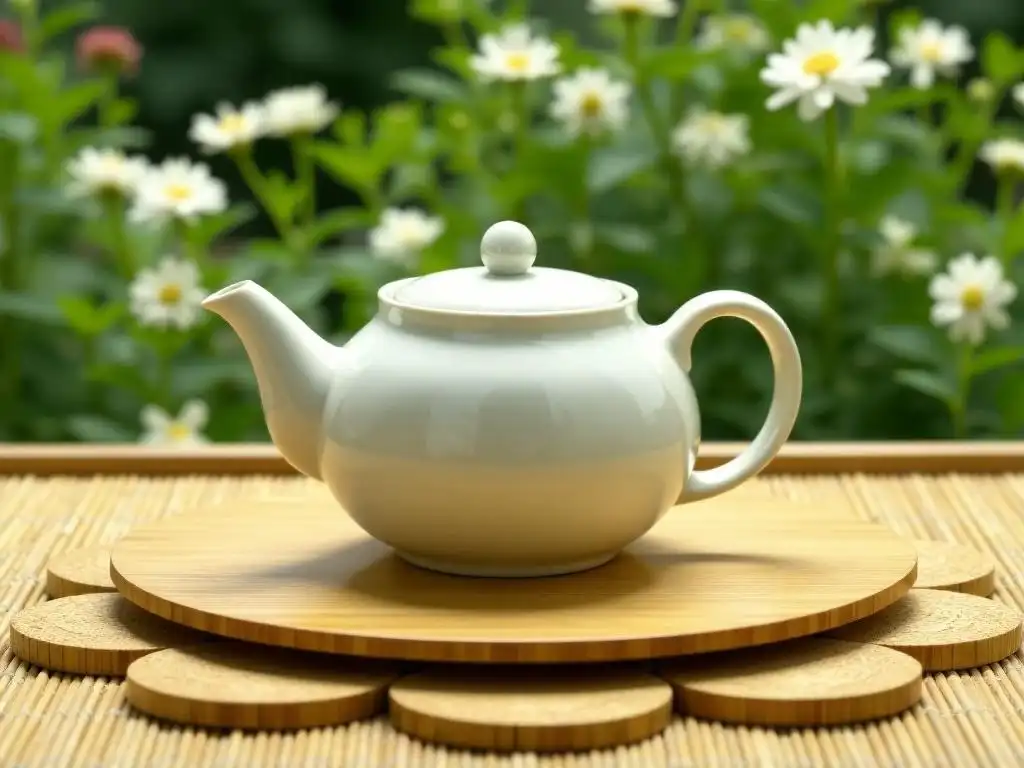
An authentic Japanese tea ceremony is not just about the tea; it involves creating a serene atmosphere that promotes mindfulness and respect. Preparing your space is essential to achieving the right ambiance for the ceremony.
1. The Importance of a Tranquil Environment
The environment in which the tea ceremony takes place should evoke tranquility and simplicity.
- Minimalism is Key: Aim for a clean, uncluttered space that reflects the principles of wabi-sabi, the Japanese aesthetic that finds beauty in imperfection. Remove unnecessary items that may distract from the ceremony.
- Natural Elements: Incorporate natural materials such as wood, clay, and stone. These elements can help create a connection with nature, enhancing the overall experience.
- Control the Lighting: Soft, diffused lighting is ideal. If possible, use natural light or paper lanterns to create a warm, inviting glow that calms the senses.
- Sounds of Nature: Consider playing gentle sounds, such as running water or birdsong, to enhance the peaceful ambiance. Alternatively, silence can also be a powerful element, allowing guests to focus inward.
2. Setting Up the Tea Room
The tea room, or chashitsu, is where the ceremony unfolds. Its setup is vital for ensuring a smooth and respectful experience.
- Arrange Seating: Provide comfortable seating on tatami mats, traditionally used in tea rooms. Ensure that the arrangement allows for easy movement and interaction between the host and guests.
- Display the Utensils: Place the tea utensils, such as the tea bowl (chawan), whisk (chasen), and tea scoop (chashaku), in an organized manner. This not only showcases the tools but also prepares them for use during the ceremony.
- Focus on the Tokonoma: If your tea room has a tokonoma (alcove), consider displaying a seasonal flower arrangement (ikebana) or a calligraphy scroll that embodies the spirit of the ceremony. This adds a touch of artistry and prompts reflection.
- Maintain Cleanliness: Before the ceremony, ensure that the space is clean and free from any distractions. This attention to detail honors the principles of hospitality and respect that are central to the tea ceremony.
By carefully selecting ingredients and preparing the space, you can create a truly authentic and memorable Japanese tea ceremony experience.
The Step-by-Step Preparation Process
Preparing for an authentic Japanese tea ceremony is a meticulous process that emphasizes respect, tranquility, and harmony. Each step is designed to create an immersive experience that highlights the beauty of simplicity and the importance of mindfulness. Below is a detailed breakdown of the essential steps involved in this traditional practice.
1. Welcoming Guests: The Art of Hospitality
The tea ceremony, or chanoyu, begins long before the first cup of tea is served. The host's role is to create a warm and inviting atmosphere for the guests. This involves several key components:
- Setting the Scene: The location should be clean and tranquil, often in a tea room or a garden setting. The aesthetics of the space should reflect simplicity and natural beauty, with minimal decorations to avoid distractions.
- Greeting the Guests: Upon arrival, guests should be greeted with a bow and a warm welcome. This moment sets the tone for the entire ceremony, emphasizing respect and gratitude.
- Presenting Seasonal Elements: Incorporating seasonal flowers or natural elements into the decor can enhance the experience. For instance, cherry blossoms in spring or maple leaves in autumn symbolize the changing seasons and the beauty of nature.
- Offering Light Refreshments: Before the tea is served, light refreshments such as sweets ( wagashi) may be offered to guests. These treats often complement the bitterness of the tea, creating a balanced tasting experience.
2. Preparing the Tea
The preparation of matcha, the powdered green tea used in the ceremony, is a crucial element that showcases the skill and technique of the host. Here’s how it’s typically done:
- Selecting Quality Matcha: Choose high-grade matcha, which is vibrant green and has a rich, smooth taste. The quality of the tea significantly impacts the overall experience.
- Measuring the Matcha: Use a bamboo scoop ( chashaku) to measure the appropriate amount of matcha, usually about 1-2 teaspoons per serving.
- Heating the Water: The water should be heated to around 80°C (176°F) to prevent bitterness. It's essential to use soft water for the best flavor.
- Whisking the Tea: Using a bamboo whisk ( chasen), pour the hot water over the matcha and whisk it vigorously in a zigzag motion until it becomes frothy. This step is important for achieving the right texture and flavor.
3. Serving the Tea
Serving the tea is an art that reflects the principles of harmony and respect. Here’s how it is typically carried out:
- Presenting the Tea Bowl: The host presents the tea bowl to the guest with both hands, turning it slightly to show the front of the bowl. This gesture signifies respect and care.
- Receiving the Bowl: The guest receives the bowl with both hands and admires its beauty before taking a sip. It's customary to express gratitude by saying, "Oishii" (delicious) after the first sip.
- Enjoying the Tea: Guests should take small sips and savor the flavor, reflecting on the experience and the effort put into the ceremony.
- Returning the Bowl: After enjoying the tea, the guest returns the bowl to the host, who may then serve additional tea or snacks as desired.
Engaging Your Guests: The Cultural Experience
An authentic Japanese tea ceremony is not just about drinking tea; it is a rich cultural experience that deepens the connection between the host and the guests. Here’s how to engage everyone meaningfully:
1. Explaining the Ceremony's Significance
As the ceremony unfolds, it’s essential to explain its historical and cultural significance to the guests:
- Historical Context: Share the origins of the tea ceremony, which dates back to the 12th century, and its development into a refined art form during the Muromachi period.
- Philosophical Underpinnings: Discuss the four principles of tea ceremony: harmony ( wa), respect ( kei), purity ( sei), and tranquility ( jaku). Each principle contributes to the overall atmosphere and intention of the ceremony.
- Personal Connection: Encourage guests to reflect on their personal experiences and thoughts during the ceremony, fostering a deeper appreciation for the practice.
2. The Concluding Rituals
The conclusion of the tea ceremony is as significant as its beginning, marking a respectful end to the experience:
- Final Reflections: The host may invite guests to share their thoughts on the ceremony, creating a space for open dialogue and connection.
- Expressing Gratitude: Both host and guests should express their appreciation for one another, acknowledging the shared experience and the efforts involved.
- Ceremonial Closing: The host may perform a final bow, symbolizing the end of the gathering and the hope for future meetings. This gesture encapsulates the essence of hospitality and respect that defines the tea ceremony.
By following these steps, you can create an authentic Japanese tea ceremony that honors tradition while offering a memorable experience for all involved.
Conclusion: Embracing the Authentic Japanese Tea Ceremony
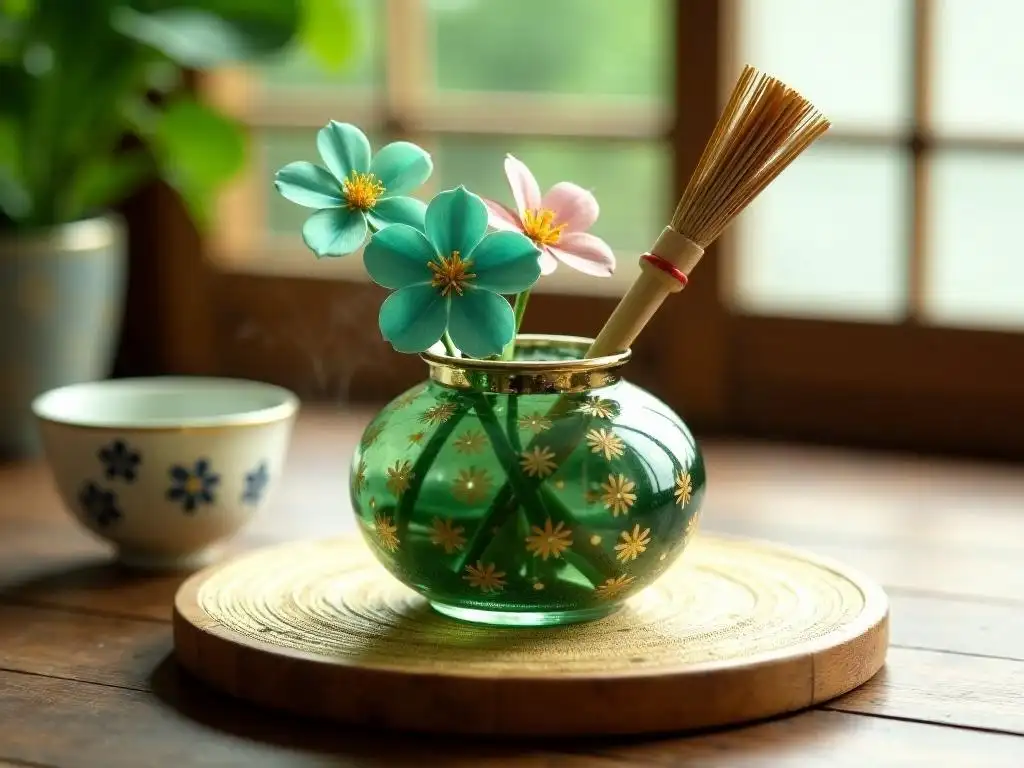
Embracing the authentic Japanese tea ceremony is not merely a matter of following a set of instructions; it is about immersing oneself in a centuries-old tradition that emphasizes mindfulness, respect, and harmony with nature. The tea ceremony, or "chanoyu," involves a meticulous preparation process that reflects the cultural values of Japan. Each element, from the choice of tea to the utensils and the setting, plays a vital role in creating an atmosphere of tranquility and reverence.
By engaging in this practice, participants can cultivate a deeper appreciation for the nuances of Japanese culture. The ceremony encourages connections—not only between the host and guests but also with the natural world, as the seasonal variations influence the selection of tea and decor. Ultimately, the authentic Japanese tea ceremony serves as a reminder of the beauty found in simplicity and intentionality.
Additional Recommendations for Authentic Japanese Tea Ceremony Preparation
To further enhance the experience of preparing for an authentic Japanese tea ceremony, consider the following recommendations:
- Learn the Philosophy: Familiarize yourself with the principles of "wa" (harmony), "kei" (respect), "sei" (purity), and "jaku" (tranquility). These ideals form the foundation of the tea ceremony and can enrich your understanding of its significance.
- Choose the Right Environment: Create a peaceful space for the ceremony. Natural light, minimal decor, and elements that reflect the season can help set the mood. A tatami mat room is ideal, but a serene garden can also serve as a beautiful backdrop.
- Practice the Movements: The gestures involved in the ceremony are deliberate and meaningful. Practicing the movements for serving tea and handling utensils can help you present them with grace and respect.
- Select Quality Utensils and Ingredients: Invest in authentic tea utensils, such as a tea bowl, whisk, and tea caddy. Use high-quality matcha or gyokuro (fine green tea), as the quality of the tea directly impacts the overall experience.
- Invite Guests Mindfully: When inviting guests, consider their backgrounds and experiences with tea. Providing a brief explanation of the ceremony can help them appreciate the experience more fully.
Final Thoughts on Authentic Japanese Tea Ceremony Preparation
Preparing for an authentic Japanese tea ceremony is a rewarding endeavor that goes beyond the mere act of brewing tea. It is an opportunity to connect with a rich cultural heritage while fostering mindfulness and appreciation for the present moment. By following the steps outlined in this guide and embracing the spirit of the ceremony, you can create a meaningful and memorable experience for yourself and your guests.
As you embark on this journey, remember that the beauty of the tea ceremony lies in its imperfections. Each ceremony is unique, shaped by the individuals involved and the environment in which it takes place. Therefore, approach the preparation with an open heart and mind, ready to embrace the tranquility and harmony that the authentic Japanese tea ceremony offers. 🍵
- Introduction to the Authentic Japanese Tea Ceremony
- Essential Tools for Authentic Japanese Tea Ceremony Preparation
- Selecting the Right Ingredients for Your Ceremony
- Preparing Your Space for an Authentic Japanese Tea Ceremony
- The Step-by-Step Preparation Process
- Engaging Your Guests: The Cultural Experience
- Conclusion: Embracing the Authentic Japanese Tea Ceremony
- Additional Recommendations for Authentic Japanese Tea Ceremony Preparation
- Final Thoughts on Authentic Japanese Tea Ceremony Preparation
- What is an Authentic Japanese tea ceremony?
- What are the key elements of preparation for the tea ceremony?
- How long does it typically take to prepare for an Authentic Japanese tea ceremony?
- Is it necessary to have professional training to conduct an Authentic Japanese tea ceremony?
- What role does seasonality play in the tea ceremony?
Frequently Asked Questions
What is an Authentic Japanese tea ceremony?
An Authentic Japanese tea ceremony is a traditional ritual centered around the preparation and serving of matcha, or powdered green tea. It emphasizes aesthetic principles, mindfulness, and the beauty of simplicity.
What are the key elements of preparation for the tea ceremony?
Preparation involves gathering essential utensils, such as the tea bowl, whisk, and scoop, as well as ensuring the environment is serene. Each step is performed with intentionality and respect.
How long does it typically take to prepare for an Authentic Japanese tea ceremony?
Preparation can take anywhere from 30 minutes to several hours, depending on the level of detail and ritual one wishes to incorporate. This time allows for careful attention to the ingredients and surroundings.
Is it necessary to have professional training to conduct an Authentic Japanese tea ceremony?
While professional training is beneficial, it is not strictly necessary. Understanding the basic principles and etiquette can allow anyone to conduct a meaningful ceremony, focusing on respect and harmony.
What role does seasonality play in the tea ceremony?
Seasonality influences the selection of decorations and the type of tea served. Incorporating elements of the current season enhances the experience and reflects the transience of nature, a core principle of the ceremony.
Final Reflection: Embracing the Art of Authentic Japanese Tea Ceremony Preparation
In a world that often prioritizes speed and efficiency, the art of preparing for an authentic Japanese tea ceremony serves as a poignant reminder of the beauty found in mindfulness and tradition. The meticulous steps involved in this ancient practice not only honor the rich cultural heritage of Japan but also invite us to slow down and appreciate the present moment. As we navigate our fast-paced lives, the lessons embedded in the preparation for a tea ceremony resonate more than ever, urging us to cultivate a deeper connection with ourselves and our surroundings.
Cultural practices like the Japanese tea ceremony have a profound impact on our social landscape, encouraging us to foster community and connection. The ritual emphasizes respect, harmony, and tranquility—values that are essential in today’s fragmented society. As we engage in this practice, we are reminded of the words of Sen no Rikyū, the renowned tea master: Tea is a religion of the art of life.
This sentiment encapsulates the essence of the tea ceremony, highlighting its role as a transformative experience that transcends mere beverage preparation, inviting us to reflect on our own lives and relationships.
As you consider the insights shared in this article, I invite you to take a moment to reflect on how you can incorporate the principles of the authentic Japanese tea ceremony into your daily routine. Whether through mindfulness in your actions, creating a space for connection with others, or simply taking the time to appreciate the beauty in small moments, let the spirit of this tradition inspire you. Embrace the journey of preparation, and allow it to enrich your life with intention and grace.
Embrace Tranquility: Host Your Own Japanese Tea Ceremony!
Thank you for taking the time to explore the art of the Japanese tea ceremony! You’ve gained valuable insights that can deepen your understanding of this beautiful cultural practice. Now, let’s bring this experience to life in your own home.
Here are some simple yet meaningful actions to get you started:
- Organize a tea gathering: Invite friends or family to enjoy a traditional tea ceremony together. Set the scene with authentic Japanese tea and inspiring decor.
- Gather the necessary tools: Discover the essential utensils needed for your ceremony, such as a tea whisk and a tea bowl. You might find unique pieces at local shops or online marketplaces!
- Share your experience: Document your tea ceremony journey on social media, or write a blog post about it to inspire others in your community!
As you step into this fragrant and calming world, what aspect of the tea ceremony are you most excited to explore in your own practice?