
The Influence of Geography on Sushi and Sake Production in Japan

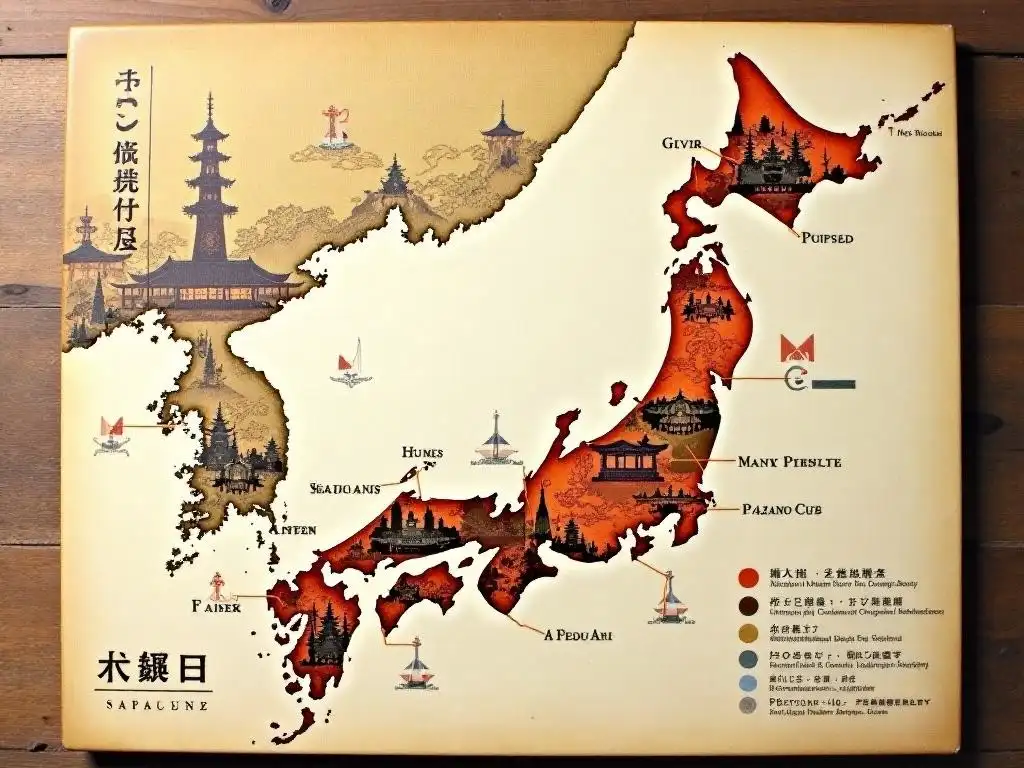
Welcome to Feudal Japan History, where we embark on a fascinating journey through the rich tapestry of Japan’s feudal era. In this captivating realm, we delve into the intricate relationship between geography and the beloved traditions of sushi and sake production. Have you ever wondered how the diverse landscapes of Japan shape its culinary masterpieces? Join us as we uncover the nuanced influences of geography on these iconic staples, revealing secrets that have been cherished for centuries. Get ready to explore the depths of Japanese cuisine and discover how place truly matters—your adventure starts here!
- Introduction to Geography's Impact on Sushi Sake Production in Japan
- Historical Context: The Development of Sushi and Sake Through Geography
- The Geography of Japan: Climates and Topographies Affecting Ingredients
- Regional Differences in Sushi: A Geographic Overview
- Sake Production: Geography and Terroir in Japan
- The Relationship Between Geography and Sushi Sake Pairing
- Challenges and Innovations in Sushi and Sake Production Due to Geography
- Conclusion: The Lasting Influence of Geography on Sushi and Sake
-
Frequently Asked Questions
- What role does geography play in sushi and sake production in Japan?
- How do regional variations affect sushi and sake in Japan?
- What are the main ingredients in sushi and sake that are impacted by geography?
- How has modern technology changed the traditional practices of sushi and sake production?
- Why is it important to understand the cultural significance of sushi and sake in Japan?
- Final Reflection: The Interwoven Tapestry of Geography, Sushi, and Sake
- Dive Into the Delicious World of Sushi and Sake!
Introduction to Geography's Impact on Sushi Sake Production in Japan
Japan's rich culinary heritage is intricately woven with its geographical features, particularly in the production of two of its most iconic staples: sushi and sake. This article delves into Geography's Impact on Sushi Sake, exploring how the unique landscapes, climate, and available resources of Japan have shaped these beloved foods.
From the coastal regions that provide fresh seafood for sushi to the fertile plains that yield the rice essential for sake brewing, understanding these connections not only enhances our appreciation of these dishes but also highlights the profound relationship between geography and culture in Japan. By examining historical contexts and the significance of local ingredients, we aim to provide a comprehensive exploration into how Japan's geographical attributes have influenced the evolution of its culinary traditions.
Overview of Sushi and Sake in Japanese Culture
Sushi and sake are more than just food and drink in Japan; they are cultural symbols that embody the country's history, traditions, and societal values. Sushi, which primarily consists of vinegared rice accompanied by various ingredients, including raw fish, vegetables, and sometimes tropical fruits, has evolved from a method of preserving fish to an art form celebrated worldwide. Its origins can be traced back to ancient preservation techniques, but it has significantly transformed over centuries into various styles, such as nigiri, maki, and sashimi.
On the other hand, sake, a traditional rice wine, is deeply embedded in Japanese rituals and celebrations. The brewing process involves careful attention to detail, and the choice of rice, water, and yeast plays a crucial role in determining the flavor profile of the sake. The production of sake is often associated with festivals and religious ceremonies, showcasing its significance beyond mere consumption. Together, sushi and sake not only represent Japan's culinary expertise but also serve as a bridge connecting its past with present-day cultural practices.
The Significance of Geography in Culinary Traditions
The geography of Japan is characterized by its mountainous terrain, extensive coastlines, and varying climates, all of which have a profound impact on its culinary traditions, particularly sushi and sake production.
- Coastal Regions: Japan is an island nation surrounded by rich fishing grounds, enabling easy access to a wide array of seafood. Different regions specialize in various types of fish, which directly influences local sushi varieties.
- Hokkaido: Known for its fresh seafood, including uni (sea urchin) and ikura (salmon roe).
- Kanto: The Tokyo area, famous for its sushi style known as Edomae, utilizing fish caught in Tokyo Bay.
- Agricultural Land: The fertile plains, especially in regions like Niigata and Akita, are vital for rice cultivation, which is essential for sake production. The quality of rice, along with the purity of local water sources, directly impacts the flavor and quality of sake.
- Niigata: Renowned for its high-quality sake, attributed to the region's clean water and ideal rice farming conditions.
- Akita: Another prominent sake-producing area, known for its unique brewing techniques rooted in local traditions.
- Climate Variations: Japan's diverse climate allows for a range of agricultural activities, further influencing the ingredients available for sushi and sake. The seasonal variations also dictate the types of fish and vegetables used in sushi, promoting a farm-to-table philosophy that emphasizes freshness and sustainability.
Understanding the geographical influences on sushi and sake not only enriches our culinary experience but also offers insights into the interconnectivity of nature and culture in Japan. By appreciating these elements, we gain a deeper understanding of the significance behind each dish and drink, reinforcing the notion that geography plays a critical role in shaping culinary identities.
Historical Context: The Development of Sushi and Sake Through Geography

The intricate relationship between geography and the evolution of sushi and sake in Japan is a testament to how the natural environment can shape culinary traditions. From the coastal regions blessed with abundant seafood to the fertile rice paddies found inland, Japan's diverse landscapes have significantly influenced the ingredients and methods used in these iconic foods.
Early Influences of Geography on Japanese Cuisine
Japan's geographical features, including its mountainous terrain and extensive coastline, have played a pivotal role in determining the availability of key ingredients for sushi and sake production. The country is an archipelago, comprising over 6,800 islands, which offers an excellent variety of marine life. This proximity to the sea provided early Japanese societies with access to fresh fish and shellfish, forming the foundation of sushi.
- Coastal Regions: Areas like Hokkaido and the Kanto region, including Tokyo, were historically fishing hubs. The abundance of fish such as tuna, mackerel, and eel made these regions essential for sushi development. The practice of preserving fish in fermented rice, known as narezushi, is believed to have originated in these coastal areas, allowing for the transportation and storage of fish over longer periods.
- Inland Areas: Contrasting sharply, the inland regions of Japan, particularly in the Kanto and Kansai areas, were more focused on agriculture. The cultivation of rice was central to these societies, providing the primary ingredient for sake. The fertile plains of these regions allowed for high-quality rice production, which was crucial for brewing sake. Notably, regions like Niigata and Hyogo became renowned for their sake breweries due to their ideal climatic conditions and pure water sources.
The interplay of these geographical factors contributed to the early development of sushi and sake as distinct cultural products. As Japan evolved, so too did the techniques and styles of preparation and consumption.
Regional Variations in Sushi and Sake: A Historical Perspective
The geographical diversity of Japan has led to a rich tapestry of regional variations in both sushi and sake. Each area’s unique environmental characteristics and local ingredients have fostered distinct culinary traditions.
- Sushi Varieties:
- Edomae-zushi: Originating from Tokyo (formerly Edo), this style of sushi reflects the local fishing practices and the use of fresh fish caught in Tokyo Bay. Techniques such as marinating and grilling fish became popular due to the need for preservation before refrigeration.
- Kansai-zushi: In contrast, the Kansai region, which includes Osaka and Kyoto, is known for its focus on vinegared rice with toppings. This area has a strong emphasis on aesthetics and presentation, influenced by the region's rich cultural heritage.
- Sake Variations:
- Junmai Sake: This pure rice sake is often produced in regions with excellent rice and water quality, such as Niigata. Its production emphasizes the natural flavors derived from the ingredients, aligning with the terroir concept found in wine.
- Nigori Sake: In contrast, this unfiltered sake from regions like Akita presents a creamy texture and sweetness, showcasing the local rice and brewing methods that differ from the clear sake typical of other areas.
The regional distinctions in sushi and sake not only reflect the geographical influences but also illustrate the deep-rooted cultural significance each type has in its respective locality. Local festivals, seasonal ingredients, and traditional crafting techniques all contribute to the rich history of these culinary staples.
Geography's impact on sushi and sake production in Japan is profound, influencing everything from ingredient availability to preparation methods and regional styles. Understanding this connection provides a deeper appreciation for the complexity and diversity of Japanese cuisine.
The Geography of Japan: Climates and Topographies Affecting Ingredients
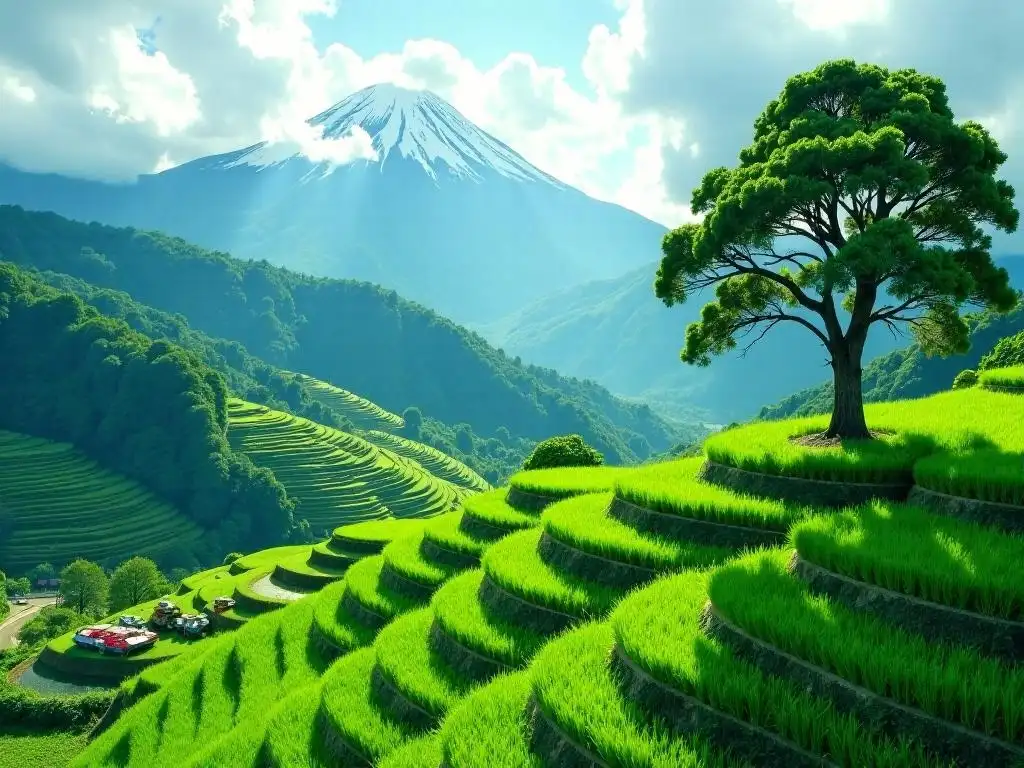
Japan's unique geography plays a crucial role in shaping its culinary traditions, particularly in the production of sushi and sake. The archipelago is characterized by diverse climates and topographies that influence the availability and quality of key ingredients. With over 6,800 islands, the main islands of Honshu, Hokkaido, Kyushu, and Shikoku each present distinct environmental features that contribute to the rich tapestry of Japanese cuisine. Understanding how geography affects sushi and sake opens a window into the historical and cultural significance of these staples in Japanese society.
Coastal Regions: Source of Fresh Fish for Sushi
Japan is surrounded by the Pacific Ocean, the Sea of Japan, and the East China Sea, creating abundant coastal regions rich in marine life. These areas are vital for sushi production, as they provide a diverse array of fish and seafood that are fundamental to sushi dishes.
- Fishing Techniques: Traditional methods, such as "tsuri" (angling) and "suisan" (commercial fishing), have evolved over centuries, enabling local communities to sustainably harvest seafood. Coastal fishing villages, particularly in regions like Hokkaido and Kanagawa, have developed unique practices that enhance the freshness and quality of the catch.
- Seasonal Variations: The availability of certain fish species fluctuates with the seasons due to migration patterns and spawning habits. For example, tuna catches peak in late winter and early spring, while mackerel is more plentiful in the summer months. This seasonal abundance influences the types of sushi served in restaurants and homes, fostering a deep connection between geography and culinary traditions.
- Regional Specialties: Different coastal regions are known for their signature sushi styles based on local fish varieties. For instance, the Kanto region, including Tokyo, is famous for its nigiri sushi, featuring fresh fish placed atop vinegared rice. In contrast, the Kansai region, particularly Osaka, is renowned for its pressed sushi, or "oshizushi," highlighting the diverse influences of geography on sushi preparation.
Mountainous Areas: Unique Rice Varieties for Sake Production
The mountainous terrain of Japan, which covers approximately 73% of the country's land area, is equally influential in the production of sake. The elevations and climate of these regions contribute to the cultivation of unique rice varieties essential for brewing.
- Ideal Rice Cultivation Conditions: Regions such as Niigata and Akita, known for their mountainous landscapes, provide the perfect conditions for growing high-quality sake rice, or "shuzokotekimai." The combination of fertile soil, abundant snowfall, and clear mountain spring water creates an ideal environment for rice cultivation.
- Varieties of Sake Rice: Different types of sake rice, such as Yamadanishiki and Gohyakumangoku, thrive in various mountainous regions. Each variety possesses distinct characteristics that influence the flavor and aroma of the final sake product. For example, Yamadanishiki is often regarded as the "king of sake rice" due to its high starch content and ability to produce premium sake.
- Brewing Techniques: The mountainous areas also boast traditional sake breweries that have refined their craft over generations. These breweries utilize the local water sources, which are often soft and mineral-rich, to create sake with unique flavor profiles. Factors such as altitude and climate variations among different regions lead to a diverse range of sake styles across Japan.
Climate Zones: How Weather Shapes Flavor Profiles
Japan's varied climate zones, ranging from the humid subtropical climate in the south to the cooler temperate climate in the north, significantly shape the flavor profiles of both sushi and sake.
- Impact of Temperature and Humidity: The climate affects not only the growth of ingredients but also the fermentation process in sake production. For instance, warmer temperatures can accelerate fermentation, leading to a sweeter sake, while cooler conditions might yield drier flavors. This interplay between climate and production methods results in a wide spectrum of sake flavors.
- Microclimates and Terroir: Specific regions may have unique microclimates that further influence the taste of local ingredients. For example, the coastal areas of Wakayama experience a mild climate conducive to growing exceptional citrus fruits, which are often paired with sushi as garnishes or condiments, enhancing the overall dining experience.
- Culinary Evolution: The diverse climates have led to regional variations in sushi and sake styles, reflecting local preferences and ingredient availability. The interplay of climate and geography has fostered a rich culinary tradition that continues to evolve, showcasing the dynamic nature of Japan’s food culture.
The geography of Japan significantly impacts the production of sushi and sake, intertwining the nation’s natural resources with its culinary heritage. From the coastal regions providing fresh seafood to the mountainous areas cultivating unique rice varieties, and the various climate zones shaping flavor profiles, the influence of geography on sushi and sake is profound and multifaceted.
Regional Differences in Sushi: A Geographic Overview
The production and evolution of sushi in Japan have been significantly influenced by the country's diverse geography. Each region boasts unique environmental characteristics that contribute to the local sushi styles, flavors, and ingredients. From the icy waters of Hokkaido to the bustling urban landscape of Tokyo and the culinary richness of Osaka, geography plays a pivotal role in shaping the sushi experience across Japan.
Hokkaido: The Impact of Cold Waters on Sushi Flavors
Hokkaido, the northernmost island of Japan, is renowned for its cold, nutrient-rich waters. These conditions foster an abundance of seafood, particularly fish varieties that thrive in colder climates. Notably, the following aspects highlight the influence of Hokkaido's geography on sushi:
- Sourcing Fresh Ingredients: The icy waters are home to a plethora of seafood, including salmon, crab, and various shellfish. Hokkaido's proximity to the rich fishing grounds allows for fresh catches that are often served raw in sushi.
- Unique Flavor Profiles: The cold environment leads to fish that are firmer and have distinct flavors compared to those found in warmer waters. For example, Hokkaido's salmon is prized for its rich taste and excellent texture, making it a favorite in sushi dishes.
- Seasonal Variations: The geography of Hokkaido also dictates seasonal fishing practices, resulting in different fish being available at various times of the year. This seasonal approach influences the types of sushi prepared, with certain varieties being celebrated during specific seasons.
Tokyo: Edomae Sushi and Its Geographic Roots
Tokyo, historically known as Edo, has a rich sushi tradition that reflects its coastal geography. The development of Edomae sushi, a style that originated in this area, showcases how local resources shape culinary practices. Key points include:
- Historical Context: Edomae sushi emerged in the early 19th century, utilizing fish from Tokyo Bay. The geographical location allowed for easy access to fresh seafood, leading to the creation of sushi that was both practical and flavorful.
- Preservation Techniques: The need to preserve fish in a pre-refrigeration era resulted in innovative techniques such as marinating and pickling. For example, sushi chefs developed methods for preparing fish like mackerel and eel, which are now staples in Edomae sushi.
- Cultural Significance: The bustling urban environment of Tokyo has led to a unique sushi culture, where sushi is not only a meal but also an art form. The city’s geography fosters a dynamic food scene that continually evolves, attracting chefs who experiment with traditional and contemporary sushi styles.
Osaka: The Influence of Local Ingredients on Sushi Styles
Osaka, often referred to as the "Kitchen of Japan," is influential in the culinary landscape due to its access to a variety of local ingredients. The geography of Osaka contributes to its distinct approach to sushi, characterized by:
- Diverse Ingredients: The region's fertile plains and proximity to the sea allow for an abundance of fresh vegetables and seafood. This variety leads to sushi styles that incorporate unique local ingredients, such as sweet fish and seasonal vegetables.
- Culinary Techniques: In Osaka, sushi is often paired with techniques such as vinegared rice and grilled fish, leading to unique creations like nigiri and temaki that highlight local flavors.
- Economic Hub: As a historical trading center, Osaka has been influenced by various culinary traditions, which are reflected in its sushi. The geographic position as a crossroads of trade has introduced diverse flavors and techniques that make Osaka's sushi scene vibrant and eclectic.
The geography of Japan plays a crucial role in shaping the regional differences in sushi. From the cold waters of Hokkaido to the urban innovations of Tokyo and the local ingredients of Osaka, each area contributes its unique characteristics to this beloved cuisine, demonstrating how "Geography's Impact on Sushi Sake" extends beyond mere ingredients to encompass history, culture, and tradition.
Sake Production: Geography and Terroir in Japan
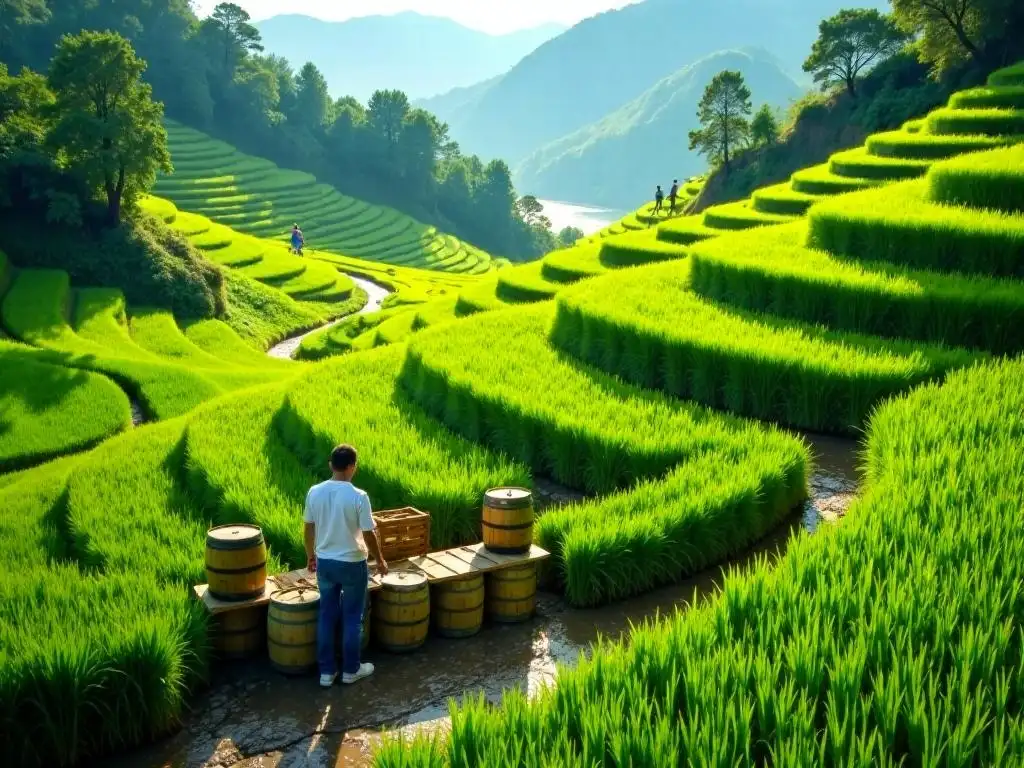
Sake production in Japan is intricately linked to the country's diverse geography, which influences not only the ingredients used but also the traditional brewing methods. The concept of terroir, similar to that used in wine production, applies here, where the local environment—including soil, climate, and water—plays a critical role in shaping the characteristics of sake. Each region has its own unique attributes that contribute to the flavor profiles and quality of the sake produced.
The following sections delve into specific geographic factors that impact sake production, particularly focusing on water quality, rice cultivation regions, and the distribution of traditional sake breweries.
The Role of Water Quality in Sake Brewing
Water is a fundamental element in sake production, comprising around 80% of the final product. The quality, mineral content, and source of the water can significantly influence the brewing process and the flavor of the sake.
- Soft vs. Hard Water:
- Soft water, which has low mineral content, is ideal for producing delicate and fragrant sakes. This type of water is often found in regions like Niigata and Kumamoto.
- Hard water, on the other hand, contains higher levels of minerals such as calcium and magnesium, which can enhance the fermentation process, resulting in richer and fuller-bodied sakes. Regions like Hiroshima are known for their hard water, contributing to their robust sake profiles.
- Local Water Sources: Many sake breweries source their water from natural springs or rivers, which can be influenced by the surrounding geology. For example, the Miyama River in Nagano is renowned for its pure water, essential for high-quality sake production.
- Water Treatment: Modern breweries often treat their water to achieve specific mineral balances, tailoring it to produce desired sake characteristics. The careful selection and treatment of water are considered a vital aspect of the brewing process.
Rice Cultivation Regions: From Koshihikari to Yamada Nishiki
The geographical distribution of rice cultivation is another critical factor in sake production. Different varieties of rice are grown in various regions, each with unique properties that affect the brewing process.
- Koshihikari:
- Grown primarily in the Niigata and Fukushima prefectures, Koshihikari is celebrated for its rich flavor and excellent brewing qualities. The cold climate and fertile soil of these regions contribute to the rice's high quality, making it a top choice for premium sake.
- Yamada Nishiki:
- Known as the "king of sake rice," Yamada Nishiki is predominantly cultivated in the Hyogo and Okayama prefectures. This variety is characterized by its large grains and high starch content, making it ideal for the brewing process. The specific climate and soil conditions of these areas enhance the rice's characteristics, contributing to the production of some of Japan's finest sakes.
- Regional Variations:
- Other notable rice varieties include Miyamanishiki and Hanafubuki, each with distinct growing conditions and flavor profiles. The diversity in rice cultivation across Japan's regions directly correlates with the variety of sake produced.
Traditional Sake Breweries: Geographic Distribution and Influence
The geographic distribution of traditional sake breweries further illustrates the impact of geography on sake production. Certain regions have become renowned for their sake, often due to a combination of water quality, rice availability, and historical brewing practices.
- Famous Sake Regions:
- Niigata: Known for its clean water and premium rice, this region is home to many highly regarded sake breweries, such as Hakkaisan and Kikusui.
- Hyogo: The birthplace of Yamada Nishiki rice, Hyogo is synonymous with quality sake and hosts many traditional breweries, including Dassai and Hakutsuru.
- Cultural Heritage:
- Many sake breweries have been passed down through generations, with families often maintaining specific brewing techniques that reflect their regional heritage. This continuity contributes to the unique flavors and characteristics of the sake produced in each area.
- Economic Impact:
- The geographical concentration of sake production not only supports local economies but also fosters tourism, as visitors seek out sake tasting experiences and brewery tours that celebrate the rich history and culture associated with sake.
The geography of Japan plays a pivotal role in the production of sake, influencing everything from water quality to rice varieties and traditional brewing practices. Understanding these geographic nuances enhances the appreciation of sake as not just a beverage, but as a product deeply rooted in the land and culture of Japan.
The Relationship Between Geography and Sushi Sake Pairing
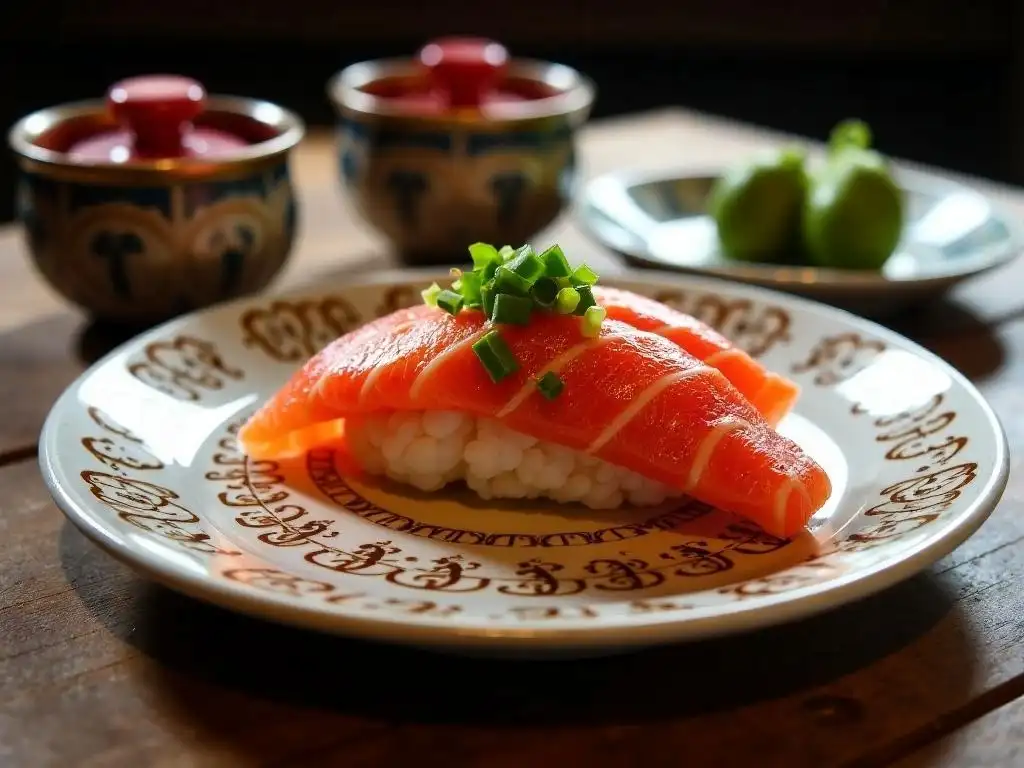
Geography plays a pivotal role in determining the types of sushi and sake that are produced and enjoyed across Japan. The diverse landscapes, climates, and ecosystems found throughout the archipelago directly influence the ingredients available for sushi and the rice and water sources used for sake production. As a result, certain regional pairings of sushi and sake emerge, reflecting the unique characteristics of each area. Understanding this relationship not only enhances the culinary experience but also highlights the cultural significance of local food practices.
Regional Pairings: How Geography Shapes Flavor Compatibility
The geography of Japan can be divided into several distinct regions, each with its own climate and agricultural practices that affect the production of sushi and sake. Here are some notable regional pairings:
- Hokkaido: Known for its cold waters and abundant seafood, sushi from Hokkaido often features fresh fish like salmon and sea urchin. The local sake, often brewed using pure mountain water, complements these flavors beautifully.
- Tokyo (Edo): The bustling capital is famous for its Edomae sushi, which often uses fish caught in Tokyo Bay. The sake from this region tends to be lighter and more refined, enhancing the delicate flavors of the sushi.
- Kyoto: Renowned for its traditional kaiseki cuisine, Kyoto's sushi often includes pickled and preserved ingredients. The sake here is typically more aromatic, pairing well with the complex flavors found in kaiseki dishes.
- Okinawa: With a subtropical climate, Okinawa offers unique ingredients such as local fish and tropical fruits. The sake produced in this region is often sweeter, matching the bold flavors of Okinawan sushi.
The interplay between local ingredients and sake production is crucial. For instance, the mineral content of the water, which varies regionally, can significantly affect the taste of sake, thereby influencing which sushi types it pairs best with.
Case Study: Pairing Hokkaido Sushi with Local Sake Varieties
Hokkaido serves as an exemplary case study for understanding the geography's impact on sushi and sake pairing. The region's cold climate fosters a rich marine ecosystem, making it one of the best areas in Japan for seafood.
Key Characteristics of Hokkaido Sushi and Sake:
- Sushi Varieties:
- Ikura (Salmon Roe): Rich in flavor, the briny burst of ikura pairs well with sake that has a clean finish.
- Uni (Sea Urchin): Creamy and delicate, uni sushi is best matched with sake that has a slightly higher umami profile.
- Hokkaido Crab: Sweet and tender, the sweetness of crab is complemented by crisp, refreshing sake.
- Local Sake Varieties:
- Jingū Sake: Brewed with pristine water from the mountains, Jingū sake offers a well-balanced profile with hints of fruit.
- Hokkaido Junmai: This sake is known for its robust flavor, making it an excellent match for richer sushi types.
Pairing Recommendations:
| Sushi Type | Recommended Sake | Flavor Profile |
|---|---|---|
| Ikura | Jingū Sake | Clean, fruity |
| Uni | Hokkaido Junmai | Rich, umami |
| Hokkaido Crab | Jingū Sake | Sweet, refreshing |
The geographical attributes of Hokkaido create a unique environment for both sushi and sake production, leading to distinct regional pairings that enhance the culinary experience. By understanding these pairings, enthusiasts can appreciate the depth of flavor and tradition that define Hokkaido's culinary landscape, showcasing how geography profoundly impacts sushi sake compatibility.
Challenges and Innovations in Sushi and Sake Production Due to Geography

Japan's unique geography, characterized by its mountainous terrain, numerous islands, and varying climates, has profoundly influenced the production of sushi and sake throughout history. The interaction between these geographic elements and the local environment has led to distinct challenges and opportunities in the culinary landscape.
Climate Change: Its Impact on Ingredient Availability
The effects of climate change are increasingly felt across the globe, and Japan is no exception. As temperatures rise and weather patterns shift, the availability of traditional ingredients for sushi and sake production is becoming a pressing concern.
- Temperature Fluctuations: Rising temperatures can affect the growth cycles of essential crops. For instance, rice, a fundamental ingredient in sake, requires specific climatic conditions for optimal growth. Changes in temperature and precipitation patterns can lead to reduced yields, impacting both quality and quantity.
- Sea Temperature Changes: Sushi relies heavily on fresh seafood, and the changing temperatures of ocean waters can alter fish migration patterns. Species traditionally used in sushi, such as tuna and snapper, may become less accessible or shift to different regions, complicating sourcing for sushi chefs.
- Sustainable Fishing Practices: In response to changing fish populations, innovative sustainable fishing practices are gaining traction. Fishermen are adapting their methods to ensure the longevity of fish stocks while maintaining a reliable supply for sushi production.
- Local Sourcing Dilemmas: As certain ingredients become scarcer due to climate change, sushi and sake producers may need to seek alternatives or rely more heavily on local sourcing. This shift could lead to the exploration of lesser-known regional ingredients, which might enrich the culinary diversity of sushi.
Innovations in Sushi and Sake: Adapting to Geographic Challenges
To counteract the challenges posed by geographic factors and climate change, the sushi and sake industries are embracing innovative practices that enhance production and sustainability.
- Advanced Agricultural Techniques: Farmers are adopting techniques such as hydroponics and vertical farming to increase rice yields while using less land and water. These methods not only help mitigate the effects of climate change but also allow for year-round production.
- Aquaculture Solutions: In response to declining fish stocks, aquaculture has emerged as a viable solution. Fish farming can provide a steady supply of seafood for sushi while reducing pressure on wild populations. This approach allows producers to maintain quality while ensuring sustainability.
- Regional Collaborations: Sushi and sake producers are increasingly collaborating with local farmers and fishermen to create products that reflect the unique geographical aspects of their regions. By focusing on local resources, they can create distinctive flavors that celebrate Japan's diverse landscapes.
- Innovative Brewing Techniques: In the sake industry, brewers are experimenting with new fermentation techniques and yeast strains that produce unique flavor profiles. These innovations not only accommodate changing ingredient availability but also allow sake to adapt to modern palates.
- Educational Initiatives: To sustain the future of sushi and sake, educational programs focusing on sustainable practices and the importance of local ingredients are being introduced. These initiatives empower both producers and consumers to make informed choices that respect the environment.
The interplay of geography and culinary innovation in Japan continues to shape the future of sushi and sake, ensuring that these beloved traditions adapt and thrive in an ever-changing world.
Conclusion: The Lasting Influence of Geography on Sushi and Sake
Summarizing the Importance of Geography in Japanese Culinary Arts
The intricate relationship between geography and the production of sushi and sake in Japan is a testament to how the natural environment shapes culinary traditions. Japan’s diverse landscapes, from coastal regions to mountainous terrains, have directly influenced the availability and quality of ingredients essential for these iconic foods.
- Coastal Proximity: Regions like Hokkaido and Kyushu benefit from their positions along the sea, allowing access to fresh seafood, which is crucial for sushi. Local fishing practices and seasonal variations further enrich the diversity of sushi ingredients.
- Rice Cultivation: The fertile plains, particularly around the Kanto and Kansai regions, provide ideal conditions for rice farming, which is fundamental for sake production. The type of rice and the purity of water sourced from mountainous areas contribute significantly to the flavor profiles of sake.
- Microclimates: The microclimates across Japan, influenced by topography and climate, lead to distinct regional variations in both sushi and sake. For instance, the use of local waters for brewing in areas like Niigata results in unique sake characteristics that reflect the local terroir.
The melding of these geographical factors not only shapes the taste and quality of sushi and sake but also embeds cultural significance into these culinary practices. The rituals surrounding sake brewing and sushi preparation are often tied to local customs and traditions, emphasizing the importance of geography in the broader narrative of Japanese cuisine.
Future Perspectives: The Ongoing Role of Geography in Sushi and Sake Evolution
As climate change and global trade continue to transform agricultural practices and food availability, the geographical influences on sushi and sake are also evolving. Future considerations include:
- Sustainable Practices: With rising awareness of environmental impacts, there is a growing trend towards sustainable sourcing of seafood and rice. Regions may adapt their production methods to ensure the longevity of local fisheries and rice fields, thereby preserving traditional practices while addressing modern challenges.
- Technological Advances: Innovations in food technology and transportation may alter how ingredients are sourced. For instance, controlled environment agriculture could allow for the cultivation of rice in areas previously unsuitable for farming, potentially changing traditional sake production landscapes.
- Culinary Fusion: Global influences may lead to fusions in sushi and sake, where ingredients from outside Japan are incorporated, reflecting a new geographical narrative. This could create a dynamic evolution of traditional dishes as chefs experiment with diverse elements.
As we look to the future, the geography of Japan will continue to play a pivotal role in shaping the culinary arts of sushi and sake. Understanding these geographical impacts not only enriches our appreciation of these foods but also highlights the necessity of sustainable practices to preserve the cultural heritage embedded within them.
Frequently Asked Questions
What role does geography play in sushi and sake production in Japan?
Geography significantly influences sushi and sake by affecting the availability of ingredients and the climate, which is crucial for rice cultivation and fish sourcing.
How do regional variations affect sushi and sake in Japan?
Regional variations lead to diverse flavors and techniques, as different areas utilize local ingredients, resulting in unique sushi styles and sake brewing methods.
What are the main ingredients in sushi and sake that are impacted by geography?
The primary ingredients affected by geography include rice, which is grown in specific regions, and fish, which varies by local waters, leading to distinctive tastes and textures.
How has modern technology changed the traditional practices of sushi and sake production?
Modern technology has enhanced the efficiency and quality of sushi and sake production, allowing for better preservation and transportation of ingredients, while still respecting traditional methods.
Why is it important to understand the cultural significance of sushi and sake in Japan?
Understanding the cultural significance of sushi and sake provides insight into Japan's historical practices and social customs, reflecting the country's deep-rooted relationship with its geography and resources.
Final Reflection: The Interwoven Tapestry of Geography, Sushi, and Sake
The intricate relationship between geography and the production of sushi and sake is not just a historical curiosity; it is a living testament to how our environment shapes culinary traditions. As we explore the diverse landscapes of Japan, we uncover how local resources, climate, and geography have profoundly influenced the flavors and techniques of these iconic foods. This connection reminds us that every bite of sushi and sip of sake carries with it the essence of the land from which it originates, highlighting the importance of place in our culinary experiences.
The ongoing influence of geography on sushi and sake production continues to resonate in today's global food culture. As we embrace these traditional Japanese foods, we also recognize the importance of sustainability and local sourcing in our culinary practices. This awareness encourages us to appreciate not just the taste but the story behind each dish. Food is not just what we eat; it is the culture, the history, and the geography that shapes our palate.
As we reflect on the lessons drawn from the geography of sushi and sake, let us be inspired to seek out and celebrate the local ingredients and traditions in our own lives. Consider how your environment influences your culinary choices and the stories behind them. By embracing the lessons of geography, we can cultivate a deeper appreciation for the foods we enjoy and the cultures they represent, fostering a more sustainable and connected world.
Dive Into the Delicious World of Sushi and Sake!
Thank you for exploring the rich tapestry of geography's influence on sushi and sake in Japan. Your curiosity helps preserve the vibrant culture and history behind these culinary treasures. Now, it's time to take your newfound knowledge to the next level!
- Visit a local sushi restaurant to experience the flavors firsthand. Pay attention to how the ingredients reflect their regional origins.
- Share your insights! Discuss what you learned with friends or family, and encourage them to discover the connection between geography and cuisine.
- Explore sake tasting events in your area to deepen your appreciation and connect with fellow enthusiasts.
What aspect of sushi or sake production surprised you the most, and how has it inspired you to further explore these incredible flavors?