
Sushi in Feudal Japan: What the Samurai Ate and Why It Mattered


Welcome to Feudal Japan History, where we invite you to embark on a captivating journey through the rich tapestry of Japan’s feudal era. Dive deep into our latest article, "Sushi in Feudal Japan: What the Samurai Ate and Why It Mattered," and discover how this beloved dish transcended mere sustenance to become a reflection of culture and status among the samurai. What secrets does this iconic meal hold about the society that cherished it? Join us as we unravel the fascinating history of sushi in a time when every bite was steeped in meaning. Your exploration starts here!
- The Historical Context of Sushi in Feudal Japan
- The Role of Sushi in Samurai Culture
- Types of Sushi Consumed by Samurai
- The Evolution of Sushi through Feudal Japan
- The Societal Impact of Sushi in Feudal Japan
- Conclusion: The Lasting Legacy of Sushi in Feudal Japan
-
Frequently Asked Questions
- What is the significance of sushi in Feudal Japan history?
- How did the samurai's diet influence the development of sushi?
- Were there different types of sushi in Feudal Japan?
- How did sushi contribute to Japanese culture in the feudal era?
- What materials were commonly used to prepare sushi during Feudal Japan?
- Final Reflection: The Enduring Legacy of Sushi in Feudal Japan
- Savor the Legacy: Discover Samurai Culinary Traditions!
The Historical Context of Sushi in Feudal Japan
Sushi, often celebrated today as a quintessential element of Japanese cuisine, has a rich and layered history that traces back to the feudal era of Japan. During this period, which spanned from the 12th to the 19th centuries, the country was characterized by a complex social hierarchy, with the samurai class at its pinnacle.
Understanding the historical context of sushi not only illuminates the evolution of this beloved dish but also sheds light on the cultural practices and societal norms of feudal Japan. This article delves into how the samurai's dietary habits, influenced by their status and lifestyle, contributed to the development of sushi and reveals why this culinary tradition mattered in the broader scope of Japanese history.
Overview of Feudal Japan: Society and Cuisine
Feudal Japan was a time marked by rigid social structures and a distinct hierarchy. At the top were the shoguns and daimyo (feudal lords), followed by samurai, farmers, artisans, and merchants. Each class had its own role and responsibilities, shaping the fabric of society.
- Social hierarchy: The samurai, as warriors and protectors of their lords, enjoyed a status that dictated their lifestyle choices, including their diet. While the lower classes primarily consumed rice and vegetable-based meals, the samurai had access to a wider range of foods, which included fish, game, and seasonal produce.
- Culinary practices: The cuisine of feudal Japan was heavily influenced by regional availability and seasonal changes. The samurai's diet was not only practical but also ceremonial, reflecting the importance of food in rituals and social gatherings. This led to a diverse culinary landscape where preservation methods, such as pickling and fermentation, played a crucial role.
Understanding the cuisine of this era provides insight into how sushi began to take shape as a popular dish among the samurai, combining practicality with cultural significance.
Origins of Sushi: A Brief Historical Background
The origins of sushi can be traced back to a method of preserving fish known as narezushi, which involved fermenting fish with rice. This early form of sushi dates back to Southeast Asia and was introduced to Japan around the 8th century. However, it was during the feudal period that sushi began to evolve into the form we recognize today.
- Narezushi: This traditional method utilized rice as a means of preservation, allowing fish to be stored for extended periods. The rice was discarded after fermentation, and the focus was primarily on the fish.
- Edo period advancements: By the 17th century, particularly in the Edo period (1603-1868), sushi began to transform into nigiri-zushi, where vinegared rice was topped with slices of fresh fish. This innovation made sushi more accessible and appealing to the samurai and the burgeoning merchant class alike.
The evolution of sushi during feudal Japan reflects not only changes in culinary techniques but also the growing significance of this dish in Japanese culture. As we explore further, we will uncover the deeper connections between sushi, samurai culture, and the societal shifts that paved the way for modern Japanese cuisine.
The Role of Sushi in Samurai Culture

Dietary Habits of Samurai: Nutritional Needs and Preferences
The samurai, as the warrior class of feudal Japan, had unique dietary habits that were influenced by their rigorous lifestyle and the demands of their profession. Their nutritional needs were largely shaped by the physicality of their duties, which required strength, stamina, and mental acuity. As such, the samurai diet was designed to fuel their bodies for battle and maintain their health.
-
High Protein Intake:
Samurai primarily consumed protein-rich foods to sustain their energy levels. Fish, particularly in the form of sushi, was a staple due to its availability and nutritional benefits. Fish provided essential omega-3 fatty acids, which are known to support heart health and cognitive function.
-
Rice as a Foundation:
Rice was a central component of the samurai diet, serving as the primary carbohydrate source. Sushi, in its early forms, often involved vinegared rice combined with various types of seafood. This combination not only met the samurai's energy needs but also offered a convenient and portable meal option for warriors on the move.
-
Fermented Foods:
To enhance their diet, samurai also consumed fermented foods, such as pickled vegetables and miso. These foods were rich in probiotics, which aided digestion and overall gut health, an essential aspect for warriors engaged in physically demanding activities.
-
Seasonal Variations:
The samurai diet was also influenced by seasons and regional availability. For instance, during the summer months, lighter sushi made with fresh fish and vegetables was preferred, while winter might see heartier dishes featuring preserved ingredients.
Cultural Significance of Sushi in Feudal Japan
Sushi held more than just nutritional value for the samurai; it also played a significant role in their cultural practices and social rituals. The preparation and consumption of sushi was intertwined with the values and aesthetics of samurai culture.
-
Symbol of Status:
Sushi was often associated with the elite classes, including the samurai. The quality and type of fish used in sushi could signify a warrior's status and wealth. High-quality ingredients were reserved for special occasions and feasts, making sushi a symbol of prestige.
-
Ceremonial Importance:
Sushi was frequently part of ceremonial meals and gatherings, reflecting the samurai’s connection to tradition and ritual. Special preparations of sushi were often featured in celebrations and banquets, reinforcing social bonds among the samurai and their lords.
-
Art of Preparation:
The preparation of sushi was regarded as an art form, requiring skill and precision. The samurai appreciated the aesthetics of food presentation, and sushi, with its vibrant colors and intricate arrangements, aligned with their appreciation for beauty and craftsmanship.
-
Reflection of Zen Philosophy:
The samurai ethos was heavily influenced by Zen Buddhism, which emphasized mindfulness and simplicity. Sushi, particularly in its minimalist form, reflected these values. Each piece was crafted with care, encouraging the samurai to savor each bite and cultivate a deeper appreciation for their meals.
Sushi in feudal Japan was not only a dietary staple for samurai but also a culturally significant element that embodied their values, social structures, and aesthetic preferences. Its role extended beyond sustenance, influencing the samurai's identity and lifestyle throughout this pivotal era in Japanese history.
Types of Sushi Consumed by Samurai
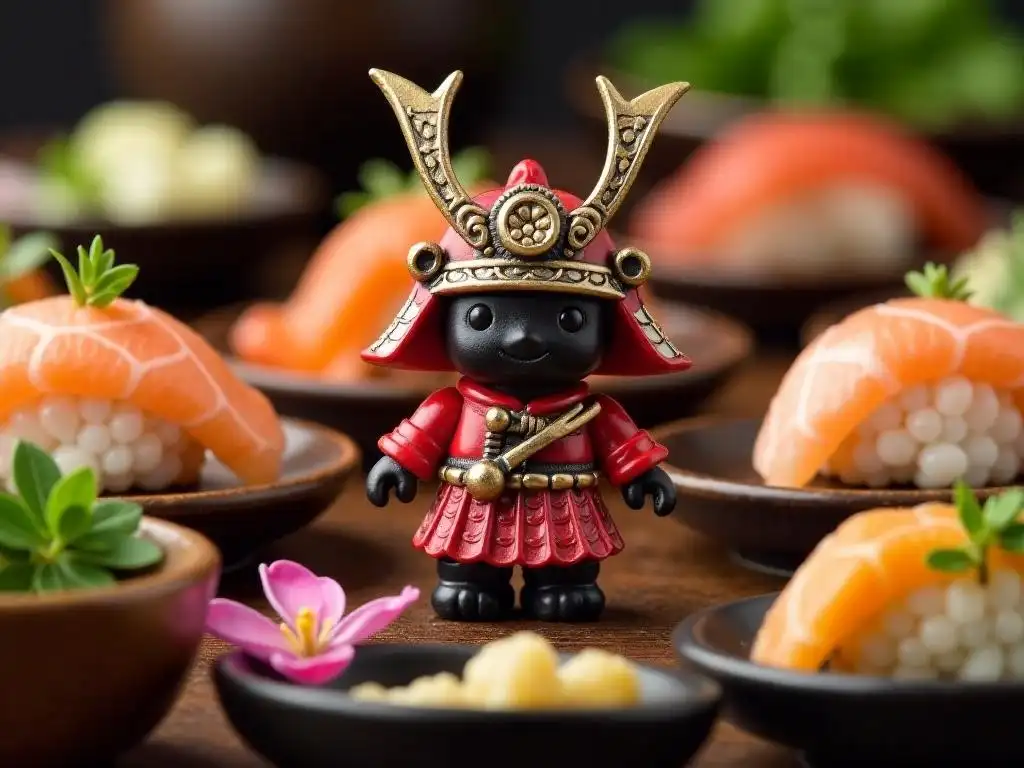
The samurai, as elite warriors of feudal Japan, had specific dietary habits that reflected their status, cultural values, and the resources available to them. Within their diet, sushi played a significant role, evolving through different forms to satisfy their nutritional needs and culinary preferences. This section delves into two prominent types of sushi consumed by samurai: Narezushi and Edomaezushi.
Narezushi: The Predecessor of Modern Sushi
Narezushi is considered the ancient form of sushi, dating back to the Yayoi period (circa 300 BCE to 300 CE). This primitive style of sushi involved fermenting fish with rice, a practice rooted in the need to preserve food in the absence of modern refrigeration.
- Preparation Method:
- Fish, typically freshwater varieties like carp, was gutted and packed in rice.
- The fermentation process would last for several months, during which the rice would harden and the fish would absorb lactic acid, resulting in a unique flavor profile.
- After fermentation, the fish was often consumed, while the rice was typically discarded or used as a seasoning.
- Cultural Significance:
- Narezushi was not only a preservation method but also a means to showcase the samurai's connection to nature and their ability to utilize available resources.
- It embodied the principles of sustainability and respect for the ingredients, which were central to samurai culture.
- Transition:
- As trade routes expanded and agricultural practices improved, the reliance on fermented methods began to diminish, paving the way for newer sushi forms, particularly with the advent of Edomaezushi.
Edomaezushi: The Birth of Modern Sushi
Edomaezushi emerged in the Edo period (1603-1868) in Tokyo (formerly Edo), marking a significant evolution in sushi preparation and consumption. This style of sushi is often regarded as the precursor to the modern sushi we know today.
- Characteristics:
- Edomaezushi is distinguished by its use of fresh, vinegared rice combined with various toppings, including raw fish, seafood, and vegetables.
- Unlike Narezushi, the ingredients were not fermented, allowing for a fresher and more diverse flavor experience.
- Popular Ingredients:
- Common toppings included tuna, eel, shrimp, and squid, often marinated or lightly cooked to enhance flavor.
- The rice was seasoned with a mixture of rice vinegar, sugar, and salt, giving it a slightly tangy taste that balanced well with the fresh toppings.
- Social Context:
- The rise of Edomaezushi coincided with the samurai's increasing leisure time and the growth of urban centers, where sushi became a popular street food.
- Samurai would often visit sushi stalls after training or during festivals, integrating this dish into their social lives, thus elevating sushi to a symbol of culinary refinement.
- Culinary Innovation:
- Chefs began to experiment with various cooking techniques, presentation styles, and ingredient pairings, leading to a rich culinary tradition that persisted beyond the feudal era.
The evolution of sushi from Narezushi to Edomaezushi reflects not only changes in culinary techniques but also the shifting societal values of feudal Japan. These sushi types played a crucial role in the diets of samurai warriors, enhancing their culinary landscape and cultural identity during a transformative period in Japan's history.
The Evolution of Sushi through Feudal Japan
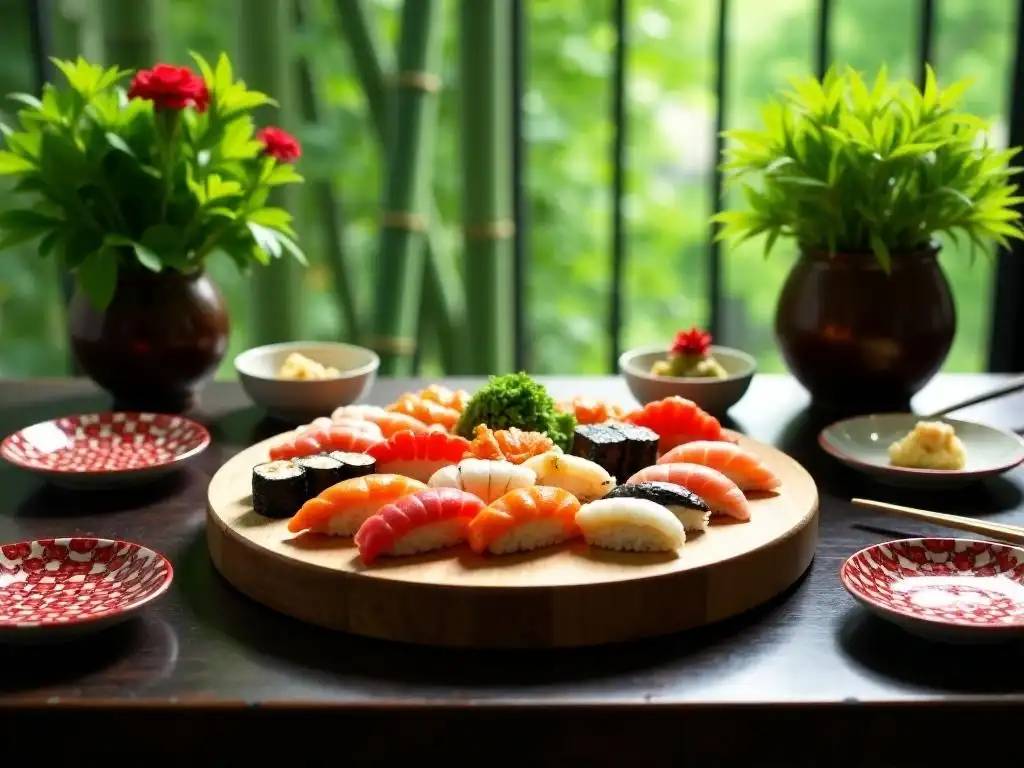
The evolution of sushi during the feudal era of Japan is a captivating tale that intertwines with the country's historical events, cultural shifts, and societal changes. While sushi as we know it today may have its roots in the Edo period (1603-1868), its origins trace back to earlier times when preservation methods and culinary practices began to take shape.
Changes in Sushi Preparation and Ingredients Over Time
In the early years of feudal Japan, sushi was primarily a method of preserving fish. The technique known as narezushi involved fermenting fish with rice, which acted as a preservative. This method not only extended the shelf life of the fish but also imparted a unique flavor. As the years progressed, particularly during the Kamakura period (1185-1333), the fermentation process began to decline, giving way to a more direct consumption of fish.
By the Muromachi period (1336-1573), the preparation of sushi started to evolve significantly. Ingredients became more varied, and the use of vinegar began to emerge. This led to the development of sushi rice, which was seasoned with vinegar, sugar, and salt to create a tangy flavor profile that complemented the fish. This transition marked the shift from narezushi to a more recognizable form of sushi known as sukiyaki.
The Edo period witnessed the further refinement of sushi, particularly with the invention of nigiri-zushi. This hand-formed sushi featured a small mound of vinegared rice topped with a slice of fresh fish. The introduction of soy sauce during this period also enhanced the flavor, making sushi not just a dish of sustenance but a culinary delight. Street vendors began selling nigiri-zushi as a quick meal, thus popularizing it among the urban populations of Edo (modern-day Tokyo).
Key Transformations in Sushi Preparation
- Narezushi: Fish fermented with rice, primarily for preservation.
- Sukiyaki: Introduction of vinegar in rice preparation during the Muromachi period.
- Nigiri-zushi: Hand-formed sushi that emerged during the Edo period, featuring fresh fish atop vinegared rice.
The Transition from Samurai to Commoner: Sushi's Widening Appeal
The feudal era of Japan was characterized by a distinct social hierarchy, with samurai at the top of the social structure. However, as the Edo period progressed, there was a noticeable shift in the accessibility of sushi. Initially, sushi was a luxury enjoyed primarily by the samurai and the elite classes, given the high-quality fish and ingredients involved.
With the rise of urban centers and a burgeoning merchant class, sushi began to permeate the lives of commoners. The proliferation of sushi stalls and restaurants in Edo made it an affordable and convenient meal option. This accessibility was further enhanced by the growth of the fishing industry, which ensured a steady supply of fresh seafood.
Additionally, the cultural perception of sushi transformed during this time. As samurai culture began to fade, the common people embraced sushi as a symbol of culinary identity. Events such as festivals and communal gatherings featured sushi prominently, reinforcing its status as a staple of Japanese cuisine.
Factors Contributing to Sushi's Widening Appeal
- Urbanization: Growth of cities like Edo facilitated the rise of sushi stalls and eateries.
- Economic Shifts: Increased availability of fresh fish due to advancements in fishing techniques.
- Cultural Integration: Sushi became a celebrated dish at public events and festivals, fostering a sense of community.
The journey of sushi through feudal Japan is a reflection of the dynamic changes in society, culture, and culinary practices. From a method of preservation to a beloved dish enjoyed by all classes, sushi has truly woven itself into the fabric of Japanese history.
The Societal Impact of Sushi in Feudal Japan

Economic Factors: Sushi and Trade in Feudal Japan
Sushi in Feudal Japan was not merely a culinary delight but a significant economic factor that influenced trade and commerce. The evolution of sushi parallels the growth of regional economies and the establishment of trade routes, particularly during the Edo period (1603-1868), when urban centers flourished, and the merchant class began to rise in prominence.
-
Regional Variations and Local Markets
Different regions developed their unique styles of sushi based on local fish availability, preservation methods, and cultural preferences. For instance:
- Edo-style sushi (Edomae-zushi) utilized fresh fish from Tokyo Bay, showcasing seasonal catches.
- Narezushi, an ancient form of sushi, involved fermenting fish with rice, primarily observed in rural areas where refrigeration was not available.
These variations encouraged local trade as communities exchanged not only ingredients but also culinary techniques. The bustling markets in cities like Edo (modern-day Tokyo) became vital hubs for sushi-related trade, attracting fishermen, farmers, and vendors.
-
Economic Growth of Sushi Vendors
As sushi gained popularity, specialized vendors emerged, paving the way for street food culture. Sushi was often sold from stalls, allowing samurai and commoners alike to enjoy this delicacy. The rise of these vendors contributed to:
- Job Creation: Increased demand for sushi meant more jobs for chefs, fishmongers, and agricultural workers.
- Tax Revenue: Local governments benefited from taxes levied on these burgeoning businesses, which helped fund infrastructure and public works.
-
Influence of Trade Routes
The expansion of trade routes during the feudal era facilitated the spread of sushi beyond local confines. Key trade routes included:
- The Tokaido Road: Connecting Kyoto and Edo, this route allowed for the transportation of fresh seafood and rice, essential ingredients for sushi.
- Maritime Trade: Fishermen and merchants utilized coastal trade routes to exchange goods, including sushi, with other regions and even foreign lands.
The economic significance of sushi during Feudal Japan underscores its role as a catalyst for regional growth and cultural exchange.
Cultural Exchange: Sushi's Role in Global Trade
The evolution of sushi in Feudal Japan was also deeply intertwined with cultural exchanges that occurred through global trade. As Japan began to open its ports to foreign traders, sushi became a symbol of Japanese culinary tradition that piqued international interest.
-
Introduction of New Ingredients
Global trade introduced new ingredients and techniques that influenced sushi preparation. For example, the arrival of Western trade partners brought new spices and preservation methods. Notable influences included:
- Vinegar: The use of vinegar in sushi rice became more widespread, enhancing flavor and preservation.
- Western fish varieties: As trade expanded, so did the types of fish available for sushi, leading to the incorporation of various species into traditional recipes.
-
Cultural Appreciation and Adaptation
As foreign traders experienced sushi, many began to appreciate its cultural significance. This led to:
- Fusion Cuisine: Elements of sushi began to be adapted in foreign culinary traditions, leading to hybrid dishes that incorporated local flavors.
- Culinary Diplomacy: Sushi became a medium for cultural exchange, fostering goodwill between Japan and other nations. This laid the groundwork for the global sushi trend that would emerge in later centuries.
-
Legacy and Globalization
The legacy of sushi from Feudal Japan has profoundly influenced contemporary global cuisine. Today, sushi is celebrated worldwide, with countless variations and interpretations. The historical significance of sushi as a product of cultural exchange highlights its enduring impact on culinary traditions, making it not just a dish but a cultural phenomenon.
The societal impact of sushi in Feudal Japan extends beyond mere consumption; it played a pivotal role in shaping economic structures and facilitating cultural exchanges, ultimately laying the foundation for sushi's global prominence today.
Conclusion: The Lasting Legacy of Sushi in Feudal Japan
The history of sushi in feudal Japan is not merely a reflection of culinary practices but rather a rich tapestry interwoven with the cultural, social, and political dynamics of the time. The samurai, who were the elite warrior class, had specific dietary needs that influenced their food choices, including sushi. This culinary art form evolved significantly from its origins, shaped by the samurai's lifestyle, their values, and the environmental resources available to them.
The samurai's diet was largely focused on sustenance that promoted strength and endurance. As warriors, they required meals that were not only nutritious but also portable. Sushi, particularly in its early forms, catered to these needs. The use of fish, rice, and various preservation methods showcased the ingenuity of feudal Japanese society. The practice of fermenting rice for preservation not only ensured a steady food supply but also laid the groundwork for the sushi we recognize today.
Reflections on Samurai Dietary Practices and Their Influence on Modern Sushi
The dietary practices of the samurai resonate through modern sushi culture in several ways. The focus on fresh, high-quality ingredients—especially seafood—can be traced back to the feudal era when samurai relied on local fisheries. This commitment to quality has persisted, evolving into the sushi standards of today, where freshness is paramount.
Moreover, the samurai's rituals surrounding food consumption have influenced contemporary dining practices. The concept of "omotenashi," or hospitality, which emphasizes respect and care in serving food, has roots in the feudal period. Today, sushi chefs carry this tradition forward, often engaging in meticulous preparation and presentation that reflects a deep respect for the ingredients and the dining experience.
In addition, the samurai's connection to seasonal eating can still be seen in modern sushi, where chefs often highlight seasonal fish and ingredients, reinforcing the importance of nature's rhythms in culinary practices. The aesthetic aspect of sushi presentation, which aims to please the eye as much as the palate, also finds its origins in the artistry of feudal Japan.
Further Reading and Resources on Sushi in Feudal Japan History
For those interested in delving deeper into the fascinating history of sushi during the feudal era of Japan, a selection of resources is available:
- Books:
- Sushi: Taste and Technique by Kimiko Barber – A comprehensive guide that explores not only recipes but also the cultural significance of sushi.
- The Sushi Economy: Globalization and the Making of a Modern Delicacy by Sasha Issenberg – Examines how sushi traveled from Japan to the global stage, touching upon its historical roots.
- Articles:
- Research articles focusing on the evolution of sushi, available in various culinary journals, provide insights into the historical context and transformations of sushi over the centuries.
- Documentaries:
- Watching documentaries about Japanese cuisine can give a visual understanding of sushi's evolution, emphasizing its significance in both feudal and modern contexts.
- Online Resources:
- Websites dedicated to Japanese culinary history often feature sections on sushi, discussing its origins, development, and cultural impact.
By exploring these resources, one can gain a deeper appreciation for how sushi in feudal Japan has shaped and continues to influence modern culinary practices.
Frequently Asked Questions
What is the significance of sushi in Feudal Japan history?
Sushi played a crucial role in the diet of the samurai, serving not only as a meal but also as a symbol of status and cultural identity. Its evolution reflects the societal values of the time.
How did the samurai's diet influence the development of sushi?
The samurai's diet was shaped by their need for sustenance and energy during battles. This led to the creation of sushi as a practical and nutritious option for their active lifestyle.
Were there different types of sushi in Feudal Japan?
Yes, various forms of sushi existed in Feudal Japan, including narezushi and nigiri. Each type showcased regional ingredients and techniques, reflecting local culture and availability of resources.
How did sushi contribute to Japanese culture in the feudal era?
Sushi became a cultural staple, representing the art of preservation and craftsmanship in food preparation. It fostered community ties through shared meals and rituals among the samurai class.
What materials were commonly used to prepare sushi during Feudal Japan?
Sushi was often made with fresh fish, rice, and other local ingredients. The use of seasonal produce and preservation methods highlighted the connection to nature and seasonal cycles in Japanese cuisine.
Final Reflection: The Enduring Legacy of Sushi in Feudal Japan
Sushi in Feudal Japan is not merely a culinary delight; it is a profound reflection of the social, cultural, and historical intricacies of a time when samurai ruled the land. Today, as sushi continues to captivate palates around the world, it serves as a reminder of how food can embody the values and traditions of a society. The samurai's dietary choices were not just about sustenance; they were a reflection of their status, discipline, and connection to the land. This historical perspective enriches our understanding of sushi's evolution and its significance in contemporary culture.
The influence of sushi transcends mere taste; it has become a symbol of Japan's rich heritage and artistry. From the meticulous preparation to the aesthetic presentation, sushi reflects the samurai's dedication to excellence and harmony with nature. As we savor each bite, we engage with a tradition that has shaped Japan's identity for centuries. Food is the ingredient that binds us together.
This quote resonates deeply as it encapsulates how sushi has woven itself into the fabric of both Japanese culture and global culinary practices.
As we reflect on the lessons from sushi's history, let us embrace the opportunity to explore and appreciate the stories behind our food. Consider how the choices we make in our diets can connect us to our own histories and cultures. I invite you to delve deeper into the culinary traditions that shape your identity and to honor the past while savoring the present. In doing so, we not only celebrate the legacy of sushi but also cultivate a greater understanding of the diverse narratives that food can tell.
Savor the Legacy: Discover Samurai Culinary Traditions!
Thank you for diving into the fascinating world of sushi in Feudal Japan! By exploring what the samurai ate, you’ve gained a deeper appreciation for how food shaped culture and societal values. Now, it's time to take the next steps to enrich your understanding even further.
Here’s how you can connect with this captivating history:
- Try your hand at making sushi! Gather the ingredients and follow a simple recipe to experience this ancient culinary art firsthand.
- Join a local history group or an online community to discuss feudal Japanese cuisine and share your findings or creations with fellow enthusiasts.
- Explore the cultural significance of other foods in Feudal Japan—research traditional dishes that accompanied sushi or were popular among various classes, such as merchants and farmers.
What dish would you like to learn more about that goes beyond sushi? Share your thoughts below and keep the conversation going!