
The Role of Sushi in Japanese Festivals: Celebrations Through Culinary Delights

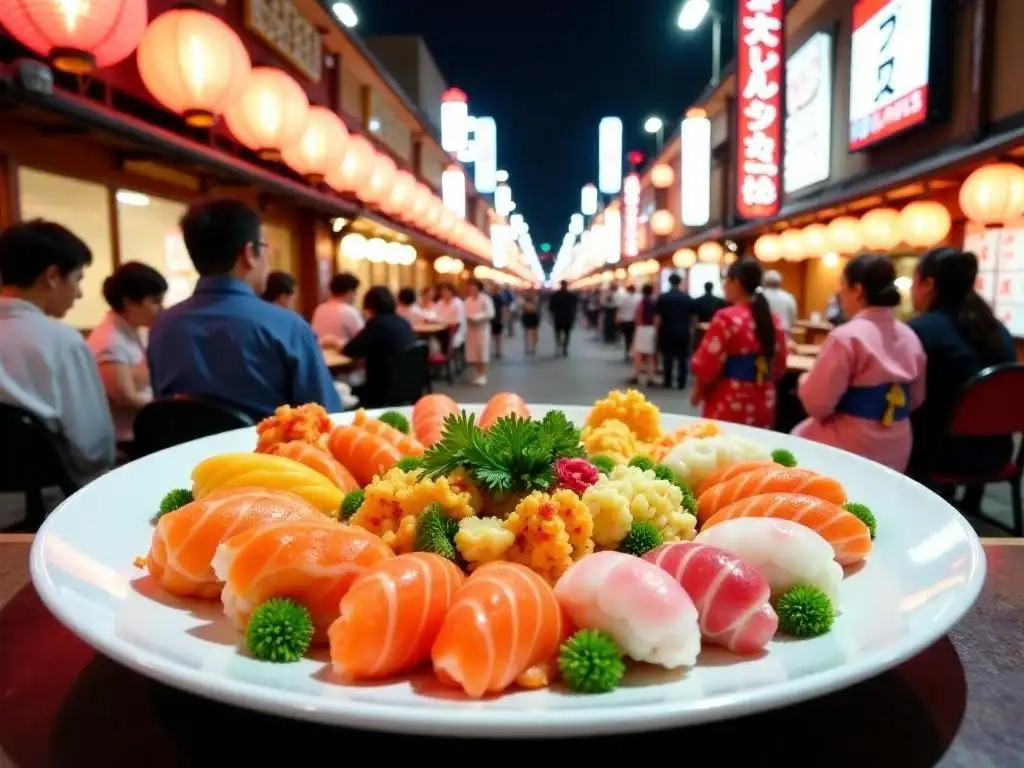
Welcome to Feudal Japan History! Here, we invite you to embark on a captivating journey through the rich tapestry of Japan's feudal era, where history, culture, and society intertwine. In our featured article, "The Role of Sushi in Japanese Festivals: Celebrations Through Culinary Delights," we delve into how this beloved dish not only tantalizes the taste buds but also plays a pivotal role in the vibrant celebrations of traditional Japanese festivals. Are you ready to uncover the delicious secrets behind these culinary delights? Join us as we explore the fascinating interplay between food and festivity in Japan's storied past!
Introduction to Sushi in Japanese Festivals
Sushi, a culinary art form that has evolved over centuries, plays a significant role in Japanese festivals, reflecting the rich cultural heritage and societal values of the nation. These vibrant celebrations, often steeped in tradition, showcase not only the artistry of sushi-making but also its importance as a communal experience.
Festivals in Japan, known as matsuri, serve as a platform for local communities to come together, celebrate their history, and share culinary delights, with sushi often taking center stage. The intricate flavors and textures of sushi not only tantalize the taste buds but also symbolize the spirit of festivity and togetherness.
As we delve into the role of sushi in these joyous occasions, it becomes clear that this dish is more than just food; it is a medium through which cultural narratives are conveyed, and a vital part of the celebrations that bind communities. Understanding the significance of sushi in Japanese festivals allows us to appreciate the intricate relationship between gastronomy and cultural identity, highlighting how food can encapsulate the essence of a community's values and traditions.
Historical Context of Sushi in Japanese Festivals
The historical evolution of sushi is deeply intertwined with Japan's culinary practices and societal changes, particularly during significant periods such as the Edo period (1603-1868). Initially, sushi originated as a method of preserving fish through fermentation, known as narezushi. Over time, this practice transformed, leading to the development of nigiri-zushi and other forms that we recognize today.
During the Edo period, sushi began to gain popularity among the urban populace, particularly in Edo (modern-day Tokyo). This period marked a shift in sushi from a preservation method to a beloved street food, which became increasingly associated with festivals and communal gatherings. The vibrant atmosphere of matsuri provided an ideal backdrop for sushi vendors to showcase their culinary skills, serving fresh and delicious sushi to festival-goers.
Sushi's incorporation into festival celebrations can also be attributed to its symbolic meanings. It represents prosperity, harmony, and the appreciation of seasonal ingredients, aligning perfectly with the themes of many Japanese festivals. For example, during the Hanami (flower viewing) festival, sushi is often enjoyed alongside cherry blossom viewing parties, emphasizing the connection between nature and culinary experiences.
In contemporary times, sushi continues to be a beloved dish during various festivals across Japan, from local celebrations to national events. The modern sushi experience often includes a blend of traditional practices and innovative culinary techniques, ensuring that this historical dish remains relevant and celebrated in the context of Japanese culture. Thus, the role of sushi in Japanese festivals is not merely about the food itself, but rather a reflection of the shared history and communal spirit that continues to thrive in Japan today.
Types of Sushi Commonly Found at Japanese Festivals
Sushi plays an essential role in Japanese festivals, serving not only as a culinary delight but also as a symbol of tradition and community. The diversity of sushi types available during these celebrations highlights regional ingredients and the creativity of local chefs. Below are some of the most common sushi types that can be found at Japanese festivals.
Nigiri: The Handcrafted Delight
Nigiri sushi, characterized by its hand-formed rice and a slice of fish or seafood on top, is a staple at many festivals. The simplicity of nigiri allows the freshness of the ingredients to shine through, often showcasing local catches.
- Ingredients: Common toppings include salmon, tuna, and shrimp, with wasabi and soy sauce typically served on the side.
- Artistry: The creation of nigiri is an art form, with skilled chefs carefully molding the rice and selecting the best fish, making it a visual and gastronomic highlight at festivals.
- Cultural Significance: Each piece of nigiri reflects the local fishing traditions and the seasonal availability of ingredients, making it a representation of the region's culinary heritage.
Maki: The Rolled Tradition
Maki sushi, or rolled sushi, is another popular option at festivals. This type of sushi is made by rolling vinegared rice and fillings in seaweed (nori) and then slicing it into bite-sized pieces.
- Varieties: There are various types of maki, such as hosomaki (thin rolls) and uramaki (inside-out rolls), each offering unique flavors and textures.
- Festival Adaptations: During festivals, maki may be customized to include seasonal vegetables, local seafood, or even festive ingredients like sweet egg omelet (tamago), appealing to a broad range of tastes.
- Community Engagement: Maki-making workshops are often held during festivals, allowing attendees to participate in the culinary tradition and learn about the importance of rice and seaweed in Japanese cuisine.
Chirashi: A Colorful Celebration
Chirashi sushi, meaning “scattered sushi,” is a vibrant dish that consists of a bowl of sushi rice topped with a variety of ingredients. This type of sushi is particularly festive, as it can be a colorful canvas for seasonal and local produce.
- Presentation: Chirashi is often presented in an eye-catching manner, with toppings such as sashimi, pickled vegetables, and edible flowers, making it visually appealing for festival-goers.
- Symbolism: The mix of ingredients in chirashi represents abundance and celebration, making it a fitting choice for special occasions.
- Regional Variations: Different regions of Japan have their own interpretations of chirashi, often reflecting local flavors and traditions, which adds to the diversity found at festivals.
Festivals Celebrating Sushi: A Culinary Tour
Japanese festivals are rich in cultural significance, and sushi plays a pivotal role in many of these celebrations. Here are some notable festivals where sushi takes center stage.
Hanami: Cherry Blossom Viewing and Sushi
Hanami, the famous cherry blossom viewing festival, is celebrated in spring when the sakura trees bloom. During this time, families and friends gather in parks for picnics under the blossoms, often featuring elaborate bento boxes that include a variety of sushi.
- Sakura Influence: Sushi prepared for hanami often incorporates seasonal ingredients, such as sakura shrimp or cherry blossom-flavored rice, adding a unique touch to the traditional offerings.
- Social Aspect: The act of sharing sushi during hanami enhances the communal spirit of the festival, where people enjoy nature's beauty while savoring delightful culinary treats.
Tanabata: The Star Festival and Sushi
Tanabata, or the Star Festival, celebrates the meeting of two celestial lovers and is held on July 7. This festival is marked by colorful decorations and festivities, including the preparation of special sushi.
- Sushi Themes: During Tanabata, sushi may be creatively shaped or colored to reflect the starry theme, making it visually appealing and festive.
- Culinary Traditions: Many families prepare sushi as part of their Tanabata celebrations, symbolizing wishes for prosperity and happiness in the coming year.
Matsuri: Local Festivals Featuring Sushi
Various local matsuri (festivals) across Japan celebrate regional culture and cuisine, with sushi often featuring prominently in the festivities.
- Street Stalls: Many matsuri include street vendors offering freshly made sushi, allowing attendees to sample a variety of styles and flavors unique to each region.
- Culinary Competitions: Some festivals host sushi-making competitions, where chefs showcase their skills and creativity, further enhancing the cultural experience.
- Community Pride: Matsuri celebrating sushi foster a sense of community pride and connection to local food traditions, reinforcing the importance of sushi in Japanese culinary culture.
Sushi serves as more than just a meal during Japanese festivals; it embodies the rich history, traditions, and communal spirit of the Japanese people. The types of sushi and the festivals celebrating them showcase the artistry and cultural significance of this beloved cuisine.
The Cultural Importance of Sushi in Celebrations
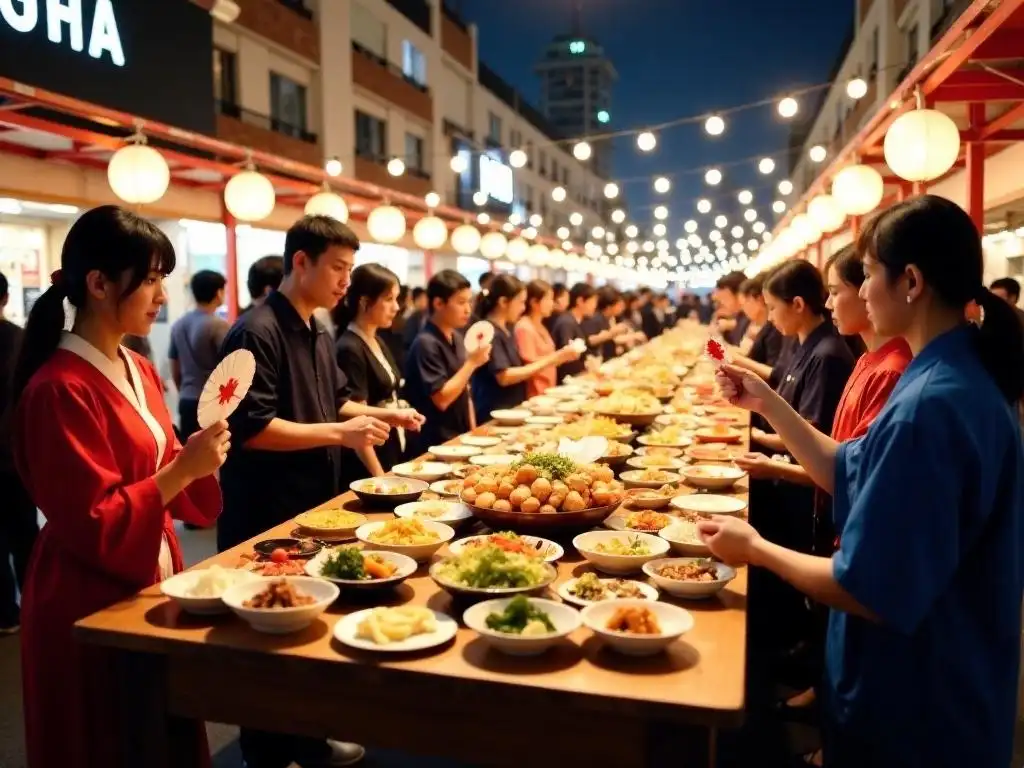
Sushi holds a significant place in the cultural tapestry of Japan, especially during festivals. Traditionally, sushi was not merely a dish but a representation of community and celebration. Festivals such as Shinto rituals, New Year celebrations, and seasonal harvests often feature sushi as a centerpiece, symbolizing prosperity, abundance, and harmony.
During these events, sushi is meticulously prepared and presented, often incorporating local ingredients that showcase the region's culinary heritage. The preparation of sushi can also be a communal activity, where families gather to create this dish together, reinforcing bonds and shared traditions. The vibrant colors and intricate designs of sushi reflect the joy and festivity of these occasions, making it visually appealing and culturally significant.
Moreover, sushi's association with special occasions is rooted in its historical evolution. Originally a form of preservation, sushi transformed over the centuries into a gourmet dish enjoyed during significant festivals. This evolution mirrors Japan's changing social dynamics, where the culinary arts became intertwined with cultural identity and expression.
Modern Interpretations of Sushi at Japanese Festivals
In contemporary Japanese festivals, sushi has evolved to embrace both traditional and innovative styles, reflecting the dynamic nature of Japanese cuisine. While many festivals still honor classic sushi forms like nigiri and maki, modern interpretations are increasingly popular, showcasing fusion techniques and global influences.
For instance, some festivals now feature sushi rolls that incorporate non-traditional ingredients such as avocado, cream cheese, or even spicy sauces, appealing to a broader audience. Events like the Tokyo Sushi Festival celebrate these variations, offering tastings that highlight creativity alongside tradition.
Additionally, sushi is often paired with other elements of Japanese cuisine at these festivals, such as sake and tempura, creating a rich culinary experience. The use of sushi in food stalls and pop-up restaurants during festivals demonstrates its versatility and enduring popularity, attracting both locals and tourists eager to experience authentic Japanese culture.
Furthermore, sushi-making workshops and demonstrations are increasingly featured at festivals, allowing attendees to engage directly with the culinary art. This interactive approach not only educates participants about sushi-making techniques but also fosters a deeper appreciation for the dish's cultural significance.
Conclusion: The Enduring Legacy of Sushi in Japanese Festivals
The legacy of sushi in Japanese festivals is a testament to its cultural and historical importance. As a culinary delight, sushi transcends mere sustenance; it embodies tradition, community, and celebration. The dish's evolution from a preservation method to a festive centerpiece highlights its adaptability and relevance in modern Japan.
Today, sushi continues to play a pivotal role in festivals, bridging the gap between the past and the present. Its ability to incorporate contemporary flavors while honoring historical roots demonstrates the harmony that exists within Japanese cuisine. As festivals evolve, so too does the role of sushi, ensuring that it remains a beloved and integral part of Japan's cultural celebrations.
Ultimately, sushi in Japanese festivals not only enriches the culinary landscape but also reinforces the values of unity and tradition, making it a cherished symbol of joy and festivity that will endure for generations to come.
Recommended Resources for Exploring Sushi and Japanese Festivals
To further explore the rich intersection of sushi and Japanese festivals, a variety of resources can provide deeper insights into their historical, cultural, and culinary significance. Here are some recommended books, documentaries, and online platforms that delve into these topics:
Books
-
"Sushi: The Beginner's Guide" by Aya Nishimura
This book is an excellent starting point for anyone interested in sushi making and its cultural context. It discusses the origins of sushi and its evolution, highlighting its role in Japanese celebrations.
-
"The Sushi Economy: Globalization and the Making of a Modern Delicacy" by Sasha Issenberg
This insightful read examines how sushi has transcended cultural boundaries and its implications for global cuisine, including its presence in Japanese festivals.
-
"Japanese Festivals: A Cultural History" by David Ooms
Ooms provides a thorough exploration of various Japanese festivals, detailing their origins, practices, and the foods commonly associated with them, including sushi.
Documentaries
-
"Jiro Dreams of Sushi"
This acclaimed documentary follows the journey of Jiro Ono, a sushi master, and his quest for perfection. It offers a glimpse into sushi's cultural significance in Japan and its role in communal and celebratory contexts.
-
"The Birth of Sake"
While primarily focused on sake, this documentary highlights various aspects of Japanese culinary traditions, including the festivals where food, like sushi, plays a central role in celebrations.
Online Platforms
-
Japan National Tourism Organization (JNTO)
The JNTO website offers extensive resources about Japanese festivals, including those that highlight sushi. It features articles, guides, and event calendars that showcase culinary events throughout the year.
-
Sushi Chef Institute
This online platform provides educational resources, recipes, and techniques for sushi making. It also touches upon the cultural significance of sushi in various settings, including festivals.
Culinary Blogs and Magazines
-
Noma Magazine
This culinary magazine focuses on global food cultures and often features articles on Japanese cuisine, including the role of sushi in festivals and other celebratory events.
-
Just One Cookbook
A popular food blog that provides authentic Japanese recipes and cultural insights. It often highlights dishes served at festivals and seasonal celebrations, including sushi.
By utilizing these resources, readers can deepen their understanding of sushi in Japanese festivals, exploring its historical roots and its evolution into a celebratory culinary delight. Whether through literature, visual media, or online content, these tools offer a comprehensive view of how sushi continues to play a significant role in Japanese cultural festivities.
- Introduction to Sushi in Japanese Festivals
- Historical Context of Sushi in Japanese Festivals
- Types of Sushi Commonly Found at Japanese Festivals
- Festivals Celebrating Sushi: A Culinary Tour
- The Cultural Importance of Sushi in Celebrations
- Modern Interpretations of Sushi at Japanese Festivals
- Conclusion: The Enduring Legacy of Sushi in Japanese Festivals
- Recommended Resources for Exploring Sushi and Japanese Festivals
- What is the significance of sushi in Japanese festivals?
- How has sushi evolved in the context of Japanese festivals?
- Are there specific types of sushi associated with certain festivals?
- How do festivals influence the preparation of sushi?
- What role does sushi play in the social aspect of Japanese festivals?
Frequently Asked Questions
What is the significance of sushi in Japanese festivals?
Sushi plays a crucial role in Japanese festivals as it represents celebration and community. It is often prepared and shared during special occasions, symbolizing abundance and festivity.
How has sushi evolved in the context of Japanese festivals?
Over time, sushi has evolved from simple street food to a culinary staple in festivals, reflecting changes in societal tastes and cultural practices while retaining its significance as a festive dish.
Are there specific types of sushi associated with certain festivals?
Yes, specific types of sushi like chirashi or nigiri may be associated with certain festivals. These variations often reflect regional ingredients and seasonal themes, enhancing the cultural experience of the celebration.
How do festivals influence the preparation of sushi?
Festivals often lead to special preparations of sushi, where local ingredients are highlighted, and larger quantities are made to accommodate the celebratory atmosphere and the gathering of community members.
Sushi fosters social bonding during festivals, as families and friends gather to prepare and enjoy it together. This shared experience enhances the sense of community and reinforces cultural traditions.
Final Reflection: Celebrating Culture Through Culinary Delights
The role of sushi in Japanese festivals is not just about food; it embodies the spirit of community, tradition, and celebration. As we navigate a world increasingly defined by globalization, the significance of local culinary practices like sushi becomes even more pronounced. Festivals serve as a vibrant tapestry where flavors, stories, and cultural heritage intertwine, reminding us that food is a powerful medium for connection and celebration.
Sushi's influence extends far beyond the plate; it is a symbol of Japan's rich cultural landscape and a testament to the enduring nature of tradition. The way sushi is integrated into festivals highlights the importance of food in fostering community bonds and preserving heritage. As we partake in these culinary experiences, we are reminded of the words of renowned chef Masaharu Morimoto: Food is not just about eating; it’s about sharing and creating memories.
This sentiment resonates deeply, as each sushi dish served during festivals carries with it a story, a memory, and a shared experience that transcends generations.
As we reflect on the role of sushi in Japanese festivals, let us embrace the lessons it offers about community, tradition, and celebration. I invite you to explore your own culinary heritage and consider how food can serve as a bridge to understanding and appreciating diverse cultures. Whether it’s participating in local festivals or trying your hand at making sushi, let these experiences inspire you to celebrate not only the flavors of your culture but also the connections they foster in our increasingly interconnected world.
Celebrate and Savor: Embrace the Flavors of Sushi Festivals!
Thank you for diving into the delicious world of sushi and its integral role in Japanese festivals! You’ve uncovered how these vibrant celebrations showcase not only culinary artistry but also cultural heritage. Now, let’s turn that knowledge into action and bring the joy of sushi into your life!
- Plan your own sushi night: Gather friends or family and craft your own sushi rolls. Get creative with ingredients to make it a unique experience!
- Explore local sushi festivals: Check your area for upcoming food festivals that celebrate sushi and Japanese cuisine—it's a fantastic way to connect with your community and try new flavors!
- Share your experience: Document your sushi-making journey or any festival visit on social media. Use relevant hashtags to inspire others to join in the celebration!
How do you plan to incorporate the spirit of sushi festivals into your own culinary adventures?