
The Journey of Matcha: From Ancient Rituals to ModernDay Ceremonies

Welcome to Feudal Japan History, where we embark on a fascinating journey through the rich tapestry of Japan's feudal era. Here, history unfolds with every click, revealing the intricate cultural and societal layers that shaped a nation. Dive into our featured article, "The Journey of Matcha: From Ancient Rituals to Modern Day Ceremonies," and discover how this vibrant green tea transcended time, becoming a beloved symbol of both tradition and modernity.
Prepare to be captivated by the enchanting story of matcha—its origins, its significance, and the rituals that have immortalized it in Japanese cuisine. Are you ready to sip from the cup of history?
Introduction to the History of Matcha in Japan
The journey of matcha, a finely powdered green tea, is not just a story of a beverage; it is a rich tapestry woven into the cultural and historical fabric of Japan. Originating from ancient China, matcha was introduced to Japan in the early 9th century, where it quickly transformed from a simple drink to a vital component of Japanese tea ceremonies. This evolution reflects profound changes in society, spirituality, and artistry over the centuries.
In the context of the history of matcha in Japan, its significance transcends mere consumption. It encapsulates a unique blend of Zen Buddhism, samurai culture, and aesthetic philosophy, making it a subject of reverence and intricate ritual. Matcha became a symbol of hospitality and social status, particularly during the Muromachi period (1336–1573), when the tea ceremony was formalized as an art form.
As we delve deeper into the history of matcha, we will explore its ancient origins, the evolution of its role in Japanese society, and its enduring legacy in modern tea ceremonies. From the sacred rituals of Zen monks to the contemporary appreciation of matcha in cafes worldwide, this article provides an in-depth look at how a simple green powder became a cultural icon.
Join us on this fascinating journey through time, uncovering the layers of meaning and tradition that make matcha an essential element of Japanese cuisine and culture. 🍵
The Origins of Matcha: Ancient Rituals and Practices
Matcha, a finely ground powder made from specially grown green tea leaves, has a rich history deeply intertwined with Japan's cultural and spiritual practices. Its origins can be traced back to ancient rituals that emphasized not only the beverage's taste but also its significance in social and religious contexts. The preparation and consumption of matcha were often surrounded by elaborate ceremonies that reflected the values and aesthetics of the time.
The Introduction of Tea to Japan
Tea was initially introduced to Japan in the early 9th century, primarily through the efforts of Buddhist monks who traveled to China. The first documented mention of tea in Japan appears in the writings of the monk Saichō, who brought back tea seeds and the knowledge of tea cultivation from his studies in China. This early form of tea was primarily consumed as a medicinal beverage, believed to enhance meditation and promote concentration.
As the practice of tea drinking began to take root, it evolved from a simple medicinal drink into a social activity. By the 12th century, the custom of preparing powdered tea using stone grinders was introduced, setting the stage for what would eventually become matcha. The popularity of powdered tea was largely influenced by the Zen Buddhist philosophy, which emphasized mindfulness and tranquility. Monks would consume matcha during meditation, believing it aided their spiritual practices.
Matcha in the Heian Period: A Symbol of Elegance
The Heian period (794-1185) marked a significant transformation in the cultural landscape of Japan, and with it, the status of matcha began to rise. During this era, the Japanese aristocracy adopted the practice of tea drinking, viewing it as a refined and sophisticated activity. The aesthetic of simplicity and natural beauty that characterized Heian culture found its expression in the tea rituals that were developed around matcha.
In this period, matcha was often associated with elite social gatherings and became a symbol of elegance and class. The aristocracy would host elaborate tea ceremonies, where the preparation and serving of matcha became a performance art. These gatherings emphasized harmony, respect, purity, and tranquility—principles that would later be codified in the tea ceremony known as "chanoyu."
The rituals surrounding matcha also reflected the Heian period’s fascination with poetry and literature. Participants would often compose haiku or engage in literary discussions while enjoying their tea, making the experience not only a culinary one but also an intellectual exchange. The intricate ceramics used to serve matcha, such as tea bowls (chawan), became prized possessions, often decorated with exquisite designs that showcased the artistry of the time.
The journey of matcha from its early introduction in Japan to its establishment as a symbol of elegance during the Heian period illustrates the beverage's deep-seated connection with Japanese culture and society. Its evolution from a medicinal drink to a centerpiece of social interaction highlights the profound impact of historical and cultural factors on the traditions we associate with matcha today.
The Evolution of Matcha: From Ritual to Ceremony
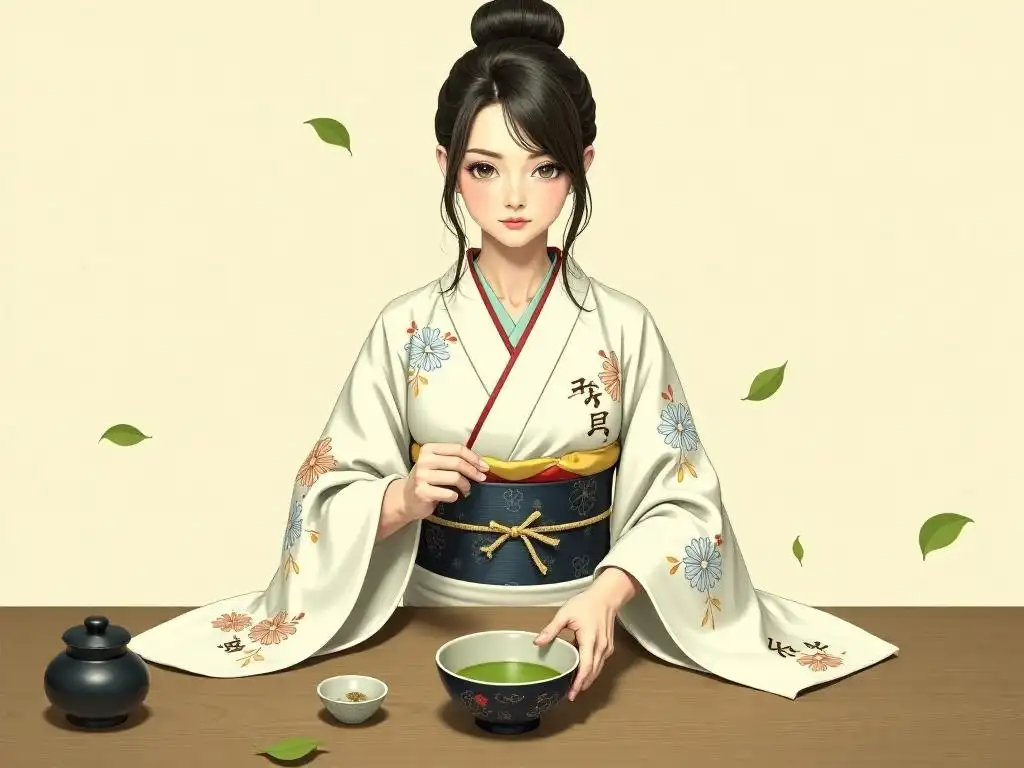
The journey of matcha in Japan is a fascinating tale that intertwines with the broader narrative of Japanese culture and society. Initially introduced from China during the Heian period (794-1185), matcha was primarily consumed by the elite and Buddhist monks for its stimulant properties and health benefits. Over time, this powdered green tea transcended its initial use, evolving into a key element of Japanese tea ceremonies.
The transformation from casual consumption to a structured ritual can be traced through various historical milestones, particularly during the Muromachi period (1336-1573), when matcha began to gain prominence as a ceremonial drink. The emphasis on aesthetics, simplicity, and mindfulness during the tea ceremony reflected the broader cultural shifts occurring in feudal Japan and set the stage for a more formalized practice.
The Ashikaga Shogunate and the Rise of the Tea Ceremony
The Ashikaga Shogunate (1336-1573) played a pivotal role in popularizing matcha and establishing the formal tea ceremony. Under the patronage of Ashikaga Yoshimitsu, the third shōgun, tea gatherings became fashionable among the elite. These gatherings were characterized by their communal atmosphere, where warriors, scholars, and artists would participate in the enjoyment of tea while engaging in discussions on art, philosophy, and politics.
During this period, the aesthetics of the tea ceremony began to take shape, emphasizing the principles of wabi-sabi, which celebrates imperfection and transience. This philosophical approach influenced the design of tea rooms, utensils, and the overall atmosphere of tea gatherings. The use of matcha became symbolic, representing not only a beverage but also a means of connecting with nature and embracing simplicity.
Key Elements of the Ashikaga Tea Ceremony:
- Utensils and Equipment:
- Chawan (tea bowl)
- Chasen (tea whisk)
- Chashaku (tea scoop)
- Philosophical Principles:
- Harmony (wa)
- Respect (kei)
- Purity (sei)
- Tranquility (jaku)
The tea ceremony during the Ashikaga period laid the foundation for the rituals practiced in modern times, where the preparation and consumption of matcha are still steeped in tradition and mindfulness.
Influential Figures: Sen no Rikyū and the Art of Tea
One of the most significant figures in the history of matcha and the Japanese tea ceremony is Sen no Rikyū (1522-1591). Rikyū is revered for his profound influence on the aesthetics and philosophy of the tea ceremony, refining its practices and ensuring that matcha remained at the center of this cultural art form.
Rikyū emphasized the importance of simplicity and naturalness, advocating for a more intimate and personal approach to tea ceremonies. He introduced the idea of using humble materials and settings, which contrasted sharply with the opulence that characterized earlier gatherings under the Ashikaga Shogunate. His teachings inspired a shift toward a more accessible practice, where the focus was on the experience and connection between the host and guests.
Rikyū’s Contributions to the Tea Ceremony:
- Tea Room Design:
- Smaller, more intimate spaces to foster connection
- Use of natural materials to create a sense of harmony with nature
- Ceremonial Practices:
- Emphasis on mindfulness and presence
- Incorporation of seasonal elements into the ceremony
Rikyū's legacy continues to resonate in contemporary tea practices, where the essence of his philosophy remains integral to the experience of enjoying matcha. The art of tea, as he envisioned it, transcends mere consumption, becoming a meditative practice that cultivates inner peace and appreciation for the moment.
The evolution of matcha from ancient rituals to modern ceremonies reveals the profound impact of historical figures like Sen no Rikyū and the cultural shifts during periods like the Ashikaga Shogunate. This journey not only highlights the significance of matcha in Japanese society but also reflects broader themes of mindfulness, aesthetics, and connection that continue to define the Japanese tea experience today.
The Cultural Significance of Matcha in Feudal Japan
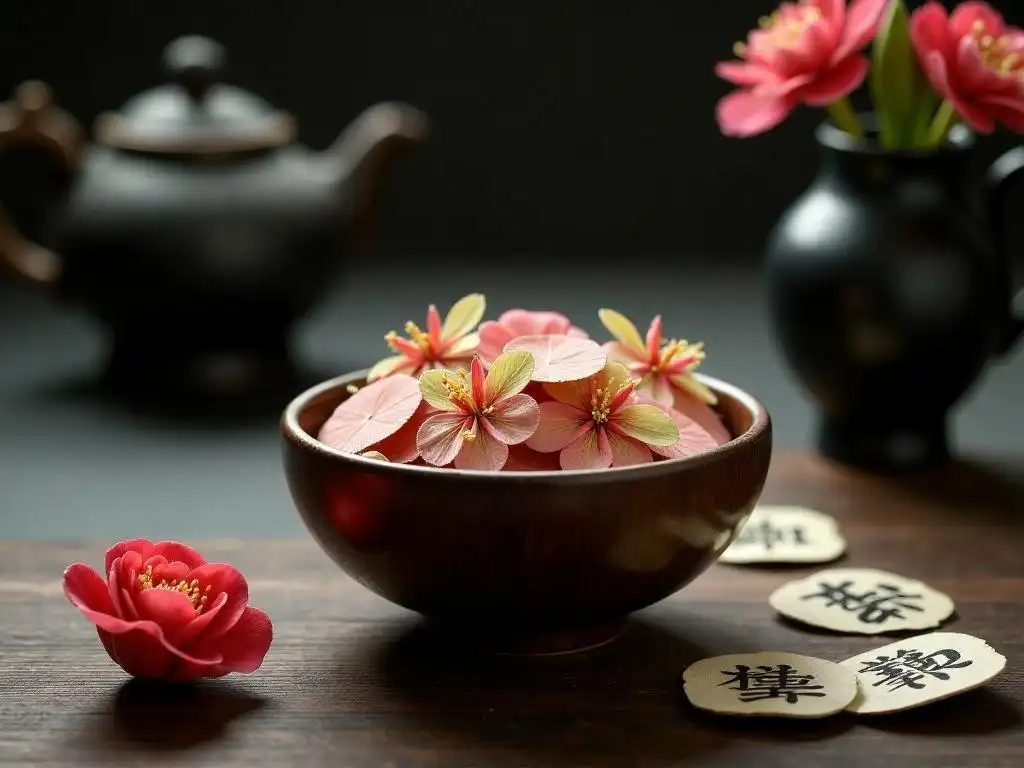
Matcha, a finely ground powder made from specially grown and processed green tea leaves, transcended mere consumption in Feudal Japan; it emerged as a cultural symbol enveloped in spiritual and social significance. The history of matcha in Japan reveals its evolution from ancient rituals to a staple in the lives of the samurai and the nobility, eventually permeating the broader society.
Matcha as a Spiritual Practice
In the early days of matcha consumption, it was primarily associated with Zen Buddhism. Monks utilized matcha not only for its invigorating properties but also as a means to enhance meditation practices. The delicate preparation of matcha, which involves whisking the powdered tea with hot water, became a ritual in itself, promoting mindfulness and focus.
- Ritual Preparation: The process of making matcha is steeped in tradition. The act of whisking is seen as a meditative practice, allowing the practitioner to clear their mind and connect with the present moment. This deep connection to spirituality is reflected in the meticulous attention given to each step of the tea-making process, from the selection of high-quality tea leaves to the final presentation.
- Symbol of Enlightenment: For Zen monks, matcha represented more than just a beverage; it was a conduit for spiritual enlightenment. The vibrant green color and rich umami flavor of matcha were thought to embody the essence of nature, fostering a deeper appreciation for the world around them.
Moreover, matcha ceremonies became integral to various spiritual gatherings, where the tea was served as a symbol of harmony and respect among participants. The serene environment created during these rituals reinforced the philosophy of tranquility and balance that Zen Buddhism espouses.
As the cultural significance of matcha grew, so too did its association with social status and power dynamics within Feudal Japan. The consumption of matcha became a marker of refinement and sophistication, often reserved for the elite classes.
- Samurai and Nobility: The samurai class embraced matcha as part of their daily lives. It was common for samurai to drink matcha before engaging in battle, as it was believed to enhance focus and clarity. This practice was not merely practical; it also reinforced the samurai's image as cultured warriors who valued the arts alongside martial prowess.
- Tea Ceremonies as Social Events: The elaborate tea ceremonies that emerged during the Muromachi period (1336-1573) further solidified matcha's place in the social hierarchy. These ceremonies were often exclusive events held by the nobility, where etiquette and aesthetics played a crucial role. The host would meticulously prepare matcha, showcasing their skill and taste, while guests were expected to exhibit decorum and appreciation for the experience.
- Cultural Exchange: Interestingly, matcha also served as a medium for cultural exchange among different classes. While the elite enjoyed matcha in formal settings, the drink began to permeate the lives of the broader population. As trade expanded and the popularity of matcha grew, it became more accessible, albeit still largely associated with social rituals.
The history of matcha in Japan is deeply intertwined with cultural practices and social hierarchies. From its roots in spiritual rituals to its role as a symbol of status, matcha has become an enduring emblem of Japanese heritage, reflecting the intricate relationship between tea, society, and spirituality during the feudal era.
Modern-Day Ceremonies: Preserving the History of Matcha
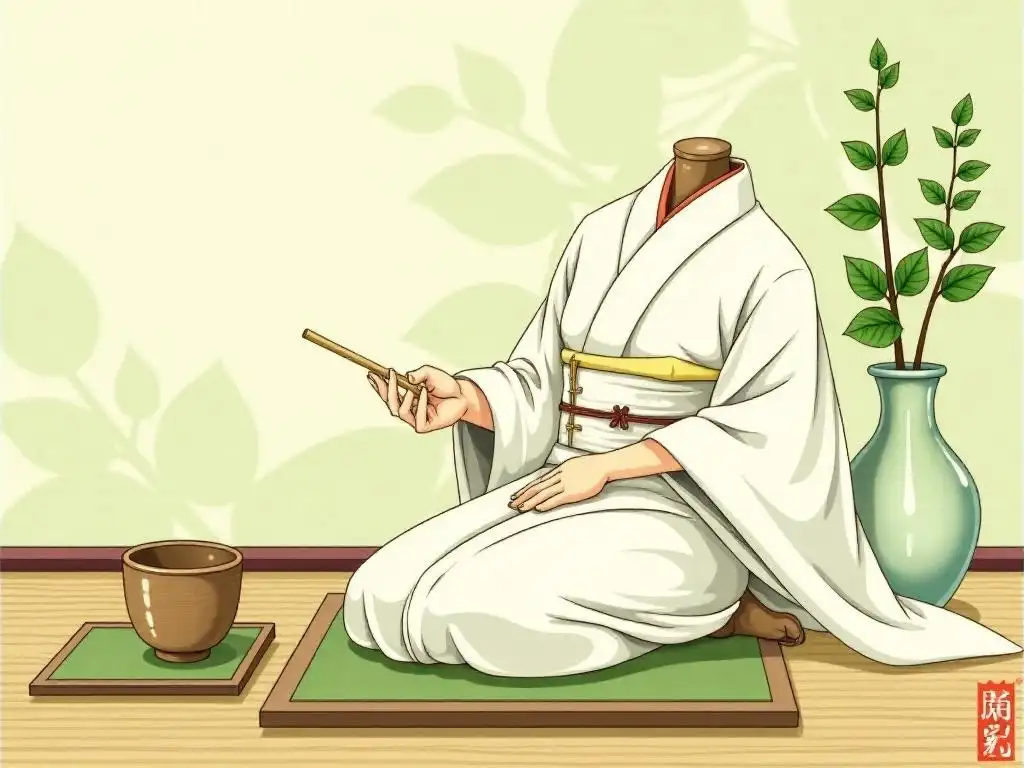
The evolution of matcha from an ancient ritual to a modern-day staple reflects a deep-rooted respect for tradition while embracing contemporary influences. Today's tea ceremonies, often seen as artful displays of hospitality and mindfulness, preserve the essence of matcha's historical significance in Japanese culture. This section examines how these modern ceremonies maintain the connection to the past, honoring the rituals and values that have shaped the practice of matcha consumption.
How Traditional Practices Influence Contemporary Tea Ceremonies
Modern tea ceremonies are heavily influenced by traditional practices that date back centuries. The Chanoyu, or tea ceremony, is a structured ritual involving the preparation and serving of matcha. This ritual emphasizes aesthetics, etiquette, and spirituality, which continue to resonate in contemporary practices. Key elements include:
- Utensils: The use of traditional tools, such as the chawan (tea bowl), chasen (whisk), and chashaku (scoop), remains essential in modern ceremonies. Each piece not only serves a functional purpose but also carries historical significance.
- Seasonal Themes: Just as in the past, modern ceremonies often reflect seasonal changes through the choice of utensils, the setting, and the accompanying sweets ( wagashi). This connection to nature fosters a deeper appreciation for the moment and enhances the overall experience.
- Mindfulness and Aesthetics: Inspired by the Zen philosophy that underpins traditional tea practices, contemporary ceremonies emphasize mindfulness, encouraging participants to engage fully with the sensory experience of tea drinking. The aesthetics of the setting, including the arrangement of flowers and the simplicity of the space, mirror the principles of wabi-sabi — the beauty of imperfection and transience.
Through these elements, modern ceremonies not only preserve the historical context of matcha but also adapt it to contemporary life, allowing new generations to connect with their cultural heritage.
The Resurgence of Matcha in Global Culture
In recent years, matcha has transcended its traditional roots, gaining popularity worldwide. This resurgence can be attributed to several factors that highlight its versatility and cultural significance:
- Health Benefits: Matcha is celebrated for its numerous health benefits, including high antioxidant content, enhanced metabolism, and mental clarity. As health-conscious consumers seek natural alternatives to coffee and sugary beverages, matcha has emerged as a favorite choice, leading to its incorporation into various culinary applications.
- Culinary Innovation: From matcha lattes to matcha-infused desserts, chefs and home cooks alike are experimenting with this vibrant green powder. Its unique flavor profile and vivid color make it an appealing ingredient for a wide range of dishes, further integrating matcha into global cuisine.
- Cultural Exchange: The global fascination with Japanese culture has also played a significant role in the popularity of matcha. As cultural exchange increases, interest in traditional practices such as the tea ceremony has grown, inspiring enthusiasts around the world to explore and adopt these rituals in their own lives.
- Social Media Influence: Platforms like Instagram and TikTok have helped popularize matcha, showcasing visually appealing drinks and dishes that capture the imagination of users. This digital exposure has created a community of matcha lovers eager to share their experiences, recipes, and creative uses for matcha.
As matcha continues to flourish in global culture, its historical roots remain a vital component of its identity. The blend of tradition and innovation ensures that the history of matcha in Japan is not only preserved but celebrated, inviting people from all walks of life to experience its rich heritage.
Recommended Resources for Further Exploration
Essential Books on the History of Matcha
Exploring the history of matcha in Japan can be deeply enriching, and several books provide comprehensive insights into its origins, cultural significance, and evolution. Here are some essential reads:
-
"The Book of Matcha" by T. M. A. Shizuka
This book delves into the historical background of matcha, tracing its journey from ancient China to Japan. It also discusses the cultural practices surrounding tea ceremonies.
-
"Tea and the Japanese Culture" by David S. N. R. N. K.
A thorough examination of how tea, particularly matcha, shaped Japanese customs and societal structures. The author provides insights into the spiritual and philosophical dimensions of tea drinking.
-
"The Way of Tea: Reflections on a Japanese Tea Ceremony" by Sen Soshitsu XV
This book is a profound exploration of the Japanese tea ceremony, emphasizing the role of matcha. The author, a prominent tea master, shares personal experiences and the art of tea preparation.
-
"Matcha: A Lifestyle Guide" by Naomi Moriyama
Offering a modern perspective, this book connects the historical aspects of matcha with contemporary practices, including its health benefits and culinary uses.
These books not only provide historical context but also enhance your understanding of the rituals and philosophies intertwined with matcha in Japan.
Online Courses on Japanese Tea Ceremonies
For those interested in immersing themselves further into the history of matcha in Japan, online courses offer an interactive way to learn. Here are some recommended platforms:
-
Udemy: Japanese Tea Ceremony Course
This course covers the basics of the tea ceremony, including the role of matcha. It provides historical context, practical demonstrations, and cultural significance.
-
MasterClass: Tea Ceremony with a Japanese Tea Master
In this course, a renowned tea master guides you through the intricacies of the tea ceremony, shedding light on the traditions surrounding matcha and its preparation techniques.
-
The Tea Academy: Understanding Japanese Tea Culture
This course dives into the broader aspects of Japanese tea culture, with dedicated sections on matcha's historical evolution and its role in social rituals.
These courses can greatly enhance your appreciation of matcha and its ceremonial importance, providing both theoretical knowledge and practical skills.
Authentic Matcha Products
To fully experience the history of matcha in Japan, investing in high-quality matcha is essential. Here are some authentic products to consider:
| Product | Description | Note |
|---|---|---|
| Ceremonial Grade Matcha | The highest quality matcha, ideal for traditional tea ceremonies. | Best for authentic experiences. |
| Culinary Grade Matcha | Suitable for cooking and baking, offering a unique flavor profile. | Perfect for modern dishes. |
| Matcha Tea Sets | Complete tea sets including bowls, whisks, and scoops for preparation. | Essential for a traditional setup. |
| Organic Matcha | Sourced from organic farms, ensuring purity and sustainability. | Health-conscious choice. |
These products not only enhance your tea-drinking experience but also connect you to the rich traditions surrounding matcha in Japan. Whether you're a novice or an experienced tea enthusiast, authentic matcha brings the essence of Japanese culture to your cup.
Final Thoughts on Embracing Matcha Culture
Embracing matcha culture is more than just savoring a cup of tea; it’s an immersive journey into Japan’s rich historical narrative and a celebration of its unique traditions. As we trace the history of matcha in Japan, we discover how this vibrant green powder evolved from a medicinal herb used by Buddhist monks into a beloved beverage that signifies harmony, respect, and tranquility.
The cultural significance of matcha goes beyond its taste. It encapsulates the essence of the Japanese tea ceremony, known as Chanoyu, which emphasizes mindfulness and respect for nature. Each step in the ceremony, from the preparation of the matcha to the presentation of the tea, reflects a deep reverence for the ritual itself and the connections it fosters between participants. This mindfulness is a valuable aspect of contemporary life, where stress and distractions abound.
Moreover, the health benefits attributed to matcha—rich in antioxidants and beneficial compounds—enhance its appeal in today’s wellness-focused society. As more individuals seek natural ways to improve their well-being, matcha stands out as a versatile option that can be enjoyed in various forms, from lattes to desserts.
Embracing matcha culture offers a profound connection to Japan's historical and cultural heritage. Whether you partake in traditional tea ceremonies or enjoy matcha in your daily life, each experience invites you to reflect on the beauty of simplicity and the importance of presence. By understanding and appreciating the history of matcha in Japan, we not only honor its past but also enrich our own lives through its timeless practices.
Frequently Asked Questions
What is the historical significance of Matcha in Japan?
Matcha has a rich history in Japan, originating from ancient Buddhist rituals where it was used for meditation and spiritual practices. Its significance evolved over centuries, becoming an integral part of Japanese tea ceremonies.
How did Matcha transition from ancient rituals to modern-day use?
The journey of Matcha began with its introduction by Zen monks for enhancing focus and calm. Over time, it transformed into a popular beverage, now celebrated in both traditional tea ceremonies and contemporary culinary applications.
What are the cultural practices associated with Matcha?
Matcha is central to the Japanese tea ceremony, which emphasizes harmony, respect, purity, and tranquility. This ritual showcases the artistry and attention to detail in preparing and serving Matcha.
How has the popularization of Matcha affected its production in Japan?
The rising popularity of Matcha globally has led to an increase in cultivation, particularly in regions like Uji and Nishio. This demand has encouraged both traditional and modern farming techniques to produce high-quality Matcha.
What are the health benefits attributed to Matcha?
Matcha is known for its high levels of antioxidants, particularly EGCG, which can support metabolism and enhance overall health. It is also praised for providing a calming yet alert state due to its unique blend of caffeine and L-theanine.
Final Reflection: The Timeless Essence of Matcha
The journey of matcha, rooted in ancient rituals and blossoming into modern-day ceremonies, underscores its profound relevance in today’s wellness culture. As we navigate a fast-paced world, the mindful practice of enjoying matcha serves as a reminder of the importance of slowing down and savoring the moment. This ancient beverage, once reserved for the elite, has transcended its historical boundaries to become a global symbol of health and tranquility.
Culturally, matcha has woven itself into the fabric of our social interactions and personal wellness journeys. Its influence is evident in the rise of tea ceremonies, wellness retreats, and even in the culinary arts, where matcha is celebrated for its versatility. As we embrace this vibrant green powder, we are not just consuming a beverage; we are participating in a tradition that honors mindfulness and connection.
> “Tea is a religion of the art of life.” — Kakuzō Okakura. This quote encapsulates the essence of matcha, reminding us that it is more than just a drink; it is a practice that enriches our lives.
As you reflect on the journey of matcha, consider how you can incorporate its lessons into your daily routine. Take a moment to brew a cup of matcha, allowing its rich history and cultural significance to inspire mindfulness in your life. Embrace the ritual, whether through meditation, a quiet moment of reflection, or sharing a cup with a friend. Let the essence of matcha guide you toward a deeper appreciation of the present, encouraging you to cultivate a sense of peace and connection in your everyday experiences.
Embrace the Magic of Matcha Today!
Thank you for diving into the rich journey of matcha with us! You've uncovered the layers of history and culture surrounding this vibrant green tea. Now, let’s bring that newfound knowledge to life and truly embrace the magic of matcha together. Here are some exciting ways to continue your exploration and connection:
- Start your own matcha ritual at home: Invest in high-quality matcha and create a mindful, daily practice that invites serenity and focus into your life.
- Share your matcha adventures: Capture a photo of your matcha creations and tag us on social media! We’d love to see your unique interpretations of this ancient tradition.
- Join a local tea ceremony or workshop: Immerse yourself in the art of matcha with others. Discover the nuances of preparation and experience the communal aspect that has thrived for centuries.
What insights have you gained from your journey with matcha, and how do you plan to incorporate it into your daily life?