
Sake and Samurai: Discovering the Drink of the Warriors

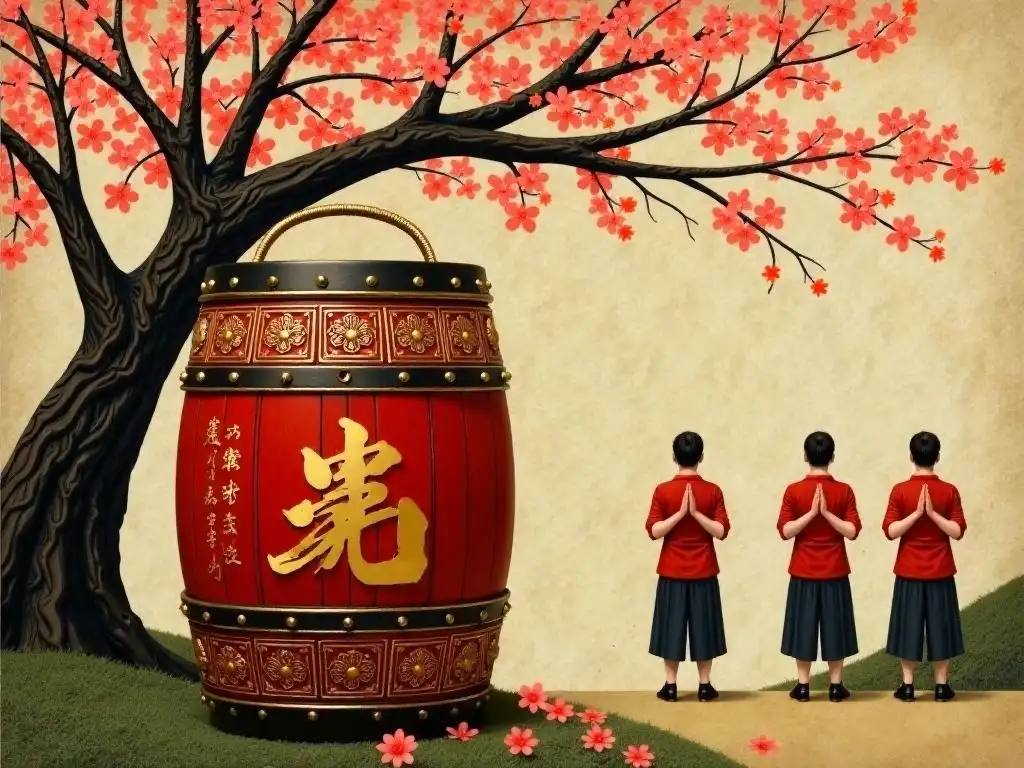
Welcome to Feudal Japan History, where we invite you to embark on an enthralling journey through the captivating world of Japan’s feudal era. In our featured article, “Sake and Samurai: Discovering the Drink of the Warriors,” we delve into the intriguing relationship between this revered beverage and the valiant samurai, unveiling how sake not only fueled their spirits but also played a pivotal role in their culture and society. Prepare to uncover the secrets of this storied drink and its profound significance in shaping the life of Japan’s legendary warriors.
Are you ready to raise a cup to history? Let’s explore!
- Sake in Samurai Culture: An Introduction to the Warrior's Drink
- The Role of Sake in Samurai Society
- The Cultural Significance of Sake in Feudal Japan
- Brewing and Enjoying Sake: Techniques and Traditions
- Modern Sake and Its Connection to Samurai Heritage
- Frequently Asked Questions
- Final Reflection: The Enduring Legacy of Sake in Samurai Culture
- Unveil the Traditions of Sake and Samurai!
Sake in Samurai Culture: An Introduction to the Warrior's Drink
Sake, often referred to as "nihonshu" in Japan, holds a profound significance that transcends mere enjoyment; it is deeply intertwined with the cultural fabric of Japan, particularly during the feudal era. The samurai, the warrior class that dominated Japan for centuries, had a complex relationship with this traditional rice wine.
Sake was not only a source of nourishment and celebration but also served as a ritualistic beverage that accompanied various aspects of samurai life, including ceremonies, battles, and social gatherings. This article aims to delve into the multifaceted role of sake within samurai culture, exploring its historical context, production methods, and the symbolic meanings it held for these esteemed warriors.
As we embark on this exploration, we will uncover how sake became a vital part of the samurai's identity, reflecting their values and social status. From the rice fields to the brewing process, and its consumption during significant events, the story of sake is intricately linked to the legacy of the samurai. Join us as we raise a cup to the rich history of "Sake in Samurai Culture."
Understanding Sake: A Brief Overview
Sake is a fermented alcoholic beverage made primarily from rice, water, yeast, and koji mold. The brewing process of sake is unique, involving multiple parallel fermentation, where starches convert to sugars, and sugars convert to alcohol simultaneously. This process gives sake its distinct flavor profile, which can range from sweet to dry, and it highlights the craftsmanship involved in its production.
Key Components of Sake:
- Rice: The quality of sake greatly depends on the type of rice used. Sake rice (shuzō-kotekimai) is specially cultivated for brewing and has a higher starch content.
- Water: Water is crucial in sake brewing, affecting both the flavor and the brewing process. Regions with soft water, such as the Nada district of Kobe, are renowned for producing high-quality sake.
- Yeast: Yeast is responsible for fermentation, converting sugars into alcohol and producing various flavor compounds that contribute to the aroma and taste of sake.
- Koji Mold: This mold is essential for converting rice starch into sugar, allowing fermentation to occur. The use of koji is one of the key differentiators in sake production compared to other alcoholic beverages.
The appreciation of sake extends beyond its production; it is also a significant cultural artifact. Sake is often consumed during traditional ceremonies, festivals, and rituals, including those involving samurai. Understanding its historical and cultural context enhances our appreciation of its role in Japanese society and, more specifically, within the samurai class.
The Role of Sake in Samurai Society
Sake as a Symbol of Status and Power
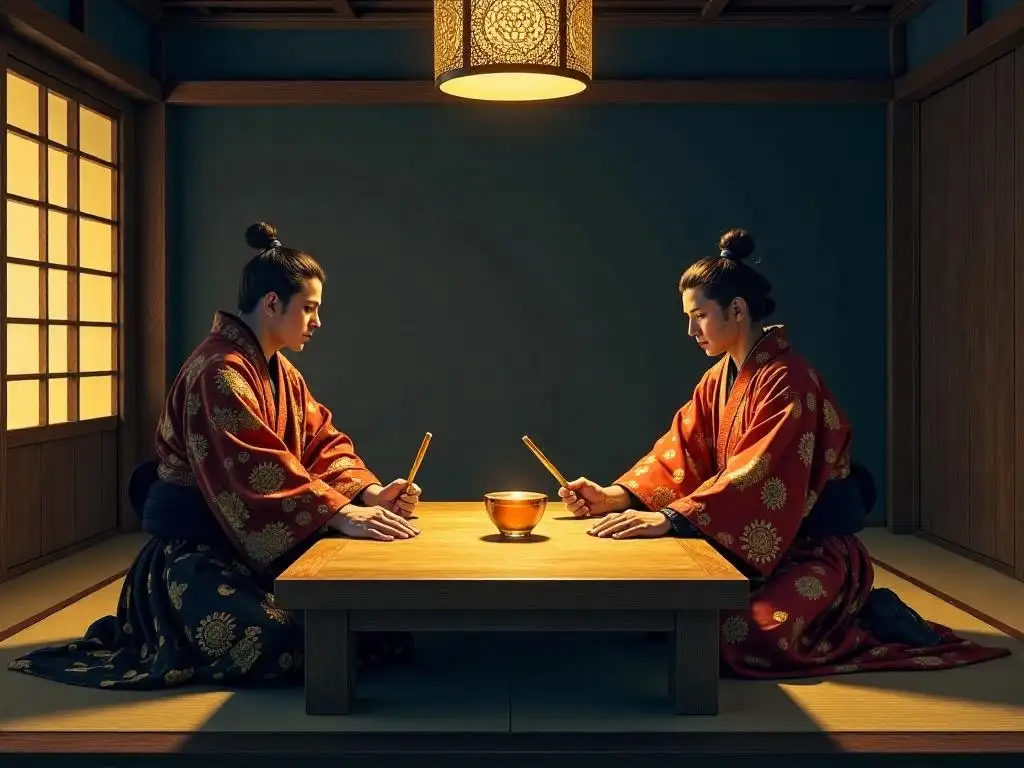
In the complex social hierarchy of feudal Japan, sake played a significant role not only as a beverage but also as a symbol of status and power among the samurai class. The production and consumption of sake were often intertwined with the rituals and ceremonies that defined samurai life.
- Ceremonial Uses:
- Sake was an essential part of various ceremonies, including weddings, funerals, and military gatherings. It was believed that sharing a cup of sake could strengthen bonds and signify allegiance.
- The act of pouring sake for others, particularly for a superior, was a display of respect and honor, reinforcing the hierarchical structures that were central to samurai culture.
- Gift Exchange:
- High-quality sake was often exchanged among samurai as a form of tribute or gift, signifying respect and goodwill. This practice not only reinforced social bonds but also acted as a means of establishing and maintaining political alliances.
- The presentation of artisanal sake in ornate vessels was a testament to one’s wealth and taste, further elevating the status of the giver within the samurai community.
- Sake and Warfare:
- In times of war, sake was used to boost morale among troops. Leaders would often share sake with their men before a battle, invoking courage and camaraderie. The act of drinking together served to unify soldiers under a common cause.
- The famous phrase “sake is the spirit of the samurai” encapsulates the integral role of this beverage in fostering a sense of loyalty and bravery during conflicts.
Sake Consumption in Daily Samurai Life
Sake was not only a ceremonial drink; it permeated the daily lives of samurai, influencing their routines and social interactions.
- Daily Rituals:
- Samurai often began and ended their day with sake, using it as part of their morning and evening rituals. These practices were seen as ways to purify the spirit and prepare for the challenges ahead.
- The consumption of sake was also a communal activity. Samurai would gather in their residences to enjoy sake, fostering relationships and discussions that were crucial for maintaining alliances.
- Culinary Pairing:
- Sake was commonly paired with meals, enhancing the flavors of traditional Japanese dishes. Samurai would enjoy sake alongside rice, fish, and seasonal vegetables, creating a balanced and harmonious dining experience.
- Different types of sake were selected based on the season and the nature of the meal, showcasing the samurai’s refined palate and appreciation for culinary arts.
- Cultural Practices:
- Festivals and celebrations were often marked by the consumption of sake, showcasing the samurai's connection to cultural traditions. These events allowed samurai to engage with the broader community, reinforcing their status while also enjoying the festivities.
- The sharing of sake during these gatherings was a way to celebrate victories, honor fallen comrades, and reflect on the shared heritage of the samurai class.
Sake was deeply embedded in the fabric of samurai society, representing not only a beverage but a cultural cornerstone that symbolized status, power, and the intricate social dynamics of feudal Japan. Its consumption was a reflection of the samurai's values, linking them to their heritage and reinforcing their identity as warriors.
The Cultural Significance of Sake in Feudal Japan
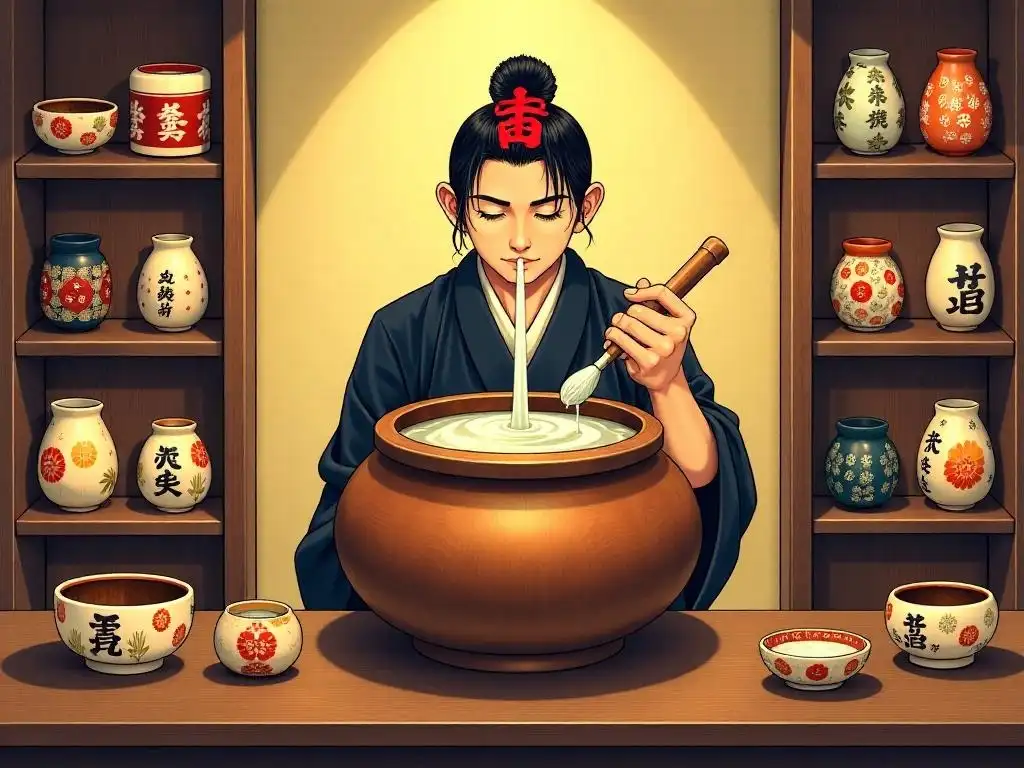
Sake, the traditional Japanese rice wine, holds a profound cultural significance that extends far beyond mere refreshment. In feudal Japan, it was not only a staple beverage but also a symbol of hospitality, ritual, and social cohesion. Its production and consumption were deeply intertwined with the customs and practices of the time, reflecting the values and beliefs of the samurai class and their society.
During the feudal era, sake was often associated with various ceremonies and rituals, including religious offerings and celebrations marking important life events. This connection to spirituality imbued sake with a sacred aura, elevating it from a common drink to a revered element of cultural identity. The act of sharing sake was seen as a means to strengthen bonds between individuals, whether among samurai lords and their retainers or within the broader community.
Sake in Literature and Art
Sake's presence in literature and art from the feudal era provides rich insights into its significance within samurai culture. Many renowned works, such as the poetry of Matsuo Bashō, feature sake as a central theme, illustrating its role in social gatherings and reflecting on the human experience.
In visual arts, sake was depicted in various forms, from intricate paintings to ceramics. The famous ukiyo-e woodblock prints often showcased scenes of sake drinking during festivals or intimate gatherings, highlighting its importance in daily life. Such artworks not only celebrate the beverage but also encapsulate the spirit of the time, offering glimpses into the attire, customs, and interactions of samurai and their communities.
Moreover, sake-related imagery often conveyed deeper philosophical meanings, symbolizing concepts like harmony, unity, and the transient nature of life—core tenets of bushido (the way of the warrior). In this way, sake transcended its role as a simple drink to become a muse for creativity, enriching the cultural landscape of feudal Japan.
The Influence of Sake on Japanese Festivals
Sake played a pivotal role in Japanese festivals (matsuri), which were essential to community bonding and cultural expression during the feudal period. These celebrations often featured the offering of sake to deities as a form of gratitude and supplication, reflecting the belief in its divine connection.
The ritualistic consumption of sake during these festivals served multiple purposes:
- Social Cohesion: Festivals provided an opportunity for samurai and commoners alike to gather, fostering a sense of community. Sharing sake during these events helped strengthen relationships and promote camaraderie.
- Ceremonial Offerings: Sake was commonly used in Shinto rituals, where it was offered to kami (gods) to invite blessings and protection for the community. This practice highlighted the drink's spiritual significance.
- Entertainment and Celebration: Sake was often consumed in abundance during festivities, enhancing the atmosphere of joy and merriment. Traditional games and performances accompanied by sake drinking became integral parts of these celebrations.
The enduring legacy of sake in Japanese festivals can still be observed today, as many traditional practices continue to incorporate this ancient beverage. The rituals surrounding sake reflect the broader cultural values of respect, gratitude, and community, reinforcing its vital role in the historical and social fabric of feudal Japan.
The cultural significance of sake in feudal Japan is multifaceted, encompassing its presence in literature, art, and communal festivities. As a drink that fostered connections among individuals while also serving as a medium for spiritual expression, sake remains a vital part of Japan's rich heritage, particularly within the context of samurai culture.
Brewing and Enjoying Sake: Techniques and Traditions
Traditional Sake Brewing Process
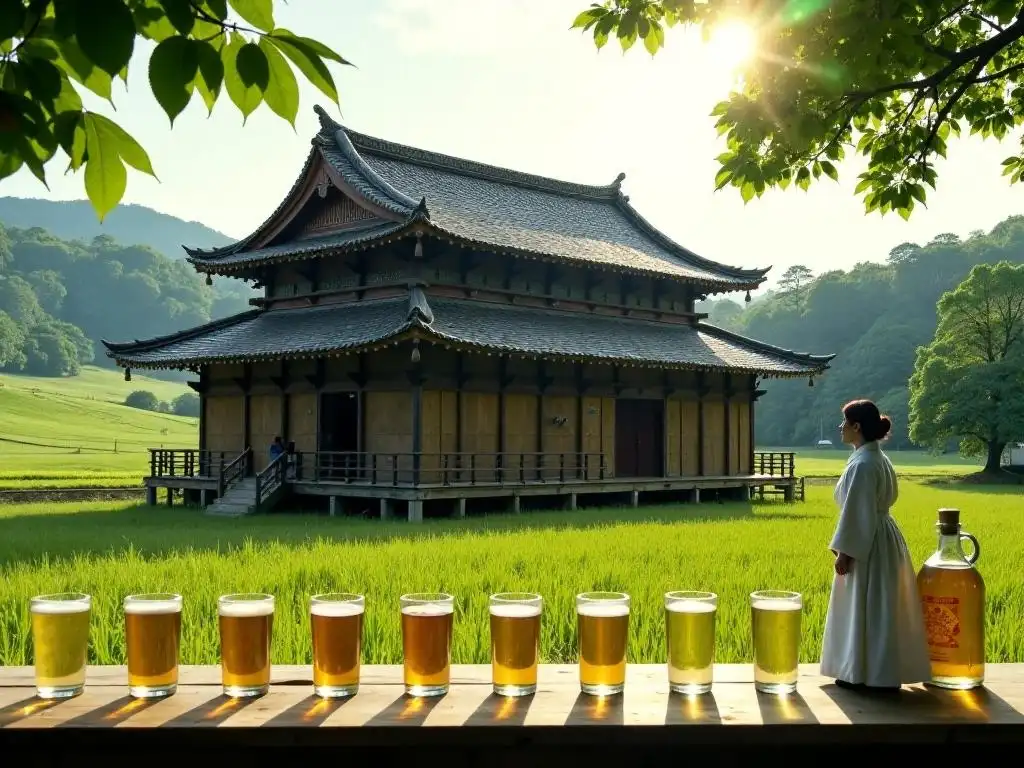
The process of brewing sake, also known as nihonshu, is a meticulous art that has been refined over centuries, deeply intertwined with Japan's feudal history. The traditional sake brewing process can be broken down into several key steps:
- Rice Selection: The foundation of quality sake lies in the rice. The most commonly used varieties include Yamada Nishiki, Gohyakumangoku, and Hanafubuki. Each has unique properties suited for brewing, and the milling percentage plays a vital role; the more the rice is polished, the finer the sake.
- Washing and Soaking: Rice must be thoroughly washed to remove impurities and excess starch. Following this, the rice is soaked in water, allowing it to absorb moisture, which is critical for the steaming process.
- Steaming the Rice: After soaking, the rice is steamed, not boiled. This method ensures the grains maintain their structure and allows the starch to gelatinize, making it accessible for fermentation.
- Koji Cultivation: A portion of the steamed rice is inoculated with koji-kin (Aspergillus oryzae), a mold that converts starches into sugars. This step is crucial as it lays the groundwork for fermentation.
- Fermentation: The koji rice is combined with yeast and water in a fermentation tank. This mixture undergoes a complex fermentation process, where yeast converts sugars into alcohol and carbon dioxide. This stage usually lasts for about two to three weeks.
- Pressing and Filtration: Once fermentation is complete, the mixture is pressed to separate the liquid from the solids. The liquid is then filtered to remove any remaining impurities.
- Pasteurization and Bottling: The sake is typically pasteurized to eliminate any remaining yeast and bacteria, ensuring stability. Finally, it is bottled and may undergo additional aging before it is ready for consumption.
Quote: “In feudal Japan, sake was not just a drink, but a symbol of hospitality and respect, integral to ceremonies and rituals.”
How to Properly Serve and Enjoy Sake
Serving and enjoying sake involves specific rituals that enhance the experience and respect the beverage's cultural significance. Here are essential tips for serving and enjoying sake:
- Temperature Matters: Sake can be served at various temperatures, from chilled to warm, depending on the type:
- Junmai and Honjozo are often served warm to highlight their umami flavors.
- Ginjo and Daiginjo are best served chilled to preserve their delicate aromas.
- Choosing the Right Glassware: Traditional sake vessels include:
- Ochoko: Small cups for enjoying sake.
- Tokkuri: A ceramic bottle used to pour sake.
- Pouring Etiquette:
- It is customary to pour sake for others rather than oneself. This gesture emphasizes respect and camaraderie.
- Hold the tokkuri with both hands when pouring, and use one hand to support the bottom while the other pours.
- Savoring the Experience:
- Take a moment to appreciate the aroma before sipping.
- Savor the flavors by letting the sake linger on your palate, noting its sweetness, acidity, and umami.
- Pairing with Food: Sake pairs beautifully with a variety of dishes, enhancing the overall dining experience. Traditional pairings include:
- Sushi: The clean flavors of sake complement the freshness of sushi.
- Grilled Fish: The umami of grilled fish is elevated by the right sake.
By understanding and embracing these techniques and traditions, one can truly appreciate the role of sake in samurai culture and its significance in Japanese history.
Modern Sake and Its Connection to Samurai Heritage
Modern sake, while evolving with contemporary tastes and techniques, still retains a profound connection to its samurai heritage. This relationship is not merely historical; it manifests in the craftsmanship, cultural significance, and even the branding of many sake products today. The samurai, as warriors and custodians of culture, regarded sake as essential to their rituals and daily lives. Their influence continues to echo in the practices of modern sake brewing and consumption.
Contemporary Sake Brands Inspired by Samurai Culture
A variety of sake brands today draw inspiration from samurai culture, embodying the spirit of craftsmanship and dedication that was paramount in the feudal era. Here are a few notable examples:
- Kizakura Sake: Based in Kyoto, Kizakura produces sake that emphasizes traditional brewing methods. Their branding often reflects samurai motifs and values of honor and respect, connecting the drink with the warriors' ethos.
- Nikka Whisky: While primarily known for its whisky, Nikka also produces sake under its sub-brand. Their products often highlight the meticulous craftsmanship reminiscent of samurai artisans.
- Tedorigawa Sake: This brand, which translates to “the sake of the hand that catches the crane,” pays homage to the samurai's connection to nature and spirituality. Their premium offerings often feature designs inspired by samurai armor and weaponry.
- Mizubasho Sake: This brand is known for its unique brewing techniques that reflect the precision and discipline of samurai practices. They often incorporate elements of traditional samurai culture in their marketing and product lines.
These brands not only produce high-quality sake but also celebrate the legacy of the samurai, creating a narrative that enhances the drinking experience.
The Revival of Samurai Sake Traditions Today
In recent years, there has been a notable revival of samurai sake traditions, as brewers and enthusiasts seek to reconnect with the historical roots of this iconic beverage. This revival is marked by several key trends:
- Authentic Brewing Techniques: Many sake breweries are returning to traditional methods that were prevalent during the samurai era. This includes using locally sourced rice, pure mountain water, and natural fermentation processes that respect the craft of the past.
- Cultural Events and Festivals: Numerous sake festivals now celebrate samurai heritage, featuring tastings, workshops, and demonstrations of traditional brewing techniques. These events often highlight the role of sake in samurai culture, fostering a deeper appreciation among attendees.
- Educational Initiatives: Breweries and cultural organizations are increasingly offering classes and seminars focused on the history of sake and its significance in samurai society. This educational push helps to cultivate a new generation of sake enthusiasts who value the drink's rich heritage.
- Sake Pairing with Traditional Cuisine: There is a growing trend of pairing sake with traditional Japanese dishes, reminiscent of the samurai banquets. This not only enhances the dining experience but also reinforces the cultural ties between food and drink.
The revival of samurai sake traditions is not just a marketing gimmick; it represents a genuine effort to honor the past and ensure that the cultural significance of sake is preserved for future generations. By embracing these traditions, contemporary sake producers are helping to keep the samurai spirit alive in every bottle.
Frequently Asked Questions
What role did sake play in samurai culture?
Sake was not only a beverage but also a significant part of rituals and ceremonies among samurai, symbolizing honor and camaraderie.
How was sake produced during the feudal era of Japan?
The production of sake in feudal Japan involved traditional methods, using rice, water, and yeast, with careful attention to fermentation processes that are still appreciated today.
Yes, samurai often engaged in sake drinking during festivals, ceremonies, and celebrations, reflecting their status and fostering a sense of brotherhood among warriors.
How is sake connected to samurai rituals?
Sake was frequently used in rituals such as weddings and initiation ceremonies, serving as a way to invoke the spirits and bless the participants with prosperity.
Is there a modern appreciation for sake in relation to samurai culture?
Today, there is a renewed interest in sake as part of Japanese heritage, with many enthusiasts exploring its historical significance and connection to the samurai lifestyle.
Final Reflection: The Enduring Legacy of Sake in Samurai Culture
Sake is not just a drink; it is a profound symbol of honor, tradition, and resilience that continues to resonate in our modern world. As we explore the intricate relationship between sake and samurai culture, we uncover a narrative that transcends time, illustrating how this ancient beverage has shaped the values and practices of a warrior class that still captivates our imagination today. The samurai's dedication to their craft and the rituals surrounding sake serve as a reminder of the importance of heritage and the stories we carry forward.
Sake's influence extends beyond mere consumption; it is woven into the very fabric of Japanese identity and culture. The samurai's reverence for sake reflects a deeper understanding of community, respect, and the art of living. As we navigate our contemporary lives, we can draw inspiration from the samurai's commitment to their principles and the communal spirit embodied in the sharing of sake. The essence of sake is not just in its taste but in the bonds it creates among those who share it.
This quote encapsulates the ongoing significance of sake as a vessel for connection and cultural continuity.
As you reflect on the lessons of sake and samurai culture, consider how you can incorporate these values into your own life. Embrace the spirit of honor, community, and tradition in your daily interactions. Whether it’s through sharing a meal with loved ones or honoring your own heritage, let the legacy of the samurai inspire you to cultivate meaningful connections and a deeper appreciation for the rituals that enrich our lives. Remember, just as the samurai found strength in their traditions, you too can forge your path by embracing the values that resonate with your own journey.
Unveil the Traditions of Sake and Samurai!
Thank you for diving into the fascinating world of sake and samurai with us! By exploring the rich heritage of this iconic drink, you've uncovered unique insights into its significance in feudal Japan. Now, it's time to take your newfound knowledge further!
Here are some engaging next steps you can take:
- Conduct your own sake tasting: Gather a few friends, select a variety of sake, and explore the diverse flavors and aromas. Don’t forget to discuss the history and craftsmanship behind each type!
- Dive deeper into samurai culture: Explore literature or documentaries that delve into the lives of samurai and their enduring influence on Japanese society.
- Share your experience: Document your sake tasting adventure on social media, inviting discussions about samurai culture with your friends and family.
Now, we want to hear from you! What’s your favorite sake, and how do you think it embodies the spirit of the samurai?