
Sake and Spirituality: The Connection Between the Brew and Shinto Practices


Welcome to Feudal Japan History, where we embark on a captivating journey through the rich tapestry of Japan’s feudal era. Here, we delve into the intricate connections between history, culture, and society, inviting you to explore the profound significance of Sake's Role in Shinto Rituals. Discover how this beloved brew intertwines with spiritual practices, reflecting the deeper essence of Japanese traditions.
As you navigate through our expert-driven articles, prepare to unearth fascinating insights that will ignite your curiosity and deepen your appreciation for this remarkable period. Join us as we uncork the mysteries of Sake and its sacred place in Shinto practices!
-
Sake's Role in Shinto Rituals: A Spiritual Connection
- Introduction to Sake and Shinto Practices
- Historical Context of Sake in Shinto Rituals
- Understanding Shinto Rituals Involving Sake
- The Spiritual Significance of Sake in Shinto
- Modern Interpretations of Sake in Shinto
- Conclusion: The Enduring Legacy of Sake in Shinto
- Additional Resources and Recommendations
- Frequently Asked Questions
- Final Reflection: The Sacred Brew of Sake and Its Spiritual Significance
- Unveil the Sacred Essence of Sake in Your Life!
Sake's Role in Shinto Rituals: A Spiritual Connection
Sake, often referred to as "nihonshu" in Japan, is not just a beloved beverage; it embodies a profound spiritual significance deeply intertwined with Shinto practices. This traditional rice wine, with its rich history and cultural relevance, serves as a vital element in various rituals and ceremonies dedicated to the kami (deities) of Shinto. As we embark on this comprehensive exploration, we will uncover the intricate relationship between sake and spirituality, examining how this sacred brew plays a pivotal role in Shinto rituals, reflects the cultural heritage of Japan, and contributes to the overall societal fabric of feudal Japan.
Introduction to Sake and Shinto Practices
Sake has been a significant part of Japanese culture for centuries, with its origins tracing back to ancient times. In Shinto, sake is considered a purifying substance that facilitates communication between humans and kami. It is often offered in ceremonies to invoke the blessings of the gods. The act of sharing sake, known as "kagami biraki" (opening the mirror), symbolizes unity and connection with the divine, making it integral to Shinto practices.
- Key Aspects of Sake in Shinto:
- Purification: Sake is used in rituals to cleanse both the physical and spiritual realms.
- Offerings: It is presented to kami during festivals and ceremonies as a sign of respect and gratitude.
- Community Bonding: Shared sake fosters a sense of community among participants in rituals.
Historical Context of Sake in Shinto Rituals
The history of sake in Shinto rituals is rich and varied, reflecting the evolution of Japanese spirituality and societal norms. Initially, sake was used in agricultural rites and harvest celebrations, symbolizing prosperity and abundance. Over time, its role expanded, becoming central to various Shinto ceremonies, including weddings and funerals.
- Timeline of Sake's Integration in Shinto:
- Prehistoric Era: Sake used in early agricultural festivals to honor nature spirits.
- Heian Period (794-1185): Sake offerings became formalized in Shinto shrines, marking the beginning of structured rituals.
- Edo Period (1603-1868): Sake production flourished, leading to its wider use in both sacred and secular contexts.
This evolution illustrates how sake transcended mere consumption to become a sacred offering, establishing itself as a cornerstone of Shinto spirituality and cultural identity.
Understanding Shinto Rituals Involving Sake
The rituals involving sake are diverse and multifaceted, each with its unique significance and purpose. Understanding these rituals helps illuminate the profound connection between sake and Shinto spirituality.
- Common Shinto Rituals Featuring Sake:
- Shinto Weddings (Shinto Kekkon): Sake is shared between the bride and groom in a ceremony called "san-san-kudo," symbolizing their union and the blending of families.
- New Year Celebrations (Shogatsu): Special sake, known as "toso," is consumed to promote health and longevity for the coming year.
- Festivals (Matsuri): Sake is offered to kami during community festivals, reinforcing social bonds and cultural traditions.
These rituals showcase how sake is not merely a drink but a bridge to the divine, facilitating a deeper connection to spirituality and community in the context of Shinto practices.
As we delve deeper into the intricate relationship between sake and Shinto, we will explore specific rituals and their meanings, shedding light on this fascinating aspect of Japanese culture.
The Spiritual Significance of Sake in Shinto
Sake, the traditional Japanese rice wine, holds a profound significance in Shinto, Japan's indigenous spirituality and religious practices. It is often perceived as a sacred offering to the kami, the spirits or gods revered in Shinto. The act of making and consuming sake is intertwined with rituals that underscore its spiritual value.
One of the central aspects of sake in Shinto is its role in purification. Before engaging in religious ceremonies, participants often partake in sake purification rituals, which symbolize the cleansing of body and spirit. This is rooted in the belief that sake, being a product of rice—an essential food source—embodies both spiritual and physical nourishment.
Furthermore, sake is integral to the Shinto ceremony of "Sakazuki," which involves the sharing of sake among participants as a gesture of unity and communion with the kami. This shared drink fosters a sense of community and binds the participants in their devotion to the spirits. In many Shinto shrines, sake is also offered during festivals and rituals, reinforcing its status as a conduit between the earthly realm and the divine.
Modern Interpretations of Sake in Shinto
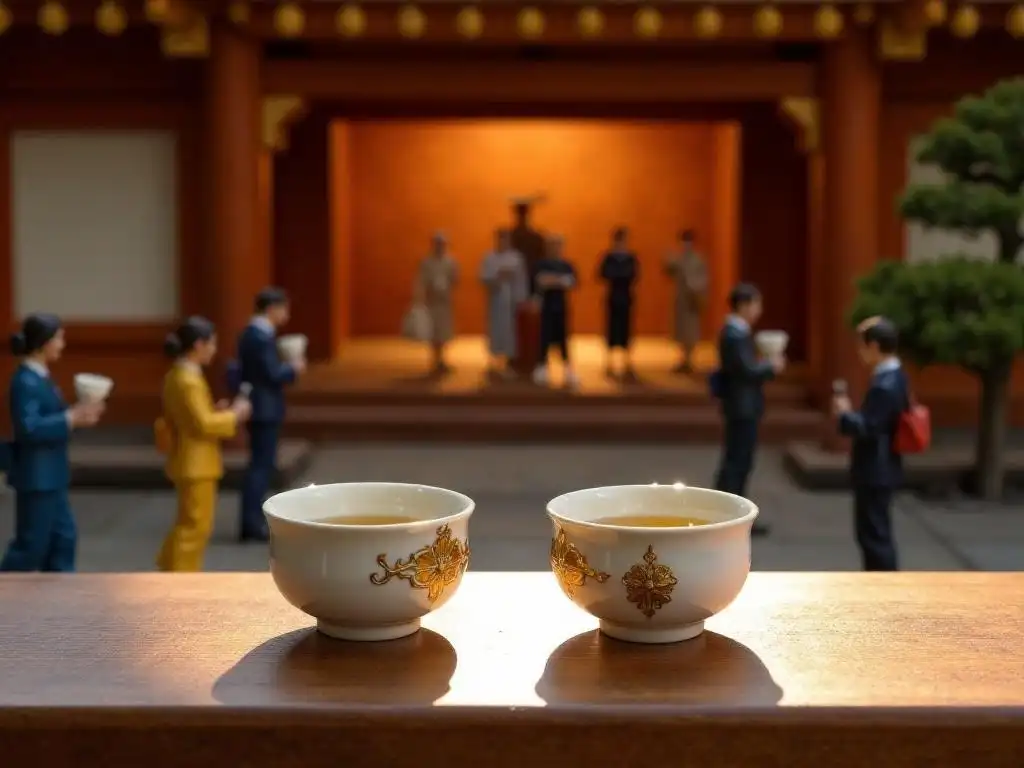
In contemporary Japan, the role of sake in Shinto has evolved, yet its spiritual significance remains strong. Modern interpretations reflect both a respect for tradition and an adaptation to contemporary sensibilities. Many Shinto shrines continue to offer sake during religious ceremonies, but the ways in which it is consumed and understood have diversified.
Today, sake tasting events often accompany Shinto ceremonies, allowing participants and visitors to engage with the beverage in a more interactive and communal manner. These events promote a culture of appreciation for sake, highlighting its craftsmanship and the intricate brewing process. Additionally, the resurgence of interest in traditional Japanese practices has sparked a new wave of sake breweries that emphasize the use of ancient techniques and locally sourced ingredients, linking modern brewing with historical methods.
Moreover, the symbolism of sake in modern Shinto practices has expanded to include themes of celebration and remembrance. Sake is frequently used during weddings and other significant life events, fostering a connection to the past while celebrating new beginnings. This adaptation underscores the enduring legacy of sake as a vital element in both personal and communal Shinto experiences.
Conclusion: The Enduring Legacy of Sake in Shinto
The relationship between sake and Shinto practices illustrates a rich tapestry of history, spirituality, and cultural identity. As a sacred offering, a purifying agent, and a symbol of community, sake has maintained its relevance throughout the ages. The enduring legacy of sake in Shinto is not merely a reflection of its historical significance but also a testament to its evolving role in modern Japanese society.
Today, sake continues to serve as a bridge between the past and the present, connecting individuals with their cultural heritage while fostering a sense of spirituality and unity. As Shinto practices adapt to contemporary life, sake remains a cherished element that embodies the essence of devotion, celebration, and community, ensuring its place in the heart of Japanese culture for generations to come.
Additional Resources and Recommendations
To deepen your understanding of Sake's Role in Shinto Rituals, there are several excellent resources and recommendations available. These materials can provide further insights into the intricate relationship between sake, spirituality, and Shinto practices, enhancing your appreciation for this essential aspect of Japanese culture.
Books
-
"Sake: A Modern Guide to Japanese Rice Wine" by Hayato Hishinuma
This book offers a comprehensive overview of sake, including its production methods, regional varieties, and its cultural significance within Japanese society. It also delves into how sake is intertwined with Shinto rituals.
-
"The Essence of Japanese Cuisine: An Essay on Food and Culture" by Teiichi Igarashi
This work explores the broader context of Japanese cuisine, including the spiritual dimensions of food and drink, particularly sake, in rituals and celebrations.
Documentaries
-
"Sake: The Rise of New Japan"
This documentary explores the resurgence of traditional sake brewing in modern Japan, featuring insights into its cultural significance and connection to Shinto rituals.
-
"The Birth of Sake"
This film provides an intimate look at sake brewing and its importance in Japanese culture, with particular attention to its role in religious and spiritual practices.
Online Resources
-
Japan National Tourism Organization (JNTO)
The JNTO website offers resources about sake festivals, breweries, and Shinto shrines, providing valuable information on where to experience sake in its spiritual context.
-
Sake World
This online platform provides educational materials about sake, including articles on its historical significance and its role in Shinto rituals.
Cultural Experiences
-
Sake Brewery Tours
Participating in brewery tours can offer firsthand knowledge of the sake-making process and its cultural heritage. Many breweries incorporate discussions about the spiritual aspects of sake in their tours.
-
Shinto Shrine Visits
Visiting Shinto shrines, particularly during festival times, provides a unique opportunity to observe how sake is used in rituals. Many shrines offer sake for purification and offering, reflecting its enduring significance in Shinto practices.
By exploring these resources, you can gain a more comprehensive understanding of how sake is not just a beverage but a vital component of spiritual life in Japan, enriching your experience and appreciation of this beautiful tradition.
Frequently Asked Questions
What is the significance of sake in Shinto rituals?
Sake plays a crucial role in Shinto rituals, symbolizing purity and spiritual offering to the kami (gods). It is often used in ceremonies to purify participants and spaces.
How is sake used during Shinto ceremonies?
During Shinto ceremonies, sake is offered to the kami as a sacred drink. It is poured into ceremonial vessels and shared among participants to foster spiritual connections.
What are the different types of sake used in rituals?
Various types of sake, including junmai and ginjo, may be used, depending on the ceremony and its significance. Each type carries its cultural symbolism and flavor profile.
Can anyone participate in sake offerings in Shinto practices?
Participation in sake offerings is typically reserved for those who are invited or involved in the specific rituals. However, attending public ceremonies is often open to all who wish to honor the kami.
How does sake reflect Japanese culture in the context of Shinto?
Sake is deeply intertwined with Japanese culture, representing tradition, hospitality, and spirituality. Its use in Shinto practices underscores its importance as a cultural emblem of Japan.
Final Reflection: The Sacred Brew of Sake and Its Spiritual Significance
Sake's role in Shinto rituals is not merely a tradition; it is a profound connection that intertwines the essence of the brew with the spiritual fabric of Japanese culture. Today, as we navigate a world increasingly disconnected from its roots, understanding the significance of sake in Shinto practices reminds us of the importance of rituals that honor nature, community, and spirituality. This ancient beverage serves as a bridge between the physical and the divine, inviting us to reflect on our own connections to the world around us.
Culturally, sake has transcended its role as a mere beverage, evolving into a symbol of purity and reverence within Shinto practices. The rituals surrounding sake not only celebrate the divine but also foster a sense of community and belonging among participants. As we witness a resurgence of interest in traditional practices, it becomes clear that the essence of sake is deeply woven into the cultural identity of Japan. Sake is not just a drink; it is a spiritual experience that connects us to our ancestors and the natural world.
This ongoing influence encourages us to explore our own cultural practices and the ways they shape our identities.
As we conclude this exploration of sake and spirituality, I invite you to reflect on your own rituals and the significance they hold in your life. Consider how you can incorporate moments of mindfulness and reverence into your daily routine, just as the Japanese do with sake in their Shinto practices. Embrace the opportunity to connect with your heritage, however distant it may seem, and let the lessons of tradition inspire you to cultivate a deeper appreciation for the sacredness in everyday life.
Unveil the Sacred Essence of Sake in Your Life!
Thank you for diving into the intriguing world of sake and its profound connection to Shinto practices. You've uncovered insights that highlight the spiritual depth of this cherished beverage. Now, it's time to bring that knowledge to life!
Here are some engaging steps you can take:
- Join a local sake tasting event to experience the flavors and spirituality of this brew firsthand.
- Explore nearby Shinto shrines and immerse yourself in their traditions, perhaps even participating in a purification ritual using sake.
- Share your newfound knowledge! Discuss with friends how sake has been integral to Japanese culture and its various rituals.
How do you plan to incorporate the spirit of sake and Shinto into your daily life?