
Tea and Tradition: How the Ceremony Reflects Feudal Japanese Society

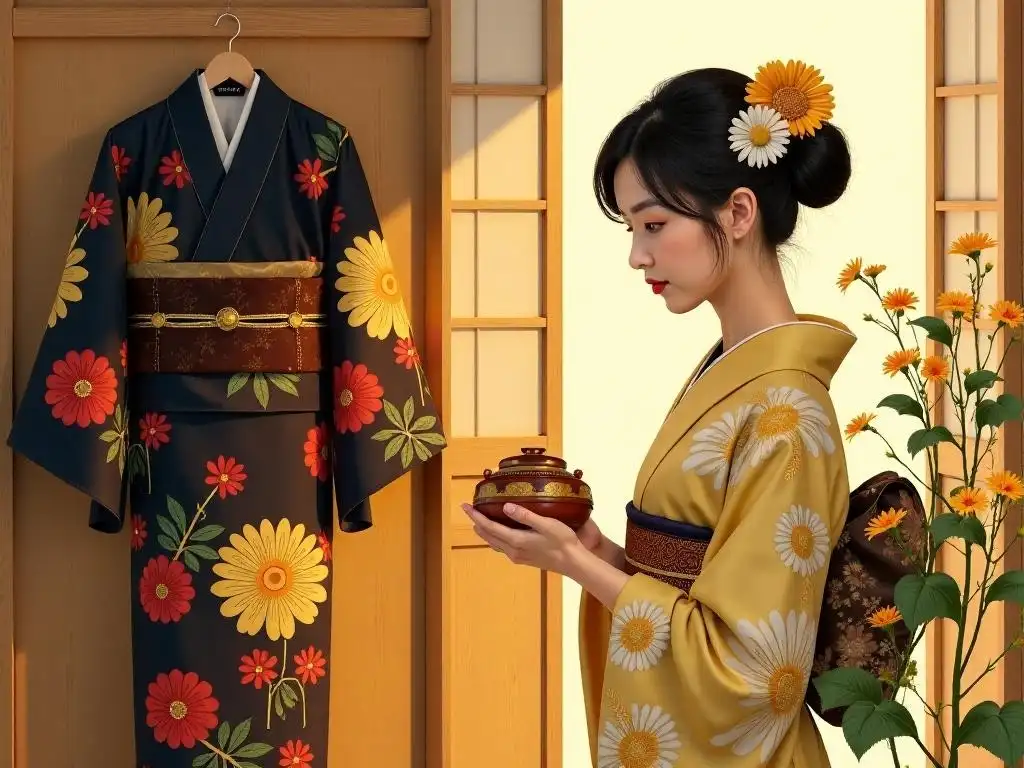
Welcome to Feudal Japan History, where we invite you to embark on an intriguing journey through the rich tapestry of Japan's feudal era. Dive deep into the captivating world of the Feudal Japan tea ceremony, an exquisite ritual that not only embodies the grace of Japanese culture but also offers profound insights into the societal structures of the time.
As you explore our expert-driven articles, you'll uncover how this timeless tradition reflects the values, aesthetics, and social hierarchies that shaped feudal Japan. Get ready to discover the delicate balance of history and culture—your journey into the heart of Japan's past begins now!
- Introduction to the Feudal Japan Tea Ceremony
- The Evolution of the Feudal Japan Tea Ceremony
- The Ritual Components of the Feudal Japan Tea Ceremony
- The Aesthetic Principles of the Feudal Japan Tea Ceremony
- Social Hierarchies Reflected in the Feudal Japan Tea Ceremony
- The Impact of Zen Buddhism on the Feudal Japan Tea Ceremony
- Famous Tea Masters of Feudal Japan
- Modern Interpretations of the Feudal Japan Tea Ceremony
- Conclusion: The Lasting Legacy of the Feudal Japan Tea Ceremony
-
Frequently Asked Questions
- What is the significance of the tea ceremony in Feudal Japan?
- How did the tea ceremony influence social interactions during the feudal era?
- What are the key elements of a traditional Feudal Japan tea ceremony?
- How did the tea ceremony evolve throughout Japan's feudal period?
- What role did samurai play in the development of the tea ceremony?
- Final Reflection: The Enduring Legacy of Feudal Japan's Tea Ceremony
- ✨ Embrace the Spirit of Tea and Tradition!
Introduction to the Feudal Japan Tea Ceremony
The tea ceremony, known as chanoyu (茶の湯), is far more than a mere ritual of serving and drinking tea; it is a profound reflection of the cultural and social fabric of feudal Japan. As we delve into this intricate tradition, we uncover layers of historical significance, aesthetic values, and philosophical underpinnings that shaped the lives of those during the feudal era. The tea ceremony served as a conduit for samurai, merchants, and nobility to engage in meaningful dialogue, foster relationships, and express their social standings through the art of tea preparation and presentation.
Through the lens of the feudal system, we see how the tea ceremony mirrored the hierarchical nature of society, where each element—from the choice of utensils to the accompanying rituals—was steeped in symbolism and intention. This article will take you on a journey through the historical context of the tea ceremony and its pivotal role in the everyday lives of feudal Japan’s inhabitants, illuminating how this exquisite practice served as a bridge between the mundane and the sacred.
Understanding the Historical Context of the Tea Ceremony
The origins of the Japanese tea ceremony can be traced back to the 9th century, but it truly flourished during the Muromachi period (1336-1573) under influential figures such as Sen no Rikyū, who refined the aesthetics and philosophy surrounding the practice.
- Cultural Exchange: The introduction of tea to Japan from China marked a significant cultural exchange, catalyzing the development of a unique tradition that would resonate through the ages.
- Influence of Zen Buddhism: The incorporation of Zen principles into the tea ceremony emphasized simplicity, tranquility, and mindfulness, aligning perfectly with the values of the samurai class who sought harmony in their chaotic lives.
- Social Stratification: The ceremony provided an avenue for the daimyō (feudal lords) and their retainers to display their wealth and status through elaborate tea gatherings, while also allowing commoners to partake in a more subdued, yet equally significant version of the ritual.
Understanding these historical nuances is crucial to appreciating how the tea ceremony evolved and adapted to the changes within feudal Japanese society.
The Role of Tea in Feudal Japanese Society
Tea in feudal Japan was not just a beverage; it was a symbol of culture, power, and refinement that permeated various aspects of life.
- Symbol of Hospitality: Serving tea became a reflection of hospitality and respect during social gatherings. The meticulous preparation and presentation of tea underscored the importance of etiquette and reverence for one another.
- Spiritual Connection: The act of preparing and drinking tea was often seen as a meditative practice, allowing individuals to connect with their inner selves and with nature. This spiritual connection was especially valued among the samurai, who sought to cultivate both discipline and mindfulness.
- Economic Significance: Beyond its cultural implications, tea also held substantial economic value. The cultivation and trade of tea became integral to the feudal economy, influencing social dynamics and trade relationships.
The tea ceremony encapsulates a multifaceted aspect of feudal Japanese society, serving as a mirror to the values, beliefs, and hierarchical structures that defined the era. Through this exploration, we can better understand not only the art of the tea ceremony itself but also its profound impact on the cultural landscape of feudal Japan.
The Evolution of the Feudal Japan Tea Ceremony
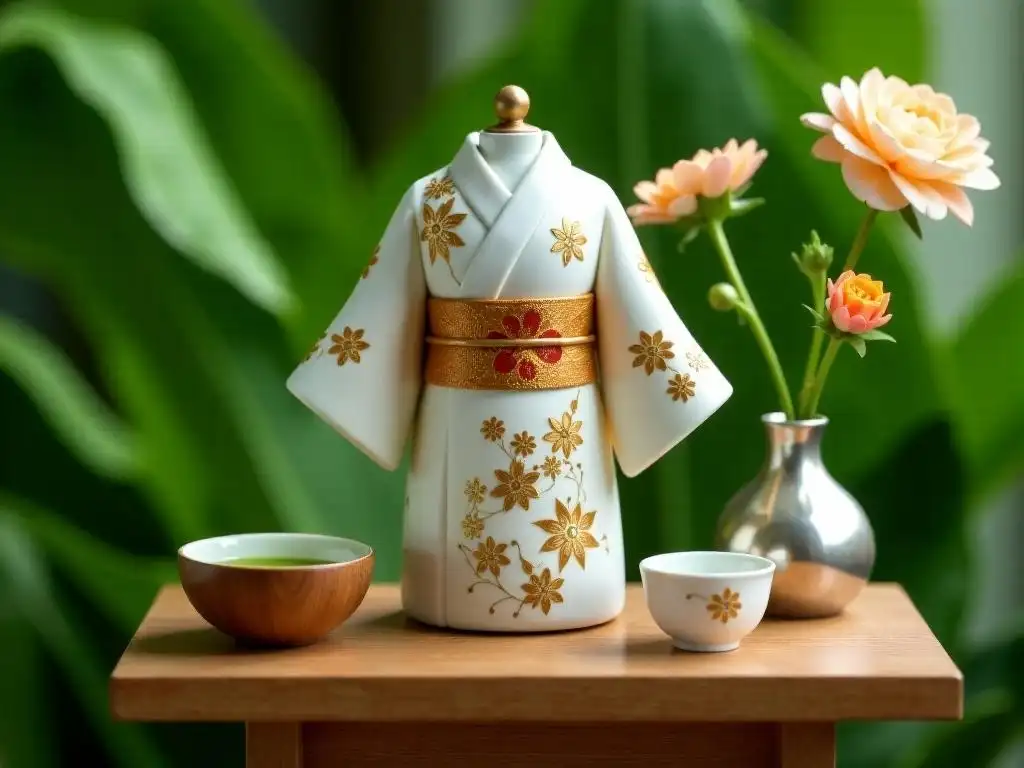
The feudal Japan tea ceremony, known as chanoyu, represents a complex interplay of cultural, social, and philosophical elements that evolved significantly throughout the feudal era. Understanding its evolution requires a look into its origins and the key influences that shaped its practices and significance.
Origins of the Tea Ceremony in Japanese Culture
The roots of the tea ceremony in Japan can be traced back to the introduction of tea in the 9th century, primarily through Buddhist monks who brought it from China. These early practices were more about the medicinal benefits of tea rather than the ceremonial aspects we recognize today. Over the centuries, tea drinking began to permeate the cultural fabric of Japan, especially during the Kamakura period (1185-1333) when the samurai class embraced it.
- Zen Buddhism Influence: The tea ceremony's transformation into a refined ritual was significantly influenced by the principles of Zen Buddhism, which emphasized simplicity, mindfulness, and the beauty of the moment. This spiritual backdrop laid the foundation for the aesthetic and philosophical dimensions of the chanoyu.
- Cultural Exchange: As trade and cultural exchanges increased, particularly during the Muromachi period (1336-1573), the practice of tea drinking adopted elements from both Chinese tea culture and indigenous Japanese aesthetics. This melding of influences contributed to the unique characteristics of the Japanese tea ceremony, emphasizing harmony, respect, purity, and tranquility—known as the four principles of tea.
Key Influences on the Development of the Ceremony During the Feudal Era
The feudal era in Japan was marked by significant social and political changes that profoundly impacted the evolution of the tea ceremony. Several key influences emerged during this period:
- Warrior Class and Tea: The samurai class played a crucial role in the tea ceremony's development. For them, tea became an essential part of their social rituals and a means to cultivate relationships. The act of serving tea was seen as a demonstration of hospitality and respect, strengthening bonds among warriors.
- The Role of Tea Masters: Influential figures such as Sen no Rikyū (1522-1591) solidified the tea ceremony's status as a high art form. Rikyū's teachings emphasized the importance of aesthetics and the philosophy of wabi-sabi, which values imperfection and impermanence. His impact on the ceremony led to a more structured approach, incorporating specific utensils, seasonal elements, and a focus on the preparation of tea itself.
- Political Patronage: The tea ceremony gained prominence as it became associated with the ruling elite. Lords and influential families began to sponsor tea gatherings, elevating its status and embedding it within the social hierarchy of feudal Japan. The ceremony was often used as a diplomatic tool to foster alliances and demonstrate cultural sophistication.
- Cultural Codification: By the late feudal period, the tea ceremony had developed a codified set of practices and rituals. This included the careful selection of tea utensils, the layout of the tea room, and the choreography of the ceremony itself, all of which reflected the ideals of harmony and respect that permeated feudal society.
The feudal Japan tea ceremony is not merely a cultural practice; it is a reflection of the era’s intricate social dynamics, philosophical underpinnings, and artistic expressions. Its evolution from a simple act of drinking tea to a sophisticated ritual illustrates the profound connections between tea culture and feudal Japanese society.
The Ritual Components of the Feudal Japan Tea Ceremony
The tea ceremony in Feudal Japan, known as chanoyu, is steeped in a rich tapestry of ritual and tradition. Each component of this ceremony plays a significant role not only in the preparation and enjoyment of tea but also in reflecting the values and social structures of feudal society. Understanding these ritual components offers insight into the deeper cultural meanings that the tea ceremony embodies.
Essential Tools Used in the Feudal Japan Tea Ceremony
The tea ceremony relies on several essential tools, each of which contributes to the overall experience and significance of the ritual. These tools are not merely functional; they carry deep cultural and aesthetic values.
Chawan (Tea Bowl)
The chawan is perhaps the most recognizable tool in the tea ceremony. Typically crafted from clay or porcelain, the tea bowl is designed to enhance the sensory experience of the tea. Variations in shape, texture, and color reflect the personal style of the tea master and the seasonal context in which the ceremony takes place.
- Cultural Significance: The chawan symbolizes harmony and tranquility, embodying the concept of wabi-sabi, which appreciates the beauty in imperfection and transience.
Chasen (Tea Whisk)
The chasen is a bamboo whisk used to blend the powdered tea (matcha) with water. The whisk is crafted from a single piece of bamboo and features fine tines that create a frothy consistency in the tea.
- Cultural Significance: The act of whisking reflects the importance of precise movements and mindfulness in the tea ceremony. It emphasizes the values of discipline and respect for nature, as the bamboo used is a natural material that connects participants to the environment.
Chashaku (Tea Scoop)
The chashaku is a bamboo scoop used to measure the powdered tea. Its design is minimalistic yet functional, allowing the tea master to control the amount of tea used in each serving.
- Cultural Significance: The chashaku represents the importance of moderation and balance in feudal society. The precise measurement of tea serves as a metaphor for the careful consideration that is integral to the samurai ethos, promoting the idea of restraint and mindfulness in all actions.
The Significance of Each Element in Feudal Society
The tools of the tea ceremony are intertwined with the cultural and social fabric of Feudal Japan. Each element not only serves a practical purpose but also embodies philosophical concepts that were valued in feudal society.
- Social Hierarchy: The meticulous attention to detail in the selection and use of these tools reflects the hierarchical structure of feudal society. The tea master, often a person of high status or a samurai, would demonstrate their skill and knowledge through the mastery of these elements, reinforcing their position within the social order.
- Aesthetic Values: The aesthetic principles governing the tea ceremony, such as simplicity and natural beauty, echo the broader cultural values of the time. The appreciation for craftsmanship and the transient nature of life are illustrated through the careful selection of tools, each with its own story and significance.
- Spiritual Reflection: The tea ceremony serves as a form of meditation, allowing participants to reflect on their inner selves and their relationships with others. The careful preparation and presentation of the tea create a shared experience that fosters community and connection, reinforcing the bonds of loyalty and respect that were paramount in feudal Japan.
The ritual components of the Feudal Japan tea ceremony are not merely tools but are imbued with profound cultural significance. Each element serves to reflect the values and societal norms of the time, making the tea ceremony a rich subject for exploration within the context of Japanese history and culture.
The Aesthetic Principles of the Feudal Japan Tea Ceremony
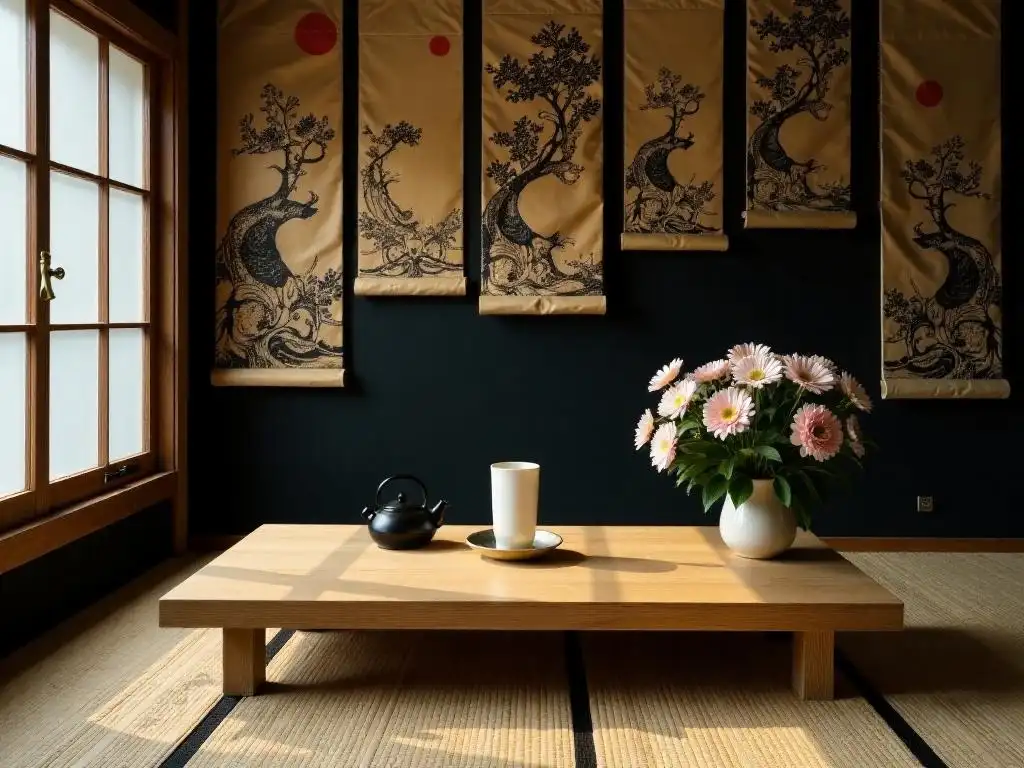
The tea ceremony, or chanoyu, is not merely a practice of preparing and consuming tea; it embodies a rich tapestry of aesthetic principles that reflect the values and philosophies of feudal Japanese society. Central to these principles are concepts like wabi-sabi, simplicity, and a deep appreciation for nature. Each element of the tea ceremony is carefully curated to express these aesthetics, creating a serene environment that allows participants to engage in mindful appreciation of the present moment.
Wabi-Sabi: Embracing Imperfection in the Ceremony
At the heart of the tea ceremony lies the principle of wabi-sabi, which celebrates the beauty of imperfection and transience. This philosophy is rooted in the Zen Buddhist worldview, emphasizing the acceptance of the natural cycle of growth and decay. In the context of the tea ceremony, wabi-sabi manifests through various aspects:
- Natural Materials: Utensils used in the ceremony, such as tea bowls ( chawan), are often hand-crafted and exhibit unique imperfections. These irregularities, whether it be an uneven glaze or a subtle crack, are viewed not as flaws but as characteristics that tell a story of their creation.
- Impermanence of Beauty: The fleeting beauty of seasonal flowers arranged in the tokonoma (the alcove in the tea room) reflects the wabi-sabi ethos. Participants are reminded that beauty is transient, fostering a deeper appreciation for the moment.
- Mindful Presence: Each step of the tea ceremony encourages participants to embrace the present, acknowledging the ephemeral nature of life. This mindfulness is crucial in fostering a sense of peace and connection among those involved.
The Importance of Simplicity and Nature in Tea Rituals
The tea ceremony's aesthetic is deeply intertwined with the principles of simplicity and nature, which reflect the societal values of feudal Japan. These elements serve to create a tranquil atmosphere conducive to introspection and social harmony.
- Simplicity in Design: The tea room itself is stripped of unnecessary ornamentation, featuring clean lines and a minimalist aesthetic. The understated decor allows participants to focus on the ritual and each other rather than distractions.
- Connection to Nature: The incorporation of natural elements, such as stone, wood, and tatami mats, emphasizes a harmonious relationship between humans and their environment. Seasonal changes are mirrored in the selection of tea utensils and floral arrangements, thereby fostering a connection to the changing world outside the tea room.
- Ritual and Routine: The repetitive nature of the tea-making process enhances a sense of peace and stability, allowing participants to engage in a shared experience that transcends individual concerns. Each movement is deliberate, reflecting a deep respect for the act of making and sharing tea.
The aesthetics of the feudal Japan tea ceremony are deeply rooted in the cultural values of the time. By embracing wabi-sabi, simplicity, and nature, the tea ceremony serves not only as a ritual but as a profound reflection of the feudal Japanese society, inviting participants to experience beauty in imperfection and tranquility in simplicity.
The Role of the Samurai Class in the Tea Ceremony
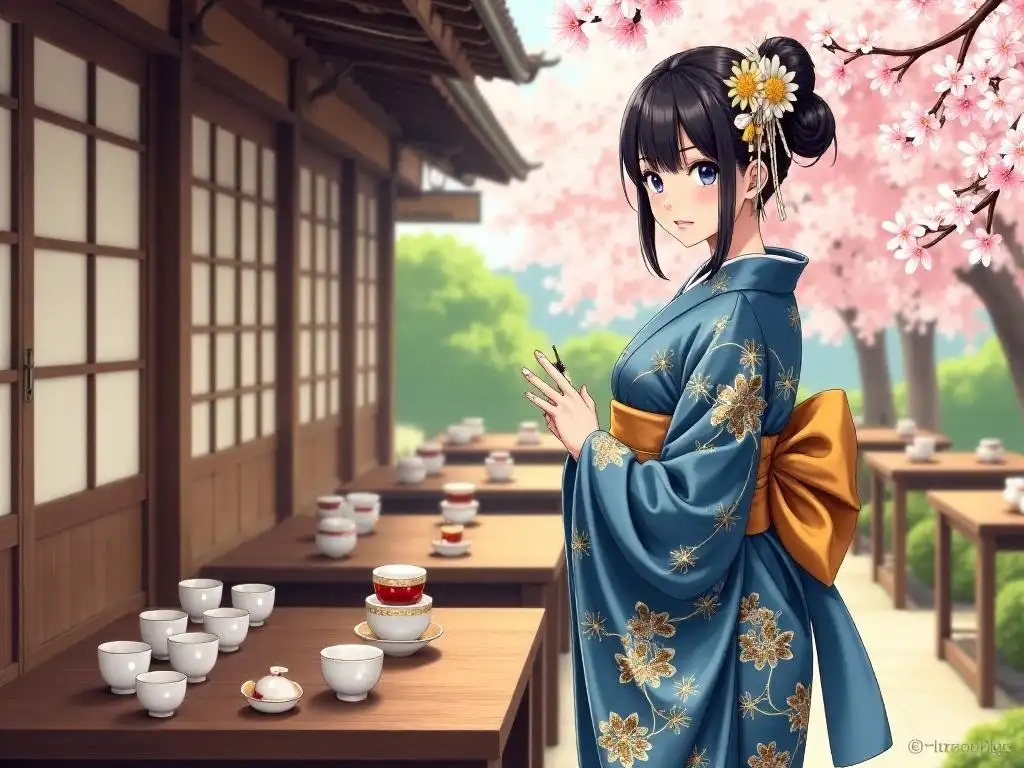
The samurai class played a pivotal role in the development and evolution of the tea ceremony during the feudal period of Japan. Their participation was not merely about enjoying tea; it was deeply intertwined with their social status, cultural obligations, and the philosophical tenets of bushido, the way of the warrior.
- Cultural Significance: For the samurai, the tea ceremony was a means of exhibiting their refinement and education. The meticulous nature of the ceremony, which includes precise movements and an appreciation for aesthetics, mirrored the discipline inherent in samurai training. The act of preparing and serving tea became an extension of their martial virtues—honor, respect, and tranquility.
- Ritual and Hierarchy: The tea ceremony also reinforced social hierarchies. Samurai hosted gatherings where the seating arrangement was carefully planned to reflect status and rank. The most esteemed guests were placed closest to the host, symbolizing their importance. This hierarchy was not just for show; it reinforced the feudal order in which loyalty and allegiance were paramount.
- Philosophical Underpinnings: The samurai's involvement in the tea ceremony was influenced by Zen Buddhism, which emphasizes mindfulness and the appreciation of simplicity. This philosophy permeated the rituals, making the tea ceremony a meditative practice that allowed samurai to reflect on their duties and the transient nature of life. The tea served in these ceremonies was not just a beverage; it was a medium for self-discovery and a reminder of their responsibilities.
Ceremonial Etiquette and Its Reflection on Feudal Values
The etiquette surrounding the feudal Japan tea ceremony is a reflection of the broader societal values and norms of the time. Each aspect of the ceremony, from preparation to consumption, is steeped in tradition that illustrates the hierarchical and moral fabric of feudal society.
- Formal Greetings and Respect: The exchange of greetings at the beginning of the ceremony is a crucial element. Participants bow to each other, acknowledging their ranks and the effort put into the gathering. This act of respect is emblematic of the feudal system, where acknowledging one's superiors was a sign of loyalty and honor.
- Attention to Detail: Every movement in the tea ceremony is deliberate and requires immense focus. This meticulous attention to detail reflects the values of discipline and dedication that were essential in feudal Japan. Participants are expected to demonstrate patience and humility, virtues that were highly regarded in samurai culture.
- The Role of Nature: The incorporation of natural elements in the tea ceremony, such as seasonal flowers and the arrangement of utensils, signifies the samurai's connection to nature and the importance of harmony. This reflects the overarching feudal belief in the balance between humanity and the environment, as well as the transience of life, which is a recurring theme in Japanese art and philosophy.
- Moral Teachings: The tea ceremony serves as a platform for imparting moral teachings. The interactions among participants can illustrate concepts like loyalty, humility, and the importance of community—values central to the samurai ethos. The act of sharing tea fosters bonds and reinforces the social fabric of feudal society.
Through these elements, the feudal Japan tea ceremony not only served as a social gathering but also became a profound expression of the era's values, highlighting the intricate relationship between social hierarchy and cultural practices.
The Impact of Zen Buddhism on the Feudal Japan Tea Ceremony
Zen Buddhism profoundly influenced the development of the feudal Japan tea ceremony, intertwining spiritual practices with cultural rituals. The tea ceremony, known as chanoyu or sado, embodies the principles of Zen, emphasizing simplicity, tranquility, and a deep connection to nature. This cultural phenomenon reflects the broader societal values of feudal Japan, where Zen became a guiding philosophy for samurai and commoners alike.
Spirituality and Mindfulness in the Tea Ritual
At the heart of the tea ceremony lies a meditative quality that promotes mindfulness and inner peace. Participants engage in a series of deliberate actions that transform the act of drinking tea into a spiritual practice. The ritual encourages individuals to focus on the present moment, cultivating a sense of awareness that is essential in Zen philosophy.
The following elements illustrate how spirituality is woven into the tea ceremony:
- Preparation and Presentation: Each movement in the tea preparation is performed with intention, signifying respect for the tea, the utensils, and the guests. This meticulous attention to detail fosters a meditative environment.
- Nature's Influence: The incorporation of natural elements, such as seasonal flowers and the sound of flowing water, reinforces the connection to the environment. This harmony aligns with Zen's reverence for nature, encouraging participants to appreciate the beauty of transience.
- Quiet Reflection: Silence plays a crucial role in the ceremony, allowing participants to reflect and connect with their thoughts. This practice of quiet contemplation mirrors Zen meditation, enabling individuals to achieve a state of tranquility.
Through these aspects, the tea ceremony becomes more than a mere social event; it transforms into a spiritual journey, embodying the essence of Zen practices.
Zen Principles That Shaped the Ceremony's Practices
Several core principles of Zen Buddhism have shaped the practices and ethos of the feudal Japan tea ceremony. These principles are reflected in the aesthetics, philosophy, and execution of the ritual:
- Wabi-Sabi: This principle celebrates the beauty of imperfection and transience. In tea utensils, the appreciation of rustic simplicity is evident, where handmade, asymmetrical pieces are revered. This aesthetic resonates with the Zen belief in finding beauty in the ordinary.
- Mono no Aware: This concept emphasizes the awareness of the ephemeral nature of life. Participants in the tea ceremony are reminded of the fleeting moment shared over a bowl of tea, enhancing their appreciation for the present.
- Simplicity and Minimalism: The tea ceremony embodies a minimalist approach, stripping away excess to focus on the essentials. The tea room, often adorned with simple decorations, reflects Zen's pursuit of clarity and purity.
- Harmony (Wa): The tea ceremony promotes harmony among participants, the environment, and the tea itself. This sense of unity aligns with Zen ideals, fostering a collective experience that transcends individual egos.
- Respect (Kei): A fundamental aspect of Zen practice is respect for all beings. This principle permeates the tea ceremony, where respect is shown through each gesture, from the preparation of tea to the serving of guests.
The integration of these Zen principles not only enriches the tea ceremony but also reinforces its significance within the broader scope of feudal Japanese society, reflecting the values and philosophies that shaped an era.
Famous Tea Masters of Feudal Japan
Sen no Rikyū: The Most Influential Tea Master
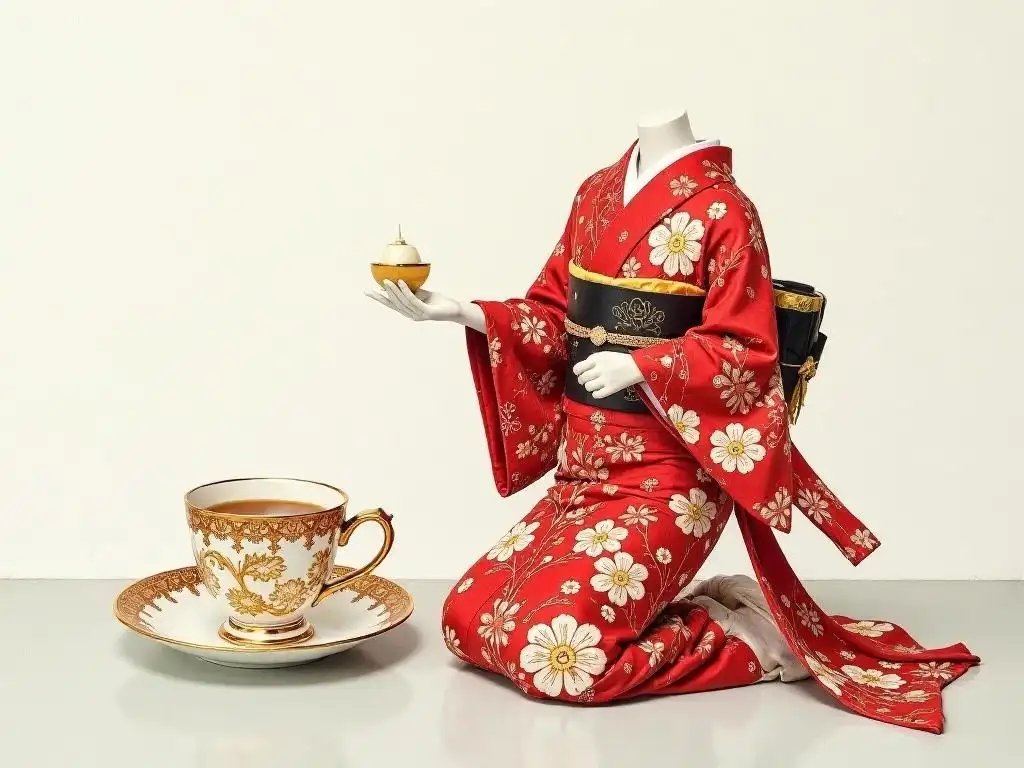
Sen no Rikyū (1522-1591) is often regarded as the most pivotal figure in the evolution of the Japanese tea ceremony, or chanoyu. His philosophy, which emphasized simplicity, naturalness, and the spiritual aspects of tea, shaped the practice into a refined art form that continues to influence tea culture today.
Rikyū's approach to the tea ceremony was characterized by the principles of wabi-sabi, which celebrates the beauty found in imperfection and the transient nature of life. This aesthetic is evident in the choice of rustic utensils and the use of natural materials, reflecting a harmonious relationship with nature.
Through his teachings, Rikyū introduced several key elements that transformed the tea ceremony, including:
- The Use of Seasonal Ingredients: He believed that the experience of tea should be deeply connected to the seasons, utilizing flowers and other natural elements that reflected the time of year.
- The Importance of Hospitality (Omotenashi): Rikyū emphasized that the host's attentiveness to guests was paramount, creating an atmosphere of peace and tranquility.
- Zen Influence: His close ties with Zen Buddhism led to a practice that not only focused on the physical act of sipping tea but also on meditation and mindfulness.
Rikyū's impact was so profound that he became the tea master to prominent samurai, including the warlord Toyotomi Hideyoshi. His legacy is preserved through various schools of tea that continue to practice his teachings, including the Urasenke and Omotesenke schools.
Other Notable Figures and Their Contributions
While Sen no Rikyū remains the most celebrated tea master, several other notable figures contributed significantly to the development of the tea ceremony during Feudal Japan. Each brought unique perspectives and innovations that enriched the tradition:
- Takeno Jōō (1502-1555)
- A mentor to Rikyū, Jōō was known for his emphasis on the aesthetic experience of tea. He introduced the idea of using everyday objects and focusing on the "present moment" during the tea ceremony.
- Miyamoto Musashi (1584-1645)
- Although primarily known as a legendary swordsman, Musashi also contributed to the tea ceremony. His writing, "The Book of Five Rings," reflects on the relationship between martial arts and tea, emphasizing discipline and focus.
- Kōetsu Hon'ami (1558-1637)
- A potter and tea master, Kōetsu was influential in the development of tea utensils. He created beautiful ceramic pieces that enhanced the visual and tactile experience of the tea ceremony, marrying aesthetics with functionality.
- Fujinuma Shōen (1648-1713)
- As a key figure in the Edo period, Shōen contributed to the formalization of tea ceremony rituals. He introduced more structured practices and trained many students, helping to spread the art widely across Japan.
- Yamamoto Sōbē (1664-1732)
- A prominent tea master of the late Edo period, Sōbē was known for his innovative techniques in tea preparation and serving, which helped to evolve the ceremony into a more accessible form for the general public.
The legacies of these masters, alongside Rikyū, illustrate the rich tapestry of influences that have shaped the Feudal Japan tea ceremony into the profound cultural practice it is today. Their contributions reflect a deep understanding of aesthetics, philosophy, and the human experience, making the tea ceremony not just a ritual but a window into the spiritual and social fabric of feudal society.
Modern Interpretations of the Feudal Japan Tea Ceremony
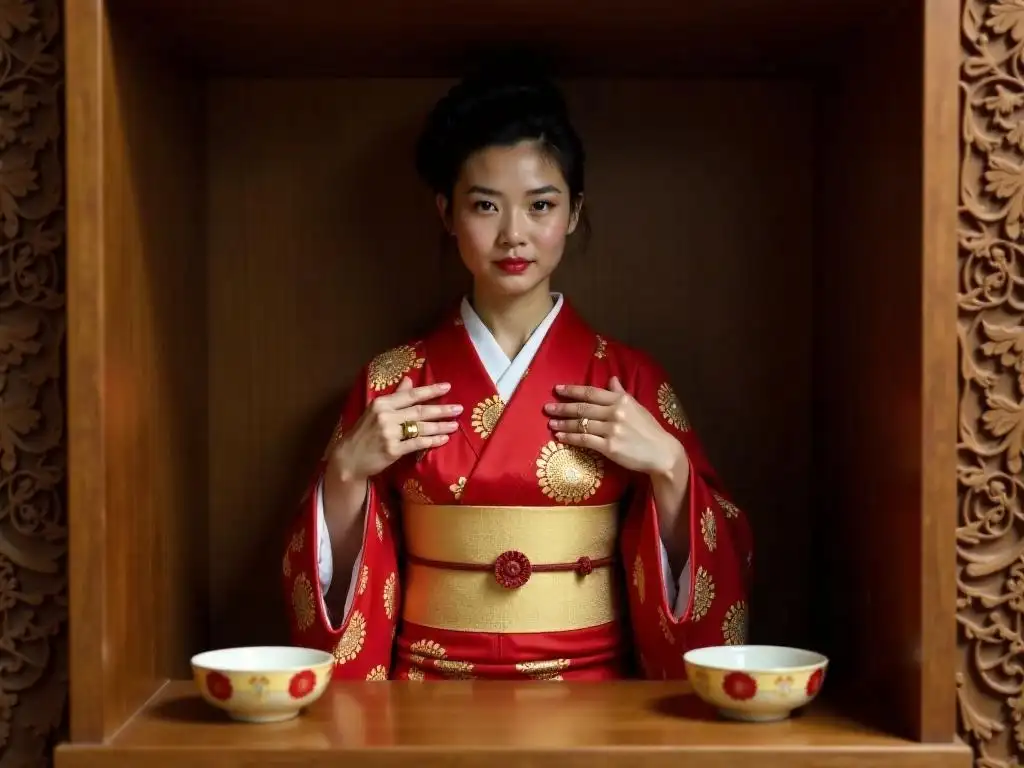
The feudal Japan tea ceremony, known as chanoyu, has undergone significant transformations in modern times while maintaining its core principles. Contemporary interpretations often reflect a blend of traditional practices and modern sensibilities, making the ceremony more accessible and relatable to today's society. This evolution is evident in various aspects, from the preparation and presentation of tea to the overall atmosphere of the ceremony.
Preserving Tradition in Contemporary Japan
In Japan today, many practitioners emphasize the importance of preserving the traditional aspects of the tea ceremony while adapting its practice to suit contemporary lifestyles. Here are some key points regarding this preservation:
- Education and Workshops: Numerous tea schools and cultural institutions offer workshops that teach the fundamentals of the traditional tea ceremony. These programs aim to educate participants about the historical significance and techniques of chanoyu, ensuring that the knowledge is passed on to future generations.
- Simplified Practices: Modern ceremonies may simplify certain rituals to accommodate busy lifestyles. For example, some practitioners may shorten the duration of the ceremony while still maintaining the essence of mindfulness and respect that characterizes chanoyu.
- Fusion with Other Arts: Contemporary tea ceremonies often incorporate elements from other art forms, such as calligraphy or flower arranging ( ikebana). This fusion not only enriches the experience but also attracts a broader audience, making the ceremony more appealing to younger generations.
- Community Engagement: Today’s tea ceremonies often emphasize community involvement, promoting social connections among participants. This focus on community is a reflection of modern values and helps to sustain the tradition in a rapidly changing society.
The Tea Ceremony as a Cultural Heritage
The tea ceremony is not just an art form; it embodies the cultural heritage of Japan. Its continued practice serves as a reminder of the values and aesthetics cultivated during the feudal era. Here are several aspects highlighting its significance as a cultural heritage:
- Symbol of Harmony: The tea ceremony represents the principles of harmony ( wa), respect ( kei), purity ( sei), and tranquility ( jaku). These values, deeply rooted in Zen Buddhism, continue to resonate in modern Japan, showcasing the enduring relevance of chanoyu.
- Connection to Nature: The aesthetics of the tea ceremony often reflect the beauty of nature. Seasonal themes are incorporated into the ceremony through the choice of utensils, the selection of tea, and the arrangement of the tea room. This connection to nature fosters a sense of appreciation for the environment, a value that remains vital in contemporary society.
- Artistic Expression: The tea ceremony is an art form that reflects the creativity and craftsmanship of its practitioners. The utensils used, such as tea bowls ( chawan) and tea whisks ( chasen), are often handcrafted, showcasing the skill and dedication of artisans. This artistic dimension continues to inspire new generations of artists.
- Cultural Exchange: Modern interpretations of the feudal Japan tea ceremony have also facilitated cultural exchange. International interest in Japanese culture has led to tea ceremonies being held around the world, allowing people from diverse backgrounds to engage with and appreciate this unique tradition.
Through these modern interpretations, the feudal Japan tea ceremony not only preserves its historical roots but also evolves to remain relevant in today's multicultural and fast-paced environment. The ongoing practice of chanoyu serves as a bridge between Japan’s rich past and its dynamic present, ensuring that this cultural heritage continues to thrive.
Conclusion: The Lasting Legacy of the Feudal Japan Tea Ceremony
The tea ceremony, known as chanoyu in Japanese, is not merely a ritualistic preparation of tea but a profound representation of the values and aesthetics that emerged during the feudal era of Japan. Its evolution is deeply intertwined with the philosophies of Zen Buddhism, emphasizing mindfulness, simplicity, and the beauty of imperfection. The legacies of the feudal Japan tea ceremony resonate through various aspects of modern Japanese culture, extending beyond the mere act of drinking tea to embody a way of life that is appreciated globally.
The intricate practices established during feudal times laid the foundation for the cultural significance of the tea ceremony, which continues to be observed in contemporary society. The principles of harmony, respect, purity, and tranquility—known as wa, kei, sei, and jaku—remain central to the ceremony today, influencing not only tea preparation but also interpersonal interactions within Japanese culture.
How the Ceremony Continues to Influence Japanese Culture Today
The influence of the feudal Japan tea ceremony extends into various realms of cultural expression. The aesthetics of the ceremony—characterized by minimalist design, natural materials, and a focus on the season—can be seen in traditional Japanese arts such as pottery, flower arranging ( ikebana), and calligraphy. These art forms often draw inspiration from the same principles that govern the tea ceremony, reinforcing a cohesive cultural identity.
Moreover, the tea ceremony plays a pivotal role in social gatherings, both formal and informal. It serves as a means of fostering community and strengthening bonds among participants. In educational settings, the tea ceremony is taught as an important cultural practice, allowing younger generations to connect with their heritage and understand the values of patience and respect.
The ceremonial practice also finds its way into modern wellness and mindfulness movements, where the principles of the tea ceremony are adopted as a form of meditation and stress relief. This resurgence highlights the adaptability of the feudal Japan tea ceremony, showcasing its relevance in a fast-paced contemporary world.
The Future of the Tea Ceremony in a Globalized World
As globalization continues to shape cultural exchanges, the feudal Japan tea ceremony faces both challenges and opportunities. Increasingly, tea ceremonies are being held outside Japan, introducing international audiences to this rich tradition. Cultural exchanges allow for the blending of practices and interpretations, which can lead to innovative adaptations.
However, this globalization raises important questions about authenticity and the preservation of traditional practices. While the core values of the tea ceremony remain intact, there is a risk that the ritual may be altered to fit different cultural contexts. It is crucial for practitioners and educators to strike a balance between honoring tradition and embracing change.
In the future, the tea ceremony may evolve to incorporate elements from diverse cultures, potentially enriching its practice while still respecting its historical roots. By maintaining a dialogue between tradition and modernity, the feudal Japan tea ceremony can continue to thrive, appealing to both local and global audiences.
The tea ceremony is a profound legacy of feudal Japan that not only reflects the historical and cultural tapestry of its time but also continues to resonate and evolve in contemporary society. Its enduring significance as a symbol of cultural heritage and values ensures that the essence of the feudal Japan tea ceremony will remain relevant for generations to come.
Frequently Asked Questions
What is the significance of the tea ceremony in Feudal Japan?
The tea ceremony was a vital cultural practice that emphasized aesthetics, mindfulness, and social hierarchy, reflecting the values of Feudal Japanese society.
The tea ceremony served as a formal setting for social interactions, allowing samurai and nobility to engage in ritualistic hospitality, reinforcing social bonds and hierarchies.
What are the key elements of a traditional Feudal Japan tea ceremony?
Key elements include matcha tea, specific utensils, an elaborate setting, and a focus on mindfulness and aesthetic appreciation, representing the values of the time.
How did the tea ceremony evolve throughout Japan's feudal period?
Initially a simple practice, the tea ceremony evolved into a highly stylized art form, incorporating Zen Buddhism principles and becoming a means of expressing cultural identity.
What role did samurai play in the development of the tea ceremony?
Samurai played a crucial role as patrons and practitioners, influencing the ceremony's development and emphasizing its importance in social status and cultural expression within Feudal Japan.
Final Reflection: The Enduring Legacy of Feudal Japan's Tea Ceremony
The tea ceremony, a profound ritual steeped in the traditions of Feudal Japan, continues to resonate in today's society, reminding us of the intricate relationship between culture and social hierarchy. As we explore the depths of this ceremonial practice, we uncover not only its aesthetic beauty but also its reflection of the values and structures that defined an entire era. The tea ceremony serves as a poignant reminder of how rituals can encapsulate the essence of a society, revealing the complexities of human connection and the passage of time.
The influence of the tea ceremony extends far beyond its historical roots, shaping contemporary cultural practices and social interactions. Today, it stands as a symbol of mindfulness, respect, and harmony, echoing the principles that governed Feudal Japan. As we engage with this tradition, we are invited to reflect on our own societal structures and the ways in which they manifest in our daily lives. Tea is a religion of the art of life.
This quote encapsulates the idea that the tea ceremony is not merely about the act of drinking tea but about embracing a way of living that honors simplicity, beauty, and connection.
As we conclude our exploration of the tea ceremony and its ties to Feudal Japan, I invite you to reflect on how these lessons can be woven into your own life. Consider how you can cultivate mindfulness and appreciation in your daily routines, fostering deeper connections with those around you. Let the spirit of the tea ceremony inspire you to create moments of tranquility and reflection, allowing the wisdom of the past to guide your journey into the future.
✨ Embrace the Spirit of Tea and Tradition!
Thank you for taking the time to explore the rich tapestry of tea ceremonies and their significance in feudal Japanese society. We hope you’ve gained a deeper appreciation for how these rituals reflect cultural values and social hierarchies. Now, it’s time to take your newfound knowledge and engage more deeply with this fascinating topic!
Here are a few ways you can dive in:
- Participate in a local tea ceremony: Experience the beauty of this tradition firsthand. Look for workshops or events in your area where you can connect with others who share this interest.
- Share this article: Spread the wisdom of tea and tradition. Send this article to friends or family who might find it intriguing, or consider hosting a discussion about its themes.
- Explore further: Check out related articles on the cultural practices of feudal Japan to broaden your understanding. What other traditions have significantly shaped this culture?
What element of the tea ceremony resonates most with you, and why do you think it holds such significance in today's world?