
The Art of Harmony: Understanding the Philosophy Behind the Traditional Japanese Tea Ceremony

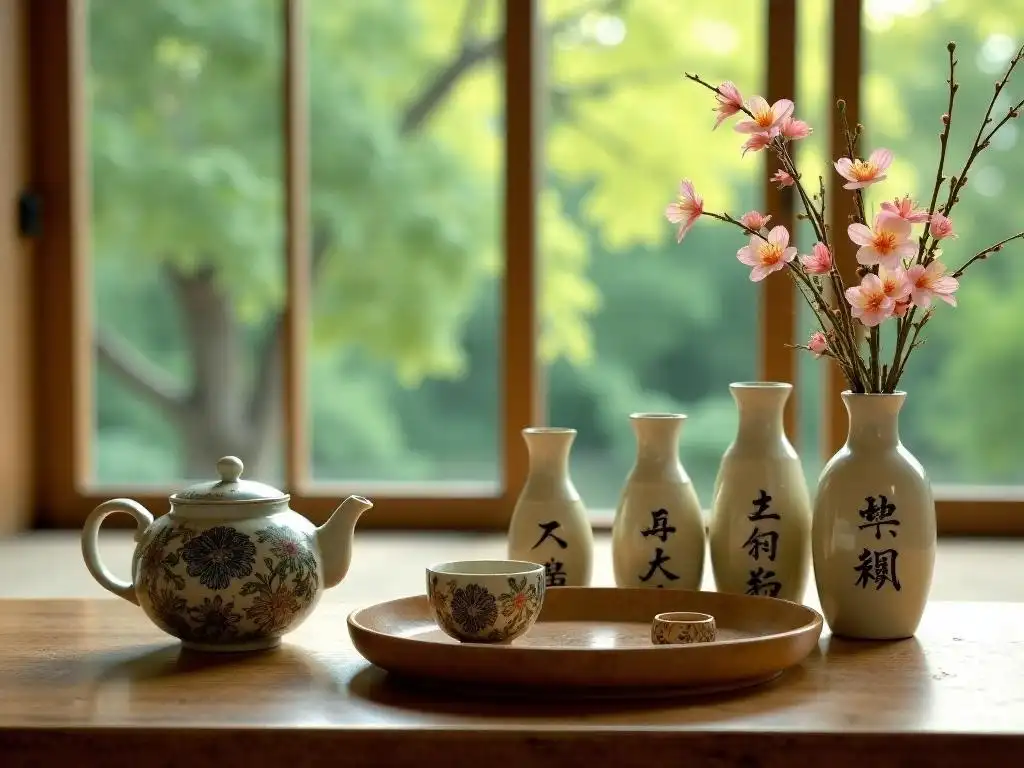
Welcome to Feudal Japan History, where we invite you to embark on an intriguing journey through the captivating world of Japan's feudal era. Here, we delve deep into the rich tapestry of historical, cultural, and societal aspects that defined this remarkable period. In our featured article, "The Art of Harmony: Understanding the Philosophy Behind the Traditional Japanese Tea Ceremony," you'll discover how this exquisite ritual transcends mere beverage preparation, embodying profound principles that reflect the essence of Japanese culture.
Curious about the delicate balance between tradition and philosophy? Join us as we explore the serene art of the tea ceremony, inviting you to uncover its secrets and significance. Your adventure into the heart of feudal Japan awaits!
Introduction to Japanese Tea Ceremony Philosophy
The Japanese tea ceremony, known as chanoyu, is much more than merely preparing and consuming tea; it embodies a profound philosophy that reflects the rich tapestry of Japanese culture, spirituality, and aesthetics. At its core, the philosophy behind the Japanese tea ceremony emphasizes the concepts of harmony, respect, purity, and tranquility, which are fundamental to creating a serene atmosphere during the ritual. This intricate practice, steeped in history, invites participants to engage in mindful reflection and interpersonal connection, fostering a sense of community and appreciation for the moment.
The essence of this philosophy can be encapsulated in the term wa, kei, sei, and jaku—a quartet of principles that guide the tea ceremony experience. Each principle intertwines with the others, forming a holistic approach that influences not only the ritual itself but also the broader cultural values of Japan. As we delve deeper into the art of the Japanese tea ceremony, we will explore how these principles manifest in both the preparation and presentation of tea, as well as their impact on the participants' mindset and interactions.
Historical Context of the Japanese Tea Ceremony
The origins of the Japanese tea ceremony trace back to the 9th century, when tea was introduced to Japan from China. Initially, the act of drinking tea was associated with the elite and Buddhist monks, who believed in its stimulating properties and potential for meditation. However, it wasn’t until the 12th century that tea became more accessible to the samurai class, subsequently evolving into a rich cultural practice.
The wabi-sabi aesthetic, which celebrates beauty in imperfection and transience, began to influence the tea ceremony during the 15th and 16th centuries, particularly under the guidance of renowned tea masters like Sen no Rikyū. This transformative period underscored the tea ceremony's philosophical underpinnings, emphasizing simplicity, humility, and a deep connection with nature.
Throughout the centuries, the Japanese tea ceremony has adapted to reflect the changing societal values and cultural trends, yet it remains a powerful symbol of Japan’s heritage. Today, the tea ceremony continues to be practiced both as a ceremonial art and as a means of cultural expression, offering participants a unique insight into the intricate relationship between philosophy, tradition, and daily life in Japan.
Core Principles of Japanese Tea Ceremony Philosophy
The philosophy behind the Japanese tea ceremony, known as Chanoyu, embodies several core principles that reflect the deeper values of Japanese culture. One of the central tenets is harmony, or wa, which emphasizes the importance of creating a peaceful and balanced environment during the ceremony. This harmony is not only between the participants but also with nature, as the setting often incorporates natural elements, enhancing the overall experience.
Another vital principle is respect, or kei. This respect is expressed through the meticulous preparation and serving of tea, as well as the careful attention paid to the guests. Each action is performed with mindfulness, acknowledging the presence of others, and creating an atmosphere of mutual appreciation.
Purity, or sei, is also integral to the tea ceremony philosophy. The act of cleansing utensils and the space before the ceremony symbolizes the purification of the mind and spirit. This idea of purity extends beyond physical cleanliness; it encompasses the intention behind each action, aiming to create a serene and untainted environment.
Lastly, there is the principle of tranquility, or jaku. This state of tranquility is achieved through the slow, deliberate movements and the quiet ambiance of the ceremony. Participants are encouraged to leave behind their daily concerns and immerse themselves fully in the moment, fostering a sense of inner peace and reflection.
Elements of the Traditional Japanese Tea Ceremony
The traditional Japanese tea ceremony consists of various elements that work together to create a harmonious experience. Each component plays a significant role and contributes to the overall philosophy of the ceremony.
Tea Utensils and Their Symbolism
The utensils used in the tea ceremony are not merely functional; they are laden with meaning and symbolism. The chawan (tea bowl) signifies the meeting of the host and guests, with its unique design reflecting the personality of the host. The chasen (tea whisk) represents the effort and care taken to prepare the matcha, symbolizing the importance of mindfulness in the process.
Additionally, the teapot and tea caddy serve to hold the tea, but they also embody the connection between nature and human craftsmanship. The materials chosen—such as clay, bamboo, or ceramic—often align with the philosophy of wabi-sabi, which appreciates beauty in imperfection and transience.
Types of Tea Used in the Ceremony
The primary type of tea used in the Japanese tea ceremony is matcha, a powdered green tea that is finely ground from shade-grown tea leaves. Matcha embodies the essence of the ceremony, as its preparation requires precision and attention to detail, aligning with the principles of harmony and tranquility.
In some variations of the tea ceremony, sencha (brewed green tea) may also be used, highlighting a different aspect of tea appreciation. While matcha emphasizes the aesthetic and ritualistic elements, sencha focuses on the flavors and aromas that can be experienced through the brewing process. Both types of tea contribute to the overarching philosophy of the ceremony, each providing unique sensory experiences that encourage mindfulness and presence.
The Ritual of the Japanese Tea Ceremony
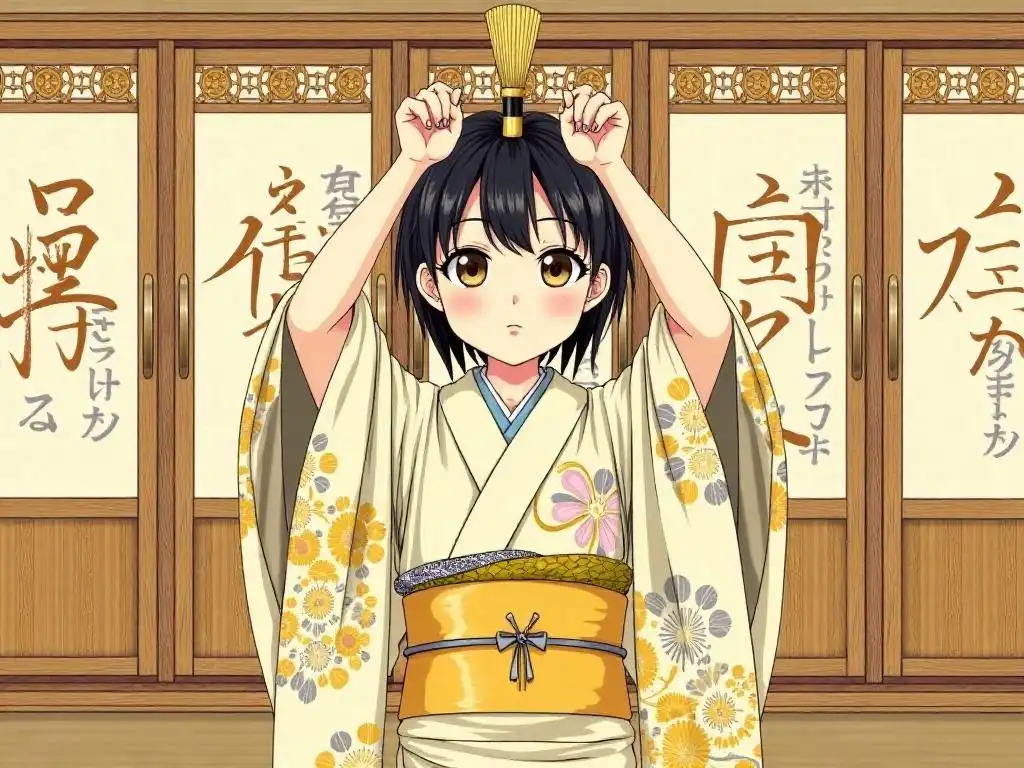
The Japanese tea ceremony, known as Chanoyu or Sadō, is a meticulously choreographed ritual that encompasses the preparation and serving of matcha, a powdered green tea. This ceremony transcends mere beverage consumption; it is an art form that embodies principles of harmony, respect, purity, and tranquility. Each element of the ritual is carefully orchestrated to create an atmosphere of peace and mindfulness.
At its core, the tea ceremony involves several key steps, each laden with symbolism:
- Preparation of the Space: The tea room, or chashitsu, is often designed to be simple and rustic, emphasizing the beauty of natural materials. The decor includes seasonal flowers and an alcove where a scroll with a relevant quote or artwork is displayed.
- Welcoming Guests: The host greets guests warmly, signifying hospitality. This moment is crucial, as it sets the tone for the entire experience.
- Tea Preparation: The host meticulously prepares the matcha using specific utensils, including the tea bowl ( chawan), tea whisk ( chasen), and tea scoop ( chashaku). This process involves precise movements and an unwavering focus.
- Serving Tea: The tea is served to guests in a manner that reflects respect and gratitude. The guests, in turn, express their appreciation, often making a conscious effort to admire the bowl before drinking.
- Closing the Ceremony: After the tea is consumed, the utensils are cleaned and displayed for appreciation, reinforcing the ritualistic nature of the experience.
Through these steps, participants learn to appreciate the beauty of simplicity and the importance of being present, illustrating the profound philosophy underlying the Japanese tea ceremony.
The Influence of Zen Buddhism on Tea Ceremony Philosophy
Zen Buddhism has profoundly shaped the philosophy of the Japanese tea ceremony, infusing it with spiritual significance and mindfulness. The principles of Zen, particularly those centered around simplicity and the appreciation of the present moment, resonate deeply within the practices of Chanoyu.
One of the key influences of Zen on the tea ceremony is the concept of wabi-sabi, which celebrates imperfection and the transient nature of beauty. This philosophy encourages participants to embrace simplicity, rusticity, and the ephemeral aspects of life. The tea ceremony reflects this through its use of unrefined materials and natural elements, fostering an appreciation for the beauty found in imperfection.
Moreover, the practice of mindfulness is central to both Zen and the tea ceremony. Each movement in the ritual is executed with intention and awareness, allowing participants to cultivate a deep sense of presence. The act of preparing and serving tea becomes a meditative practice, where distractions fade, and participants engage fully with the moment.
Zen Buddhism also emphasizes the importance of harmony between individuals and their surroundings. This is evident in the tea ceremony's focus on creating a peaceful environment, where the host and guests share a collective experience of tranquility and connection.
The integration of Zen philosophy into the tea ceremony enriches its practice, promoting a deeper understanding of harmony, presence, and the appreciation of life's fleeting moments.
Modern Interpretations and Adaptations of Tea Ceremony Philosophy
In contemporary society, the philosophy of the Japanese tea ceremony has evolved, leading to various interpretations and adaptations that resonate with modern sensibilities. While the traditional practices remain valued, new forms of Chanoyu are emerging, reflecting the changing dynamics of culture and lifestyle.
One notable adaptation is the integration of the tea ceremony into wellness and mindfulness practices. Many individuals seek to incorporate the principles of the tea ceremony into their daily lives as a means of reducing stress and enhancing well-being. Workshops and classes often emphasize the meditative aspects of tea preparation, encouraging participants to cultivate mindfulness in their routine.
Additionally, the tea ceremony has found its way into social settings, where it serves as a means of fostering connection and community. Modern interpretations often include informal gatherings where participants can share tea in a relaxed environment, focusing on the spirit of hospitality and conversation rather than strict adherence to traditional protocols.
Moreover, artists and designers are exploring the aesthetics of the tea ceremony, creating contemporary tea ware that merges traditional craftsmanship with modern design. This fusion allows for a fresh appreciation of the ceremony while honoring its historical roots.
Overall, the evolution of the Japanese tea ceremony philosophy reflects a dynamic relationship with tradition and modernity, inviting new generations to engage with its principles in ways that are meaningful and relevant to their lives. Through these adaptations, the essence of the tea ceremony continues to inspire and cultivate harmony in an ever-changing world.
Conclusion: The Lasting Impact of Japanese Tea Ceremony Philosophy
The philosophy behind the Japanese tea ceremony, deeply rooted in principles of harmony, respect, purity, and tranquility, transcends mere ritual. It has left an indelible mark on various facets of Japanese culture and society. This practice fosters a sense of mindfulness, encouraging participants to immerse themselves fully in the moment, thereby cultivating a deep appreciation for the present.
Moreover, the tea ceremony has influenced art, literature, and even architecture, reflecting the aesthetics and values of the time. The serene simplicity and attention to detail evident in the tea ceremony have inspired countless artists, from poets to painters, who seek to capture the essence of this profound tradition. This impact extends beyond Japan, as the tea ceremony philosophy resonates with individuals worldwide who seek balance and tranquility in their busy lives.
As globalization continues to blur cultural boundaries, the principles of the Japanese tea ceremony serve as a reminder of the importance of mindfulness and connection, making it a relevant practice in contemporary society. By embracing its philosophy, individuals can cultivate a more harmonious existence, fostering relationships grounded in mutual respect and understanding.
Recommended Resources for Further Exploration
For those interested in delving deeper into the philosophy and practice of the Japanese tea ceremony, the following resources offer valuable insights:
- Books:
- The Book of Tea by Okakura Kakuzō – This classic text explores the relationship between tea, art, and philosophy in Japanese culture.
- Tea Ceremony: A Japanese Tradition by Toshiro Tanaka – A comprehensive guide that navigates the history, aesthetics, and philosophy of the tea ceremony.
- Documentaries:
- The Way of Tea: A Journey into Japanese Tea Culture – This film presents an immersive experience into the rituals and philosophy of the tea ceremony.
- Zen and the Art of Tea – A documentary that delves into the spiritual aspects of the tea ceremony, highlighting its meditative qualities.
- Online Courses:
- Japanese Tea Ceremony: The Art of Chado – An online course that provides hands-on experience and theoretical knowledge about the tea ceremony.
- Mindfulness Through Tea: A Virtual Experience – This course combines tea appreciation with mindfulness practices, emphasizing the philosophical underpinnings of the ceremony.
- Cultural Centers:
- Local Japanese cultural centers often offer workshops and demonstrations, providing firsthand experience and knowledge from practitioners.
Final Thoughts: Embracing the Philosophy in Daily Life
Incorporating the philosophy of the Japanese tea ceremony into daily life can lead to transformative experiences. By adopting principles such as mindfulness, simplicity, and respect, individuals can cultivate a more harmonious and fulfilling existence.
Start small by creating a dedicated tea time ritual, allowing yourself to pause and appreciate the moment. Use this time to practice gratitude and reflection, focusing on the sensory experiences of the tea—its aroma, color, and taste.
Additionally, consider applying the values of respect and harmony in interpersonal relationships. Approach conversations with a mindset of openness and listening, fostering deeper connections with others.
Ultimately, embracing the philosophy of the Japanese tea ceremony invites a deeper understanding of oneself and the world, encouraging a lifestyle that values presence and connection. As we navigate the complexities of modern life, these timeless principles offer a pathway to a more centered and meaningful existence.
- Introduction to Japanese Tea Ceremony Philosophy
- Historical Context of the Japanese Tea Ceremony
- Core Principles of Japanese Tea Ceremony Philosophy
- Elements of the Traditional Japanese Tea Ceremony
- The Ritual of the Japanese Tea Ceremony
- The Influence of Zen Buddhism on Tea Ceremony Philosophy
- Modern Interpretations and Adaptations of Tea Ceremony Philosophy
- Conclusion: The Lasting Impact of Japanese Tea Ceremony Philosophy
- Recommended Resources for Further Exploration
- Final Thoughts: Embracing the Philosophy in Daily Life
Frequently Asked Questions
What is the Japanese tea ceremony?
The Japanese tea ceremony is a traditional ritual that emphasizes aesthetic elegance and the philosophy of harmony, focusing on the preparation and serving of matcha (powdered green tea).
How does the philosophy influence the tea ceremony?
The philosophy behind the tea ceremony is rooted in Zen Buddhism, promoting values like simplicity, mindfulness, and the appreciation of nature, which reflects in every aspect of the ceremony.
What are the key elements of the tea ceremony?
Key elements include the tea utensils, the tea room, and the seasonal decorations, all chosen to reflect the principles of harmony and the aesthetic of wabi-sabi (beauty in imperfection).
The Japanese tea ceremony serves as a social platform where participants engage in meaningful conversation, cultivating a sense of community and shared experience through the act of tea preparation and enjoyment.
What is the significance of mindfulness in the tea ceremony?
Mindfulness is central to the tea ceremony, encouraging participants to be fully present in the moment, fostering a deeper connection to the ritual, the environment, and the people involved.
Final Reflection: Embracing the Philosophy of the Japanese Tea Ceremony
In an era where the pace of life often feels overwhelming, the philosophy behind the Japanese tea ceremony resonates profoundly with our contemporary struggles for mindfulness and connection. This ancient ritual, steeped in tradition, invites us to pause, reflect, and appreciate the beauty in simplicity and harmony. As we navigate our fast-paced world, the principles of the tea ceremony remind us that intentionality and presence can transform even the most mundane moments into profound experiences.
The influence of the Japanese tea ceremony extends far beyond its cultural origins; it has woven itself into the fabric of global conversations about mindfulness, community, and art. In my own journey, I have found solace in the quiet moments of preparation and sharing that the ceremony embodies. The tea ceremony teaches us that every action, from the selection of utensils to the serving of tea, carries meaning and intention. As the renowned tea master Sen no Rikyū once said, Tea is a religion of the art of life.
This sentiment captures the essence of how the tea ceremony continues to inspire individuals to cultivate a deeper appreciation for the present moment and the connections we forge with others.
As we reflect on the lessons imparted by the Japanese tea ceremony, I invite you to consider how you can incorporate its philosophy into your daily life. Take a moment to slow down, to engage fully with your surroundings, and to foster connections with those around you. Whether it's through a simple cup of tea shared with a friend or a mindful moment of solitude, let the art of harmony guide you toward a more intentional and fulfilling existence. Embrace the beauty of the present, and allow the philosophy of the tea ceremony to enrich your journey ahead.
Embrace Serenity: Experience the Essence of the Tea Ceremony
Thank you for taking the time to explore the profound philosophy of the traditional Japanese tea ceremony. Your interest allows for a deeper appreciation of this beautiful art that promotes harmony and mindfulness. Now, let’s translate that newfound understanding into meaningful actions.
- Join a local tea ceremony: Participate in a community event to experience the tranquility and connection firsthand.
- Host your own tea gathering: Invite friends over for an intimate tea ceremony, fostering conversations about harmony and mindfulness.
- Share your insights: Write a post about your experiences or reflections on tea traditions in our comment section or on social media.
As you reflect on the art of harmony, what insights will you carry forward into your everyday life?