
Zen and the Tea: Exploring the Meditative Aspects of the Japanese Tea Ceremony

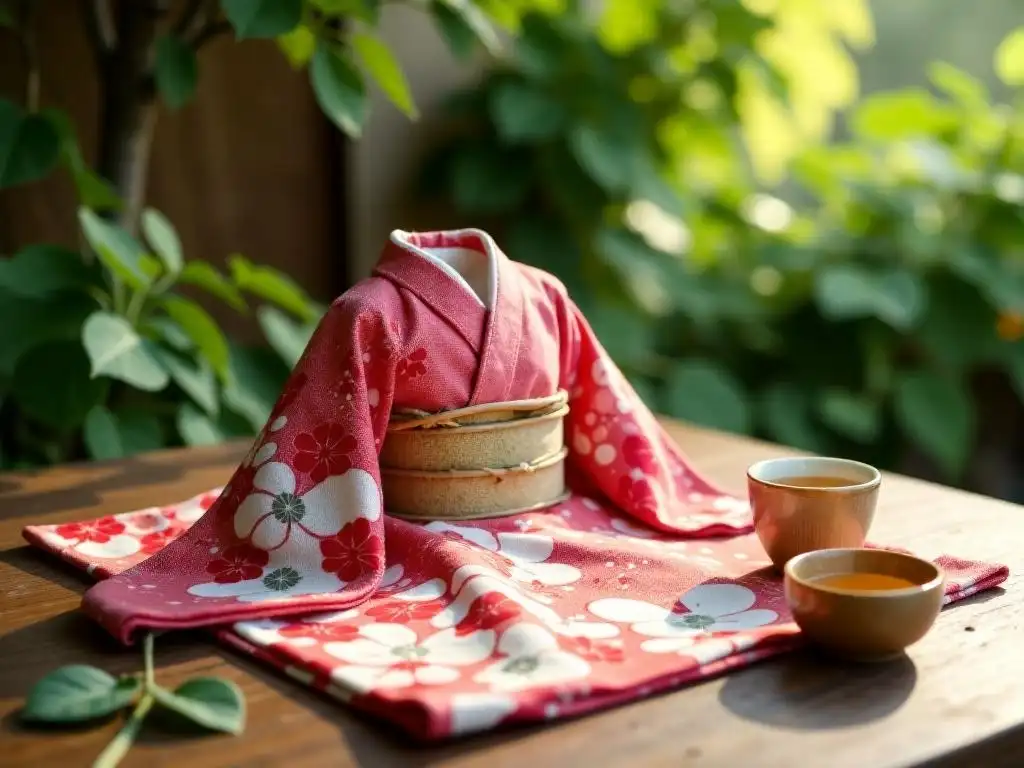
Welcome to Feudal Japan History, where we invite you to delve into the rich tapestry of Japan’s feudal era. Here, the past comes alive through comprehensive explorations of historical, cultural, and societal aspects that shaped this fascinating time. Are you ready to uncover the serene and profound world of Japanese tea ceremony meditation?
In our featured article, “Zen and the Tea: Exploring the Meditative Aspects of the Japanese Tea Ceremony,” we will guide you through the intricate rituals and philosophies that transform a simple cup of tea into a portal for mindfulness and tranquility. Join us as we sip on history and discover the art of meditation steeped in tradition.
- Introduction to Japanese Tea Ceremony Meditation
- Historical Context of the Japanese Tea Ceremony
- The Meditative Aspects of the Japanese Tea Ceremony
- Essential Elements of the Japanese Tea Ceremony
- Step-by-Step Guide to Experiencing Japanese Tea Ceremony Meditation
- Benefits of Practicing Japanese Tea Ceremony Meditation
- Common Misconceptions about Japanese Tea Ceremony Meditation
- Recommended Products for Enhancing Your Japanese Tea Ceremony Experience
- Conclusion: Embracing the Meditative Journey of the Japanese Tea Ceremony
-
Frequently Asked Questions
- What is the significance of the Japanese tea ceremony in Zen Buddhism?
- How does the tea ceremony serve as a form of meditation?
- Can anyone participate in a Japanese tea ceremony?
- What are the main elements that contribute to the meditative experience of the ceremony?
- How can one prepare for a Japanese tea ceremony to enhance their meditative experience?
- Final Reflection: Embracing Mindfulness Through the Japanese Tea Ceremony
- Embrace Tranquility: Start Your Journey with Tea Today!
Introduction to Japanese Tea Ceremony Meditation
The Japanese tea ceremony, known as Chanoyu, is much more than a simple ritual of preparing and serving tea; it is a profound expression of aesthetics, spirituality, and tradition. This ceremonial practice embodies the principles of harmony, respect, purity, and tranquility, making it a unique cultural treasure of Japan. As we delve into the meditative aspects of the Japanese tea ceremony, we uncover how this ancient tradition serves as a gateway to mindfulness and contemplation.
The art of preparing and enjoying tea is not merely a sensory experience, but rather a pathway to inner peace and a deeper understanding of oneself and the world. In this article, we will explore the intricate relationship between the Japanese tea ceremony and meditation, highlighting its historical significance and cultural importance within the broader context of Japanese cuisine.
Understanding the Essence of the Japanese Tea Ceremony
The Japanese tea ceremony is steeped in history and is influenced by various philosophical and cultural elements. Rooted in Zen Buddhism, the practice emphasizes the importance of presence and mindfulness. The ceremony typically involves the preparation of matcha, a powdered green tea, and is conducted in a serene environment, often adorned with minimalist decor that reflects the beauty of simplicity.
Key Elements of the Ceremony:
- Utensils: Each tool used in the ceremony, such as the tea whisk ( chasen) and tea bowl ( chawan), carries significant meaning and is handled with utmost care.
- Setting: The tea room, often a tatami-matted space, is designed to create a tranquil atmosphere that encourages reflection.
- Rituals: The step-by-step process of preparing and serving tea fosters a sense of mindfulness, allowing participants to engage fully with the moment.
The Japanese tea ceremony is not just about the tea itself; it is a holistic experience that invites participants to connect with their surroundings, the host, and the tea, creating a moment of shared tranquility.
The Role of Meditation in Japanese Tea Ceremony Practices
Meditation plays a pivotal role in the Japanese tea ceremony, intertwining with its rituals to cultivate a sense of calm and focus. The act of preparing tea is transformed into a meditative practice, where each movement is deliberate and infused with intention.
Aspects of Meditation in the Ceremony:
- Mindfulness: Participants are encouraged to be present, fully immersing themselves in the experience. This mindfulness extends to the appreciation of the tea's aroma, taste, and even the aesthetics of the tea utensils.
- Breath Control: The emphasis on controlled breathing during the ceremony aids in fostering a meditative state, helping to ground participants and enhance their awareness.
- Reflection: Moments of silence and contemplation during the ceremony provide space for personal reflection, encouraging a deeper connection with oneself.
Through these meditative practices, the Japanese tea ceremony transcends its physical components, becoming a profound journey into the self and a celebration of the moment, making it an invaluable part of Japan's cultural heritage.
Historical Context of the Japanese Tea Ceremony
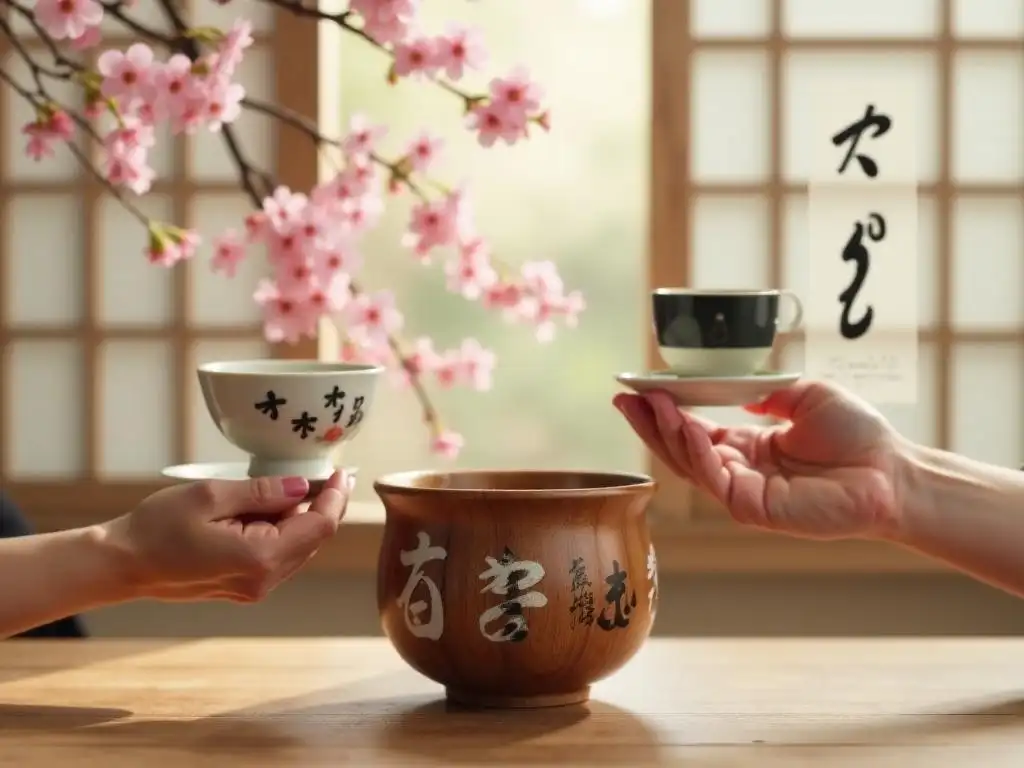
Origins of the Japanese Tea Ceremony
The Japanese tea ceremony, known as chanoyu (茶の湯), has its roots in the introduction of tea to Japan from China in the early 9th century. Initially, tea was consumed as a medicinal beverage, but it gradually gained popularity among the aristocracy during the Heian period (794-1185).
By the late 12th century, the practice of powdered tea, or matcha, was established, primarily influenced by Zen Buddhism. Monks used tea to aid concentration during meditation, which laid the groundwork for the spiritual aspects of the tea ceremony. The formalization of the tea ceremony emerged during the 15th century, with distinct rituals and aesthetic principles reflecting the Zen philosophies of simplicity and mindfulness.
Key Figures in the Development of Tea Rituals
Several influential figures played crucial roles in shaping the Japanese tea ceremony:
- Sen no Rikyū: Perhaps the most famous tea master, Rikyū (1522-1591) is credited with refining the tea ceremony into an art form. He emphasized the importance of simplicity and natural beauty, introducing the concept of wabi-sabi, which values imperfection and transience. His teachings remain foundational to the practice today.
- Tea Masters of the Momoyama Period: In addition to Rikyū, various tea masters during the Momoyama period (1568-1600) contributed to the development of the ceremony. They established standardized practices and rituals, fostering a deeper spiritual connection between the tea and the participants.
- Emperor Go-Mizunoo: A patron of the arts and tea culture, Emperor Go-Mizunoo (1596-1680) promoted the tea ceremony among the nobility, further integrating it into Japanese culture. His support helped elevate the status of tea as a refined social ritual.
The Evolution of Tea Ceremonies through the Feudal Era
Throughout the feudal era, the Japanese tea ceremony evolved significantly, reflecting changes in society, culture, and political dynamics. During the Muromachi period (1336-1573), the tea ceremony became a symbol of sophistication and cultural refinement among the samurai class. It was during this time that the ceremonial aspects were formalized, including the use of specific utensils, the arrangement of the tea room, and the overall flow of the ceremony.
In the Edo period (1603-1868), the tea ceremony flourished as a prominent leisure activity among the merchant class. The emphasis shifted towards more elaborate rituals and the aesthetics of the tea room, which included exquisite decorations and carefully curated utensils. This period also saw the rise of various schools of tea ceremony, each with its own interpretation of Rikyū's principles, leading to a rich diversity in tea practices across Japan.
The tea ceremony served not only as a meditative practice but also as a means of social interaction, where participants could engage in meaningful dialogue while practicing mindfulness. This dual purpose helped solidify the Japanese tea ceremony's significance in the cultural fabric of feudal Japan, establishing it as a timeless tradition that continues to resonate with modern practitioners seeking Japanese tea ceremony meditation.
The Meditative Aspects of the Japanese Tea Ceremony
Mindfulness in the Tea Preparation Process
Mindfulness is a fundamental aspect of the Japanese tea ceremony, known as chanoyu or sado. The preparation of tea is not merely a task but a meditative practice that embodies complete presence and awareness. Each step, from the selection of utensils to the pouring of water, is performed with deliberate care and attention.
- Utensil Selection: The choice of tea utensils, such as the chawan (tea bowl), chasen (tea whisk), and chashaku (tea scoop), is intentional. Practitioners often spend considerable time selecting these items, reflecting on their aesthetics and purpose.
- Tea Preparation: During the whisking of the tea, attention is paid to the rhythm and movement. The practitioner engages in a dance-like motion, which fosters a sense of flow and connection to the present moment.
- Awareness of the Environment: Participants are encouraged to be aware of their surroundings—the sounds of nature, the scent of the tea, and the visual beauty of the tea room. This heightened awareness aids in grounding oneself and enhances the meditative experience.
Incorporating mindfulness into the tea preparation process not only enriches the experience but also serves as a practice that can be translated into everyday life. By focusing on each moment, practitioners cultivate a deeper sense of appreciation for the present.
The Importance of Ritual and Stillness in Meditation
Ritual plays a crucial role in the Japanese tea ceremony, acting as a framework that guides participants through a structured yet fluid experience. Each element of the ceremony is steeped in meaning and tradition, promoting a sense of serenity and focus.
- Structured Sequence: The ceremony follows a specific sequence of actions, which provides a calming rhythm. This predictability allows participants to let go of distractions and immerse themselves in the experience.
- Moments of Stillness: In between actions, moments of silence are observed. These pauses foster reflection and allow participants to connect with their inner selves, embodying the essence of meditation.
- Symbolic Gestures: Every gesture, from the bowing to the pouring of tea, is imbued with significance. This intentionality reinforces the meditative quality of the ceremony, as each action becomes a form of moving meditation.
Through this careful orchestration of ritual and stillness, the Japanese tea ceremony creates an environment conducive to meditation and self-discovery. Participants often leave the ceremony feeling rejuvenated and centered.
How the Japanese Tea Ceremony Promotes Inner Peace and Focus
The Japanese tea ceremony is not just a cultural tradition; it is a profound practice for cultivating inner peace and focus. The combination of mindfulness, ritual, and aesthetic appreciation creates an atmosphere where participants can experience tranquility.
- Connection to Nature: The use of natural elements—tea, water, and utensils crafted from organic materials—enhances the connection to nature. This connection serves to ground participants, fostering a sense of harmony and balance.
- Aesthetic Simplicity: The minimalist design of tea rooms and utensils encourages simplicity and beauty. By removing distractions, participants can focus on the essential elements of the ceremony, leading to a clearer mind.
- Cultivation of Gratitude: The act of sharing tea with others fosters a sense of community and gratitude. This shared experience allows participants to appreciate the present moment and the connections they form with others.
Ultimately, the Japanese tea ceremony serves as a powerful tool for meditation, guiding individuals toward inner peace and focus. By embracing its principles, practitioners can find solace in the chaos of modern life, making it a timeless practice for mental and emotional well-being.
Essential Elements of the Japanese Tea Ceremony
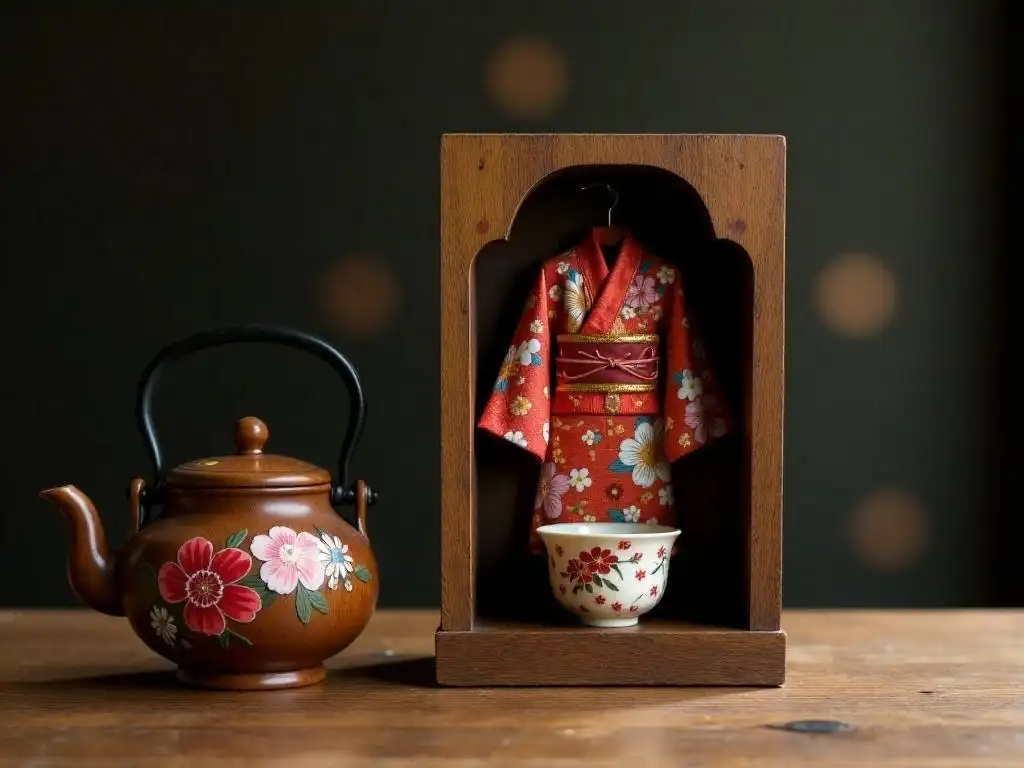
The Japanese tea ceremony, or chanoyu, intricately blends art, culture, and spirituality. It is a manifestation of Zen philosophy, emphasizing simplicity, tranquility, and the beauty of the moment. At the core of this timeless tradition are several essential elements that contribute to the meditative experience, including the utensils used, the types of tea, and the accompanying rituals. Understanding these elements enhances appreciation for the profound practice of Japanese tea ceremony meditation.
Traditional Utensils Used in Japanese Tea Ceremonies
In the Japanese tea ceremony, the utensils play a crucial role in both the preparation and the experience of the ceremony. Each item is selected not only for its functionality but also for its aesthetic appeal and symbolic meaning.
The Chawan (Tea Bowl) and its Significance
The chawan, or tea bowl, is one of the most important utensils in the tea ceremony. It serves as the vessel for serving matcha, the powdered green tea central to the ceremony.
- Aesthetic Qualities: The design of the chawan can vary widely, reflecting the seasons, the personality of the host, or the occasion. Common materials include ceramic and porcelain, often featuring rustic, unrefined textures that resonate with the principles of Wabi-Sabi, which celebrates imperfection and transience.
- Spiritual Connection: The act of holding the chawan allows participants to connect with the tea and each other. The warmth of the bowl and the act of drinking from it fosters a sense of mindfulness, inviting participants to be present in the moment.
- Ritualistic Importance: During the ceremony, the manner in which the chawan is presented and received is steeped in ritual, reflecting respect and appreciation for the shared experience.
The Chasen (Tea Whisk) for Perfect Matcha
The chasen, or tea whisk, is an essential tool for preparing matcha, allowing for the creation of a frothy, smooth beverage.
- Material and Craftsmanship: Traditionally made from a single piece of bamboo, the chasen features delicate prongs that are meticulously carved. This craftsmanship not only enhances its functionality but also embodies the artisanal spirit of the tea ceremony.
- Technique: The preparation of matcha involves a specific whisking technique using the chasen. This process requires mindfulness and intention, inviting the practitioner to fully engage in the moment. The rhythmic motion of whisking mirrors the meditative flow of the ceremony.
- Symbol of Harmony: The chasen represents the harmony between nature and human creation, emphasizing the importance of balance and tranquility in both the tea and the experience.
Types of Tea Used in Japanese Tea Ceremony Meditation
The types of tea used in the Japanese tea ceremony significantly influence the meditative aspects of the practice. Each variety brings its unique qualities to the experience, inviting participants to explore different paths to tranquility.
Matcha: The Heart of the Ceremony
Matcha is the most iconic tea used in the tea ceremony, embodying the essence of this meditative practice.
- Preparation and Flavor: Matcha involves grinding high-quality green tea leaves into a fine powder, which is then whisked with hot water. This process creates a vibrant green beverage with a rich, umami flavor, engaging the senses fully.
- Cultural Significance: As the centerpiece of the ceremony, matcha symbolizes purity, respect, and harmony. Its preparation serves as a meditative ritual, allowing participants to cultivate mindfulness and presence.
- Health Benefits: Rich in antioxidants, matcha is believed to promote mental clarity and relaxation, enhancing the meditative experience. The presence of L-theanine, an amino acid in matcha, contributes to a calm alertness, making it ideal for meditation.
Sencha: A Different Path to Tranquility
Sencha, another popular tea in Japanese culture, offers an alternative experience within the tea ceremony.
- Brewing Method: Unlike matcha, sencha is brewed using whole tea leaves, resulting in a lighter, more delicate flavor. The brewing process allows participants to engage with the tea in a different way, focusing on the nuances of taste and aroma.
- Experience of Nature: The flavor profile of sencha is often described as grassy or vegetal, evoking the freshness of nature. This connection to the natural world can deepen the meditative experience, promoting a sense of grounding and peace.
- Mindfulness in Simplicity: The preparation of sencha emphasizes simplicity and attention to detail, encouraging participants to savor each moment. This practice aligns with the principles of Zen, nurturing mindfulness and tranquility throughout the ceremony.
The Japanese tea ceremony is a rich tapestry of tradition and meditation, with each element—be it the utensils or the types of tea—contributing to a profound experience. Understanding these essential components not only enhances appreciation for the ceremony but also deepens one's journey into Japanese tea ceremony meditation.
Step-by-Step Guide to Experiencing Japanese Tea Ceremony Meditation
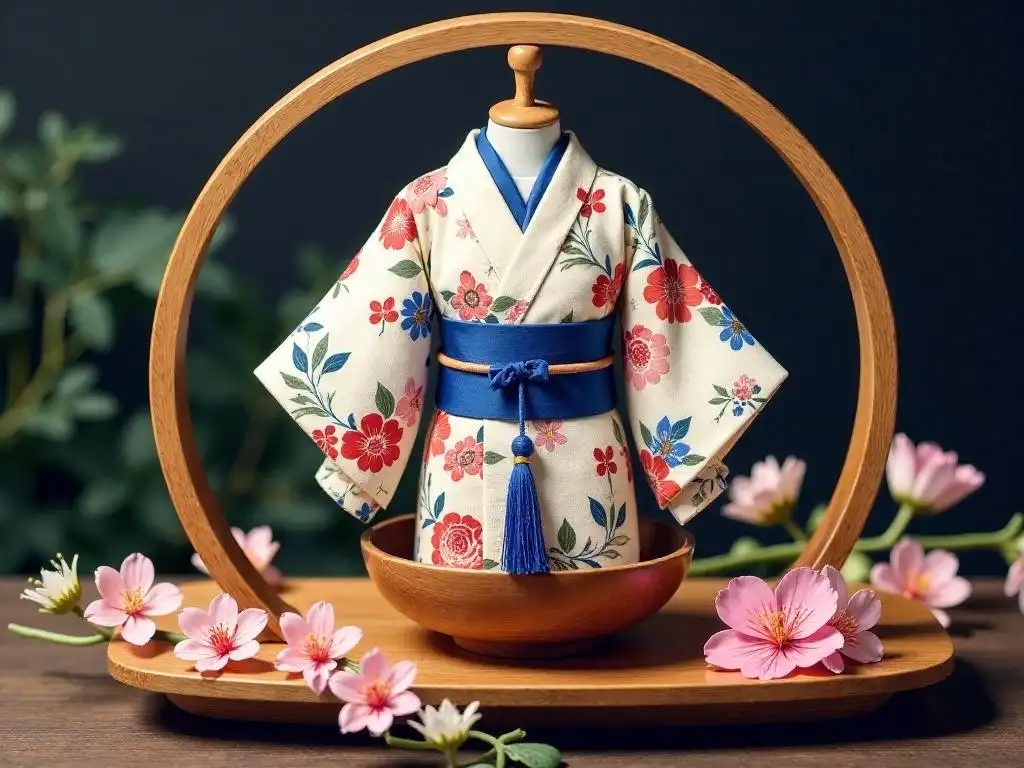
Preparing for the Ceremony: Setting the Scene
The Japanese tea ceremony, or chanoyu, transcends mere beverage preparation; it is a holistic experience steeped in mindfulness and tranquility. Prior to the ceremony, it is crucial to create an environment conducive to meditation and reflection. Here are key elements to consider:
- Location: Choose a serene space, preferably a tatami-matted room or a garden setting, to immerse participants in nature's beauty.
- Aesthetic Elements: Incorporate traditional Japanese aesthetics, such as kintsugi (the art of repairing pottery with gold) and wabi-sabi (embracing imperfection), to enhance the atmosphere.
- Lighting: Soft, natural lighting can set a calming tone. Consider using lanterns or candles to create a warm ambiance.
- Soundscapes: Introduce gentle sounds, such as the rustling of leaves or water flowing, to foster relaxation.
Creating this intentional space encourages participants to shift their focus inward, preparing them for the meditative aspects of the tea ceremony.
The Art of Tea Preparation: A Meditative Practice
The preparation of tea during the Japanese tea ceremony is an art form that embodies mindfulness. Each step serves as an opportunity for meditation, focusing the mind and spirit. Here’s a breakdown of the process:
- Gathering Ingredients: Select high-quality matcha or sencha, along with the necessary utensils, including the chawan (tea bowl), chasen (whisk), and chashaku (tea scoop). Each object should be treated with reverence, symbolizing a connection to tradition.
- Boiling Water: As you heat the water, take a moment to appreciate the transformation taking place. The sound of boiling water can serve as a meditative backdrop, encouraging deep breathing.
- Whisking the Tea: The act of whisking the tea is where meditation truly begins. Focus on the rhythm of your movements, the texture of the matcha, and the sound of the chasen against the bowl. This repetitive action allows participants to enter a state of flow, merging body and mind.
- Visual Presentation: Arrange the tea bowl and utensils aesthetically before serving. This attention to detail reflects the ichigo ichie philosophy, emphasizing that each moment is unique and should be cherished.
The preparation process not only results in a delicious cup of tea but also serves as a meditative practice, grounding participants in the present moment.
Engaging in the Ceremony: Mindful Participation
Once the tea has been prepared, the next phase involves engaging mindfully in the ceremony, which is a communal act that fosters connection and presence. Here’s how participants can fully immerse themselves:
- Receiving the Tea: As the tea is served, take a moment to express gratitude. Acknowledge the effort that went into its preparation, fostering a sense of appreciation for the moment.
- Mindful Sipping: Focus on the sensory experience of drinking the tea. Pay attention to the warmth of the bowl, the aroma of the matcha, and the taste on your palate. Allow each sip to be a moment of meditation.
- Silent Reflection: Encourage moments of silence during the ceremony. This allows participants to reflect on their thoughts and feelings, deepening their connection to the experience.
- Closing Rituals: As the ceremony concludes, engage in a closing ritual, such as expressing thanks or sharing insights gained during the experience. This reinforces the sense of community and shared mindfulness.
By engaging actively in the ceremony, participants not only enjoy the tea but also cultivate a deeper understanding of the meditative aspects inherent in the Japanese tea ceremony.
Benefits of Practicing Japanese Tea Ceremony Meditation
Mental Health Benefits: Stress Reduction and Clarity
The Japanese tea ceremony meditation is not merely an act of preparing and drinking tea; it is a profound practice that offers significant mental health benefits. One of the primary advantages is stress reduction. Engaging in this ritual encourages individuals to slow down, focus on the present moment, and breathe deeply. This mindfulness aspect can lead to:
- Decreased anxiety levels: The repetitive movements and attention to detail in the tea preparation promote a calming effect, allowing participants to escape the pressures of daily life.
- Enhanced clarity of thought: The meditative quality of the ceremony helps clear the mind, providing mental clarity and improving decision-making capabilities.
Research has shown that mindfulness practices, such as the Japanese tea ceremony, can lead to measurable improvements in mental well-being. Regular participation in this meditative practice fosters a sense of calm, which can be particularly beneficial for those dealing with high levels of stress in their lives.
Cultural Appreciation and Connection to History
Participating in the Japanese tea ceremony meditation is also a gateway to cultural appreciation and a deeper connection to history. The ceremony itself is steeped in tradition, reflecting centuries of Japanese artistry, philosophy, and social etiquette. Engaging in this practice offers several cultural benefits:
- Understanding of Zen principles: The tea ceremony embodies the principles of Zen Buddhism, emphasizing simplicity, harmony, and the beauty of imperfection (wabi-sabi). This understanding fosters a greater appreciation for Japanese aesthetic values.
- Connection to historical practices: By practicing the tea ceremony, one connects with the historical context of Japan, understanding how this ritual has evolved through the ages and its role in various social interactions.
Moreover, this cultural immersion enables participants to develop a more profound respect for the traditions and customs that have shaped Japanese society. It becomes an experiential learning opportunity, fostering a sense of belonging and cultural identity.
The Japanese tea ceremony meditation is inherently a social practice, designed to facilitate connections among participants. Sharing this experience can enhance social bonds for several reasons:
- Fostering community: The ceremony encourages participants to engage in a shared activity, promoting interaction and conversation. This communal aspect helps forge friendships and deepen existing relationships.
- Cultural exchange: When individuals from diverse backgrounds partake in the tea ceremony, they share their perspectives and experiences, creating a rich tapestry of cultural exchange. This interaction can lead to greater understanding and empathy among participants.
- Ritual of hospitality: The act of serving tea is a gesture of hospitality, which fosters goodwill and strengthens social ties. The host's attention to detail and care during the preparation process communicates respect and appreciation for the guests.
Overall, the Japanese tea ceremony meditation serves as a powerful tool for building community and enhancing social connections. By engaging in this rich tradition, participants can experience the joy of shared moments, creating lasting memories and strengthening their interpersonal relationships.
Common Misconceptions about Japanese Tea Ceremony Meditation
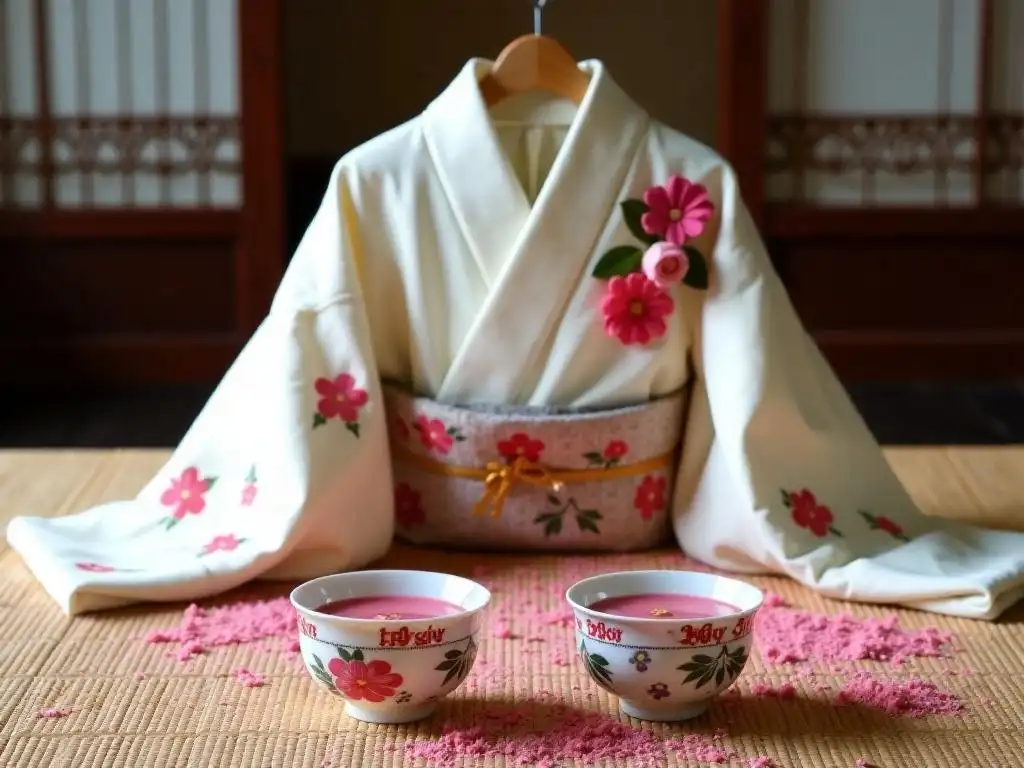
Myth: The Ceremony is Only About Drinking Tea
One prevalent misconception surrounding the Japanese tea ceremony meditation is that it primarily revolves around the act of consuming tea. While the tea itself plays a significant role, this perspective overlooks the rich tapestry of elements that define the ceremony. The Japanese tea ceremony, or Chanoyu, is not just an occasion for enjoying a beverage; it is a complex ritual steeped in history, philosophy, and artistry.
The ceremony embodies a deep appreciation for aesthetics and nature, elevating the mundane act of drinking tea into a profound spiritual experience. Participants engage in meticulous preparation, from selecting the tea utensils to the presentation of the tea. Each movement is deliberate, reflecting the concept of wabi-sabi, which embraces simplicity and the beauty of imperfection. This holistic approach emphasizes the process rather than the end result, inviting practitioners to immerse themselves in the moment.
Reality: A Holistic Practice for Mindfulness
The Japanese tea ceremony meditation serves as a powerful tool for mindfulness, offering practitioners a chance to cultivate inner peace and presence. The ritualistic elements encourage a meditative state where individuals can focus their attention and let go of distractions. Each step in the ceremony—from the preparation of the tea to the sharing of it—creates opportunities for reflection and connection with oneself and others.
Moreover, the environment in which the ceremony takes place is designed to enhance this meditative experience. The choice of a serene tea room, often adorned with natural elements, contributes to a calming atmosphere. The sound of water boiling, the fragrance of tea, and the subtle movements of the host all serve to engage the senses and deepen the meditative state. Participants are invited to appreciate the fleeting beauty of the moment, fostering a sense of gratitude and awareness that extends beyond the ceremony.
Myth: Japanese Tea Ceremony is Exclusively Formal
Another common myth is that the Japanese tea ceremony is solely a formal event reserved for special occasions or high-status gatherings. While it is true that the ceremony can be highly ritualized, this perception fails to acknowledge the flexibility and adaptability inherent in tea practice. The tea ceremony can take many forms, from elaborate formal events to more casual, intimate gatherings among friends.
In informal settings, the essence of the tea ceremony remains intact: the focus on mindfulness, respect, and simplicity. Even in a relaxed atmosphere, the act of preparing and serving tea can be a moment of meditation, allowing participants to engage in the same principles of harmony and tranquility. This adaptability makes the practice accessible to a wider audience, enabling individuals to incorporate its meditative aspects into their daily lives.
Understanding these misconceptions about Japanese tea ceremony meditation is vital for appreciating its true essence. By recognizing the ceremony as a holistic practice that transcends mere tea drinking and formalities, participants can fully embrace the meditative qualities it offers, fostering a deeper connection with themselves and the world around them.
Reality: Flexibility and Personalization in Practice
The notion that the Japanese tea ceremony, or chanoyu, is a rigid, unyielding practice is a common misconception. In reality, the tea ceremony embodies flexibility and personalization, allowing practitioners to adapt the experience to their unique preferences and circumstances. This adaptability is rooted in the principles of wabi-sabi, which celebrates imperfection, transience, and the beauty found in simplicity.
Individual Expression
While there are established protocols in the tea ceremony, these serve as guidelines rather than strict rules. Each host can infuse their personal touch through various elements, such as the choice of tea utensils, the selection of tea types, and the arrangement of the tea room. This individual expression enhances the meditative aspects of the ceremony, making each session a unique journey for both the host and the guests.
Environmental Considerations
The setting for a tea ceremony can significantly influence the experience. Hosts often consider the season, weather, and ambiance when preparing for the ceremony. For example, an outdoor ceremony in spring might use cherry blossoms as a focal point, while a winter ceremony could incorporate warm, cozy elements like a hearth. This attention to the environment allows for a more immersive and contemplative experience, encouraging participants to connect deeply with nature and the present moment.
Adaptation to Participant Needs
The flexibility of the Japanese tea ceremony also extends to the needs and preferences of participants. Hosts may adjust the pace, style, and even the format of the ceremony based on the comfort levels and expectations of their guests. For instance, a more informal gathering may focus on social interaction rather than strict adherence to tradition, while a formal event might emphasize precision and ritual. This adaptability fosters a welcoming atmosphere that enhances the meditative quality of the experience.
Ultimately, the Japanese tea ceremony is a fluid practice that invites personalization and flexibility, allowing individuals to engage with its meditative aspects in a way that resonates with them. This approach not only enriches the experience but also underscores the idea that meditation through the tea ceremony can take many forms, all contributing to one's journey of mindfulness and tranquility.
Recommended Products for Enhancing Your Japanese Tea Ceremony Experience
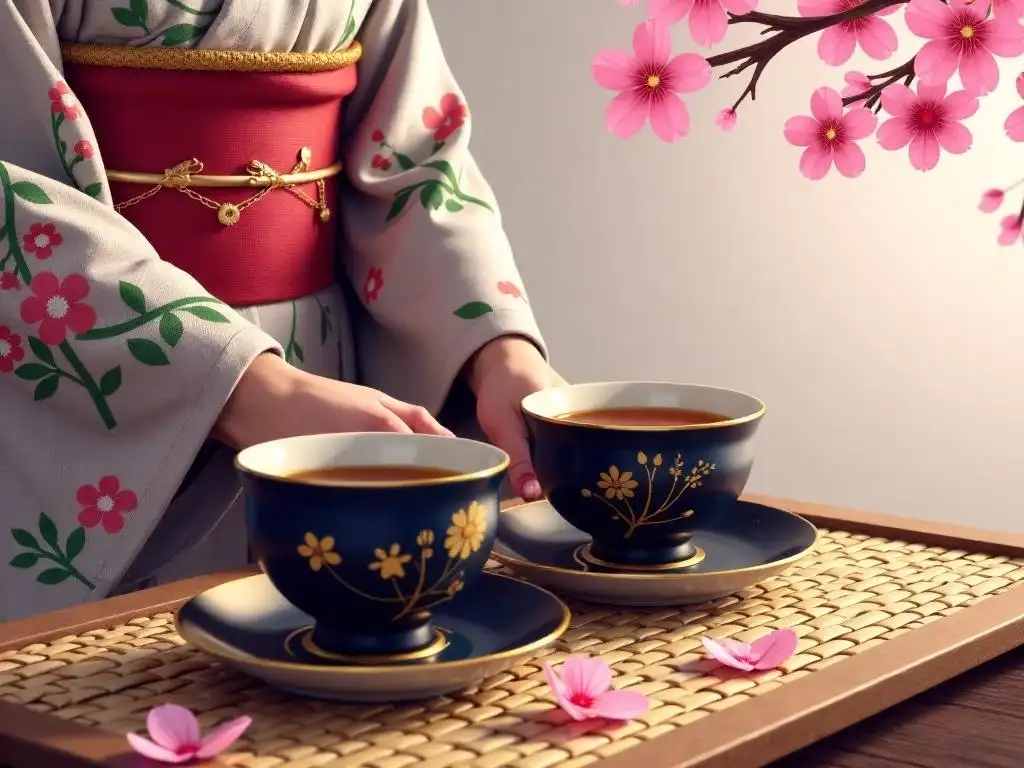
To truly immerse yourself in the meditative aspects of the Japanese tea ceremony, having the right tools and resources is essential. This section highlights recommended products that can elevate your experience and deepen your understanding of this serene practice.
Essential Tools for Practicing Meditation with Tea
Creating a tranquil environment is crucial for a fulfilling Japanese tea ceremony meditation. Here are some essential tools that can enhance your practice:
High-Quality Matcha from Uji, Kyoto
One of the most important elements of the Japanese tea ceremony is the tea itself. Matcha from Uji, Kyoto, is renowned for its vibrant color, rich flavor, and smooth texture. This high-quality green tea powder is not only delicious but also packed with antioxidants, providing a health boost during your meditation.
- Why Uji Matcha?
- Taste: Uji matcha has a unique umami flavor profile that is both sweet and savory.
- Production: The traditional cultivation methods in Uji ensure premium quality.
- Ceremonial Use: Often used in traditional tea ceremonies, it enhances the authenticity of your practice.
Traditional Chawan Sets from Kyo-yaki
A beautiful chawan (tea bowl) is essential for serving matcha during the ceremony. Kyo-yaki chawan, crafted in Kyoto, are celebrated for their exquisite designs and functional shapes that enhance the tea-drinking experience.
- Features of Kyo-yaki Chawan:
- Artistry: Each bowl is handmade, showcasing unique glazes and styles.
- Comfort: Designed for easy handling, allowing you to focus on the meditation aspect.
- Cultural Significance: Using a traditional chawan connects you to the rich history of the tea ceremony.
Books and Resources on Japanese Tea Ceremony Meditation
To deepen your understanding of the Japanese tea ceremony and its meditative qualities, consider exploring the following books and resources:
“The Book of Tea” by Okakura Kakuzō
This classic text delves into the philosophy and aesthetics of tea drinking in Japan. Written by Okakura Kakuzō in the early 20th century, it explores how tea can become a medium for spiritual development and inner peace.
- Key Insights:
- Cultural Reflections: The book provides a glimpse into the cultural significance of tea in Japanese society.
- Meditative Practices: It discusses how the tea ceremony can serve as a form of meditation and self-reflection.
- Philosophical Depth: Kakuzō's insights on simplicity and beauty resonate deeply with the meditative aspects of tea.
Online Courses on Japanese Tea Ceremony from The Urasenke Foundation
For those seeking a more interactive learning experience, the Urasenke Foundation offers online courses that cover various aspects of the Japanese tea ceremony, including its meditative practices.
- Course Highlights:
- Expert Instruction: Learn directly from seasoned practitioners and tea masters.
- Comprehensive Curriculum: Topics range from the history of tea to practical aspects of the ceremony.
- Flexibility: Online format allows you to learn at your own pace, making it accessible for everyone.
By incorporating these recommended products and resources, you can enhance your Japanese tea ceremony meditation, fostering a deeper connection to this beautiful tradition.
Conclusion: Embracing the Meditative Journey of the Japanese Tea Ceremony
The Japanese tea ceremony, known as chanoyu, is not merely an act of preparing and serving tea; it is a profound ritual that embodies the principles of mindfulness and meditation. Through its intricate processes and aesthetic elements, the ceremony offers a space where participants can connect with themselves and the present moment. As we reflect on the meditative aspects of the Japanese tea ceremony, we recognize its capacity to transcend time, fostering a sense of peace and tranquility that resonates deeply in today’s fast-paced world.
The tea ceremony invites participants to engage in a form of meditation that emphasizes simplicity, harmony, and respect. The meticulous attention to detail—from the selection of tea utensils to the precise movements in tea preparation—creates an atmosphere conducive to deep contemplation. This ritualistic approach allows individuals to slow down, appreciate the beauty of their surroundings, and cultivate a heightened awareness of their thoughts and feelings.
The Lasting Impact of Japanese Tea Ceremony on Modern Meditation Practices
The influence of the Japanese tea ceremony extends beyond its cultural roots, impacting contemporary meditation practices both in Japan and around the globe. Many modern mindfulness techniques draw inspiration from the chanoyu, incorporating its principles of focused attention and presence.
- Mindfulness Techniques: The tea ceremony’s emphasis on being present in the moment aligns seamlessly with current mindfulness practices. Participants learn to savor each step of the ritual, fostering an appreciation for the simple act of tea drinking.
- Cultural Adaptations: In various parts of the world, yoga studios and wellness centers have begun to integrate elements of the tea ceremony into their practices, creating hybrid experiences that combine the meditative aspects of tea preparation with traditional mindfulness exercises.
- Therapeutic Benefits: Research has shown that engaging in structured meditative practices, such as those derived from the tea ceremony, can reduce stress and anxiety, improve mental clarity, and enhance overall well-being. This therapeutic potential has led to a resurgence of interest in the practice, providing individuals with tools to navigate the complexities of modern life.
The tea ceremony serves as a reminder that true meditation can be found in the simplest of actions. By adopting the principles of chanoyu, practitioners can cultivate a personal practice that nurtures their mental and emotional health.
Encouragement to Explore and Experience for Yourself
Embarking on a journey to experience the Japanese tea ceremony is an invitation to deepen your understanding of meditation and mindfulness. Whether you are a seasoned practitioner or a curious newcomer, participating in a tea ceremony can offer profound insights into the art of living mindfully.
- Attend a Local Ceremony: Many cultural institutions and tea houses offer classes or demonstrations. Engaging in a traditional tea ceremony allows you to witness the grace of the ritual firsthand and participate in its meditative aspects.
- Practice at Home: You can create your own tea ritual by setting aside time to prepare and enjoy tea mindfully. Focus on the sensory experience—the aroma of the leaves, the warmth of the cup, and the taste of the tea. This practice can serve as an accessible form of meditation.
- Learn the Philosophy: Delve into the teachings surrounding wabi-sabi (the beauty of imperfection) and ichi-go ichi-e (the idea that each moment is unique). Understanding these concepts can enrich your experience, helping you to cultivate a deeper appreciation for the present.
Embrace the meditative journey offered by the Japanese tea ceremony; it is not simply a cultural experience, but a pathway to inner peace and mindfulness. As you explore this rich tradition, you may find that the insights gained extend far beyond the tea cup, enhancing your overall approach to life and meditation.
Frequently Asked Questions
What is the significance of the Japanese tea ceremony in Zen Buddhism?
The Japanese tea ceremony is a ritualistic practice that embodies Zen principles, promoting mindfulness and tranquility through the preparation and consumption of tea.
How does the tea ceremony serve as a form of meditation?
The tea ceremony involves careful attention to detail and intentional movements, allowing participants to experience a meditative state that fosters inner peace and reflection.
Can anyone participate in a Japanese tea ceremony?
Yes, the Japanese tea ceremony is open to anyone interested, as it emphasizes the importance of hospitality and shared experience among participants.
What are the main elements that contribute to the meditative experience of the ceremony?
Key elements include aesthetics, rituals, and the environment, all of which create a serene atmosphere conducive to mindfulness and contemplation.
How can one prepare for a Japanese tea ceremony to enhance their meditative experience?
To enhance the meditative experience, participants should arrive with an open mind, embrace silence, and focus on the present moment throughout the ceremony.
Final Reflection: Embracing Mindfulness Through the Japanese Tea Ceremony
In an age where distractions abound and the pace of life accelerates, the practice of Japanese tea ceremony meditation offers a profound antidote. This ancient ritual, steeped in tradition and mindfulness, invites us to slow down, appreciate the present moment, and cultivate a deeper connection with ourselves and our surroundings. As we navigate the complexities of modern life, the lessons embedded in the tea ceremony resonate now more than ever, reminding us of the beauty found in simplicity and intentionality.
The influence of the Japanese tea ceremony extends far beyond its cultural origins; it has woven itself into the fabric of contemporary mindfulness practices. This ceremony serves as a powerful reminder of the importance of presence and gratitude in our daily lives. It encourages us to pause, breathe, and engage with our environment in a meaningful way. As the renowned Zen master Thich Nhat Hanh once said, Drink your tea slowly and reverently, as if it is the axis on which the world earth revolves.
This perspective invites us to consider how we can integrate such mindfulness into our routines, fostering a sense of peace and clarity amidst the chaos.
As we reflect on the teachings of the Japanese tea ceremony, let us embrace the opportunity to incorporate its meditative aspects into our lives. Take a moment to pause, breathe, and savor the simple act of making and enjoying tea. Consider how you can create your own rituals of mindfulness, allowing the essence of the tea ceremony to inspire a deeper connection with yourself and the world around you. In doing so, we not only honor this beautiful tradition but also cultivate a more mindful and enriched existence.
Embrace Tranquility: Start Your Journey with Tea Today!
Thank you for taking the time to explore the meditative beauty of the Japanese tea ceremony! You've discovered how this timeless tradition promotes mindfulness and connection. Now, it's your turn to bring this tranquility into your own life.
Here’s how you can begin your journey:
- Practice your own mini tea ceremony: Set aside time today to brew your favorite tea with intention. Focus on each step, from boiling the water to savoring the flavors.
- Share your experience: Document your journey on social media or with friends. Inspire others by sharing the peace you found in this practice.
- Join a local tea group or workshop: Connect with fellow tea enthusiasts and deepen your understanding by experiencing the ritual together.
Before you go, consider this: How can you incorporate the principles of mindfulness from the tea ceremony into your daily routine?