
Rituals of Respect: Etiquette and Customs in the Japanese Tea Experience

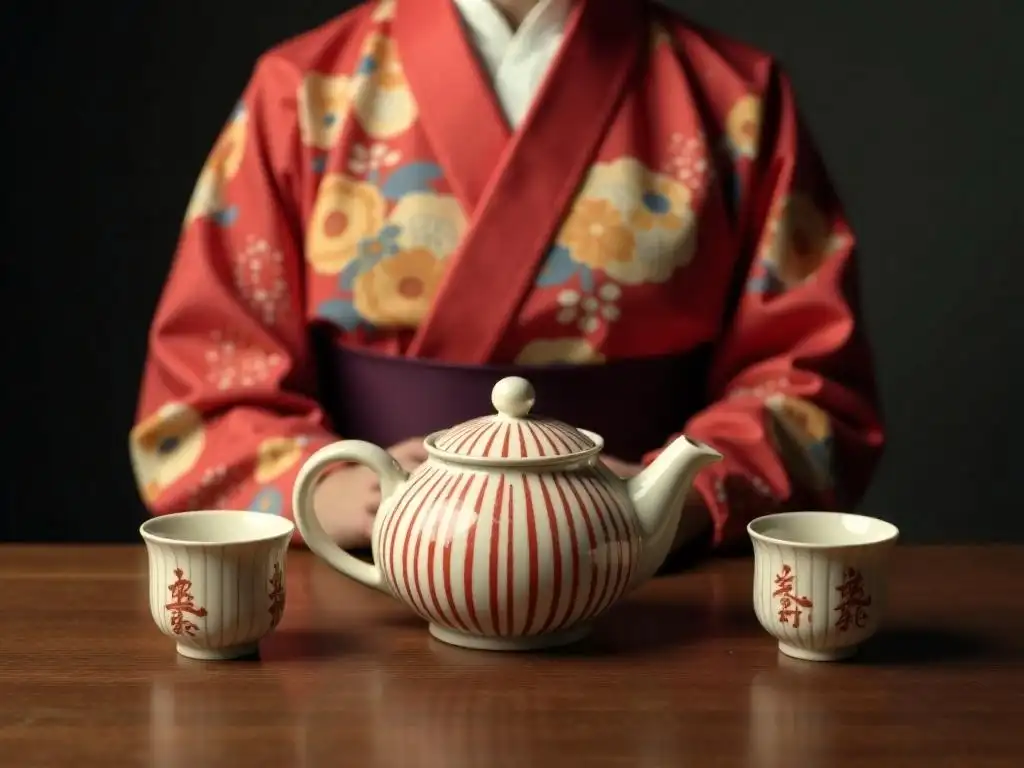
Welcome to Feudal Japan History, where we embark on a captivating journey through the rich tapestry of Japan’s feudal era. Here, we delve into the intricate Japanese tea ceremony etiquette, a practice steeped in tradition and profound respect. As you explore the Rituals of Respect: Etiquette and Customs in the Japanese Tea Experience, prepare to uncover the layers of cultural significance and societal norms that shape this timeless ritual. What secrets lie within each delicate movement of the tea master? Join us as we sip from the cup of history and discover the artistry behind this serene ceremony.
- Introduction to Japanese Tea Ceremony Etiquette
- Historical Context of the Japanese Tea Ceremony
- Key Elements of Japanese Tea Ceremony Etiquette
- Step-by-Step Guide to Japanese Tea Ceremony Etiquette
- Common Misconceptions About Japanese Tea Ceremony Etiquette
- Presenting the Best Tools for a Traditional Japanese Tea Ceremony
- Conclusion: Embracing Japanese Tea Ceremony Etiquette
-
Frequently Asked Questions
- What is the significance of the Japanese tea ceremony etiquette?
- How does the tea ceremony illustrate Japanese culture?
- What are some key customs to observe during a tea ceremony?
- Are there specific gestures or movements that are important in the tea ceremony?
- How can one learn more about the tea ceremony and its etiquette?
- Final Reflection: The Timeless Elegance of Japanese Tea Ceremony Etiquette
- Embrace the Charm of Japanese Tea Rituals Today!
Introduction to Japanese Tea Ceremony Etiquette
The Japanese tea ceremony, known as Chanoyu or Sado, is not merely a ritual of preparing and serving tea; it is a profound cultural experience steeped in centuries of tradition and philosophy. At the heart of this ceremony lies a rich tapestry of etiquette that reflects the values and aesthetics of Japanese society. Understanding Japanese tea ceremony etiquette is essential for anyone wishing to appreciate the nuances of this art form. This article delves into the intricacies of the rituals and customs that define the tea experience, highlighting its significance in fostering respect, harmony, and mindfulness among participants.
The Importance of Etiquette in Japanese Culture
Etiquette in Japan is deeply ingrained in everyday life and is regarded as a reflection of an individual's character and values. In the context of the tea ceremony, etiquette serves multiple functions:
- Respect: Each movement and gesture during the ceremony is designed to convey respect for the host, the guests, and the tea itself. This respect is a fundamental principle that permeates various aspects of Japanese culture.
- Harmony: The tea ceremony emphasizes the importance of harmony (wa) among participants. Proper etiquette ensures that the interactions are smooth and that everyone feels at ease, fostering a sense of unity.
- Mindfulness: The focus on etiquette encourages mindfulness and presence in the moment. Participants are invited to engage fully with the experience, promoting a deeper appreciation for the aesthetics of the ceremony.
By adhering to these customs, individuals not only honor the tradition but also cultivate a serene atmosphere conducive to reflection and connection.
Overview of the Japanese Tea Ceremony
The Japanese tea ceremony is a meticulously choreographed ritual that involves several key elements:
- Preparation: The setting is often a simple, tranquil environment, which reflects the principle of simplicity (kanso). The utensils used, such as the tea bowl (chawan), tea whisk (chasen), and tea scoop (chashaku), are chosen with care, each possessing its own significance.
- The Ritual: The ceremony typically involves the following steps:
- Welcoming Guests: The host greets the guests with a bow, signaling the beginning of the ceremony.
- Serving Tea: The host prepares matcha (powdered green tea) with precision, demonstrating skill and attention to detail. Guests are then served the tea, which they must accept with both hands, indicating gratitude.
- Appreciation: Guests are encouraged to admire the tea bowl and contemplate its aesthetics before taking a sip, embodying the concept of appreciating beauty in simplicity.
- Closing: The ceremony concludes with a final bow, signifying the end of the shared experience. This moment is often laden with a sense of gratitude and reflection.
Understanding these foundational elements will provide valuable insight into the profound significance of Japanese tea ceremony etiquette, allowing participants to engage with the tradition on a deeper level. As we explore the specific customs and practices that shape this unique cultural ritual, readers will gain a comprehensive understanding of its role in Japanese society and its enduring legacy.
Historical Context of the Japanese Tea Ceremony
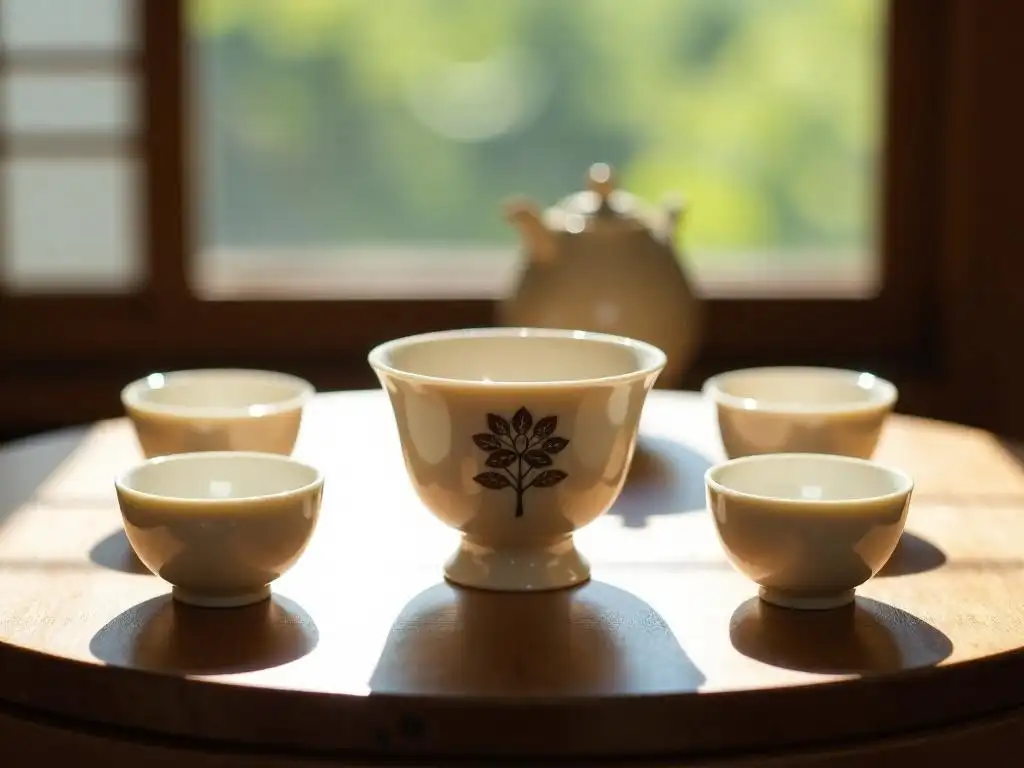
Origins of the Tea Ceremony in Feudal Japan
The roots of the Japanese tea ceremony, known as chanoyu, can be traced back to the 9th century, during the Heian period, when tea was first introduced to Japan from China. The initial consumption of tea was primarily among the elite, including Buddhist monks and aristocrats, who valued it for its stimulating properties and its role in enhancing meditative practices. However, it wasn't until the Kamakura period (1185–1333) that tea began to gain popularity among the samurai class, marking a significant shift in its cultural significance.
The tea ceremony, as we know it today, emerged during the Muromachi period (1336–1573), largely influenced by the philosophy of Zen Buddhism. Zen teachings emphasized simplicity, mindfulness, and a deep appreciation for nature, which became foundational principles in the practice of tea. The pioneering figure in formalizing the tea ceremony was Sen no Rikyū (1522–1591), whose teachings and aesthetics laid the groundwork for the wabi-sabi philosophy, celebrating the beauty of imperfection and transience.
This cultural practice was more than just a ritual for enjoying tea; it was a reflection of the social hierarchies and customs of feudal Japan. The elaborate preparations, the specific utensils used, and the mannerisms during the ceremony all indicated one's social standing and knowledge of the intricate etiquette involved.
Evolution of Tea Ceremony Practices Over Centuries
As Japan transitioned through different historical periods, the tea ceremony evolved significantly in both form and function. During the Edo period (1603–1868), the peace and stability established by the Tokugawa shogunate allowed the tea ceremony to flourish among various social classes. This period saw the formalization of the chanoyu into a highly structured art form, emphasizing rituals that underscored respect and harmony among participants.
The introduction of new tea varieties, such as matcha, along with innovations in tea utensils and the aesthetics of tea rooms, contributed to the evolution of the ceremony. The design of chashitsu (tea rooms) became increasingly important, often reflecting the principles of Zen with minimalist decor and natural materials, fostering a serene environment conducive to contemplation and connection.
In contemporary Japan, the tea ceremony remains a vital cultural practice, although its role has shifted. While traditional etiquette and respect are still paramount, the ceremony is often performed for ceremonial occasions, cultural events, and educational purposes, rather than as a daily routine. The revival of interest in traditional arts has also led to a resurgence in the appreciation of tea ceremony etiquette, as practitioners seek to preserve the rich heritage of this unique cultural experience.
The Japanese tea ceremony has undergone a significant transformation since its inception, evolving from a simple beverage ritual into a profound cultural practice that embodies the essence of Japanese aesthetics, philosophy, and social customs. Understanding the historical context and etiquette involved in the tea ceremony enriches the experience for both practitioners and observers alike, highlighting the deep respect and mindfulness that permeate this revered tradition.
Key Elements of Japanese Tea Ceremony Etiquette
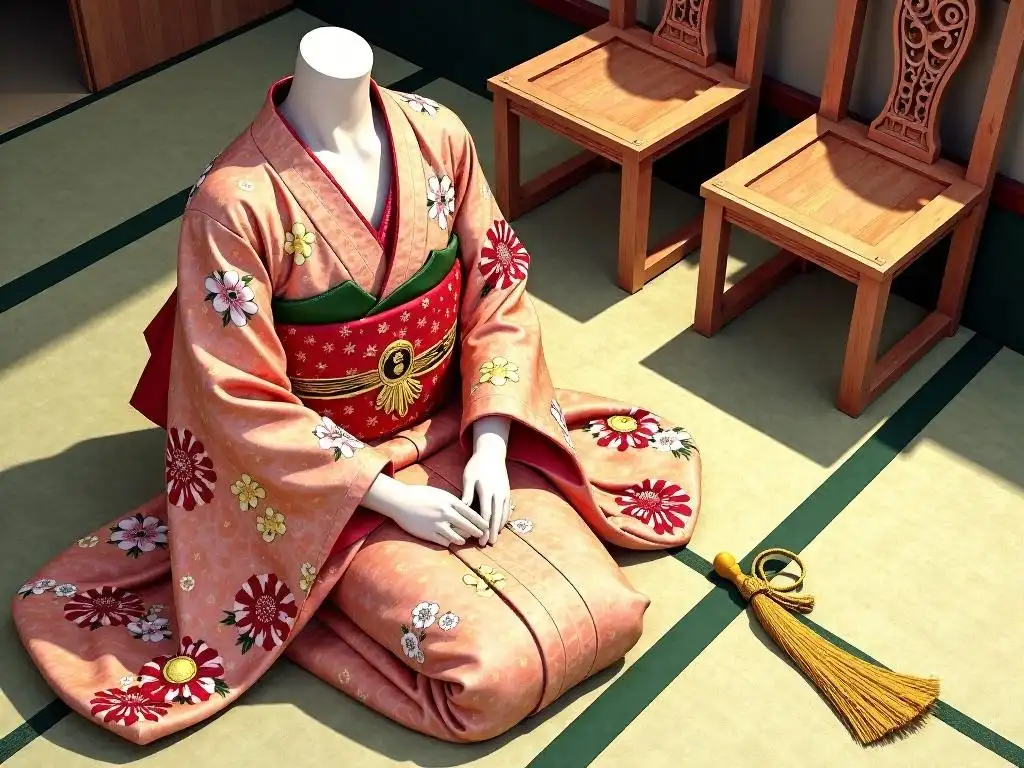
The Japanese tea ceremony, or Chanoyu, embodies a rich tapestry of cultural customs and etiquette that are paramount to its practice. Understanding the key elements of Japanese tea ceremony etiquette is crucial for both hosts and guests to create a harmonious experience that reflects the principles of respect, tranquility, and mindfulness.
The Role of the Host in the Tea Ceremony
The host plays a pivotal role in orchestrating the tea ceremony, ensuring that every detail is meticulously planned to convey respect and honor to the guests. This responsibility encompasses several essential tasks:
Preparing the Tea Room and Tools
Before the ceremony begins, the host prepares the tea room, referred to as chashitsu. This space is typically designed to evoke a sense of serenity and connection with nature. Considerations include:
- Cleanliness: The tea room must be immaculate, symbolizing purity and respect for the guests.
- Aesthetic Arrangement: The host selects seasonal decorations, such as flower arrangements ( ikebana) and scrolls ( kakejiku), to enhance the ambiance.
- Tea Utensils: The tools used in the ceremony, including the tea bowl ( chawan), tea whisk ( chasen), and tea caddy ( natsume), must be polished and arranged neatly, reflecting the host's attention to detail.
Greeting Guests with Respect
The host's greeting is a vital aspect of the ceremony, as it sets the tone for the entire experience. This involves:
- Bowing: A deep bow, known as ojigi, is performed to show respect as guests enter the tea room.
- Offering Refreshments: The host may present seasonal sweets ( wagashi) to guests, which should be offered with both hands as a sign of respect.
- Verbal Acknowledgments: The host expresses gratitude for the guests' presence, often using phrases like "Thank you for coming."
The Role of Guests in the Tea Ceremony
Guests also have specific roles and responsibilities that contribute to the overall atmosphere of the tea ceremony. Their actions reflect their understanding of etiquette and appreciation for the ritual.
Proper Attire for Participants
The attire worn during the tea ceremony significantly impacts the ambiance. Participants are encouraged to wear:
- Kimono: Traditional garments, preferably in subdued colors and made from natural fabrics, align with the ceremony's aesthetic.
- Footwear: Guests should wear geta or zori, ensuring they are clean and in good condition when entering the tea room.
- Minimal Accessories: It is advisable to limit jewelry and other adornments, allowing the focus to remain on the ceremony itself.
The Importance of Silence and Reflection
A key component of the tea ceremony is the emphasis on silence and contemplation. Guests are encouraged to:
- Embrace Stillness: Silence fosters a meditative environment, allowing participants to appreciate the beauty of the moment and the meticulous preparations of the host.
- Reflect: Guests should take time to ponder the significance of the tea, the seasonal elements present, and their own internal state, enhancing the overall experience.
Understanding and practicing Japanese tea ceremony etiquette is essential for both hosts and guests. This ritual not only fosters respect and mindfulness but also creates a profound connection among participants, deepening their appreciation for this exquisite cultural tradition.
Step-by-Step Guide to Japanese Tea Ceremony Etiquette
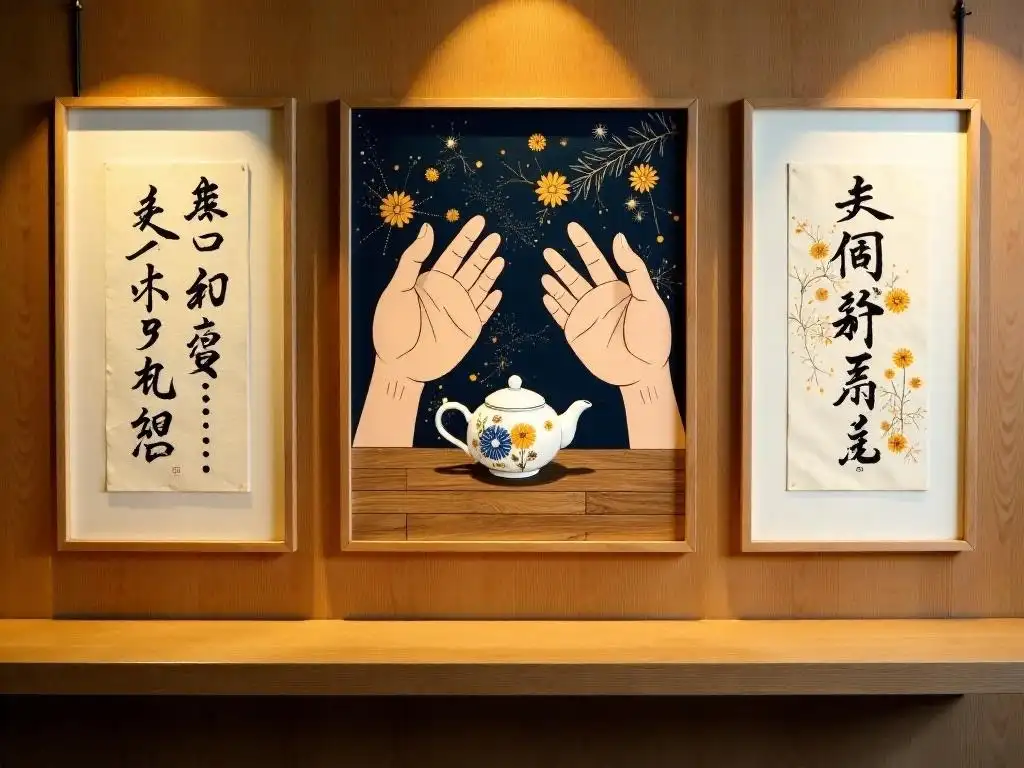
Step 1: Preparation and Setting the Scene
The Japanese tea ceremony, known as chanoyu, is not just about drinking tea; it's a profound ritual reflecting harmony, respect, purity, and tranquility. Proper etiquette is crucial to ensure that the experience is meaningful for both the host and the guests.
Selecting the Right Tea (e.g., Matcha, Sencha)
Choosing the appropriate type of tea is fundamental, as it defines the ceremony's character. Here are a few popular options:
- Matcha: This finely powdered green tea is used in the chanoyu and is known for its vibrant color and rich flavor. It requires specific preparation techniques, making it ideal for formal ceremonies.
- Sencha: A more common type of green tea, sencha is steeped rather than whisked. It can be served in less formal settings and is often enjoyed daily.
When selecting tea, consider the season and occasion. For example, matcha is preferred during colder months, while sencha can be refreshing in warmer weather.
Essential Utensils (e.g., Chawan, Chasen, Chashaku)
The proper utensils are integral to the tea ceremony. Each tool carries its significance and must be handled with care:
- Chawan: The tea bowl, which should be chosen based on the aesthetics of the ceremony and the season.
- Chasen: The bamboo whisk used to blend matcha with hot water. It should be held delicately to achieve frothy tea.
- Chashaku: The bamboo scoop used to measure matcha. Its design reflects the simplicity and beauty of the ceremony.
Each utensil should be cleaned and arranged with intent. The host should ensure everything is in its rightful place, embodying the principles of respect and mindfulness.
Step 2: The Ritual of Serving Tea
The serving of tea is a sacred part of the ceremony, encapsulating the spirit of hospitality and the beauty of the moment.
How to Properly Whisk Matcha
Whisking matcha is an art form that requires precision and practice. Here’s a step-by-step guide:
- Heat Water: Start with water heated to about 80°C (176°F). Avoid boiling water as it can scorch the tea.
- Add Matcha: Use the chashaku to place 1-2 scoops of matcha into the chawan.
- Pour Water: Add about 70-100ml of hot water to the matcha.
- Whisk: Hold the chasen and whisk the mixture in a zigzag motion, creating froth. Aim for a smooth, creamy consistency.
It's essential to whisk with intention, as this embodies the respect and attention given to the tea and guests.
Serving Techniques and Customs
When serving tea, following the proper customs enhances the experience for everyone involved:
- Presentation: Serve the chawan with both hands, presenting it to the guest with the front of the bowl facing them. This reflects respect and gratitude.
- Receiving the Tea: Guests should accept the bowl with both hands, acknowledging the host's efforts.
- Drinking Etiquette: Before sipping, it is customary to admire the bowl's design. Turn the bowl slightly clockwise to avoid drinking from the front, which is reserved for the host.
After enjoying the tea, guests should place the bowl back on the tatami mat and thank the host, reinforcing the bond of respect and appreciation cultivated during the ceremony.
By adhering to these rituals and customs, participants can fully engage in the spiritual and cultural essence of the Japanese tea ceremony, ensuring a profound experience rooted in tradition and etiquette.
Step 3: Enjoying the Tea
The moment of sipping the tea is a significant part of the Japanese tea ceremony, bringing together the elements of mindfulness, appreciation, and connection. This step is not merely about drinking tea; it's an experience that embodies respect for the tradition, the host, and the beverage itself.
During this phase, participants are encouraged to fully engage their senses, relishing the aroma, texture, and flavor of the tea. The act of drinking is performed with grace, allowing each participant to appreciate the moment.
The Correct Way to Drink Tea
Drinking tea in the Japanese tea ceremony is a process steeped in custom and etiquette. Here are the essential steps to follow:
- Hold the Chawan Correctly:
- Use your right hand to hold the tea bowl (chawan) and place your left hand underneath for support. This demonstrates care and respect for the vessel.
- Rotate the Bowl:
- Before taking a sip, gently rotate the bowl clockwise about 90 degrees. This action allows you to avoid drinking from the front, which is considered respectful to the host and the aesthetics of the tea bowl.
- Take a Moment to Appreciate:
- Pause to admire the color and texture of the tea. This moment of silence allows you to center your thoughts and appreciate the tea's beauty.
- Sip Gracefully:
- Bring the bowl to your lips and take a small sip. It’s customary to slurp slightly, as this is a sign of enjoyment in Japanese culture. However, be mindful not to create excessive noise.
- Finish with Respect:
- After enjoying your tea, place the bowl back down in the same orientation as it was given to you, signifying that you have completed the experience.
By following these steps, you not only partake in the tea but also honor the customs that have been passed down through generations.
Expressing Gratitude and Appreciation
Once you have finished your tea, it is crucial to express your gratitude to the host. This is a vital aspect of the tea ceremony, reflecting the harmony and respect central to Japanese culture. Here’s how to properly convey your appreciation:
- Verbal Thanks:
- A simple phrase like "Gochisousama deshita" (ごちそうさまでした), meaning "Thank you for the meal" or "Thank you for the tea," is commonly used. This expression shows respect not only for the tea but also for the effort the host put into the ceremony.
- Bowing:
- A slight bow while thanking the host is a traditional gesture that further emphasizes your appreciation. This action signifies humility and acknowledgment of the host's hospitality.
- Complimenting the Host:
- If you enjoyed the tea, mentioning its flavor or the beauty of the tea utensils can enhance the appreciation. Compliments create a positive atmosphere and reinforce the relationship between the host and guests.
- Engaging in Conversation:
- After the tea is finished, engaging in light conversation can also be a way to express gratitude. Discussing the experience, the preparation, or the specific type of tea enjoyed can deepen the connection and show your interest in the ceremony.
By expressing gratitude and appreciation, you help to cultivate the spirit of the tea ceremony, fostering connections and honoring the rich traditions of this cultural practice.
Common Misconceptions About Japanese Tea Ceremony Etiquette
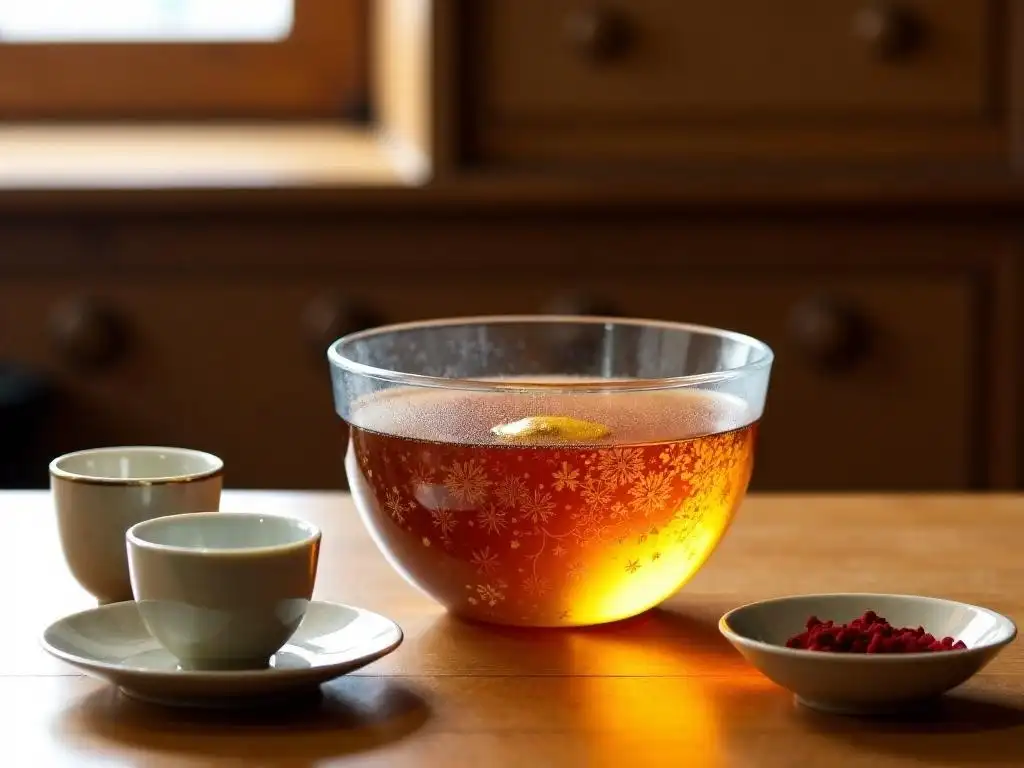
Myth: The Tea Ceremony is Just About Drinking Tea
One of the most prevalent misconceptions about the Japanese tea ceremony, or chanoyu, is that it is merely an occasion for consuming tea. While sipping matcha is certainly a key component of the experience, this perspective overlooks the ceremony's profound cultural significance and ritualistic elements.
The tea ceremony is a meticulously choreographed event that embodies the principles of harmony, respect, purity, and tranquility—known as the four principles of tea. Each aspect of the ceremony, from the selection of utensils to the arrangement of the tea room, is steeped in symbolism. For instance, the use of seasonal flowers and the specific type of tea bowl used can reflect the time of year and the host's careful consideration of aesthetics.
Moreover, the act of preparing and serving tea is laden with meaning. The gestures performed by the host demonstrate meticulous attention to detail, emphasizing the importance of mindfulness in each movement. This ritual invites participants to engage not only with the tea but also with the shared moment, fostering a deeper connection to one another and the environment.
Reality: A Deep Spiritual and Cultural Experience
The Japanese tea ceremony transcends the act of drinking tea; it is a holistic experience that encapsulates various cultural and spiritual dimensions. The ceremony often serves as a form of meditation, encouraging participants to be fully present in the moment. This meditative aspect is crucial, as it aligns with Zen Buddhist principles, promoting peace and reflection.
During a traditional tea ceremony, every detail is intentional. The setting, the seasonal decorations, the utensils used, and even the sound of the water boiling contribute to an atmosphere of serenity and respect. The host’s role is not merely to serve tea but to create an environment where guests can connect with nature and each other, fostering a sense of community.
Additionally, the tea ceremony can involve a series of gestures and words that express gratitude and humility. The host's bowing and the way tea is presented and received are infused with etiquette that honors both the guests and the tradition itself. This deep respect for the process and the participants creates an enriching experience that goes far beyond mere consumption.
Myth: You Need to Be an Expert to Participate
Another common myth is that only experts or those well-versed in chanoyu can participate in a Japanese tea ceremony. This misconception can deter many from experiencing this rich cultural practice, leading them to believe that they must have extensive knowledge or prior training to enjoy the ceremony.
In reality, the tea ceremony is designed to be inclusive and welcoming to all participants. While there are indeed formal protocols and etiquette to follow, these can be learned quickly and often add to the richness of the experience. Many tea masters are dedicated to sharing their knowledge with newcomers, emphasizing that the essence of the ceremony is found in the spirit of participation rather than expertise.
The beauty of the tea ceremony lies in its adaptability. Regardless of prior experience, participants are encouraged to embrace the moment, appreciate the aesthetics, and engage with the rituals. Each ceremony is unique, shaped by the host, the season, and the participants themselves. This means that everyone can find joy and meaning in the experience, regardless of their background in tea preparation or Japanese customs.
The Japanese tea ceremony is a multifaceted cultural practice that invites individuals to connect with history, art, and each other. By dispelling these common myths, we can foster a greater understanding and appreciation for this beautiful tradition.
Reality: All Are Welcome to Experience the Ceremony
One of the most pervasive misconceptions about the Japanese tea ceremony is that it is an exclusive ritual reserved for a select few, such as the elite or individuals with extensive training in traditional practices. In reality, the essence of the tea ceremony is rooted in hospitality, inclusivity, and the appreciation of the present moment.
The practice of the tea ceremony, or chanoyu, is designed to welcome guests from all walks of life. While it is true that there are formalities and specific etiquette involved, these practices serve to enhance the experience rather than create barriers. The host’s role is to create an environment that fosters peace and harmony, encouraging attendees to share in the moment together.
Moreover, many tea schools and practitioners actively promote workshops and public events aimed at introducing newcomers to the basics of the ceremony. This outreach emphasizes that understanding and appreciating the tea ceremony is not limited to those with previous experience or cultural background.
The warmth of the tea ceremony lies in its core values, which include respect ( sonkei), purity ( seijaku), and tranquility ( shizentai). These principles invite participation and appreciation, allowing everyone to engage in the art of tea regardless of their familiarity with Japanese culture.
Thus, the notion that one must be formally trained or belong to a certain social class to enjoy the tea ceremony is misleading. Instead, the ceremony stands as a symbol of unity and mutual respect, where everyone is encouraged to partake in the tranquil experience of sharing tea.
Presenting the Best Tools for a Traditional Japanese Tea Ceremony
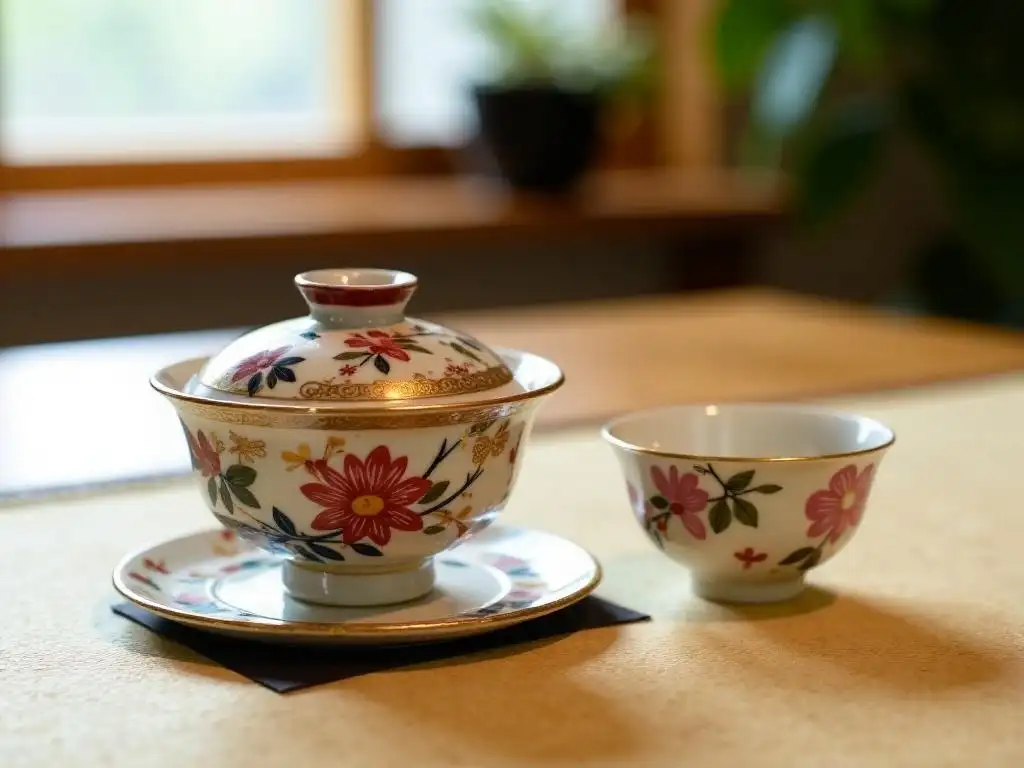
Recommended Utensils for Authentic Tea Ceremony Experience
The Japanese tea ceremony, known as chanoyu, is an intricate ritual steeped in history and tradition. To fully embrace this experience, it is essential to use the proper utensils that not only serve functional purposes but also embody the art of tea preparation. Here are some of the most recommended tools:
- Chawan: The tea bowl, essential for serving matcha.
- Chasen: The bamboo whisk, crucial for mixing matcha.
- Chashaku: The bamboo scoop, used to measure matcha.
- Kyusu: The teapot, typically used for brewing sencha.
- Fukusa: The silk cloth, used for purifying utensils.
Each of these tools has its own significance and contributes to the overall aesthetics and harmony of the tea ceremony.
Ryuichi Chawan – The Essential Tea Bowl
The Ryuichi chawan (龍一茶碗) is more than just a tea bowl; it is a masterpiece of craftsmanship. Traditionally crafted from clay, this bowl showcases the unique characteristics of the tea served within it.
- Design: The Ryuichi chawan often features understated elegance, with natural hues that reflect the beauty of the surrounding environment.
- Functionality: Its shape is designed to facilitate the whisking of matcha, allowing for the perfect froth.
- Cultural Significance: Using a Ryuichi chawan connects participants to centuries of tea-drinking tradition, making it an irreplaceable element in any authentic tea ceremony.
Chasen Bamboo Whisk – The Perfect Whisk for Matcha
The chasen (茶筅) is a finely crafted bamboo whisk specifically designed for preparing matcha. Its unique structure plays a vital role in achieving the right consistency and flavor of the tea.
- Material: Made from a single piece of bamboo, the chasen typically has 80 to 100 prongs, allowing for effective whisking.
- Technique: When using a chasen, the proper technique involves a gentle, rhythmic motion to create a frothy top on the matcha.
- Care: To maintain its quality, the chasen should be rinsed with warm water after use and allowed to air dry, ensuring it remains in optimal condition for future ceremonies.
High-Quality Teas to Use in Your Ceremony
Choosing the right tea is crucial for an authentic Japanese tea ceremony. The quality of the tea not only affects the flavor but also enhances the overall experience.
Enshi Matcha – A Taste of Authenticity
Enshi matcha (燕市抹茶) is renowned for its vibrant color and rich flavor, making it a top choice for traditional tea ceremonies.
- Origin: Grown in the Enshi region of Hubei, this matcha is celebrated for its unique cultivation methods.
- Flavor Profile: Enshi matcha offers a deep umami taste, complemented by a hint of sweetness, making it ideal for whisking.
- Health Benefits: Rich in antioxidants, this type of matcha is not only delicious but also promotes overall health and well-being.
Uji Sencha – The Classic Japanese Green Tea
Uji sencha (宇治煎茶) represents the quintessential experience of Japanese green tea, known for its delicate balance of flavor and aroma.
- Region: Cultivated in the Uji district, famous for producing some of Japan's finest teas.
- Brewing Techniques: The proper brewing temperature and time are crucial, typically around 70-80°C for 1-2 minutes, to extract the best flavor.
- Tasting Notes: Uji sencha is characterized by its grassy aroma and subtle sweetness, making it a refreshing choice for any tea ceremony.
Incorporating these recommended utensils and high-quality teas into your Japanese tea ceremony will not only enhance the authenticity of the experience but also deepen your appreciation of this beautiful tradition.
Conclusion: Embracing Japanese Tea Ceremony Etiquette
The Japanese tea ceremony, or chanoyu, is more than just a ritual for preparing and serving tea; it is a profound expression of respect, harmony, and mindfulness. At its core, the etiquette surrounding the Japanese tea ceremony serves to reinforce the values of humility and appreciation for nature.
Adhering to proper Japanese tea ceremony etiquette not only honors the tradition but also enhances the experience for both the host and the guests. This cultural practice emphasizes the importance of every action, from the way tea is prepared to how it is served, reflecting a deep-seated respect for the people and the environment involved.
The Importance of Respect and Tradition
Respect is the cornerstone of the Japanese tea ceremony. Every gesture, from bowing to the careful handling of utensils, conveys a message of appreciation and humility.
- Bowing: A fundamental aspect of etiquette, bowing signifies respect to both the host and the guests. The depth and duration of the bow can vary based on the relationship and context, underscoring the social hierarchy that is deeply ingrained in Japanese culture.
- Utensil Handling: The handling of tea utensils is done with utmost care. For example, the tea whisk ( chasen) is treated delicately, as it is considered a sacred tool. Guests are expected to appreciate this reverence by mirroring careful handling when passing or receiving utensils.
- Silence and Mindfulness: Silence during certain moments of the ceremony allows participants to reflect on the beauty of their surroundings and the significance of the tea being served. This mindfulness is crucial, as it aligns with the aesthetic principles of wabi-sabi, which finds beauty in imperfection and transience.
Adhering to these customs not only enriches the experience but also fosters a deeper sense of connection among participants, creating a serene atmosphere where everyone can enjoy the moment.
Inviting Others to Experience the Japanese Tea Ceremony
Inviting others to partake in a Japanese tea ceremony is an invitation to share in a rich cultural experience steeped in history and tradition. The etiquette involved in this invitation is equally significant and serves to enhance the communal aspect of the ceremony.
- Formal Invitations: Typically, invitations to a tea ceremony are extended in a formal manner, often accompanied by a written note that reflects the season and the essence of the gathering. This conveys the host's genuine intent and the importance of the occasion.
- Preparation for Guests: Before guests arrive, the host prepares not only the tea and utensils but also the environment. This includes selecting appropriate decor that reflects the season, ensuring that the space is clean and inviting, and even considering the arrangement of seating to foster a sense of inclusivity.
- Greeting Guests: Upon arrival, the host greets guests with a warm welcome, which may include a bow, and offers them a place to sit. This greeting is an essential part of Japanese tea ceremony etiquette, establishing a welcoming atmosphere and setting the tone for the experience.
- Engagement During Ceremony: Throughout the ceremony, guests are encouraged to engage with the experience actively. This includes admiring the utensils, participating in conversation about the tea, and expressing gratitude for the host's efforts.
By inviting others to experience the Japanese tea ceremony, one not only shares a cup of tea but also a moment of tranquility and connection, allowing participants to embrace the depth of Japanese culture and etiquette. This shared experience becomes a tapestry of respect, tradition, and mindfulness that lingers long after the last sip is taken.
Frequently Asked Questions
What is the significance of the Japanese tea ceremony etiquette?
The Japanese tea ceremony etiquette embodies the principles of respect, purity, tranquility, and harmony. It reflects deep cultural values and emphasizes the importance of mindfulness in social interactions.
How does the tea ceremony illustrate Japanese culture?
The tea ceremony serves as a cultural ritual, showcasing traditional art forms, such as tea preparation, flower arrangement, and calligraphy. It highlights the aesthetic appreciation of simplicity and nature in Japanese culture.
What are some key customs to observe during a tea ceremony?
During the ceremony, guests should show gratitude, sit upright, and avoid making loud noises. It’s also customary to handle tea utensils with care and to express appreciation for both the host and the tea.
Are there specific gestures or movements that are important in the tea ceremony?
Yes, the gestures in the tea ceremony are deliberate and symbolic. For instance, the way tea is served and received reflects respect and humility, emphasizing the connection between the host and guests.
How can one learn more about the tea ceremony and its etiquette?
To delve deeper into the tea ceremony and its etiquette, one can attend workshops, read expert articles, or engage with practitioners. These resources provide valuable insights into the cultural significance and detailed practices involved.
Final Reflection: The Timeless Elegance of Japanese Tea Ceremony Etiquette
In a world that often prioritizes speed and efficiency, the Japanese tea ceremony serves as a poignant reminder of the beauty found in mindfulness and respect. This intricate ritual, steeped in centuries of tradition, not only highlights the importance of etiquette but also invites us to slow down and appreciate the moment. As we navigate our fast-paced lives, the lessons embedded in the Japanese tea experience resonate more than ever, urging us to cultivate a deeper connection with ourselves and those around us.
The impact of the Japanese tea ceremony extends far beyond the act of brewing and serving tea; it influences our cultural and social landscapes by fostering a sense of community and harmony. In our increasingly fragmented society, the principles of respect and mindfulness inherent in this ritual offer a pathway to greater understanding and connection. Tea is a religion of the art of life.
– Kakuzō Okakura. This quote encapsulates the essence of the tea ceremony, reminding us that the act of sharing tea is not merely about the beverage itself, but about the relationships we nurture and the respect we extend to one another.
As we reflect on the teachings of the Japanese tea ceremony, I invite you to consider how you can incorporate these values into your daily life. Take a moment to pause, to engage mindfully with your surroundings, and to show respect to those you encounter. By embracing the elegance of tea ceremony etiquette, we can create a ripple effect of kindness and appreciation that transcends cultural boundaries. Let us honor the wisdom of this tradition and allow it to inspire us to cultivate a more respectful and harmonious world.
Embrace the Charm of Japanese Tea Rituals Today!
Thank you for diving into the intricate world of Japanese tea etiquette with us! We hope you’ve gained valuable insights into this beautiful cultural practice. Now, it’s time to take your appreciation for the Japanese tea experience to the next level.
Here’s how you can get involved:
- Join a Local Tea Ceremony: Seek out a nearby class or event where you can learn and experience the traditional tea ceremony firsthand. Engaging with the community can deepen your understanding and appreciation!
- Explore the Art of Tea Preparation at Home: Try your hand at preparing matcha or other traditional Japanese teas, embracing the techniques you’ve learned. Don’t forget to invite your friends for a delightful tea tasting!
- Share Your Journey: Document your experiences with Japanese tea customs on social media or join discussion forums. This can spark conversations that bring history and culture to life.
What unique experiences or insights have you had that transformed your understanding of cultural rituals? We invite you to share your thoughts below!