
The Rituals of Sake: Exploring Traditional Drinking Customs in Japan

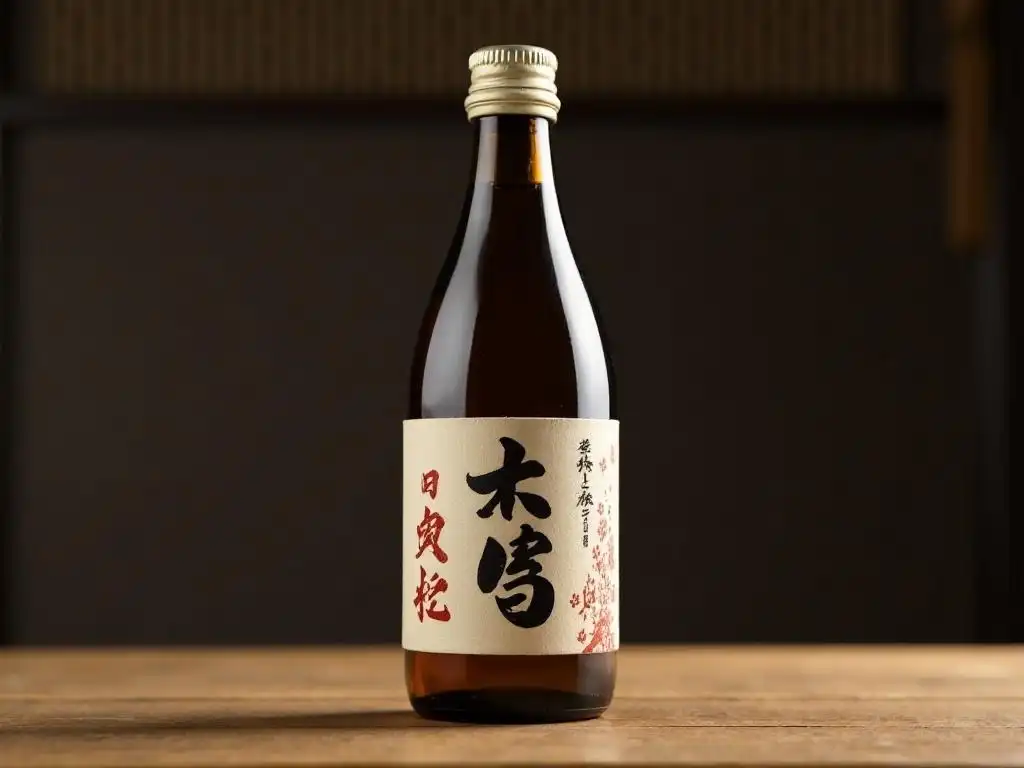
Welcome to Feudal Japan History, where we invite you to embark on an enlightening journey through the captivating tapestry of Japan's feudal era. Here, we delve deep into the rich historical, cultural, and societal aspects that shaped this unique period. In our featured article, “The Rituals of Sake: Exploring Traditional Drinking Customs in Japan,” we invite you to discover the intricate ceremonies that elevate the humble drink into a revered tradition.
What secrets lie within these age-old rituals? Join us as we uncork the fascinating world of traditional Japanese sake rituals and inspire your curiosity to explore further into the heart of feudal Japan!
Introduction to Traditional Japanese Sake Rituals
Sake, often referred to as "nihonshu" in Japan, is more than just a beverage; it embodies a rich tapestry of cultural significance and historical tradition that has evolved over centuries. The rituals surrounding sake are deeply intertwined with Japanese customs, spirituality, and social interactions, particularly during the feudal era. This article delves into the traditional Japanese sake rituals, exploring their origins, meanings, and the societal roles they played in shaping Japan's culinary landscape.
From ceremonial offerings to communal drinking practices, sake rituals reflect the values and beliefs of a society that revered this rice-based spirit. Understanding these customs provides a window into the past, revealing how feudal Japan's intricate social hierarchy and cultural practices influenced the way sake was consumed and celebrated. As we explore these traditions, we will uncover the nuances of sake rituals, their evolution over time, and their continued relevance in contemporary Japan.
The Cultural Context of Sake in Feudal Japan
In feudal Japan, sake was not merely a drink; it was a symbol of hospitality, purity, and celebration. Its significance extended beyond personal enjoyment and entered the realm of spiritual and social rituals. The act of drinking sake was often accompanied by elaborate customs that highlighted its importance in various aspects of life, from religious ceremonies to festivals and family gatherings.
Social Hierarchy and Sake Consumption
The consumption of sake varied significantly across different social classes during the feudal period. For instance:
- Samurai Class: Sake played a crucial role in the lives of samurai, often consumed during formal banquets and rituals. It was seen as a way to forge alliances and seal agreements, thus enhancing its status as a symbol of camaraderie and loyalty.
- Peasants and Common Folk: While sake was also enjoyed by the common people, their drinking customs were less formalized. Festivals and communal celebrations often featured sake, fostering a sense of community and shared joy.
Sake in Religious Rituals
Sake held a sacred place in Shinto ceremonies, where it was offered to deities as a form of purification. This practice, known as "sake shinji," involved elaborate rituals where sake was poured into ceremonial vessels and offered at shrines, symbolizing a connection between the earthly and the divine. The act of drinking sake during these rituals was believed to purify the soul and invite good fortune.
Conclusion
As we unravel the layers of traditional Japanese sake rituals, we will gain insights into how these practices not only shaped social interactions but also reflected the spiritual and cultural ethos of feudal Japan. Stay tuned as we continue our exploration of these fascinating customs!
Key Elements of Traditional Japanese Sake Rituals
Traditional Japanese sake rituals are steeped in history, reflecting the deep cultural significance of this beverage in Japanese society. These rituals often involve specific practices that highlight respect, purity, and the communal aspects of drinking. Key elements include:
- Presentation and Serving: Sake is typically served in special vessels, such as tokkuri (a sake bottle) and ochoko (small cups). The way sake is poured and received is a crucial part of the ritual, demonstrating respect and attention to detail.
- Ceremonial Contexts: Sake rituals often take place during important events, such as weddings, festivals, and religious ceremonies. Each context has its unique practices and significance, connecting the drink to cultural heritage.
- Purity and Spirituality: The preparation and consumption of sake are often imbued with spiritual meaning. The act of drinking sake can be seen as a way to connect with ancestors and divine spirits, reinforcing the idea that sake transcends mere consumption.
- Community and Sharing: Sake is frequently consumed in a communal setting, emphasizing togetherness and hospitality. The act of pouring for others before oneself reinforces social bonds and respect among participants.
The Sake Ceremony: Steps and Significance
The sake ceremony, or shinji-sake, is a formal ritual that highlights the reverence for sake and its role in Japanese culture. The steps involved include:
- Preparation: The ceremony often begins with the careful selection of sake, considering its quality and the occasion. Special sake may be chosen for significant events.
- Ritual Cleansing: Before the ceremony, participants may engage in purification rites, such as washing hands and rinsing mouths, symbolizing the removal of impurities.
- Offering: In many ceremonies, sake is offered to deities or ancestors. This may involve placing the sake on a specially designated altar, accompanied by prayers or wishes for blessings.
- Pouring and Drinking: The host pours sake into the cups, often with both hands, and presents them to guests. Guests then receive the cups with two hands, showcasing mutual respect.
- Celebration and Toasting: A toast, known as kampai, is traditionally made before drinking, marking the start of the celebration. This is often followed by sharing stories or expressing gratitude.
The significance of the sake ceremony lies in its embodiment of harmony, respect, and the connection between the physical and spiritual worlds.
Types of Sake Used in Rituals
Different types of sake are utilized in traditional rituals, each contributing unique flavors and meanings to the ceremonies:
- Junmai Sake: Pure rice sake with no added alcohol, often used in ceremonial settings for its clean and rich flavor. It symbolizes authenticity and purity.
- Ginjo and Daiginjo Sake: These premium sakes are polished to a higher degree, resulting in delicate and complex flavors. They are commonly reserved for special occasions, reflecting the significance of the event.
- Nigori Sake: A cloudy, unfiltered sake that can be sweet and fruity. Its unique appearance and flavor make it a popular choice for celebrations and informal gatherings.
- Sparkling Sake: Increasingly popular in modern ceremonies, this type of sake offers a celebratory feel, often used in weddings and festive events for its effervescence.
Each type of sake not only enhances the flavor experience but also adds depth to the cultural and ceremonial significance of the rituals.
Traditional Japanese Sake Drinking Customs
Traditional Japanese sake drinking customs are characterized by a rich tapestry of etiquette, communal practices, and culinary pairings. Understanding these customs is essential for appreciating the cultural nuances surrounding sake consumption.
Etiquette and Manners in Sake Drinking
Sake drinking is governed by a set of etiquette rules that enhance the experience and show respect among participants. Key practices include:
- Pouring for Others: It is customary to pour sake for others rather than oneself. This act reinforces social bonds and demonstrates thoughtfulness.
- Two-Handed Receiving: When receiving sake, it is polite to use both hands to accept the cup. This gesture signifies respect for the person pouring.
- Avoiding Overindulgence: While enjoying sake, moderation is encouraged. Guests are expected to be mindful of their consumption, ensuring a harmonious atmosphere.
- Expressing Gratitude: It is polite to express appreciation before and after drinking, often with phrases like kanpai (cheers) or gochisousama deshita (thank you for the meal).
- Respecting the Space: Sake drinking often occurs within a specific setting, such as a home or shrine. Participants should be respectful of the environment and the significance of the occasion.
These etiquette rules enhance the social experience of drinking sake, ensuring that participants engage harmoniously and respectfully.
Pairing Sake with Traditional Japanese Cuisine
Pairing sake with traditional Japanese cuisine is an art that enhances both the food and the drink. Sake's diverse flavor profile allows for various pairings, each enhancing the dining experience:
- Sushi and Sashimi: Light and crisp sakes, such as Ginjo, complement the delicate flavors of sushi and sashimi. The subtlety of the sake allows the freshness of the fish to shine.
- Tempura: The rich, fried flavors of tempura pair well with Junmai sake, which offers a robust taste that balances the dish's richness.
- Grilled Dishes: Heavier grilled dishes, such as teriyaki or yakitori, can be well-suited for richer sakes like Junmai Ginjo, which can stand up to the bold flavors.
- Pickled Vegetables: The acidity of pickled vegetables, or tsukemono, finds harmony with slightly sweet Nigori sake, enhancing the overall palate experience.
- Desserts: For traditional Japanese sweets, such as mochi or dorayaki, sweeter sakes can create a delightful pairing, adding layers of flavor to the meal.
The practice of pairing sake with food enriches the dining experience, highlighting the synergy between flavors and the cultural significance of both cuisine and beverage.
Rituals and Festivals Celebrating Sake

In Japan, sake is not merely a beverage; it is deeply embedded in the cultural and spiritual fabric of the nation. Various rituals and festivals celebrate this traditional drink, reflecting its significance in Japanese society. One of the most notable festivals is Shunki Saito-sai, held in spring, where sake is offered to the gods as a symbol of gratitude and to ensure a bountiful harvest. During this festival, participants dress in traditional attire and carry sake barrels to the local shrine, where they partake in rituals designed to purify the sake and invoke blessings.
Another prominent celebration is Tōka Ebisu, where locals honor Ebisu, the god of prosperity, by offering sake. This festival takes place in January and is marked by lively street markets and traditional performances, creating a vibrant atmosphere where sake flows freely. These festivals not only highlight the communal aspect of sake drinking but also reinforce a sense of identity and continuity in Japanese culture.
The Role of Sake in Japanese Festivals
Sake plays a crucial role in various Japanese festivals, often serving as a medium for connection between the divine and the earthly. Its consumption is accompanied by ceremonial practices that elevate its status from a simple drink to a sacred offering. During festivals like Sanja Matsuri, one of Tokyo's largest Shinto festivals, sake is offered to deities to express reverence and gratitude. Participants engage in rituals that include “shinji,” where sake is blessed, and then shared among festival-goers, signifying unity and community spirit.
The Hinamatsuri, or Doll Festival, is another occasion where sake plays a role. Families prepare special sake offerings for the dolls representing girls, wishing for their health and happiness. This practice reflects the intertwining of sake with personal and communal celebrations, highlighting its importance in marking significant life events.
Sake Tasting Events: A Modern Take on Tradition
In contemporary Japan, sake tasting events have emerged as a popular way to appreciate the diversity of this traditional beverage. These events often take place in breweries, restaurants, and even online, allowing enthusiasts to explore a variety of sake types, flavors, and brewing techniques. Participants learn about the history and cultural significance of sake, as well as the meticulous processes involved in its production.
These tastings often include food pairings, showcasing how sake complements different dishes, particularly traditional Japanese cuisine. The modern sake tasting experience emphasizes education and appreciation, often led by sake sommeliers who share insights about tasting notes, aromas, and the craftsmanship behind each brew. This evolution of sake rituals reflects a growing interest in preserving traditional practices while adapting them to contemporary lifestyles.
Myths and Realities About Japanese Sake Rituals
Japanese sake rituals are often shrouded in myths and misconceptions that can obscure the true nature of this cultural practice. Understanding these myths is essential to appreciate the depth and significance of sake in Japanese traditions.
Debunking Common Misconceptions About Sake Drinking
One common misconception is that sake must be served hot to be enjoyed. While warm sake, or kanzake, is indeed popular, particularly in colder months, many sakes are best enjoyed chilled or at room temperature to fully appreciate their delicate flavors. This highlights the importance of serving sake according to its type and quality.
Another myth is that sake is simply "rice wine." In reality, sake is brewed more like beer, involving fermentation processes that transform rice starches into sugars, which are then converted into alcohol. This distinction is crucial as it emphasizes the complexity of sake production.
Additionally, some people believe that sake should only be consumed during special occasions. However, in Japan, sake is enjoyed daily, often accompanying meals, social gatherings, and casual get-togethers. This reflects a more integrated role of sake in everyday life, emphasizing its versatility and cultural significance beyond mere ritualistic consumption.
Conclusion: The Enduring Legacy of Traditional Japanese Sake Rituals
The rituals surrounding traditional Japanese sake are not merely practices of consumption; they are profound expressions of culture, history, and social connection. These rituals have evolved over centuries, reflecting the values and beliefs of various eras in Japan's feudal past. The meticulous preparation, presentation, and consumption of sake serve as a testament to the artistry and craftsmanship that underpin this age-old beverage.
Today, while modernity has altered many aspects of Japanese life, the enduring legacy of sake rituals remains a vital part of Japan’s cultural identity. Events such as weddings, festivals, and ceremonies still incorporate these rituals, ensuring that they are passed down through generations. The traditional custom of kanpai (cheers) continues to foster camaraderie and community, reinforcing social bonds in both formal and informal settings.
Moreover, as global interest in sake grows, these traditional rituals are being embraced not just in Japan but around the world. This blend of heritage and contemporary appreciation allows sake rituals to flourish, ensuring their relevance in today’s fast-paced society. As we continue to explore and celebrate the nuances of traditional Japanese sake rituals, we recognize their role in connecting us to the past while enriching our present and future experiences.
Additional Resources for Exploring Sake Culture
For those interested in delving deeper into the rich tapestry of sake culture and its traditions, a variety of resources are available. Here is a list of helpful materials:
- Books:
- Sake: A Modern Guide to the World of Sake by John Gauntner
- The Book of Sake: A Connoisseurs' Guide by Philip Harper
- Sake: The History, Stories, and Craft of Japan’s Iconic Drink by Masahiro Yoshitake
- Documentaries:
- The Birth of Sake – A documentary that highlights the traditional brewing process.
- Sake: The Japanese Art of Brewing – This film explores the nuances of sake production and culture.
- Online Courses:
- Sake Education Council offers online courses ranging from beginner to advanced levels, covering the history, production, and tasting of sake.
- Workshops:
- Many sake breweries in Japan offer hands-on workshops where participants can learn about the brewing process and traditional sake customs.
- Cultural Experiences:
- Participating in local sake tastings or joining sake pairing dinners can provide firsthand experience of the drinking customs associated with sake.
These resources serve as gateways to understanding and appreciating the sophisticated world of traditional Japanese sake rituals, enriching both knowledge and appreciation of this iconic beverage.
- Introduction to Traditional Japanese Sake Rituals
- The Cultural Context of Sake in Feudal Japan
- Key Elements of Traditional Japanese Sake Rituals
- Traditional Japanese Sake Drinking Customs
- Rituals and Festivals Celebrating Sake
- Myths and Realities About Japanese Sake Rituals
- Conclusion: The Enduring Legacy of Traditional Japanese Sake Rituals
- Additional Resources for Exploring Sake Culture
Frequently Asked Questions
What are traditional Japanese sake rituals?
Traditional Japanese sake rituals refer to ceremonial practices associated with the preparation and consumption of sake, often performed during festivals, weddings, and other significant events.
How is sake traditionally served in Japan?
Sake is traditionally served in small ceramic cups called ochoko or wooden boxes known as masu. The serving process often involves specific rituals, such as pouring for others as a sign of respect.
What role do sake rituals play in Japanese culture?
Sake rituals play a crucial role in Japanese culture by symbolizing hospitality, respect, and the connection between people. They help to reinforce social bonds during gatherings.
Are there specific occasions for performing sake rituals?
Yes, sake rituals are commonly performed during celebrations such as New Year (Shogatsu), weddings, and shrine festivals. These events often feature unique customs that highlight the significance of sake.
How do modern practices differ from traditional sake rituals?
Modern sake practices may be less formal and more casual compared to traditional rituals. However, many still honor the cultural significance of sake by incorporating elements of classic customs into contemporary celebrations.
Final Reflection: The Enduring Spirit of Traditional Japanese Sake Rituals
The exploration of traditional Japanese sake rituals remains profoundly relevant today, as these customs not only celebrate a rich cultural heritage but also foster a sense of community and connection. In a world increasingly dominated by fast-paced lifestyles and digital interactions, the slow, intentional practices surrounding sake drinking remind us of the importance of mindfulness and the joy found in shared experiences. These rituals are more than mere traditions; they are a bridge to understanding the values and artistry that define Japanese culture.
The impact of these sake rituals extends beyond the act of drinking; they shape social interactions and cultural identity. From the ceremonial pouring of sake to the heartfelt toasts shared among friends and family, these customs encapsulate the essence of hospitality and respect. As we engage with these traditions, we are reminded of the words of Japanese author Junichiro Tanizaki: There is no place like home, and no home like a Japanese home.
This sentiment resonates deeply, as the rituals surrounding sake create a sense of belonging and continuity, connecting generations through shared moments of celebration and reflection.
As we conclude this exploration, I invite you to reflect on the role that rituals play in your own life. Consider how you can incorporate elements of mindfulness and connection into your daily routines, whether through the enjoyment of sake or other meaningful practices. Let the spirit of traditional Japanese sake rituals inspire you to create your own moments of joy and togetherness, fostering deeper relationships and a greater appreciation for the beauty of cultural traditions. Embrace the opportunity to celebrate life's simple pleasures, and in doing so, honor the rich tapestry of human experience that binds us all.
Unveil the Traditions of Sake and Embark on Your Own Journey!
Thank you for immersing yourself in the fascinating world of sake and Japan’s drinking customs! You've uncovered the beauty of these rituals, and now it's time to explore further and make the experience your own.
Here are some simple yet rewarding steps you can take next:
- Join a local sake tasting event to experience authentic flavors and deepen your appreciation of Japanese culture.
- Research a specific type of sake and prepare a traditional meal that pairs beautifully with it—surprise your friends with your culinary skills!
- Share your newfound insights on social media or in conversation with friends; let them know how sake rituals reflect deeper cultural values.
What aspect of sake traditions are you most curious about exploring for yourself?