
The Craft of Sushi Making: Skills Passed Down Through Generations

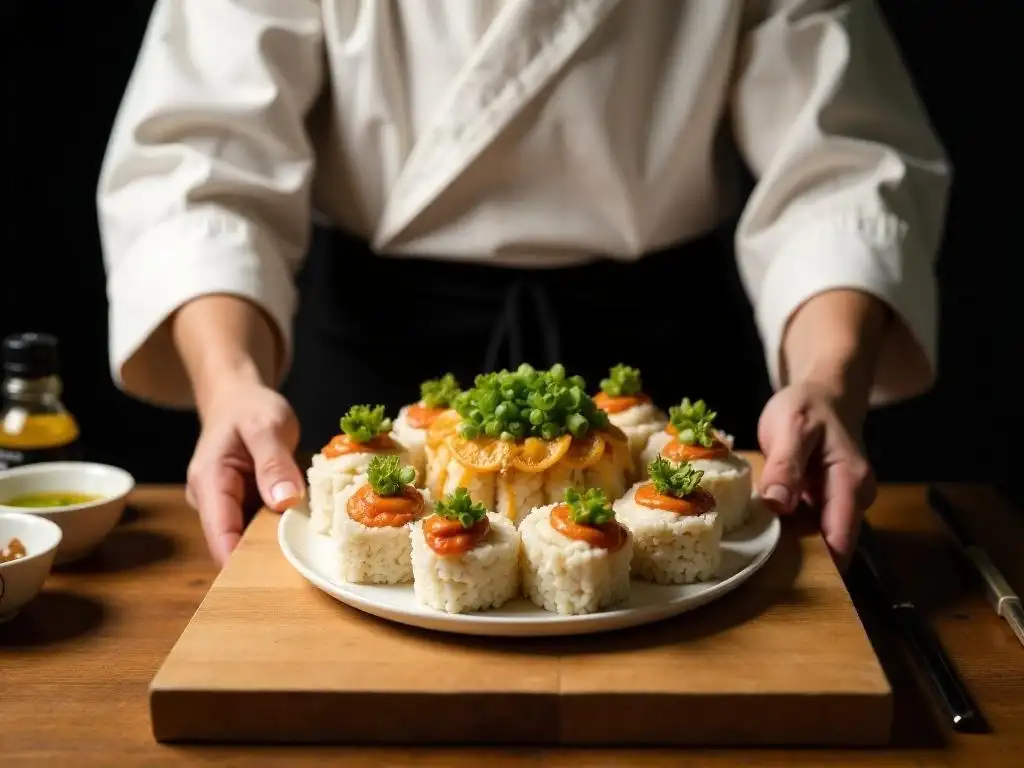
Welcome to Feudal Japan History, where we embark on a fascinating journey through the intricate tapestry of Japan's feudal era. Here, we dive deep into the historical, cultural, and societal aspects that shaped this remarkable period. Today, we invite you to uncover the secrets of traditional sushi making techniques—a craft that has been lovingly passed down through generations. What makes sushi not just a dish, but a true art form? Join us as we unravel the culinary heritage of Japan, sparking your curiosity and inspiring your palate to explore further.
Introduction to Traditional Sushi Making Techniques
Sushi, a culinary art that has captivated palates around the world, is deeply rooted in Japan's rich feudal history. The craft of sushi making is not merely a method of food preparation but a tradition that embodies the values, skills, and flavors passed down through generations. Understanding traditional sushi making techniques offers a glimpse into the historical context and the cultural significance of this beloved dish.
In feudal Japan, the preparation of sushi was influenced by the socio-economic circumstances of the time, including the availability of fresh fish, rice cultivation practices, and local culinary customs. The techniques involved in creating sushi, from the selection of ingredients to the intricate methods of preparation, reflect a profound respect for nature and a commitment to quality.
This article delves into the various traditional sushi making techniques that have evolved over centuries, exploring not only the mechanics of sushi preparation but also the stories and philosophies that underpin these practices. As we journey through the world of sushi, we will uncover how these techniques have been preserved, adapted, and celebrated, ensuring that the art of sushi making continues to thrive in modern culinary culture.
Join us as we explore the timeless craft of sushi making, shedding light on the skills that have been cherished and honed by sushi chefs throughout Japan's history, and learn how these traditions remain relevant in today's global culinary landscape. 🍣
The Origins of Sushi Making Techniques
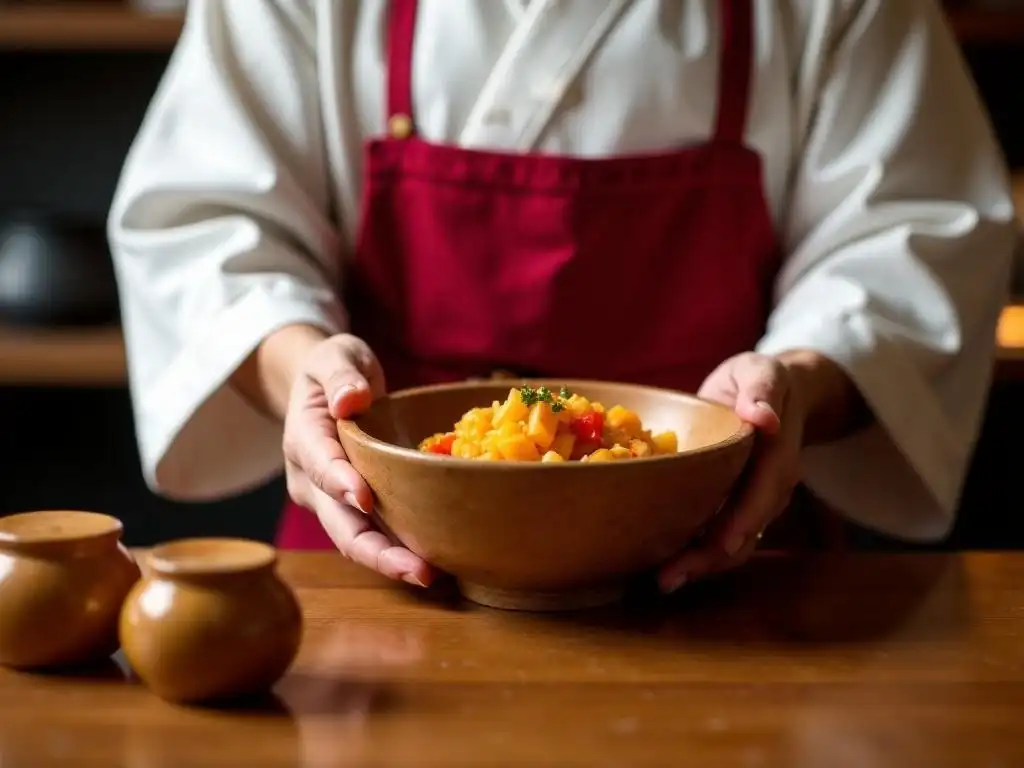
Sushi, a quintessential element of Japanese cuisine, has a rich history that reflects the evolution of culinary practices throughout the centuries. The origins of sushi making techniques can be traced back to ancient methods of preserving fish, which gradually transformed into the refined art form we recognize today. This journey from preservation to culinary delight not only illustrates Japan's innovative spirit but also highlights the cultural significance of food within its society.
The Birth of Sushi: From Preservation to Culinary Art
The earliest form of sushi, known as narezushi, dates back to the 8th century. This method involved fermenting fish with rice to preserve it, allowing for longer storage. The rice was discarded after fermentation, and only the fish was consumed. Over time, this technique evolved, leading to the emergence of sushi as we know it today.
- Narezushi: A fermented fish dish that utilized rice as a preservative.
- Sukiyaki Sushi: A later development where the rice was no longer discarded but instead eaten alongside the fish.
- Edomae Sushi: Emerging in the Edo period (1603-1868), this style incorporated fresh fish and vinegared rice, marking a significant shift toward the sushi we enjoy today.
The transition from narezushi to Edomae sushi reflects broader societal changes, including urbanization and the availability of fresh ingredients. As trade routes expanded, so did the accessibility of various fish species, allowing for a diversification of flavors and techniques.
Influences on Traditional Sushi Making Techniques
Traditional sushi making techniques are deeply influenced by a variety of factors, including regional ingredients, seasonal availability, and cultural practices. The art of sushi making is not just about preparing food but also encompasses a philosophy that emphasizes respect for nature and the ingredients involved.
Key Influences:
- Regional Variations: Different regions in Japan have their unique styles of sushi, influenced by local seafood and culinary customs.
- Kansai-style: Known for its use of vinegared rice and emphasis on balance.
- Kanto-style: Features more raw fish and a focus on presentation.
- Seasonality: The Japanese concept of shun, or seasonal eating, plays a crucial role in sushi making. Chefs strive to use ingredients at their peak freshness, which enhances the flavor profile of the dish.
- Cultural Practices: The rituals surrounding sushi consumption, such as omakase dining, where patrons entrust the chef to create a bespoke menu, highlight the deep-rooted respect for craftsmanship and tradition.
- Technique Mastery: Traditional sushi making techniques require years of training and practice. Key skills include:
- Rice Preparation: Mastering the perfect balance of vinegar, salt, and sugar for sushi rice.
- Fish Slicing: Understanding the anatomy of the fish to achieve precise cuts enhances both texture and presentation.
The craft of sushi making is a beautiful amalgamation of historical practices, regional influences, and cultural philosophies. As traditional sushi making techniques continue to be passed down through generations, they not only preserve the culinary heritage of Japan but also offer a glimpse into the artistry that defines this beloved cuisine.
Essential Skills in Traditional Sushi Making
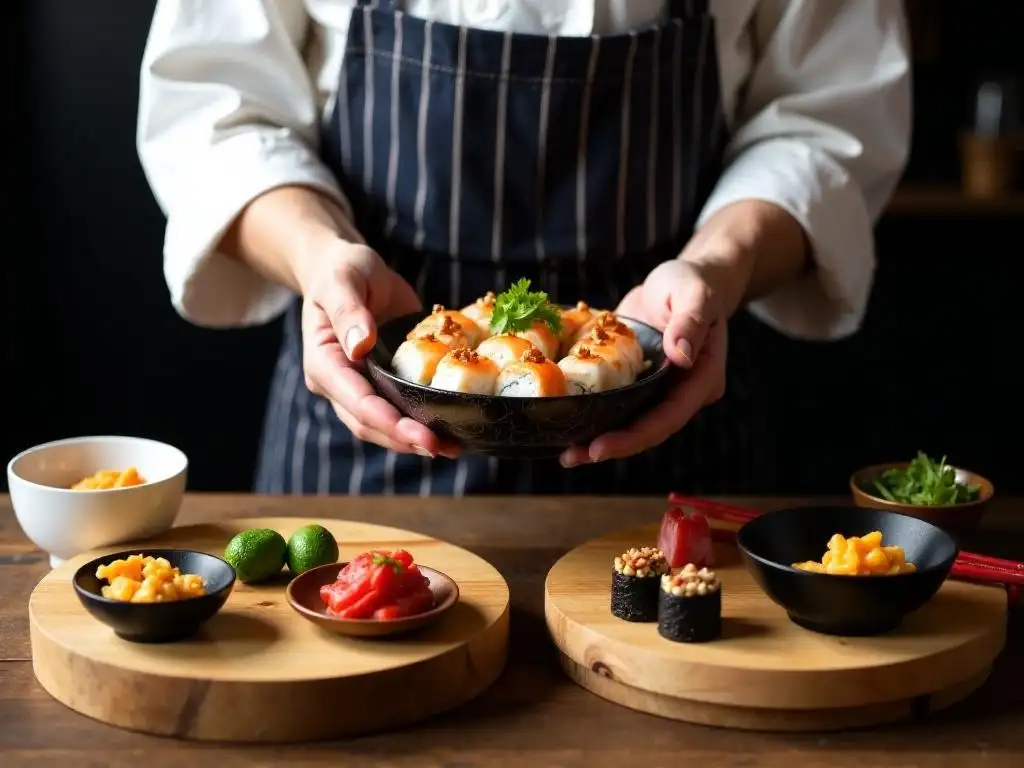
Mastering the Art of Rice Preparation
At the core of traditional sushi making lies the meticulous preparation of rice, known as shari or sushi rice. This foundational component is essential for achieving the perfect balance of flavor and texture in sushi. The process begins with selecting the right type of rice, typically short-grain Japanese rice, which has a higher starch content than other varieties. This allows it to clump together, creating the ideal texture for sushi.
- Washing and Soaking: The first step in rice preparation involves rinsing the rice under cold water to remove excess starch. This step is crucial as it prevents the rice from becoming overly sticky. After washing, the rice is soaked in water for about 30 minutes, allowing the grains to absorb moisture, which results in even cooking.
- Cooking: Once soaked, the rice is cooked using a rice cooker or a pot. The standard ratio for cooking sushi rice is 1 cup of rice to 1.2 cups of water. After cooking, the rice must rest for about 10 minutes to ensure an even distribution of moisture.
- Seasoning: The final step involves seasoning the cooked rice with a mixture of rice vinegar, sugar, and salt. The balance of these ingredients is crucial, as it enhances the flavor without overpowering the natural taste of the rice. Expert sushi chefs often use a wooden paddle to gently fold the seasoning into the rice, ensuring that each grain is coated without crushing it.
Knife Skills: The Heart of Sushi Craftsmanship
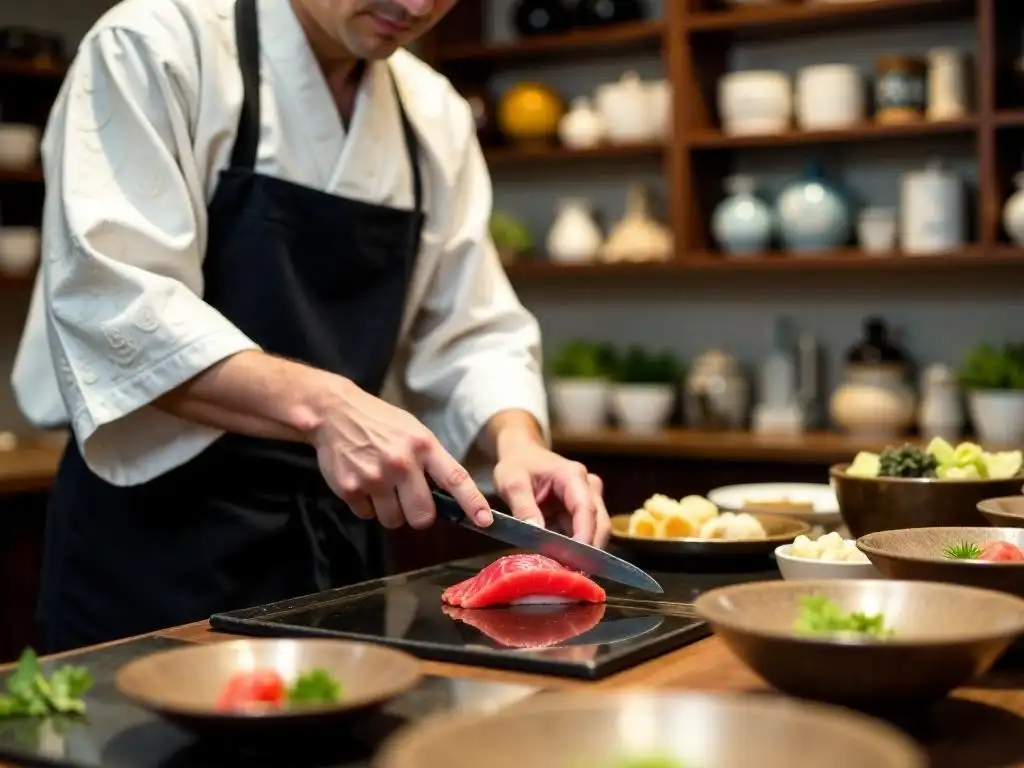
Knife skills are a hallmark of traditional sushi making, reflecting the precision and artistry inherent in Japanese culinary practices. A sushi chef, or itamae, must master a variety of cutting techniques to prepare fish and other ingredients effectively.
- Types of Knives: Sushi chefs utilize specific knives, such as the yanagiba for slicing fish and the deba for filleting. Each knife is designed for particular tasks, and the choice of knife is integral to achieving the desired texture and presentation of the sushi.
- Slicing Techniques: Proper slicing technique involves using long, smooth strokes to create thin, even slices of fish. This is essential for maintaining the fish's integrity and flavor. The angle and pressure applied during slicing can significantly affect the final presentation and taste.
- Presentation: A skilled sushi chef also understands the importance of aesthetics in sushi making. The way ingredients are cut and arranged on the plate can enhance the overall dining experience. For example, sashimi is often sliced at an angle to showcase the fish’s natural patterns and colors, making the dish visually appealing.
The Importance of Fresh Ingredients
In traditional sushi making, the quality of ingredients is paramount. Freshness not only affects the taste of the sushi but also its safety and overall quality. The following factors highlight the significance of using fresh ingredients:
- Fish Quality: Sushi chefs often source fish directly from local markets or coastal areas. Common fish used in sushi include tuna, salmon, and mackerel. The fish should be firm to the touch, with a clean, ocean-like smell. Using freshly caught fish maximizes flavor and texture, providing a superior dining experience.
- Seasonal Ingredients: Traditional sushi making emphasizes the use of seasonal ingredients, known as shun. This practice ensures that the chef utilizes the freshest produce available, which is not only tastier but also more sustainable. For example, certain fish varieties peak in flavor at specific times of the year, making their use in sushi particularly desirable.
- Local Produce: In addition to seafood, traditional sushi often incorporates local vegetables and condiments. Ingredients such as wasabi, ginger, and cucumbers should also be fresh and of high quality to complement the sushi effectively.
Mastering traditional sushi making techniques involves a deep understanding of rice preparation, knife skills, and the importance of fresh ingredients. Each of these skills contributes to the artistry and precision required to create authentic sushi, ensuring that this beloved culinary tradition continues to thrive.
The Cultural Significance of Sushi Craft
Sushi is more than just a culinary delight; it is a profound reflection of Japan's cultural heritage and societal evolution. The craft of sushi making embodies a confluence of history, tradition, and artistry that has been perfected over centuries. This section delves into the cultural dimensions of sushi, illustrating its role not only as food but as a symbol of Japanese identity and craftsmanship.
The Role of Sushi in Feudal Japanese Society
During the feudal era, sushi evolved significantly, influenced by the socio-political dynamics of the time. Initially, sushi was a method of preserving fish, using fermented rice to enhance preservation. This practice, known as narezushi, allowed communities to store fish for extended periods, which was crucial during times of scarcity. As the demand for fresh, flavorful food grew, the preparation methods shifted, leading to the development of edomae-zushi, which emphasized fresh ingredients and quick preparation.
- Social Status Indicator: In feudal Japan, sushi was often associated with the samurai class. The preparation and consumption of sushi were considered a mark of sophistication and culinary expertise. This elevated sushi beyond mere sustenance to a fine art, reflective of one's social standing.
- Cultural Exchange: The trade routes established during this era facilitated the exchange of ingredients and techniques between regions. For example, the introduction of vinegared rice from the Kanto region transformed sushi into a more palatable and accessible dish, allowing it to reach broader audiences.
- Religious and Ritual Significance: Sushi also found its place in various religious practices and festivals. The use of seasonal ingredients in sushi preparation was closely tied to Shinto beliefs, where the changing seasons were celebrated through food offerings. This ritualistic aspect reinforced the bond between nature and culinary practices.
Passing Down Traditional Sushi Making Techniques
The art of sushi making is steeped in tradition, with techniques that have been meticulously passed down through generations. These traditional sushi making techniques are not just about creating a dish; they encapsulate a philosophy of respect for ingredients, meticulous attention to detail, and the importance of seasonal cycles.
- Training and Apprenticeship: Aspiring sushi chefs often undergo rigorous training under the guidance of seasoned masters. This apprenticeship model is essential in preserving the craft, as students learn the nuances of ingredient selection, knife skills, and presentation. The process can take many years, emphasizing the dedication required to master the craft.
- Ingredient Sourcing: The foundation of traditional sushi making lies in the quality of ingredients. Sushi chefs prioritize seasonal and local produce, understanding that freshness is paramount. For instance, the selection of fish varies not only by season but also by the specific waters from which they are sourced, reflecting a deep connection to nature.
- Techniques and Tools: Traditional sushi making techniques involve specific methods such as nikiri (slicing fish), shari (preparing sushi rice), and neta (the topping). Each technique has its own set of tools, such as the yanagiba knife for slicing fish and the hangiri for mixing rice. Mastery of these tools is critical in achieving the perfect balance of flavors and textures.
- Cultural Rituals in Preparation: The preparation of sushi is often accompanied by rituals that reflect respect for the ingredients and the process. For example, the practice of washing hands before preparation is a symbolic gesture recognizing the importance of hygiene and mindfulness in cooking.
The craft of sushi making is a rich tapestry of cultural significance and traditional techniques that have shaped Japanese culinary identity. Understanding these aspects not only enhances appreciation for sushi but also underscores its status as a cherished art form within Japan's feudal history.
Modern Interpretations of Traditional Sushi Making Techniques
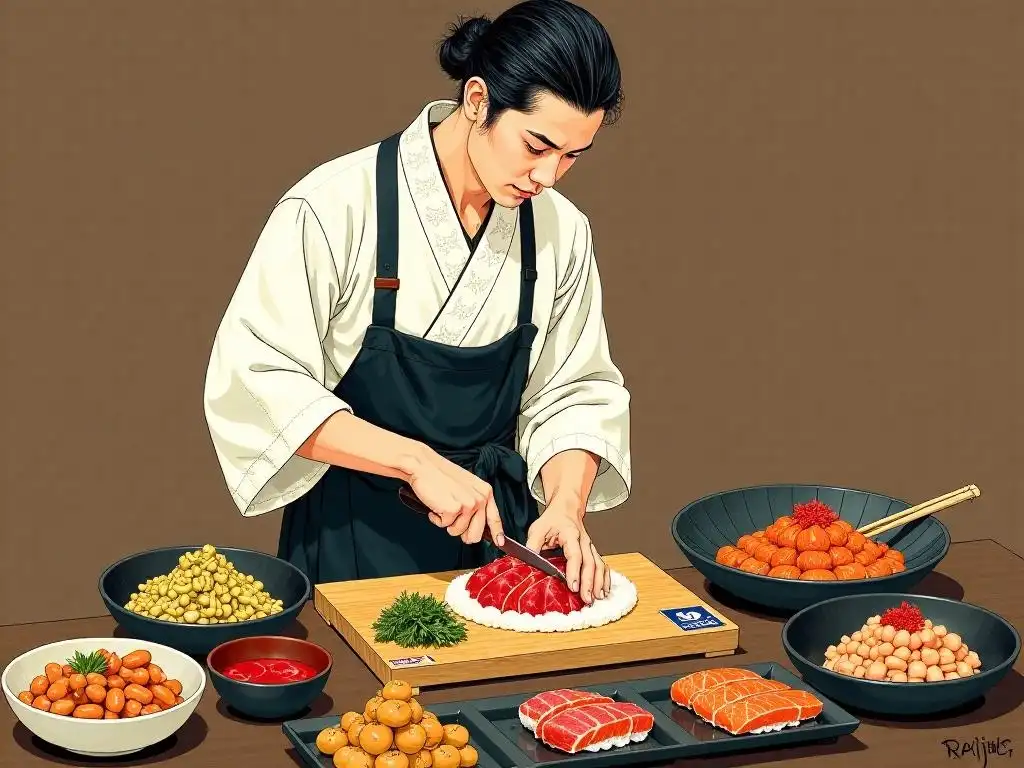
The art of sushi making has evolved significantly since its origins in feudal Japan. While traditional sushi making techniques remain revered, modern interpretations have emerged, influenced by globalization and culinary innovation. These adaptations not only showcase the versatility of sushi but also highlight the dynamic interplay between tradition and contemporary culinary practices.
Fusion Sushi: Blending Cultures and Styles
Fusion sushi represents a fascinating intersection of diverse culinary traditions, where sushi chefs experiment with ingredients and techniques from around the world. This innovative approach often results in unique flavor profiles and presentations that challenge the conventional understanding of sushi.
Some popular examples of fusion sushi include:
- California Roll: Perhaps the most famous fusion sushi, this roll substitutes traditional fish with avocado and crab meat, appealing to Western palates.
- Tempura Sushi: Incorporating the Japanese technique of tempura, this variant features battered and fried ingredients, adding a crunchy texture to the sushi experience.
- Sushi Burritos: A modern street food phenomenon, sushi burritos wrap traditional sushi ingredients in large seaweed sheets, creating a portable and filling meal.
This blending of cultures not only reflects the creativity of chefs but also demonstrates how traditional sushi making techniques can be adapted to contemporary tastes. However, while fusion sushi offers exciting new flavors, it often raises questions about authenticity and the preservation of traditional practices.
Preserving Tradition in Contemporary Sushi Restaurants
In contrast to the fusion movement, many contemporary sushi restaurants strive to maintain the essence of traditional sushi making techniques. These establishments often emphasize the importance of quality ingredients, meticulous preparation, and the artistry involved in crafting sushi.
Key elements of traditional sushi preservation include:
- Omakase Experience: This dining style allows chefs to showcase their skills and creativity by curating a personalized menu for guests, often emphasizing seasonal ingredients and traditional techniques.
- Sourcing Authentic Ingredients: Many chefs prioritize sourcing fish and rice that adhere to traditional standards, ensuring that the sushi reflects its historical roots.
- Training and Apprenticeship: In Japan, the apprenticeship model remains a cornerstone of sushi education. Aspiring chefs often train for years under the guidance of a master, absorbing the nuances of traditional techniques.
The commitment to preserving these practices is evident in restaurants that emphasize the artistry of sushi making, showcasing not just the food, but the cultural heritage it represents. By balancing modern influences with a respect for tradition, these establishments contribute to the ongoing evolution of sushi while honoring its rich history.
Through both fusion and preservation, the landscape of sushi continues to evolve. As chefs experiment with traditional sushi making techniques, the culinary world is enriched by a diverse array of flavors and styles, ensuring that the craft of sushi making remains vibrant and relevant for generations to come.
Recommended Resources for Aspiring Sushi Chefs
To master the craft of sushi making, aspiring chefs can benefit greatly from a variety of resources. Whether it's through literature, online courses, or the right tools, these recommendations will help you delve into the world of traditional sushi making techniques.
Books on Traditional Sushi Making Techniques
Books are an invaluable resource for anyone looking to understand the intricate art of sushi making. Here’s a selection of highly regarded titles that encompass both historical context and practical guidance:
- "Sushi: The Beginner's Guide" by Masaharu Morimoto
- This book offers a fantastic introduction to sushi making, emphasizing the importance of technique and the philosophy behind sushi preparation.
- "The Complete Book of Sushi" by Hideo Dekura
- A comprehensive guide that includes not only recipes but also the cultural significance of sushi, making it a great resource for both beginners and experienced chefs.
- "Sushi at Home" by Yasunari Matsumoto
- A practical approach to sushi making at home, this book provides easy-to-follow recipes and tips on sourcing ingredients, catering to a modern audience.
- "Sushi: Taste and Techniques" by Kimiko Barber
- This book delves deeper into traditional sushi making techniques, including detailed explanations of rice preparation and fish selection.
Online Courses and Workshops
In addition to reading, hands-on experience is crucial for mastering sushi making. Here are some recommended online courses and workshops that offer practical instruction:
- Sushi Academy Online
- A well-structured platform offering various courses from beginner to advanced levels. Courses include video tutorials, interactive assignments, and community forums.
- Udemy: Sushi Making Masterclass
- This course covers the fundamentals of traditional sushi making techniques, including rice preparation, fish slicing, and rolling techniques. It is perfect for those who prefer a video-based learning approach.
- Skillshare: Japanese Cooking: Sushi Making
- A creative and engaging course that combines traditional methods with modern twists, making it suitable for chefs looking to innovate while respecting tradition.
Essential Tools for Sushi Making
Having the right tools is critical for executing traditional sushi making techniques effectively. Here’s a list of essential tools that every sushi chef should consider:
| Tool | Purpose |
|---|---|
| Hangiri (Sushi Oke) | A wooden bowl used for cooling and seasoning rice. |
| Shamoji (Rice Paddle) | A flat paddle used to mix and serve sushi rice. |
| Bamboo Sushi Mat | Essential for rolling sushi, ensuring even shapes. |
| Yanagiba Knife | A long, thin knife specifically for slicing fish. |
| Sushi Rice | The foundation of sushi; proper preparation is key. |
| Nori (Seaweed Sheets) | Used to wrap sushi rolls, available in various grades. |
Investing in quality tools will enhance your sushi making experience and help you achieve the authenticity and precision that traditional techniques demand.
By utilizing these resources, aspiring sushi chefs can develop their skills and deepen their appreciation for the art of sushi making, ensuring that the techniques passed down through generations are preserved and celebrated.
Frequently Asked Questions
What are traditional sushi making techniques?
Traditional sushi making techniques involve hand-formed rice, fresh fish preparation, and seasoning that have been passed down through generations, emphasizing the importance of quality ingredients and precision craftsmanship.
How has sushi making evolved over the years?
Sushi making has evolved from local practices to a global phenomenon, with variations like California rolls introducing new ingredients while still respecting the traditional techniques of rice and fish preparation.
What is the significance of rice in sushi making?
Rice is the foundation of sushi, with its preparation involving precise cooking and seasoning. The quality and technique used in handling rice are crucial for achieving the perfect texture and flavor.
How can beginners learn traditional sushi making techniques?
Beginners can learn traditional sushi making techniques through hands-on classes, tutorials, and by practicing with authentic recipes. Understanding the fundamentals of rice preparation and fish selection is essential.
Why is sushi considered an art form?
Sushi is considered an art form due to the skill and precision involved in its preparation. The aesthetics of sushi presentation, along with the balance of flavors and textures, showcase the craftsmanship of sushi chefs.
Final Reflection: The Timeless Art of Traditional Sushi Making
The craft of sushi making is not just a culinary skill; it is a profound expression of culture and heritage that remains remarkably relevant today. As we navigate through a fast-paced world filled with instant gratification, the meticulous techniques of traditional sushi making remind us of the beauty found in patience and precision. This age-old practice not only nourishes the body but also feeds the soul, connecting us to generations of artisans who have dedicated their lives to perfecting this exquisite craft.
Sushi making has transcended its origins, influencing culinary practices worldwide while preserving its cultural significance. The rituals involved in preparing sushi—selecting the finest ingredients, mastering the rice, and presenting the dish with elegance—serve as a testament to the dedication and artistry inherent in this tradition. As the renowned sushi chef Jiro Ono once said, I do not like to think about my legacy. I just want to make good sushi.
This sentiment encapsulates the ongoing influence of sushi making, where each roll tells a story of tradition, respect, and an unwavering commitment to excellence.
As you reflect on the lessons embedded in the art of sushi making, consider how you can incorporate these values into your own life. Embrace the importance of patience, craftsmanship, and respect for tradition in your daily pursuits. Whether you are cooking in your kitchen or engaging in other creative endeavors, let the spirit of sushi inspire you to honor the process and cherish the journey. In doing so, you not only celebrate the craft of sushi making but also contribute to the preservation of a rich cultural legacy that deserves to be cherished for generations to come.
Unleash Your Inner Sushi Chef!
Thank you for diving into the rich tradition of sushi making! As you’ve discovered, this craft is not just about food—it’s a celebration of culture and history passed down through generations. Now, it's your turn to bring this art into your own kitchen!
Here are a few exciting ways to get started and deepen your connection with sushi:
- Take a hands-on sushi-making class in your area or online—embrace the experience and learn from skilled chefs!
- Gather your friends for a sushi night—not only will you have fun, but you'll also share the skills you’ve learned with others.
- Explore the fascinating history of sushi by reading insightful books or watching engaging documentaries about its origins and evolution over time.
What unique twist will you add to your sushi creations after learning about this craft? We can’t wait to hear your innovative ideas!