
A Taste of History: Exploring Famous Tea Houses of Feudal Japan

Welcome to Feudal Japan History, where we invite you to embark on a captivating journey through the rich tapestry of Japan's feudal era. As you delve into our exploration of famous tea houses in feudal Japan, you'll uncover not just the exquisite flavors of traditional Japanese cuisine, but also the cultural significance and societal intricacies that defined this remarkable period. Curious about how these serene havens shaped the lives of samurai and commoners alike? Join us as we steep ourselves in history, one cup of tea at a time.
The rich tapestry of Japan's feudal era not only showcases the valor of samurais and the aesthetics of imperial courts but also offers a compelling glimpse into the cultural phenomena that shaped everyday life, such as the art of tea. Among the many facets of feudal Japanese society, tea houses stand out as significant establishments where social, political, and artistic interactions converged.
This article delves into the famous tea houses of feudal Japan, unraveling their historical contexts, cultural significance, and the intricate traditions that defined the tea ceremony. As we embark on this exploration, we will uncover the essence of these tea houses, which served not merely as places for drinking tea but as vital hubs of cultural exchange and refinement.
Introduction to Feudal Japan and Its Tea Culture
Feudal Japan, spanning from the late 12th century to the early 19th century, was characterized by a strict social hierarchy, with the shogun at the top, followed by daimyos (feudal lords), samurais, and peasants. This era was marked by political intrigue, warfare, and the flourishing of arts and culture.
Tea culture began to take root in Japan during the Tang Dynasty in China, but it was during the Kamakura period (1185-1333) that the consumption of tea became widespread among the samurai class. The introduction of powdered green tea, known as matcha, by Buddhist monks played a pivotal role in this cultural shift.
The tea ceremony, or chanoyu, evolved into a highly ritualized practice that emphasized harmony, respect, purity, and tranquility. Tea houses became the sanctuaries for these ceremonies, embodying the aesthetics of simplicity and nature, which were central to Zen philosophy.
The Origin of Tea Houses in Feudal Japan
The concept of tea houses in Japan can be traced back to the late Heian period (794-1185), but it was during the Muromachi period (1336-1573) that they began to flourish. Initially, tea was consumed primarily in the context of Zen monasteries but gradually spread to the wider society.
- Early Structures: The first tea houses were often simple structures made from natural materials like wood and bamboo, designed to blend harmoniously with their surroundings. The architecture emphasized minimalism, reflecting the Zen principles that influenced their design.
- Notable Figures: One of the most influential figures in the development of the tea house was Sen no Rikyū, a tea master in the 16th century. He is credited with refining the tea ceremony and establishing the aesthetic that would define Japanese tea culture, making tea houses integral to this practice.
- Cultural Significance: By the late feudal period, tea houses became more than just venues for tea drinking; they evolved into cultural centers where poetry, calligraphy, and the arts were celebrated. This transformation mirrored the broader cultural renaissance occurring in Japan at the time.
In essence, the tea houses of feudal Japan offered a unique blend of relaxation, artistry, and social engagement, laying the groundwork for what would become an enduring cultural tradition. As we continue our exploration, we will delve deeper into some of the most famous tea houses and their stories, capturing the essence of this enchanting aspect of Japanese history.
Famous Tea Houses in Feudal Japan
The feudal era in Japan, characterized by a rich tapestry of cultural practices and traditions, saw the emergence of several iconic tea houses. These establishments were not only venues for enjoying tea but also served as social and cultural hubs where art, poetry, and philosophy flourished. Here, we explore three of the most famous tea houses from this period, each with its unique history and significance.
1. The Nanzenji Junsei Tea House
Nestled within the Nanzen-ji Temple complex in Kyoto, the Nanzenji Junsei Tea House dates back to the late 16th century. This tea house is renowned for its serene atmosphere and stunning views of the surrounding gardens. It was established by a prominent tea master who sought to create a space that reflected the principles of Zen Buddhism, emphasizing simplicity and tranquility.
The architecture of Nanzenji Junsei features traditional tatami mat flooring and sliding shoji doors, creating an intimate setting for tea ceremonies. Visitors can enjoy matcha tea while overlooking the meticulously tended gardens, which change with the seasons, adding to the tea house's allure. The combination of natural beauty and spiritual ambiance makes this tea house a quintessential example of feudal Japan's tea culture.
2. The Kodaiji Tea House
Located near the Kodaiji Temple, this tea house is associated with the famous tea master Sen no Rikyū, who played a pivotal role in shaping the Japanese tea ceremony. The Kodaiji Tea House, built in the early 17th century, is celebrated not just for its tea but also for its historical significance in the development of the tea ceremony as an art form.
The design of the Kodaiji Tea House reflects the wabi-sabi aesthetic, embracing imperfection and transience. Its rustic charm is enhanced by the surrounding gardens, which feature a variety of flora that bloom throughout the year. The tea served here is often accompanied by traditional sweets, creating a harmonious balance of flavors that is essential to the tea experience. The Kodaiji Tea House remains a popular destination for cultural enthusiasts looking to immerse themselves in the essence of Japanese tea traditions.
3. The Ryoanji Tea House
Famed for its Zen rock garden, the Ryoanji Tea House is situated within the Ryoanji Temple complex in Kyoto. This tea house is a testament to the integration of tea culture and Zen philosophy, providing visitors with a space for reflection and mindfulness. Built in the late 15th century, the Ryoanji Tea House is known for its minimalist design and tranquil environment.
The tea house offers a unique experience where guests can engage in the tea ceremony while enjoying views of the famous rock garden, which is renowned for its simplicity and balance. The atmosphere here encourages contemplation, making it an ideal setting for experiencing the ritual of tea. The Ryoanji Tea House exemplifies the deep connection between nature, spirituality, and the practice of tea in feudal Japan.
The Art of the Japanese Tea Ceremony
The Japanese tea ceremony, known as Chanoyu, is a highly ritualized practice that embodies the aesthetics and philosophies of Japanese culture. This art form is not merely about drinking tea; it is a meditative experience that emphasizes harmony, respect, purity, and tranquility.
Understanding the Tea Ceremony (Chanoyu)
Chanoyu is a multifaceted practice that encompasses various elements, including the preparation of matcha (powdered green tea), the arrangement of utensils, and the conduct of participants. Each step in the ceremony is performed with intention and grace, reflecting the principles of Zen Buddhism. The ceremony often takes place in a tea room designed specifically for this purpose, featuring minimal decor to maintain focus on the art of tea itself.
Participants in the tea ceremony engage in a series of prescribed movements, from the preparation of the tea to the serving and consumption of it. The experience is designed to foster connection among participants and create a moment of serenity amidst the chaos of everyday life. Understanding Chanoyu requires an appreciation of its historical and cultural context, as well as the significance of each gesture.
Essential Tools and Utensils for Tea Ceremony
The tea ceremony utilizes a variety of tools and utensils, each serving a specific purpose in the preparation and enjoyment of tea. Here are some essential items:
- Chawan (Tea Bowl): The primary vessel for serving matcha, chosen for its aesthetic qualities and comfort in handling.
- Chasen (Bamboo Whisk): A tool used to whisk the matcha with hot water, creating a frothy, smooth texture.
- Chashaku (Bamboo Scoop): A scoop used to measure the appropriate amount of matcha for each serving.
- Furo (Portable Hearth): Used for boiling water, allowing flexibility in tea preparation, especially in outdoor settings.
- Natsume (Tea Caddy): A container for holding the matcha, often beautifully decorated to enhance the ceremony's aesthetic.
Each of these utensils plays a crucial role in the tea ceremony, contributing to the overall experience. The careful selection and handling of each item reflect the deep respect for tradition and craftsmanship that defines the art of Chanoyu.
The Cultural Impact of Tea Houses on Feudal Society
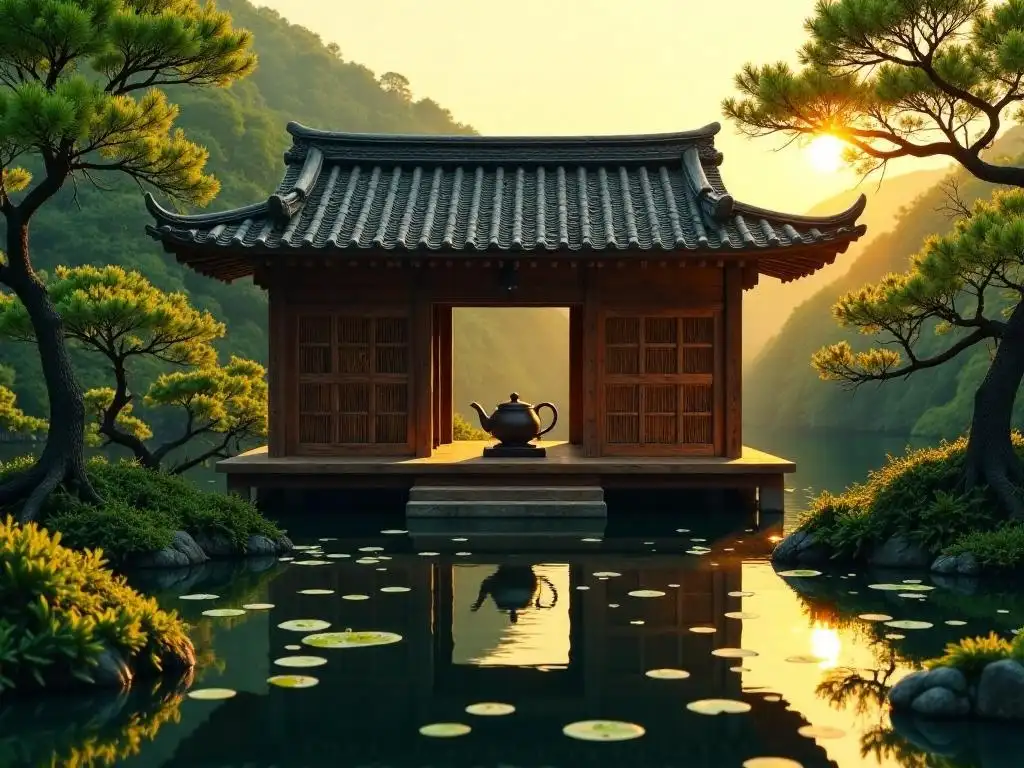
Tea houses, known as "chaya" in Japanese, played a significant role in the social and cultural fabric of feudal Japan. They were more than mere places to enjoy tea; they served as venues for social interaction, artistic expression, and the cultivation of the tea ceremony, a practice steeped in philosophy and aesthetic appreciation.
The tea house environment fostered a space where samurai, merchants, and commoners alike could gather, share stories, and engage in discussions that often transcended social hierarchies. This blending of classes was particularly notable during the Muromachi period (1336-1573), when tea houses became hubs for cultural exchange. The aesthetics of these spaces, characterized by minimalist design and harmony with nature, influenced various art forms, including ceramics, painting, and poetry.
Moreover, tea houses were pivotal in the development of the chanoyu, or tea ceremony, which emphasizes mindfulness and the appreciation of beauty in simplicity. This practice became a way to connect with Zen principles, promoting tranquility and introspection among participants. The rituals surrounding tea preparation and consumption also showcased the skills of artisans and the intricate beauty of Japanese craftsmanship, ultimately embedding tea culture deeply into the societal norms of the time.
Conclusion: The Enduring Legacy of Tea Houses in Japan
The legacy of tea houses in feudal Japan continues to resonate in contemporary Japanese culture. While the feudal system has long been dismantled, the traditions surrounding tea ceremonies and the overall aesthetic of tea houses have been preserved and are celebrated today. Modern tea houses often echo the architectural styles of their historical counterparts, showcasing tatami mat flooring, sliding doors, and gardens that reflect the serene beauty of nature.
In present-day Japan, tea houses remain popular venues for both locals and tourists seeking to experience the rich history of Japanese tea culture. The tea ceremony is still taught and practiced, highlighting its significance as a form of cultural heritage that promotes mindfulness and appreciation of beauty in everyday life. Events and festivals celebrating tea culture attract numerous visitors, ensuring that the values and practices developed during the feudal era endure.
Additionally, the influence of tea houses has spread beyond Japan, inspiring similar establishments worldwide that aim to capture the essence of peace, reflection, and community that originated in feudal Japan. This enduring legacy serves as a reminder of the integral role that tea houses played in shaping Japanese society and culture.
Suggested Resources for Further Exploration
For those interested in delving deeper into the world of tea houses and their historical significance in feudal Japan, the following resources provide a wealth of information:
- Books:
- The Book of Tea by Okakura Kakuzō - A classic text that explores the philosophy and aesthetics of the tea ceremony.
- Japanese Tea Culture: Art, History, and Practice by Paul Varley - This book provides an in-depth look at the history and development of tea culture in Japan.
- Documentaries:
- The Way of Tea - A documentary exploring the rituals and significance of the Japanese tea ceremony.
- Chado: The Way of Tea - This film offers a visual journey through the art of tea-making and its cultural implications.
- Online Resources:
- Japan National Tourism Organization (JNTO) - Provides information on tea houses and tea ceremonies throughout Japan.
- Kyoto Cultural Guide - Features details about traditional tea houses in Kyoto, a city renowned for its tea culture.
These resources will enrich your understanding of tea houses and their pivotal role in the cultural landscape of feudal Japan, allowing for a deeper appreciation of this unique aspect of Japanese history.
- Introduction to Feudal Japan and Its Tea Culture
- The Origin of Tea Houses in Feudal Japan
- Famous Tea Houses in Feudal Japan
- The Art of the Japanese Tea Ceremony
- The Cultural Impact of Tea Houses on Feudal Society
- Conclusion: The Enduring Legacy of Tea Houses in Japan
- Suggested Resources for Further Exploration
- What are the most famous tea houses from feudal Japan?
- How did tea houses influence Japanese culture during the feudal era?
- What was the significance of the tea ceremony in feudal Japan?
- Were tea houses exclusive to the samurai class?
- How did the architecture of tea houses reflect feudal Japanese aesthetics?
Frequently Asked Questions
What are the most famous tea houses from feudal Japan?
The most famous tea houses include the Shokado Tea House and the Nanzenji Junsei, known for their historical significance and cultural practices associated with the tea ceremony.
How did tea houses influence Japanese culture during the feudal era?
Tea houses played a crucial role in social gatherings and the development of Zen Buddhism, fostering a space for artistic expression and the practice of the tea ceremony.
What was the significance of the tea ceremony in feudal Japan?
The tea ceremony was not just about drinking tea; it represented spirituality, aesthetic appreciation, and the philosophy of harmony, reflecting the values of feudal society.
Were tea houses exclusive to the samurai class?
While many tea houses catered to the samurai class, they also welcomed commoners, promoting a sense of community and shared cultural practices across different social strata.
How did the architecture of tea houses reflect feudal Japanese aesthetics?
Tea house architecture emphasized simplicity, natural materials, and harmony with nature, embodying the Wabi-Sabi aesthetic that valued impermanence and beauty in imperfection.
Final Reflection: The Timeless Essence of Tea Houses in Feudal Japan
The exploration of famous tea houses in feudal Japan reveals not only the rich cultural tapestry of the era but also underscores the enduring significance of these spaces in our modern lives. As we delve into the intricate rituals and communal experiences that these tea houses fostered, we recognize their role as sanctuaries of tranquility and connection, echoing a timeless pursuit of harmony that resonates even today.
Cultural practices surrounding tea have shaped social interactions and artistic expressions for centuries, leaving an indelible mark on our collective consciousness. The tea houses of feudal Japan were not merely places to enjoy a beverage; they were venues for philosophical discourse, artistic inspiration, and the cultivation of relationships. Tea is the magic elixir that transforms the mundane into the extraordinary.
This sentiment encapsulates the essence of tea culture, reminding us that even in our fast-paced lives, there is beauty in slowing down and savoring the moment.
As we reflect on the lessons imparted by these historic tea houses, I invite you to consider how you might incorporate the spirit of this tradition into your own life. Take a moment to pause, brew a cup of your favorite tea, and create a space for reflection and connection, whether with yourself or others. In doing so, you honor the legacy of those who came before us, embracing the timeless practice of finding joy and meaning in the simple act of sharing tea.
Thank you for taking the time to explore the enchanting world of tea houses in feudal Japan! We hope you've gained a deeper appreciation for their historical significance and the calming traditions that continue to inspire tea lovers today. Now, it’s your turn to immerse yourself in this beautiful heritage!
Here are some steps you can take to deepen your connection with Japan's tea culture:
- Visit a local tea house or specialty shop to experience Japanese tea firsthand. Try matcha or hojicha, and share your experience with friends!
- Organize a tea tasting event at home. Invite your friends to enjoy various tea flavors while discussing the fascinating history behind each selection.
- Join a community group or online forum focused on Japanese traditions. Engage with others who share your passion for tea and history, and discover new insights!
How has your perspective on tea and its cultural significance shifted after learning about the rich traditions surrounding Japan's tea houses? We’d love to hear your thoughts!