
The Role of Seasonal Aesthetics in Traditional Japanese Tea Ceremonies

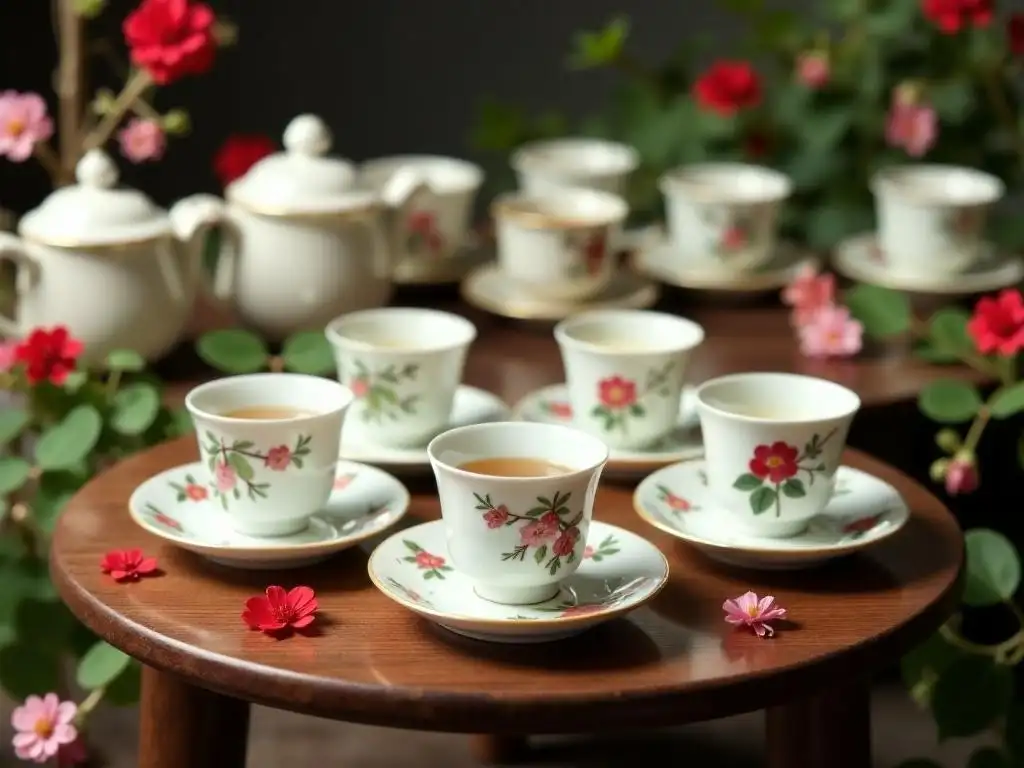
Welcome to Feudal Japan History, where we invite you to embark on a fascinating journey through the intricate tapestry of Japan's feudal era. In our latest article, "The Role of Seasonal Aesthetics in Traditional Japanese Tea Ceremonies," we delve into the delicate interplay between nature and culture that defines this revered practice. Discover how the changing seasons influence not only the flavors of tea but also the very essence of the ceremonies themselves.
Prepare to be captivated as we reveal the profound significance of seasonal aesthetics in these cherished traditions, inviting you to explore deeper into the heart of Japanese cuisine and culture. Join us, and let your curiosity lead the way!
- Understanding Seasonal Aesthetics in Japanese Tea Ceremonies
- The Four Seasons and Their Influence on Tea Ceremonies
- The Role of Seasonal Aesthetics in the Ceremony's Atmosphere
- Techniques for Incorporating Seasonal Aesthetics into Modern Tea Ceremonies
- Tips for Creating a Seasonal Tea Ceremony at Home
- Seasonal Themes for Tea Ceremony Events
-
Frequently Asked Questions
- What are seasonal aesthetics in Japanese tea ceremonies?
- How do seasonal aesthetics influence the tea ceremony experience?
- Why are seasonal elements important in Japanese culture?
- Can you give examples of seasonal aesthetics used in tea ceremonies?
- How can one learn more about seasonal aesthetics in tea ceremonies?
- Final Reflection: Embracing the Beauty of Seasonal Aesthetics in Japanese Tea Ceremonies
- Embrace the Beauty of Seasonal Aesthetics in Your Next Tea Ceremony!
Understanding Seasonal Aesthetics in Japanese Tea Ceremonies
The intricate relationship between nature and culture is a defining characteristic of Japan's rich heritage, particularly evident in its traditional tea ceremonies. At the heart of these ceremonies lies the concept of seasonal aesthetics, a philosophy that emphasizes the beauty and significance of nature's cycles.
This article delves into how seasonal aesthetics shape the experience of Japanese tea ceremonies, reflecting the profound appreciation for the changing seasons and their influence on cultural practices. By exploring the essence of these aesthetics and their interconnection with tea ceremonies, we can gain a deeper understanding of the values and traditions that define this unique aspect of Japanese cuisine.
The Essence of Seasonal Aesthetics in Traditional Japanese Culture
Seasonal aesthetics, known as “shiki” (四季) in Japanese, embody the four distinct seasons—spring, summer, autumn, and winter—each providing a unique lens through which beauty is perceived and celebrated. In traditional Japanese culture, these aesthetics are not merely visual but are deeply intertwined with emotional resonance and spiritual significance.
- Spring (Haru): Symbolizes renewal and hope, manifesting in the delicate blossoms of cherry trees, which inspire themes of transience and beauty. The tea ceremony during this season often features sakura (cherry blossom) motifs in the utensils and decor, inviting participants to reflect on the fleeting nature of life 🌸.
- Summer (Natsu): Represents vibrancy and warmth. The ceremonies in summer embrace the lush greenery and the refreshing essence of coolness, often incorporating elements like bamboo and seasonal refreshments, like matcha served with chilled sweets 🍵.
- Autumn (Aki): Celebrated for its rich colors and harvest, autumn tea ceremonies incorporate warm hues of red and gold, with themes of gratitude and reflection. Seasonal snacks made from chestnuts and persimmons are prevalent during this time 🍂.
- Winter (Fuyu): A time for introspection and warmth, winter ceremonies focus on creating a cozy atmosphere. The use of warm colors and heavier fabrics in the tea room reflects the cold outside, while the warmth of the tea symbolizes comfort and companionship ❄️.
This cyclical appreciation of the seasons not only enhances the aesthetic beauty of the tea ceremony but also reinforces the values of mindfulness and presence in the moment.
The Interconnection Between Nature and Japanese Tea Ceremonies
Japanese tea ceremonies, or “chanoyu” (茶の湯), are deeply influenced by the natural environment, serving as a conduit for participants to connect with nature's rhythms. The incorporation of seasonal aesthetics is evident in various aspects of the ceremony, from the selection of tea utensils to the arrangement of flower displays.
- Seasonal Utensils: Each season calls for specific tea implements that harmonize with the natural elements. For instance, ceramic tea bowls with seasonal motifs are chosen to reflect the current season, reinforcing the connection between the tea experience and the environment.
- Nature as a Theme: The choice of tea room decor often includes seasonal flowers, branches, or leaves, carefully arranged to evoke the spirit of the season. This not only beautifies the space but also invites participants to engage with nature’s beauty in a contemplative manner.
- Mindful Participation: Participants are encouraged to immerse themselves in the beauty of the setting and the flavors of the tea, fostering a sense of tranquility and appreciation for the present moment. The quiet, mindful atmosphere of the tea ceremony allows for reflection on the impermanence of life and the beauty that can be found in each season.
Seasonal aesthetics in Japanese tea ceremonies are not just decorative elements; they are a profound expression of cultural values that celebrate the interplay between nature and human experience. This connection enriches the tea ceremony, making it a meditative practice that resonates deeply with the essence of Japanese tradition.
The Four Seasons and Their Influence on Tea Ceremonies
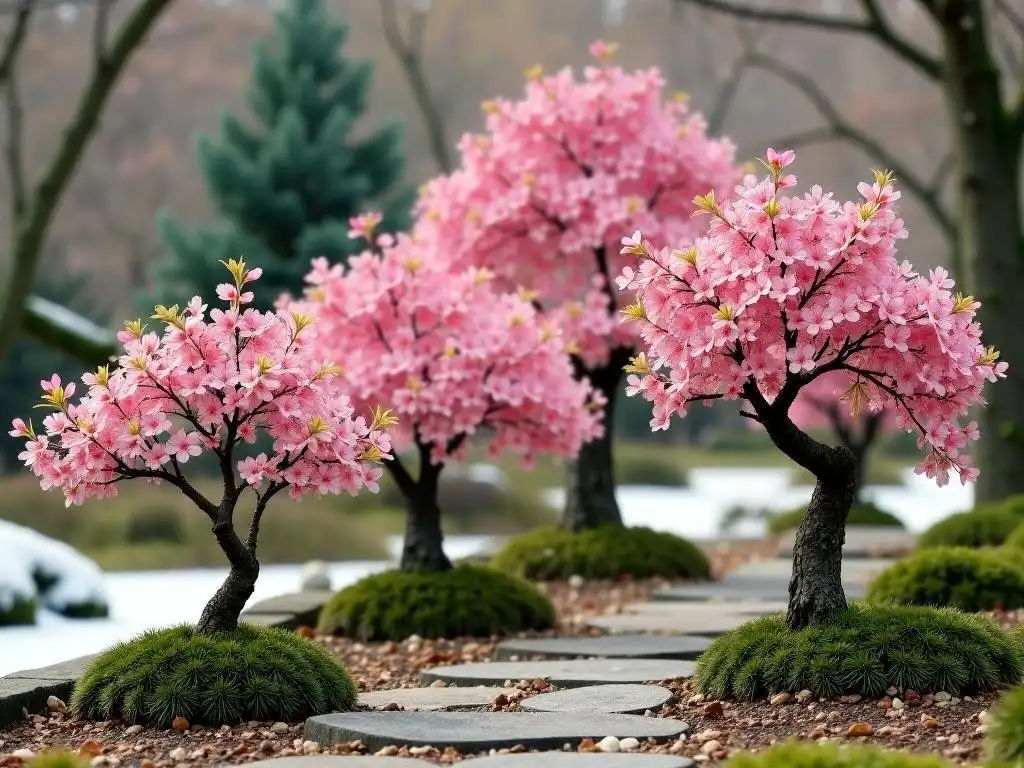
The concept of seasonal aesthetics in Japanese tea ceremonies (茶道, sadō) is deeply rooted in the appreciation of nature's cycles and the transient beauty of each season. This intrinsic connection to the environment not only influences the selection of tea and utensils but also shapes the overall atmosphere and experience of the ceremony. Each season brings with it specific themes, colors, and elements that are reflected in the aesthetics of the tea gathering.
Spring (Haru): Celebrating Renewal and Beauty
Spring, or Haru, is a time of renewal, and this is profoundly reflected in tea ceremonies conducted during this season.
- Cherry Blossoms (Sakura): The iconic cherry blossoms symbolize the fleeting nature of beauty and life. During the tea ceremony in spring, the aesthetic arrangements often include sakura motifs, whether through floral displays or themed utensils. The soft pink hues evoke a sense of peace and renewal.
- Ceremonial Utensils: Specific chawan (tea bowls) and fukusa (silk cloths) may feature pastel colors or floral designs to match the ambiance of spring. For instance, a pale green chawan may be selected to represent the fresh growth of new leaves.
- Menu Selection: The seasonal aesthetic also extends to the tea itself, with lighter, more delicate teas being favored, such as gyokuro or shincha (new tea). These teas are typically enjoyed alongside seasonal sweets (wagashi) that reflect the beauty of spring, like sakura mochi.
Spring ceremonies often emphasize the themes of harmony (wa), respect (kei), purity (sei), and tranquility (jaku), creating a serene atmosphere that celebrates the beauty of life's renewal.
Summer (Natsu): Embracing Warmth and Whimsy
As the warmth of summer (Natsu) arrives, tea ceremonies embody a sense of vibrancy and playfulness.
- Natural Elements: The aesthetics of summer ceremonies frequently incorporate elements that evoke the warmth and liveliness of the season. Brightly colored flowers, such as hydrangeas or sunflowers, may adorn the tea room. Additionally, wicker baskets filled with seasonal fruits can enhance the sensory experience.
- Utensil Choices: Summer tea ceremonies often feature utensils made from natural materials like bamboo and earthenware, which resonate with the earthy tones of summer. The use of cooler colors such as teal or azure in chawan can evoke a sense of refreshment.
- Refreshing Teas: In the heat of summer, lighter teas such as iced matcha or cold brew sencha are often served. The menu may include refreshing seasonal sweets, such as yomogi mochi or other cooling desserts that offer relief from the summer heat.
The summer tea ceremony embraces the concept of "yugen," which suggests a deep awareness of the universe and the beauty of nature. This season encourages participants to engage with their surroundings in a more playful and whimsical manner.
Autumn (Aki): Reflecting Change and Gratitude
Autumn, or Aki, is a season marked by change, reflection, and gratitude, and these themes are poignantly expressed in tea ceremonies held during this time.
- Autumn Colors: The rich, warm colors of autumn leaves—reds, oranges, and browns—are often reflected in the decor and utensils used during the ceremony. Arrangements may incorporate seasonal foliage, such as maple leaves, creating a stunning visual representation of the season's beauty.
- Ceremonial Elements: Tea bowls and utensils may feature earthy tones and textures that evoke the warmth of autumn. Seasonal motifs might be included in the design, celebrating the harvest and the abundance of nature.
- Seasonal Offerings: The tea served during autumn ceremonies often includes robust varieties, such as hojicha or darker sencha, which resonate with the warmth of the season. Accompanying sweets may feature ingredients like chestnuts or sweet potatoes, highlighting the bountiful harvest.
In autumn, the tea ceremony embodies "mono no aware," a sensitivity to the ephemeral nature of life and beauty. This season encourages participants to reflect on the passage of time and express gratitude for the harvest and experiences shared.
The seasonal aesthetics in Japanese tea ceremonies not only enhance the visual appeal but also deepen the connection between participants and their environment. Through the careful selection of themes, utensils, and teas, the beauty of each season is celebrated, creating a profound and enriching experience for all involved.
Winter (Fuyu): Fostering Introspection and Warmth
Winter, or Fuyu, holds a special significance in traditional Japanese tea ceremonies, where the seasonal aesthetics play a crucial role in shaping the experience. In this cold and contemplative season, the tea ceremony becomes a sanctuary that fosters warmth and introspection, inviting participants to embrace the beauty of simplicity and reflection.
Embracing Minimalism
During winter, the tea room is often stripped of excess ornamentation to highlight the beauty of minimalism. The decor may include subtle elements such as pine branches or plum blossoms, which symbolize resilience and hope amidst the cold. The choice of utensils, often made from earth-tone materials, also reflects this minimalist approach, allowing the tea and its preparation to take center stage. This intentional simplicity encourages participants to focus inward, creating a space for personal reflection and connection with nature.
The Warmth of Tea
The act of preparing and serving tea in winter is particularly significant. Matcha, a finely ground green tea, is often chosen for its vibrant color and rich flavor, offering a sensory escape from the dreary winter landscape. The warmth of the tea itself provides physical comfort, while the ritual of its preparation becomes a meditative practice. The steam rising from the tea bowls creates an atmosphere of tranquility, inviting participants to engage in mindful sipping and discussion.
Seasonal Food Pairings
Winter tea ceremonies often feature seasonal delicacies that complement the warm tea. Sweets like mochi or dango, made with glutinous rice, are commonly served. These treats not only enhance the overall experience but also reflect the seasonal aesthetics by incorporating ingredients that are harvested in winter. The choice of food underscores the connection between the seasons and the ceremonial experience, emphasizing the harmony of nature and culture.
Reflection and Connection
The winter season, with its quietude and stillness, provides an opportunity for participants to engage in deeper reflections. The aesthetics of winter—such as the sight of snow gently falling outside the tea room—encourage a contemplative mindset. This serene environment allows individuals to connect not only with their surroundings but also with one another, fostering a sense of community and shared experience.
Winter in Japanese tea ceremonies embodies a profound balance of introspection and warmth. Through minimalistic aesthetics, the choice of tea and seasonal delicacies, and the meditative atmosphere, the winter tea ceremony invites participants to find solace and reflection in the beauty of simplicity. This seasonal influence not only enhances the tea-drinking experience but also reinforces the deep-rooted traditions that underscore the cultural significance of tea in Japan.
The Role of Seasonal Aesthetics in the Ceremony's Atmosphere
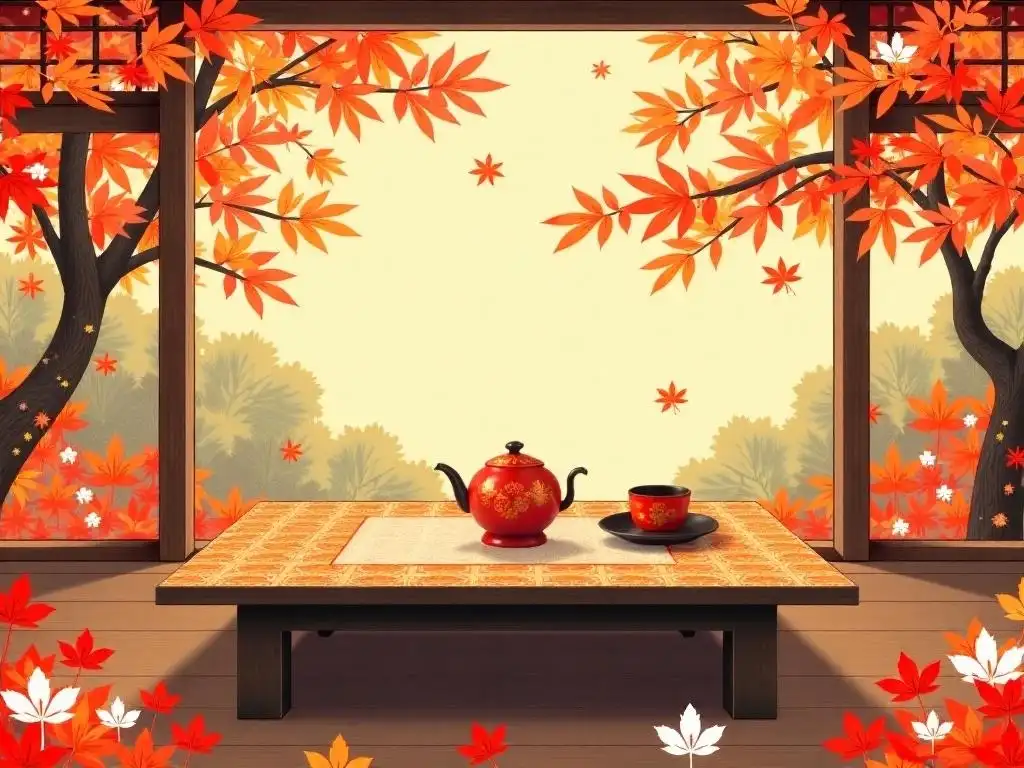
In traditional Japanese tea ceremonies, seasonal aesthetics play a pivotal role in creating a harmonious atmosphere that reflects the beauty of nature and the passage of time. This connection to nature not only enhances the sensory experience but also fosters a deeper appreciation for the fleeting moments of life, a concept deeply rooted in Japanese culture. The incorporation of seasonal elements in the tea ceremony manifests through various aspects such as decor, utensils, and the overall ambiance.
The philosophy of wabi-sabi, which celebrates imperfection and transience, is embodied in the seasonal aesthetics of the tea ceremony. Each season brings its unique beauty and sensory experiences that are thoughtfully integrated into the ceremony. For instance, during spring, cherry blossoms may be featured as a motif, while in autumn, maple leaves might take center stage. These elements not only provide visual beauty but also evoke emotions tied to the specific season, creating a reflective atmosphere that encourages mindfulness among participants.
How Seasonal Decor Enhances the Tea Experience
Seasonal decor is an essential component of the tea ceremony, influencing both the visual and emotional landscape of the event. Various elements contribute to this enhancement:
- Chashaku and Chawan: The tea scoop ( chashaku) and the tea bowl ( chawan) often reflect seasonal motifs that resonate with the time of year. For example, a bowl adorned with autumn leaves invites participants to appreciate the changing seasons.
- Hanging Scrolls: The use of kakemono (hanging scrolls) displaying seasonal landscapes or poetry is common. These scrolls serve as focal points, drawing attention and sparking conversation among guests.
- Flowers and Arrangements: Floral arrangements ( ikebana) are carefully chosen to represent the current season. The selection of flowers, such as plum blossoms in winter or irises in early summer, enhances the sensory experience, connecting participants to nature.
- Table Settings: The choice of tablecloths and serving trays also reflects seasonal themes. Textiles in colors that resonate with the season further enhance the overall aesthetic, creating a cohesive and immersive experience.
The impact of these seasonal decor elements is profound, as they foster a sense of connection between the participants and the natural world, encouraging a state of tranquility and appreciation.
The Importance of Seasonal Food Pairings
In addition to decor, seasonal food pairings play a crucial role in the traditional tea ceremony, complementing the aesthetics and enriching the overall experience. The pairing of tea with seasonal sweets ( wagashi) is a practice that illustrates the importance of harmony between taste and visual appeal.
- Spring: In spring, delicate sweets made with sakura (cherry blossoms) or matcha (green tea) are served. These flavors evoke the essence of renewal and growth, aligning perfectly with the season's themes.
- Summer: Light and refreshing sweets, such as kuzumochi (a sticky rice cake), are offered in summer. These treats not only provide relief from the heat but also highlight seasonal ingredients like fresh fruits.
- Autumn: Autumn is celebrated with flavors that evoke warmth and richness, such as chestnut or sweet potato sweets, reflecting the harvest season's bounty. These pairings enhance the enjoyment of the tea while reinforcing the connection to the season.
- Winter: In winter, heartier sweets such as yakiimo (roasted sweet potatoes) are served, bringing warmth and comfort. The rich flavors and textures create a cozy atmosphere, encouraging participants to savor the moment.
The thoughtful selection of seasonal food pairings not only satisfies the palate but also contributes to the overall theme of the tea ceremony, creating a holistic experience that honors the beauty of each season.
The integration of seasonal aesthetics in Japanese tea ceremonies is a profound expression of culture that enhances the atmosphere and the overall experience. By embracing the beauty of nature through decor and culinary offerings, participants are invited to engage deeply with the moment, fostering a sense of mindfulness and appreciation for the transience of life.
Techniques for Incorporating Seasonal Aesthetics into Modern Tea Ceremonies
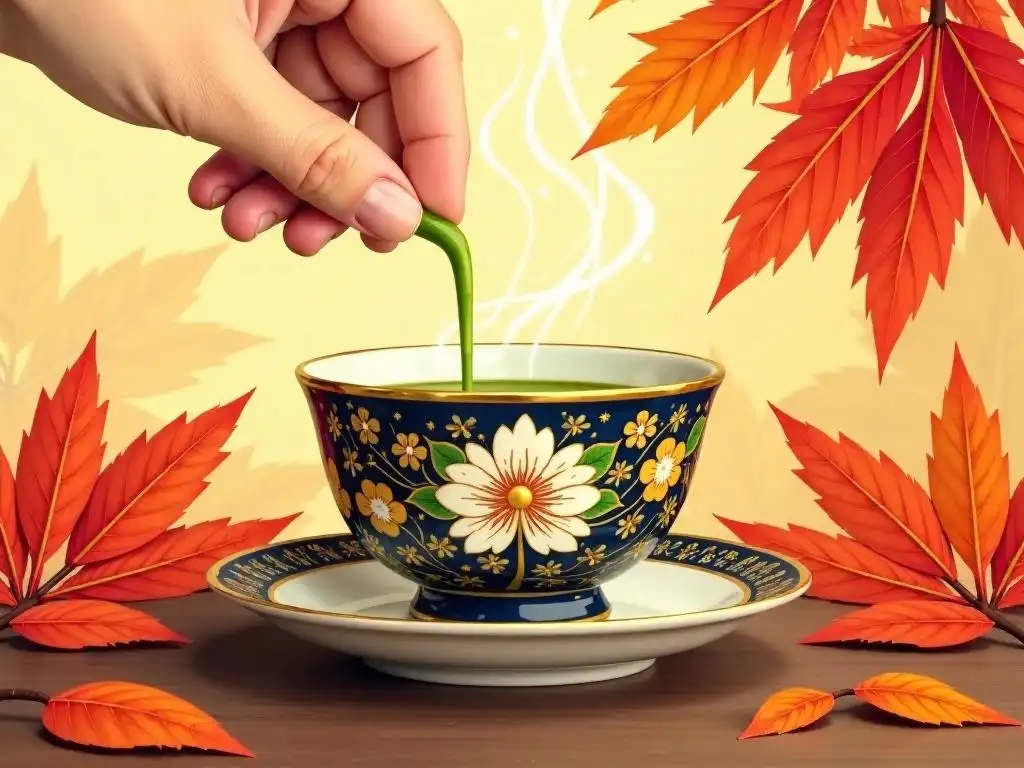
Incorporating seasonal aesthetics into modern tea ceremonies requires a thoughtful approach that honors traditional practices while embracing contemporary interpretations. The essence of seasonal aesthetics in Japanese tea ceremonies lies in the ability to reflect nature's changes and evoke emotions associated with different times of the year. Here are some techniques to achieve this balance:
1. Selection of Tea and Utensils
Choosing the right tea is crucial. Each season offers unique flavors that can enhance the experience:
- Spring: Opt for delicate green teas like gyokuro or sencha, which echo the freshness of new blooms.
- Summer: Consider chilled teas, such as mugicha (barley tea), to provide a refreshing experience.
- Autumn: Richer teas, like hojicha, can complement the warm tones of fall.
- Winter: Hearty, warming teas such as genmaicha bring comfort during colder months.
In addition, using seasonal utensils can amplify the ceremony's aesthetic:
- Spring: Floral patterns on tea bowls.
- Summer: Lightweight, transparent glassware.
- Autumn: Earthy colors and textures.
- Winter: Heavier, comforting ceramics.
2. Seasonal Decor
The environment plays a vital role in setting the mood. Consider these elements:
- Floral Arrangements: Use seasonal flowers such as cherry blossoms in spring or chrysanthemums in autumn.
- Natural Elements: Incorporate branches, leaves, or stones that resonate with the season to create a harmonious atmosphere.
- Table Settings: Use tablecloths or mats that reflect seasonal colors—pastels for spring, vibrant hues for summer, warm tones for autumn, and neutral shades for winter.
3. Thematic Presentation
The presentation of tea can also reflect seasonal themes:
- Spring: Serve tea accompanied by light, floral sweets.
- Summer: Present iced teas with fresh fruit garnishes.
- Autumn: Pair tea with rich, spiced snacks like mochi or dorayaki.
- Winter: Offer warming treats such as yakiimo (roasted sweet potatoes) alongside the tea.
4. Mindful Engagement
Encourage participants to immerse themselves in the season:
- Meditative Practices: Begin the ceremony with a moment of silence, inviting guests to reflect on the season's beauty.
- Discussion: Share stories or poems related to the season, enhancing the connection with nature.
Tips for Creating a Seasonal Tea Ceremony at Home
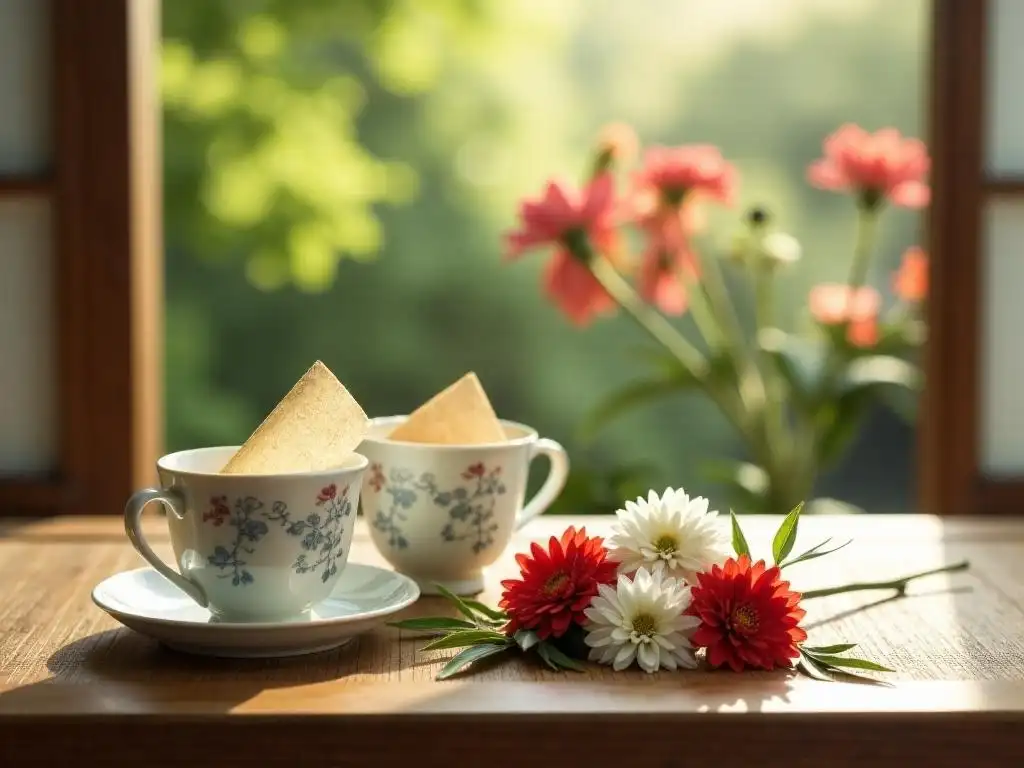
Creating a seasonal tea ceremony at home can be a rewarding experience that fosters connection and mindfulness. Here are some practical tips to enhance your home tea ceremony:
Plan a menu that reflects the season. Use local, seasonal ingredients to align your food offerings with the time of year:
- Spring: Incorporate matcha-flavored sweets and light savory bites.
- Summer: Include refreshing salads and chilled desserts.
- Autumn: Serve hearty dishes featuring seasonal vegetables and spices.
- Winter: Focus on rich, comforting foods that provide warmth.
2. Set the Scene
Create an inviting atmosphere by considering:
- Lighting: Use soft, ambient lighting or candles to create a cozy environment.
- Color Palette: Select colors that resonate with the season—pastels for spring, bright tones for summer, warm shades for autumn, and muted colors for winter.
3. Engage the Senses
Encourage guests to engage all their senses during the ceremony:
- Visuals: Arrange flowers and decor thoughtfully to create visual interest.
- Aromas: Use incense or scented candles that reflect the season.
- Tactile Elements: Incorporate different textures in your utensils and table settings to enhance the sensory experience.
4. Encourage Reflection
Invite participants to reflect on the changing seasons and their significance. This can be done by sharing personal stories or engaging in a brief discussion about what each season means to them.
Seasonal Themes for Tea Ceremony Events
Seasonal themes can transform a tea ceremony into a memorable event that resonates with guests. Here are some ideas for seasonal themes that can be incorporated into tea ceremony events:
1. Spring Awakening
This theme celebrates renewal and growth. Incorporate cherry blossoms, pastel colors, and light flavors:
- Decor: Use floral arrangements and pastel-colored tableware.
- Activities: Include a flower-arranging session or a discussion on the significance of spring in Japanese culture.
2. Summer Serenity
Emphasize relaxation and refreshment during the hot months. Utilize cooler teas and vibrant decorations:
- Decor: Bright colors, fans, and light fabrics can create a breezy atmosphere.
- Activities: Offer a tasting of iced teas and light snacks, focusing on hydration and refreshment.
3. Autumn Harvest
Celebrate the bounty of the harvest season with rich flavors and warm hues:
- Decor: Incorporate autumn leaves, pumpkins, and earthy colors.
- Activities: Host a tasting of seasonal teas paired with hearty snacks, discussing how autumn influences food and culture.
4. Winter Reflection
This theme focuses on introspection and warmth during the colder months:
- Decor: Use warm, comforting colors and soft textures.
- Activities: Engage in storytelling or poetry readings, encouraging guests to reflect on the year gone by.
By incorporating these techniques and themes, modern tea ceremonies can beautifully honor the seasonal aesthetics of Japanese culture, creating a rich, immersive experience for all participants.
Frequently Asked Questions
What are seasonal aesthetics in Japanese tea ceremonies?
Seasonal aesthetics refer to the appreciation of nature's changes throughout the year, which is reflected in the decor, utensils, and themes used during tea ceremonies.
How do seasonal aesthetics influence the tea ceremony experience?
Seasonal aesthetics enhance the overall experience by creating a harmonious atmosphere that resonates with the time of year, allowing participants to feel a deeper connection to nature.
Why are seasonal elements important in Japanese culture?
Seasonal elements are crucial as they embody the Japanese concept of impermanence and beauty, emphasizing the importance of transience and a deep appreciation for nature.
Can you give examples of seasonal aesthetics used in tea ceremonies?
Examples include using cherry blossoms in spring, autumn leaves in fall, or winter motifs like snowflakes, each contributing to the ceremony's theme and ambiance.
How can one learn more about seasonal aesthetics in tea ceremonies?
To learn more, consider reading in-depth articles, attending workshops, or visiting tea houses that focus on the cultural significance of seasonal aesthetics in Japanese tea ceremonies.
Final Reflection: Embracing the Beauty of Seasonal Aesthetics in Japanese Tea Ceremonies
**The exploration of seasonal aesthetics in Japanese tea ceremonies reveals a profound connection between nature and culture that remains vital in today's fast-paced world. As we navigate our modern lives, the lessons embedded in these traditional practices remind us to pause, appreciate, and immerse ourselves in the beauty of the changing seasons. The art of tea, with its delicate balance of simplicity and elegance, serves as a poignant reminder of the importance of mindfulness and presence in our daily routines.
The influence of seasonal aesthetics extends beyond the tea room, permeating various aspects of Japanese culture and social interactions. It fosters a deep appreciation for the ephemeral nature of life, encouraging us to find beauty in transience. As the seasons shift, so too do our experiences and emotions, inviting us to reflect on our own journeys. The beauty of nature is a reminder of the beauty of life itself.
This sentiment resonates as we consider how seasonal aesthetics enrich our lives, urging us to cultivate a deeper connection with our surroundings and each other.
As you reflect on the themes presented in this article, I invite you to embrace the seasonal aesthetics in your own life. Consider how you can incorporate the principles of mindfulness and appreciation into your daily routines, whether through simple acts of observation or by creating spaces that celebrate the changing seasons. Let the wisdom of traditional Japanese tea ceremonies inspire you to find harmony in your environment and to cherish the fleeting moments that make life truly beautiful.
Embrace the Beauty of Seasonal Aesthetics in Your Next Tea Ceremony!
Thank you for immersing yourself in the delicate world of seasonal aesthetics during traditional Japanese tea ceremonies! By understanding the profound connection between nature and this artful practice, you've gained valuable insights that can elevate your own experiences. Now, let’s explore how you can bring this beauty to life.
- Host your own seasonal tea ceremony: Gather friends or family and incorporate the aesthetics of the current season into your setup—consider using cherry blossoms in spring or vibrant foliage in autumn.
- Share your learnings: Discuss your newfound understanding of aesthetics on social media or with fellow tea enthusiasts. Engage with others using the hashtag #JapaneseTeaAesthetics to join the conversation!
- Create aesthetic displays: Curate a small corner in your home inspired by seasonal elements—select flowers, colors, and textures that beautifully reflect nature's transformations throughout the year.
How will you incorporate seasonal aesthetics into your daily life or your next gathering? We’d love to hear your ideas!